Tag: Finland

  • 10 easiest European citizenships

    10 easiest European citizenships

    Many people from developing countries aspire to acquire citizenship in European states. Some countries offer relatively straightforward paths to citizenship, while others present significant challenges. Sweden stands out as the easiest country in Europe for obtaining citizenship, whereas Estonia and Latvia are the most challenging.

    A recent study by CIS analysed Eurostat immigration data from 2009 to 2021 to identify which countries have the highest and lowest rates of non-EU residents acquiring citizenship.

    The analysis revealed that the nine most challenging countries to obtain citizenship are located in Central Europe. Estonia ranks as the most difficult country for non-EU citizens to naturalise, with the lowest average acquisition rate—approximately one in 200 residents. Additionally, the acquisition rate for men in Estonia is lower at 0.58 percent compared to 0.69 percent for women.

    Latvia, the Czech Republic, and Lithuania also have acquisition rates of less than 1 percent for non-Europeans, contrasting sharply with the average of 3.56 percent across European countries. Austria, Liechtenstein, Slovakia, Slovenia, and Germany follow, granting citizenship to about one in fifty non-EU residents. Denmark, outside Central Europe, presents the next highest hurdle with an acquisition rate of 2 percent.

    Over the past decade, six of the ten most challenging countries have seen an increase in citizenship grants year-on-year, particularly Denmark, which experienced a notable rise. Germany’s acquisition rate remained stable, while Latvia, Lithuania, and Slovenia saw declines.

    Many countries implement various programs aimed at attracting foreigners, including opportunities for investment, as well as citizenship and tax benefits.

    Individuals seeking migration often favour Golden Visa and Golden Passport routes, terms that are sometimes used interchangeably despite minor distinctions.

    10 Easiest European Countries to Get Citizenship

    According to the report, Sweden ranks as the easiest country, with nearly one in ten (9.3 Perce) non-EU residents obtaining citizenship—more than double the EU average.

    Sweden boasts the highest acceptance rates for both genders, with women experiencing a slightly higher acceptance rate of 10.02 percent compared to 8.66 percent for men.

    Norway, the Netherlands, Portugal, and Iceland follow as the second to fifth easiest countries to acquire citizenship, with an acquisition rate of one in 25 (4 percent).

    Data shows that northern European countries generally have the highest citizenship acquisition rates, with Sweden, Norway, Iceland, and Finland leading the pack.

    In southern Europe, Portugal emerges as the easiest, while the Netherlands, Ireland, and the United Kingdom are the most accessible Western European states for citizenship. The UK ranks eighth, with nearly three in 50 (3.2 percent) residents granted citizenship.

    Poland and Croatia are the easiest countries in Central Europe for changing nationality, with acquisition rates of 4 percent and 3.9 percent respectively. Northern and Western Europe present the most accessible regions for nationality changes, with an acquisition rate of 5.9 percent compared to 1.9 percent in Central Europe and 3.6 percent in the South.
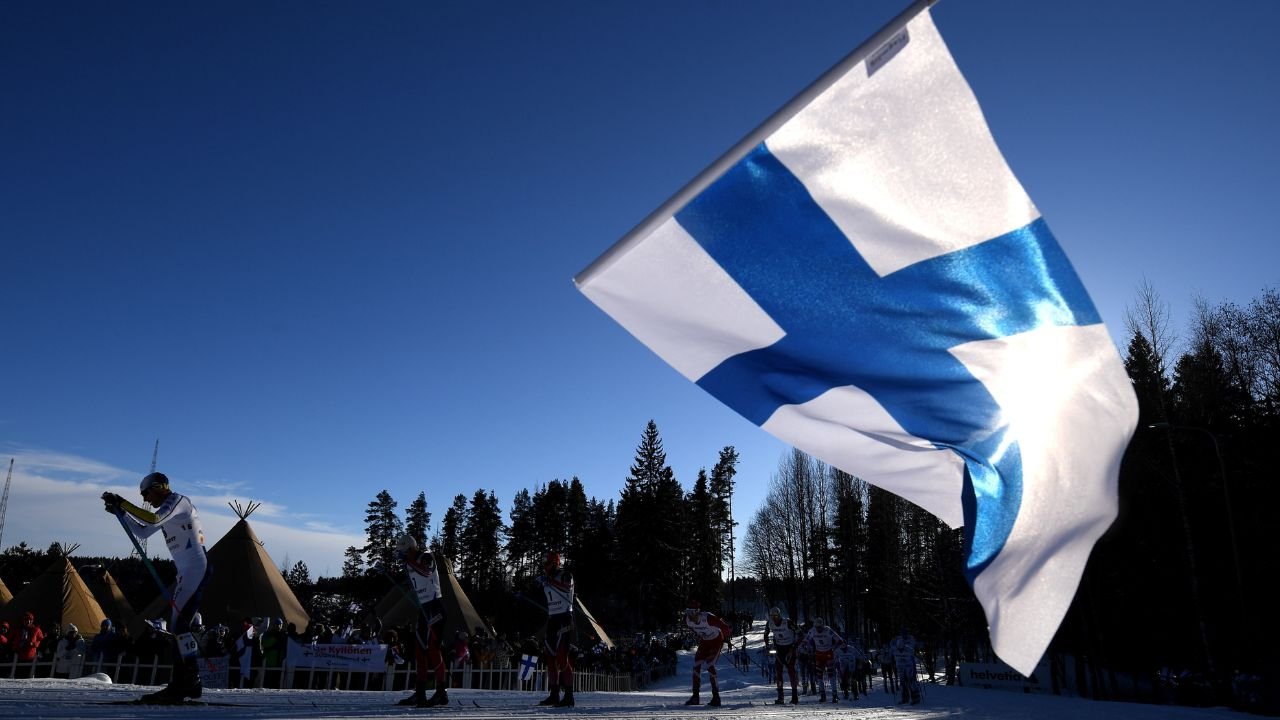
  • Finland is world’s happiest country for seventh year: study

    Finland is world’s happiest country for seventh year: study

    Helsinki (AFP) – Finland remained the world’s happiest country for a seventh straight year in an annual UN sponsored World Happiness Report published on Wednesday.

    And Nordic countries kept their places among the 10 most cheerful, with Denmark, Iceland and Sweden trailing Finland.

    Afghanistan, plagued by a humanitarian catastrophe since the Taliban regained control in 2020, stayed at the bottom of the 143 countries surveyed.

    For the first time since the report was published more than a decade ago, the United States and Germany were not among the 20 happiest nations, coming in 23rd and 24th respectively.

    In turn, Costa Rica and Kuwait entered the top 20 at 12 and 13.

    The report noted the happiest countries no longer included any of the world’s largest countries.

    “In the top 10 countries only the Netherlands and Australia have populations over 15 million. In the whole of the top 20, only Canada and the UK have populations over 30 million.”

    The sharpest decline in happiness since 2006-10 was noted in Afghanistan, Lebanon and Jordan, while the Eastern European countries Serbia, Bulgaria and Latvia reported the biggest increases.

    The happiness ranking is based on individuals’ self-assessed evaluations of life satisfaction, as well as GDP per capita, social support, healthy life expectancy, freedom, generosity and corruption.

    Growing inequality

    Jennifer De Paola, a happiness researcher at the University of Helsinki in Finland, told AFP that Finns’ close connection to nature and healthy work-life balance were key contributors to their life satisfaction.

    In addition, Finns may have a “more attainable understanding of what a successful life is”, compared to for example the United States where success is often equated with financial gain, she said.

    Finns’ strong welfare society, trust in state authorities, low levels of corruption and free healthcare and education were also key.

    “Finnish society is permeated by a sense of trust, freedom, and high level of autonomy,” De Paola said.

    This year’s report also found that younger generations were happier than their older peers in most of the world’s regions — but not all.

    In North America, Australia and New Zealand, happiness among groups under 30 has dropped dramatically since 2006-10, with older generations now happier than the young.

    By contrast, in Central and Eastern Europe, happiness increased substantially at all ages during the same period, while in Western Europe people of all ages reported similar levels of happiness.

    Happiness inequality increased in every region except Europe, which authors described as a “worrying trend”.

    The rise was especially distinct among the old and in Sub-Saharan Africa, reflecting inequalities in “income, education, health care, social acceptance, trust, and the presence of supportive social environments at the family, community and national levels,” the authors said.

  • Pakistani passport once again least powerful

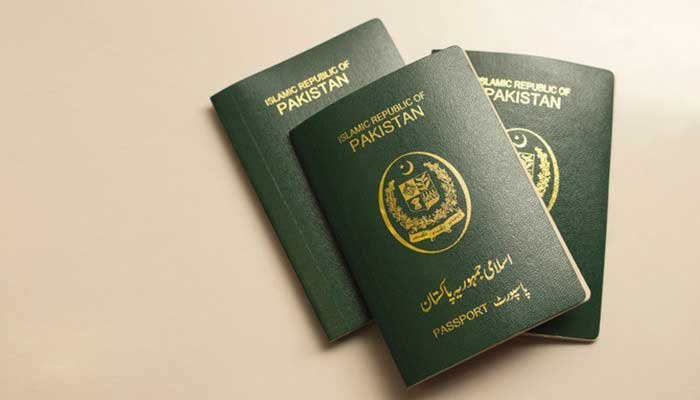
    Pakistani passport once again least powerful

    Henley & Partners‘ Passport Index has published a list portraying the world’s travel access hierarchy.

    Top on the list of countries that encourage travelling are France, Germany, Italy, Japan, Singapore, and Spain, whose citizens can visit an astounding 194 destinations without requiring arduous visa procedures. This group of countries offer passport-to-plane experience, setting the bar high for unmatched worldwide mobility.

    With access to 193 locations, Finland, South Korea, and Sweden share second place. Many visa-free or visa-on-arrival options are available to their well-travelled inhabitants, providing access to a variety of cultures and environments.

    Austria, Denmark, Ireland, and the Netherlands take third place with access to 192 destinations. These nations serve as entry points to a wide range of travel opportunities.

    The long list goes on, honouring countries that place a high priority on global connection. Among the notable entries are the United States, Canada, Greece, Switzerland, and New Zealand, all of which provide their inhabitants with an abundance of travel options.

    On the other hand, the Passport Index identifies states with more limited travel options. Afghanistan, Syria, Iraq, and Pakistan are among the least accessible, offering their passport holders entry to just 34 countries that require no visa or one upon arrival.

    The London-based company, which offers residency and citizenship consultancy services, teamed together with the International Air Transport Association to create a unique ranking that takes into account passport holders’ access to countries without a visa or with one upon arrival.

  • Nida Yasir and Yasir Nawaz are enjoying a freezing holiday in Finland

    It looks like Nida Yasir and Yasir Nawaz are not into beach holidays. The famous couple have made a rather different choice when it comes to vacation destination.

    The duo just had a winter vacation in Finland complete with snowfall and freezing temperatures. Even though it is very cold during the snowy Christmas season, they look like they had a lot of fun. Nida looked stylish in her trendy outfit. They shared some awesome pictures from their chilly vacation. Check it out:

  • 40 countries to hold elections in 2024, including Pakistan

    40 countries to hold elections in 2024, including Pakistan

    The new year is just over one month away and it is going to be the biggest election year in history yet.

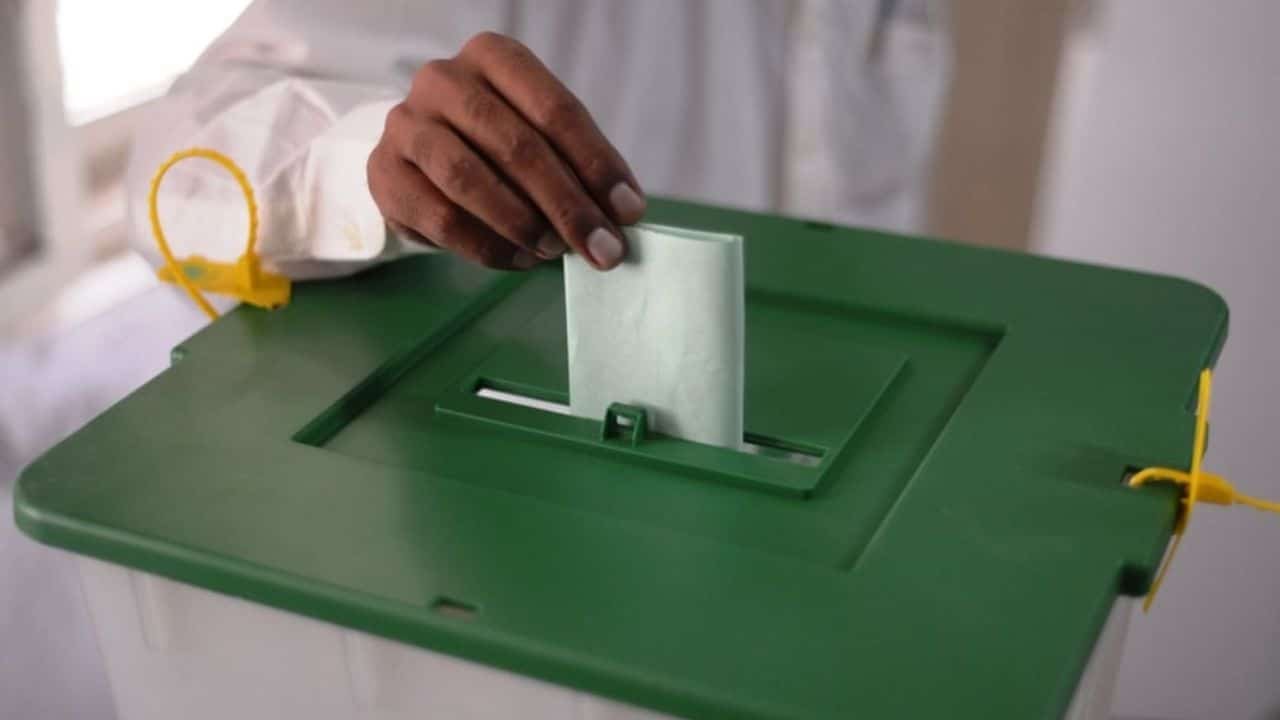
    40 countries are scheduled to vote in 2024 across the globe which, as calculated by Bloomberg Economics, represent 41% of the world’s population and 42% of its global GDP.

    The marathon will begin with Taiwan in January and end with the US in November.

    Here are some of the prominent countries lined up for elections: Republic of the Congo, Democratic Republic of the Congo, Egypt, Gambia, and Libya in Africa; Brazil, Colombia, Mexico, Peru, the United States, and Venezuela in the Americas; Bangladesh, India, Indonesia, South Korea, Sri Lanka, Taiwan, Australia, and Pakistan in Asia and Oceania; Austria, Belarus, Belgium, the European Union, Finland, Germany, Ireland, Portugal, Russia, Spain, Turkey, Ukraine and the United Kingdom in Europe.

    There are, however, four elections that the world has eyes on — elections that are expected to alter geopolitics in the next decade.

    Russia will elect the new president in March who will govern until 2030, putting Russia-NATO relations at the forefront.

    In April-May, India will hold elections and as per analysts, Modi’s loss can push back investors.

    The European Union will conduct bloc-wide polls in June to appoint members of the European Parliament for the 2024-2029 which will be pertinent for the increasing friction between right-wing and left-wing policymakers on issues like immigration and Ukraine.

    The United States will hold legislative and presidential elections in November for 2025-2028, while everyone curiously waits whether Republicans will return to the White House or not.

  • Video: Finland’s PM’s leaked party video, takes drug test due to severe backlash

    Video: Finland’s PM’s leaked party video, takes drug test due to severe backlash

    Finnish Prime Minister Sanna Marin said on August 19 that she had taken a drug test following the publication of video footage that showed her partying with friends, and vowed she had never used illegal drugs.

    Video clips of Marin partying with well-known Finnish influencers and artists began circulating on social media, leading to severe criticism.

    “These videos are private and filmed in a private space. I resent that these became known to the public,” Marin told the media. She said she did not know who leaked them.

    “In recent days, there have been quite grave public accusations that I was in a space where drugs were used, or that I myself used drugs,” Marin told a news conference.

    “I consider these accusations to be very serious and, though I consider the demand for a drug test unjust, for my own legal protection and to clear up any doubts, I have taken a drug test today, the results of which will come in about a week.”

    However, Marin tested negative after a drug test she took following the publication of video footage that showed her partying with friends.

  • Finland’s PM proposes four-day, six-hour workweek

    Finland’s PM proposes four-day, six-hour workweek

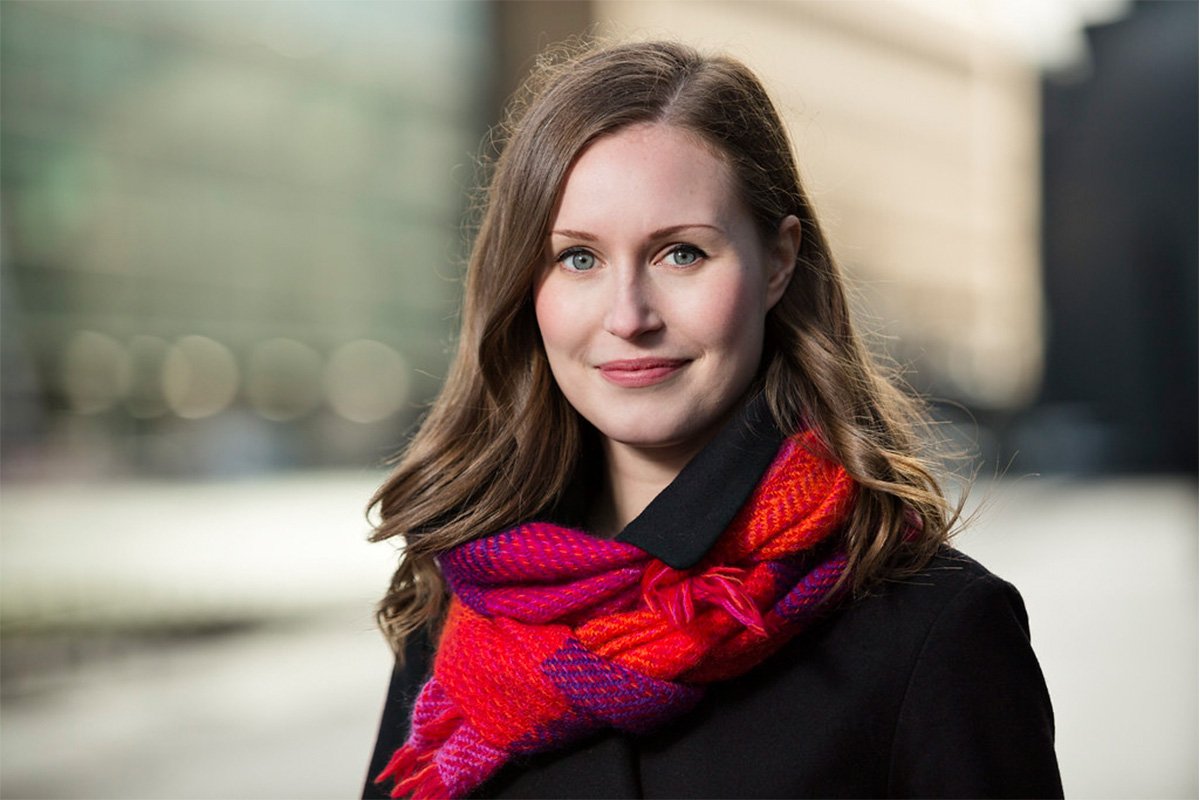
    Finland’s 34-year-old Prime Minister Sanna Marin has proposed cutting down the workweek and reducing it to four days consisting of six-hour workdays in a bid to transition the country to what she called “the next step for us in working life.”

    According to CNBC, the PM said, “I believe people deserve to spend more time with their families, loved ones, hobbies and other aspects of life, such as culture. This could be the next step for us in working life.”

    Specific details of Marin’s proposal are yet to be announced.

    Finland has long been advocating flexible work schedules. In 1996, the government introduced a law that gave employees the right to shift their hours up to three hours earlier or later than their employers’ typical requirements.

    Since taking office and becoming the world’s youngest prime minister in December, Marin has advanced that agenda. Marin sits at the helm of Finland’s Social Democratic Party and leads the country’s five-party, all-woman center-left coalition government.

    However, Finland is not the first country to propose this. In 2015, Sweden tested out the six-hour workweek in Gothenburg. Results revealed that though happiness levels included it put a burden on public coffers.

    Meanwhile, in November 2019, Microsoft Japan revealed that a trial four-day workweek boosted productivity by 40%.

  • Finland’s Sanna Marin to become world’s youngest sitting prime minister

    Finland’s Sanna Marin to become world’s youngest sitting prime minister

    Finland’s 34-year-old transportation minister Sanna Marin, has been selected as the country’s prime minister (PM) on Dec 08, making her the youngest leader in the world to ever hold the PM’s job, Quartz reported.

    According to the details, Marin will be taking over from former PM Antii Rinne, who resigned from the position last week after just six months on the job, following controversy over his handling of a postal strike.

    Like Rinne, Marin is also a member of the Social Democratic Party, the largest in Finland’s five-member ruling coalition. Finland’s other four parties are also led by women, three of whom are under 35 years old.

    Rinne resigned on Tuesday after the Centre Party, said it had lost confidence in him following his handling of a postal strike.

    Reports claim that Marin will continue an agenda to reduce carbon emissions, and after winning a narrow party vote against SDP parliamentary group leader Antti Lindtman, Marin told reporters that “We have a lot of work ahead to rebuild trust.”

    Marin has had a swift rise in Finnish politics since becoming head of the city council of her industrial hometown of Tampere at the age of 27.

    She will take over in the middle of a 3-day wave of strikes, which will halt production at some of Finland’s largest companies from Monday. The Confederation of Finnish Industries estimates the strikes will cost the companies a combined 500 million euros ($550 million) in lost revenue.