Tag: Fiscal Challenges

  • UN survey forecasts modest growth for Pakistan’s GDP amid inflation projections

    UN survey forecasts modest growth for Pakistan’s GDP amid inflation projections

    Pakistan is projected to experience a real GDP growth rate of 2 per cent in 2024, with a slight increase to 2.3 per cent expected in 2025, according to a United Nations economic survey.

    The survey, titled ‘Economic and Social Survey of Asia and the Pacific 2024: Boosting Affordable and Longer-term Financing for Governments,’ released on Thursday, also forecasts a decrease in the inflation rate from 26 per cent to 12.2 per cent in the same period.

    The report highlights the challenges faced by Pakistan’s economy in 2023, citing political unrest and a significant flood that disrupted agricultural production.

    To address fiscal pressures, Pakistan, along with Sri Lanka, sought external assistance from the International Monetary Fund (IMF), with additional support from bilateral partners such as China, Saudi Arabia, and the United Arab Emirates.

    Both countries are implementing fiscal adjustments, including debt restructuring in Sri Lanka and subsidy removal in Pakistan’s power sector.

    Despite moderate tax gaps in Bangladesh, Pakistan, and Sri Lanka, the report suggests that improving tax policies and administration alone may not suffice to bridge development financing gaps, emphasising the need for broader improvements in socioeconomic development and public governance.

    The macroeconomic conditions in the developing Asia-Pacific region remain challenging, with a disparity in economic growth among different economies.

    While some larger economies experienced a rebound in economic growth, others saw only moderate growth in 2023. Pakistan’s GDP growth rate for the second quarter of fiscal year 2023–24 stood at a modest 1 per cent, below earlier projections ranging from 2–3 per cent.
  • Pakistan anticipates final IMF tranche approval in late April

    Pakistan anticipates final IMF tranche approval in late April

    The International Monetary Fund (IMF) announced that its Executive Board meeting, anticipated for late April, is crucial for approving Pakistan’s final tranche of approximately $1.1 billion (SDR 828 million). 

    This sum represents the last portion of the $3-billion Stand-By Arrangement (SBA) initiated in June of the previous year.

    Julie Kozack, IMF Communication Director, revealed this information during a media briefing, highlighting the significance of the staff-level agreement reached on March 19 between IMF staff and Pakistani authorities. 

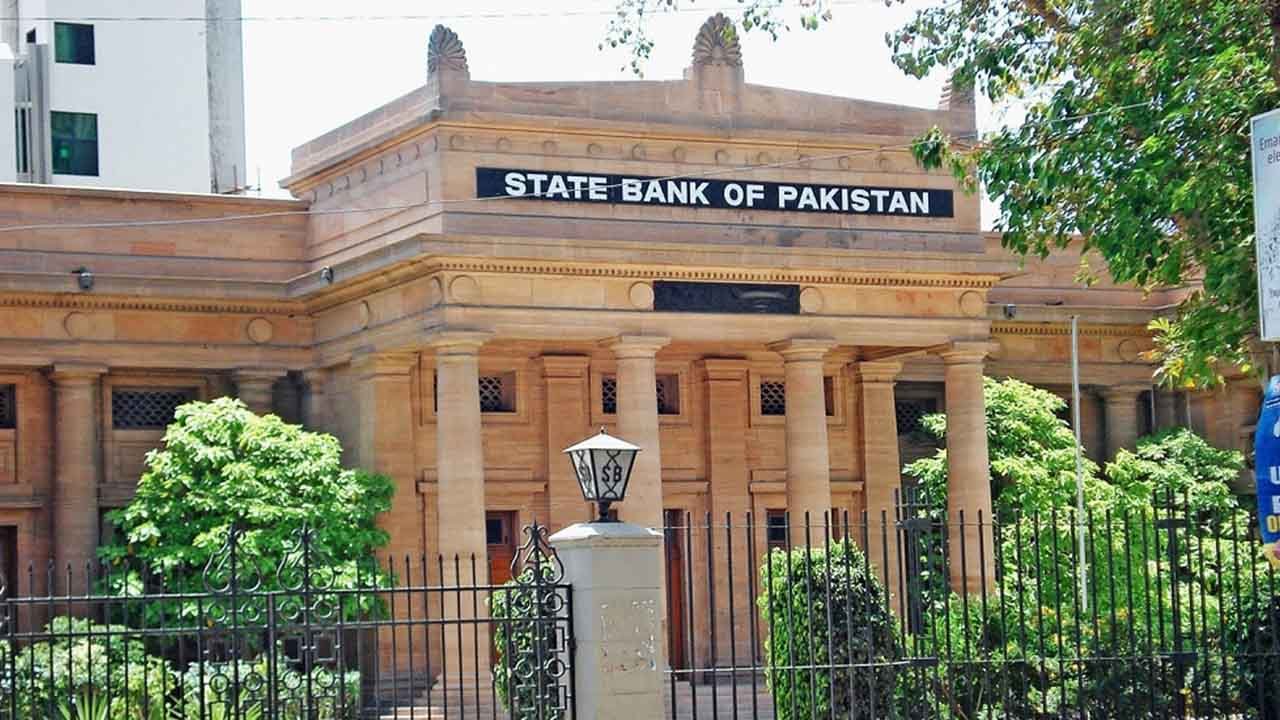
    This agreement, subject to approval by the IMF’s Executive Board, acknowledges Pakistan’s strong program implementation by the State Bank of Pakistan (SBP) and the interim government, as well as the new government’s commitment to ongoing policy and reform endeavors aimed at transitioning Pakistan from stabilisation to robust, sustainable recovery.

    Kozack emphasised the improvement in Pakistan’s economic and financial position since the completion of the first review, with growth and confidence steadily rebounding. 

    Looking ahead, she mentioned the possibility of a successor IMF-supported program to address Pakistan’s fiscal and external stability challenges and foster inclusive growth, indicating the IMF’s readiness to engage in discussions with Pakistani authorities.

    Meanwhile, Pakistan’s foreign exchange reserves witnessed a modest increase, reaching $8.04 billion as of March 29, although still considered low for an import-dependent economy, raising concerns about potential future pressure. 

    Finance Minister Muhammad Aurganzeb has acknowledged the need for another IMF bailout, with discussions slated for the upcoming Spring meetings of the Board of Governors of the World Bank Group and IMF scheduled for April 15-20, 2024, in Washington DC, where Aurangzeb is expected to lead Pakistan’s delegation.

  • SBP maintains policy rate at 22% for sixth consecutive time

    SBP maintains policy rate at 22% for sixth consecutive time

    The Monetary Policy Committee (MPC) of the State Bank of Pakistan (SBP) has opted to maintain the key policy rate at 22 per cent, marking its sixth consecutive decision to uphold the status quo.

    In its statement released on Monday, the MPC affirmed its decision, stating, “At its meeting today, the MPC decided to keep the policy rate unchanged at 22 per cent.”

    While acknowledging a visible decline in inflation as anticipated in the latter half of Fiscal Year 2024 (H2-FY24), the MPC underscored the persistently high level of inflation and the associated risks, despite a notable deceleration in February. This cautious stance is deemed necessary to steer inflation towards the target range of 5–7 per cent by September 2025.

    Against a backdrop of uncertain inflation projections, major central banks worldwide, including those in advanced and emerging economies, have remained conservative in their monetary policy approaches, as highlighted in the MPC statement.

    Emphasising the importance of sustained targeted fiscal consolidation and timely realisation of planned external inflows, the MPC reiterated that its assessment hinges on these factors.

    Furthermore, the latest economic indicators indicate a moderate upturn in economic activity, primarily driven by a rebound in agricultural output. The external current account balance has outperformed expectations, bolstering foreign exchange reserves despite subdued financial inflows. However, inflation expectations among businesses have steadily risen since December, with consumer expectations inching up in March. Additionally, while global commodity prices have generally remained stable, escalating oil prices, attributed partly to ongoing tensions in the Red Sea, present a notable exception.

    Given the uncertainties surrounding the inflation outlook, compounded by potential upward pressure from administered price adjustments or fiscal measures, the MPC deems it prudent to maintain the current monetary policy stance for the time being.

  • Pakistan plans to secure $4.5 billion from diverse sources in current fiscal year

    Pakistan plans to secure $4.5 billion from diverse sources in current fiscal year

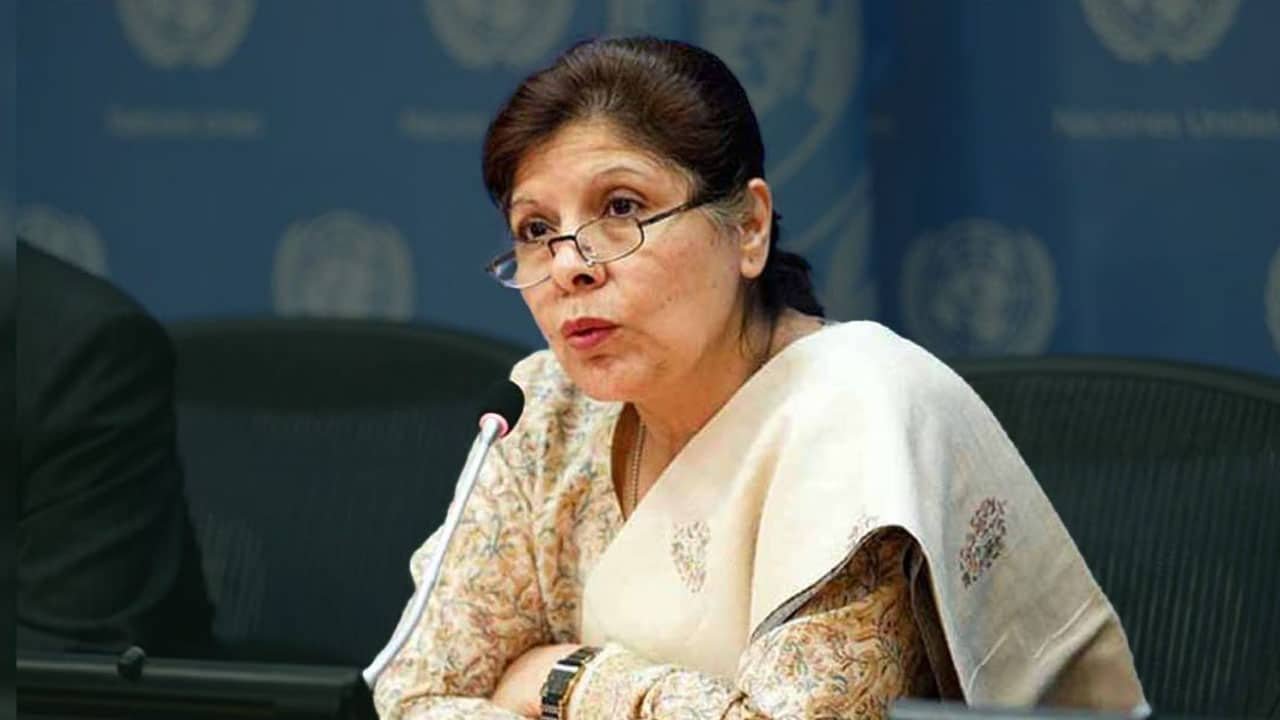
    Caretaker Minister for Finance, Dr Shamshad Akhtar, has outlined Pakistan’s financial projections for the current fiscal year (2023–24), highlighting an anticipated mobilisation of approximately $4.5 billion from both multilateral and bilateral sources, excluding the International Monetary Fund (IMF).

    Minister Akhtar disclosed that the government foresees receiving over $1.6 billion in the second quarter (Q2) from sources such as the Asian Development Bank (ADB), the World Bank, and the Asian Infrastructure Investment Bank (AIIB).

    She clarified that these inflows encompass funds allocated to both project-based and programme-based initiatives.

    Highlighting progress in negotiations, the minister revealed the completion of discussions for certain programme loans, with impending disbursements expected.

    She reassured that Pakistan remains committed to meeting its debt obligations promptly, both currently and in the future.

    Regarding the International Monetary Fund (IMF) programme, Minister Akhtar reported the successful conclusion of the first review of the Standby Agreement, resulting in the attainment of a Staff Level Agreement (SLA).

    Pending approval by the IMF’s Executive Board, this agreement will grant Pakistan access to $700 million.

    Commenting on the prevailing economic situation, Minister Akhtar acknowledged the challenges faced domestically and globally during FY2023.

    Despite these hurdles, she asserted that fiscal and external sector stability have been achieved through the implementation of various stabilisation measures and structural reforms.

  • SNGPL proposes 137.62% hike in gas tariff amidst financial challenges

    SNGPL proposes 137.62% hike in gas tariff amidst financial challenges

    Sui Northern Gas Pipelines Limited (SNGPL) has proposed a substantial 137.62 per cent increase in gas tariffs per Metric Million British Thermal Unit (MMBtu), aiming for implementation in June 2023. 

    This tariff adjustment, seeking Rs1,715 per MMBtu, is intended to address the company’s financial shortfall of Rs181.51 billion projected for the fiscal year 2023–24. 

    The plea to the Oil and Gas Regulatory Authority (OGRA) emphasises the necessity of fixing the gas price at Rs2,961.98 per MMBtu.

    Currently priced at Rs1,246.49 per MMBtu, SNGPL proposes a hike of Rs1,209.14 per MMBtu in arrears, with an additional Rs56.48 per MMBtu attributed to rupee devaluation. OGRA is scheduled to review SNGPL’s plea on December 11.

    In a related context, the caretaker government, led by Finance Minister Dr Shamshad Akhtar, has announced plans to increase gas prices in Pakistan starting in January 2024. 

    Dr Akhtar highlighted that this decision aligns with Pakistan’s commitment to the International Monetary Fund (IMF), aiming for a comprehensive review of power tariffs. 

    The government’s broader economic strategy involves reducing debts, prioritising development initiatives, and implementing governance reforms within government enterprises.

    Upon reaching a staff-level agreement with the IMF, Pakistan anticipates receiving approximately 70 million US dollars, contributing to a total assistance amount of about $1.9 billion under the IMF programme. 

    Dr Akhtar emphasised the need to address the circular debt in the power and gas sectors, which currently exceeds 4 per cent of the Gross National Product (GNP). 

    Immediate measures have been initiated to mitigate this challenge, including adjustments to electricity and gas rates. 

    Dr Akhtar underscored the importance of a market-based exchange rate policy and the augmentation of foreign exchange reserves as key priorities for economic stability.

  • Pakistan expected to secure second IMF tranche despite missed deadlines

    Pakistan expected to secure second IMF tranche despite missed deadlines

    Pakistan is poised to secure the next installment of its $3 billion stand-by arrangement (SBA) with the International Monetary Fund (IMF), despite potential delays in meeting certain deadlines, as indicated in a recent brokerage report. 

    Topline Securities, in its analysis, acknowledged that Pakistan had achieved the prescribed targets for net international reserves, net domestic assets, and foreign currency swap/forward positions as of the close of June 2023.  

    However, it also pointed out that Islamabad had fallen short in meeting the targets for the primary deficit, which assesses the fiscal balance excluding interest payments as well as external public debt disbursements. 

    Furthermore, the report highlighted that Pakistan had yet to implement a gas price adjustment agreed upon with the IMF, which was a prerequisite for completing the second review of the program. 

    Pakistan initially received a $1.2 billion installment from the IMF’s stand-by arrangement in July after the IMF’s Executive Board approved the bailout package to stabilise the country’s economy.  

    Under the agreement, the remaining $1.8 billion is set to be disbursed in two tranches following reviews in November and February. 

    The current IMF programme outlines nine performance criteria, four indicative targets, and ten structural benchmarks for the upcoming review. 

    In a briefing for analysts on September 14, the Governor of the State Bank of Pakistan confirmed that all quantitative performance targets related to the central bank, including net domestic assets, swaps, and net international reserves, had been met.  

    Similarly, the Finance Ministry expressed its commitment to maintaining fiscal discipline and achieving primary balance targets. 

    Despite challenges and some unmet targets related to external funding, the primary deficit, gas price adjustments, etc., Topline Securities remains optimistic about Pakistan’s chances of receiving the next IMF tranche.  

    They believe that if the government can effectively manage the current account deficit to around $4 billion for FY2024, as opposed to the projected $6.5 billion, it can meet its financing requirements, particularly given the difficulty of commercial borrowing. 

    The Ministry has projected gross external financing requirements of $28.4 billion for the current fiscal year, including the current account deficit of $6.5 billion, aligning with IMF projections outlined in the latest country report. 

    Regarding funding sources, the government plans to secure a total of $11 billion, with $5 billion coming from China and $6 billion from Saudi Arabia, primarily in the form of rollovers and an oil facility with deferred payments, according to Topline’s report.  

    The government also anticipates around $6.3 billion from multilateral creditors, including the World Bank, Asian Development Bank, Islamic Development Bank, and Asian Infrastructure Investment Bank.