Tag: Fiscal Measures

  • Track and trace system failure threatens Pakistan’s tobacco industry

    Track and trace system failure threatens Pakistan’s tobacco industry

    Amid the increase in trade of non-duty-paid cigarettes, representatives from the Pakistan Tobacco Company (PTC) on Monday expressed profound apprehensions regarding the sustainability of their business.

    They attributed their concerns to ‘inappropriate’ policy measures.

    The recently released data from the Pakistan Bureau of Statistics (PBS) Large Scale Manufacturing (LSM) Index unveiled a significant and alarming trend within the legitimate tobacco sector.

    According to the report, the production of the legitimate tobacco sector experienced a forty-fold decline compared to the overall LSM output between July 2023 and November 2023.

    Interestingly, despite this decline, the consumption of cigarettes has remained stagnant.

    This troubling trend highlights the adverse impact of policy decisions that disproportionately affect the legitimate tobacco industry.

    The representatives emphasised the necessity for a comprehensive and balanced approach to ensure a level playing field for the sector, ultimately securing its long-term sustainability.

    Despite the implementation of a Track and Trace System (TTS), the representatives pointed out the rising incidence of fake stamps being affixed to counterfeit packs of leading cigarette brands.

    According to APP, Qasim Tariq, Senior Business Development Manager, revealed that approximately 850 million counterfeit cigarette sticks are currently being sold across Pakistan, resulting in a substantial loss of around Rs5.7 billion.

    This rise in counterfeiting raises serious questions about the efficacy of the much-lauded track and trace system, which is yet to be implemented across local cigarette manufacturers in Pakistan and Azad Jammu and Kashmir (AJK).

    The representatives urged law enforcement agencies (LEAs) to conduct extensive enforcement at the retail level to tackle this growing menace.

    Additionally, the representatives expressed concerns about a recent misleading report circulating in the media regarding missed revenue collection by the Federal Board of Revenue (FBR).

    They refuted the claims in the report, stating that they are not only false but also raise questions about the intentions behind publishing such information.

    The report suggested that the illicit sector is less than 10 per cent across Pakistan, contradicting the FBR’s claim of illicit trade being over 36.5 per cent for the period in question.

    Furthermore, the report alleged that government revenue declined due to fiscal changes in the excise structure but failed to present the complete picture.

    The representatives clarified that from 2012–16, the government switched to a 2-tier structure from a 3-tier structure, causing revenues to fall by more than 25 per cent.

    The subsequent increase in excise in 2015-16 led to illicit trade hovering close to 50 per cent of the market. To combat this, the government reintroduced a 3-tier system, increasing revenues by more than 40 per cent and discouraging the illicit cigarette trade.

    The representatives emphasised the need for an extensive government-led national anti-illicit trade strategy, effective fiscal measures, and strict enforcement against illicit trade across the value chain, with a key focus on the retail level.
  • Finance Minister envisions Pakistan’s economy soaring to $2 trillion by 2047 

    Finance Minister envisions Pakistan’s economy soaring to $2 trillion by 2047 

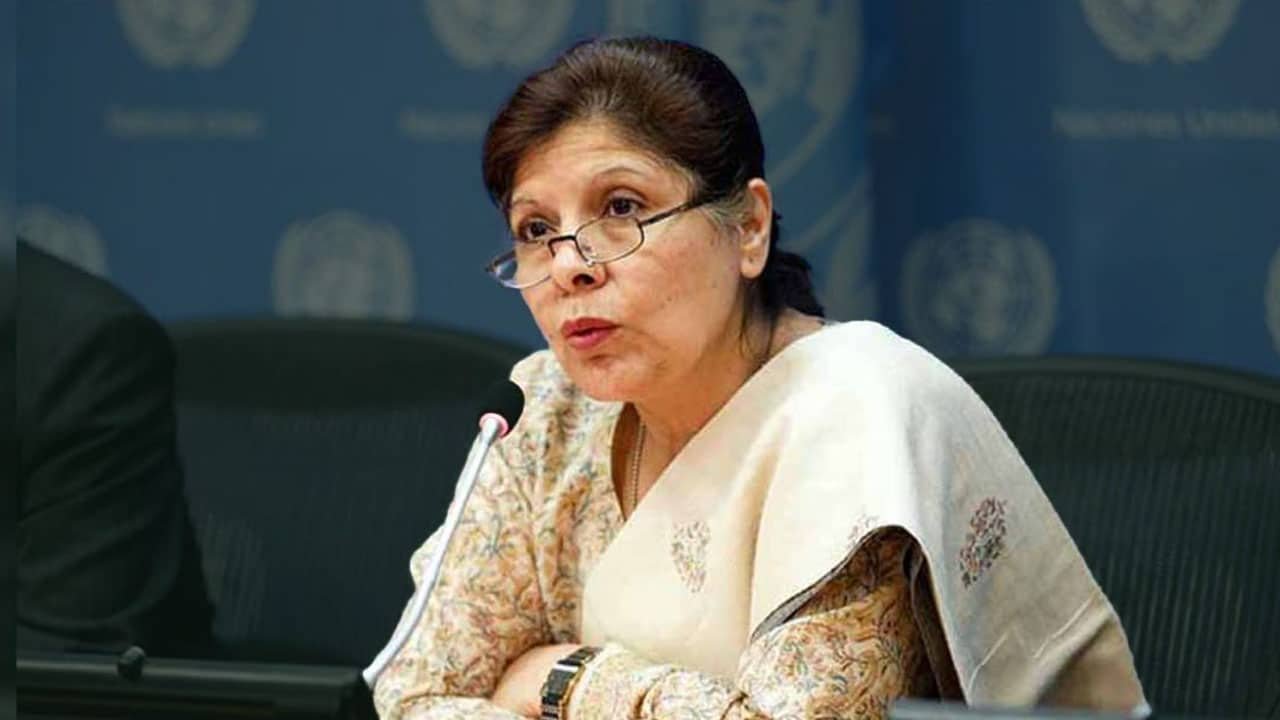
    Dr Shamshad Akhtar, the Caretaker Finance Minister, emphasised Pakistan’s significant economic potential, stating that the country could achieve a $2 trillion economy by 2047, as per a World Bank report.  

    Addressing the Future Summit in Karachi, she underscored the importance of adopting robust economic and sector-specific policies, coupled with a resolute commitment to implementing challenging structural reforms. 

    Dr Akhtar highlighted the need for increased innovation and diversification within the economic framework to ensure sustainable growth.  

    Emphasising the role of Development Finance Institutions (DFIs), she noted that institutions with expertise, efficiency, and flexibility could serve as crucial drivers for the growth and development of the capital market. 

    In a recent meeting with the Chairman of the Securities and Exchange Commission of Pakistan (SECP) and heads of DFIs, Dr Akhtar discussed the progress of establishing a private equity and venture capital (PE and VC) fund.  

    While the DFIs reaffirmed their commitment, they also provided insights into the progress made and challenges encountered in the process. 

    Notably, Pakistan, currently under a caretaker government, successfully reached a staff-level agreement with the International Monetary Fund on the first review of a short-term bailout program.  

    This agreement clears the path for unlocking $700 million, a crucial step in mitigating the looming economic crisis.  

    The caretaker government has implemented various fiscal measures, including an increase in the petrol levy, additional taxes, and significant reforms in the power sector, to address the economic challenges effectively. 

  • World Bank urges urgent economic reforms in Pakistan to tackle rising poverty

    World Bank urges urgent economic reforms in Pakistan to tackle rising poverty

    The World Bank has issued a grave warning regarding Pakistan’s economic state, urging the nation to take swift action. They propose taxing key sectors like agriculture and real estate while reducing wasteful expenditures to stabilise the economy. This endeavour aims for a significant fiscal adjustment, equivalent to over 7 percent of Pakistan’s economic size.

    The World Bank also revealed alarming statistics, with poverty levels surging to 39.4 percent in the last fiscal year, pushing an additional 12.5 million people below the poverty line. Currently, nearly 95 million Pakistanis live in poverty.

    To address these challenges, the World Bank has drafted a set of policy recommendations in collaboration with stakeholders, focusing on low human development, unsustainable fiscal practices, overregulation in the private sector, and issues in the agriculture and energy sectors.

    Immediate measures include raising the tax-to-GDP ratio by 5 percent and reducing expenditures by about 2.7 percent of GDP, primarily targeting previously protected sectors.

    Tobias Haque, the lead country economist at the World Bank, underscores the need for substantial policy changes, given Pakistan’s economic and human development crises.

    According to Express Tribune, the World Bank’s recommendations encompass a range of fiscal reforms, including the removal of tax exemptions, increased taxation on real estate and agriculture, and mandatory use of CNIC for transactions.

    Furthermore, the institution advises cutting energy and commodity subsidies, implementing a single Treasury account, and adopting temporary austerity measures for short-term savings. Medium-term savings entail streamlining federal spending and enhancing the quality of development expenditures.

    Najy Benhassine, the country director for Pakistan at the World Bank, emphasises the importance of political consensus and domestic solutions to address Pakistan’s challenges.

    The World Bank highlights the need to address the human capital crisis, reduce energy subsidies, and promote inclusive, sustainable, and climate-resilient development in Pakistan. These measures are imperative to stabilise the nation’s precarious economic situation and alleviate the growing poverty crisis.

  • Painful IMF compliance, but no new taxes on agriculture and real estate, clarifies Dar

    Painful IMF compliance, but no new taxes on agriculture and real estate, clarifies Dar

    Finance Minister Ishaq Dar made a resolute declaration on Thursday, assuring the public that the coalition government, despite having taken stern measures that burdened the masses, has no intentions of imposing additional taxes on the agriculture and real estate sectors.

    Speaking passionately on the floor of the National Assembly, Dar firmly stated, “I want to state categorically […] that no new tax will be imposed on agriculture or real estate. We have endured much pain in meeting the IMF’s conditions.”

    This assurance comes in the wake of the International Monetary Fund (IMF) approving a $3 billion bailout program for Pakistan, with $1.2 billion already disbursed to help stabilise the nation’s struggling economy.

    Media reports had indicated that the IMF requested a plan from the government to impose taxes on the real estate and agricultural sectors as a condition to release the remaining funds. The news caused concern among those associated with the agriculture sector, especially since the government had expanded the loan volume to support it in the budget.

    Dar emphasised that all prior actions demanded by the lender had been successfully completed, and the agreement with the IMF was carried out in a transparent manner. He reassured the public, “No further burden will be passed on to the people. All the commitments made with the IMF are available on the finance ministry’s website.”

    The positive effects of the deal are already evident, with investors in the country experiencing relief in the stocks, exchange rate, and bonds markets. Additionally, longstanding allies Saudi Arabia and the United Arab Emirates have recently deposited $3 billion in Pakistan’s central bank, while China rolled over $5 billion in loans over the past three months to prevent the country from defaulting.

    In light of the IMF’s observation that both agriculture and construction sectors are under-taxed in Pakistan, economist Khaqan Hassan Najeeb stressed their significance in broadening the tax base and promoting progressivism.

    Regarding the real estate sector, Najeeb advocated for a genuine capital gains tax, levied at the marginal income tax rate of the individual making the capital gains over the years, to encourage investment from unproductive real estate to more productive sectors like manufacturing.

    Read more: Pakistan’s petroleum dealers temporarily postpone nationwide petrol pump shutdown

    However, Najeeb acknowledged that such reforms would be better suited for implementation by a long-term new government after the upcoming elections. Moreover, he highlighted that provincial governments hold authority over agriculture income tax, which presently contributes only insignificantly. He urged provinces to contemplate a progressive income tax on agriculture, considering the size of farm holdings.

    With Minister Dar’s assurance and the IMF’s support, Pakistan’s economic prospects seem brighter, but the road ahead calls for careful consideration and judicious decision-making to ensure a sustainable and progressive financial future.