Tag: fiscal policies

  • ECC greenlights 25% sales tax increase on domestic cars

    ECC greenlights 25% sales tax increase on domestic cars

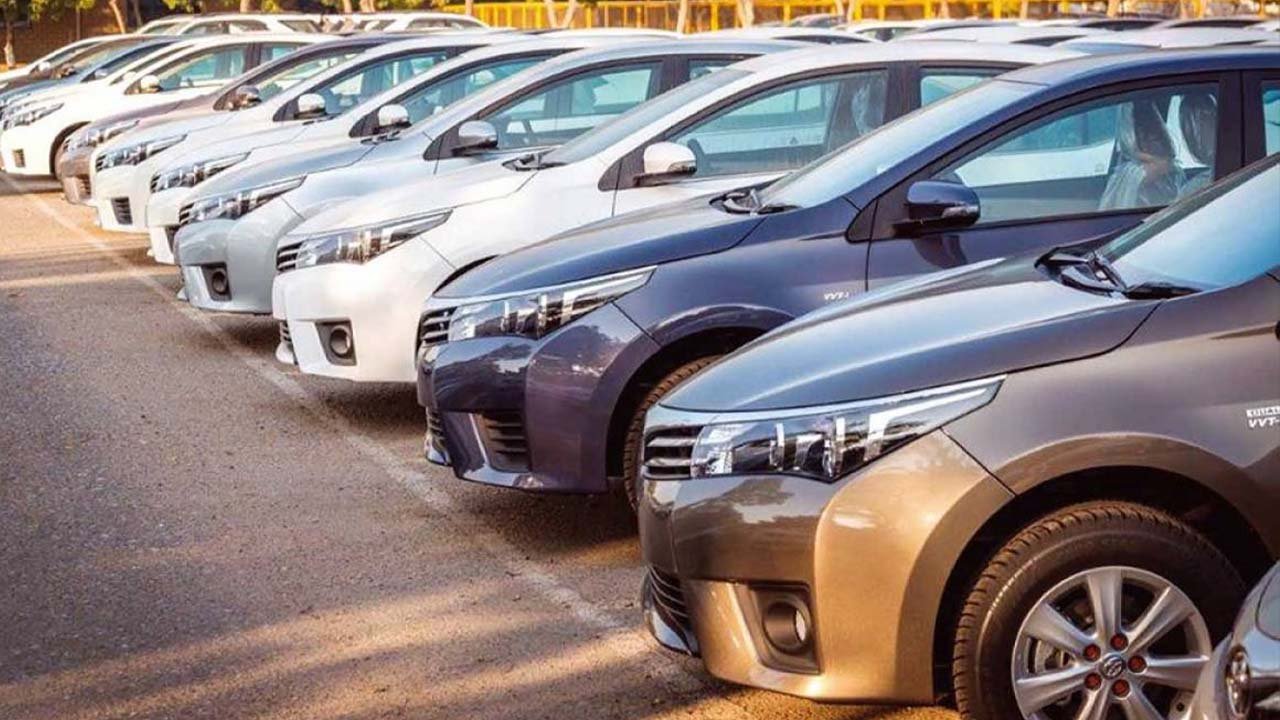
    In a significant development, the Economic Coordination Committee (ECC) of the Cabinet has given its nod to a proposal for increasing the sales tax on vehicles manufactured and assembled within the borders of Pakistan.

    The decision was finalised during a pivotal ECC meeting held in the capital city on Wednesday.

    The proposal, presented by the Federal Board of Revenue (FBR), suggested an elevation in the sales tax applicable to the auto sector, particularly on vehicles produced and assembled domestically.

    Following a comprehensive deliberation, the ECC cabinet sanctioned the process for determining a 25 per cent sales tax rate on locally manufactured and assembled vehicles.

    As per the endorsed proposal, vehicles valued at Rs4 million or equipped with 1400 cc engines will be subject to a 25 per cent sales tax.

    This taxation structure is anticipated to persist in the upcoming budget, signalling potential implications for consumers as a result of the price hike.

    The imposition of a 25 per cent sales tax on 1400cc vehicles is expected to have a direct impact on the pricing structure, leading to a potential surge in vehicle costs. The ECC’s decision aligns with ongoing efforts to streamline fiscal policies in the country.

    In addition to this decision, the ECC also greenlit a substantial subsidy of Rs7,492.75 million under the Ramazan Relief Package 2024.

    Chaired by Caretaker Finance Minister Shamshad Akhtar, the meeting aimed to address the financial aspects of the relief package, particularly subsidising the targeted beneficiaries of the Benazir Income Support Programme (BISP).

    According to a press statement issued by the finance ministry, the subsidy allocation is part of the budget for 2023–24, with a primary focus on providing support to those identified under the BISP. This move underscores the government’s commitment to social welfare initiatives.

    Furthermore, the ECC approved a proposal related to the “Permission to Import Wheat and Export of Wheat Flour under the Export Facilitation Scheme 2021.” This decision, brought forth by the Ministry of Commerce, reflects the government’s strategic measures to balance wheat supply and demand dynamics in the country.

    The ECC meeting signifies a pivotal moment in shaping economic policies, with decisions that carry far-reaching implications for both the automotive sector and social welfare initiatives in Pakistan.

    The approved proposals are poised to contribute to the broader economic landscape and address pertinent challenges in the nation’s fiscal framework.
  • Economic challenges await next govt as Pakistan votes

    Economic challenges await next govt as Pakistan votes

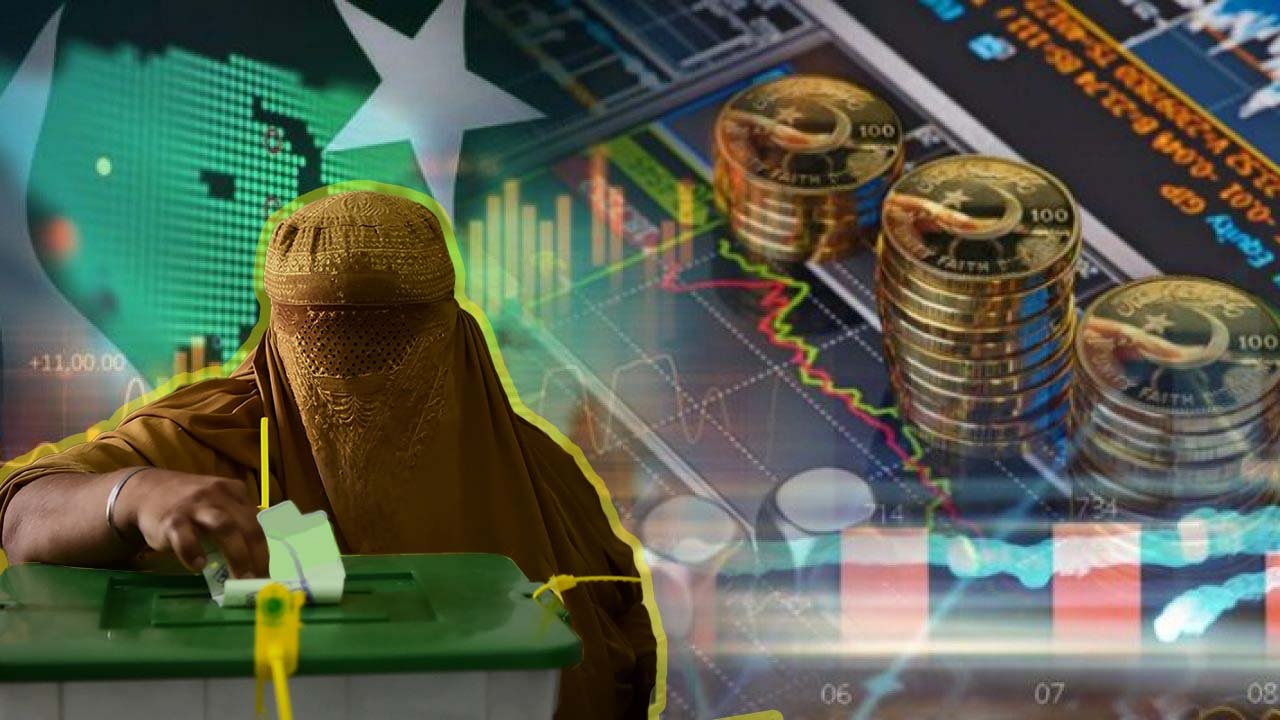
    Pakistan is set to hold its national elections on Thursday, a crucial event for the country grappling with multiple crises.

    As the new government prepares to take charge, it faces daunting challenges in stabilising the economy.

    Last summer, Pakistan narrowly avoided a sovereign default through a last-minute $3 billion bailout from the International Monetary Fund (IMF).

    However, this lifeline is set to end in March, and officials anticipate the need for a new, extended programme.

    Negotiating this program swiftly is imperative for the incoming government, as the economy is burdened by record-high inflation and slow growth resulting from stringent reforms.

    The country’s headline inflation stood at 28.3 per cent year-on-year in January, slightly lower than December’s 29.7 per cent. Despite government expectations, citizens are anxious for the new administration to address the soaring inflation that has significantly impacted their daily lives.

    Moreover, recent increases in gas prices, with a 35.13 per cent hike for Sui Northern Gas Pipelines Limited (SNGPL) and 8.57 per cent for Sui Southern Gas Company Limited (SSGC), add to the economic challenges. The move, effective from January 1, 2024, is the second increase in gas prices this fiscal year.

    In addition to rising gas prices, the cost of petrol and diesel has surged, with a notable increase of Rs13.55 per litre announced on February 1, 2024. This hike is attributed to the ongoing tensions in the Middle East, including Israel’s conflict with Gaza and Houthi attacks in the Red Sea.

    Amid these economic hardships, the National Electric Power Regulatory Authority (NEPRA) has approved an increase in electricity tariffs for distribution companies (Discos) by Rs4.57 per unit for December 2023. This adjustment addresses the escalating fuel costs impacting the power sector.

    The new government is also expected to address the exchange rate concerns as the Pakistani rupee struggles against the US dollar, currently standing at around Rs279.

    The disparity has led to increased prices for essential commodities, further straining the population.

    Adding to the complexity of the upcoming elections is the high political tension, with former prime minister Imran Khan describing a crackdown on him and his party.

    Khan, who has been in jail since August, faces pending cases, including accusations of ordering violent attacks on military installations.

    Despite his imprisonment, Khan maintains substantial popular support, and continued political unrest could jeopardise the stability needed for economic recovery and foreign investment.

    As Pakistan stands at a critical juncture, the incoming government’s ability to navigate these challenges will determine the nation’s economic trajectory in the coming years.

  • Ishaq Dar presents mini-budget in National Assembly to meet IMF conditions

    Ishaq Dar presents mini-budget in National Assembly to meet IMF conditions

    A crucial tax amendment bill to fulfil the conditions of the International Monetary Fund (IMF) to revive a stalled loan programme that the country needs to stave off default was presented in both houses of parliament on Wednesday.

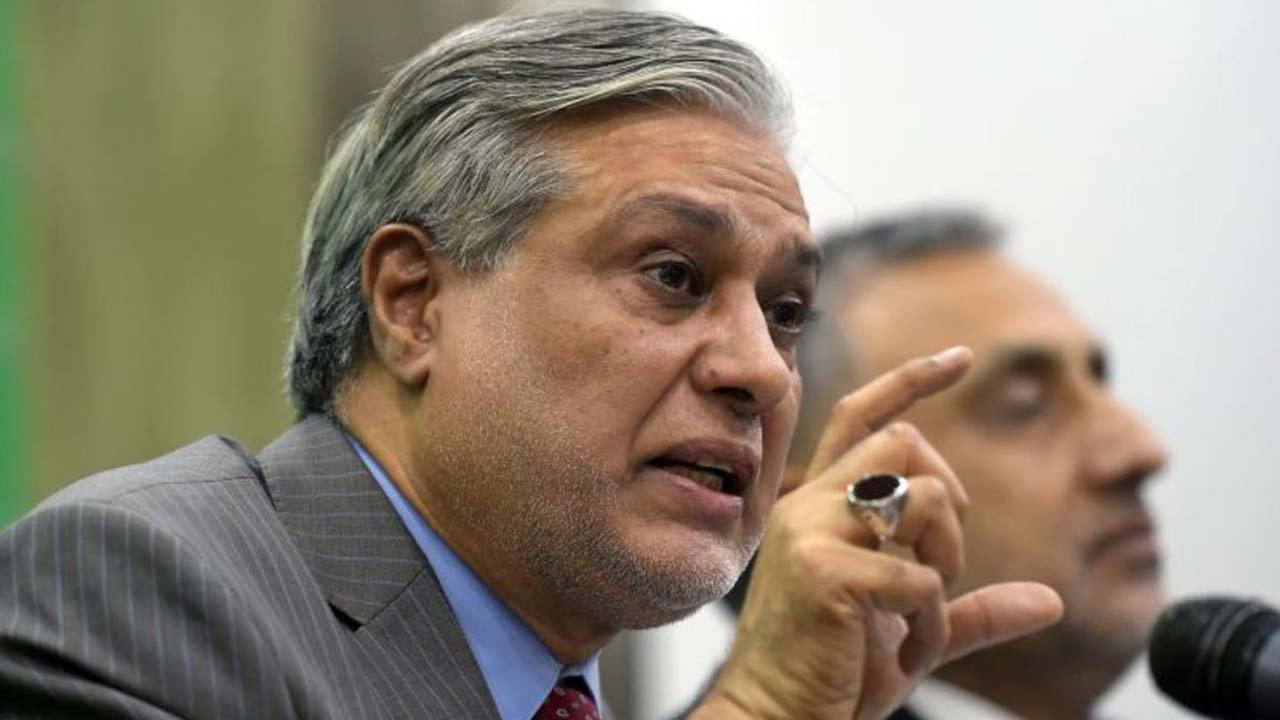
    Finance Minister Ishaq Dar introduced the Finance (Supplementary) Bill 2023 first in the National Assembly and then in the Senate.

    The Pakistani government approved a proposal last night to increase the general sales tax (GST) rate from 17 to 18 per cent and to raise the Federal Excise Duty (FED) on cigarettes. The aim is to generate an additional Rs115 billion out of Rs170 billion, which was agreed upon by Pakistan in accordance with the IMF conditions.

    Through the implementation of the “mini-budget,” led by the Pakistan Democratic Movement (PDM)-led government, the country intends to reduce the budget deficit and enhance its tax collection efforts to meet the conditions set by the IMF, a Washington-based lender.

    The National Assembly will not be referring the bill to the Standing Committee on Finance and Revenue for further review, while the Senate has sent the legislation to the relevant committee. Officials at the Ministry of Finance have stated that they anticipate the bill to be passed by Thursday morning, which will allow for the receipt of funds not only from the IMF but also from other multilateral and bilateral sources.

    Last week, Pakistan and the International Monetary Fund (IMF) were unable to reach an agreement, and the visiting IMF delegation left Islamabad after 10 days of talks. However, negotiations are set to continue. The Pakistani economy, valued at $350 billion, is in dire need of financial assistance as it grapples with a severe economic crisis.

    In an effort to appease the IMF, the government initially intended to implement the fiscal measure via an ordinance. However, President Dr Arif Alvi recommended that the administration obtain the parliament’s approval instead.

    During his address to the lower house, Finance Minister Dar highlighted the unprecedented crises the nation is currently facing due to the “substandard” policies of the Pakistan Tehreek-e-Insaf (PTI) government. In contrast, the country had experienced economic growth during the previous government led by the Pakistan Muslim League-Nawaz (PML-N), during which the Gross Domestic Product (GDP) had increased by $112 billion.

    “The PML-N always tries to take fewer loans. Foreign investment had also increased during PML-N’s tenure. In contrast, during the PTI’s government, the loans hit record highs, and a common man’s income also plunged.”

    According to Geo, the finance minister stated that in addition to the challenges that the current government is confronting as a result of the Pakistan Tehreek-e-Insaf’s (PTI) policies, the country suffered losses exceeding $8 billion due to last year’s floods.

    “But, we should always prefer the state over politics,” he reiterated — the mantra that PDM leaders have time and again propagate as they face an uphill task on the economic front.

    This is a developing story…