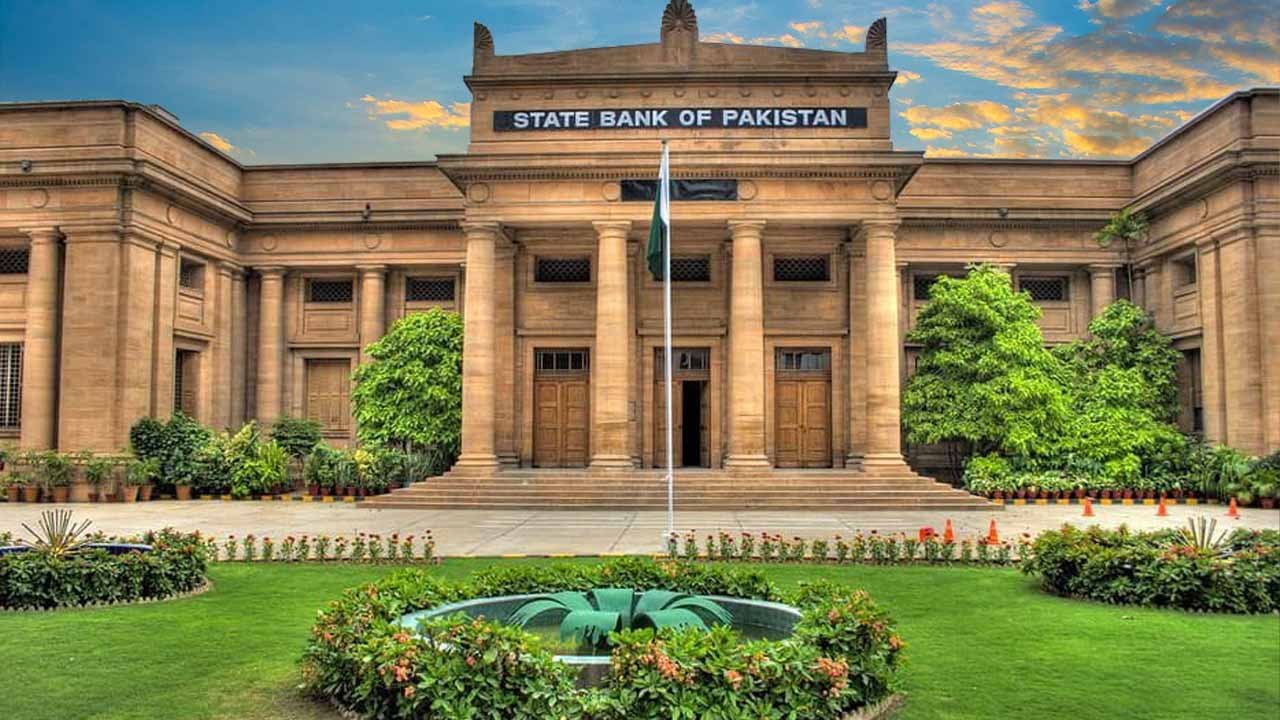
Moody’s Investors Service, a global credit rating agency, stated on Tuesday that Pakistan’s credit rating could see an upgrade if the government successfully reduces liquidity and external vulnerability risks.
Despite this potential, Moody’s maintained Pakistan’s credit rating at ‘Caa3’ for long-term issuer rating with a stable outlook in its periodic review.
The credit profile of Pakistan reflects significant liquidity and external vulnerability risks, attributed to low foreign exchange reserves insufficient to meet high external financing needs in the near to medium term, according to Moody’s.
The agency also highlighted the country’s very weak fiscal strength and elevated political risks as constraints on its credit profile.
Moody’s expressed uncertainty regarding the new government’s ability to swiftly negotiate a new International Monetary Fund (IMF) programme after the ongoing programme concludes in April.
While acknowledging Pakistan’s large economy and moderate growth potential, the agency emphasized the nation’s high liquidity and external vulnerability risks, despite economic stability maintained by the caretaker government and recent reforms.
The agency recognised the government’s efforts to unlock financing from the IMF and other partners, resulting in a modest accumulation of foreign exchange reserves.
However, it cautioned that, despite meeting external debt obligations for the fiscal year ending June 2024, there is limited visibility on sources of financing to address high external financing needs post-the current IMF stand-by arrangement.
Moody’s rationale for the stable outlook at the Caa3 rating level is based on the assessment that pressures on Pakistan align with this rating, with broadly balanced risks.
The agency suggested that continued IMF engagement beyond the current programme could attract additional financing from other partners, reducing default risk.
Nonetheless, it emphasised the substantial external financing required and low reserve position, indicating potential default risks with funding delays.
Moody’s indicated that an upgrade in Pakistan’s rating could occur with a substantial and sustained reduction in liquidity and external vulnerability risks, coupled with increased foreign exchange reserves and fiscal consolidation.
Conversely, a downgrade might be likely if Pakistan defaults on debt obligations with significant losses to creditors.
The agency expressed uncertainty regarding the new government’s ability to negotiate a new IMF programme swiftly after the ongoing one expires in April, citing high political risks following the controversial general elections held on February 8, 2024.
Moody’s warned that without a new programme, Pakistan’s ability to secure loans from other partners would be severely constrained.