Tag: fiscal targets

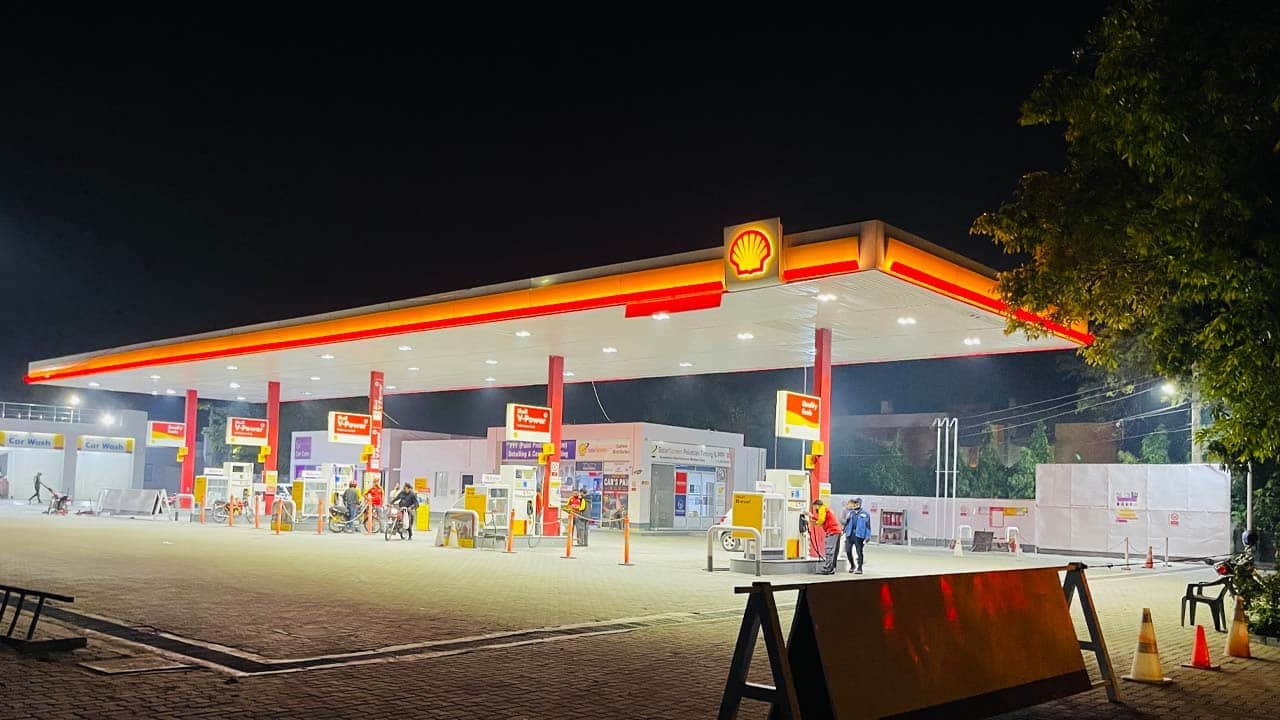
  • Govt surpasses petroleum levy collection targets despite declining sales

    Govt surpasses petroleum levy collection targets despite declining sales

    In the first six months of fiscal year 2023–24, the federal government has exceeded expectations by collecting Rs472.77 billion in petroleum levy (PL), constituting an impressive 54 per cent of the total budgetary estimates for PL on petroleum products for the current fiscal year.

    This collection marks a significant uptick, registering a remarkable 166 per cent increase compared to the same period in the previous fiscal year. The government achieved a substantial PL collection of Rs222 billion in the initial three months of the current fiscal year.

    Originally budgeted at Rs869 billion for PL collection in the fiscal year 2023–24, the government revised its target to Rs918 billion following an increase in PL from Rs50 to Rs60 per litre on petrol and high-speed diesel (HSD). This adjustment aligns with the government’s commitment to the International Monetary Fund (IMF).

    However, against this backdrop of successful revenue generation, the country witnessed a notable 15 per cent decline in the sales of petroleum products in the first six months of the current financial year.

    According to the Oil Companies Advisory Council (OCAC), petroleum product sales dropped to 7.68 million tonnes, a considerable decrease from the 9.03 million tonnes recorded during the same period in the previous fiscal year (July to December).
  • Inflation may drop to 20-22% in the coming year: SBP report

    Inflation may drop to 20-22% in the coming year: SBP report

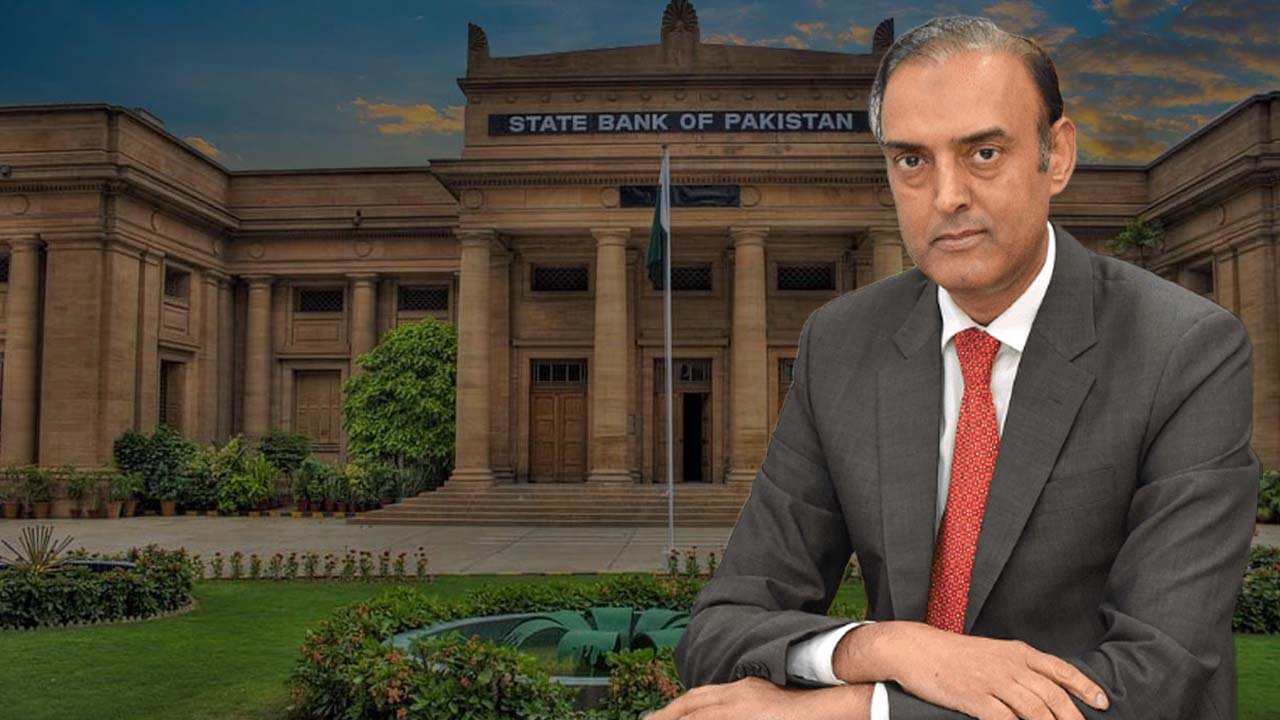
    In the Governor’s Annual Report 2022–23, released ahead of the upcoming national election, the Chief of the State Bank of Pakistan (SBP) conveyed that the country’s inflation is expected to decrease to approximately 20–22 per cent in fiscal year 2024.

    The SBP remains committed to making decisions aimed at preventing persistently high inflation. Notably, Pakistan’s economy fell significantly short of its fiscal and primary surplus targets in FY23, resulting in a contraction of the real GDP to 0.2 per cent.

    During FY23, Pakistan, with a population of 241 million, witnessed its highest-ever inflation, leading to historic lows in its currency value. The situation was mitigated by a $3 billion IMF bailout in July, preventing an imminent sovereign default.

    Governor Jameel Ahmed highlighted in the report that the Consumer Price Index (CPI) surged to 29.2 per cent in FY23, aligning with the upper bound of the bank’s revised projections.

    The SBP remains committed to anchoring inflation expectations to achieve its medium-term target of 5-7 per cent by the end of FY25.

    Fiscal and policy measures implemented before and after the bailout are contributing to stabilising Pakistan’s $350 billion economy as the country approaches the national election scheduled for February 8.

    Despite missing fiscal and primary surplus targets by a considerable margin, the SBP emphasises its dedication to curbing inflation.

    Simultaneously, the finance ministry anticipates a moderate inflation outlook for the remaining months of FY24, even with the upward revision of administered prices, particularly gas prices.

    According to the ministry’s monthly economic report, Consumer Price Index (CPI)-based inflation in Pakistan for December is projected to be in the range of 27.5-28.5 per cent.

    Looking ahead, the ministry foresees a further easing of inflation to 24–25 per cent in January 2024.