Tag: fiscal year

  • Pakistan’s forex reserves decline by $63.3 million to $9.09 billion

    Pakistan’s forex reserves decline by $63.3 million to $9.09 billion

    The State Bank of Pakistan (SBP) has reported a marginal decline in the nation’s foreign exchange reserves, indicating a decrease of $63.3 million or 0.69 per cent week over week (WoW) to $9.09 billion, according to data released on Thursday.

    The central bank attributed this downturn primarily to debt repayments. In a statement issued by the SBP, it was highlighted that during the week ending May 24, 2024, SBP reserves experienced a $63 million decrease to reach $9.09 billion, primarily due to external debt repayments.

    Similarly, Pakistan’s overall reserves witnessed a decrease of $270 million or 1.85 per cent WoW, amounting to $14.32 billion. Furthermore, commercial banks saw a decline in reserves by $206.7 million or 3.81 per cent WoW, totaling $5.22 billion.

    Despite these fluctuations, the current fiscal year has seen a remarkable increase in SBP-held reserves, amounting to $4.63 billion or 103.6 per cent.

    This surge follows Pakistan’s attainment of the International Monetary Fund’s (IMF) Stand-By Arrangement (SBA) of approximately $3 billion by the end of June last year.

    This arrangement not only bolstered the nation’s reserves but also facilitated access to additional multilateral and bilateral funding.

    Furthermore, the ongoing calendar year has witnessed a notable increase of $872.5 million or 10.61 per cent in reserves, reflecting continued efforts to stabilise and strengthen Pakistan’s economic position.

  • SBP sees surge of over $17 million in forex reserves

    SBP sees surge of over $17 million in forex reserves

    The latest data released by the State Bank of Pakistan (SBP) revealed a notable rise in the country’s foreign exchange reserves. During the week ending March 8, 2024, SBP’s reserves increased by $17.2 million, marking a 0.22 per cent growth, reaching a total of $7.91 billion.

    Additionally, Pakistan’s overall reserves experienced a surge, ascending by $131.3 million, or 1.01 per cent, week-on-week (WoW), to a sum of $13.15 billion. This increase was further complemented by a rise in reserves held by commercial banks, which climbed by $114.1 million, or 2.23 per cent, to reach $5.24 billion.

    In a significant development, the second review of the stand-by arrangement (SBA) with the International Monetary Fund (IMF) is slated to take place from March 14 to 18, 2024. This review holds particular importance as it marks the final assessment under the SBA. Upon reaching a staff-level agreement, the final tranche of $1.1 billion will be disbursed, subject to approval by the Executive Board of the IMF.

    It is noteworthy that in the current fiscal year, Pakistan has witnessed a substantial increase in its total liquid foreign reserves, amounting to $3.99 billion, or 43.57 per cent. Similarly, the ongoing calendar year has seen a rise of $0.48 billion, or 3.77 per cent.

  • State Bank of Pakistan’s reserves soar to $8.27 billion, highest level since July 2023

    State Bank of Pakistan’s reserves soar to $8.27 billion, highest level since July 2023

    In the latest report, the State Bank of Pakistan (SBP) announced a significant rise of $243.1 million, or 3.03 per cent week-on-week, in foreign exchange reserves, reaching $8.27 billion as of January 19, 2024. 

    This boost is credited to the reception of the second installment of SDR 528 million, equivalent to $705.6 million, from the International Monetary Fund (IMF). 

    After settling government external debt repayments, the net increase for the week stands at $243.1 million, marking the highest level for SBP’s reserves since July 14, 2023.

    Furthermore, the total reserves of the country witnessed an increase of $196.3 million, or 1.49 per cent, totaling $13.34 billion during the same week. 

    In contrast, commercial banks experienced a decline in reserves, dropping by $46.8 million, or 0.91 per cent, to $5.07 billion week-on-week.

    It is noteworthy that in the current fiscal year, total liquid foreign reserves have shown a substantial growth of $4.18 billion, reflecting a 45.65 per cent increase. 

    Similarly, the ongoing calendar year has seen a rise of $0.12 billion, marking a 0.91 per cent increase in the nation’s reserves.

  • Govt reduces petrol price by Rs8 to Rs259.34 per litre for next fortnight

    Govt reduces petrol price by Rs8 to Rs259.34 per litre for next fortnight

    In a significant move, the caretaker government announced a substantial reduction in the price of petrol by Rs8 per litre for the upcoming fortnight, effective January 16.

    This decision, as conveyed in a notification issued today by the Finance Division, aligns with the recommendations put forth by the Oil and Gas Regulatory Authority (OGRA).

    The adjusted ex-depot price of petrol now stands at Rs259.34 per litre, reflecting a notable decrease from the previous rate of Rs267.34 per litre.

    However, it is important to note that there have been no alterations in the prices of high-speed diesel, light-diesel oil, or kerosene oil.

    The government has already reached the maximum permissible limit under the law, with a Rs60 per litre petroleum levy imposed on both petrol and high-speed diesel (HSD).

    This levy is in line with the commitments made to the International Monetary Fund (IMF), aiming to collect Rs869 billion during the current fiscal year.

    Optimistically, the government anticipates surpassing this target, with the collection expected to exceed Rs950 billion by the end of June.

    Petroleum and electricity prices have been identified as key contributors to inflation, which surged to 29.7 per cent in December, as indicated by the Consumer Price Index.

    Presently, the government imposes a tax of approximately Rs82 per litre on both petrol and HSD.

    This adjustment in petrol prices not only provides relief to consumers but also marks a strategic step by the caretaker government to manage fiscal targets while considering the economic impact on the general population.

    The move is anticipated to have ripple effects on inflation rates, offering a temporary respite from the cost of living for the common citizen.

  • FBR exceeds revenue target by Rs63 billion for first three months of current fiscal year 

    FBR exceeds revenue target by Rs63 billion for first three months of current fiscal year 

    In the initial quarter of the ongoing fiscal year, the Federal Board of Revenue (FBR) successfully amassed a total of Rs2,041 billion, significantly surpassing the stipulated target of Rs1,978 billion by an impressive margin of Rs63 billion. 

    Furthermore, the FBR exhibited commendable dedication and diligence in pursuit of its revenue goals for the month of September 2023. Despite setting a target of Rs794 billion, the FBR managed to accumulate a noteworthy sum of Rs834 billion, as opposed to the Rs688 billion collected during the corresponding period in 2022. 

    Additionally, the FBR issued refunds totaling Rs37 billion, a notable increase compared to the Rs18 billion issued in September 2022. 

    Nonetheless, it is important to note a considerable reduction in import activities during September 2023, with taxes collected at the import stage amounting to Rs254 billion, down from the previous month’s figure of Rs299 billion. According to ARY News, this deficit of Rs45 billion was effectively compensated for through the collection of domestic taxes, particularly direct taxes. 

  • Rice exports from Pakistan decline by 17.33% in first two months of current fiscal year 

    Rice exports from Pakistan decline by 17.33% in first two months of current fiscal year 

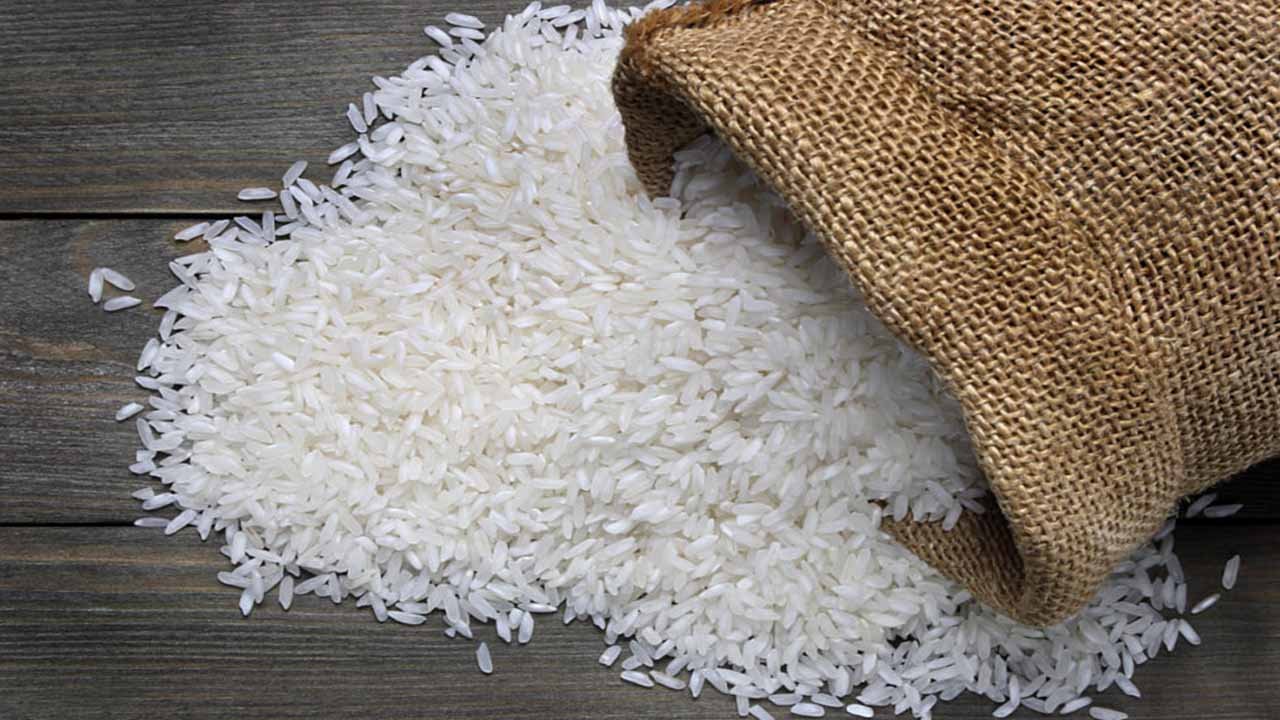
    During the initial two months of the current fiscal year, a total of 340,237 metric tonnes of rice, with a market value of $233.991 million, were exported. This marked a notable contrast with the previous year’s corresponding period, which recorded exports of 507,144 metric tonnes of rice valued at $283.056 million.  

    According to data provided by the Pakistan Bureau of Statistics, rice exports from July to August 2023 witnessed a 17.33 per cent decline in comparison to the same period in the previous year. 

    However, within this timeframe, Basmati rice exports experienced 8.29 per cent growth. Approximately 79,257 metric tonnes of Basmati rice, valued at $94.733 million, were exported, compared to the previous year’s figures of 84,709 metric tonnes at a cost of $87.480 million. 

    Concurrently, the nation achieved earnings of $39.338 million by exporting approximately 20,539 metric tonnes of fish and fish preparations, showing an improvement from the previous year when 15,922 metric tonnes of these products were exported, amounting to $38.086 million. 

    Read more: WhatsApp to introduce animated avatars for video calls soon 

    It is noteworthy that overall food group exports in the first two months of the current fiscal year registered a modest decrease of 1.65 per cent. The total value of food commodities exported during this period amounted to $711.748 million, contrasting with the previous year’s export value of $723.696 million for the same duration. 

    On the other hand, food group imports into the country during the initial two months of the current fiscal year witnessed a substantial decline of 26.91 per cent when compared to the corresponding period of the previous year. From July to August 2023, food imports decreased from $1.783 billion to $1.303 billion. 

  • Pakistan aiming for $25 billion textile exports in this fiscal year

    Pakistan aiming for $25 billion textile exports in this fiscal year

    Dr Gohar Ejaz, the Caretaker Federal Minister for Commerce, Industries, and Production, has set a bigger target of achieving $25 billion in textile exports for the current fiscal year, a substantial increase from the $16 billion target of the previous year. 

    Speaking at a meeting with the Pakistan Textile Exporters Association, led by Khurram Mukhtiar, Dr Ejaz outlined his strategic vision. He pledged to revitalise dormant industries within the nation within a tight one-month deadline, expressing confidence in surpassing last year’s export figure of $16 billion.

    Assuming the role with a bold $80 billion export objective, Dr Ejaz assured a systematic approach to address impediments hampering industrial operations. He expressed eagerness to directly engage with stakeholders, even offering to visit facilities as a symbol of his dedication to the industrial landscape’s rejuvenation. He requested a comprehensive list of inactive industries and their specific challenges to better tackle the issues.

    Furthermore, the minister vowed to promptly resolve pending financial obligations owed to industries by various departments, including the Federal Board of Revenue (FBR) and customs. 

    He extended an open invitation to associations and business leaders, emphasising his readiness to collaborate and find solutions for their concerns.

    With a focus on swift resolutions for challenges related to gas, electricity, energy, and fund allocation, Dr Ejaz reaffirmed his commitment to fostering a thriving and supportive business environment.

  • Pak Suzuki’s fiscal year ends with Rs9.68 billion loss: Operational disruptions and low demand

    Pak Suzuki’s fiscal year ends with Rs9.68 billion loss: Operational disruptions and low demand

    Pak Suzuki Motor Company Limited (PSMCL) has reported a substantial net loss of Rs9.68 billion for the fiscal year that ended on June 30, 2023. The loss was attributed to import restrictions and weakened demand, causing a significant increase compared to last year’s Rs17.238 million loss.

    The drop in sales was due to operational disruptions caused by inventory shortages. The loss per share (LPS) reached Rs117.58 for this year, a stark contrast to the Rs0.21 LPS recorded from January to June 2022. Despite these challenges, the cost of sales remained stable at Rs39.037 billion, compared to Rs108.415 billion the previous year.

    Financial expenses surged to Rs10.141 billion from Rs1.842 billion last year, contributing to the increased losses. However, the company did manage to achieve a Rs3.238 billion profit for the quarter ending on June 30, a significant improvement from the Rs442.989 million recorded during the same quarter the previous year. Earnings per share for this quarter were Rs39.36, compared to Rs5.38 per share in the previous year.

    Experts noted that the second-quarter results exceeded expectations due to increased gross margins from car price hikes. The company also gained from finance income of Rs2.6 billion due to exchange rate gains.

    During this time, the company’s revenue dropped by 67 per cent year-on-year and 2 per cent quarter-on-quarter due to lower sales volume caused by disruptions in raw material supply and reduced demand. Despite challenges, the company achieved a 10 per cent gross profit margin in 2QCY23, a significant increase from 4 per cent the previous year.

    According to The News, the auto sector faces challenges like obtaining Letters of Credit (LCs) for imports and sluggish demand due to high prices and interest rates. Car sales declined 57 per cent year-on-year in the first month of fiscal year 2023–24, as reported by the Pakistan Automotive Manufacturers Association (PAMA). PAMA-registered car manufacturers sold only 5,092 units in July, a 16 per cent decrease from the previous month.

    Despite the challenges faced by Pakistan’s auto industry, including low sales and various disruptions, it’s worth noting that car prices in the country remain at their highest point.

  • Govt collects Rs75 billion from consumers in one month through petroleum levy

    The Pakistani government collected a significant sum of Rs75 billion in revenue from the petroleum levy (PL) in July 2023. This levy is a crucial income source because it’s not part of the divisible pool. The increase in the petrol levy to Rs55 per litre has driven this boost in revenue.

    If this pattern continues for the remaining 11 months of the fiscal year, the government could surpass its ambitious budget target for the petroleum levy. The target of Rs869 billion might be exceeded by a notable Rs31 billion.

    In July, the first month of the fiscal year, petroleum consumption decreased by 6 per cent compared to the same month in the previous fiscal year. However, when we look at the month-to-month basis, petroleum product consumption remained constant in July 2023 compared to the previous month.

    An anonymous source from the Petroleum Division, speaking to Brecorder, expressed the government’s concern about the potential decline in consumption. Such a decline could jeopardise meeting the budget goals. However, the government has a plan in place. If needed, the petroleum levy could be increased to Rs60 per litre, which is the maximum limit according to an agreement with the IMF under the Stand-By Arrangement (SBA) and the Finance Act 2023–24.

    Predictions for the current month point to a collection of Rs70 billion from the petroleum levy due to recent price increases of Rs17.50 per litre for petrol and Rs20 per litre for high-speed diesel (HSD).

    The government has committed, under the ongoing IMF SBA, to gradually raising the levy rate to an average of Rs55 per litre over the fiscal year. This strategic move is estimated to bring in an additional Rs79 billion. Currently, the government enforces a petroleum levy of Rs55 per litre on petrol and Rs50 per litre on HSD.

    Keep in mind that any rise in the petroleum levy on fuel products could lead to inflation, increasing transportation costs for goods and people as well as input expenses for various sectors.

    Oil industry experts speculate that gasoline prices might increase further by the end of the month. This projected increase is mainly due to the ongoing depreciation of the Pakistani rupee against the US dollar, which is likely to reduce gasoline consumption.

    In the last fiscal year, the government collected Rs580 billion from the petroleum levy, falling short of the Rs855 billion target by Rs275 billion.

    During the first quarter of the fiscal year 2022–23 (July–September 2022), the collection of the petroleum levy was Rs47.476 billion. This lower amount was due to the lower levy rates of Rs10 on petrol and Rs5 on HSD. Subsequently, collections increased significantly to Rs177.805 billion in the first two quarters (July–December) and further to Rs362.480 billion in the first three quarters (July–March 2023) of the previous fiscal year.

    It’s noteworthy that total consumption of petroleum products dropped by 27 per cent year-on-year in the fiscal year ending on June 30, 2023. Consumption decreased from 22.6 million metric tonnes in the fiscal year 2021–22 to 16.61 million metric tonnes in 2022–23 (July–June).