Tag: fiscal year 2023-24

  • Car sales in Pakistan hit 15-year low in FY 2023-24: PAMA data

    Car sales in Pakistan hit 15-year low in FY 2023-24: PAMA data

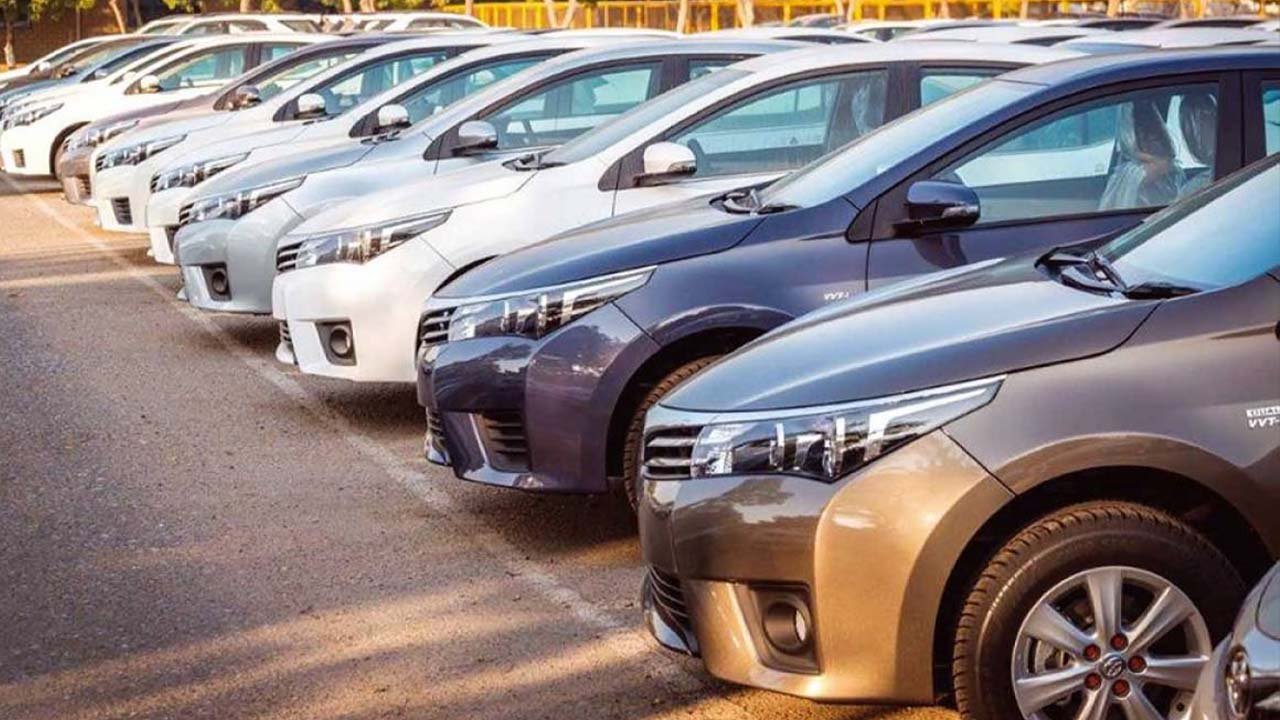
    Car sales in Pakistan plummeted to their lowest level in 15 years during the fiscal year 2023-24, as reported by the Pakistan Automotive Manufacturers Association (PAMA).

    The data reveals that sales of cars, including light commercial vehicles (LCVs), vans, and jeeps, declined by 18.2 per cent year-on-year, amounting to 103,826 units by the end of the fiscal year on June 30, 2024.

    This marks the lowest sales figures since FY 2009.

    In comparison, 126,878 units were sold in the previous fiscal year, while the average sales over the past five years stood at 188,030 units.

    Furthemore, passenger car sales decreased by 15.7 per cent year-on-year to 81,577 units during the fiscal year, compared to 96,811 units recorded in the previous year.

    Total production of passenger cars was 79,573 units in FY24, a 22.0 per cent decline from the 101,984 units produced last year.

    The PAMA data also highlighted that the highest number of passenger car sales occurred in the ‘Below 1000cc’ category, with 38,657 units sold in FY24.

    Within this segment, Suzuki Alto led with 35,883 units sold, followed by Suzuki Bolan with 2,774 units.

  • FBR surpasses May revenue target with Rs760 billion collection

    FBR surpasses May revenue target with Rs760 billion collection

    The Federal Board of Revenue (FBR) has exceeded its revenue target for May in the fiscal year 2023-24 by collecting Rs760 billion in tax revenues, surpassing the target of Rs745 billion.

    This achievement, announced in a statement by the FBR today, signifies a remarkable 33 per cent growth compared to May 2023.

    In addition to the overall revenue increase, domestic taxes also experienced a significant 33 per cent growth during May.

    “The FBR is poised to achieve the assigned target for the final month of the current financial year, June 2024,” the statement added.

    This positive trend has contributed to an overall revenue growth of 31 per cent for the first eleven months of the current fiscal year, compared to the same period last year.

  • Pakistan’s exports surge by 8.93% to Rs22.91 billion

    Pakistan’s exports surge by 8.93% to Rs22.91 billion

    Pakistan’s export sector has shown a notable surge, with an 8.93 per cent increase recorded in the initial nine months of the current fiscal year (2023–24) compared to the corresponding period in the previous year.

    Data released by the Pakistan Bureau of Statistics (PBS) indicates that exports soared to $22.914 billion from July to March (2023–24), marking a significant rise from the $21.036 billion recorded during the same timeframe in 2022–2023.

    Conversely, imports experienced a decline of 8.65 per cent, dropping to $39.944 billion from $43.724 billion in the previous year.

    This resulted in a notable improvement in the trade deficit, which amounted to $17.030 billion for the first nine months of the current fiscal year, showcasing a substantial decrease of 24.94 per cent from the $22.688 billion recorded during the corresponding period last year.

    Analyzing the performance for March 2024 against March 2023, exports registered a notable uptick of 7.99 per cent on an annual basis, climbing from $2.366 billion to $2.555 billion.

    Conversely, imports surged by 25.86 per cent, reaching $4.726 billion compared to $3.755 billion in March 2023.

    In terms of month-to-month performance, while exports in March 2024 experienced a marginal decline of 1.08 per cent from February 2024’s $2.583 billion, imports demonstrated a noteworthy increase of 9.25 per cent from the $4.326 billion recorded in February 2024, as per PBS data.

    Pakistan, exports, trade deficit, fiscal year 2023–24, economic growth, Pakistan Bureau of Statistics, imports, March 2024, global trade, commerce, trade statistics,

  • Utility Stores to implement Rs7.492 billion relief package ahead of Ramzan

    Utility Stores to implement Rs7.492 billion relief package ahead of Ramzan

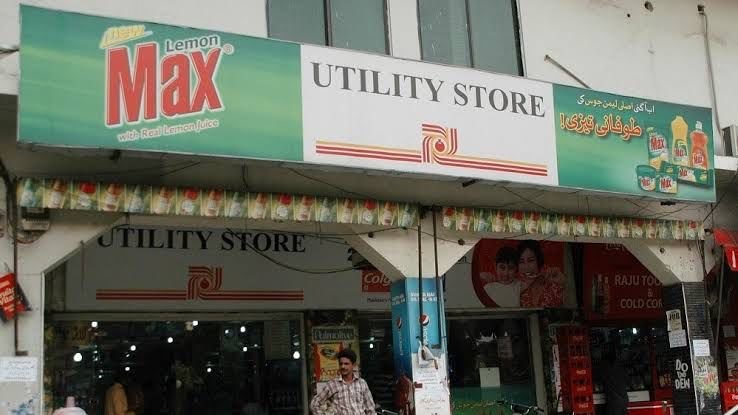
    The federal government is set to implement the Ramzan Relief Package, totaling Rs7.492 billion, through the Utility Stores Corporation (USC) starting March 4, 2024. This initiative aims to provide relief to targeted beneficiaries by offering subsidies on 19 essential items.

    The Economic Coordination Committee (ECC) of the Cabinet approved this decision based on a proposal from the Ministry of Industries and Production. The proposal sought approval for providing subsidies to targeted beneficiaries registered under the Benazir Income Support Programme (BISP) with a net amount of Rs7.492 billion.

    Of this, Rs 5 billion was allocated in the current fiscal year 2023–24 for the Ramzan Relief Package 2024, with the remaining Rs 2.492 billion to be re-appropriated from the current fiscal year budget allocations for the Prime Minister Relief Package (PMRP).

    The ECC directed the Finance Division to release the full subsidy amount of Rs7.492 billion to ensure timely purchases and necessary arrangements for the availability of these items at USC outlets.

    With Ramzan expected to commence on March 11, 2024, the implementation date for the Ramzan Relief Package-2024 was proposed from March 4, 2024, until the last day of Ramzan.

    Since 1991, the government has been providing relief during Ramzan by selling 19 items at subsidised rates through USC outlets. For the fiscal year 2023–24, the federal government allocated Rs35 billion for subsidies on essential items, including Rs30 billion for PMRP and Rs5 billion for the Ramzan Relief Package 2024.

    The Ramzan Relief Package aims to provide maximum relief to the masses. Due to restrictions imposed by the International Monetary Fund (IMF) on untargeted subsidies, subsidies are provided to targeted beneficiaries registered under PMT-40 of BISP for the fiscal year 2023–24.

    The USC is currently serving 26.92 million households registered under PMT-40. To extend assistance to more beneficiaries during Ramzan-2024, it is proposed to provide subsidies on 19 items to targeted beneficiaries registered under PMT-60, reaching an additional 12.73 million households.

  • Pakistan’s mobile phone imports skyrocket, surpassing $987 million in first half of FY 23-24

    Pakistan’s mobile phone imports skyrocket, surpassing $987 million in first half of FY 23-24

    Pakistan has witnessed a remarkable surge in mobile phone imports, reaching $987.539 million during the first half (July–January) of the fiscal year 2023–24. 

    This marks a substantial growth of 138.08 per cent compared to the same period in the previous fiscal year, where imports totaled $414.800 million.

    The data, released by the Pakistan Bureau of Statistics (PBS), underscores the country’s increasing reliance on imported mobile devices.

    In January 2024 alone, Pakistan’s mobile phone imports rose by 10.70 per cent on a month-on-month basis, totaling $194.928 million, compared to $176.093 million in December 2023. 

    Year-on-year comparisons reveal an even more staggering growth of 275.15 per cent in January 2024, compared to $51.960 million in January 2023.

    The overall telecom imports into Pakistan during July–January 2023–24 amounted to $1.243 billion, showcasing a robust 93.06 per cent growth compared to the same period in the previous fiscal year. 

    Year-on-year, the growth in overall telecom imports stood at an impressive 197.07 per cent, reaching $232.709 million in January 2024, compared to $78.336 million in January 2023.

    Despite challenges faced by the local manufacturing sector, including a decline of around four per cent in local manufacturing and assembling of mobile handsets during the calendar year 2023, commercial imports of mobile handsets increased. 

    Official data revealed that local manufacturing plants produced 21.28 million mobile handsets in 2023, compared to 21.94 million in 2022 and 24.66 million in 2021. However, commercial imports rose from 1.53 million in 2022 to 1.58 million in 2023.

    Moreover, of the locally manufactured and assembled mobile handsets in 2023, 13 million were 2G devices, and 8.28 million were smartphones. 

    According to the Pakistan Telecommunication Authority (PTA), 59 per cent of mobile devices in Pakistan are smartphones, while 41 per cent are 2G devices.

    Despite the challenges faced by the local manufacturing sector, the significant growth in mobile phone imports underscores Pakistan’s increasing reliance on imported devices, contributing to the country’s evolving telecom landscape.

  • OGRA approves massive gas tariff hike for SNGPL, SSGC consumers

    OGRA approves massive gas tariff hike for SNGPL, SSGC consumers

    In a move to address the fiscal challenges faced by Sui Northern Gas Pipelines Limited (SNGPL) and Sui Southern Gas Company Limited (SSGC), the Oil and Gas Regulatory Authority (OGRA) has granted approval for a noteworthy increase in gas tariffs.

    Effective January 1, 2024, consumers of SNGPL will experience a 35.13 per cent surge, while SSGC customers will witness an 8.57 per cent rise.

    This marks the second adjustment in gas prices within the current fiscal year, following a substantial 193 per cent increase announced by OGRA, effective November 1, 2023. The decision to implement these changes is aimed at bridging the Rs98 billion shortfall collectively faced by both gas companies.

    The interim government’s initial projections aimed to collect Rs980 billion, intending to cover the estimated revenue requirements of Rs700 billion for both SNGPL and SSGC.

    The recommended average increase in the prescribed gas price is set at 23 per cent, reaching Rs1,590 per mmbtu, compared to the previous average of Rs1,291 per mmbtu determined on June 2, 2023.

    Specifically, OGRA has outlined a 50 per cent increase (Rs415.11 per mmbtu) for SNGPL, elevating the gas price to Rs1,238.68 per mmbtu, effective July 1, 2023.

    Simultaneously, the gas price for SSGC has been raised by 45 per cent (Rs417.23 per mmbtu) to reach Rs1,350.68 per mmbtu.

    The decision to increase gas prices aligns with the interim government’s commitment to the International Monetary Fund (IMF), with an agreement to announce a raise in gas sale prices by February 18, 2024.

    However, the OGRA Ordinance stipulates that if the government remains unresponsive to OGRA’s notification within 40 days, the determined tariff by the regulator will be automatically enforced.

    The recent approval underscores the ongoing efforts to address financial challenges and ensure the sustainability of the gas sector in Pakistan.

  • Govt surpasses petroleum levy collection targets despite declining sales

    Govt surpasses petroleum levy collection targets despite declining sales

    In the first six months of fiscal year 2023–24, the federal government has exceeded expectations by collecting Rs472.77 billion in petroleum levy (PL), constituting an impressive 54 per cent of the total budgetary estimates for PL on petroleum products for the current fiscal year.

    This collection marks a significant uptick, registering a remarkable 166 per cent increase compared to the same period in the previous fiscal year. The government achieved a substantial PL collection of Rs222 billion in the initial three months of the current fiscal year.

    Originally budgeted at Rs869 billion for PL collection in the fiscal year 2023–24, the government revised its target to Rs918 billion following an increase in PL from Rs50 to Rs60 per litre on petrol and high-speed diesel (HSD). This adjustment aligns with the government’s commitment to the International Monetary Fund (IMF).

    However, against this backdrop of successful revenue generation, the country witnessed a notable 15 per cent decline in the sales of petroleum products in the first six months of the current financial year.

    According to the Oil Companies Advisory Council (OCAC), petroleum product sales dropped to 7.68 million tonnes, a considerable decrease from the 9.03 million tonnes recorded during the same period in the previous fiscal year (July to December).

  • Monetary policy committee maintains status quo: SBP keeps policy rate at 22% to tackle elevated inflation

    Monetary policy committee maintains status quo: SBP keeps policy rate at 22% to tackle elevated inflation

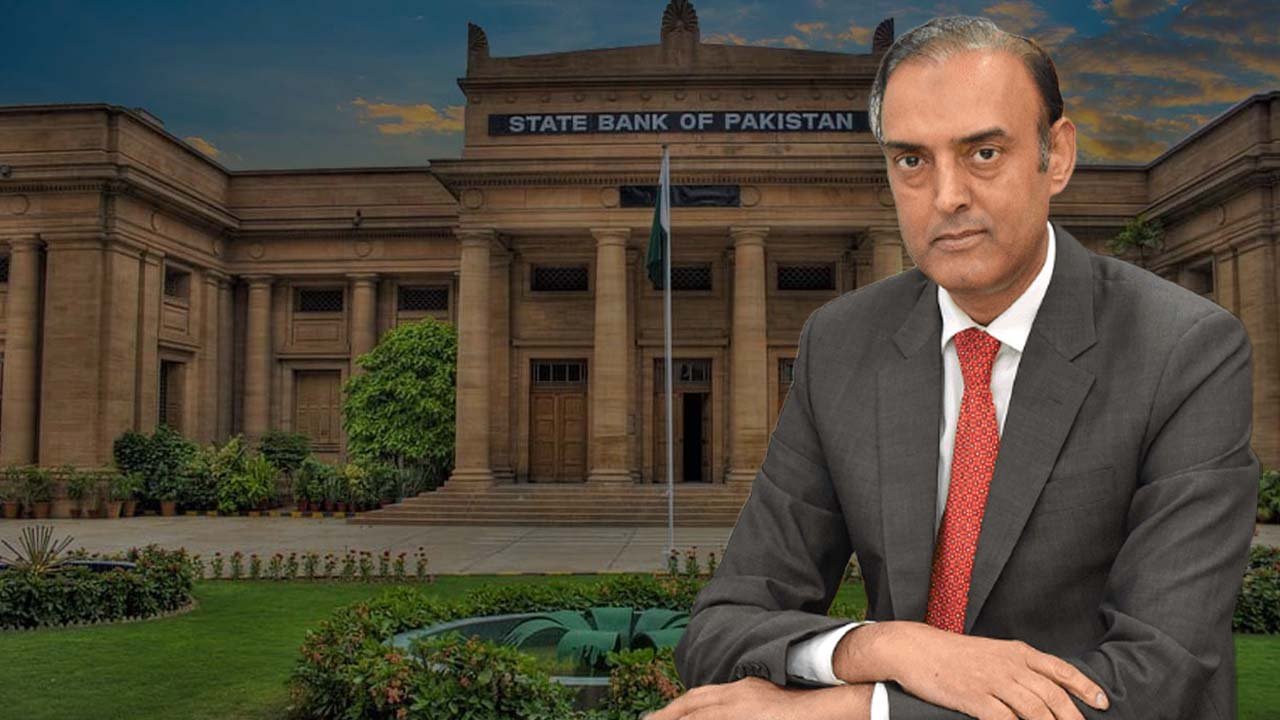
    In a decision announced on Monday, the Monetary Policy Committee (MPC) of the State Bank of Pakistan (SBP) has opted to maintain the status quo, retaining the key policy rate of 22 per cent. 

    SBP Governor Jameel Ahmad highlighted the persistent elevation of inflation, disclosing a revised forecast for the fiscal year 2023–24 ranging from 23 per cent to 25 per cent.

    Market analysts, anticipating the decision, noted that the sustained high inflation rate was a contributing factor to the MPC’s decision to keep the key policy rate unchanged.

  • Pakistan’s exports surpass Rs4,300 billion, up by 35.33% in six months

    Pakistan’s exports surpass Rs4,300 billion, up by 35.33% in six months

    The Pakistan Bureau of Statistics (PBS) has reported a substantial increase of 35.33 per cent in the country’s exports in rupee terms during the first half of the current fiscal year, as compared to the corresponding period of the previous year.

    According to provisional data released by PBS, exports from July to December 2023 amounted to Rs4,300,752 million, a significant rise from Rs3,177,893 million recorded during the same period last year.

    On a year-on-year basis, exports for December 2023 witnessed a remarkable surge of 54.59 per cent, reaching Rs799,588 million, compared to Rs517,240 million in October 2022.

    Additionally, on a month-on-month basis, exports increased by 8.86 per cent when compared to the figure of Rs734,541 million reported in November 2023.

    The key commodities contributing to this growth in December 2023 were rice other than basmati (Rs124,040 million), knitwear (Rs103,898 million), readymade garments (Rs84,569 million), bedwear (Rs64,119 million), cotton cloth (Rs40,678 million), cotton yarn (Rs26,984 million), towels (Rs24,814 million), rice basmati (Rs22,888 million), articles excluding towels and bedwear (Rs16,991 million), and meat and meat preparations (Rs12,472 million).

    In contrast, imports during July–December 2023–24 amounted to Rs7,533,700 million, showing an increase of 8.20 per cent compared to Rs6,962,865 million during the corresponding period last year.

    On a year-on-year basis, December 2023 imports totaled Rs1,317,463 million, reflecting a 13.94 per cent increase from December 2022. Moreover, on a month-on-month basis, imports increased by 1.66 per cent in December 2023 compared to Rs1,295,968 million in November 2023.

    The main commodities of imports during December 2023 were petroleum crude (Rs158,260 million), petroleum products (Rs150,888 million), natural gas, liquified (Rs109,516 million), electric machinery & apparatus (Rs63,667 million), palm oil (Rs60,316 million), plastic materials (Rs52,218 million), mobile phones (Rs49,887 million), iron & steel (Rs41,654 million), iron and steel scrap (Rs30,426 million), and motor cars (Rs29,543 million).

    This surge in exports, coupled with a measured rise in imports, signifies a positive trend in Pakistan’s trade balance, reflecting the resilience and competitiveness of the country’s export sector.