Tag: fiscal year 2023-24

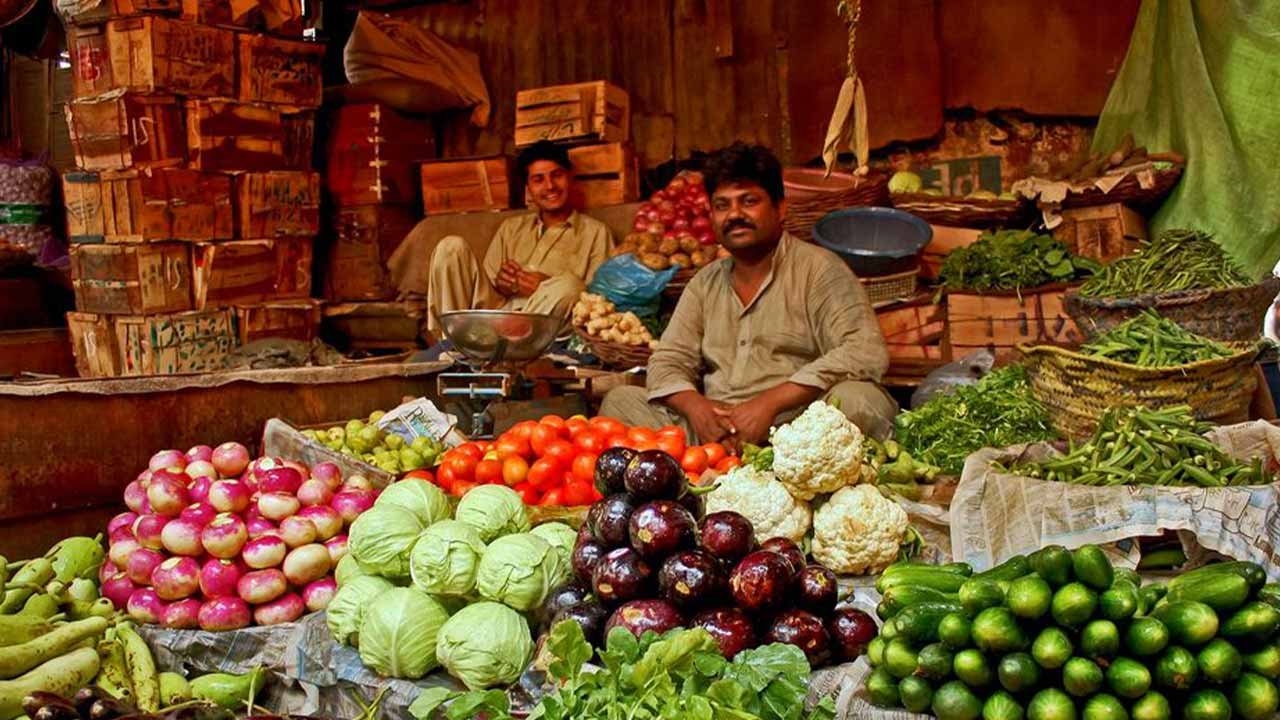
  • SPI index surges to three-week high at 26.41%: Food and energy prices drive inflation

    SPI index surges to three-week high at 26.41%: Food and energy prices drive inflation

    The Sensitive Price Indicator (SPI) index recorded a notable surge, reaching 26.41 per cent for the week ending on September 7, 2023, marking a three-week high. This increase was primarily propelled by the persistent rise in food and energy prices when compared to the same week in the previous year, putting added strain on households’ purchasing power and disposable income.

    Within this week, data from the Pakistan Bureau of Statistics (PBS) revealed that out of 51 items, 32 (62.75 per cent) experienced price increases, 5 (9.80 per cent) saw decreases, while 14 (27.45 per cent) remained unchanged, in contrast to the previous week.

    Food items saw significant price hikes, including a 17 per cent increase in tomato prices, a 10.87 per cent uptick in pulse masoor prices, a 6.73 per cent rise in sugar prices, a 4.66 per cent surge in garlic prices, and a 3.62 per cent uptick in gur prices. Pulse moong prices rose by 3.55 per cent, onions by 3.43 per cent, and pulse gram by 3.25 per cent. Among non-food items, diesel prices soared by 6.28 per cent, LPG (liquefied petroleum gas) increased by 5.19 per cent, and petrol prices rose by 5.12 per cent.

    Conversely, there was a decline in the prices of certain items, including chicken by 3.20 per cent, 5-liter cooking oil by 1.03 per cent, 2.5 kg vegetable ghee by 0.47 per cent, Lipton tea by 0.43 per cent, and 1 kg vegetable ghee by 0.14 per cent, compared to the previous week.

    Looking at the bigger picture, the Consumer Price Index (CPI) revealed that monthly inflation has remained persistently high, averaging 27.8 per cent in the first two months (Jul-Aug) of the current fiscal year 2023-24. This was primarily attributed to recent rupee depreciation, imported inflation, and the continuous ascent of power and petroleum product prices.

    It is anticipated that September’s monthly inflation reading will reach its peak, with experts also suggesting the possibility of the government raising gas prices, further exacerbating inflationary pressures on the economy.

    To combat inflation, the Pakistan central bank is expected to raise its key policy rate by 1.5 to 2 percentage points during its upcoming Monetary Policy Committee (MPC) meeting on September 14. The current policy rate stands at a record high of 22 per cent.

    Topline Research highlighted significant developments since the last MPC meeting on July 31, 2023, including Pakistan posting a current account deficit of $809 million in July after four consecutive months of current account surplus. 

    Additionally, local fuel prices have increased by around 19 per cent, international oil prices in US dollars have risen by 6 per cent, and the rupee has depreciated by 6 per cent against the US dollar. These factors are expected to weigh heavily on the central bank committee’s decision during the upcoming MPC meeting.

  • Illegal cigarettes capture 50% of market share: Official tobacco sector calls for govt help

    Illegal cigarettes capture 50% of market share: Official tobacco sector calls for govt help

    The tobacco sector that’s officially documented is urgently seeking government support to address the growing issue of smuggled and illicit cigarettes, which now make up over 50 per cent of the local market.

    During a recent briefing on “Current Tobacco Dynamics,” representatives from the Pakistan Tobacco Company (PTC) expressed concern that the market share of these illicit tobacco products could surpass 53 per cent in the next quarter of the fiscal year 2023–24.

    While a 200 per cent increase in excise duty (FED) on cigarettes was implemented, its real impact is expected to become evident in the current fiscal year. Sami Zaman, spokesperson for PTC, highlighted a 44 per cent drop in legitimate cigarette production in June, along with a 28.4 per cent overall sales decrease for the 2022–23 period.

    The implementation of the track-and-trace system has been limited to just two international manufacturers, leaving the rest of the undocumented tobacco sector largely unmonitored. Zaman stressed the need for consistent application across all local manufacturers to prevent tax evasion units from buying untaxed tobacco directly from farmers.

    Zaman also expressed concern about the government’s inability to effectively control the sale of untaxed, health-warning-free smuggled cigarettes. Currently, only multinational companies with track-and-trace systems are under scrutiny.

    According to Brecorder, smuggled cigarettes, due to their tax evasion, remain cheaper, lack mandatory graphic health warnings, and often come in appealing flavours, sometimes even in loose packs. Despite a significant 200 per cent increase in excise duty, the market continues to be flooded with untaxed, affordable cigarettes.

    Due to a shortage of raw tobacco, prices have risen. The growing illicit market is expected to have a significant impact on both legitimate industry volumes and government revenues in the upcoming quarter.

    Despite contributing Rs175 billion during the 2022–23 period (compared to a Rs180 billion target), the tobacco sector’s excise duty collections increased while volumes decreased.

  • Punjab increases govt employees’ pay by 30%, pensioners above 80 to receive 20% raise

    Punjab increases govt employees’ pay by 30%, pensioners above 80 to receive 20% raise

    In a significant development, the interim Punjab cabinet, headed by caretaker Chief Minister Mohsin Naqvi, has approved the provincial budget for the initial four months of the fiscal year 2023-24. The cabinet meeting, held on Monday, saw the endorsement of several key measures aimed at providing relief to the people and promoting various sectors of the economy.

    One of the major highlights of the budget is a 30 per cent increase in salaries for government employees, which will be implemented as an ad hoc relief. This decision is expected to bring significant relief to public servants who have been facing the brunt of rising costs of living. Additionally, pensioners above the age of 80 will receive a 20 per cent increase in their pensions, acknowledging their valuable contributions to society.

    The Punjab cabinet has also taken a bold step to stimulate business growth in the information technology and education sectors. By withdrawing all duties and taxes, the provincial government aims to create a favorable environment for these industries, fostering innovation and progress. An allocation of Rs70 billion has been set aside to provide relief to the people over the course of the first four months of the fiscal year.

    Addressing concerns related to the construction sector, the cabinet rejected a recommendation to increase stamp duty by up to 3 per cent. Instead, it approved fixing the stamp duty ratio at 1 per cent, thereby promoting the growth of the construction industry and encouraging investment in the sector.

    Recognizing the importance of agriculture, the cabinet allocated over Rs47 billion to support and enhance the sector. This move demonstrates the government’s commitment to bolstering the agricultural industry, which plays a crucial role in the province’s economy and livelihoods of the rural population.

    Furthermore, the interim setup has pledged to complete 50 per cent of ongoing development projects within the first four months of the new fiscal year. This ambitious target showcases the government’s determination to prioritise infrastructure development and provide better facilities for the citizens.

    The cabinet’s focus on critical sectors also extends to education and healthcare. An increase of up to 31 per cent in the budget allocation for education and health has been approved for the initial four months of the fiscal year. This decision reflects the government’s commitment to improving access to quality education and healthcare services across Punjab.

    The cabinet’s proactive approach toward promoting technological advancements is evident through the approval to establish an information technology park within the Lahore Knowledge Park. This venture aims to create a hub for technology-driven innovation and attract investment to the region.

    In a noteworthy move, the cabinet also approved the establishment of an endowment fund worth Rs1 billion for journalists. This step recognises the vital role played by journalists in society and aims to support and encourage their professional growth.

    Chief Minister Mohsin Naqvi emphasised that the Punjab budget does not impose any new taxes on the people, providing further relief to the general public. He commended the chief secretary, Planning and Development Board chairman, Punjab finance secretary, and their teams for their diligent efforts in presenting a people-friendly budget.

    The cabinet meeting was attended by provincial ministers, advisors, and secretaries of relevant departments, signaling a collaborative approach to decision-making and ensuring the inclusivity of various stakeholders.

    With the interim Punjab cabinet’s approval of this budget, the province is poised to embark on a path of economic growth, development, and improved quality of life for its citizens.

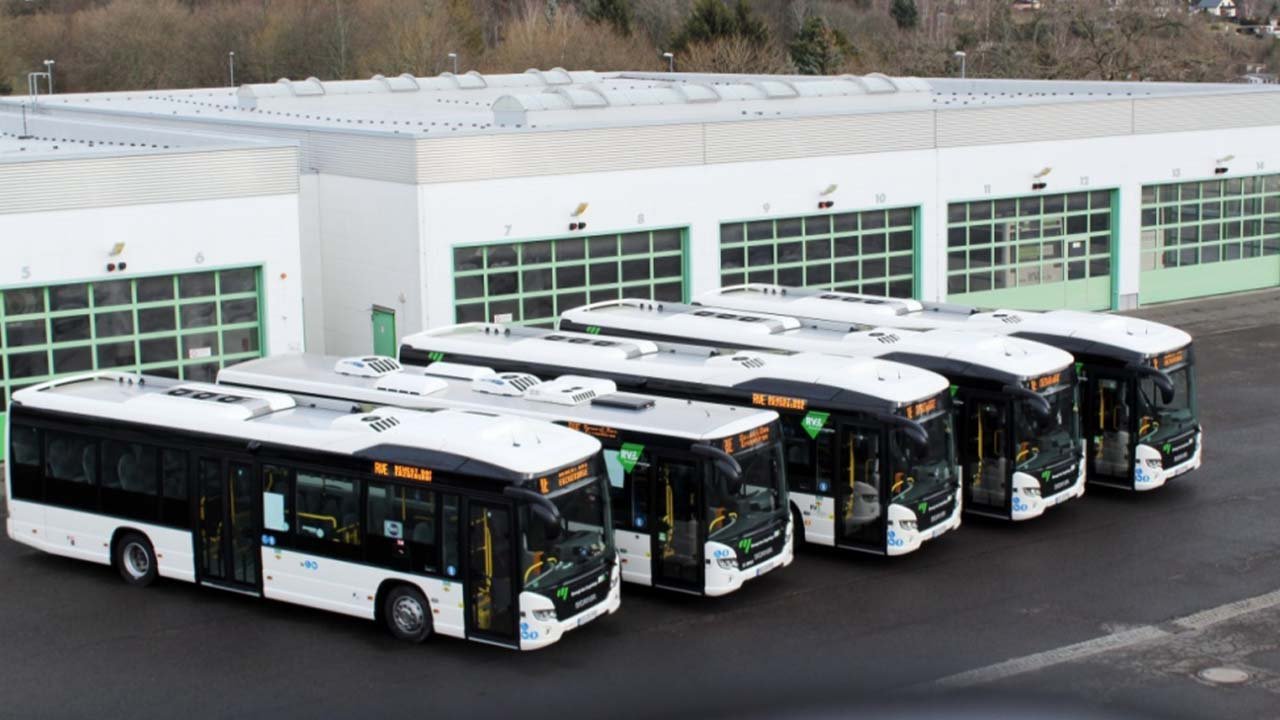
  • Sindh govt allocates Rs10 billion for buying 500 hybrid buses

    Sindh govt allocates Rs10 billion for buying 500 hybrid buses

    The Sindh government, under the leadership of Chief Minister Murad Ali Shah, has taken a significant step towards enhancing the public transportation system by allocating a substantial amount of Rs10 billion in the provincial budget for the fiscal year 2023-24. This allocation is specifically aimed at procuring 500 hybrid buses, which are known for their superior environmental performance and fuel efficiency.

    In addition to the allocation for hybrid buses, the provincial Transport Department has been granted a total of Rs13.4 billion. Within this allocation, Rs6.1 billion has been earmarked for the development of the ‘Intra-District Peoples’ Bus Service,’ which will greatly benefit commuters within the province. Furthermore, Rs2 billion has been dedicated to the maintenance of transport infrastructure, ensuring the sustainability and longevity of the transportation network.

    Recognising the importance of expanding the reach of public transportation, the PPP-led government has also allocated Rs600 million for the establishment of new routes. This investment will provide greater accessibility and convenience to the residents of Sindh.

    Moreover, keeping in mind the needs of the employees at the Sindh secretariat, the government plans to initiate three new routes from the following year, with a budget provision of Rs6 million. This initiative reflects the government’s commitment to improving the transportation options available to its citizens and creating a conducive work environment for the public servants.

    During the budget session in the Sindh Assembly, Chief Minister Syed Murad Ali Shah, who also serves as the Finance Minister, presented the overall budget for the fiscal year 2023-24. The total outlay of the budget for the province is estimated at an impressive Rs2244 billion, reflecting the government’s dedication to promoting growth and development across various sectors.

    The decision to procure hybrid buses stands out as a commendable choice by the Sindh government. Hybrid buses offer numerous advantages over conventional buses, particularly in terms of environmental impact and cost savings. By utilising both an internal combustion engine and an electric motor, hybrid buses significantly reduce harmful emissions, making them more environmentally friendly.

    Additionally, their fuel efficiency leads to lower operational costs, saving valuable resources in the long run. These hybrid buses will not only provide a reliable and comfortable mode of transportation but also contribute to a cleaner and more sustainable future for the residents of Sindh.

    Overall, the budget allocation for the procurement of hybrid buses showcases the Sindh government’s commitment to modernising public transportation and promoting sustainable practices. It is a positive step towards enhancing the quality of life for the people of Sindh and reducing the carbon footprint of the province.

  • Govt expected to present Rs13-15 trillion budget for FY23-24 amidst economic uncertainties

    Govt expected to present Rs13-15 trillion budget for FY23-24 amidst economic uncertainties

    The government is anticipated to present a budget ranging from Rs13-15 trillion for the fiscal year 2023-24, according to a budget preview report by Topline Securities. This substantial increase is attributed to the record-high markup cost caused by the soaring interest rates. The proposed budget target of Rs9-9.2 trillion marks a 21 per cent surge compared to the current fiscal year’s target of Rs7.5 trillion.

    Notably, if implemented, the tax target for the upcoming financial year would be 29 per cent higher than the projected tax collection for the outgoing FY23. However, the brokerage house highlights the challenging nature of formulating a budget amidst stagflation and uncertainties surrounding the upcoming elections and Pakistan’s ability to bridge its external account funding gap.

    The report emphasises the prevailing nervousness in currency, bond, and stock markets due to the uncertainty surrounding the financing of the US dollar funding gap. Furthermore, it states that revenue targets have historically deviated by an average of 8 per cent from the actual targets in the past five years, and a similar trend is expected in FY24 due to the economic slowdown.

    The non-tax revenue target for FY24 is estimated at Rs2.5 trillion (2.4 per cent of GDP), compared to Rs1.6 trillion (2 per cent of GDP) for FY23. The report predicts several taxation measures, including tax on undistributed reserves, continuation of the super tax, a shift from the final tax regime to the minimum tax regime, asset/wealth tax, higher tax on non-filers, tax on rental income, and taxes on banks, tobacco, and beverages.

    Regarding development spending, the Federal Public Sector Development Programme (PSDP) is projected to amount to Rs0.9 trillion for FY24. However, due to fiscal constraints, significant cuts are expected in this area. The consolidated PSDP (federal and provincial) is anticipated to reach Rs2.6 trillion (2.5 per cent of GDP) in FY24.

    With the Pakistan Tehreek-e-Insaf (PTI) party being sidelined, there is a possibility of a weak coalition government coming to power in the upcoming elections. The report highlights the importance of an aggressive and competent new setup to tackle the ongoing economic crisis.

    To create a favorable perception, the government may set unrealistic revenue targets in order to allocate more spending in the budget. The report suggests that it is unlikely for the government to complete the current International Monetary Fund (IMF) program on time and urges Pakistan to enter another, potentially larger, IMF program.

    In light of the economic slowdown and high inflation, the government may introduce expansionary policies in the budget to appease the public, such as direct cash subsidies for the underprivileged and an increase in minimum wages. However, the brokerage firm warns against excessive spending without substantial tax collection measures.

    In terms of its impact on the stock market, the upcoming budget is expected to be neutral to positive. Sectors such as oil and gas exploration, chemicals, pharmaceuticals, consumers, tobacco, technology and communication, textile, cement, fertilizers, and oil marketing companies may experience a neutral effect. Conversely, the budget might have a neutral to negative impact on banks and autos, while steel and independent power producers could experience a neutral to positive effect, according to the research.

    As the budget is unveiled, stakeholders and citizens alike will closely monitor the government’s strategies to address the economic challenges and promote stability and growth in Pakistan.

  • Govt to unveil ‘business-friendly’ budget, prioritising masses and economic progress

    Govt to unveil ‘business-friendly’ budget, prioritising masses and economic progress

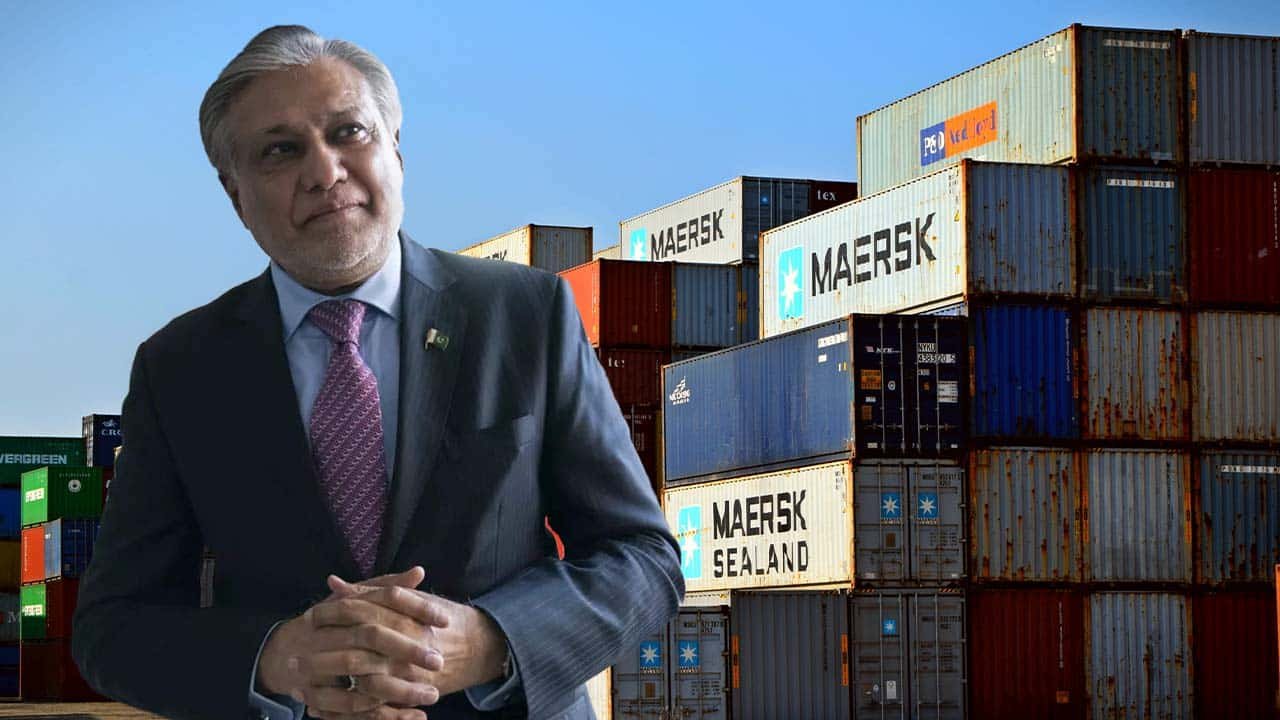
    In a bid to support the masses and drive economic progress and development, the government is expected to present a “business-friendly” budget for the upcoming financial year 2023-24, announced Finance Minister Ishaq Dar on Monday.

    Minister Dar shared these intentions during a meeting with a delegation from the Association of Builders and Developers of Pakistan, who sought to address the challenges faced by the construction industry and present their proposals for the forthcoming federal budget.

    The delegation, comprised of prominent members from the construction sector, engaged in a productive discussion with the finance minister, apprising him of the industry’s hurdles and sharing their ideas to contribute to the upcoming budget.

    Recognising the significance of the construction industry for economic growth, the association pledged its support to the government’s efforts in overcoming economic challenges and boosting business activities within the country.

    Finance Minister Ishaq Dar expressed his appreciation for the proposals put forth by the delegation, acknowledging their importance in formulating effective economic policies. He assured the group that the government is actively taking concrete steps to address the existing economic challenges and fortify the nation’s economy.

    Dar’s remarks underscored the government’s commitment to fostering a favourable business environment and promoting sustainable growth.

    The delegation extended their gratitude to the finance minister for considering their budget proposals, recognising the significance of collaboration between the private sector and the government in driving economic prosperity.

    As the government prepares to present the budget for the financial year 2023-24, expectations are high for the inclusion of measures that will support businesses, stimulate economic activity, and create opportunities for the masses.

  • Budget 2023-24: FBR considers decreasing duty on mobile phones

    Budget 2023-24: FBR considers decreasing duty on mobile phones

    The Federal Board of Revenue (FBR) is considering options to decrease the duty on mobile phones in the forthcoming federal budget for the fiscal year 2023-24. The budget is expected to be disclosed on June 9. The FBR is taking into account the suggestions put forward by mobile phone traders.

    Previously, the government was obligated to raise the duty on mobile phones by 100 per cent to 150 per cent, resulting in a deposit of only Rs5 billion to Rs10 billion in the national exchequer, instead of the anticipated Rs85 billion.

    According to The News, the number of mobile phone users in Pakistan has surpassed 186.9 million. To address the financial crisis of the current fiscal year, the new budget is contemplating a significant reduction in the rates of duties on cellular phones. Currently, the duties on small and big mobile phones stand at approximately 100 per cent to 150 per cent.

    The mobile industry is teetering on the verge of collapse due to the increased taxes. This not only affects traders but also poses difficulties for millions of people who rely on earning a livelihood through this sector.

    It has been reported that a delegation from the Mobile Phones Traders Association has submitted recommendations to Finance Minister Ishaq Dar and other senior officials. The delegation has assured that efforts will be made to incorporate these recommendations into the budget. The proposals and recommendations are currently under review for potential inclusion in the new budget.

    It has come to light that a 75 per cent duty is imposed on cellular phones in Pakistan, in contrast to other countries in the region such as Singapore, Bangladesh, and Turkey, where the duty is not as high. Consequently, people have been using smartphones without paying duties in collusion with the FBR.

    The additional 100 per cent to 150 per cent duty on cell phones has made them unaffordable for the poor, laborers, daily wage earners, students, professionals, the legal community, and civil society.

    Munir Beg Mirza, the General Secretary of the All Pakistan Mobile Phones Traders Association, stated that the ban on importing used mobile phones has led to an increase in smuggling to favor a few companies. Additionally, people are illegally using smartphones without paying substantial taxes, thus causing a loss to the national treasury.

    He further noted that if an appropriate duty is imposed in the new financial year, not only will every consumer pay tax, but the government will also receive Rs100 billion instead of Rs5 billion in revenue from phones.

  • Life-saving medicines in Pakistan to become 14% more expensive

    Life-saving medicines in Pakistan to become 14% more expensive

    The Drug Regulatory Authority of Pakistan (DRAP) has announced an increase of up to 14 per cent in the prices of life-saving medicines, following approval from the federal government.

    According to ARY News, DRAP stated that life-saving drugs will experience a 14 per cent hike, while all other medicines will see a 20 per cent increase.

    The regulatory authority clarified that these price adjustments are considered a one-time dispensation, in line with the 70 per cent rise in the consumer price index (CPI). This increase will be regarded as the annual raise for the fiscal year 2023-24, with no further increments in the upcoming financial year.

    The DRAP’s Policy Board will evaluate the situation after three months, specifically in July 2023, and submit recommendations to the federal government for potential price reductions, should the Rupee appreciate in value.

    The Economic Advisory Committee had already endorsed the price hike, taking into account the escalating fuel prices and the devaluation of the Rupee, which have contributed to record-high inflation in recent months, impacting various sectors of the economy.

    Earlier reports indicated a 0.16 per cent year-on-year decrease in weekly inflation, as measured by the Sensitive Price Indicator (SPI), for the week ending on May 18. However, short-term inflation surged to an unprecedented 48.35 per cent for the period ending on May 4.

    The Pakistan Bureau of Statistics (PBS) released data indicating a combined index of 255.12, compared to 255.53 on May 11, 2023. In contrast, the index stood at 175.08 a year ago, on May 19, 2022.