Tag: fiscal year 2024

  • SBP data reveals govt borrowed Rs8.3 trillion from banks in FY24

    SBP data reveals govt borrowed Rs8.3 trillion from banks in FY24

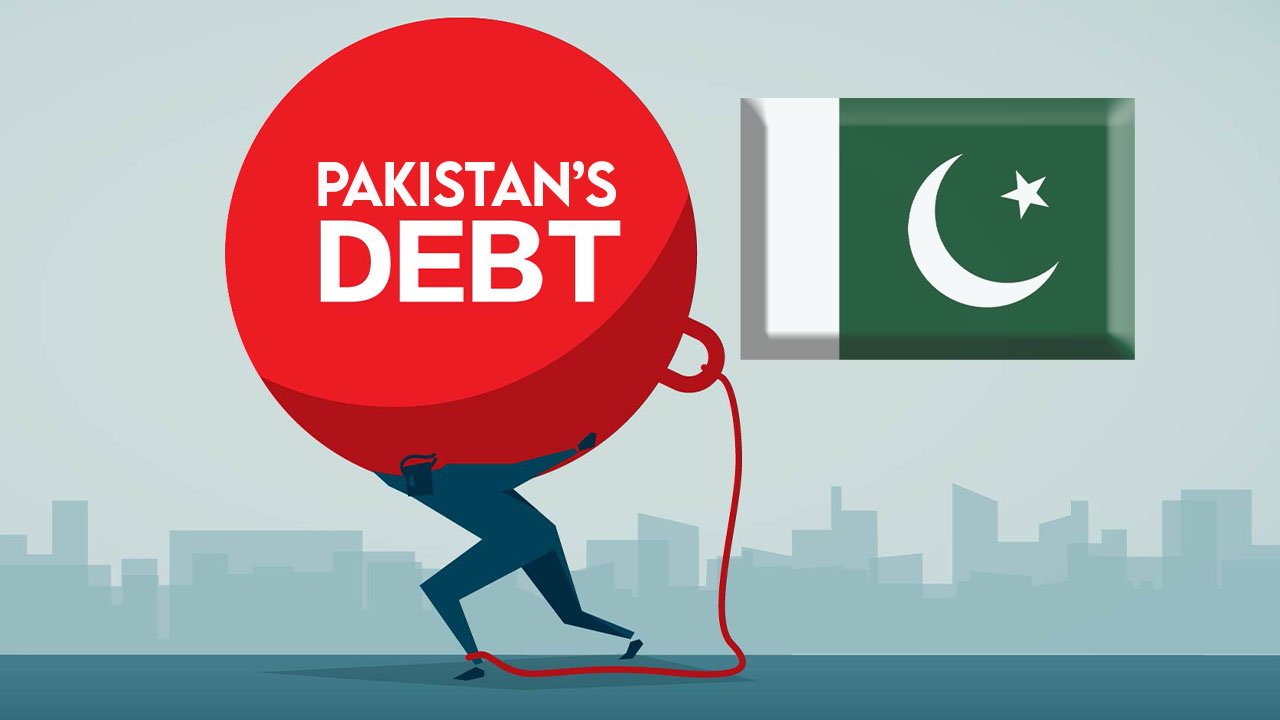
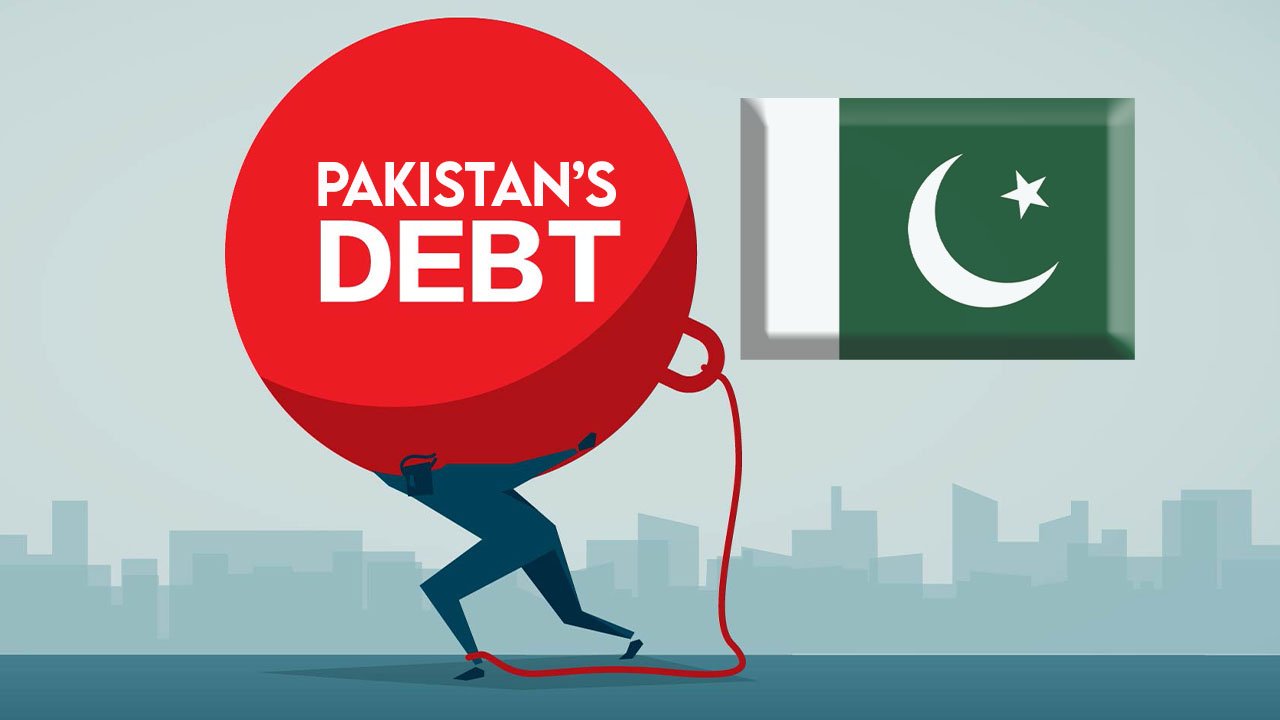
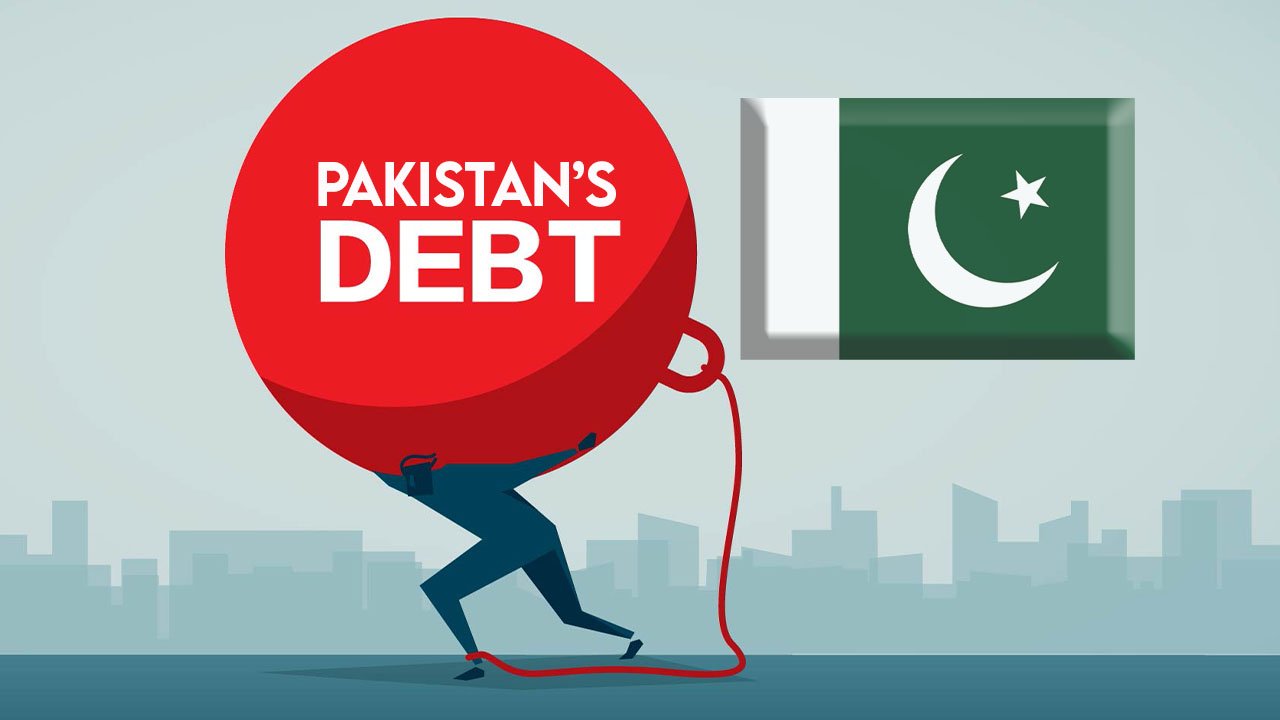
    The Pakistani government significantly increased its domestic borrowing in the fiscal year 2023-24, according to the latest data from the State Bank of Pakistan (SBP). This period saw the government borrowing Rs8.3 trillion from scheduled banks, a substantial rise from Rs3.6 trillion in FY23 and Rs3.3 trillion in FY22.

    The Federal Government accounted for the bulk of this borrowing, taking Rs8.56 trillion, while the Provincial Government retired Rs261.27 billion. The two primary sources of budgetary support financing are the SBP and scheduled banks.

    In FY24, the government repaid a net amount of Rs694.85 billion to the central bank, bringing the net borrowing figure to Rs7.49 trillion. Government sector borrowings are categorized into three main areas: budgetary support, commodity operations, and others.

    For FY24, the net borrowing for budgetary support stood at Rs7.61 trillion. In contrast, there was a net retirement of Rs107.59 billion for commodity operations and Rs6.18 billion for other categories.

    This notable increase in domestic debt highlights the government’s reliance on internal sources to manage its fiscal requirements amid challenging economic conditions.

  • Pakistan stock market posts largest annual gain since 2003

    Pakistan stock market posts largest annual gain since 2003

    The Pakistan Stock Exchange (PSX) has reported its most impressive annual return in over twenty years, driven by optimism over improved economic conditions, attractive valuations, and a shift to monetary easing by the central bank.

    The KSE-100 Index surged by 89.2 per cent, adding 36,992 points to reach 78,444.9 in the fiscal year ending June 2024. This represents the largest yearly gain since FY 2003. In USD terms, the index rose by 94.4 per cent, the highest increase since FY 2003.

    According to Mettis Global, this historic bull run commenced when Pakistan narrowly avoided a sovereign debt default, thanks to a rescue package from the International Monetary Fund (IMF) towards the end of the last fiscal year.

    The IMF’s $3 billion loan programme also facilitated additional multilateral and bilateral funding, boosting the country’s foreign exchange reserves by 99 per cent to $8.9 billion.

    The benchmark index reached its first record high in seven years in November 2023 and continued to set new highs throughout the year without significant pullbacks.

    Market participation remained robust in FY24, with the average traded volume on the PSX surging by 140 per cent to 272.5 million shares.

    Traded value in PKR terms increased by 154 per cent to 15.6 billion. In USD terms, the volume was recorded at $55.2 million, a gain of 118 per cent compared to the previous year.

    The strong performance of the PSX reflects investor confidence in Pakistan’s economic recovery and the positive impact of the IMF’s support programme.

  • Govt’s debt rises to Rs5.53 trillion with recent Rs35.4 billion borrowing

    Govt’s debt rises to Rs5.53 trillion with recent Rs35.4 billion borrowing

    The government of Pakistan has secured an additional debt of Rs35.4 billion during the week ending on May 24, 2024, bringing the total net borrowing for the ongoing fiscal year 2024 to Rs5.53 trillion, according to the latest estimates from the central bank.

    Government borrowings this fiscal year have consistently outpaced those of previous years, indicating a persistent reliance on external financing. The borrowing is classified into three primary categories: budgetary support, commodity operations, and other purposes.

    For the week in question, net borrowing for budgetary support amounted to Rs24.52 billion, while loans for commodity operations totaled Rs13.07 billion. Conversely, a net amount of Rs2.19 billion was repaid under the “others” category.

    Cumulatively, for fiscal year 2024, borrowings for budgetary support have reached Rs5.68 trillion. In contrast, there has been a retirement of Rs149.47 billion in loans for commodity operations and Rs5.48 billion for other categories.

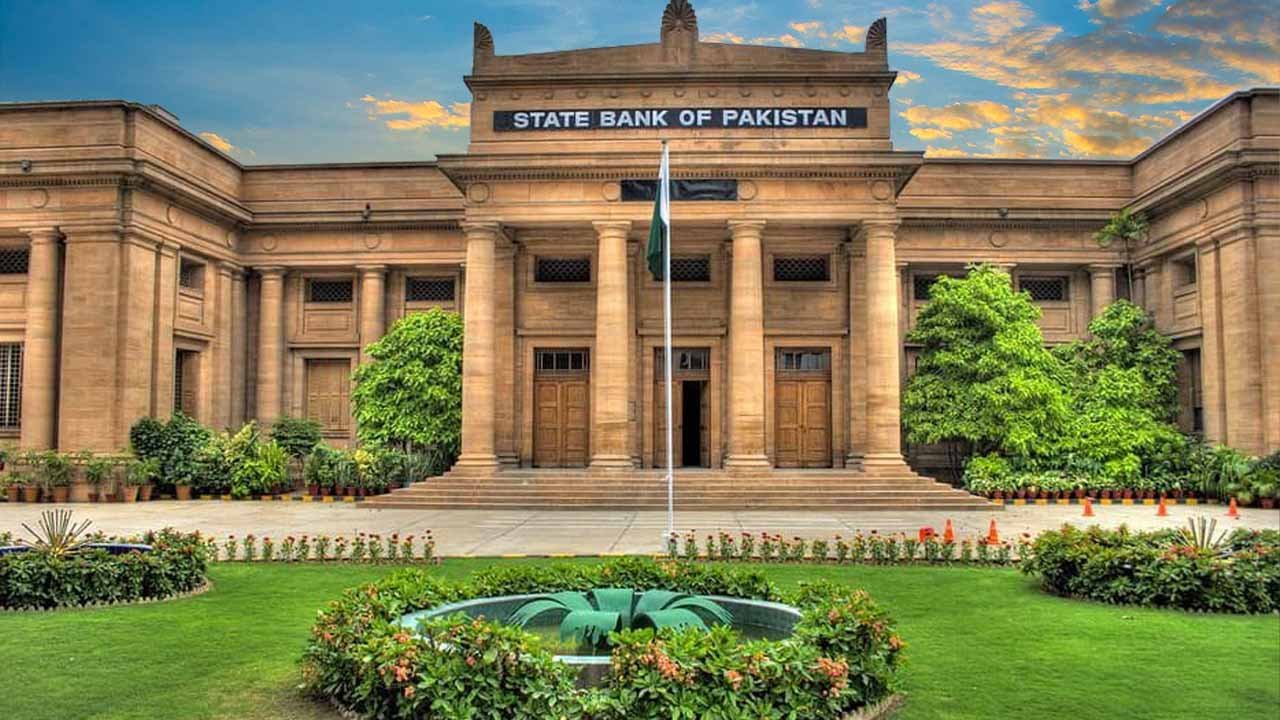
    The principal sources of financing for budgetary support are the State Bank of Pakistan and scheduled banks. This fiscal year, the government has repaid a net total of Rs1.07 trillion to the central bank. This repayment includes Rs598.84 billion by the Federal Government, Rs423.28 billion by the Provincial Government, Rs38.19 billion by the AJK Government, and Rs5.16 billion by the GB Government.

    On the other hand, scheduled banks have lent a net total of Rs6.75 trillion. The Federal Government borrowed Rs6.9 trillion from these banks, while the Provincial Government retired Rs151.49 billion.

    This pattern of borrowing underscores the government’s heavy dependence on domestic financial institutions to meet its budgetary needs amidst ongoing economic challenges.

  • Pakistan secures over $228 million in loans from multiple foreign sources

    Pakistan secures over $228 million in loans from multiple foreign sources

    In April 2024, Pakistan secured $237.24 million in external financing from various sources, according to the Economic Affairs Division (EAD). This sum included $228.64 million in loans and $8.60 million in grants.

    Throughout the first ten months of the fiscal year 2024 (10MFY24), the country managed to obtain a total of $7.14 billion in external financing, significantly less than the annual budget estimate of $17.62 billion.

    In April, the government received a substantial loan of $117.39 million for non-project aid, aimed at providing program and budgetary support to help restructure the economy. Over 10MFY24, loans for non-project aid amounted to $4.84 billion.

    The Ministry of Economic Affairs noted Pakistan’s continued reliance on foreign commercial borrowing, which amounted to $107.95 million in April and $889.43 million in 10MFY24. This was primarily facilitated through the Naya Pakistan Certificate.

    Notably, no funds were secured from foreign commercial banks in 10MFY24, despite a budget estimate of $4.5 billion for the fiscal year.

    Disbursements from bilateral and multilateral development partners remained strong, totaling $129.29 million in April and $3.74 billion in 10MFY24. Although these inflows helped bolster foreign exchange reserves, they fell short of the government’s budget estimates.

    Multilateral sources provided nearly $121.61 million in April and $2.87 billion in 10MFY24. Among these, the International Development Association-World Bank (IDA) led with $61.73 million in April, followed by the Asian Development Bank (ADB) with $42.78 million.

    The International Bank for Reconstruction and Development (IBRD) contributed $8.52 million, and the Asian Infrastructure Investment Bank (AIIB) provided $6.33 million. Cumulatively, IDA’s disbursements totaled $1.35 billion, ADB’s $708.30 million, and AIIB’s $309.95 million.

    Bilateral development partners contributed $7.68 million in April and $877.76 million in 10MFY24. In April, Germany provided $3.10 million, Korea $1.80 million, France $1.77 million, and the USA $1.01 million. Over 10MFY24, Saudi Arabia’s Oil Facility dominated bilateral disbursements with $595.18 million.

    While foreign assistance has been crucial in maintaining financial stability, the shortfall compared to budget estimates highlights the need for improved fiscal strategies and diversified financing avenues to achieve Pakistan’s economic goals.

  • Pakistan’s debt climbs by Rs276.55 billion to Rs4.78 trillion

    Pakistan’s debt climbs by Rs276.55 billion to Rs4.78 trillion

    Pakistan’s government incurred an additional debt of Rs276.55 billion during the week ending April 26, 2024, according to the State Bank of Pakistan’s weekly report.

    This brings the total net borrowing for the current fiscal year to a staggering Rs4.78 trillion, underscoring a trend of elevated borrowings compared to previous years.

    The government sector’s borrowings are categorised into three main segments: budgetary support, commodity operations, and others.

    During the latest week, the bulk of the borrowing went towards budgetary support, which accounted for Rs230.84 billion.

    Meanwhile, commodity operations contributed Rs45.76 billion to the debt increase, while the “others” category saw a retirement of Rs54.82 million.

    Looking at the cumulative figures for the ongoing fiscal year, budgetary support borrowings have now reached Rs5.07 trillion, with commodity operations showing a net retirement of Rs283.57 billion, and others indicating a net retirement of Rs2.64 billion.

    The government’s financing primarily comes from two sources: the State Bank of Pakistan (SBP) and scheduled banks.

    This fiscal year, the government has paid off a net sum of Rs735.22 billion to the SBP, with the Federal Government contributing Rs425.15 billion to the total.

    Provincial governments collectively retired Rs294.54 billion, while the governments of Azad Jammu and Kashmir (AJK) and Gilgit-Baltistan (GB) retired Rs17.89 billion and borrowed Rs2.36 billion, respectively.

    In contrast, scheduled banks have lent out a net total of Rs5.8 trillion. Of this amount, the federal government borrowed Rs5.96 trillion, while the provincial governments retired Rs159.99 billion.

    These figures point to the government’s continued reliance on borrowing to manage fiscal operations.

    Analysts are concerned about the sustainability of this trend, suggesting that it could pose risks to the country’s economic stability if not carefully managed.

  • Overseas workers’ remittances surge to $3 billion in March

    Overseas workers’ remittances surge to $3 billion in March

    In March 2024, Pakistan witnessed a significant surge in the influx of overseas workers’ remittances, reaching a notable milestone of $3 billion.

    This remarkable figure reflects a remarkable 31.3 per cent increase on a month-on-month basis compared to February 2024, when the remittances stood at $2.25 billion.

    The latest data released by the State Bank of Pakistan (SBP) unveiled this positive trend, highlighting the pivotal role remittances play in Pakistan’s economic landscape.

    Year-on-year comparisons also underscored the upward trajectory, with a 16.4 per cent increase noted in March 2024 compared to the same month in the previous year, when remittances amounted to $2.54 billion.

    Such consistent growth in remittances holds significance beyond mere monetary figures, as these funds contribute substantially to bolstering the country’s external account and fueling economic activity.

    Moreover, they serve as a crucial supplement to the disposable incomes of remittance-dependent households, enhancing their financial resilience.

    In a broader fiscal context, the first nine months of Fiscal Year 2024 witnessed a steady rise in workers’ remittances, totaling $21.0 billion.

    This marks a modest 0.9 per cent increase compared to the corresponding period in the previous fiscal year, where remittances amounted to $20.8 billion.

    Such stability and growth in remittances underscore the resilience of Pakistan’s overseas workforce and their commitment to supporting their families and homeland.

    Breaking down the sources of these remittances, Overseas Pakistanis in Saudi Arabia emerged as leading contributors, with remittances totaling $703.1 million in March 2024.

    This represents a substantial 30 per cent increase compared to the previous month and a noteworthy 24 per cent increase year-on-year.

    Similarly, remittances from the United Arab Emirates (UAE) witnessed a remarkable surge, jumping by 43 per cent on a monthly basis to reach $548 million in March, reflecting a 34 per cent increase compared to the same period last year.

    The United Kingdom also played a significant role in this surge, with remittances soaring to $462 million in March 2024, marking a notable 33 per cent increase compared to February 2024.

    Meanwhile, remittances from the European Union exhibited a robust 19 per cent monthly growth and a 6 per cent year-on-year improvement, amounting to $315 million in March 2024.

    Overseas Pakistanis in the United States also contributed significantly, send`ing $373 million in March 2024, reflecting an 18 per cent increase compared to the previous year and a substantial 30 per cent increase month-on-month.

  • Car sales increase in Pakistan despite high prices, economic challenges

    Car sales increase in Pakistan despite high prices, economic challenges

    In a surprising turn of events, the soaring prices of cars in Pakistan have not deterred buyers, as car sales experienced a notable uptick in February 2024.

    According to data released by the Pakistan Automotive Manufacturers Association (PAMA), car sales edged up by 1.94 per cent, reaching 7,953 units, compared to 7,802 units recorded in January 2024.

    This positive momentum follows a robust performance in the preceding month, where car sales hit their highest mark since December 2022.

    Analysts attribute this continued growth to the momentum generated by the new year, which has carried over into February.

    Year-on-year comparisons reveal a substantial increase, with car sales spiking by 2.18 times compared to February 2023, when only 3,642 units were sold.

    However, despite this recent surge, cumulative sales for the first eight months of fiscal year 2024 stand at 46,417 units, marking a 40.93 per cent decline from the same period last year.

    Similarly, the production of passenger cars has witnessed a significant downturn, with 8MFY24 recording 48,402 units, reflecting a 40.84 per cent decrease compared to the previous fiscal year.

    In February alone, production plummeted by 16.77 per cent month-on-month, totaling 8,002 units, down from 9,614 units in January 2023.

    Nonetheless, on a year-on-year basis, production saw a remarkable surge of 69.97 per cent, indicating a shift in manufacturing trends.

    Despite these fluctuations, the automotive landscape faces challenges, notably with Pak Suzuki Motor Company announcing two price hikes within a span of ten days in response to increased sales tax.

    The repercussions of these adjustments on sales are anticipated to unfold in the coming weeks, as the market adapts to the new pricing structure.

  • Monthly inflation expected to ease in the coming months

    Monthly inflation expected to ease in the coming months

    In January, a discerning shift towards disinflation is anticipated, as headline inflation is poised to soften to 27.2 per cent year-over-year (YoY), attributed to a favourable base effect.

    This decline from the previous month’s 29.7 per cent is primarily influenced by a higher base in the preceding year, while monthly pressures on consumer prices are expected to persist.

    Despite the overall yearly decrease, monthly inflation is projected to rise by 0.93 per cent month-over-month (MoM), contrasting with the 12-month average of 2.2 per cent MoM. 

    Consequently, the average yearly inflation for the first seven months of fiscal year 2024 is estimated at 28.57 per cent YoY, up from 25.40 per cent YoY in the same period last fiscal year.

    The surge in monthly inflation is predominantly fueled by a rise in the food and housing index. Food inflation is expected to increase by 1.76 per cent MoM, driven by inflated prices of essential commodities such as onions, chicken, tomatoes, eggs, and pulses. 

    Meanwhile, the housing index is projected to experience a 1.54 per cent MoM increase, primarily due to quarterly rent adjustments. In contrast, the transport index is anticipated to decrease by 2.69 per cent MoM, attributed to relief in fuel prices.

    Looking ahead, a 0.5 per cent MoM inflation rate in February could result in an annual headline inflation of around 22 per cent, with a gradual decline below 16 per cent by June 2024.

    Even a 1 per cent MoM inflation rate, significantly lower than the 12-month average, is expected to maintain real interest rates from turning positive until March 2024, as illustrated in the accompanying chart depicting various monthly inflation scenarios.

    Starting in January, the disinflationary trend is expected to accelerate due to the favourable base effect, the lagged impact of monetary tightening, and other administrative measures.

    However, potential risks include unforeseen climate events, volatility in global commodity prices—especially oil—and external account pressures.

    Rising global oil prices amid geopolitical tensions pose a threat to the inflation outlook, and an additional gas price adjustment, as suggested by the International Monetary Fund (IMF), may further intensify pressure on consumer prices.

  • Pakistan’s debt burden increases by Rs86.28 billion within seven days

    Pakistan’s debt burden increases by Rs86.28 billion within seven days

    In the week ending January 12, the government of Pakistan increased its debt burden by Rs86.28 billion, bringing the total net borrowing for the ongoing fiscal year 2024 to Rs2.57 trillion, as per the latest estimates from the State Bank of Pakistan (SBP).

    The government’s borrowings fall into three main categories: budgetary support, commodity operations, and others.

    The breakdown of the weekly net borrowing reveals that Rs87.7 billion was allocated for budgetary support, while Rs1.37 billion went towards retiring commodity operations.

    Additionally, Rs48.4 million was used for other purposes during the week.

    Cumulatively, this brings the borrowing figures for the fiscal year 2024 to Rs2.77 trillion for budgetary support, Rs193.72 billion for retiring commodity operations, and Rs1.1 billion for other purposes.

    The primary sources of financing for budgetary support are the State Bank of Pakistan and the Scheduled Banks. In the ongoing fiscal year, the government has repaid a net sum of Rs1.05 trillion to the central bank.

    The Federal Government accounted for Rs954.56 billion of this repayment, while the Provincial Government, AJK Government, and GB Government contributed Rs77.73 billion, Rs11.17 billion, and Rs2.05 billion, respectively.

    On the other hand, scheduled banks have extended a net total of Rs3.81 trillion in loans. The Federal Government borrowed Rs3.9 trillion, while the Provincial Government repaid Rs90.41 billion during this period.