Tag: fiscal year

  • Remittances to Pakistan decline by 19.3% to $2 billion in first month of fiscal year

    Remittances to Pakistan decline by 19.3% to $2 billion in first month of fiscal year

    Pakistan has experienced a notable decline in remittances during the first month of the current fiscal year, as data released by the central bank reveals a year-on-year drop of 19.3 per cent, amounting to $2 billion. This concerning trend was further accentuated by a month-on-month reduction of 7.3 per cent.

    In the month of July, remittance inflows from Pakistanis residing abroad amounted to $2.2 billion. The distribution of these remittances showed that Saudi Arabia held the top spot with a contribution of $486.7 million, followed by the United Arab Emirates with $315.1 million. The United Kingdom and the United States of America followed closely with $305.7 million and $238.1 million, respectively.

    Economic analysts anticipated this decline in remittances for the month of July, given the post-Eid ul Adha period. The reduction was expected, as Pakistani expatriates tend to increase their cash transfers back home during festive seasons. Interestingly, it seems that some of these remittance inflows have been diverted to the grey market due to more favourable exchange rates for dollars.

    Samiullah Tariq, the head of research at Pak-Kuwait Investment Company, shed light on this shift: “In my view, as this was the month after Eid ul Adha, flows were relatively subdued. Some Pakistanis are opting for unofficial channels to transfer money.” The continuous devaluation of the Pakistani currency is also impacting investment sentiment among overseas Pakistanis, discouraging them from contributing more significantly to the economy.

    The recent release of these remittance statistics coincides with the International Monetary Fund’s (IMF) approval of a $3 billion bailout package for Pakistan. The nation’s economy had been teetering on the edge of default due to mounting debt obligations. Governor Jameel Ahmad of the State Bank of Pakistan (SBP) reassured that the SBP remains committed to upholding its obligations, including maintaining a controlled difference between the interbank and open market exchange rates, as specified in the agreement with the IMF.

    Fahad Rauf, the head of research at Ismail Iqbal Securities, voiced his concern over the decline in remittances: “The extent to which remittances have declined is indeed worrying. Unofficial channels offering higher rates have played a role in this scenario.” He also highlighted the SBP’s efforts to attract more remittances through proposed changes in incentive schemes, including a 50 per cent increase in the reimbursement rate for Saudi Riyal conversions.

    The SBP’s latest monetary policy statement forecasts the current account deficit for fiscal year 2024 to range between 0.5 per cent and 1.5 per cent of the gross domestic product. This projection takes into account both evolving domestic and global economic conditions. The SBP remains optimistic about the prospects of multilateral and bilateral inflows following the IMF’s stand-by arrangement, which is expected to bolster external buffers and address short-term external financing requirements.

    As the nation navigates through these challenges, the market-determined exchange rate will continue to play a pivotal role as the first line of defence against external shocks, further supporting the buildup of reserves. With a cautious eye on global commodity prices and a moderate domestic economic recovery, Pakistan aims to manage its imports and strengthen its economic stability.

  • Slow economic growth and inflation challenges persist in Pakistan: ADB Outlook Report

    Slow economic growth and inflation challenges persist in Pakistan: ADB Outlook Report

    During the last fiscal year, Pakistan faced the twin challenges of low economic growth and high inflation, in contrast to other South Asian countries.

    According to the Asian Development Bank (ADB), to foster economic improvement, Pakistan must continue implementing reforms under the new IMF programme.

    However, the ADB’s Outlook Report predicts that the economic growth rate in the upcoming financial year is expected to remain sluggish, similar to the performance observed in the previous fiscal period.

    The primary reasons for the slow economic growth were last year’s floods and the implementation of strict monetary and fiscal policies.

    The ADB’s report also highlights that inflation in Pakistan exceeded expectations during the past year. This inflationary pressure was further exacerbated by increased demand for commodities.

    In comparison, India is projected to experience a growth rate of 6.7 per cent, Sri Lanka 1.3 per cent, and Bangladesh at a rate of 6.5 per cent.

  • Govt increases levy on petrol to Rs55 per litre, maintains Rs50 levy on diesel

    Govt increases levy on petrol to Rs55 per litre, maintains Rs50 levy on diesel

    In a recent development, the government has decided to raise the petroleum development levy (PDL) on petrol in accordance with a staff-level agreement worth $3 billion signed with the International Monetary Fund (IMF).

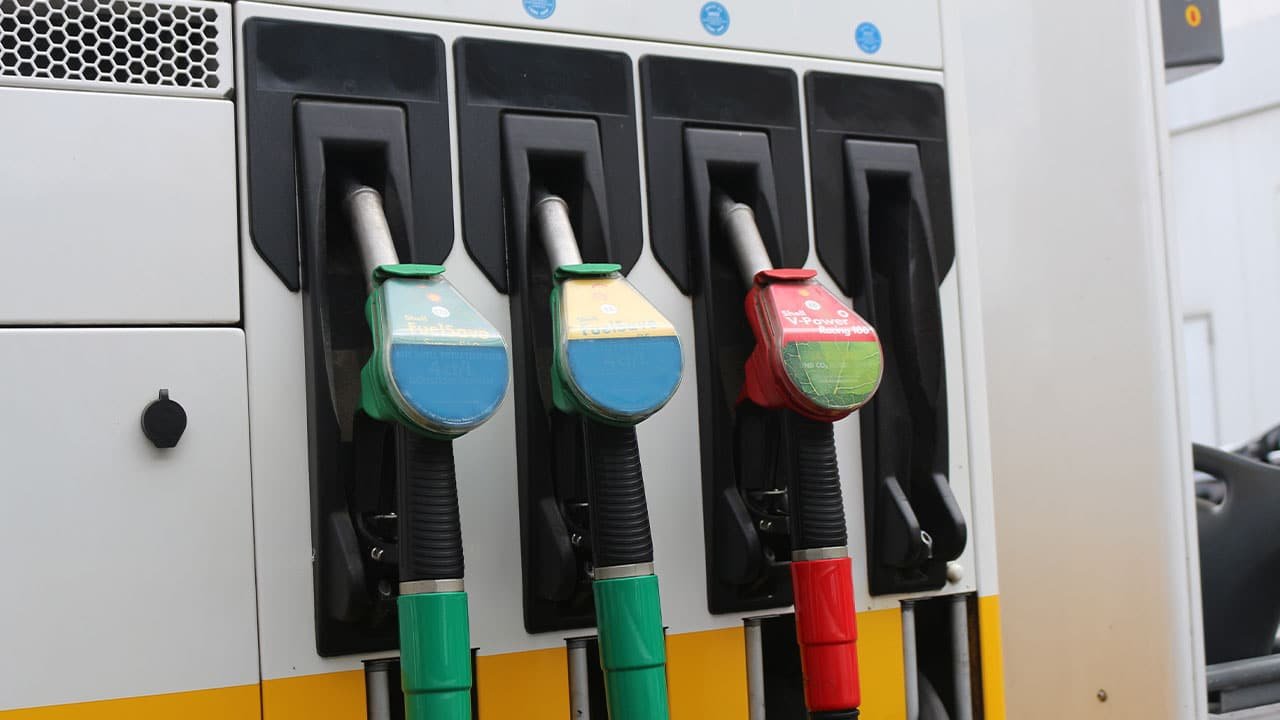
    Starting from today, the PDL on petrol will be increased from Rs50 to Rs55 per litre, while there will be no change in the development levy on high-speed diesel (HSD), which remains at Rs50 per litre.

    The announcement was made by Finance Minister Ishaq Dar, who clarified that petrol prices would not be affected by this decision. However, diesel prices will see an increase of Rs7.50 for the next two weeks, with the new price becoming effective from July 1.

    Minister Dar emphasised this during a late-night press conference, ensuring that there would be no change in the price of petrol.

    To enable this adjustment, the government sought the power to amend the Petroleum Products (Petroleum Levy) Ordinance, 1961 (XXV of 1961) through the Finance Act 2023-24. This amendment grants the government the authority to increase the petroleum levy, eliminating the requirement for parliamentary approval to determine the maximum limit of the levy.

    According to The News, the Ministry of Finance shared with the Senate Standing Committee on Finance that the PDL has been set at Rs60 per litre, aiming to generate revenue of Rs879 billion in the upcoming fiscal year. This target surpasses the revised target of Rs542 billion for the previous financial year, which concluded on June 30, 2023.

  • Govt keeps petrol price unchanged, implements Rs7.50 hike in diesel rate

    Govt keeps petrol price unchanged, implements Rs7.50 hike in diesel rate

    The Finance Minister, Ishaq Dar, announced that the price of petrol will remain unchanged while the price of diesel will see an increase of Rs7.50 per litre for the next fortnight. 

    During a late-night press conference, Minister Dar clarified that there would be no adjustments made to the price of petrol, but the price of diesel would experience a rise of Rs7.50 per litre. The revised price for diesel will take effect from 12:00 am on July 1.

    As per the government’s announcement, the existing price of petrol, as of June 30, 2023, will be maintained at Rs262 per litre. There will be no change in the petrol price. 

    On the other hand, the existing price of diesel, also as of June 30, 2023, stands at Rs253 per litre. However, starting from July 1, 2023, the new price for diesel will be Rs260.50 per litre, reflecting an increase of Rs7.50 per litre.

    It is worth noting that earlier reports had indicated a potential increase of Rs5 in the Petroleum Development Levy (PDL) for both petrol and diesel, scheduled to be implemented on July 1. 

    The government had been considering raising the petroleum levy from Rs50 to Rs55 per litre for both fuels. The adjustment in the PDL is set to commence at the start of the next fiscal year.

    To enable this change, the government has sought the authority to amend the Petroleum Products (Petroleum Levy) Ordinance, 1961 (XXV of 1961), specifically in the Fifth Schedule, column (1), through the Finance Act 2023-24. This amendment grants the government the power to adjust the petroleum levy as required.

  • Budget 2023-24 prioritises promoting economic growth, says Ishaq Dar

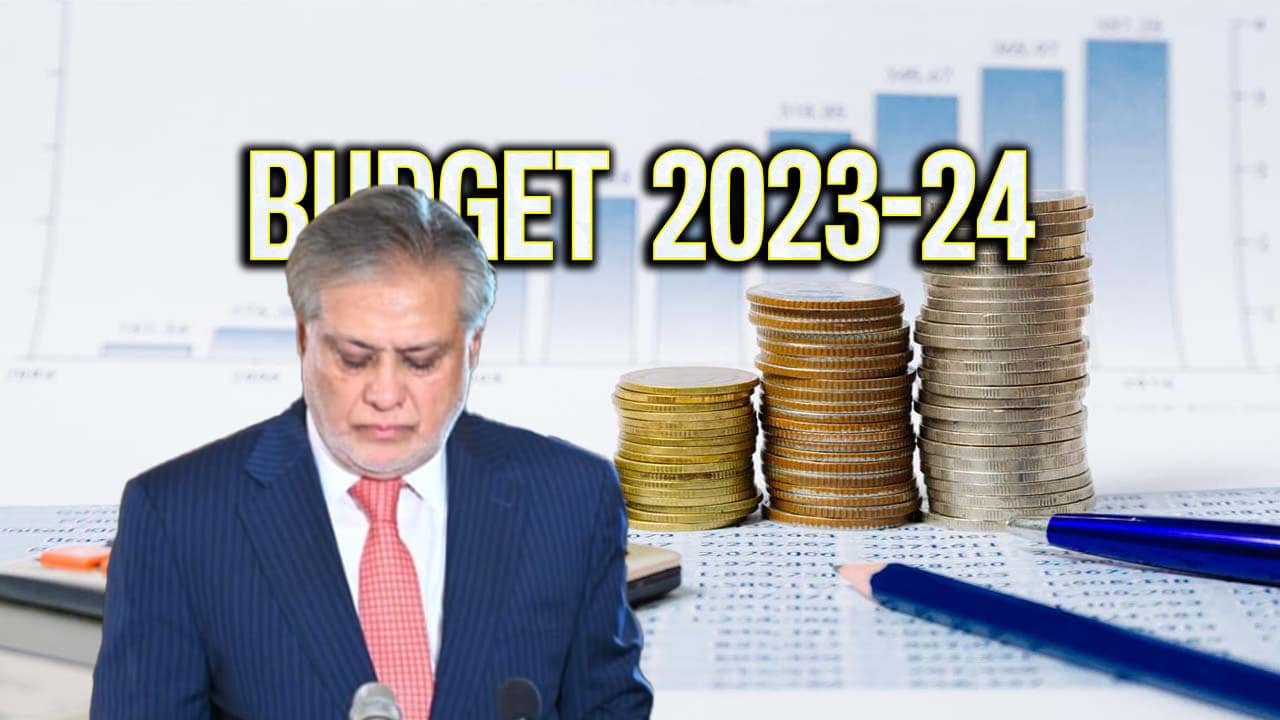
    Budget 2023-24 prioritises promoting economic growth, says Ishaq Dar

    Federal Minister for Finance and Revenue, Ishaq Dar, delivered a comprehensive assessment of the FY2023-24 budget during a post-budget press conference in Islamabad. He highlighted the distinctive nature of this budget compared to previous traditional budgets, emphasising its focus on fostering economic growth.

    Dar shared that the coalition government is committed to addressing the concerns of traders before finalising the federal budget in parliament. In order to accomplish this, he announced the formation of two committees to address business-related issues and technical matters.

    These committees, customary within the Federal Board of Revenue (FBR), will be established by the FBR chairman by Monday. Their purpose is to ensure comprehensive consideration of any overlooked aspects and provide a platform for individuals to voice genuine reservations.

    The finance minister refuted claims of introducing new taxes this year and emphasised the government’s efforts to provide substantial relief. He defended the allocation of Rs950 billion and Rs200 billion from the Public and Private Partnership mode, considering it a notable achievement. Dar reiterated the budget’s departure from traditional approaches, with a strong emphasis on fostering progress and economic growth.

    Dar expressed the government’s determination to rectify past economic losses by promoting employment opportunities, curbing inflation, and generating more jobs. Consequently, he anticipated a decrease in the policy interest rate.

    Read more: Govt allocates only Rs97 billion for education in budget 2023-24

    The minister projected inflation to be around 21 per cent in the upcoming fiscal year (2023-24), while estimating government expenditure at Rs14,040 billion.

    Addressing the power sector, Dar allocated over Rs1900 billion exclusively for its development. He stressed the importance of implementing necessary reforms to improve this sector. He also clarified that no new subsidies would be introduced in the renewable energy sector, despite its prominence in the budget.

    Furthermore, the minister addressed rumors regarding the withdrawal of edible oil, refuting such claims and affirming that no such action had been taken.

  • Govt increases defence budget by 16% to Rs1.8 trillion

    Govt increases defence budget by 16% to Rs1.8 trillion

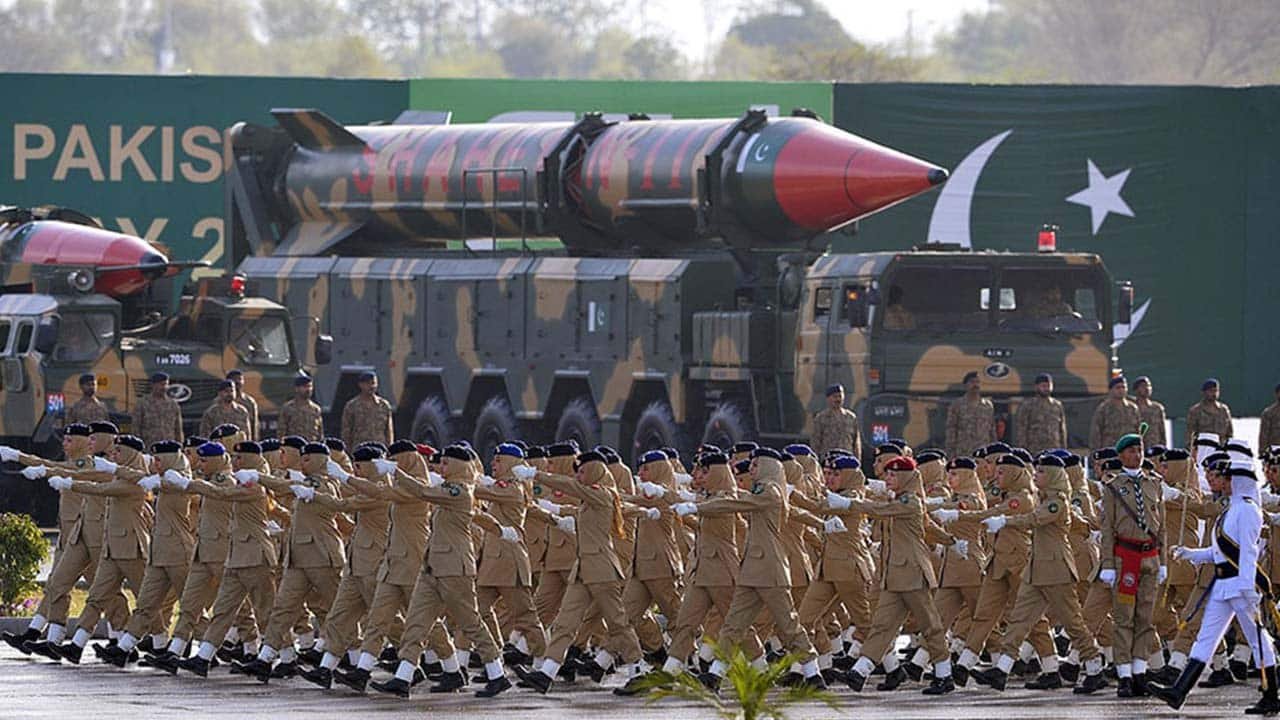
    In response to the prevailing internal and external security challenges faced by Pakistan, the federal government has put forward a proposal for a substantial 16 per cent rise in the defence budget. According to the budget document, the allocation for defence in the fiscal year 2023-24 is projected to be Rs1,804 billion, signifying an increase from the revised defence spending of Rs1,591 billion assigned for the outgoing fiscal year.

    Experts opine that the justification for a 15.7 per cent surge in the defence budget stems from the record inflation and devaluation of the rupee against the dollar witnessed over the past year. A detailed examination of the budget reveals that the figure of Rs1,804 billion excludes Rs563 billion designated for retired military personnel pensions, Rs280 billion for the armed forces development program and other crucial expenses, and Rs58 billion for UN peacekeeping missions.

    According to the 2023-24 budget document, out of the total defence allocation, Rs705 billion has been set aside for employee-related expenses, Rs442 billion for operational costs, Rs461 billion for local purchases and import of arms and ammunition, and Rs195 billion for civil works. Interestingly, all three branches of the military—the army, navy, and air force—have received equal budget increments, albeit with the army receiving the largest share due to its size and role.

    Pakistan’s defence spending currently accounts for 1.7 per cent of its GDP, representing a decline compared to the previous year. In the 2022-23 fiscal year, defence spending constituted around 2 per cent of the country’s GDP, which expanded due to the reevaluation of the economy.

    When comparing the average spending per soldier, Pakistan allocates $13,400, while India dedicates $42,000, Saudi Arabia $371,000, Iran $23,000, and the United States allots a substantial $392,000 annually. It is important to note, however, that the disparity lies in the significant disparity in the sizes of their respective economies compared to Pakistan’s.

    Defence expenditure has consistently been a topic of discussion, with some advocating for greater transparency and open debate regarding the military budget. In recent years, the government has provided more detailed information about the defence budget. Nevertheless, there has been no open parliamentary debate on the subject. Observers argue that the increase in the defence budget is warranted, considering the imminent external and internal security challenges faced by the country.

    Despite the withdrawal of US troops from neighbouring Afghanistan, Pakistan continues to deploy a substantial number of troops along its western border and erstwhile tribal areas to combat the threat of terrorism. Similarly, tensions persist between Pakistan and India, although the restoration of a ceasefire has provided some respite.

  • Countdown to Pakistan’s budget unveiling: Last IMF review holds the key

    Countdown to Pakistan’s budget unveiling: Last IMF review holds the key

    Pakistan is heading towards a crucial phase as it prepares to unveil its budget on June 9, following an arduous bailout negotiation with the International Monetary Fund (IMF). A Fund official revealed that only one board review remains under the current IMF bailout package, which is seen as a step towards a successful review.

    Esther Perez Ruiz, the resident representative for Pakistan at the IMF, emphasised the need to restore the proper functioning of the foreign exchange market to pave the way for the final review.

    Ruiz outlined additional prerequisites, including passing a budget that aligns with the program objectives for the 2023-24 fiscal year, and securing credible financing commitments to address a $6 billion shortfall.

    Experts suggest that the coalition government is striving to strike a delicate balance between satisfying the demands of the IMF and winning over voters in the upcoming general election. Analysts expect the government to announce populist measures in the budget to appease the electorate while aiming to meet IMF prescriptions.

    The IMF program, which concludes this month, has approximately $2.5 billion in funds yet to be released due to ongoing negotiations between Pakistan and the lender. Pakistan’s economy is grappling with severe challenges, including high inflation, fiscal imbalances, and low reserves.

    The government is hoping that the general election scheduled for November will help alleviate the turmoil stemming from a protest campaign led by Pakistan Tehreek-e-Insaf (PTI) chairman after his removal in a no-confidence vote last year.

    Former finance minister Miftah Ismail stressed the importance of securing IMF funding, highlighting the difficulties Pakistan would face without it. Ismail expressed confidence that the government would present a budget in line with IMF prescriptions to ensure the country’s survival in the next fiscal year.

    A staff-level agreement between Pakistan and the IMF to release $1.1 billion from a $6.5 billion package has been delayed since November, further intensifying the country’s need for funds to avert a balance of payments crisis. Experts believe that even after the current program expires, Pakistan will likely seek another bailout in the upcoming fiscal year to avoid defaulting on its debt obligations.

    Pakistan’s central bank reserves can cover imports for only about a month, underscoring the urgency of securing financial assistance. Inflation in the country, home to 220 million people, has reached a staggering 37.97 per cent in May, marking a record high for the second consecutive month and making it the highest rate in South Asia.

    The planning minister recently announced that development spending targets in the new fiscal year would be set at 1,150 billion rupees ($4.02 billion), while projecting an inflation rate of 21 per cent for the same period. With the general election looming, some analysts anticipate that the government will announce vote-winning measures, even if they have to be scaled back later.

    Pakistan’s budget unveiling tomorrow will be closely watched by the nation, as it not only sets the course for the fiscal year but also represents a crucial step in the ongoing negotiations with the IMF and the government’s efforts to regain stability and boost economic growth.

  • Pakistan moves forward with budget planning despite delayed IMF programme

    Pakistan moves forward with budget planning despite delayed IMF programme

    The government is expected to present an overall budget deficit of 5.1 per cent of the GDP for the fiscal year 2023-24, as stated in the delayed Budget Strategy Paper (BSP) to be presented before the federal cabinet. A recent report by The News highlighted that the paper will be tabled amid the government’s failure to revive the stalled International Monetary Fund (IMF) programme.

    The budget-making process has already been affected by uncertainty on both the IMF and political fronts. Nonetheless, the government has decided to present the next budget on June 9. Despite failing to reach a staff-level agreement with the IMF, the government will present the BSP for a medium-term period of three years. The proposed federal government budget deficit stands at 6.4 per cent of the GDP, while the overall deficit of the country is estimated to be lowered to 5.1 per cent of the GDP for the next financial year.

    In addition, the BSP for the upcoming fiscal year has proposed an allocation of Rs1.7 trillion for the defence budget compared to Rs1.56 trillion in the outgoing fiscal year. The overall primary surplus of budget deficit is estimated to be 0.3 per cent of the GDP for the next fiscal year, up from the previous projection of 0.2 per cent for the outgoing year.

    The Federal Board of Revenue (FBR) has been set a target of Rs9.2 trillion for the next budget, and the finance ministry suggests this is on the higher side. The FBR estimates that it could collect Rs7.2 trillion in the outgoing fiscal year against the targeted Rs7.64 trillion. In the next budget, the FBR could collect up to Rs8.6 trillion, subject to import restrictions being lifted, which could boost revenue collection. The government is projecting a GDP growth rate of 3.4 per cent for the next fiscal year, while inflation is expected to hover around 21 per cent.

    According to the IMF’s latest press briefing, the country may experience stagflation, which means low growth and higher inflation rates. If stagflation continues, it could lead to rising poverty and unemployment in Pakistan. The current account deficit is estimated to be approximately $8 billion for the next budget, and there is hope that import restrictions will be gradually lifted during the next financial year.

    The BSP has to be approved by the federal government under the Public Finance Management Act, which states that the paper must contain quantified macroeconomic and fiscal projections for the medium-term, be approved by April 15 of each year, and published on the Finance Division’s official website. Upon approval, the Finance Division will issue indicative budget ceilings to ministries and divisions.

    The minister for finance will also discuss the budget strategy paper with the Standing Committees for Finance and Revenue in the Senate and the National Assembly. The government may extend the deadline mentioned in Sub-section (1) of the PFM Act in case of an extreme requirement.

  • Pakistan records 17% increase in exports to Afghanistan, SBP data shows

    Pakistan records 17% increase in exports to Afghanistan, SBP data shows

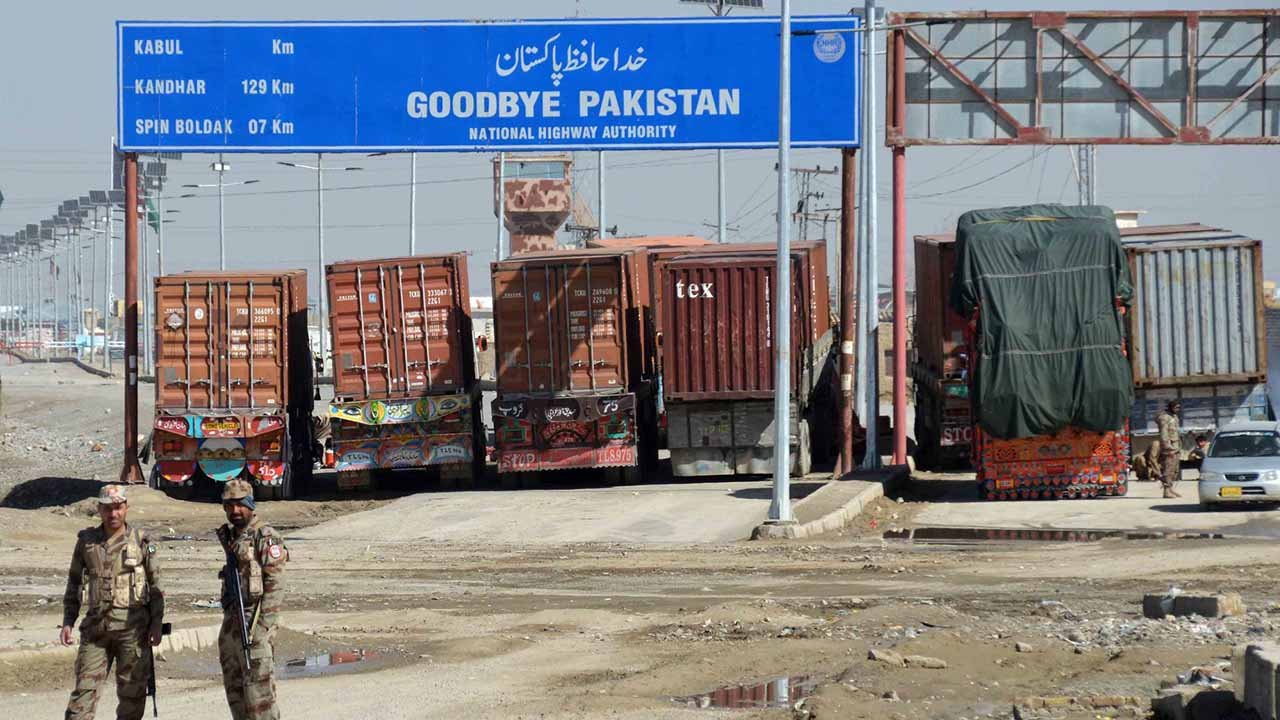
    According to a report by the State Bank of Pakistan (SBP), Pakistan’s export of goods and services to Afghanistan has increased by 17.02 per cent during the first eight months of the current fiscal year (2022-23) compared to the corresponding period of the previous year.

    From July-February (2022-23), overall exports to Afghanistan reached US $346.522 million, while during the same period last year, exports were recorded at US $296.109 million, showing a growth of 17.02 per cent.

    Furthermore, the year-to-year basis also showed an increase of 60.49 per cent in exports to Afghanistan, rising from US $38.222 million in February 2022 to US $61.345 million in February 2023. Meanwhile, on a month-on-month basis, exports to Afghanistan also rose by 82.58 per cent during February 2023, reaching US $61.345 million, compared to US $33.598 million in January 2022.

    In contrast, Pakistan’s exports to other countries decreased by 9.65 per cent during the eight months, dropping from US $20.632 billion to US $18.639 billion, according to SBP data.

    The imports from Afghanistan into Pakistan during the period under review were recorded at US $13.540 million, which was a significant decrease of 88.65 per cent compared to last year’s US $119.328 million in July-February (2021-22).

    Year-on-year, imports from Afghanistan also dropped by 98.89 per cent, from US $13.723 million in February 2022 to US $0.151 million in February 2023. However, on a month-on-month basis, imports from Afghanistan increased by 11.02 per cent during February 2023, reaching US $0.136 million, compared to US $0.122 million in January 2022.

    Overall, the imports into Pakistan also witnessed a decrease of 21.02 per cent, from US $47.336 billion to US $37.388 billion, according to SBP data. Based on the trade figures, the trade of goods and services with Afghanistan witnessed an 88.35 per cent increase in surplus during the period under review compared to the previous year, with a recorded surplus of US $332.982 million against US $176.781 million during the last year.