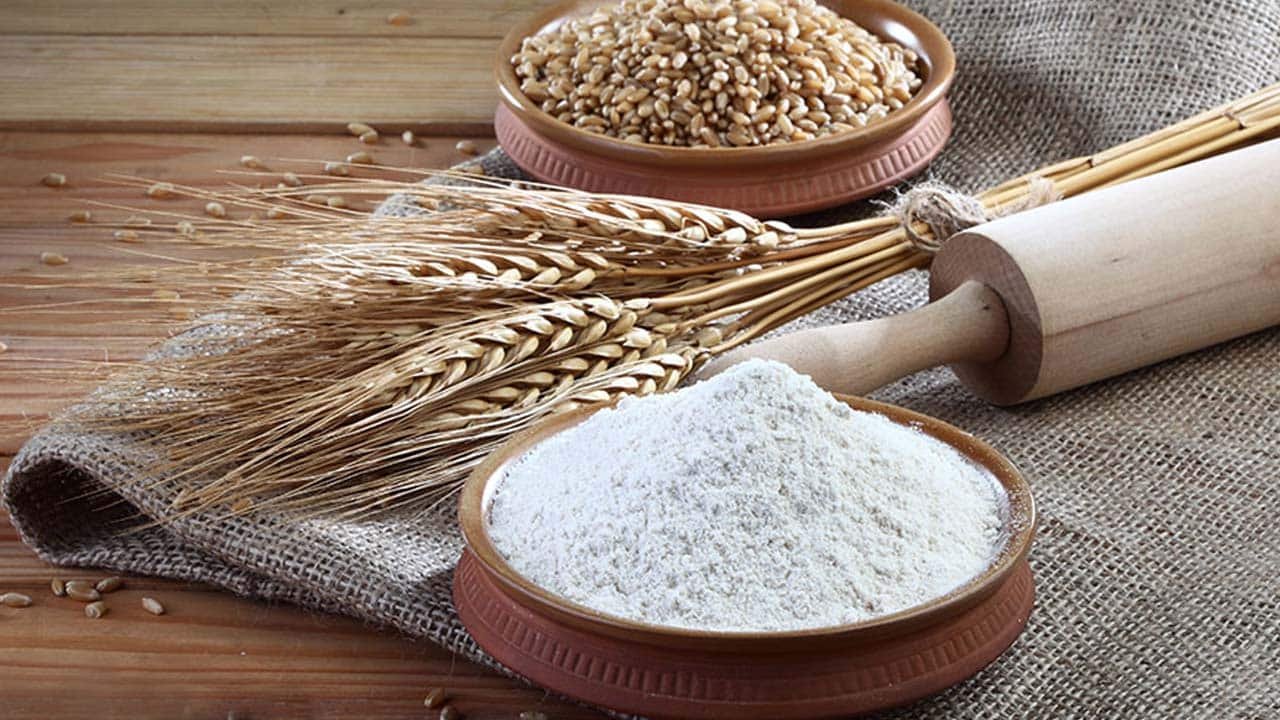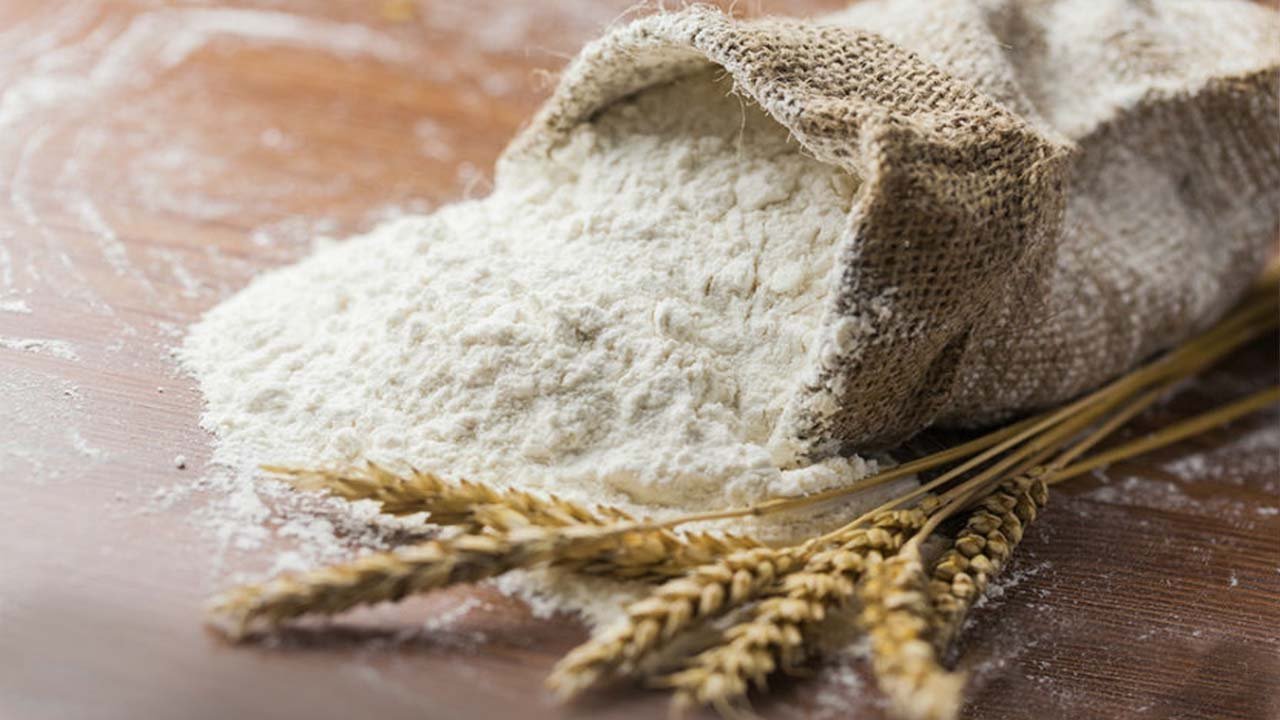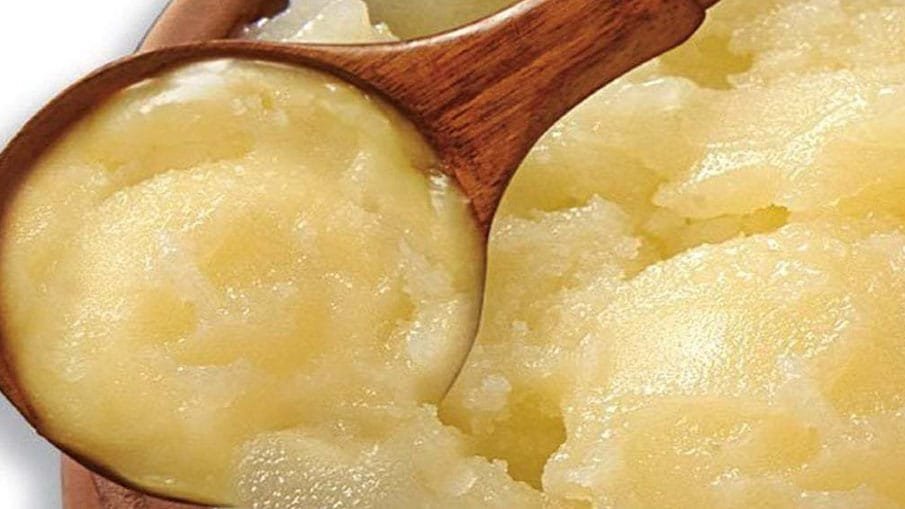
Tag: flour

  • Over Rs6.4 billion allocated for Ramzan subsidies: Essential items to be available at reduced rates

    Over Rs6.4 billion allocated for Ramzan subsidies: Essential items to be available at reduced rates

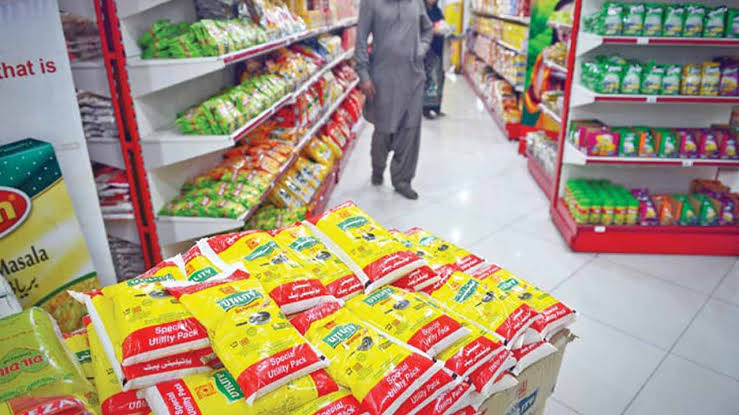
    The government has earmarked Rs6.484 billion to provide essential food items at subsidised rates through the Utility Stores Corporation (USC) during the holy month of Ramzan.

    A substantial portion of the allocation, Rs3.474 billion, will go towards subsidising flour, followed by Rs1.610 billion for sugar and Rs1.4 billion for ghee.

    Additionally, subsidies of Rs25 million for channa daal, Rs12 million for masoor daal, Rs37.50 million for white gramme, and Rs62.5 million for basmati rice are planned. Further, Rs20 million and Rs62.5 million are allocated for Sehlla rice and broken rice, respectively.

    The implementation of the Ramzan relief package is set to commence on March 4th.

    Further breakdown reveals Rs200 million for cooking oil, Rs20 million for washed moong daal, Rs6.25 million for washed maash daal, Rs100 million for chakki baisen, Rs50 million for dates, Rs22.50 million for carbonated drinks (1,500 ml), Rs30 million for squash and syrup (800 ml), Rs150 million for black tea, Rs15 million for UHT milk, and Rs50 million for spices.

    Moreover, an allocation of Rs145 million is designated for an awareness campaign through electronic and print media regarding the Ramzan Package, set to kick off on March 4th, 2024.

    The Economic Coordination Committee (ECC) has greenlit the Ministry of Industries and Production’s proposal for a Rs7.492 billion Ramzan Relief Package. This package aims to provide 19 essential items at subsidised rates through the USC.

    In response to IMF restrictions on untargeted subsidies, the government has opted to provide subsidies exclusively to beneficiaries registered under the PMT-40 of the Benazir Income Support Programme (BISP) for the fiscal year 2023–24.
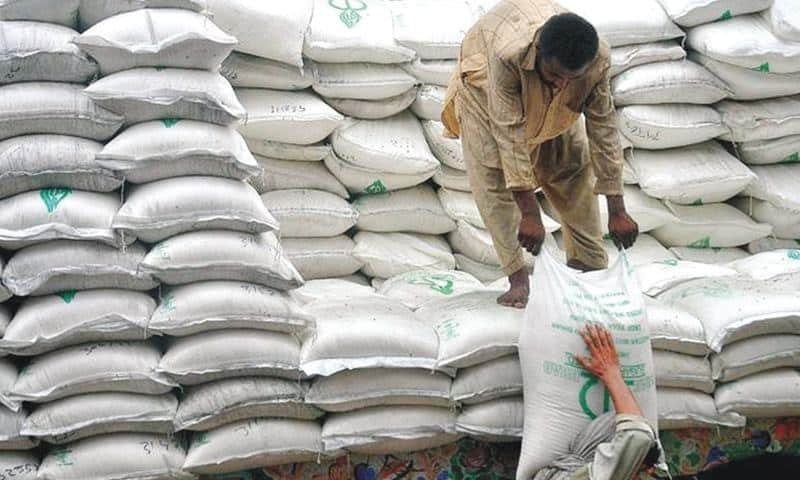
  • Karachi may face flour shortage this week

    Karachi may face flour shortage this week

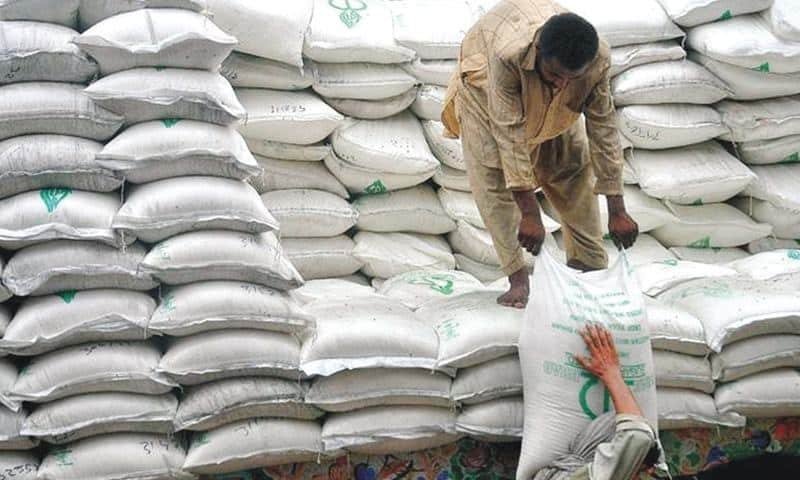
    Karachi is experiencing a crisis in flour supply as a disagreement between the flour mills association and the Sindh Food Department shows no sign of abating, ARY has reported.

    The chairman of the association stated that 70 per cent of the city’s flour mills have run out of wheat, accusing Sindh government of not reaching out to them. He added that the remaining 30 per cent of mills have only 3,000 to 4,000 bags of wheat, which is insufficient to meet even 5 per cent of the metropolis’s demand for flour.

    The Chairman of the flour mills association also stated that if wheat is not made available by Tuesday, all flour mills in Karachi will be closed until a new shipment arrives, as almost all mills would have run out of wheat by then.

    The shortage of wheat has led to a flour crisis, according to the head of the Sindh Food Department. The Sindh government had aimed to buy 1.4 million tons of wheat, but despite purchases made since March, the target has not been met. Meanwhile, the Punjab government has already purchased 40 per cent of its required wheat.

    The Sindh Food Department disclosed that the cost of flour in Karachi could rise to Rs200 per kg, as only 10 per cent of the city’s flour supply can be sustained while all flour mills are closed due to the unavailability of wheat to the millers.

  • Man dies from heat stroke while waiting to collect free flour

    Man dies from heat stroke while waiting to collect free flour

    A man in Dera Ismail Khan died of a heat stroke while collecting free flour in Baisakhi ground.

    The deceased’s father, a resident of Zafarabad Colony, informed the authorities that his son, Waqas, fell sick and began vomiting upon arriving home from the collection centre. He was immediately taken to District Headquarters Hospital, where unfortunately, he was declared dead on arrival. A medical professional at the hospital’s trauma center stated that the cause of death was heat stroke.

    As per Dawn, the individuals who had come to obtain free flour at the distribution site claimed that inadequate amenities were responsible for the fatality. They reported arriving in the morning and waiting in lines under the scorching sun throughout the day.

    Officials from food and revenue departments present at the distribution site were accused of distributing flour unfairly based on nepotism and favoritism. The individuals present also mentioned the absence of any facilities at the distribution center.

  • Punjab Flour Mills Association declares indefinite strike from today, halts flour supply

    Punjab Flour Mills Association declares indefinite strike from today, halts flour supply

    The Punjab Flour Mills Association has declared an indefinite strike from today, disrupting the supply of flour to the market from February 14th.

    The strike is a response to the suspension of wheat quotas for over 100 flour mills by the Punjab Food Department.

    The ongoing differences between the Flour Mills Association and the Food Department have reached a boiling point following the government’s decision to suspend the quotas.

    The Chairman of the Punjab Flour Mills Association released a statement announcing that the flour mills will no longer receive wheat from the government quota, resulting in the discontinuation of the provision of affordable flour to the market.

    He also requested the Food Department to provide evidence for any alleged malpractice within the association.

    Prior to this development, the open market price of wheat in Punjab experienced a significant decrease of Rs1,200 per maund, due to the increased wheat quota and import. Market dealers report that the price dropped from Rs5,200 per maund to Rs4,000 per maund.

    As a result of a decrease of Rs1,200 per maund, the price of wheat per kilogramme in the open market has fallen to Rs100 from its previous rate of Rs130 per kg, according to ARY News.

  • Flour mill owners in Punjab threaten to suspend market supplies on February 14

    Flour mill owners in Punjab threaten to suspend market supplies on February 14

    The owners of flour mills have threatened to go on strike, halting supplies to the markets on February 14th, and are demanding that the Punjab food department immediately meet their demands.

    The Chairman of the Pakistan Flour Mills Association (PFMA) Punjab chapter, Chaudhry Iftikhar Ahmad Mattu, has issued a warning of a planned strike on February 14th if the provincial food department does not address their demands.

    During a press conference, the Chairman of PFMA Punjab Mattu criticised the inappropriate behavior and incorrect policies of the provincial food secretary.

    According to ARY News, the Chairman stated that the wrong policies of the food secretary have impacted the supply of flour, leading to the closure of multiple flour mills. He further announced that the flour mills will stop receiving wheat quota from the government starting from February 13th.

    In addition, Chaudhry Iftikhar Ahmad Mattu announced that the flour mills will cease supplies to the market on February 14th and proceed with a strike, unless their demands are promptly met by the Punjab food department. Meanwhile, the Karachi Dairy and Cattle Farmers Association declared its intention to raise milk prices by Rs20 per litre, effective from February 11th.

    In a statement from the Karachi Dairy and Cattle Farmers Association, the spokesperson attributed the price hike of milk to the increased cost of fuel and fodder. The official rate for milk has been set at Rs180 per litre, however, it is being sold for Rs190 in the city.

    With the increase, the price per litre of milk will rise to Rs210. The Commissioner of Karachi has recently ordered operations to seal dairy shops selling milk at elevated prices.

  • Govt raises ghee price by Rs75 per kg, sugar by Rs19 per kg

    Govt raises ghee price by Rs75 per kg, sugar by Rs19 per kg

    The government-run Utility Store Corporation (USC) has increased the price of sugar, flour, ghee, and other food items despite the prime minister’s relief package.

    Utility stores increased the price of sugar by Rs19 per kg, ghee by Rs75 per kg, and 20 kg bag of flour by Rs496.

    According to the notification, the new prices will go into effect at utility stores all around the nation on January 1, 2023.

    The Benazir Income Support Programme’s (BISP) deserving beneficiaries will not be subject to the new pricing.

    Prime Minister Shahbaz Sharif had previously stated that Food Stores Corporation would provide targeted subsidies on basic food items. These products included rice, lentils, ghee, sugar, and flour. Customers who are registered in the Benazir Income Support Programme are eligible to purchase food from the Food Stores outlets at discounted prices.

    In the meantime, the Food Stores Corporation has instructed all of its clients and consumers to SMS their Computerized National Identity Card numbers from their mobile phones to 5566. After receiving a one-time password, they can then purchase goods and apply for subsidies.

  • Flour prices hit record high in Punjab due to inter-provincial smuggling

    Flour prices hit record high in Punjab due to inter-provincial smuggling

    Owing to increased smuggling of wheat and subsidised flour bags to other provinces, the price of flour in the Punjabi capital increased by Rs5 per kilogramme to Rs140. 

    Smuggling has exacerbated Punjab’s flour problem, increasing open-market prices to an all-time high. According to sources, the subsidised flour bags were being smuggled into Sindh and Khyber Pakhtunkwa at a cost of Rs2,400 each bag.

    Prices for 10-kg and 20-kg flour sacks in Lahore have risen to Rs1,400 and Rs2,800, respectively, while Chakki flour has risen to Rs140 per kilogramme, according to Dunya News.

    Meanwhile, on Wednesday, the local administration in Jhang stopped an attempt to smuggle flour bags from a local flour factory, seizing nearly 1,000 20 kg bags from a truck.

    According to wheat dealers, the open market price of wheat has risen to Rs4,700 per 40 kg. Furthermore, the rate for a commercial unit of power from 6 pm to 10 pm has risen to a staggering Rs70 to Rs80, severely hurting the economics of grain trading.

    Lahore Atta Chakki Owners Association has requested the government to immediately prohibit the inter-provincial movement of wheat and its products in order to halt the ongoing rise in wheat prices.

  • Annual inflation in Pakistan jumps to 38.63% after weekly increase of 0.82%

    Annual inflation in Pakistan jumps to 38.63% after weekly increase of 0.82%

    The sensitive price indicator (SPI) hit an annualised high of 38.63 per cent due to a lack of perishable goods brought on by severe rains, and weekly inflation increased by 0.82 per cent for the seven days ending August 4, 2022.

    The base for most cooked meals in the country is an onion and tomato. Onions increased in price from Rs75.41/kg to Rs94.2/kg while tomatoes increased from Rs74.07/kg to Rs82.91/kg.

    Data from the Pakistan Bureau of Statistics (PBS) indicates that the increase is attributable to the increased price of diesel (109.15 per cent), onions (107.95 per cent), pulse masoor (106.71 per cent), petrol (88.94 per cent), cooking oil 5 litre (74.44 per cent), mustard oil (73.89 per cent), chicken (73.42 per cent), vegetable ghee 1 kg and 2 kg (72.26 and 70.48 per cent), washing soap (62.62 per cent), pulse gramme (59.07 per cent), electricity for Q1 (52.61 per cent), gents sponge slippers (52.21 per cent), pulse maash (46.01 per cent) and garlic (41.16 per cent).

    According to The News, consumers are struggling with soaring food and fuel prices. Hi-speed diesel was being sold last August 5 for Rs117.58 per litre, but it is now Rs245.92 per litre.

    Various items in the SPI basket are given varying weightages. The goods with the heaviest weights in the bottom quintile are milk (17.5449 per cent), electricity (8.3627 per cent), wheat flour (6.1372 per cent), sugar (5.1148 per cent), firewood (5.0183 per cent), long cloth (4.2221 per cent), and vegetable ghee (3.2833 per cent).

    While the cost of firewood and electricity remained consistent, the cost of milk, wheat flour, sugar, long fabric, and vegetable ghee 2.5kg increased. Vegetable ghee 1kg saw a decrease in price.

    SPI is made up of 51 necessities that were gathered from 50 markets spread over 17 cities across the nation.

    Out of 51 goods, 33 (64.71 per cent) of the prices rose during the week, 4 (7.84 per cent) of the prices fell, and only 14 (27.45 per cent) of the prices kept the same.

    The price of onions increased by 24.92 per cent, tomatoes by 11.93 per cent, pulse moong by 5.72 per cent, pulse mash by 5.28 per cent, potatoes by 5.03 per cent, pulse masoor by 4.43 per cent, diesel by 3.78 per cent, pulse gramme by 2.69 per cent, eggs by 2.44 per cent, powdered milk by 1.61 per cent, gur by 1.53 per cent, LPG by 1.49 per cent, salt by 1.46 per cent, and garlic by 1.30 per cent on a WoW basis.

  • Govt announces Rs3 billion subsidy to provide ghee at discounted rate

    Govt announces Rs3 billion subsidy to provide ghee at discounted rate

    The Minister for Information and Broadcasting Marriyum Aurangzeb announced on Monday that the government would provide a Rs3 billion subsidy to lower the price of ghee to assist the masses.

    She told a press conference that the market price of ghee is currently Rs550 per kg, but it is being sold at Rs300 per kg in utility stores across the country, according to AAJ News

    “The government is bearing a cost of Rs250 per kg,” she added, adding that the price of ghee was Rs150 per kg when the Pakistan Muslim League-Nawaz (PML-N) handed over the office to the Pakistan Tehreek-e-Insaf (PTI) in 2018.

    On the other hand, the government has increased the price of ghee and cooking oil at other retailers.

    She further stated that a 10 kg wheat bag could be purchased for Rs400 at any utility store in Pakistan.

    The minister said that on June 6, about one hundred mobile vans were added to the Utility Stores Corporation (USC) network, citing residents of Khyber-Pakhtunkhwa (KP) having difficulty obtaining discounted items due to limited distribution of utility stores.

    9,500 new utility stores

    “In addition, on June 9, 500 new USC stationary stations were set up to deliver wheat, and 100 more items are being added today,” she stated. “Since June 6, the USC network has grown by 700 units”.

    Price control committees have also been established, according to her, to keep hoarding and reselling of USC materials under check. The availability of items at utility retailers, she said, was also being watched.

    The minister stated that Rs17 billion had been set aside to give the public with low-cost sugar, ghee, and wheat.

  • Weekly inflation based on SPI, records a slight decline

    Weekly inflation based on SPI, records a slight decline

    Pakistan Bureau of Statistics (PBS) revealed that the weekly Sensitive Price Indicator (SPI) for the joint consumption group fell 0.26 per cent for the week ending May 26, owing primarily to a drop in the prices of vital food products.

    The consolidated index was 174.62 on May 19, 2022, compared to 175.08 on May 19, 2021, while the SPI increased 16.97 per cent year on year when the index was 149.29 on May 27, 2021.

    The minor price reductions in essential items may be a sign that the government is finally gaining control of the country’s skyrocketing inflation, which has afflicted the poor strata.

    Here are the items that witnessed a decrease or increase in their prices:

    Decrement

    Wheat Flour (12.25 per cent), Chillies Powdered (6.48 per cent), Chicken (4.41 per cent), Garlic (2.99 per cent), and non-food item LPG (0.43 per cent) were among the commodities that saw a decline in their rates on a WoW premise out of the 51 supervised items, with a cumulative effect of (-1.00 per cent) into the total SPI for the blended group of goods (-0.26 per cent).

    Increment

    27 items elevated in the week, including potatoes (8.43 per cent), tomatoes (6.33 per cent), eggs (6.29 per cent), rice basmati broken (4.71 per cent), mustard oil (4.16 per cent), pulse masaoor (3.93 per cent), milk fresh (3.47 per cent), onions (3.03 per cent), pulse gramme (2.58 per cent), curd (2.35 per cent), washing soap (2.13 per cent), cooked beef (1.55 per cent), beef (1.42 per cent), pulse mash (1.33 per cent), cooked daal (1.24 per cent). While 19 commodities’ prices remained stable.