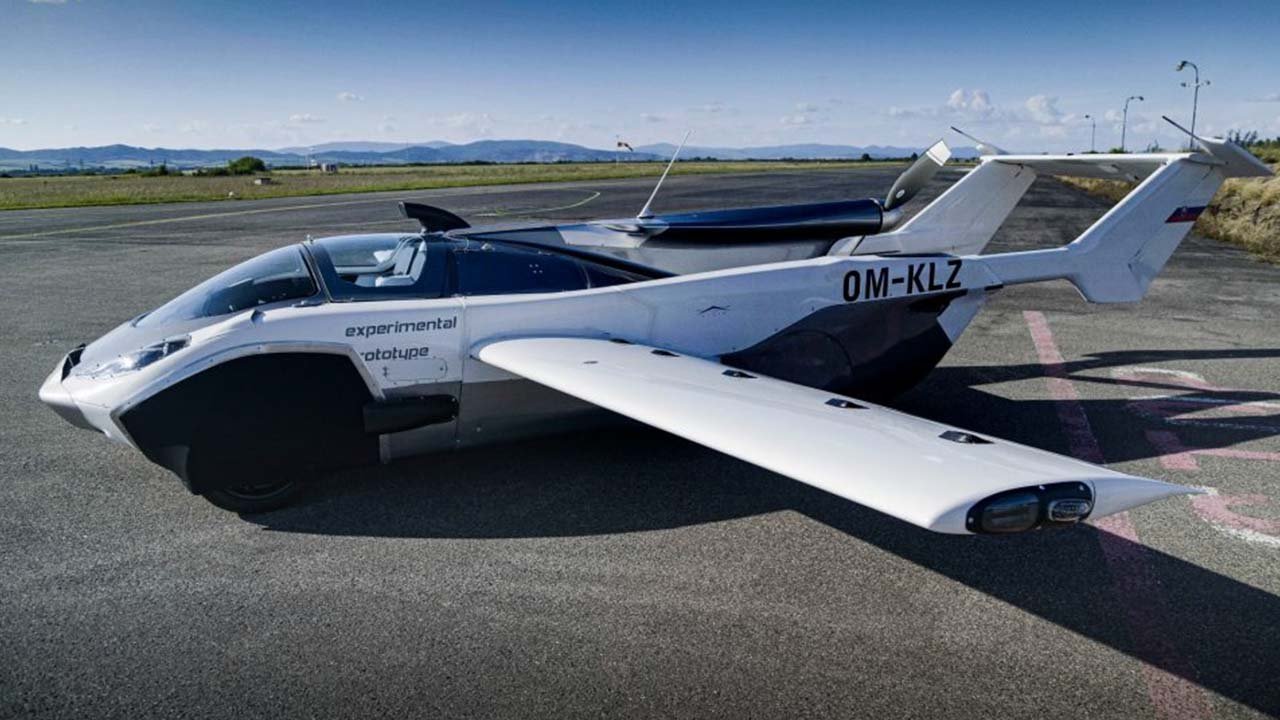
In an exciting development for the automotive industry, Suzuki Motor Corp, the renowned Japanese automaker, has announced its partnership with SkyDrive Inc to produce “flying cars.” The collaboration aims to utilise a Suzuki Group factory located in central Japan to manufacture electric vertical take-off and landing (eVTOL) aircraft, with production set to commence by spring next year.
Suzuki Motor Corp released a statement detailing the agreement with SkyDrive, highlighting their shared vision for the future of transportation. The company plans to establish a wholly owned subsidiary focused on the production of these innovative aircraft. Suzuki will play a crucial role in facilitating the manufacturing process by assisting in talent acquisition and other necessary preparations.
Headquartered in Toyota, central Japan, SkyDrive boasts an impressive list of shareholders, including trading house Itochu Corp, tech firm NEC Corp, and a subsidiary of energy company Eneos Holdings Inc. This collaboration builds upon a previous agreement signed by the two companies in March of the previous year, which outlined their commitment to jointly explore research, development, and marketing opportunities in the field of flying cars.
The emergence of eVTOL aircraft represents a significant leap forward in the realm of urban air mobility. These vehicles are designed to take off and land vertically, enabling efficient transportation in congested urban areas and reducing travel times significantly. By harnessing electric propulsion, eVTOL aircraft offer the potential for zero-emission travel, making them environmentally friendly alternatives to traditional modes of transportation.
Suzuki’s entry into the flying car market signifies the company’s dedication to staying at the forefront of technological advancements in the automotive sector. With a rich history of producing high-quality vehicles, Suzuki’s involvement in the manufacturing process will undoubtedly contribute to the production of reliable and efficient flying cars.
The partnership with SkyDrive aligns with Suzuki’s commitment to sustainable practices and innovative solutions. By exploring the possibilities of aerial mobility, the company aims to revolutionise transportation and redefine the way people commute within and between cities. The combination of Suzuki’s manufacturing expertise and SkyDrive’s pioneering technology is expected to result in cutting-edge eVTOL aircraft that meet the highest safety and performance standards.
As the collaboration progresses, it is likely that Suzuki and SkyDrive will continue to leverage their respective strengths to overcome the unique challenges associated with manufacturing flying cars. These challenges include regulatory hurdles, infrastructure requirements, and public acceptance. However, with the commitment and resources of both companies, they are well-positioned to overcome these obstacles and drive the development of this exciting new industry forward.
The successful implementation of flying cars has the potential to revolutionise urban transportation, alleviating congestion on the ground and opening up new possibilities for efficient, eco-friendly travel. It represents a significant step towards a future where aerial mobility is a viable and sustainable mode of transportation.
As Suzuki and SkyDrive embark on this joint venture, the automotive industry eagerly anticipates the first batch of eVTOL aircraft to roll off the production line. Their collaboration serves as a testament to the boundless potential of human ingenuity and highlights the relentless pursuit of technological advancements that continue to shape our world.