Tag: food

  • Denmark recalls South Korean noodles for being too spicy

    Denmark recalls South Korean noodles for being too spicy

    Denmark’s food agency has recalled South Korean instant ramen produced by a brand popular in the West, warning noodle lovers that they were so hot they might cause “acute poisoning”.

    Three Samyang Foods noodle products were assessed to have dangerous levels of capsaicin, the active component of chilli peppers, the Danish Veterinary and Food Administration said in a statement on Tuesday.

    The three products from Samyang instant ramen line — Buldak 3x Spicy & Hot Chicken, 2x Spicy & Hot Chicken, and Hot Chicken Stew — were being withdrawn from sale in Denmark.

    The level in a single packet of the noodles was “so high that they pose a risk of the consumer developing acute poisoning”, the Danish body said.

    “If you have the products, you should discard them or return them to the store where they were purchased,” the statement added.

    It issued a special warning against children eating the noodles, urging parents to contact the Poison Line if their little ones appeared to show “acute symptoms”.

    Samyang products are hugely popular overseas, with the company’s operating profit hitting a record high of over $110 million in 2023.

    Samyang Foods said it was the first time the company’s products had been recalled because they were deemed too hot, and added that it would work to better understand local regulations in export markets.

    “Currently, the products are being exported around the world, but this is the first time they have been recalled for this reason,” a spokesperson for the company told AFP.

    Samyang Foods saw its stock price soar 70 percent in recent months after its buldak carbonara ramen went viral on TikTok, with the product becoming so popular in the United States there have been reports of shortages.

    Celebrities such as Cardi B have posted stories online about searching for over 30 minutes to find the flavourful instant noodles.

  • From donkey meat to dead chicken, authorities shut down another ‘meat’ shop

    From donkey meat to dead chicken, authorities shut down another ‘meat’ shop

    The Lahore High Court has ordered the permanent sealing of shops selling dead chickens in Tollington Market.

    Justice Shahid Karim of Lahore High Court issued a written order in the smog case, pointing out that the food authority’s report stated that a large number of dead chickens were destroyed in the Tollington market.

    It has been ordered that areas where the market’s waste is disposed off should be investigated and reported on, while the court has also called for an evaluation on cleanliness in the market.

    The court also ordered the PHA to submit a report on the maintenance of government parks along with the local committees.

  • Pakistan farmers pin poor mango crop on climate change

    Pakistan farmers pin poor mango crop on climate change

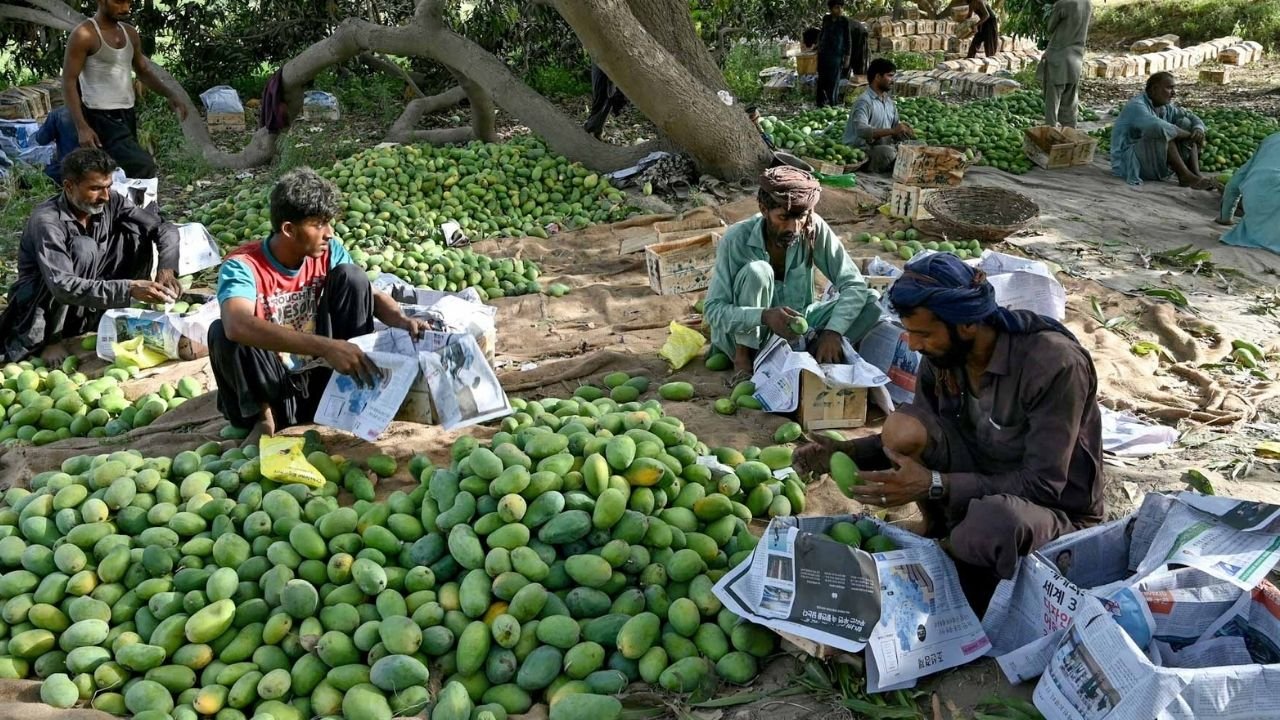
    Pakistan’s mangoes are normally a source of national pride and much-needed income, but farmers are blaming climate change for the parasites and extreme weather ruining much of this season’s crop.

    A white and orange scarf wrapped around his head in the scorching heat, farmer Muhammad Yusuf lamented the erratic weather.

    An abnormally long winter was followed by the wettest April in decades, while the country is now experiencing a heatwave with temperatures hitting up to 52 degrees Celsius (126 degrees Fahrenheit).

    “Buds didn’t flower on time, many buds just died. Those that started growing were infected with (parasite) black hopper,” said Yusuf, who has worked half his life growing mangoes.

    Now over 60 years old, Yusuf said “climate change has wreaked havoc” in his village of Tando Allahyar, around 200 kilometres (124 miles) northeast of economic hub Karachi.

    Pakistan is the world’s fourth-largest mango producer and agriculture accounts for almost a quarter of its GDP.

    Further south in Tando Ghulam Ali, Arsalan, who manages a 900-acre mango orchard, noticed the damage as soon as the harvest started this week.

    “We have production losses of 15 to 20 percent, and the picking has only just started so this figure will surely increase,” said the 32-year-old.

    Exports will be slashed as a result warned Arsalan, who goes by one name.

    “The mangoes turn yellow from the outside but remain underripe or overripe inside,” he explained.

    Ziaul Haq, a mango grower and exporter from Tando Ghulam Ali, said the “many attacks on fruit” by pests were unprecedented.

    “This, in our history, has never happened before,” he told AFP.

    ‘Feed our families’

    The proliferation of parasites has led to an explosion in spending on pesticides.

    This uptick was confirmed by several farmers in Sindh province, where Tando Allahyar and Tando Ghulam Ali are located, as well as those in the leading agricultural province of Punjab further north.

    They told AFP that chemicals are now used six to seven times per year, compared to just twice three years ago.

    Farmers in Sindh said they have been struggling since 2022 when a series of severe heatwaves were followed by unprecedented flooding, while those in Punjab said the declining crops yields date back several years more.

    “The losses in Punjab reached 35 to 50 percent and in Sindh, 15 to 20 percent” compared to last year, said Waheed Ahmed, head of the Pakistan Federation of Fruit and Vegetable Exporters Association (PFVA).

    Speaking to local media, he said that last year Pakistan had only managed to export 100,000 of the 125,000 tonnes of mangoes it planned to sell abroad.

    Pakistan’s 20 varieties of mangoes come second only to oranges as the most-produced fruit in the country.

    The income loss from a poor harvest could have a significant impact on the country, which is in talks to secure a loan from the International Monetary Fund (IMF).

    Mashooq Ali, a 30-year-old labourer in Tando Ghulam Ali, wants the government to help farmers cope.

    “Landowners will earn less this year,” said Ali, whose wife has started trading clothes to earn extra cash.

    “And even if they paid us as much as last year, with inflation, we won’t be able to feed our families.”

    srq/rsc/lb

    © Agence France-Presse

  • Watermelon growers send notice of damages to Dr. Affan

    Watermelon growers send notice of damages to Dr. Affan

    Businessmen from Faisalabad have sent a notice of 10 billion rupees to Dr. Affan Qaiser against his statement about injecting watermelons.

    A request has also been made by Faisalabad engine traders to register a case against Dr. Affan in Ghulam Muhammad police station.

    According to the petition, Dr. Affan’s statement spread fear and panic and caused billions of rupees loss to businessmen and landlords.

    The YouTuber doctor was also sent a legal notice for damages of ten billion rupees.

    Background:

    In one of his latest videos, he raised the issue of “adulterated watermelons” i.e. injecting watermelons with chemicals in order to give them the red colour that consumers accept as a sign of the fruit being sweet.

    A couple days later, Dr. Qaiser released another video, justifying his claims with online articles while also pointing that he never put the blame on farmers.

  • Nearly 282 million people faced acute hunger in 2023: UN-led report

    Nearly 282 million people faced acute hunger in 2023: UN-led report

    Food insecurity worsened around the world in 2023, with some 282 million people suffering from acute hunger due to conflicts, particularly in Gaza and Sudan, UN agencies and development groups said Wednesday.

    Extreme weather events and economic shocks also added to the number of those facing acute food insecurity, which grew by 24 million people compared with 2022, according to the latest global report on food crises from the Food Security Information Network (FSIN).

    The report, which called the global outlook “bleak” for this year, is produced for an international alliance bringing together UN agencies, the European Union and governmental and non-governmental bodies.

    2023 was the fifth consecutive year of rises in the number of people suffering acute food insecurity — defined as when populations face food deprivation that threatens lives or livelihoods, regardless of the causes or length of time.

    Much of last year’s increase was due to report’s expanded geographic coverage, as well as deteriorating conditions in 12 countries.

    More geographical areas experienced “new or intensified shocks” while there was a “marked deterioration in key food crisis contexts such as Sudan and the Gaza Strip”, Fleur Wouterse, deputy director of the emergencies office within the UN’s Food and Agricultural Organization (FAO), told AFP.

    Some 700,000 people, including 600,000 in Gaza, were on the brink of starvation last year, a figure that has since climbed yet higher to 1.1 million in the war-ridden Palestinian territory.

    Since the first report by the Global Food Crisis Network covering 2016, the number of food-insecure people has risen from 108 million to 282 million, Wouterse said.

    Meanwhile, the share of the population affected within the areas concerned has doubled 11 percent to 22 percent, she added.

    Protracted major food crises are ongoing in Afghanistan, the Democratic Republic of Congo, Ethiopia, Nigeria, Syria and Yemen.

    “In a world of plenty, children are starving to death,” wrote UN Secretary-General Antonio Guterres in the report’s foreword.

    “War, climate chaos and a cost-of-living crisis — combined with inadequate action — mean that almost 300 million people faced acute food crisis in 2023.”

    “Funding is not keeping pace with need,” he added.

    This is especially true as the costs of distributing aid have risen.

    For 2024, progress will depend on the end of hostilities, said Wouterse, who stressed that aid could “rapidly” alleviate the crisis in Gaza or Sudan, for example, once humanitarian access to the areas is possible.

    Worsening conditions in Haiti were due to political instability and reduced agricultural production, “where in the breadbasket of the Artibonite Valley, armed groups have seized agricultural land and stolen crops”, Wouterse said.

    The El Nino weather phenomenon could also lead to severe drought in West and Southern Africa, she added.

    According to the report, situations of conflict or insecurity have become the main cause of acute hunger in 20 countries or territories, where 135 million people have suffered.

    Extreme climatic events such as floods or droughts were the main cause of acute food insecurity for 72 million people in 18 countries, while economic shocks pushed 75 million people into this situation in 21 countries.

    “Decreasing global food prices did not transmit to low-income, import-dependent countries,” said the report.

    At the same time, high debt levels “limited government options to mitigate the effects of high prices”.

    On a positive note, the situation improved in 17 countries in 2023, including the Democratic Republic of Congo and Ukraine, the report found.

  • World food prices rise for first time in seven months: FAO

    Global food prices rose in March, the first increase since July, pulled higher by cooking oil prices despite the cost of grains continuing to ease, the UN’s Food and Agricultural Organization said Friday.

    The FAO’s overall Food Price Index climbed 1.1 percent over the month to stand at 118.3 points in March 2024. On an annual comparison it was 7.7 percent lower.

    The sub-index for vegetable oils jumped by 8.0 percent over the month to reach a one-year high. The FAO said prices for palm, soy, sunflower and rapeseed oils all climbed higher.

    Rising palm oil prices were driven by seasonal drops in output in leading producing nations that coincided with strong demand in Southeast Asia, while demand from the biofuel sector pulled up soy oil prices.

    Dairy prices rose by 2.9 percent in March on a monthly basis, while meat prices climbed 1.7 percent.

    Meanwhile, cereals prices slid 2.6 percent on a monthly basis, while sugar prices fell 5.4 percent.

    Food prices reached a record high after Russia invaded agricultural power Ukraine in February 2022 but have dropped since then.

    Last month’s uptick comes as inflation has slowed dramatically in many countries but a recent rebound in global oil prices has sparked concern it may persist at a level that could discourage central banks from cutting interest rates.

  • ‘Just staggering’: UN says households waste one billion meals a day

    ‘Just staggering’: UN says households waste one billion meals a day

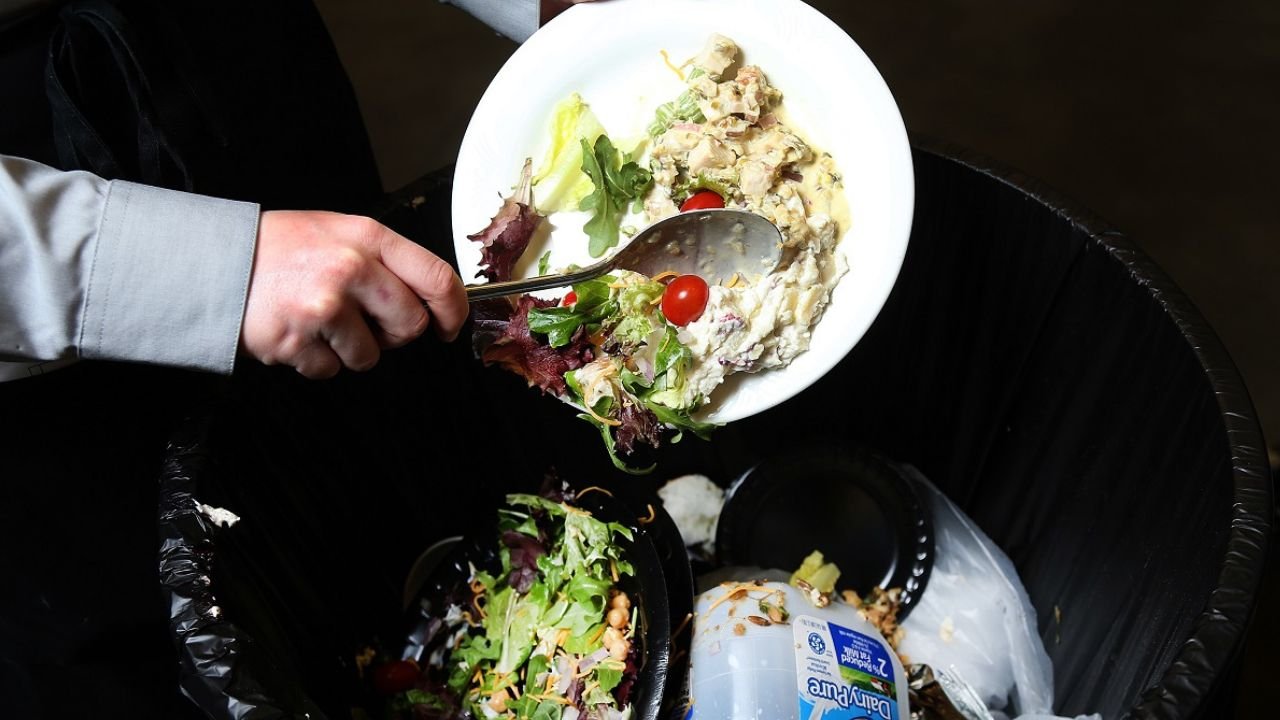
    Paris, France – Households around the world threw away one billion meals every single day in 2022 in what the United Nations on Wednesday called a “global tragedy” of food waste.

    More than $1 trillion worth of food was binned by households and businesses at a time when nearly 800 million people were going hungry, the UN’s latest Food Waste Index Report says.

    It said that more than 1 billion tonnes of food — almost one fifth of all the produce available on the market — was wasted in 2022, most of it by households.

    “Food waste is a global tragedy. Millions will go hungry today as food is wasted across the world,” Inger Andersen, executive director of the UN Environment Programme, said in a statement.

    Such wastage was not just a moral but “environmental failure”, the report said.

    Food waste produces five times the planet-heating emissions of the aviation sector, and requires huge tracts of land be converted for growing crops that are never eaten.

    The report, co-authored with non-profit organisation WRAP, is just the second on global food waste compiled by the UN and provides the most complete picture to date.

    As data collection has improved the true scale of the problem has become much clearer, said Clementine O’Connor from UNEP.

    “The more food waste you look for, the more that you find,” she told AFP.

    Billion meals binned

    The report said that the “billion meals” figure was a “very conservative estimate” and “the real amount could be much higher”.

    “For me, it’s just staggering,” Richard Swannell from WRAP told AFP.

    “You could actually feed all the people that are currently hungry in the world — about 800 million people — over a meal a day just from the food that is wasted every single year.”

    He said bringing together producers and retailers had helped reduce waste and get food to those who need it, and more such action was needed.

    Food services like restaurants, canteens and hotels were responsible for 28 percent of all wasted food in 2022, while retail like butchers and greengrocers dumped 12 percent.

    But the biggest culprits were households, which accounted for 60 percent — some 631 million tonnes.

    Swannell said much of this occurred because people were simply buying more food than they needed, but also misjudging portion sizes and not eating leftovers.

    Another issue was expiration dates, he said, with perfectly good produce being trashed because people incorrectly assumed their food had gone off.

    A lot of food, particularly in the developing world, was not so frivolously wasted, but instead lost in transportation or spoiling because of a lack of refrigeration, the report said.

    Contrary to popular belief, food waste is not just a “rich country” problem and can be observed across the world, the report said.

    Hotter countries, too, generated more waste, possibly due to higher consumption of fresh foods with substantial inedible parts.

    ‘Devastating effects’

    Businesses also underestimate the cost of wasting food to their bottom line because it was cheap to dump unused produce in landfill.

    “It’s quicker and easier to throw it away at the moment because the waste fee is either zero or very low,” O’Connor said.

    Food waste had “devastating effects” on people and the planet, the report said.

    Converting natural ecosystems for agriculture is a leading cause of habitat loss yet food waste takes up the equivalent of nearly 30 percent of the world’s farming land, the report said.

    “If we can reduce food waste across the entire of the supply chain, we can… minimise the need to have land set aside that’s growing stuff that’s never used,” Swannell said.

    It is also a key driver of climate change, generating up to 10 percent of annual greenhouse gas emissions.

    “If food waste was a country, it would be the third biggest emitter of greenhouse gas emissions on the planet behind the US and China,” Swannell said.

    But people rarely think about it, he said, despite the opportunity to “reduce our carbon footprint, reduce our greenhouse gas emissions, and save money, simply by making better use of the food that we’re already buying”.

  • Struggling for a can of food: starving Gazans scramble for aid drops

    Struggling for a can of food: starving Gazans scramble for aid drops

    A military plane banked over the war-ravaged ruins of Gaza City dropping dozens of black parachutes carrying food aid.

    On the ground, where almost no building within sight was still standing, hungry men and boys raced towards the beach where most of the aid seemed to have landed.

    Dozens of them jostled intensely to get to the food, with scrums forming up and down the rubble-strewn dunes.

    “People are dying just to get a can of tuna,” said Mohamad al-Sabaawi, carrying an almost empty bag on his shoulder, a young boy beside him.

    “The situation is tragic, as if we are in a famine. What can we do? They mock us by giving us a small can of tuna.”

    Aid groups say only a fraction of the supplies required to meet basic humanitarian needs have arrived in Gaza since October, while the UN has warned of famine in the north of the territory by May without urgent intervention.

    The aid entering the Gaza Strip by land is far below pre-war levels, at around 150 vehicles a day compared to at least 500 before the war, according to UNRWA, the UN agency for Palestinian refugees.

    With Gazans increasingly desperate, foreign governments have turned to airdrops, in particular in the hard-to-reach northern parts of the territory including Gaza City.

    The United States, France and Jordan are among several countries conducting airdrops to people living within the ruins of what was the besieged territory’s biggest city.

    But the aircrews themselves told AFP that the drops were insufficient.

    US Air Force Lieutenant Colonel Jeremy Anderson noted earlier this month that what they were able to deliver was only a “drop in the bucket” of what was needed.

    The air operation has also been marred by deaths. Five people on the ground were killed by one drop and 10 others injured after parachutes malfunctioned, according to a medic in Gaza.

    Calls have mounted for Israel to allow in more aid overland, while Israel has blamed the UN and UNRWA for not distributing aid in Gaza.

    “Palestinians in Gaza desperately need what has been promised — a flood of aid. Not trickles. Not drops,” UN chief Antonio Guterres said on Sunday after visiting Gaza’s southern border crossing with Egypt at Rafah.

    “Looking at Gaza, it almost appears that the four horsemen of war, famine, conquest and death are galloping across it,” he added.

    Israel has intensified its attacks in Gaza, killing at least 32,333 people, according to the health ministry in Gaza.

    Returning home in Gaza City with little to keep his family going, another Palestinian man said their situation was miserable.

    “We are the people of Gaza, waiting for aid drops, willing to die to get a can of beans — which we then share among 18 people,” he said.

  • Entire Gaza population at ‘severe levels of acute food insecurity’: Blinken

    Entire Gaza population at ‘severe levels of acute food insecurity’: Blinken

    The entire population of Gaza is experiencing “severe levels of acute food insecurity”, US Secretary of State Antony Blinken said Tuesday, underscoring the urgency for increasing the delivery of humanitarian aid into the Palestinian territory.

    “According to the most respected measure of these things, 100 percent of the population in Gaza is at severe levels of acute food insecurity. That’s the first time an entire population has been so classified,” Blinken told a press conference in the Philippines where he is on an official visit.

    Blinken’s remarks came on the eve of his return to the Middle East, this time to Saudi Arabia and Egypt, to discuss efforts to secure a ceasefire in Gaza and ramp up aid deliveries.

    A United Nations-backed food security assessment warned Monday that half of Gazans are experiencing “catastrophic” hunger, with famine projected to hit the north of the territory by May unless there is urgent intervention.

    Martin Griffiths, the UN’s humanitarian chief, has called for Israel to allow unfettered aid into the besieged Palestinian territory, saying there was “no time to lose”.

    With aid agencies reporting huge difficulties gaining access to Gaza, particularly the north, the UN has warned for weeks that a famine is looming.

    Donors have turned to deliveries by air or sea, but these are not viable alternatives to land deliveries, UN agencies say.

    The Integrated Food Security Phase Classification partnership said Monday that while the technical criteria for a famine had not yet been met, “all evidence points towards a major acceleration of deaths and malnutrition”.

    Citing UN data, Blinken said 100 percent of the population in Gaza needed humanitarian assistance, compared with 80 percent in Sudan and 70 percent in Afghanistan.

    “This only underscores both the urgency, the imperative, of making this the priority,” Blinken said of aid deliveries.

    “We need more, we need it to be sustained, and we need it to be a priority if we’re going to effectively address the needs of people.”

    Blinken is in Manila as part of a brief Asia tour aimed at reinforcing US support for regional allies against China.

    During a joint press conference with his Philippine counterpart, Blinken was asked about steps he was taking to address the lack of access to Gaza for foreign journalists.

    “There are obviously profound security considerations in an active war zone and those have to be taken into account,” Blinken said.

    “But the basic principle of access for journalists is something we stand strongly behind.”

  • Over Rs6.4 billion allocated for Ramzan subsidies: Essential items to be available at reduced rates

    Over Rs6.4 billion allocated for Ramzan subsidies: Essential items to be available at reduced rates

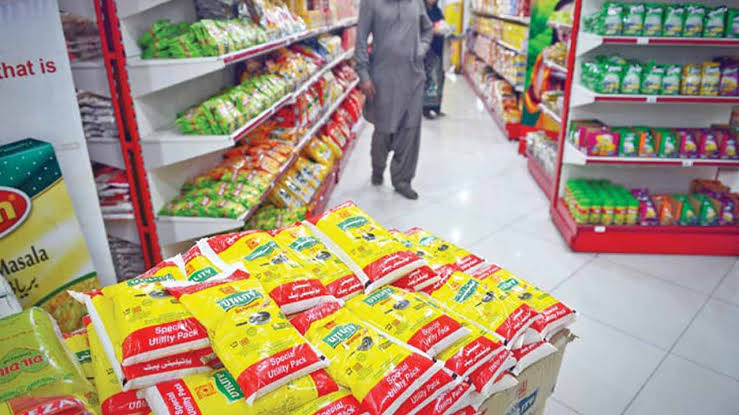
    The government has earmarked Rs6.484 billion to provide essential food items at subsidised rates through the Utility Stores Corporation (USC) during the holy month of Ramzan.

    A substantial portion of the allocation, Rs3.474 billion, will go towards subsidising flour, followed by Rs1.610 billion for sugar and Rs1.4 billion for ghee.

    Additionally, subsidies of Rs25 million for channa daal, Rs12 million for masoor daal, Rs37.50 million for white gramme, and Rs62.5 million for basmati rice are planned. Further, Rs20 million and Rs62.5 million are allocated for Sehlla rice and broken rice, respectively.

    The implementation of the Ramzan relief package is set to commence on March 4th.

    Further breakdown reveals Rs200 million for cooking oil, Rs20 million for washed moong daal, Rs6.25 million for washed maash daal, Rs100 million for chakki baisen, Rs50 million for dates, Rs22.50 million for carbonated drinks (1,500 ml), Rs30 million for squash and syrup (800 ml), Rs150 million for black tea, Rs15 million for UHT milk, and Rs50 million for spices.

    Moreover, an allocation of Rs145 million is designated for an awareness campaign through electronic and print media regarding the Ramzan Package, set to kick off on March 4th, 2024.

    The Economic Coordination Committee (ECC) has greenlit the Ministry of Industries and Production’s proposal for a Rs7.492 billion Ramzan Relief Package. This package aims to provide 19 essential items at subsidised rates through the USC.

    In response to IMF restrictions on untargeted subsidies, the government has opted to provide subsidies exclusively to beneficiaries registered under the PMT-40 of the Benazir Income Support Programme (BISP) for the fiscal year 2023–24.