Tag: food items

  • Weekly inflation in Pakistan remains stubbornly high at 45.72%

    Weekly inflation in Pakistan remains stubbornly high at 45.72%

    Despite coming down marginally, weekly inflation remains above 45 per cent and stood at 45.72 per cent on a year-on-year (YoY) basis for the week ended on 18th May 2023, showed data released by the Pakistan Bureau of Statistics (PSB) on Friday.

    The Sensitive Price Indicator (SPI) based inflation for the week ended 11th May 2023, recorded a decrease of 0.16 per cent over the previous week due to a decrease in the prices of food and non-food items.

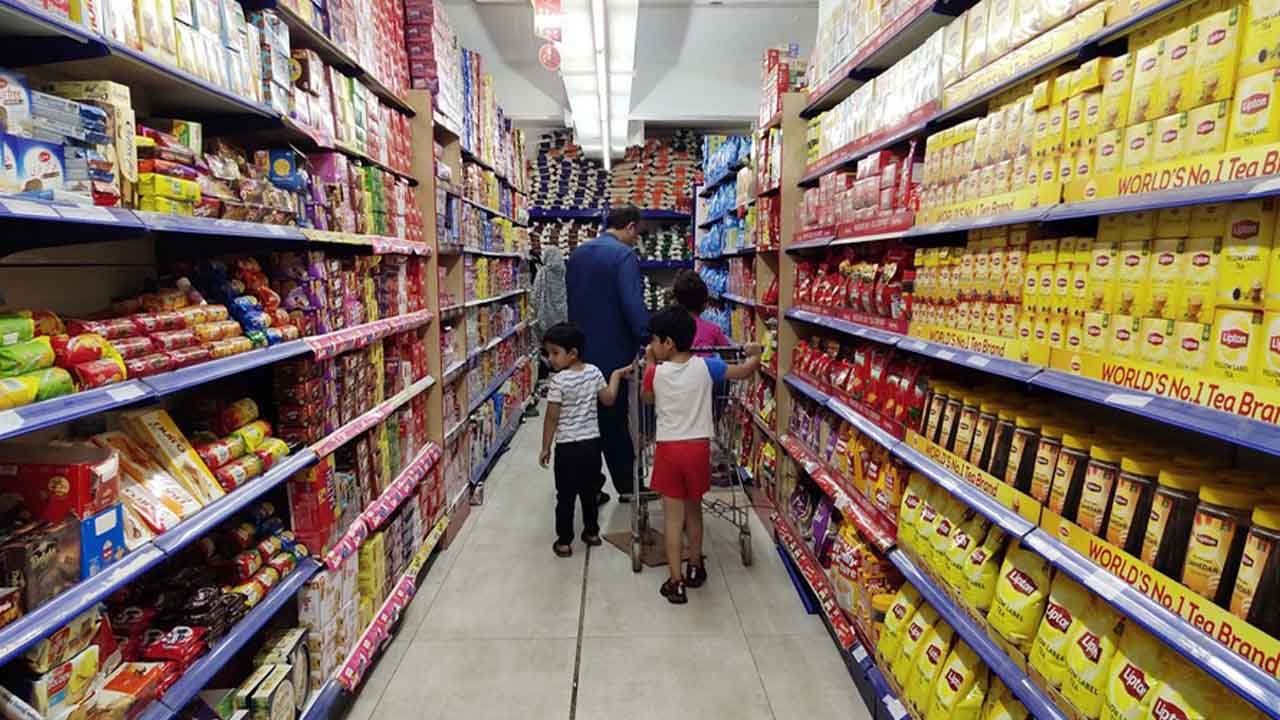
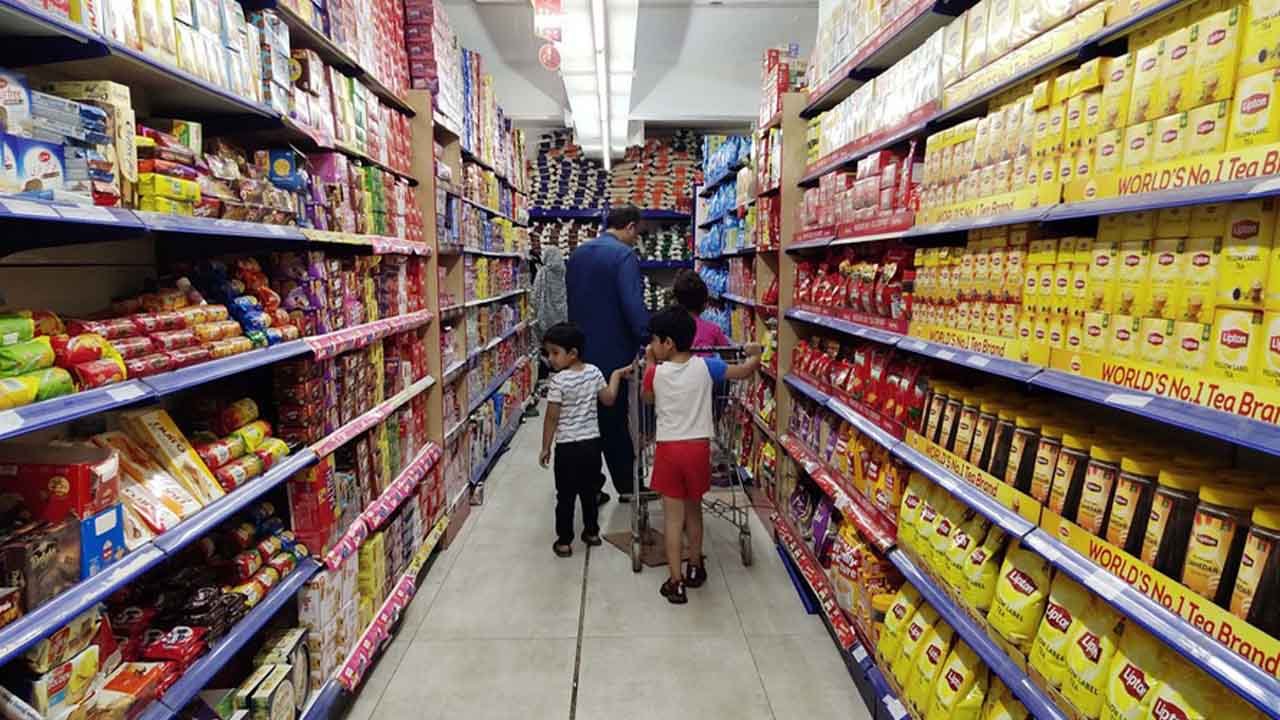
    The year-on-year trend posted an increase due to an increase in the prices of Cigarettes (138.50 per cent), Tea Lipton (114.93 per cent), Potatoes (114.69 per cent), Gas Charges for Q1 (108.38 per cent), Bananas (104.44 per cent), Gents Sponge Chappal (100.33 per cent), Wheat Flour (90.77 per cent), Rice Basmati Broken (86.30 per cent), Eggs (85.86 per cent), Rice Irri-6/9 (80.44 per cent), Petrol (79.85 per cent), Diesel (78.68 per cent), Pulse Moong (66.79 per cent), Bread (63.17 per cent), and Pulse Mash (57.06 per cent), while a decrease was observed in the prices of Tomatoes (38.30 per cent), Onions (30.18 per cent), and Chilies Powdered (6.48 per cent).

    A decrease was observed in the prices of food items: Onions (9.04 per cent), Garlic (1.76 per cent), Sugar (1.42 per cent), Wheat Flour (1.40 per cent), Vegetable Ghee 2.5kg (0.63 per cent), Mustard Oil (0.48 per cent), Pulse Masoor (0.40 per cent), Pulse Gram (0.12 per cent), and Vegetable Ghee 1kg (0.11 per cent); and non-food items: Diesel (10.38 per cent), Petrol (4.24 per cent), LPG (3.02 per cent), and Firewood (0.89 per cent).

    On the other hand, an increase was observed in the prices of Chicken (7.51 per cent), Tea Lipton (4.53 per cent), Gur (2.79 per cent), Eggs (2.29 per cent), Energy Saver (2.22 per cent), Tomatoes (2.11 per cent), Tea Prepared (1.09 per cent), and Curd (1.08 per cent).

    During the week, out of 51 items, prices of 23 (45.10 per cent) items increased, 13 (25.49 per cent) items decreased, and 15 (29.41 per cent) items remained stable.

  • Weekly inflation in Pakistan spikes above 44%

    Weekly inflation in Pakistan spikes above 44%

    The Pakistan Bureau of Statistics (PBS) has reported that for the week ending on April 6, 2023, the Sensitive Price Indicator (SPI) based inflation has increased by 0.92 per cent. This rise is mainly due to an increase in the prices of food items such as chicken (15.87 per cent), sugar (13.48 per cent), potatoes (5.11 per cent), bananas (4.95 per cent), wheat flour (3.10 per cent), gur (2.12 per cent), eggs (1.26 per cent), fresh milk (1.24 per cent), and non-food item long cloth (1.95 per cent).

    The year-on-year trend indicates an increase of 44.49 per cent, which is primarily due to a surge in the prices of cigarettes (165.88 per cent), wheat flour (131.72 per cent), gas charges for q1 (108.38 per cent), diesel (102.84 per cent), eggs (98.34 per cent), Lipton tea (97.63 per cent), broken basmati rice (84.92 per cent), bananas (82.23 per cent), petrol (81.17 per cent), irri-6/9 rice (80.61 per cent), moong (68.14 per cent), potatoes (65.95 per cent), maash (56.70 per cent), and onions (55.75 per cent). However, a decrease in prices has been observed for tomatoes (50.39 per cent) and powdered chillies (6.48 per cent).

    The SPI for the week under review has been recorded at 252.06 points compared to 249.75 points in the previous week, as per the latest data released by PBS on Friday. During the week, out of 51 items, prices of 27 (52.94 per cent) items increased, seven (13.73 per cent) items decreased, and 17 (33.33 per cent) items remained stable.

    The average prices of commodities that have increased during the week over the previous week include chicken (15.87 per cent), sugar (13.48 per cent), potatoes (5.11 per cent), bananas (4.95 per cent), wheat flour (3.10 per cent), gur (2.12 per cent), long cloth 57” Gul Ahmed/Al Karam (1.95 per cent), eggs (1.26 per cent), fresh milk (1.24 per cent), irri-6/9 rice (0.80 per cent), shirting (0.75 per cent), beef with bone (0.71 per cent), broken basmati rice (0.69 per cent), curd (0.60 per cent), toilet soap Lifebuoy (0.56 per cent), lawn printed Gul Ahmed/Al Karam (0.55 per cent), prepared tea (0.44 per cent), powdered salt (0.39 per cent), Georgette (0.36 per cent), Sufi washing soap (0.31 per cent), mutton (0.18 per cent), moong (0.16 per cent), masoor (0.15 per cent), maash (0.09 per cent), cooked beef (0.04 per cent), cooking oil Dalda or other similar brand (sn), 5 litre tin each (0.04 per cent), and cooked daal (0.02 per cent).

    The commodities that have recorded a decrease in their average prices are tomatoes (14.96 per cent), onions (12.66 per cent), LPG (3.73 per cent), pulse gram (1.20 per cent), vegetable ghee Dalda/Habib 2.5 kg tin each (0.71 per cent), garlic (0.16 per cent), and mustard oil (0.03 per cent).

    Commodity Year-on-Year Change Week-on-Week Change
    Cigarettes 165.88 per cent N/A
    Wheat flour 131.72 per cent 3.10 per cent
    Gas charges for q1 108.38 per cent N/A
    Diesel 102.84 per cent N/A
    Eggs 98.34 per cent 1.26 per cent
    Lipton tea 97.63 per cent N/A
    Broken basmati rice 84.92 per cent 0.69 per cent
    Bananas 82.23 per cent 4.95 per cent
    Petrol 81.17 per cent N/A
    Irri-6/9 rice 80.61 per cent 0.80 per cent
    Moong 68.14 per cent 0.16 per cent
    Potatoes 65.95 per cent 5.11 per cent
    Maash 56.70 per cent 0.09 per cent
    Onions 55.75 per cent 12.66 per cent
    Tomatoes -50.39 per cent -14.96 per cent
    Powdered chillies -6.48 per cent N/A
    Chicken N/A 15.87 per cent
    Sugar N/A 13.48 per cent
    Gur N/A 2.12 per cent
    Long cloth 57” Gul Ahmed/Al Karam N/A 1.95 per cent
    Fresh milk N/A 1.24 per cent
    Shirting N/A 0.75 per cent
    Beef with bone N/A 0.71 per cent
    Curd N/A 0.60 per cent
    Toilet soap Lifebuoy N/A 0.56 per cent
    Lawn printed Gul Ahmed/Al Karam N/A 0.55 per cent
    Prepared tea N/A 0.44 per cent
    Powdered salt N/A 0.39 per cent
    Georgette N/A 0.36 per cent
    Sufi washing soap N/A 0.31 per cent
    Mutton N/A 0.18 per cent
    Masoor N/A 0.15 per cent
    Cooked beef N/A 0.04 per cent
    Cooking oil Dalda or other similar brand (sn), 5 litre tin each N/A 0.04 per cent
    Cooked daal N/A 0.02 per cent
    LPG N/A -3.73 per cent
    Pulse gram N/A -1.20 per cent
    Vegetable ghee Dalda/Habib 2.5 kg tin each N/A -0.71 per cent
    Garlic N/A -0.16 per cent
    Mustard oil N/A -0.03 per cent
  • CPI inflation in Pakistan increases to 26.6% in October

    CPI inflation in Pakistan increases to 26.6% in October

    In Pakistan, Consumer Price Index (CPI)-based inflation rose sharply in October, surging by 26.6 per cent year over year (YoY). On the other hand, it climbed 4.7 per cent month over month (MoM), indicating a decline of 1.2 per cent from September.

    “CPI inflation General, increased to 26.6 per cent on YoY basis in Oct 2022 as compared to an increase of 23.2 per cent in the previous month and 9.2 per cent in Oct 2021,” said the PBS.

    According to APP, inflation reached a YoY high of 27.3 per cent in August 2022, which was over a 47-year high in the inflation measurement in June 2022 after it had crossed the 20 per cent threshold.

    The inflation reading matches what the market had predicted.

    According to the PBS, year-over-year CPI inflation in urban areas reached 24.6 per cent in October 2022 as opposed to an increase of 21.2 per cent in the previous month and 9.6 per cent in October 2021.

    In October 2022, it grew to 4.5 per cent month over month, up from 1.7 per cent in October 2021 and a decline of 2.1 per cent the month before.

    In addition, year-over-year CPI inflation in rural regions reached 29.5 per cent in October 2022 as opposed to increases of 26.1 per cent in the previous month and 8.7 per cent in October 2021.

    When compared to the previous month’s gain of 0.2 per cent and the increase of 2.2 per cent in October 2021, it increased by 5.0 per cent in October 2022 on a monthly basis.

    Rising inflation has become a major worry for Pakistan’s economy, which is already experiencing a loss of foreign exchange reserves.

    The State Bank of Pakistan (SBP) maintained the policy rate at 15 per cent in October at the recommendation of its Monetary Policy Committee (MPC), believing that the current monetary policy stance achieves the right mix between controlling inflation and sustaining growth in the wake of the floods.

    “On the one hand, inflation could be higher and more persistent due to the supply shock to food prices, and it is important to ensure that this additional impetus does not spill over into broader prices in the economy. On the other, growth prospects have weakened, which should reduce demand-side pressures and suppress underlying inflation,” MPC said then.

    However, the government on Monday night announced that the price of petroleum products will remain the same for the ensuing 15 days.

    According to PBS data, the inflation rates that were highest in October were in the transportation, food, housing, and restaurant and hotel groupings.

    Items that witnessed an increase in prices

    Food

    The food commodities that witnessed increase in prices on a YoY basis included tomatoes (219.34 per cent), onions (165.66 per cent), gram whole (69.80 per cent), pulse gram (65.08 per cent), besan (62.25 per cent), mustard oil (61.14 per cent), pulse masoor (61.07 per cent), fresh vegetables (58.87 per cent), cooking oil (58.06 per cent), pulse mash (55.33 per cent), vegetable ghee (52.5 per cent), pulse moong (49.84 per cent), wheat (45.77 per cent), tea (41.89 per cent), rice (40.76 per cent), wheat flour (37.38 per cent), milk fresh (29.61 per cent), meat (25.34 per cent), potatoes (20.65 per cent), fish (15.4 per cent), chicken (12.22 per cent) and gur (0.39 per cent).

    Non-food items

    The non-food commodities that witnessed increase on a YoY basis included motor fuel (64.81 per cent), stationery (44.5 per cent), washing soap/detergents/match box (41.49 per cent), transport services (41.27 per cent), motor vehicles (34.29 per cent), construction input items (32.03 per cent), motor vehicle accessories (31.31 per cent), electricity charges (24.95 per cent), cotton cloth (24.16 per cent), household equipment (21.4 per cent), solid fuel (20.88 per cent) and construction wage rates (12.72 per cent).

  • Weekly inflation increases 0.94% as food prices rise

    Weekly inflation increases 0.94% as food prices rise

    Owing to an increase in the prices of food items, the Sensitive Price Indicator (SPI)-based weekly inflation for the week ending September 29 increased by 0.94 per cent.

    The items which saw an increase in prices include onions (47.77 per cent), tomatoes (30.29 per cent), tea Lipton (2.50 per cent), bread (1.74 per cent) and non-food item, washing soap (1.13 per cent), according to the Pakistan Bureau of Statistics (PBS).

    Moreover, the year-on-year trend recorded an increase of 30.62 per cent, mainly due to a surge in prices of tomatoes (224.20 per cent), onions (139.03 per cent), diesel (105.12 per cent), petrol (91.87 per cent), pulse gram (74.56 per cent, masoor (72.42 per cent), mustard oil (64.53 per cent), washing soap (63.33 per cent), cooking oil 5 litre (61.78 per cent), vegetable ghee 2.5 kg (58.37 per cent), maash (57.36 per cent), vegetable ghee 1kg (55.89 per cent), gents sponge chappal (52.21 per cent), and moong (47.96 per cent), while decrease observed in the prices of electricity for q1 (45.61 per cent), chillies powder (42.73 per cent), sugar (18.27 per cent), and gur (1.92 per cent).

    According to the most recent PBS data issued on Friday, the SPI for the week under review in the aforementioned category was recorded at 205.13 points as opposed to 203.21 points observed in the previous week.

  • Weekly inflation down 8.1% due to lower FCA, timely import of vegetables

    Weekly inflation down 8.1% due to lower FCA, timely import of vegetables

    Weekly inflation measured by the Sensitive Price Indicator (SPI) for the week ending September 22, 2022, decreased by 8.11 per cent.

    The year-over-year (YoY) trend shows a rise of 29.28 per cent, which is down around 11 per cent from the 40.58 per cent observed last week. The YoY rise stayed above 40 per cent during the previous five weeks, reaching an all-time high of 45.50 per cent.

    The price increase over the previous year was mostly brought on by an increase in prices of tomatoes (117.55 per cent), diesel (105.12 per cent), petrol (91.87 per cent), pulse masoor (75.38 per cent), pulse gram (73.55 per cent), mustard oil (65.64 per cent), cooking oil-5 litre (63.63 per cent), washing soap (61.50 per cent), vegetable ghee-2.5 kg (59.42 per cent), pulse mash (56.93 per cent), vegetable ghee-1 kg (56.09 per cent), onions (50.83per cent) and LPG (49.89 per cent), while decrease was observed in the prices of electricity for q1 (45.61 per cent), chilies powder (43.05 per cent), sugar (19.20 per cent) and gur (3.37 per cent).

    According to the most recent PBS data issued on Friday, the SPI for the week under review in the aforementioned category was recorded at 203.21 points compared to 221.14 points observed in the previous week.

    Out of 51 items, 26 items (50.98 per cent) saw price increases during the week, 10 items (19.61 per cent) saw price decreases, and prices of 15 items (29.41 per cent) remain unchanged.

    For the first quarter, power charges were among the items whose average prices decreased on a week-over-week (WoW) basis showing a decrease of 64.23 per cent.

    Other items which recorded a decrease include tomatoes (8.15 per cent), LPG (3.82 per cent), bananas (1.90 per cent), garlic (1.31 per cent), pulse masoor (0.99 per cent), cooking oil-dalda or other similar brand (sn), 5 litre tin each (0.78 per cent), onions (0.46 per cent), vegetable ghee-dalda/habib 2.5 kg tin each (0.34 per cent) and vegetable ghee-dalda/habib or other superior quality 1 kg pouch each (0.06 per cent).

    The general populace has been impacted by the heavy rains and flooding since they are lacking in basic commodities while supply lines for food products have been disrupted.

    On the other hand, timely imports from Iran and Afghanistan are accountable for the decrease in vegetable prices, particularly for onions and tomatoes.

  • Vegetable prices soar amid low supply due to floods

    Vegetable prices soar amid low supply due to floods

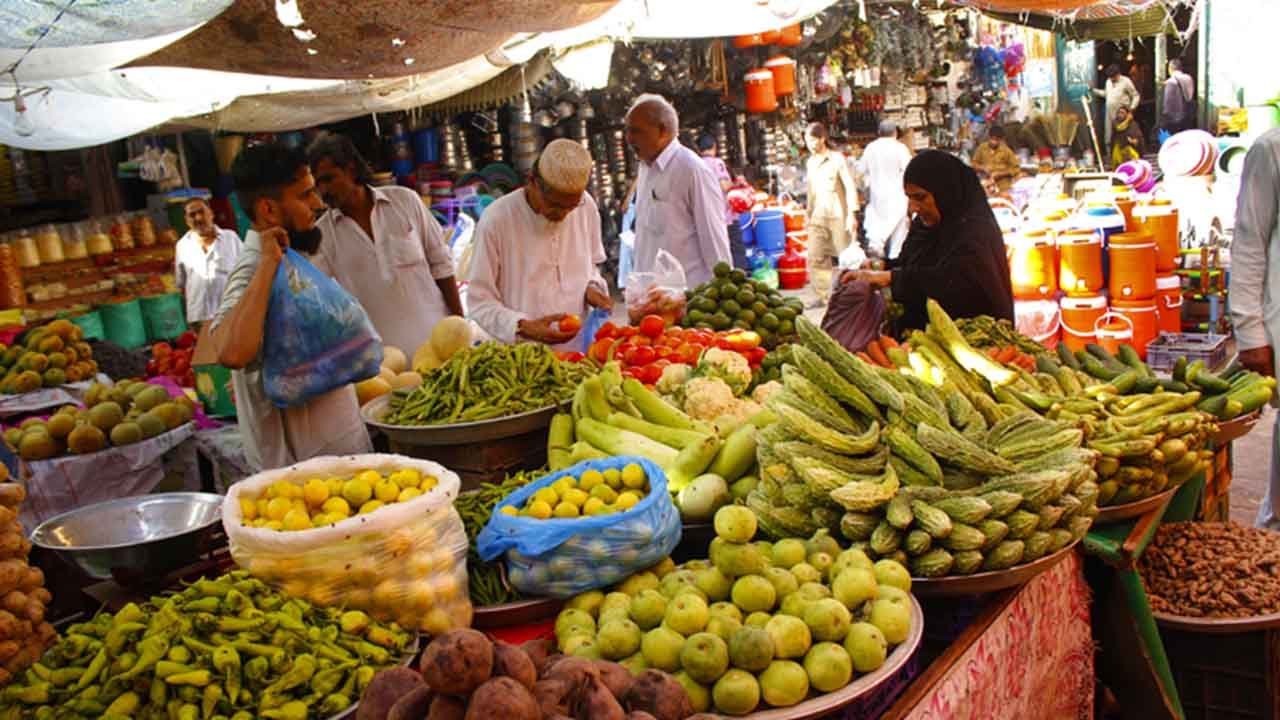
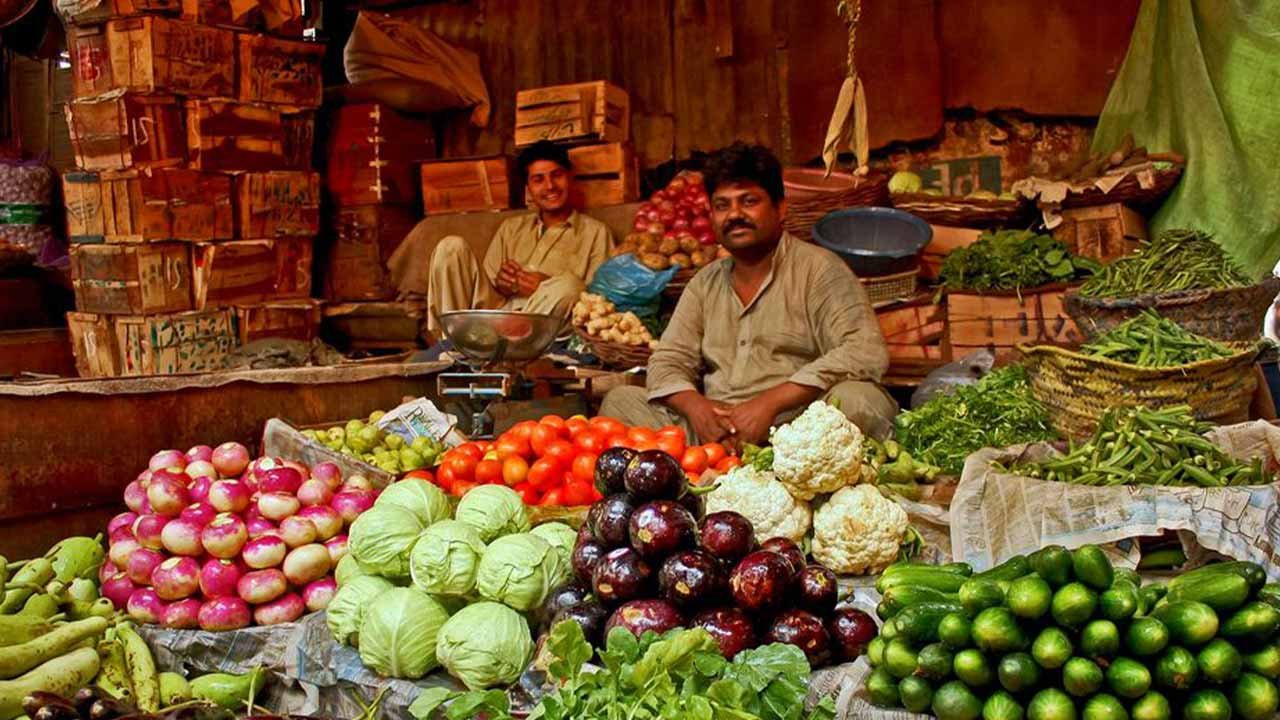
    Extreme flooding has hampered the supply of perishable items from agricultural areas, driving up the prices of onions and tomatoes in city markets.

    While tomatoes cost Rs400-450 per kilogramme (kg), onions cost Rs350-400 per kg. Onion prices rose by Rs75 per kg week over week in the official rate list, while tomato prices rose by Rs234 per kg.

    The supply chain is hampered by road blockages and transportation restrictions in flood-affected areas, according to The News.

    Onion A-grade cost Rs75 more per kg, was fixed at Rs180-190, and was sold for Rs350-400 per kg. Onion B-grade cost Rs160-167 per kg, was sold for Rs235-250 per kg, and onion C-grade was priced at Rs180-200 per kg.

    Tomato A-grade price increased by Rs234 per kg, maintained at Rs320-330 per kg, sold for Rs400-450 per kg, followed by B-grade price increase to Rs290-300 per kg, C-grade price increase to Rs240-250 per kg, and B&C price increase to Rs350 per kg.

    Chinese carrot prices increased by Rs11 per kg, from Rs80 to Rs85 per kg to Rs120 to Rs160 per kg for sale. Fenugreek (Methi) remained constant at Rs250-260 per kg and was sold for Rs400 per kg.

    This week, the price of chicken also climbed by Rs20 per kg, from Rs240 per kg to Rs280–300 per kg, and the price of chicken meat by Rs30 per kg, from Rs362/kg to Rs380–650/kg.

    Cucumber Farm increased its price by Rs50 per kg, fixed at Rs120-125 per kg, sold at Rs150 per kg, and locally sold cucumbers were sold for Rs200 per kg.

    Brinjal price increased by Rs5 per kg, from Rs86 to Rs90 per kg, and was sold for Rs120 to Rs140 per kg.

    Price of bitter gourd rose by Rs10 per kg, fixed at Rs160-165 per kg, and sold at Rs200 per kg.

    Local lemon prices increased by Rs20 per kg, from Rs235-245 per kg to Rs280-320 per kg when sold. Pumpkin remained at Rs60–63 per kg, sold for Rs80–100 per kg, and pumpkin long was sold for Rs140–150 per kg.

  • Eid-ul-Fitr 2022: Here’s why Pakistan is paying a lot more than last year for clothes, food

    Eid-ul-Fitr 2022: Here’s why Pakistan is paying a lot more than last year for clothes, food

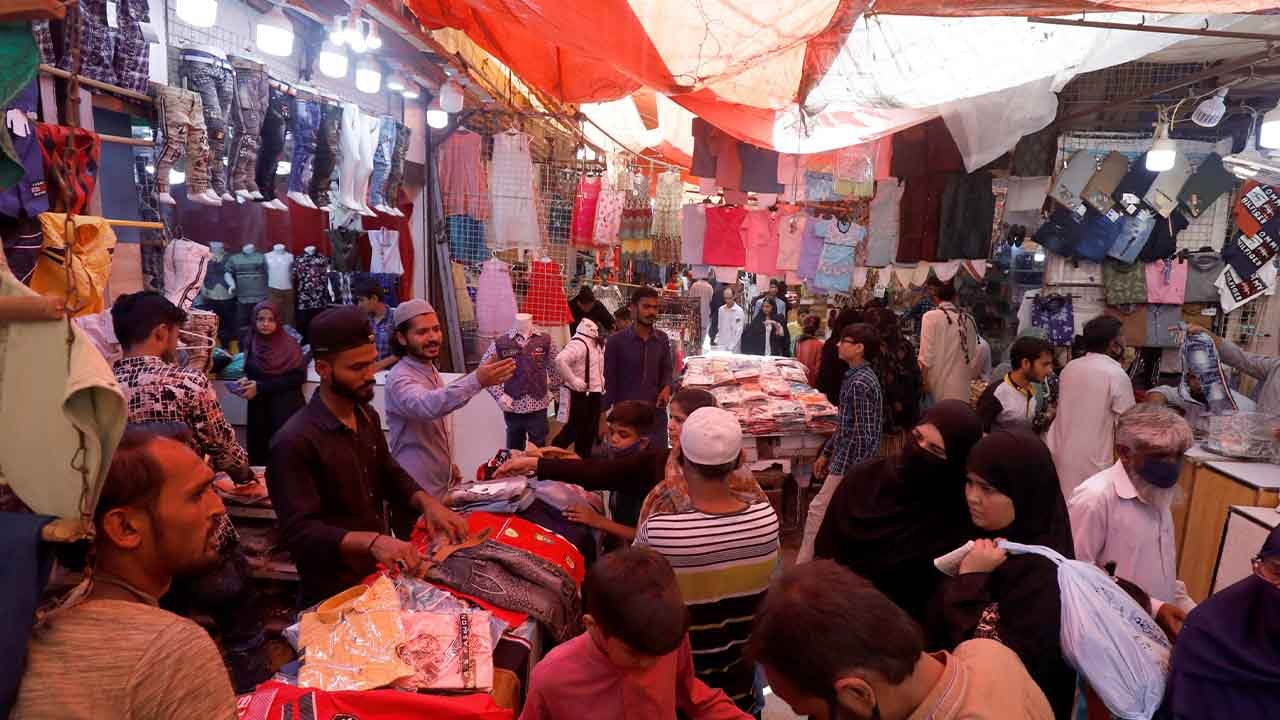
    Cities are decked with spectacular illumination around shopping malls, major streets, and side lanes as Eid shopping begins. Despite growing inflation, there is a lot of hustle in commercial areas.

    But do you know how much higher we are paying for everything this year, from food to clothing, than we did last year?

    Undoubtedly, the PTI-led government struggled to contain inflation, which experts said, was the outcome of record-high global commodity prices and 51 per cent devaluation of the Pakistani rupee (PKR).

    In January 2022, inflation climbed by 13 per cent year on year basis compared to 12.3 per cent in the previous month and 5.7 per cent in January 2021. It is pertinent to mention that inflation reached an all-time high of 14.6 per cent in January 2020.

    The Consumer Price Index (CPI) accelerated in March 2022 over the same month a year ago, according to the inflation bulletin released by the Pakistan Bureau of Statistics (PBS). The index remained higher compared to the preceding month during five out of the past six months.

    Inflation Comparison – January 2022

    General CPI inflation, increased by 13.0 per cent on a year-on-year basis in January 2022 as compared to an increase of 12.3 per cent in the previous month and 5.7 per cent in January 2021. On a month-on-month basis, it increased by 0.4 per cent in January 2022 as compared to decrease of -0.02 per cent in the previous month and a decrease of -0.2 per cent in January 2021.

    Urban CPI inflation, increased by 13.0 per cent on a year-on-year basis in January 2022 as compared to an increase of 12.7 per cent in the previous month and 5.0 per cent in January 2021. On a month-on-month basis, it increased by 0.1 per cent in January 2022 as compared to an increase of 0.3 per cent in the previous month and a decrease of -0.2 per cent in January 2021.

    Rural CPI inflation, increased by 12.9 per cent on a year-on-year basis in January 2022 as compared to an increase of 11.6 per cent in the previous month and 6.6 per cent in January 2021. On a month-on-month basis, it increased by 0.9 per cent in January 2022 as compared to a decrease of -0.5 per cent in the previous month and a decrease of -0.3 per cent in January 2021.

    Wholesale Price Index (WPI) inflation on a year-on-year basis increased by 24.0 per cent in January 2022 as compared to an increase of 26.2 per cent a month earlier and an increase of 6.4 per cent in January 2021. WPI inflation on a Month-on-month basis increased by 0.6 per cent in January 2022 as compared to a decrease of -0.2 per cent a month earlier and an increase of 2.5 per cent in a corresponding month i.e. January 2021.

    Urban Consumer Price Index (UCPI)

    The Urban Consumer Price Index of January 2022 increased by 0.06 per cent over December 2021 and increased by 12.99 per cent over the same month of the last year (January 2021).

    Month-on-Month Inflation

    Main contributors to month-on-month and year-on-year percentage changes are mentioned below:

    Increase in prices of food items: Pulse Masoor (6.13 per cent), Gram whole (4.79 per cent), Fruits (4.11 per cent), Besan (3.82 per cent), Pulse Gram (3.44 per cent), Pulse Mash (3.37 per cent), Wheat (2.68 per cent), Pulse Moong (1.88 per cent), Meat (1.78 per cent) and Rice (1.28 per cent).

    Increase in prices of garments and other items: Woolen Readymade Garments (6.67 per cent), Solid Fuel (5.16 per cent), Hosiery (1.93 per cent), Motor Fuel (1.75 per cent), Cleaning & Laundering (1.59 per cent), Washing soap/Detergents/Match Box (1.46 per cent) and Liquefied Hydrocarbons (1.29 per cent).

    Year-on-Year Inflation – January 2021

    Edible items

    Increased: Cooking Oil (54.33 per cent), Vegetable Ghee (47.4 per cent), Mustard Oil (46.68 per cent), Pulse Masoor (41.3 per cent), Fruits (28.35 per cent), Gram Whole (24.7 per cent), Meat (22.38 per cent), Chicken (17.08 per cent), Pulse Gram (15.67 per cent), Beans (15.37 per cent), Pulse Mash (12.46 per cent) and Vegetables (11.58 per cent).

    Garments and others

    Increased: Electricity Charges (56.20 per cent), Liquefied Hydrocarbons (53.35 per cent), Motor Fuel (36.22 per cent), Footwear (25.47 per cent), Cleaning & Laundering (22.03 per cent), Washing soap/Detergents/Match Box (17.95 per cent), Motor Vehicle Accessories (14.04 per cent), Woolen Readymade Garments (13.03 per cent) and Plastic Products (11.72 per cent).

    Year-on-Year Inflation – March 2022

    CPI National for the month of March, 2022 increased by 12.72 per cent over March, 2021. The Urban CPI recorded an increase of 11.94 per cent while Rural CPI recorded an increase of 13.88 per cent.

    Edible items in urban areas

    Increased: Tomatoes (148.65 per cent), Mustard Oil (59.91 per cent), Vegetable Ghee (49.56 per cent), Cooking Oil (48.05 per cent), Pulse Masoor (38.32 per cent), Vegetables (34.92 per cent), Fruits (32.00 per cent), Gram whole (25.37 per cent), Meat (23.68 per cent), Chicken (19.59 per cent) and Beans (13.62 per cent).

    Edible items in rural areas

    Increased: Tomatoes (158.82 per cent), Cooking Oil (63.47 per cent), Mustard Oil (57.2 per cent), Vegetable Ghee (56.43 per cent), Vegetables (45.62 per cent), Fruits (37.80 per cent), Pulse Masoor (37.46 per cent), Meat (25.19 per cent), Beans (17.38 per cent), Wheat Flour (16.22 per cent), Chicken (15.09 per cent) and Tea (11.74 per cent).
  • Govt to reduce taxes on food items: reports

    The government has reportedly decided to reduce taxes on the prices of food items, Ayaz Akbar Yousafzai reported for Geo News.

    According to sources, a meeting was held in Islamabad under the chairmanship of Prime Minister (PM) Imran Khan to review the rising inflation and the overall economic situation in the country. The impact of the rising prices of petroleum products was also discussed in the meeting. 

    During the meeting, PM Khan issued orders to the federal ministers to take steps for the implementation of Price Control Committees.

    The premier also directed the ministers to keep an eye on the artificial price hike in their constituencies and to take strict measures against hoarders 

    Commodity prices have gone up in recent weeks.

    Addressing a news conference on Monday, Minister for Planning and Development Asad Umar said the government had decided to reduce GST rate and customs duty by half to 8.5 per cent and would abolish 2 per cent additional customs duty to cut cooking oil prices by Rs45 per kilo.

    He said that the decision would be implemented on the return of Adviser to the Prime Minister on Finance and Revenue Shaukat Tarin.

  • Incumbent government fails to control inflation, 9.1pc ahead of Ramzan

    The Consumer Price Index (CPI) witnessed a new round of inflation (increase in prices of goods and services) up to 9.1 per cent from 8.7 per cent in February.

    Inflation took place primarily due to price increase in food items, clothing and footwear, say the Pakistan Bureau of Statistics (PBS).

    Non-food items also witnessed a price hike due to higher energy rates in Pakistan. Due to the shortage of production, at the beginning of the current Fiscal Year (FY), inflation stood at 9.3pc in July that eased down to 8.2pc.

    On a month-on-month (MoM) basis, inflation increased by 0.36pc due to the increasing price of cooking oil, sugar, wheat, pulses, petroleum products, and electricity charges.

    Higher food prices pulled up inflation by 11.5pc YoY and 1.7pc MoM in the urban areas of Pakistan. The situation is similar in the rural areas where the food items prices increased 11.1pc YoY and 1.5pc, on MoM in March.

    The MoM increase indicates that prices of essential food items will see a further rise next month. The weekly prices also show an upward movement which will drag monthly inflation.

    The urban areas saw a price hike in March from the previous month included eggs 12.96pc, fruits 10pc, potatoes 9.54pc, chicken 6.58pc, sugar 4.82pc, tomatoes 4.67pc, pulse mash 4.57pc, pulse gram 4.39pc, rice 1.61pc, and wheat flour 1.46pc.

    The items whose prices declined in urban areas were onions 2.37pc, dried fruits 2.19pc, fish 1.78pc and vegetable 1.48pc.

    In rural areas, egg prices were higher by 15pc, chicken 12.21pc, potatoes 11.43pc, fruits 6.08pc, sugar 5.77pc, besan 4.71pc, pulse gram 3.89pc, gram whole 2.53pc, pulse mash 2.52pc, pulse masoor 2.18pc, vegetable ghee 1.58pc, cooking oil 1.53pc, and wheat flour by 0.97pc.

    Whereas tomato prices decreased by 6.10pc, fish 1.14pc, condiments & spices 0.61pc, and wheat 0.33pc.

    Average inflation measured by the Sensitive Price Index (SPI) surged to 18.7pc in March from 11.9pc during the previous month. On an MoM basis, it increased by 5.7pc in March.

    The Wholesale Price Index was slightly up from the previous month’s 9.5pc to 14.6pc in March. WPI inflation MoM increased by 3.7pc in March.