Tag: food security

  • Govt implements measures to control onion prices amidst rising inflation

    The interim federal government has reportedly chosen to implement restrictions on onion exports due to the persistent surge in prices, as revealed by sources on Sunday. 

    According to detailed information, the government has introduced advance payments to discourage onion exports and has established a minimum export price. 

    These measures are aimed at preventing an anticipated shortage of onions and curbing further increases in prices.

    In light of escalating inflation, Pakistan witnessed a short-term inflation spike of 43.16 per cent in the week ending December 14, primarily driven by increased costs of pulses, rice, and vegetables. 

    The weekly inflation has now surpassed 41 per cent for the fifth consecutive week, influenced by elevated gas prices and electricity tariffs compared to the previous year.

  • Punjab food department ceases wheat quota subsidy 

    Punjab food department ceases wheat quota subsidy 

    The Punjab Food Department has decided to discontinue a substantial subsidy programme linked to the allocation of government wheat quotas. 

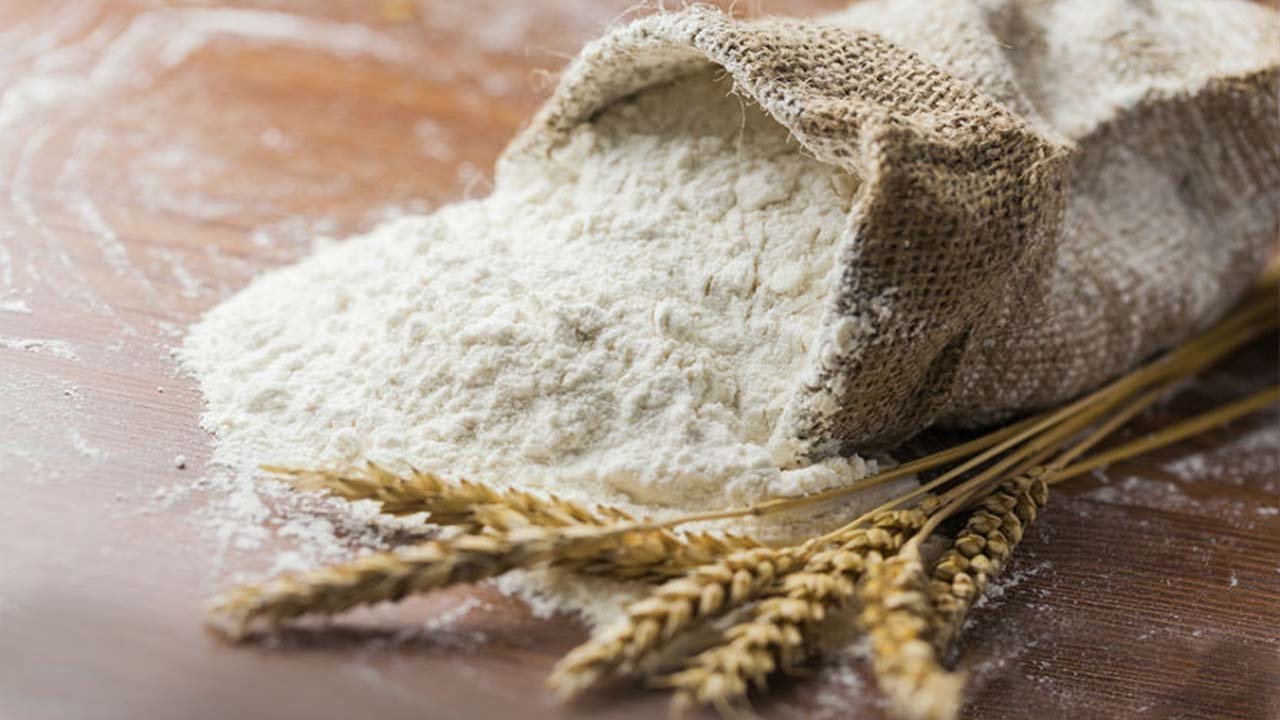
    Officials responsible for this matter have informed the media that the government has set the price of wheat at Rs3,900 per maund, with the distribution of wheat from the government quota to flour mills commencing on October 15th.  

    Within the framework of the government quota, wheat will be made available to 1,000 operational flour mills at a rate of Rs4,450 per maund.  

    In the wake of the issuance of government wheat quotas, a 20-kilogramme bag of flour will be retailed at Rs2,600, while in the open market, the same 20-kilogramme bag of flour is currently selling for Rs2,750.  

    These officials have also disclosed that the Punjab Food Department currently maintains a wheat stockpile of over 40 lakh tonnes.  

    Read more: IMF urges Pakistan to increase taxation on the rich and ‘protect the poor’ 

    In June, the Punjab Food Department had temporarily halted the allocation of wheat quotas to flour mills, opting instead to conduct wheat auctions in accordance with the regulations set forth by the Public Procurement Regulatory Authority (PPRA).  

    As reported by ARY News, the Punjab Food Secretary mentioned that mill owners are eligible to participate in these auctions.  

    Furthermore, the provincial government is contemplating the provision of direct subsidies on flour, with these measures aimed at curbing any irregularities associated with the allocation of wheat quotas. 

  • Fungus found: UAE bans fresh meat imports from Pakistan

    Fungus found: UAE bans fresh meat imports from Pakistan

    The United Arab Emirates (UAE) has imposed a ban on the importation of fresh meat from Pakistan.

    This decision stems from the discovery of fungal contamination in frozen meat shipments from Pakistan via the sea route.

    As reported by ARY News, the presence of fungus on meat imported by a Karachi-based company prompted the UAE to enact this ban, which will be in effect until October 10.

    It’s worth noting that Pakistan typically exports fresh meat valued at $12 million monthly to the UAE through maritime channels.

    Pakistan primarily directs a significant portion of its meat exports towards the United Arab Emirates, Saudi Arabia, and Bahrain.

  • Growing Saudi-India partnership: MBS and Modi discuss expanding trade goals

    Growing Saudi-India partnership: MBS and Modi discuss expanding trade goals

    Indian Prime Minister Narendra Modi and Saudi Crown Prince Mohammed bin Salman held discussions on trade ties in New Delhi after the G20 Summit. The leaders met at the Hyderabad House, New Delhi, for the Saudi-Indian Strategic Partnership Council meeting. During the talks, they covered various areas of cooperation and regional and international topics of mutual interest.

    Modi expressed satisfaction with the discussions, highlighting synergy with Saudi Arabia. He emphasized the potential for collaboration in grid connectivity, renewable energy, food security, semiconductors, and supply chains.

    The meeting involved senior officials from Saudi Arabia, including Minister of Energy Prince Abdulaziz bin Salman, Foreign Minister Prince Faisal bin Farhan, and Minister of Investment Khalid al-Falih. Falih mentioned the possibility of establishing an office for Saudi Arabia’s sovereign wealth fund, the Public Investment Fund, in India’s tax-neutral financial services center, Gujarat International Finance Tec-City.

    Furthermore, the Saudi Export-Import Bank (Saudi EXIM) and the India Export-Import Bank (India EXIM) signed an agreement to boost exports and mutual market presence.

    This gathering followed the announcement of a multinational rail and ports deal involving India, Saudi Arabia, the United States, the European Union, the United Arab Emirates (UAE), and other global leaders. The deal aims to connect the Middle East and South Asia through the India-Middle East-Europe Economic Corridor, enhancing connectivity and reducing shipping costs.

    US President Joe Biden viewed this agreement as a significant step and a counter to China’s Belt and Road Initiative.

  • Pakistan to import 100,000 tonnes of sugar from Brazil due to high prices, shortage

    Pakistan to import 100,000 tonnes of sugar from Brazil due to high prices, shortage

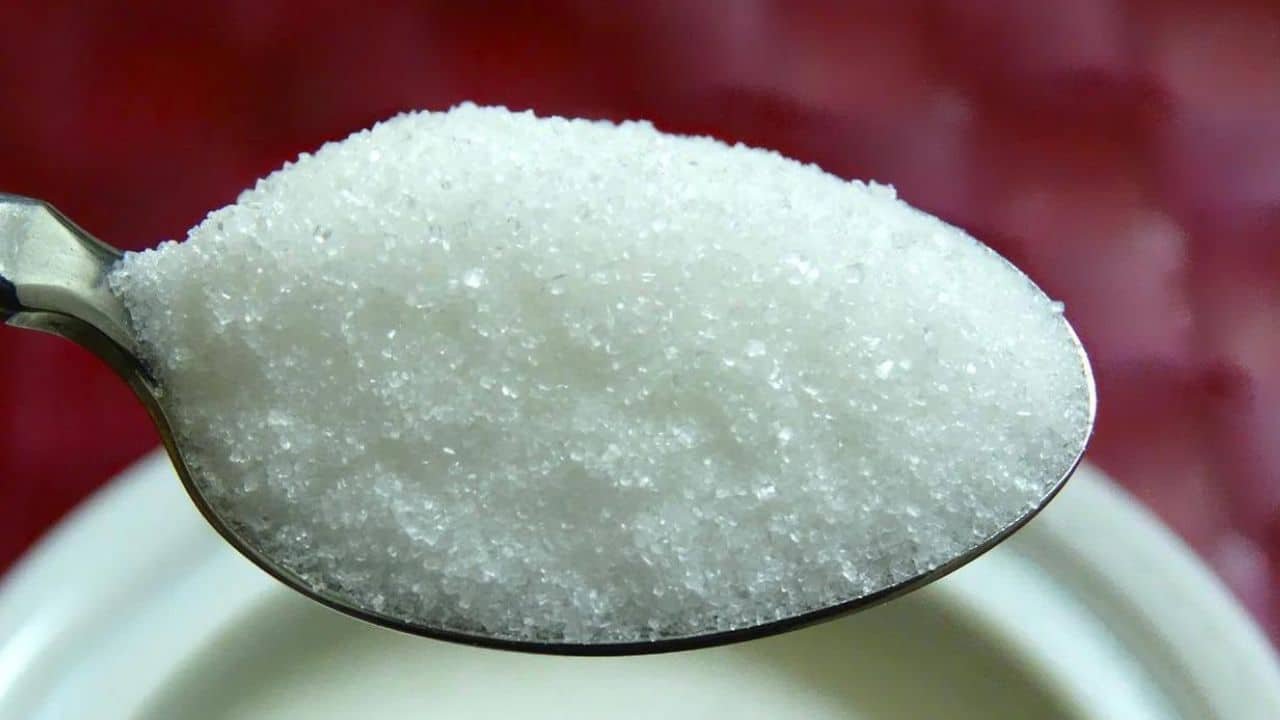
    With the price of sugar skyrocketing in the market, aided by the exploitative practices of the sugar mill cartel, and the commodity facing scarcity, a decision has been reached to import 100,000 metric tonnes of sugar from Brazil.

    The Trading Corporation of Pakistan has formally communicated its intention to procure sugar from the South American nation. This comes as a reversal of trends, considering that sugar had been exported back in June; however, preparations are now underway for its import in September.

    Nevertheless, there are concerns that the price of sugar might surge further in the market following its import. It is anticipated that sugar could reach a staggering Rs200 per kilogramme.

    Insider sources have disclosed that the country is grappling with a significant shortage of sugar after its previous export. In November 2022, sugar was priced at Rs91, but following its export, the price catapulted to Rs180. The impending import of 100,000 metric tonnes is feared to exacerbate the price increase.

    Speaking on the issue, Food Secretary Zaman Wattoo revealed that the recent surge in sugar prices has collectively burdened the masses with an additional cost of Rs47 billion.

    Meanwhile, the price of sugar persistently climbs, now touching the Rs170 per kilogramme mark in the retail sector. Over a span of just four days, the price has gradually escalated by Rs10 per kilogramme.

    At the wholesale level, sugar is valued at Rs16,400 per 100 kilogrammes. Different sugar mills are offering rates ranging from Rs15,800 to Rs16,600 per 100 kilogrammes.

    According to Samaa, despite the ongoing dynamics, there is still no officially defined market rate for sugar, leaving room for potential further spikes in pricing. Furthermore, considering the current market conditions, the export of sugar has been placed under a temporary prohibition.

  • Russian market reopens for Pakistani rice: 15 mills get export approval

    Russian market reopens for Pakistani rice: 15 mills get export approval

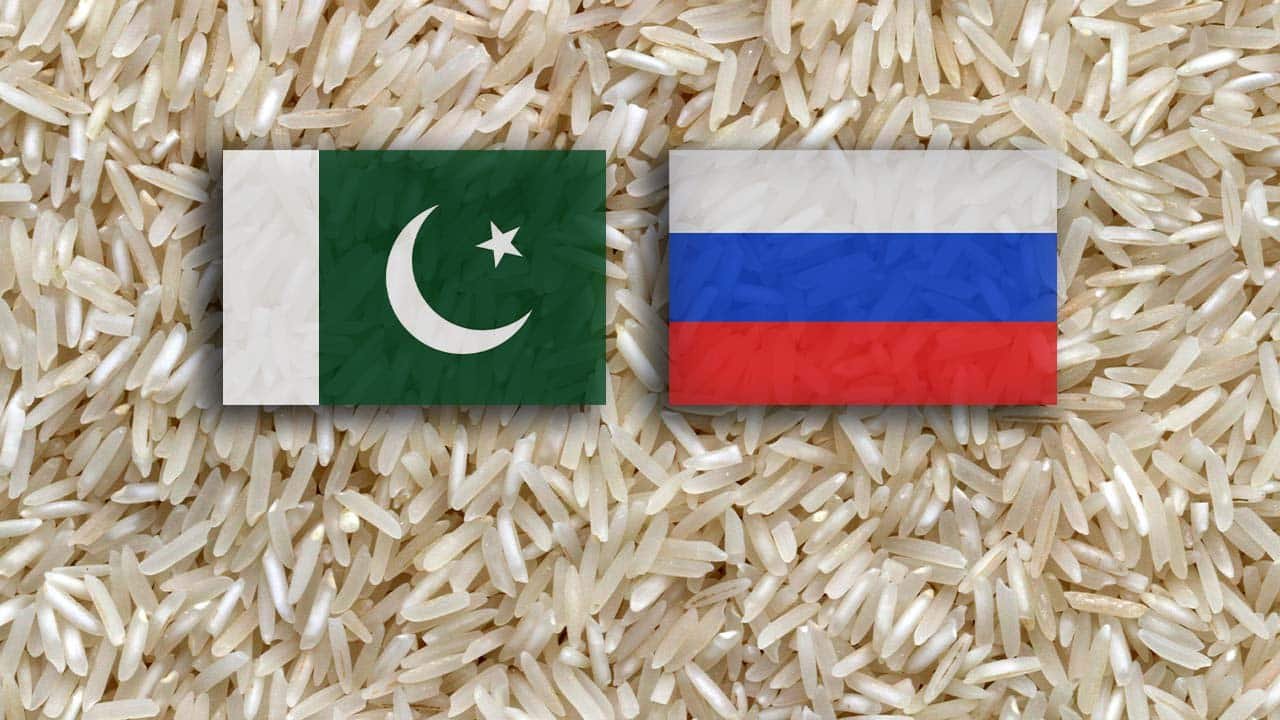
    In a significant development for Pakistan’s rice industry, the Department of Plant Protection (DPP) of the Ministry of National Food Security and Research has registered 15 rice establishments for exports to the Russian Federation. This announcement comes as a ray of hope amid a declining trend in rice exports during the outgoing fiscal year.

    The recommendation of these establishments to the Russian Federal Service for Veterinary and Phytosanitary Surveillance (Rosselkhoznadzor) follows a thorough technical audit conducted by the DPP. The successful registration has been hailed as a significant achievement by the food ministry, highlighting its potential to boost exports and contribute to the overall economy of the country.

    In the past, Russia had restricted imports of rice from Pakistan due to concerns over pest interception. However, in 2021, the ban was lifted, allowing only four mills that had met the required quality standards to export rice to Russia.

    Recognising the need to capitalise on this opportunity, the DPP, in collaboration with the Rice Exporters Association of Pakistan (REAP), took proactive measures to upgrade 15 additional mills, ensuring compliance with the sanitary and phytosanitary (SPS) requirements set by Russia for rice exports.

    With the registration of these establishments, the total number of rice companies eligible to export to Russia has now risen to 19. This development is particularly significant for rice farmers, primarily located in Punjab and Sindh, as they heavily rely on these exports as a primary source of income.

    Beyond the immediate benefits to rice farmers, this achievement sets a positive precedent for Pakistan’s agrarian economy, opening doors to enhance exports in other domains by improving quality standards to meet global market demands. The agreement with Russia acts as a gateway for potential rice exports to international markets.

    Building on this success, efforts are underway to bring more rice processing facilities in line with international standards, with the aim of securing a substantial share in high-end export markets across Asia, Europe, the United States, and Australia.

    The recent decline in Pakistan’s basmati rice exports, which contracted to 541,492 tonnes ($588m) in 11MFY23 from 695,564 tonnes ($632m) in the corresponding period of the previous fiscal year, has underscored the importance of revitalising the sector.

    However, foreign sales of other rice varieties have remained strong, totaling $1.4bn with shipments of 2.964 million tonnes in July-May FY23, albeit slightly lower than the $1.6bn (3.816 million tonnes) recorded during the same period last year.

    As Pakistan’s rice industry finds new avenues for growth, there is renewed optimism among farmers, exporters, and policymakers regarding the sector’s potential to contribute significantly to the country’s economic recovery.

    By tapping into international markets, enhancing quality standards, and diversifying export destinations, Pakistan aims to strengthen its position as a leading player in the global rice trade and capitalise on its status as an agrarian economy.
  • Pakistan faces second-highest food price inflation in South Asia: World Bank report

    Pakistan faces second-highest food price inflation in South Asia: World Bank report

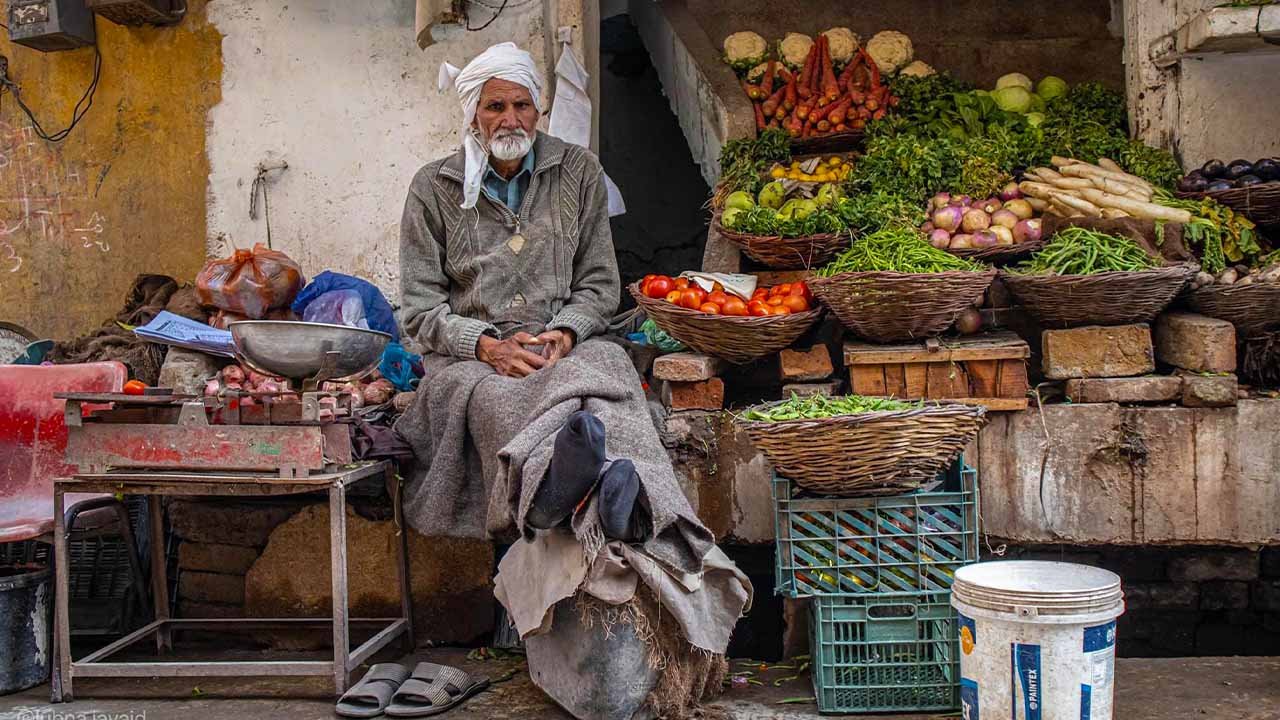
    According to the World Bank’s “Food Security Update,” the consumer price inflation for food items in Pakistan in February 2023 on a year-on-year basis was 45.1 per cent, which is the highest in South Asia after Sri Lanka, which experienced 54.4 per cent inflation.

    The report further states that domestic grain and wheat flour prices remained volatile across South Asia at the beginning of 2023, and were well above their year-earlier levels. Specifically, in Pakistan, wheat flour prices in January 2023 reached record highs and were 20 to 140 per cent higher year on year.

    The high prices of food items have been attributed to several factors, including generally stagnant production since 2018, stock losses and disrupted trade flows due to the 2022 floods, high agricultural input and transportation costs, and high headline inflation, according to the Food and Agriculture Organization of the United Nations (FAO).

    The report noted that India, Bangladesh, and Nepal experienced year-on-year consumer price inflation for food prices of 6.2 per cent, 7.8 per cent, and 5.6 per cent, respectively, in January 2023. Rice production increased in 2022 in several countries, including India, despite reductions in Pakistan and Tanzania, according to the report.

    The US Department of Agriculture predicts a 4.5 per cent contraction in rice shipments due to a decrease in exports from Pakistan, Thailand, the United States, and Vietnam, which will more than offset an increase from India. Moreover, domestic food price inflation remains high around the world.

    According to Brecorder, the latest month between October 2022 and February 2023, for which food price inflation data are available, shows high inflation in almost all low- and middle-income countries, with inflation levels above 5 per cent in 94.1 per cent of low-income countries, 86 per cent of lower-middle-income countries, and 87 per cent of upper-middle-income countries, with many experiencing double-digit inflation.

    Furthermore, about 87.3 per cent of high-income countries are experiencing high food price inflation, and the countries affected most are in Africa, North America, Latin America, South Asia, Europe, and Central Asia, according to the report.

  • Inflation hike up to 11.5pc, highest in 20 months

    An increase in consumer prices continued as inflation rises up to 11.5 per cent from 9.2 per cent in November, the highest increase in the past 20 months due to a record hike in fuel prices last month, reports Dawn. This has been revealed by Pakistan Bureau of Statistics (PBS) data.

    Inflation measured by the Consumer Price Index (CPI) increased to its highest level in 20 months.

    Prices of fresh vegetables, fruits, and meat have also shown a significant increase in major urban and rural centres.

    The average inflation during the July-November period rose to 9.32 per cent on a yearly basis.

    Currently, the government aims to increase agriculture productivity for food security and self-sufficiency to counter food inflation by offering Agri-loans.

    The finance division in its recent report claimed that taking into account new price impulses in November and the low base effect, inflation would remain between 8.5 and 9.5 per cent, but the November inflation has already surpassed the projected figure.