Tag: foreign currency

  • Karachi currency mafia suspected of hiding over $50 million in homes

    Karachi currency mafia suspected of hiding over $50 million in homes

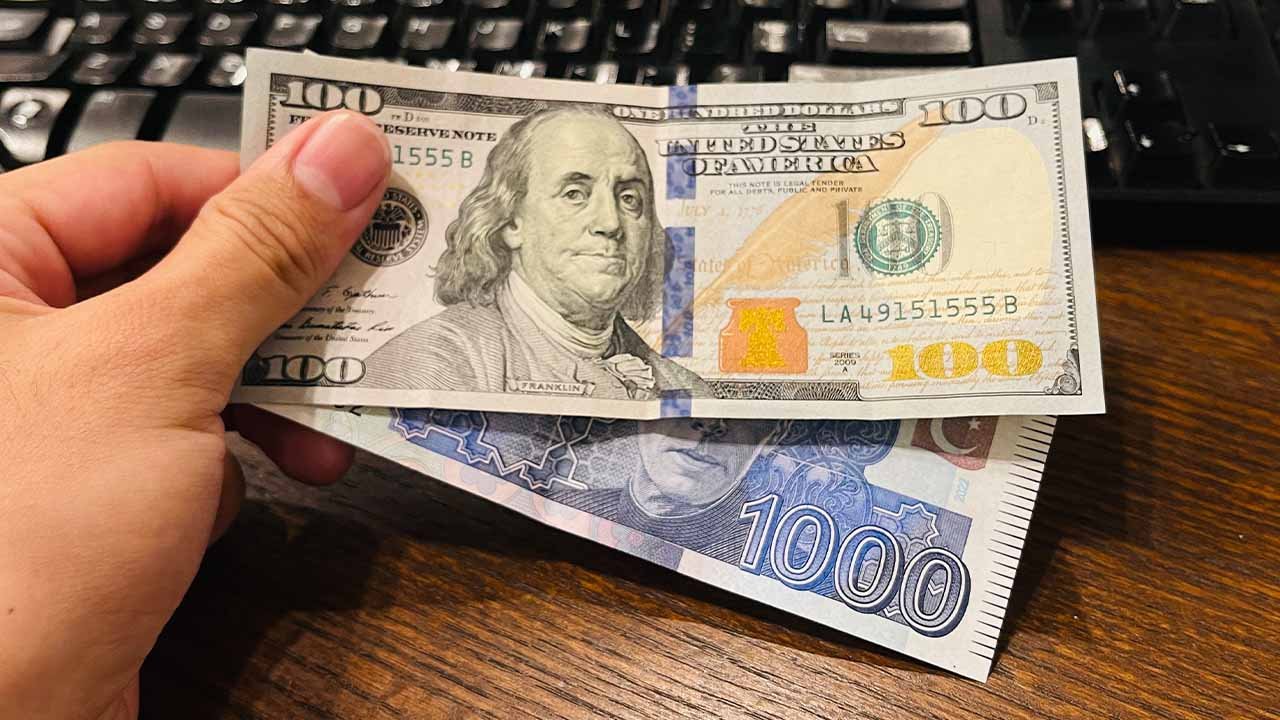
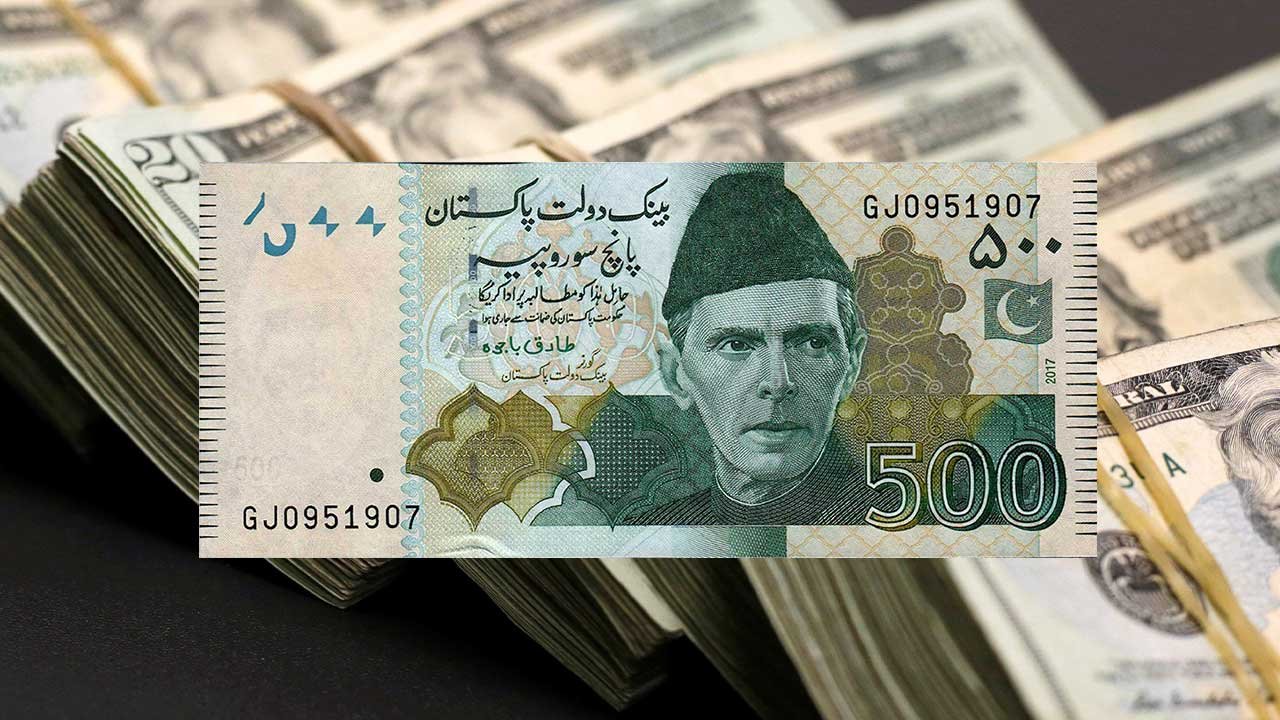
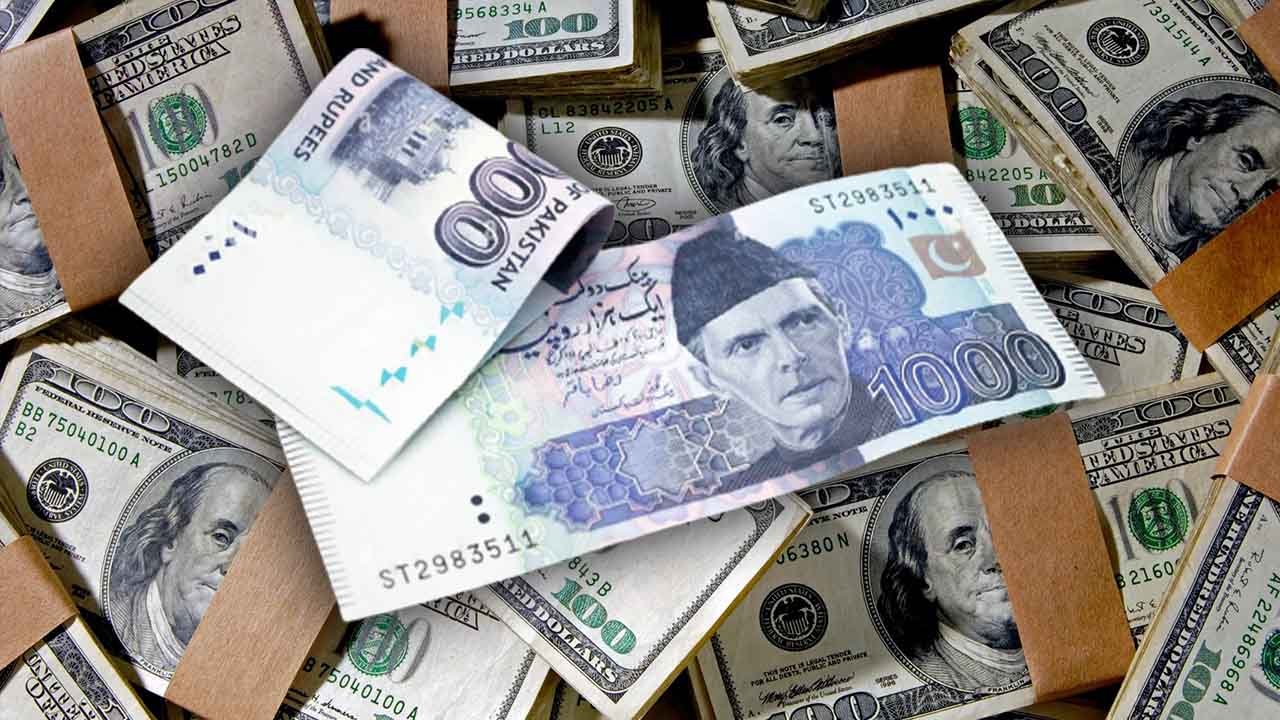
    Amidst the ongoing nationwide efforts to combat currency smuggling, primarily involving US dollars, reliable sources have disclosed that over $50 million has been discreetly stored away by a network associated with illicit currency dealings in homes scattered across Karachi.

    These credible sources indicate that security agencies have meticulously compiled records from various banks and currency exchange establishments. They have meticulously assembled a comprehensive inventory of individuals engaged in the buying and selling of US dollars and other foreign currencies.

    It has come to light that individuals of considerable influence who acquired US dollars as a form of “investment” have yet to settle debts totaling more than $50 million.

    The individuals affiliated with this illicit currency network are predominantly situated in Karachi’s older districts, including Lyari, Kharadar, Mithadar, Clifton, Saddar, Bath Island, and DHA neighbourhoods.

    The authorities have already initiated targeted operations to search the residences of those involved in amassing substantial amounts of money, according to these sources.

    According to Geo News, these revelations follow a statement earlier in the day by Caretaker Interior Minister Sarfraz Bugti, who reiterated the government’s unwavering commitment to combating dollar and currency smuggling. He noted that 168 first-information reports (FIRs) had been filed against individuals involved in the unlawful trade of dollars.

    Addressing a press conference in Islamabad, Bugti asserted that the state will take firm action against hawala, hundi, and other illicit activities.

    It is important to note that the caretaker government granted authority to the Federal Investigation Agency (FIA) last month to combat the smuggling of sugar and US dollars within the country.

    Subsequent to this government approval, the agency has been empowered to take necessary actions at all entry and exit points related to foreign currencies.

    As a result of the ongoing nationwide crackdown against hoarding and smuggling of foreign currencies, the value of the US dollar has depreciated by more than Rs18.

  • FIA cracks down on luxury car showrooms in Karachi over money laundering suspicions

    FIA cracks down on luxury car showrooms in Karachi over money laundering suspicions

    On Thursday, the Commercial Banking Circle team of the Federal Investigation Agency (FIA) executed a seizure of four high-end vehicles at a Karachi-based car showroom.

    The owner of the establishment was unable to furnish credible documentation regarding the vehicles’ importation, raising suspicions of their involvement in a trade-based money laundering operation.

    The FIA has embarked on a comprehensive inquiry into the proprietors of car showrooms in Karachi, honing in on trade-based money laundering—an illicit stratagem that exploits international trade transactions as a conduit for unlawful financial transfers.

    In a recent enforcement operation, the FIA confiscated a quartet of opulent automobiles, including a Land Cruiser and an Audi, from a showroom situated on Khalid bin Waleed Road. Despite repeated requests, the showroom owner failed to comply with the FIA’s summons.

    The agency has further dispatched notifications to the proprietors of thirteen other car showrooms in Karachi, intensifying its scrutiny of this matter.

    Earlier in the week, the FIA conducted a search at the residence of a businessman by the name of Aziz Seekha in Karachi. This operation yielded a substantial haul of both foreign and Pakistani currency, alongside prize bonds, underscoring the agency’s ongoing efforts to combat financial irregularities.

  • Commercial importers forced to suspend food and drink imports due to dollar shortage

    Commercial importers forced to suspend food and drink imports due to dollar shortage

    In a significant development impacting the country’s economy, commercial importers in Pakistan have announced their decision to suspend the import of all eatables and beverages starting from June 25. The move comes as a result of the unavailability of dollars, with banks refusing to provide the necessary foreign currency to importers.

    The decision was taken following a comprehensive discussion among members of the Karachi Wholesale Grocers Association, represented by Secretary Farhat Siddique. In a statement issued by the association, it was revealed that all importers have been instructed to inform their indenters not to dispatch any shipments after June 25. Importers will only be responsible for the clearance of goods that have either arrived at the port or are en route. No shipments dispatched after June 25 will be cleared for entry.

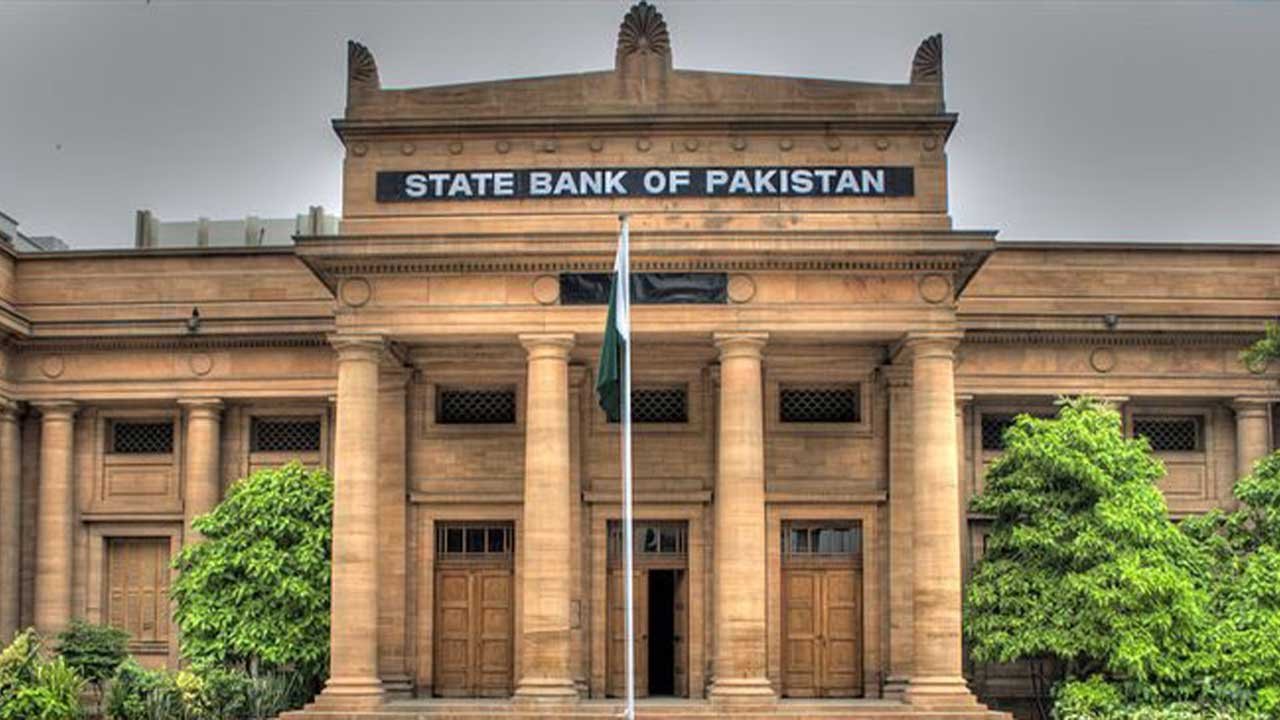
    According to Geo, one of the major concerns highlighted by the association is the mounting number of containers stranded at the port due to the lack of foreign currency. Importers are currently facing fines and other charges as a result. The statement further criticised the State Bank of Pakistan (SBP) for its failure to provide the much-needed foreign exchange, citing its policies as detrimental to the country’s economy.

    This recent development comes at a time when the coalition government is grappling with a balance of payments crisis and striving to combat soaring inflation, which reached a record high of nearly 38 per cent last month. With foreign exchange reserves barely enough to cover a month’s worth of imports, the situation has prompted restrictions on imports and delays in opening letters of credit, severely impacting various sectors across the country. As a result, none of these sectors have been able to meet the growth targets set for the fiscal year 2022-23.

    The implications of the shortage of dollars and the subsequent halt in food and beverage imports are far-reaching, potentially affecting the availability and affordability of essential commodities for consumers. The government and relevant authorities will need to address the foreign currency shortage promptly and implement measures to stabilise the economy, restore confidence, and mitigate the impact on businesses and consumers alike.

    As the situation unfolds, stakeholders and policymakers will be closely monitoring the developments and seeking viable solutions to tackle the ongoing challenges faced by the country’s economy.

  • Pakistan rupee recovers by one paisa against US dollar

    Pakistan rupee recovers by one paisa against US dollar

    According to the State Bank of Pakistan (SBP), the Pakistani rupee (PKR) strengthened by Rs0.01 against the US dollar in the interbank market on Tuesday.

    The local currency managed to recover and closed at Rs284.96.

    In contrast, the dollar is being traded at Rs290 in the open market.

    It’s worth noting that the rupee had reached a record low of Rs298.93 against the US dollar last week.

    Market speculation suggests that the rupee’s gains were further supported by reduced demand for foreign currency, resulting from a significant import payment between May 9 and 11, coinciding with the period of heightened political drama in the country.

    Reports indicate that the substantial dollar payment for imports had been arranged by the oil refineries. Oil imports constitute approximately one-fourth of the total import bill for a month.

    Earlier, the rupee experienced a sharp decline of 4.71 per cent or Rs14.09 in just two days (May 10-11), hitting a record low of Rs298.93/$ due to worsening political turmoil and deteriorating law and order following the arrest of former Prime Minister Imran Khan. However, the rupee managed to recover some of its losses after Khan’s release on May 12, as ordered by the court.

  • Pakistan fails to meet Hajj quota due to rising inflation and dollar shortage

    Pakistan fails to meet Hajj quota due to rising inflation and dollar shortage

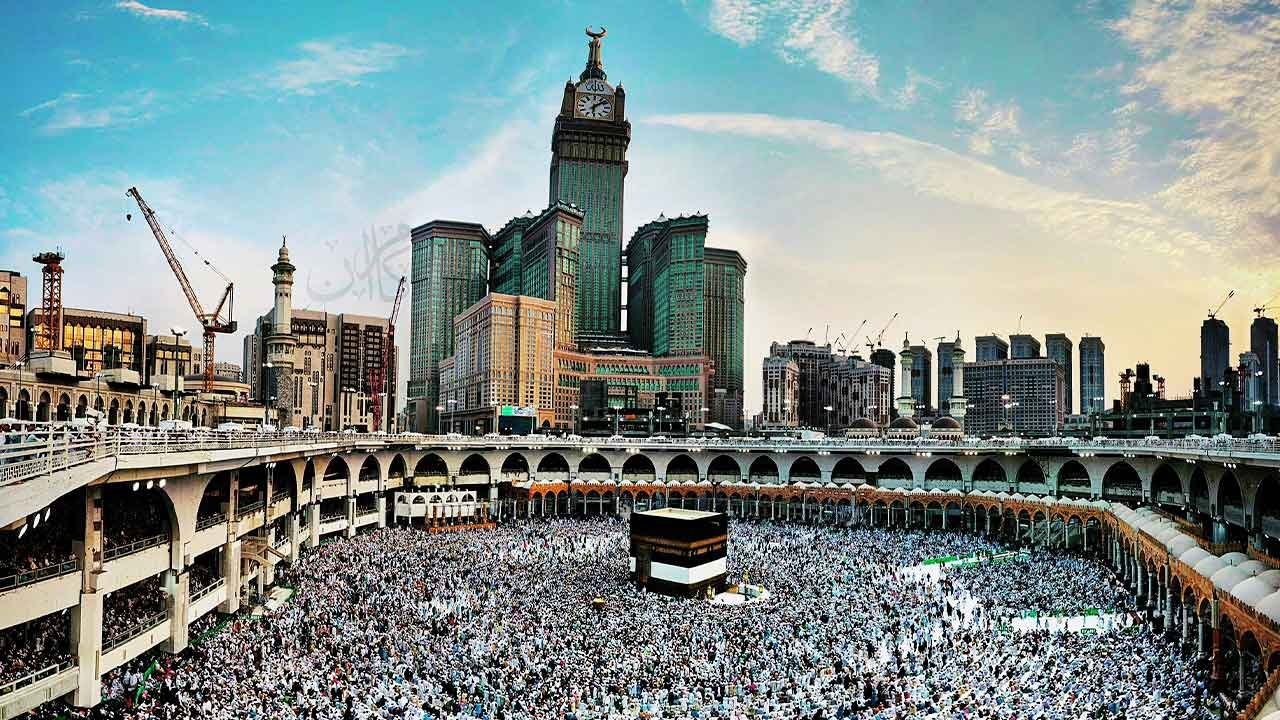
    On Wednesday, sources within the Ministry of Religious Affairs reported that the government has decided to return Pakistan’s quota of Hajj pilgrimage to Saudi Arabia due to a shortfall of applications caused by rising inflation.

    This year marked the first time a quota for Hajj pilgrimage was available in the country, but the shortage of dollars and rising inflation prevented Pakistanis from applying for Hajj.

    The final decision to return the Hajj quota will be made by the federal cabinet. The authorities considered giving the official Hajj quota to private operators after a few applications turned out for the government scheme. However, this option would lead to private operators collecting dollars from the open market, causing unnecessary demand for foreign currency.

    Pakistan had been demanding an increase in the Hajj quota, allowing 179,210 pilgrims to 202,000 or 201,000 pilgrims. This year, the country received its complete quota of 179,000 pilgrims after many years but couldn’t utilize it entirely. It’s worth noting that the cost of government-sponsored Hajj is around Rs1.2 million.

    Due to an acute shortage of the greenback amid the collapsing economy, the Ministry of Religious Affairs and Interfaith Harmony decided to allocate a 50% special quota in the Government Hajj Scheme-2023 for pilgrims who will pay in US dollars. However, a quota of 89,605 Hajj pilgrims was set under the government scheme, falling short of 9,000 applicants.

    The government received 72,869 applicants under the regular scheme and only 8,000 under the sponsorship scheme. Moreover, 28,679 additional applications were received under the official regular scheme against the quota of 44,190. Additional applicants are being sent for Hajj pilgrimage without a lucky draw.

    The sources indicated that a total of $235 million is required for the government scheme, some of which will be provided by the sponsorship scheme and the rest by the government.

  • Mohammad Hafeez’s DHA Lahore residence robbed of foreign currency

    Mohammad Hafeez’s DHA Lahore residence robbed of foreign currency

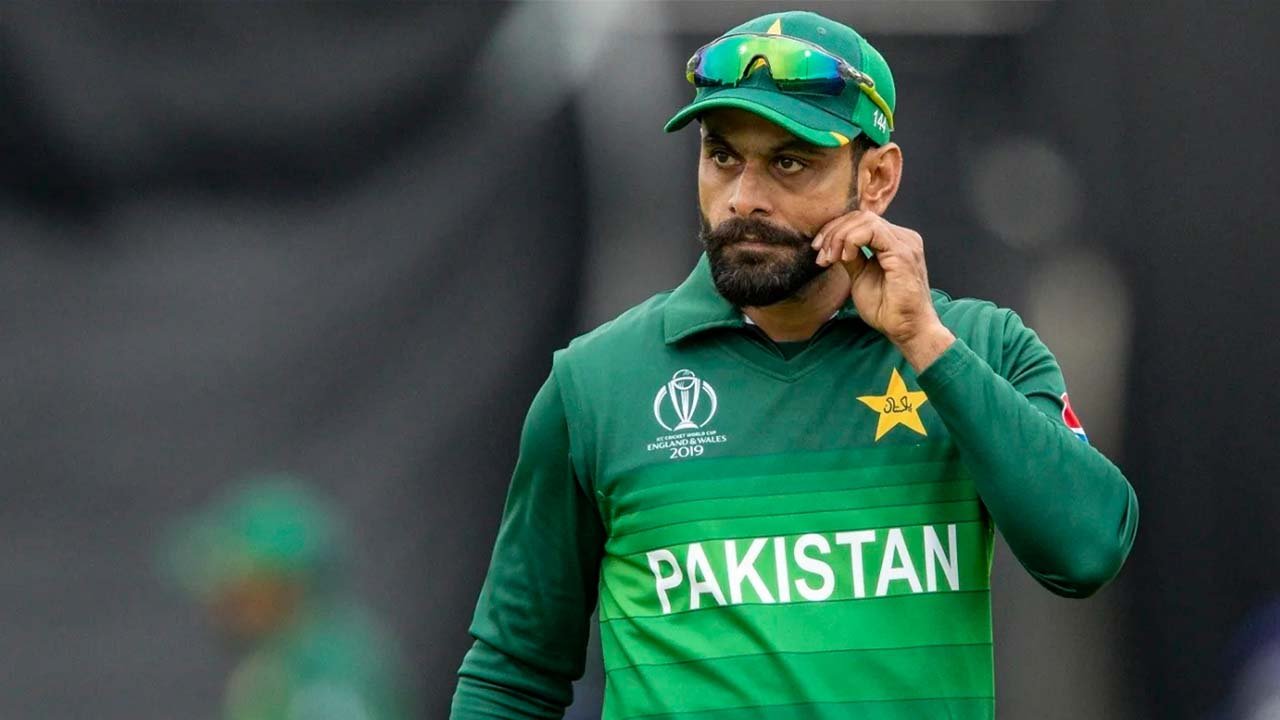
    Cricketer Mohammad Hafeez’s residence in the Defence Housing Authority (DHA) Lahore was burglarised by robbers on Tuesday. The cricketer and his family were not present at the time of the incident as they were in Islamabad for the Pakistan Super League (PSL) matches.

    As per reports, the robbers broke into the house by cutting the grill and tampered with the security cameras to avoid being identified. They reportedly stole foreign currency including $20,000, 4,000 pounds, 3,000 euros, and 5,000 dirhams.

    A First Information Report (FIR) has been lodged against the unidentified robbers, and an investigation is currently underway to identify and apprehend the culprits.

  • SBP reduces cash-carrying limits by 50% for international travel

    SBP reduces cash-carrying limits by 50% for international travel

    The State Bank of Pakistan (SBP) said in a statement that the cash-carrying limitations on foreign currency for international travel have been cut in half to $5,000 (or equivalent in other foreign currencies) each visit and $30,000 per year for individuals aged 18 and over.

    Under-18s (minors) will be subject to a 50 per cent reduction in both ceilings, or $2,500 per visit and $15,000 per year.

    The cap on withdrawing foreign currency in cash, however, will continue to be $1,000 per visit and $6,000 per year for visitors to Afghanistan.

    Now, overseas debit and credit card transactions are also subject to the same annual cap ($30,000).

    To curb speculation and the grey market, the SBP and the Federal Investigation Agency (FIA) have independently decided to work together against illegal foreign exchange businesses.

    The yearly trip cash limits, according to the central bank, won’t take effect until January 1, 2023, but the per-visit limits will be effective right away.

    A $30,000 yearly restriction on overseas transactions was also imposed by the SBP after it discovered that debit and credit cards were being used for transactions that “are not linked with the profile of the individual or are meant for commercial purpose.”

    SBP advised banks to “ensure that the use of debit and credit cards for international transactions was aligned with the profile of cardholders and for their personal needs only”.

    “It is emphasised that the purpose of debit/credit cards is to facilitate individuals in making payments for transactions that are of personal nature. The limits on these cards as well as payments through them, both domestic and international, should therefore be aligned with the profile of the cardholder,” it said.

    It continued by stating that it was the customer’s duty to make sure that their annual quota was never exceeded. However, banks are required to track these caps for every person on a combined basis.

  • Hyundai-Nishat announces a hefty price hike following KIA

    Hyundai-Nishat announces a hefty price hike following KIA

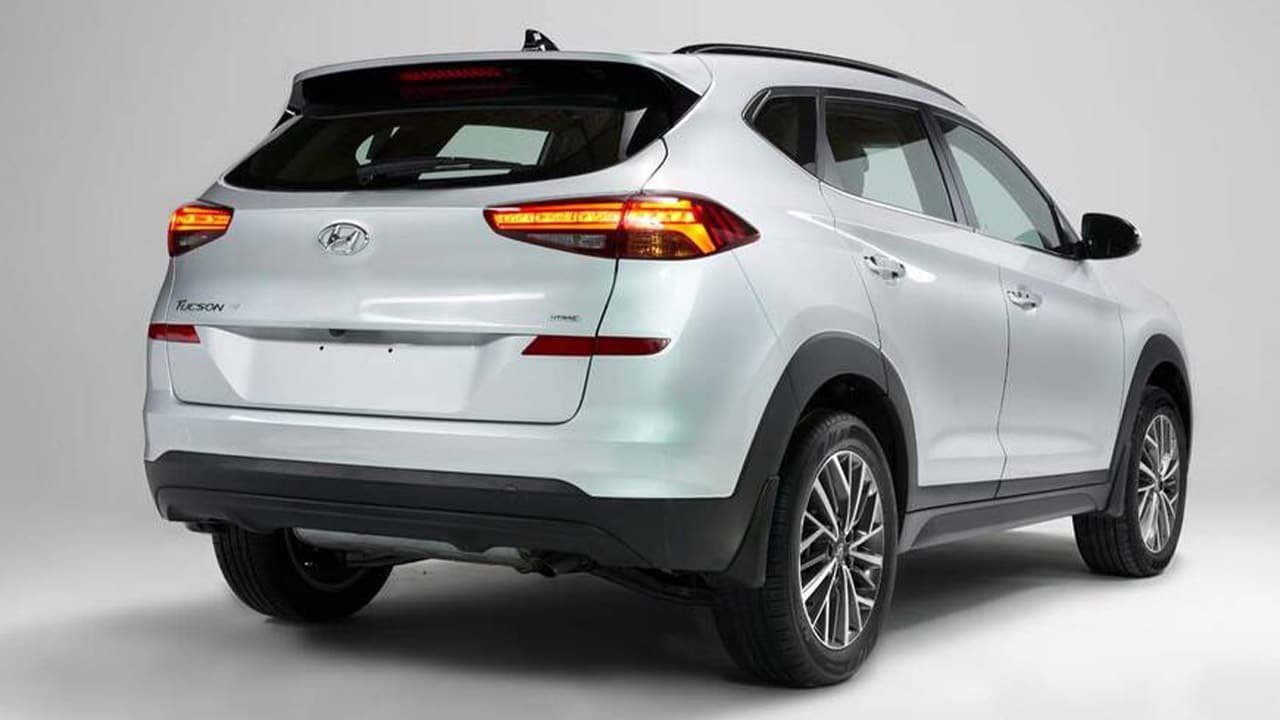
    Hyundai-Nishat Motors raised the pricing of its Tucson variants by Rs1.1 million, citing the decline in the currency as the primary cause, following Lucky Motor Corporation’s price increases for its KIA-brand vehicles.

    After an increase of Rs1.1 million price increase for the c, the Hyundai Tucson FWD model is now offered for Rs6.89 million. The price of the AWD version has increased by Rs1.1 million to Rs7.39 million.

    According to a sales representative, the company would accept reservations upon full payment, and delivery is anticipated to occur in August and not take longer than 60 days.

    Prior to that, Lucky Motor announced an increase in the prices of its KIA-brand vehicles starting on July 19, with the rise reaching as high as Rs1.1 million.

    The corporation said that the ongoing depreciation of the rupee versus the dollar was to blame for their need to raise pricing.

    “Kia and Hyundai have taken the initiative to increase car prices but the rest of the automakers will follow too,” said Sunny Kumar, Research Analyst at Topline Securities.

    “The last pricing most of the carmakers did was when the dollar stood at Rs185. It has now crossed Rs225. The price hike was imminent and announcements from other automakers could be expected anytime now.”

    According to Brecorder, the CEO of Lucky Motor Corp, Asif Rizvi, acknowledged that the auto sector primarily employs imported materials and that localised parts also contain a large percentage of foreign components while speaking on the sidelines of the Peugeot 2008 launch in March.

  • Pakistani rupee plunges to Rs227 against US dollar at midday trading

    Pakistani rupee plunges to Rs227 against US dollar at midday trading

    On Thursday, the rupee’s decline against the US dollar reached an all-time low of Rs227 in the interbank market.

    Experts blame the losses on political unrest and the fact that the dollar is bolstering against other currencies as well, according to DAWN. On Wednesday, the rupee had a closing value of Rs224.92.

    According to the Foreign Exchange Association of Pakistan (FAP), the local currency fell by Rs2.08 to Rs227 versus the US dollar when the session started today at 10:57 AM.

    According to experts, the country’s political unrest had reduced investor confidence, which had caused importers to worry and “unnecessarily” buy dollars from the market. He claimed that as a result, there was an increase in the interbank market’s demand for dollars.

    Furthermore, over the past week, the dollar’s value had increased against over 40 currencies, including the British pound and the Japanese yen, which had an impact on the local market’s use of the rupee, according to Bostan.

    After reaching Rs211.93 on June 22, the local currency climbed to Rs204.56 in the first week of July. When the country’s staff-level agreement with the international lender was reached on July 15, it briefly appreciated but again continued to depreciate against the US dollar.

  • Interbank trade: Pakistani rupee falls to all-time low of Rs214.74 against US dollar

    Interbank trade: Pakistani rupee falls to all-time low of Rs214.74 against US dollar

    As a result of the ruling PML-N’s defeat in the Punjab by-elections, which has caused political turmoil in the nation, the Pakistani rupee (PKR) on Monday fell to an all-time low of Rs214 against the US dollar in interbank trade.

    Today’s intraday trade saw Rs3.79 depreciation of the local currency against the US dollar. It is still unknown where the local currency will end up after the day’s trading.

    The local currency has reached an all-time low because the US dollar was trading for Rs214.74 on the interbank market, according to the Exchange Companies Association of Pakistan (ECAP).

    Pakistani rupee’s record low against the dollar was Rs211.48 on June 21. Since then, the currency has remained erratic.

    The Pakistan Stock Exchange’s (PSX) benchmark KSE-100 index is also down, with the bears controlling trading at the bourse. As of 11:34 am, the index was trading at 41,532.46 points, down nearly 550 points.

    Pressure on import payments and political unpredictability, according to Samiullah Tariq, Head of Research at Pakistan-Kuwait Investment Company, are to blame for the rupee’s decline.

    The results of the by-election on Sunday, according to the analyst, provided clarity, but the market is still waiting for a plan of action.

    PKR is weakening, but Arif Habib Limited analyst Ahsan Mehanti expressed optimism that it would soon rebound because all predictions favour the local currency.

    Mehnti was of the view that Pakistan will benefit greatly from the funds it will receive from the International Monetary Fund (IMF) as a result of the staff-level agreement.