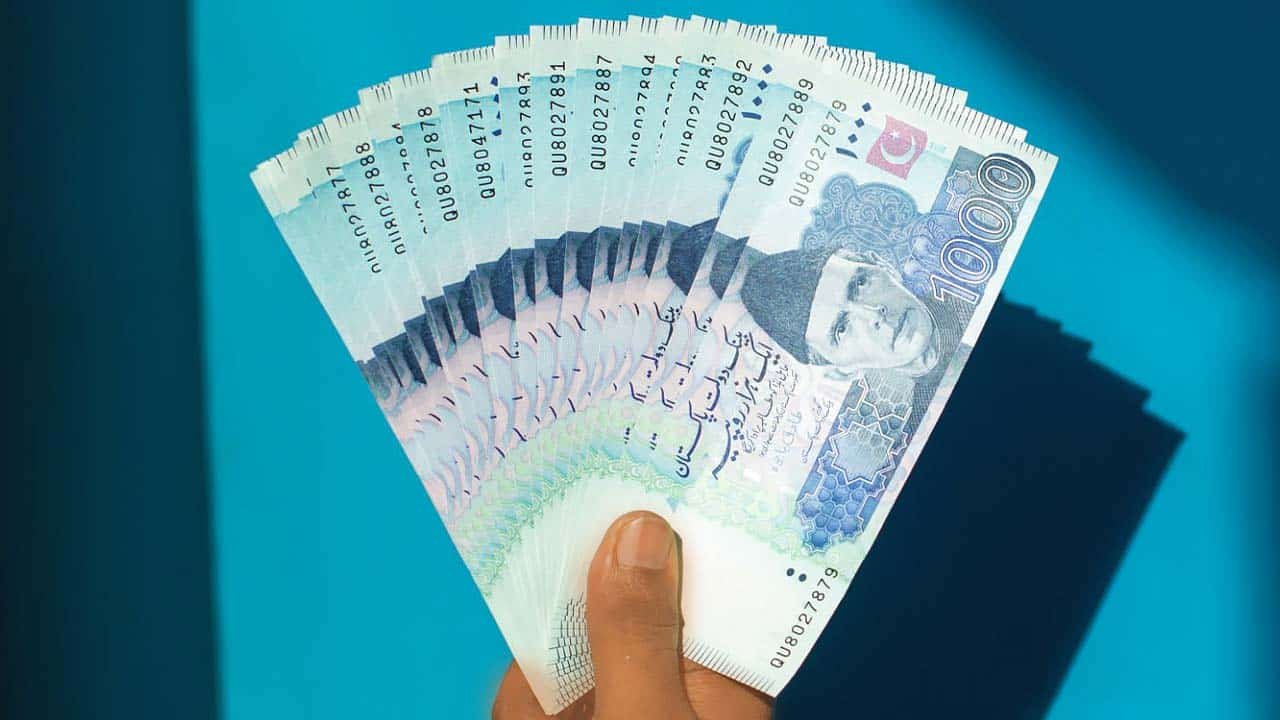
In a recent development, the International Monetary Fund (IMF) has urged Pakistan to address its political disputes in accordance with the constitution. This statement came after Prime Minister Shehbaz Sharif reached out to IMF Managing Director Kristalina Georgieva in a last-ditch effort to revive the derailed $6.5 billion bailout package and avoid default.
Following the conversation between Shehbaz and Georgieva, IMF Mission Chief to Pakistan Nathan Porter made an unusual statement, expanding the IMF’s focus to the political arena.
While the IMF typically refrains from commenting on domestic politics, Porter emphasised the importance of finding a peaceful way forward in line with the constitution and the rule of law. This statement comes in the midst of an ongoing crackdown against PTI workers, abductions of individuals, and other political issues.
Responding to questions from The Express Tribune, Porter outlined the conditions Pakistan must fulfill to reach an agreement with the IMF. These conditions include arranging foreign loans, approving a new budget in line with the IMF framework, and restoring proper functioning to the foreign exchange market.
Prime Minister Shehbaz sees the IMF as the last resort to avoid default and thus decided to intervene. Following the conversation with the IMF chief, he instructed the finance ministry to share details of the next budget with the IMF.
Meanwhile, Finance Minister Ishaq Dar criticised the IMF again, stating that it would be biased and shameful if the 9th review did not take place. However, a top finance ministry official confirmed that the prime minister had contacted the IMF managing director to break the deadlock.
Time is running out for Pakistan, as there is only one month left before the program expires. Pakistani authorities still believe that the IMF can shorten the review completion period by calling a board meeting within two weeks of announcing the staff-level agreement.
Porter emphasised that sustaining strong policies, obtaining sufficient financing from partners, and engaging in ongoing reforms are crucial for Pakistan to maintain macroeconomic stability. He also stressed the importance of strengthening domestic revenue mobilization, eliminating state-owned enterprise losses, reducing inefficiencies, and allowing for increased social and development spending.
While Pakistan claims to have fulfilled all the conditions agreed upon in February, the sources indicate that Pakistan is currently not meeting all three conditions set by the IMF. The value of the rupee in the open market is significantly different from its value in the interbank market, and the new budget is not aligned with the IMF’s requirements.
To bridge the financing gap until June this year, the IMF had asked Pakistan to arrange $6 billion in fresh loans. So far, Pakistan has obtained assurances for $3 billion from Saudi Arabia and the United Arab Emirates. The government is ready to share the details of the budget and the foreign exchange policy with the IMF.
The $6.5 billion bailout package has been derailed since November last year and is set to expire on June 30. Of the total amount, the IMF has not disbursed $2.6 billion, including a $1.2 billion tranche linked to the completion of the 9th review. Pakistan’s foreign exchange reserves stand at $4.1 billion, which is not sufficient to cover the upcoming $25 billion in repayments.
There are still differences of opinion regarding the current account deficit for this fiscal year. The government’s revised estimate of around $4 billion to $4.5 billion has not yet been accepted by the IMF.
Initial reports suggest that the government intends to announce an expansionary budget of around Rs14.6 trillion with a deficit of around 7.4 per cent of the gross domestic product (GDP). However, this budget would need to be adjusted to align with the IMF’s requirements.
The IMF’s Fiscal Monitor report projected a budget deficit as high as 8.3 per cent of the GDP for the next fiscal year, significantly higher than the government’s proposal. The finance ministry had initially proposed an overall budget deficit of around 6.9 per cent of the GDP or Rs7.3 trillion.