Tag: foreign exchange reserves

  • Pakistan’s foreign exchange reserves dip to $3.91 billion amid IMF agreement delay

    Pakistan’s foreign exchange reserves dip to $3.91 billion amid IMF agreement delay

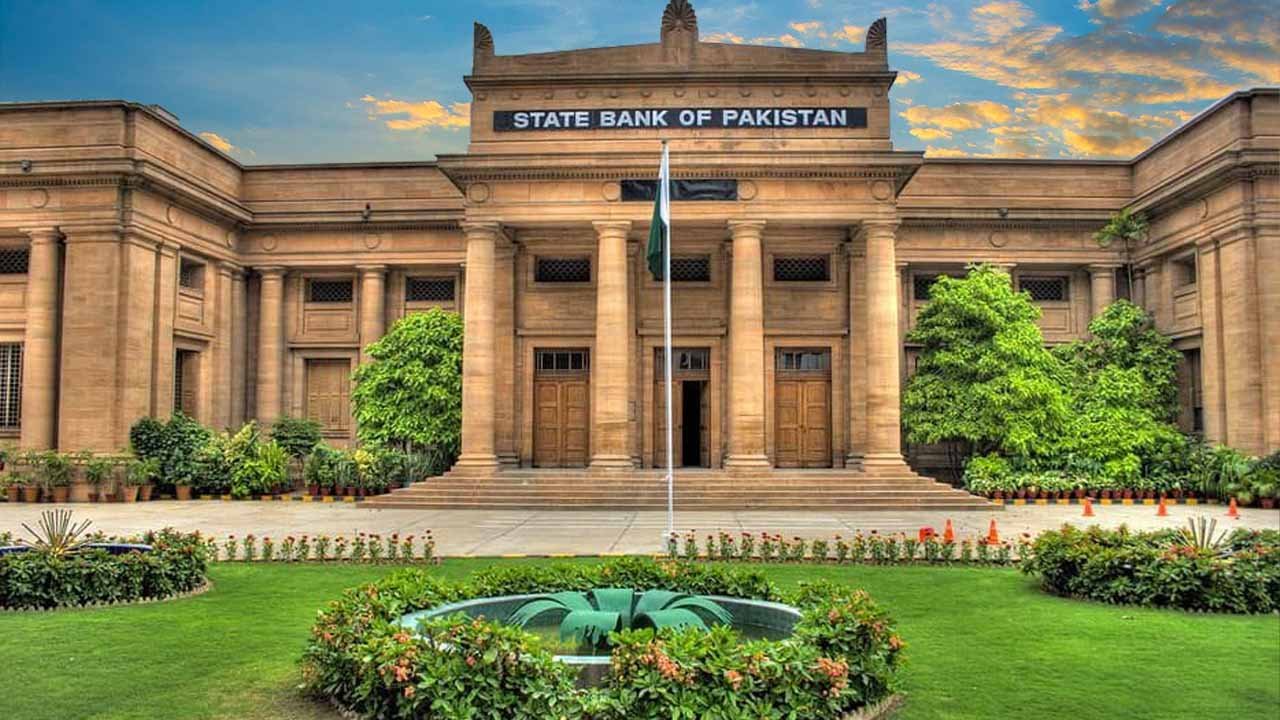
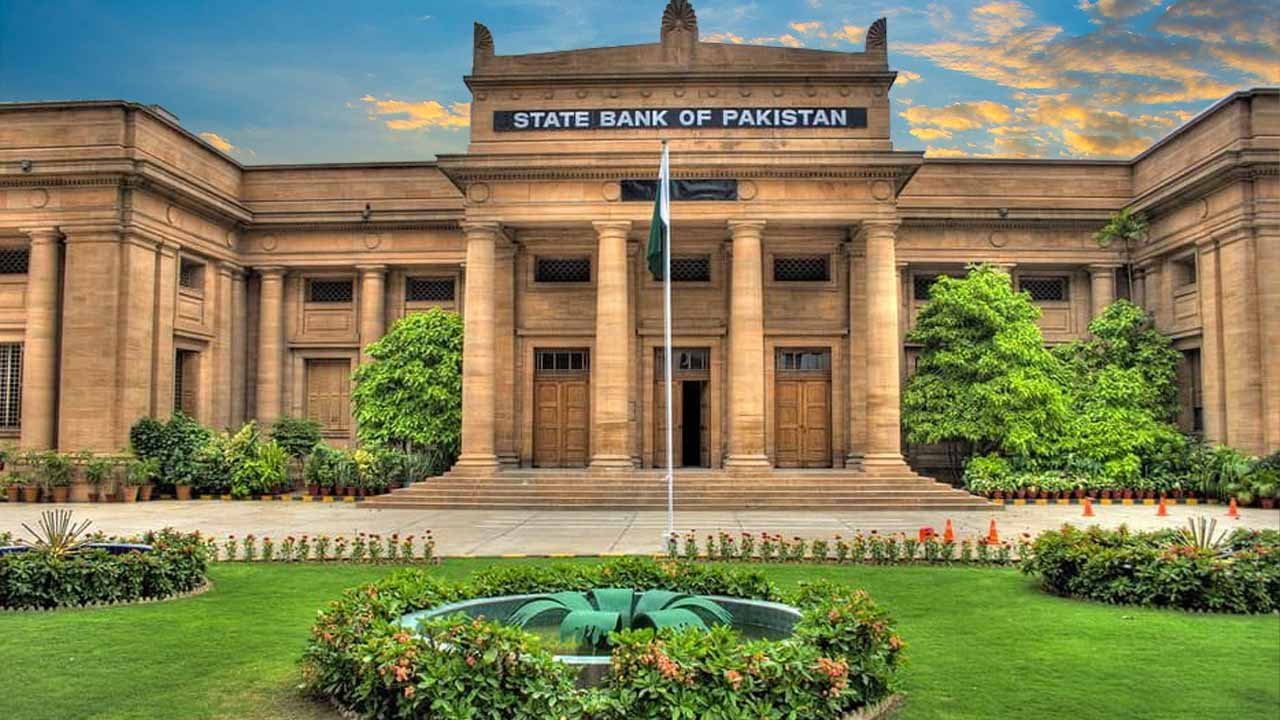
    In a challenging turn of events for Pakistan’s economy, the foreign exchange reserves held by the State Bank of Pakistan (SBP) have plummeted to $3.91 billion.

    The decline in reserves is primarily attributed to external debt payments, coinciding with the expiration of the country’s International Monetary Fund (IMF) program, which has been stalled for several months.

    The SBP announced on Thursday that the reserves decreased by $179 million during the week ending on June 2, leaving the country with barely enough coverage for controlled imports for just one month.

    Commercial banks, on the other hand, are holding net foreign reserves worth $5.42 billion, $1.51 billion more than the central bank. Consequently, Pakistan’s total foreign reserves stand at $9.3 billion as of June 2.

    This marks the sixth consecutive weekly drop in foreign exchange reserves for Pakistan, signaling a lack of progress in securing external financing. Political instability has played a significant role in the deteriorating economy, and the country has yet to secure much-needed funding to avert the risk of default.

    Pakistan’s $350 billion economy is currently in turmoil due to financial woes and the delay in reaching an agreement with the IMF. The pending agreement would release crucial funds that are essential for stabilizing the economy.

    The government has been engaged in discussions with the IMF since the end of January to resume a $1.1 billion loan tranche, which has been on hold since November 2022. This loan is part of a larger $6.5 billion Extended Fund Facility (EFF) agreed upon in 2019.

    Earlier today, Finance Minister Ishaq Dar revealed that the coalition government has shared its budget numbers with the IMF, aiming to unlock the ninth review.

    He expressed confidence that there are “no issues in the numbers.” Pakistan’s government faces significant pressure from the IMF to implement stringent fiscal measures and unlock the final tranche of a vital bailout package.

    To meet the IMF’s requirements, Pakistan must eliminate subsidies in sectors such as energy, allow the rupee to float against the US dollar, increase taxes and duties, and impose import restrictions. These measures are seen as crucial steps toward stabilising the economy and securing external funding.

    The future of Pakistan’s economy hinges on successful negotiations with the IMF and the implementation of effective economic reforms.

    The government must address political instability and work towards regaining the confidence of international lenders to alleviate the financial strains on the country.
  • PM Shehbaz urges Turkish business community to boost investments in Pakistan

    PM Shehbaz urges Turkish business community to boost investments in Pakistan

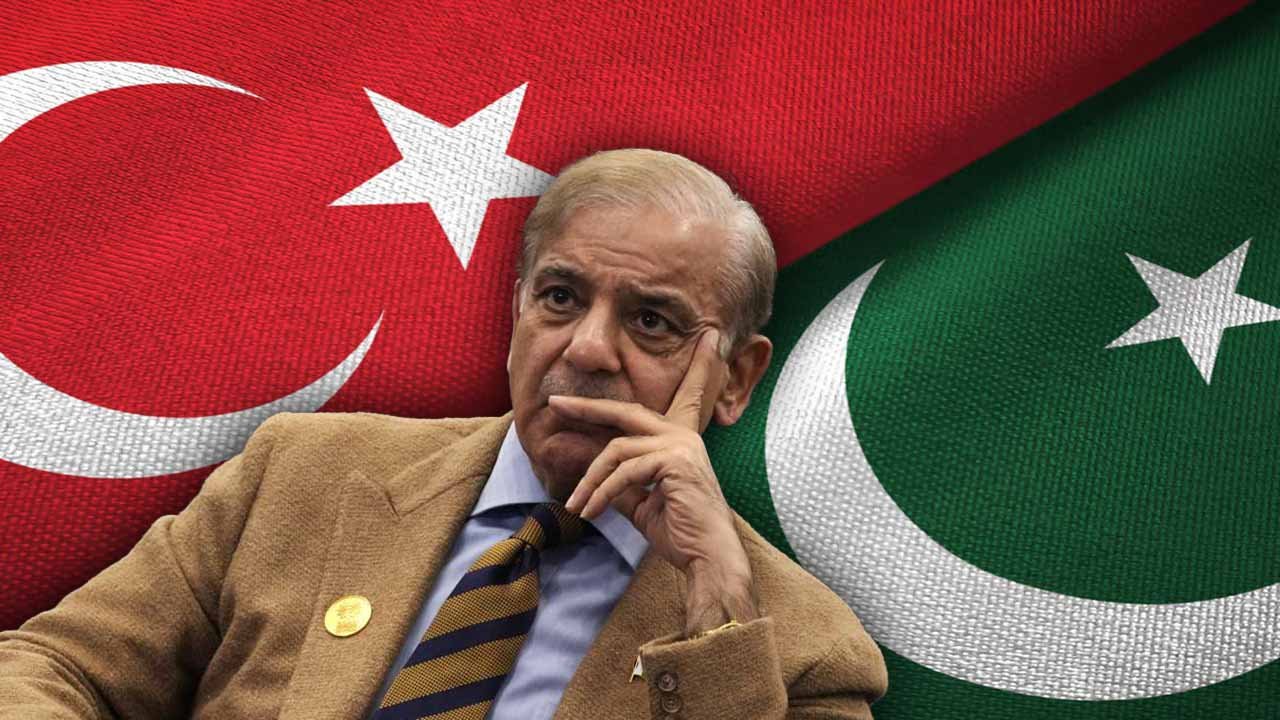
    Prime Minister (PM) Shehbaz Sharif, amid increasing debt burden and declining foreign exchange reserves, has invited Turkish investors and businessmen to expand their investments in different sectors of Pakistan. The premier is currently in Ankara on a two-day official visit to attend the inauguration ceremony of President Recep Tayyip Erdogan.

    During a meeting with a delegation from the Anadolu Group, which included Coca Cola CCI CEO Karim Yahi, Chief Strategy Officer Atilla Yerlikaya, and Head of Public Policy Taylan Coban, the PM expressed his encouragement for the Anadolu Group to invest in Pakistan and provide job opportunities to the people.

    Minister for Information and Broadcasting Marriyum Aurangzeb, Special Assistant to the Prime Minister Tariq Fatimi, and Pakistan’s Ambassador in Turkey Dr Yousuf Junaid were also present at the meeting.

    Prime Minister Shehbaz Sharif’s visit to Turkey is a result of an invitation from Turkish President Erdogan, who emerged victorious in the second round of elections held on 28 May. Upon his arrival at Ankara airport last night, the Prime Minister was received by senior officers of the Turkish Foreign Ministry and Pakistan’s ambassador in Turkey, emphasising the significance of the visit.

    Pakistan, facing economic challenges, is actively seeking foreign investments to alleviate its debt burden and stabilize its foreign exchange reserves. The Prime Minister’s appeal to Turkish investors and businessmen reflects the government’s commitment to attracting international investment and fostering economic partnerships.

    By engaging with the Anadolu Group and inviting increased investment, Prime Minister Shehbaz Sharif aims to leverage Turkish expertise and capital to drive economic growth and create employment opportunities in Pakistan.

    During the ongoing visit, it is anticipated that discussions between Pakistani and Turkish officials will focus on exploring potential areas of collaboration, identifying investment opportunities, and strengthening bilateral ties. The outcome of these engagements may play a pivotal role in shaping Pakistan’s economic trajectory, leading to increased foreign investment and a revitalized economy.

    In a time of economic challenges, Prime Minister Shehbaz Sharif’s proactive approach and diplomatic outreach to Turkish investors send a clear message of Pakistan’s commitment to enhancing economic cooperation and attracting much-needed investment.

  • Pakistani rupee sinks to record low of Rs308 against US dollar in open market

    Pakistani rupee sinks to record low of Rs308 against US dollar in open market

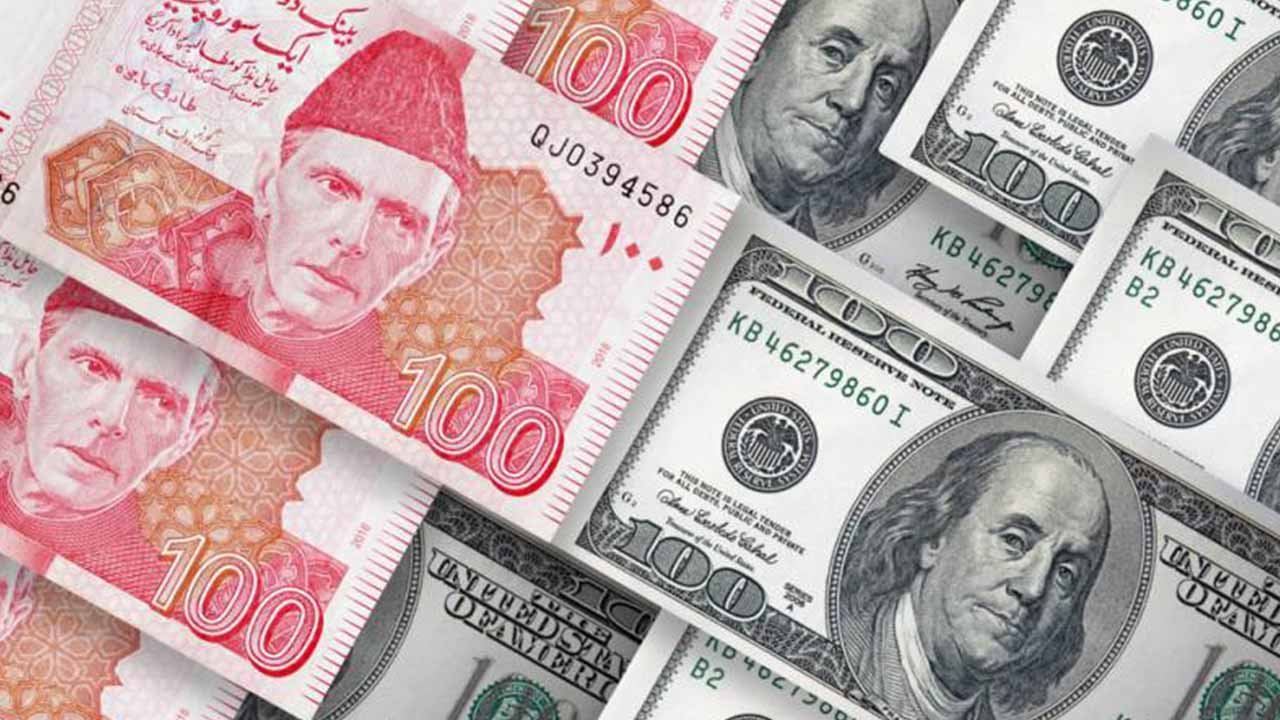
    On Tuesday, the Pakistani currency experienced a significant decline, reaching a new record low of Rs308 against the US dollar in the open market. This marked a 1 per cent decrease, or Rs3, from the previous day’s closing rate, as reported by the Exchange Companies Association of Pakistan.

    Consequently, the disparity between the exchange rates in the open market and the inter-bank market widened considerably, reaching a historic high of Rs21 to a dollar. Just a couple of months ago, this difference was in the range of Rs1-3.

    In inter-bank transactions, the central bank stated that the rupee continued its downward trend for the fifth consecutive working day, dropping by 0.21 per cent, or Rs0.59, to a 12-day low at Rs287.15 against the US dollar.

    There has been speculation in the market that the rupee is facing mounting pressure due to the expanding gap between the demand and supply of the US dollar in the currency market.

    In the meantime, Pakistan’s foreign exchange reserves have been consistently depleting and have now reached a critically low level of $4.3 billion. This is concerning because the country requires a comparatively large amount of foreign currency to cover import expenses and repay foreign debt.

    By the end of June 2023, Pakistan has to repay $3.7 billion in foreign debt. Additionally, it needs another $3.7 billion each month to ensure smooth importation of essential goods.

    Currency dealers in the open market have revealed that commercial banks are purchasing dollars in the informal market (kerb market) to settle international payments made through their clients’ credit cards. Furthermore, individuals are acquiring Saudi riyals and US dollars to cover expenses during the Hajj and Umrah pilgrimages.

    Experts strongly emphasize that the government must persuade the International Monetary Fund (IMF) to resume its $6.7 billion loan programme. Additionally, they urge friendly countries to provide fresh financing, which will help mitigate the risk of defaulting on external debt obligations.

    The resumption of the IMF programme will not only assist Pakistan in averting an imminent default but will also enable the country to attract financing from other global lenders and friendly nations. This new financing will bolster the foreign exchange reserves and aid in the reopening of the partially closed economy.

  • Crisis on wheels: Pakistan’s automotive industry grapples with mass layoffs and 70% sales drop

    Crisis on wheels: Pakistan’s automotive industry grapples with mass layoffs and 70% sales drop

    The automotive industry in Pakistan is facing a severe setback as thousands of workers were laid off due to a decline in vehicle and spare parts sales. The government’s ban on raw material imports, coupled with the depreciation of the rupee and soaring inflation, has caused a significant strain on the industry. With foreign exchange reserves dwindling and the local currency hitting historic lows against the US dollar, the economic crisis has reached unprecedented levels.

    Pakistan finds itself in the midst of its most formidable economic crisis to date, as the State Bank of Pakistan’s foreign exchange reserves have plummeted to a mere $4 billion. This amount is barely sufficient to cover three weeks of imports, raising concerns about the country’s economic stability. The ban on raw material imports, implemented to prevent the outflow of US dollars, has caused a sharp decline in industrial output and triggered widespread layoffs and unemployment.

    Dollar crunch and inflation

    In the midst of the worsening dollar crunch, commercial banks have also halted the opening of letters of credit (LCs), leaving importers in a state of uncertainty regarding the provision of the necessary funds for already placed orders. This further exacerbates the challenges faced by the automotive industry, hindering its ability to procure essential raw materials and sustain production.

    The country is grappling with soaring inflation rates, which surpassed 36 per cent in April, the highest recorded since 1964. As a result, consumer purchasing power has diminished significantly, leading to a sharp decline in vehicle sales. Munir Karim Bana, Chairman of the Pakistan Association of Automotive Parts and Accessories Manufacturers (PAAPAM), laments the dire situation, stating that thousands of workers have been laid off, and production has ground to a halt. The closure of auto manufacturing plants has further exacerbated the industry’s challenges.

    Auto parts manufacturers are grappling with demurrage charges as raw materials worth billions of rupees remain stuck at the Karachi port. PAAPAM, responsible for supplying approximately 90 per cent of local vehicle parts, is bearing the burden of these charges. Furthermore, with production units closed, income streams have dried up, exacerbating the financial strain on the industry.

    Rana Ihsan Afzal, the coordinator to Prime Minister Shehbaz Sharif on commerce and industry, acknowledges that the automotive industry’s full efficiency may not be restored until the revival of the IMF bailout program. As a sector heavily reliant on imports and foreign currency, the automotive industry is particularly vulnerable to the country’s economic challenges. The delay in the staff-level agreement on the ninth review of the IMF bailout deal signed in 2019 has further hampered the industry’s prospects.

    Revival prospects and government assurance

    Amid the decline in sales and mass layoffs, the coordinator to the Prime Minister expressed his concern but assured that the government is tirelessly working to revive the economy. The coordinator acknowledges the temporary phase that necessitates import restrictions on the automotive industry to protect foreign exchange reserves. However, he remains optimistic that once reserves are replenished, the industry will experience a significant upturn.

    Pakistan’s automotive industry is facing a dire crisis, with plummeting sales, layoffs, and manufacturing plant closures. The ban on raw material imports, along with the economic challenges of soaring inflation and dwindling foreign exchange reserves, has pushed the industry to the brink. Despite the difficulties, the government is committed to revitalizing the sector and assuaging the concerns of manufacturers.

  • Pakistan’s forex reserves decline to $4.31 billion, covering less than a month’s worth of imports

    Pakistan’s forex reserves decline to $4.31 billion, covering less than a month’s worth of imports

    The State Bank of Pakistan (SBP) has experienced a continuous decline in foreign exchange reserves for the third consecutive week. This decline is attributed to the country’s ongoing struggle to secure a deal with the International Monetary Fund (IMF).

    The central bank’s statement indicates that the reserves decreased by $72 million to reach $4.31 billion as of May 12, primarily due to external debt payments. This amount is sufficient for less than a month’s worth of imports.

    In contrast, commercial banks in Pakistan hold net foreign reserves amounting to $5.62 billion, which is $1.01 billion higher than the central bank’s reserves. Therefore, the country’s total liquid foreign reserves amount to $9.93 billion.

    Pakistan’s economy is currently facing significant challenges, exacerbated by financial difficulties and the delay in reaching an agreement with the IMF. Such an agreement is crucial as it would provide much-needed funding to mitigate the risk of default.

    Earlier, on May 11, the State Bank of Pakistan (SBP) witnessed a decline of $74 million in foreign exchange reserves within a week, resulting in reserves amounting to $4.38 billion. Additionally, commercial banks held net foreign reserves of $5.6 billion.

    Reports indicate that the IMF remains skeptical and is urging Islamabad to take further actions to unlock the loan program, despite assurances from friendly countries regarding external funds for Pakistan.

    Pakistan has been asked to present a repayment plan for a $3.7 billion loan to the IMF in June and demonstrate stronger support from friendly nations to fulfill its commitments.

  • Pakistan could default after June as country fails to meet some IMF conditions

    Pakistan could default after June as country fails to meet some IMF conditions

    Pakistan is in the midst of a balance of payment crisis, and the stakes are high. Without the financial aid of the International Monetary Fund (IMF), the country faces the prospect of defaulting on its external payment obligations.

    Unfortunately, reports say that the IMF is not convinced by the assurances given to them by Pakistan’s friendly countries.

    Officials of the finance ministry, speaking anonymously, have confirmed that Pakistan has fulfilled several conditions set by the lender for the revival of the loan facility, and the staff-level agreement on the ninth review was supposed to be signed by February 9.

    However, the delay in the IMF programme could have severe repercussions. The budget planning, which is expected to be tabled in the second week of June, is likely to be affected.

    Moody’s Investor Service has warned that Pakistan may default if it does not receive a bailout from the IMF as its financing options beyond June are uncertain.

    While Pakistan is expected to meet its external payments until the end of this fiscal year in June, its reserves are weak and without IMF support, it could default.

    Pakistan is struggling to restart a stalled $6.5 billion bailout programme from the IMF due to the government’s failure to meet some loan conditions, and political tensions ahead of elections are adding to the risk of a delay in the loan.

    An engagement with the IMF beyond June would support additional financing from other multilateral and bilateral partners, which could reduce default risk. Pakistan’s foreign-exchange reserves remain very low, standing at $4.5 billion, and sufficient to cover only about one month of imports.

    S&P Global Ratings estimates that Pakistan’s gross external financing needs as a proportion of current-account receipts plus usable reserves will rise to 139.5 per cent in fiscal year 2024 from 133 per cent in 2023.

    S&P analysts believe that an IMF programme would be a foundation for important fiscal policy reforms and that an agreement on the current review cycle could instill more confidence for other bilateral and multilateral lenders to Pakistan.

  • Pakistan’s IMF bailout programme revival delayed: blame game between Pakistani authorities and IMF

    Pakistan’s IMF bailout programme revival delayed: blame game between Pakistani authorities and IMF

    Pakistani authorities and the International Monetary Fund (IMF) are blaming each other for the delay in reviving the IMF bailout programme. The IMF approved a $6.5 billion bailout package for Pakistan in 2019, of which $1.1 billion is still outstanding.

    However, issues related to fiscal policy adjustments have delayed the release of the funds since November. The delay has raised concerns as Pakistan has less than a month’s worth of foreign exchange reserves and needs the IMF package to avert defaulting on external payment obligations.

    With the expiry of the existing IMF programme on June 30, 2023, Pakistan’s options for reviving the IMF programme are shrinking with every passing day.

    While Pakistani authorities argue that the IMF is playing politics, IMF sources say they are still waiting for confirmation on the remaining $2 billion from the World Bank and Asian Infrastructure Investment Bank, as well as seeking commercial loans from banks.

    According to Geo, Dr Khaqan Najeeb, former adviser Ministry of Finance, has called for short-term measures, such as funding from friendly countries, the revival of the IMF programme, clarity on programme completion dates, and work on the budget for 2023-24 to be undertaken to avoid Pakistan being near the brink of default.

  • Pakistan’s sustainable policy framework crucial to avoid default risk, says IMF

    Pakistan’s sustainable policy framework crucial to avoid default risk, says IMF

    Whilst serving as Finance Minister, Ishaq Dar has repeatedly assured the public that Pakistan has not defaulted and will not do so in the future. Kristalina Georgieva, Managing Director of the International Monetary Fund (IMF), has endorsed Dar’s views and stated that Pakistan has not yet reached the level of default.

    Speaking at a news conference during the spring meeting of Breton Wood Institutions at the Fund’s headquarters in Washington, Georgieva said that the Fund was seeking confirmation from international partners to meet Pakistan’s financing gap requirements. Responding to a question about Pakistan’s looming default risk, she stated that the country had not yet reached that level, but required a sustainable policy framework to avert such risks.

    Georgieva emphasized that the lender has been working closely with the authorities in Pakistan, within the context of the current programme, to ensure that the country has the policy framework in place to prevent reaching the point of unsustainable debt. Pakistan has less than a month’s worth of foreign exchange reserves and is awaiting a $1.1 billion bailout package from the IMF that has been delayed since November due to issues related to fiscal policy adjustments.

    Georgieva expressed hope that, with the goodwill of all parties involved and the implementation of what has already been agreed upon by the Pakistan authorities, the current programme can be completed successfully. Islamabad is required to provide assurance that its balance of payments deficit is fully financed for the fiscal year ending in June in order to unlock the next tranche of IMF funding.

    During the IMF-World Bank spring meetings, Dar attended via Zoom from Islamabad with IMF Deputy Managing Director Antoinette Moniso Sayeh. Sources report that Sayeh stated that Pakistan has yet to meet its external financing gap of $6 billion, of which $3 billion would need to be financed before striking a staff-level agreement.

    At this point, the State Bank of Pakistan’s Jameel Ahmed, who is presently in Washington, reportedly told participants that the United Arab Emirates (UAE) had shared a draft agreement for the provision of an additional $1 billion deposit to meet the requirement for signing the staff-level agreement. A top official expressed hope that the UAE deposit would be confirmed shortly and suggested that it may be confirmed as early as next week.

    Regarding the cross-fuel subsidy, the IMF was informed that it was only an idea floated by a relevant ministry and would be implemented only after an agreement on the salient features of the scheme. The Pakistani authorities agreed with the IMF that the scheme appeared good on paper but its transparent implementation would be challenging.

  • Pakistani rupee falls to historic low of Rs288.43 against dollar

    Pakistani rupee falls to historic low of Rs288.43 against dollar

    On Wednesday, the Pakistani rupee (PKR) reached a new record low, falling to Rs288.43 against the US dollar in the interbank market.

    The State Bank of Pakistan (SBP) reported that the rupee slid by Rs1.34 against the greenback before closing at Rs288.43. Meanwhile, the Forex Association of Pakistan (FAP) has reported that the selling rate of the dollar in the open market was recorded at Rs295.

    This comes after the rupee had closed at Rs287.09 per US dollar the day before, with the greenback trading at over Rs291 in the open market. Additionally, on April 5, the rupee had closed at Rs287.85 per US dollar, while the greenback was trading at over Rs293 in the open market.

    Experts suggest that the drop in the rupee’s value can be attributed to various factors such as economic challenges, political uncertainty, and depleting foreign exchange reserves.

    It is worth noting that a staff-level agreement between the International Monetary Fund (IMF) and Pakistan was scheduled to take place on February 9.

  • State Bank of Pakistan expected to raise key policy rate to record-high

    State Bank of Pakistan expected to raise key policy rate to record-high

    The State Bank of Pakistan (SBP) is expected to raise its policy rate by a significant 100-200 basis points in light of the country’s economic situation and historically high inflation reading. Financial analysts anticipate the Monetary Policy Committee to increase its key policy rate to 21-22 per cent at the review today (April 4) to curb inflation. This decision is expected to discourage private-sector borrowing since an increase in currency in circulation can drive inflation up.

    In March, the central bank raised its key rate by a massive 300 basis points to a record-high level of 20 per cent, surpassing market expectations to meet the International Monetary Fund’s requirements for the release of its pending bailout funds. The country recorded historic high inflation at 35.4 per cent in March on an annualized basis, with core inflation, excluding energy and food prices, increasing to 18.6 per cent in urban areas and 23.1 per cent in rural areas.

    The market’s reaction to surging inflation is evident from the recent rise in bond market rates driven by investors’ bullish outlook. According to a survey conducted by Arif Habib Limited, 57.7 per cent of respondents expect the policy rate to increase. Of these respondents, 30.8 per cent are predicting a rate hike of 100bps and 26.9 per cent foreseeing a rate hike of 200 bps. Meanwhile, 42.3 per cent of respondents believe that the policy rate will remain unchanged at 20 per cent.

    The expected increase in the policy rate will make bank financing even more expensive, reduce demand for foreign financing for imports, and help address the fast decline in foreign exchange reserves, which have dropped to critically low levels at $4.2 billion. The cash-strapped country is undertaking key measures to secure IMF funding, including raising taxes, removing blanket subsidies, and artificial curbs on the exchange rate. While the government expects a deal with the IMF soon, media reports suggest that the agency expects the policy rate to be increased.

    Initially, the MPC meeting was scheduled for April 27, according to the six-month advance calendar issued by the central bank in December 2022. However, the SBP called an off-cycle review last month and brought forward the April meeting. The revival of the IMF loan program will help attract $3-4 billion from multilateral and bilateral creditors, including the IMF, and stabilize foreign exchange reserves over the short term.