Tag: Foreign investment

  • Pakistan experiences highest dollar outflow since FY18 amid economic adjustments

    Pakistan experiences highest dollar outflow since FY18 amid economic adjustments

    Pakistan, grappling with a shortage of US dollars, has seen a significant outflow of foreign exchange as international investors repatriated dividends and profits at unprecedented levels.

    In fiscal year 2024 (FY24), foreign investors withdrew $2.2 billion, the highest outflow since the $2.3 billion withdrawn six years ago. This surge, representing a dramatic 569.2 per cent year-on-year increase, is primarily due to a low base in FY23.

    The country’s foreign exchange reserves were critically low in FY23, prompting the government to impose restrictions on dollar outflows to avoid a potential default. Consequently, repatriations fell sharply to $331 million, an 80.3 per cent decrease from FY22, marking one of the lowest figures on record.

    A pivotal change occurred in June 2023 when Pakistan reached a Staff Level Agreement (SLA) worth $3 billion with the International Monetary Fund (IMF).

    The agreement mandated the removal of capital controls and a shift towards a more functional foreign exchange market. This move, driven by foreign pressure and the IMF’s conditions, resulted in the lifting of these restrictions, leading to a substantial increase in outflows in FY24.

    In particular, May 2024 set a record with the highest monthly outward remittance of $918.1 million.

    Notably, the outflow for the year exceeded the total foreign investment of $1.52 billion. Key sectors contributing to this outflow included Financial Business, Power, and Communications, with the Financial Business sector repatriating the most at $638.6 million.

    Among the countries, the United Kingdom led with $558.57 million in repatriated profits, a substantial increase from $20.14 million the previous fiscal year. The UAE and Netherlands followed in repatriation figures.

    Despite the significant outflow, there is an optimistic outlook for Pakistan’s economy. The State Bank of Pakistan (SBP) has confirmed that there are no outstanding profit repatriation payments, alleviating concerns of foreign companies and potentially attracting new investors. The recent Fitch rating upgrade further supports the country’s economic stability.

    On a positive note, Pakistan’s foreign exchange reserves saw a 110 per cent increase, reaching $4.92 billion in FY24.

    However, JPMorgan has cautioned that unresolved dividend backlog issues might impact the PKR in the short term. Addressing these could improve transparency and enhance the attractiveness of Pakistan as an investment destination.

  • Pakistan working to secure foreign investment and extend existing loans: Finance Minister

    Pakistan working to secure foreign investment and extend existing loans: Finance Minister

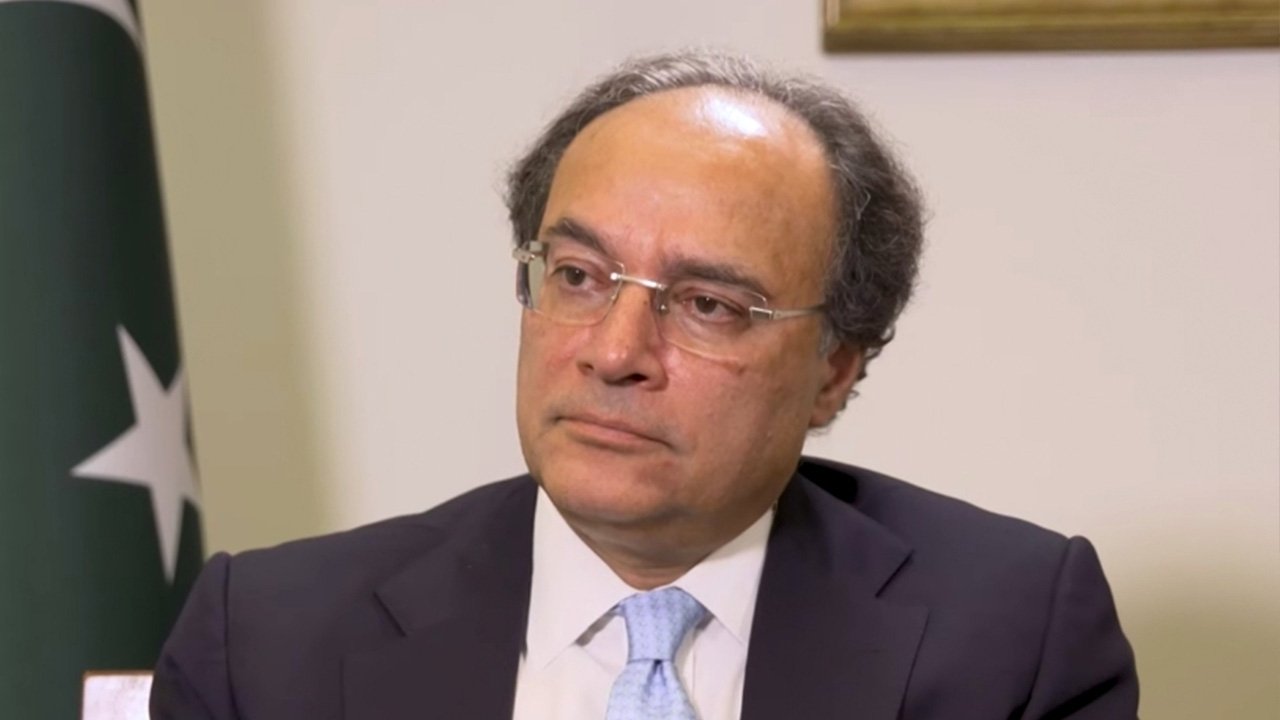
    Pakistan is working to secure foreign investment and extend existing loans to meet its external financing needs, as it prepares to implement a new $7 billion deal with the International Monetary Fund (IMF). Finance Minister Muhammad Aurangzeb shared these plans with Reuters on Friday.

    The new 37-month IMF agreement requires Pakistan to enforce tough measures, including higher taxes on agriculture and increased electricity prices. These changes have raised concerns about their impact on the country’s poorer and middle-class citizens, who are already struggling with inflation.

    Historically, Pakistan has frequently relied on IMF programmes to avoid financial crises, sometimes coming close to default. The country has also depended on financial support from allies like the United Arab Emirates (UAE) and Saudi Arabia to meet its IMF targets.

    Aurangzeb highlighted that while external financing remains essential, the government is now focusing on sustainable solutions, such as attracting foreign direct investment and securing climate finance. “We expect loan rollovers to continue and have requested extensions for loan maturities,” he said.

    Past support from Saudi Arabia, the UAE, and China, along with IMF backing, has been crucial for Pakistan’s financial stability. The IMF has stated that the new Extended Fund Facility programme requires approval from its Executive Board and confirmation of necessary financing from Pakistan’s development and bilateral partners.

    Aurangzeb is optimistic about managing the external financing gap, describing it as “manageable and doable.” He emphasized a shift towards foreign direct investment, particularly in the Reko Diq copper and gold mine. The finance minister also noted that his government is working on projects to attract investment from Saudi Arabia and the UAE.

    Pakistan, currently the IMF’s fifth-largest debtor with $6.28 billion owed as of 11 July 2024, is also expecting a significant investment from the World Bank’s International Finance Corporation (IFC) in the Reko Diq project. Aurangzeb plans to discuss further reforms with China during a visit by the end of July.

  • Budget 2024-25: Pakistan Stock Exchange proposes tax reforms for economic growth

    Budget 2024-25: Pakistan Stock Exchange proposes tax reforms for economic growth

    Pakistan Stock Exchange (PSX) has forwarded a series of significant tax proposals to both the Ministry of Finance (MoF) and the Federal Board of Revenue (FBR) for potential inclusion in the upcoming federal budget for the fiscal year 2024-25.

    These proposed measures are designed to not only bolster revenue but also to incentivise the allocation of resources towards sectors of the economy that are both productive and officially documented. This move is deemed critical for fostering economic growth and generating employment opportunities across Pakistan.

    Notably, PSX has experienced a marked upswing in its performance, largely attributed to recent stability measures implemented within the broader macroeconomic landscape. In the outgoing year alone, the market capitalisation has surged by nearly Rs4 trillion, signifying a substantial boost to economic prosperity.

    Furthermore, foreign investments totaling approximately $132 million have flowed into the country through the stock market since July 2023, underscoring the significance of the stock market in attracting foreign capital.

    It is imperative that both the Ministry of Finance and the FBR carefully evaluate the proposals put forth by PSX to ensure that the stock market remains a vital contributor to economic growth, tax revenues, foreign investment inflows, and the formalisation of the economy. This strategic move is crucial for sustaining the positive momentum witnessed in both the capital market and broader economic recovery efforts.

    PSX stresses the importance of prioritising comprehensive documentation of all economic activities, with capital markets representing one of the most meticulously documented sectors within the economy. A robust capital market ecosystem not only aligns with key economic and social objectives but also serves as a catalyst for expanding the taxpayer base, augmenting savings and investment rates, and mitigating wealth disparities.

    To realise these overarching objectives, investors necessitate a conducive and predictable tax regime. As such, Pakistan Stock Exchange has articulated a range of proposals to the Ministry of Finance and the Federal Board of Revenue, all aimed at fostering a favorable environment for investment and economic growth in the fiscal year 2024-25.

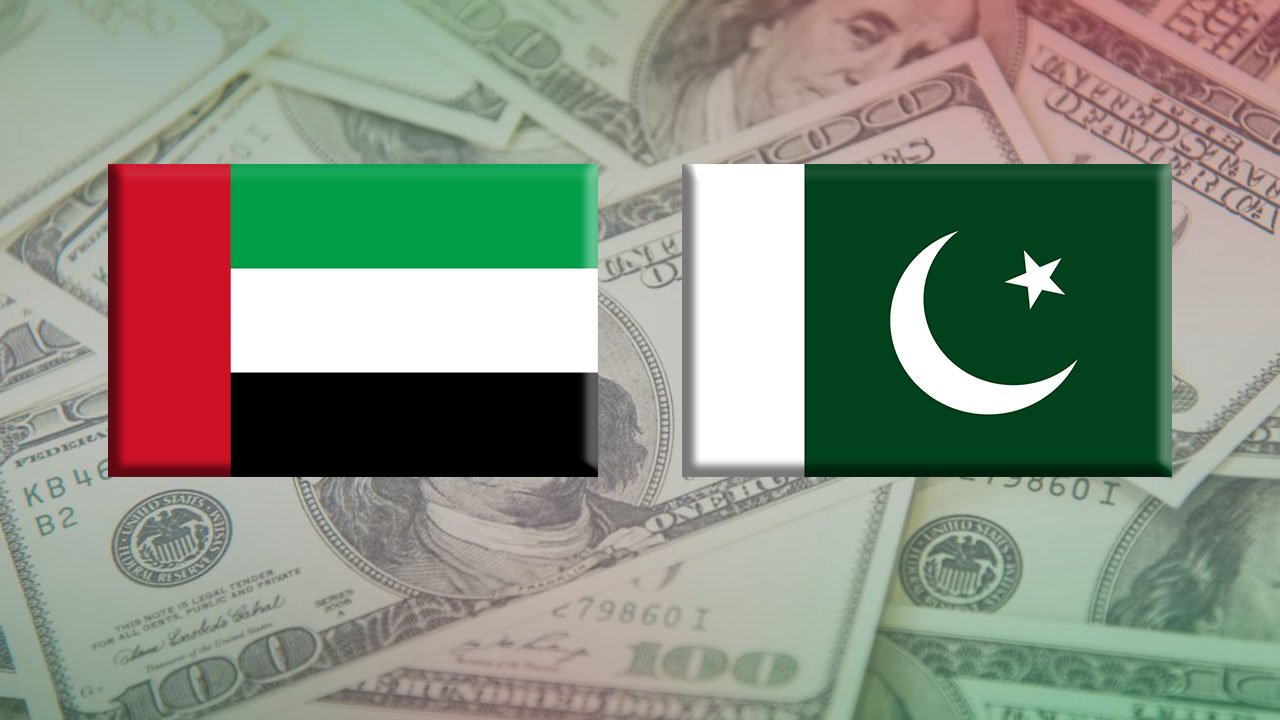
  • UAE pledges $10 billion investment in Pakistan’s key economic sectors

    UAE pledges $10 billion investment in Pakistan’s key economic sectors

    The United Arab Emirates (UAE) has pledged $10 billion for investment in promising economic sectors in Pakistan.

    Pakistani Prime Minister Shehbaz Sharif met with UAE President Sheikh Mohamed bin Zayed Al Nahyan in Abu Dhabi today, according to a post by Pakistan Television (PTV) on X.

    The meeting focused on a wide range of bilateral issues, including cooperation in political, economic, social, cultural, and defence sectors.

    During the discussion, Prime Minister Sharif emphasised the need to enhance existing cooperation and strengthen the strategic partnership between the two nations. He highlighted key areas such as information technology, renewable energy, and tourism as potential fields for increased collaboration.

    Sharif also outlined steps his government has taken to ensure socio-economic stability and boost investor confidence in Pakistan.

    He reaffirmed Pakistan’s commitment to effectively implement investment cooperation agreements in sectors like energy, port operations, wastewater treatment, food security, logistics, minerals, and banking and financial services.

    Sheikh Mohamed bin Zayed Al Nahyan expressed the UAE’s unwavering support for Pakistan and confirmed the UAE’s commitment to investing $10 billion across various sectors in the country, as stated by PTV.

    The Prime Minister expressed his gratitude to the UAE leadership for hosting 1.8 million Pakistani expatriates and underscored Pakistan’s significant human resource potential that could be utilised in diverse sectors.

  • Business community finds hope as COAS Munir vows to tackle corruption and boost investment 

    Business community finds hope as COAS Munir vows to tackle corruption and boost investment 

     
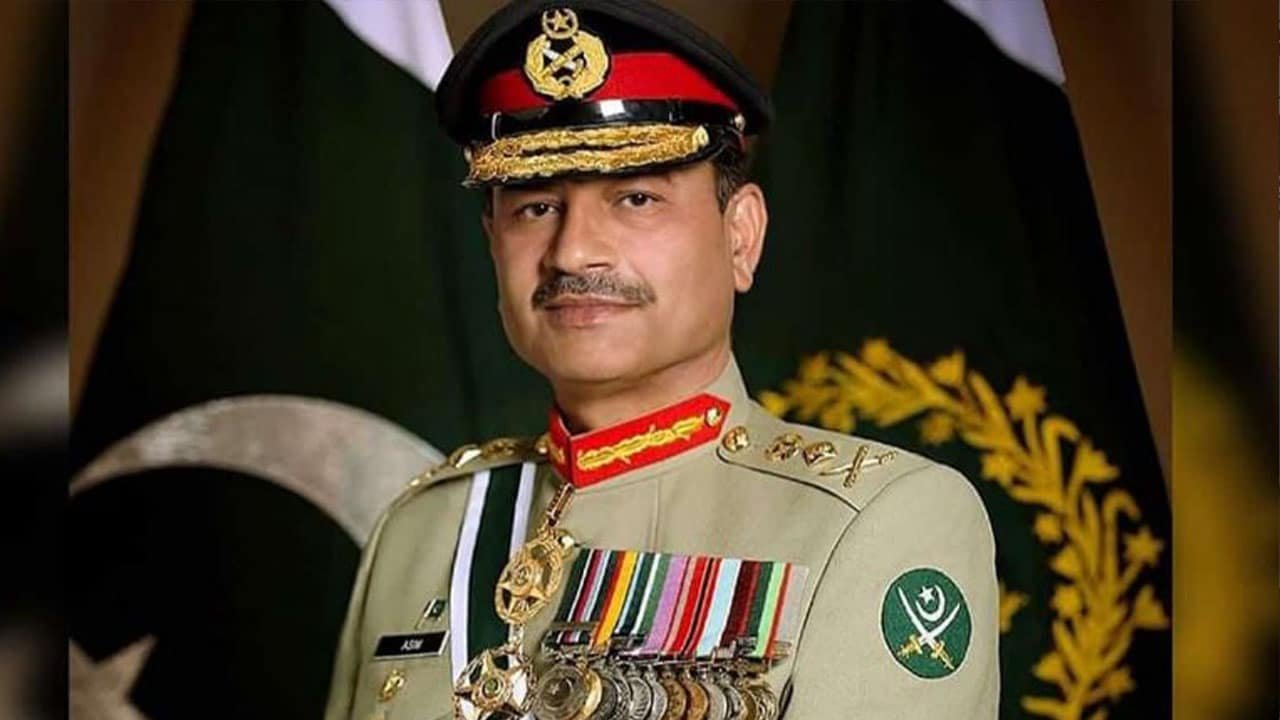
    In response to the pressing economic crisis facing the country, Chief of Army Staff (COAS) General Syed Asim Munir has pledged unwavering efforts to attract foreign investment and rejuvenate the economy, as reported by The News on Tuesday. General Munir made these assurances during a recent extensive meeting with members of the business community, where he engaged openly and candidly with them. 

    During an appearance on Geo News‘ “Aaj Shahzeb Khanzada Kay Sath” programme on Monday, President of the Federation of Pakistan Chambers of Commerce & Industry (FPCCI), Irfan Iqbal Sheikh, expressed optimism following their meeting with the army chief. He revealed that General Munir had conveyed discussions of a potential $25 billion investment from Saudi Arabia, encompassing sectors such as IT, minerals, agriculture, and defence. 

    Highlighting a pivotal development, General Munir disclosed that Saudi Crown Prince Mohammad Bin Salman had committed to depositing $10 billion of this investment in the State Bank of Pakistan (SBP), to be reimbursed in Pakistani rupees or goods, thereby bolstering foreign exchange reserves. 

    General Munir also acknowledged the bureaucratic obstacles hindering investment and emphasised the establishment of a Special Investment Facilitation Council (SIFC) to streamline processes and eliminate bureaucratic impediments. He assured that this initiative would protect investors from interference, bureaucratic hurdles, or legal complications. 

    Irfan Iqbal Sheikh further mentioned that Saudi Arabia and the United Arab Emirates (UAE) had both pledged $25 billion in investments, with Qatar and Kuwait following suit with similar commitments. 

    General Munir expressed determination to combat corruption, particularly by curbing land-grabbing and extortion mafias. To this end, he announced the formation of four task forces to address issues related to the Federal Board of Revenue of Pakistan (FBR), border control, smuggling, and social media, aiming to improve the overall situation. 

    Sheikh stressed that the business community had grown disillusioned but found renewed courage and hope through the army chief’s commitments. 

    Meanwhile, Business Group Chairman Zubair Motiwala noted the distinct approach of General Munir in engaging with traders compared to his predecessors. He highlighted the COAS’s efforts to revive the economy through engagements in Saudi Arabia, the UAE, and upcoming visits to Qatar and Kuwait. 

    Motiwala reported that General Munir had instructed the corps commander to prevent the influx of Iranian diesel into Karachi and issued directives to address land encroachments, corruption, and law enforcement issues. 

    General Munir also emphasised that only registered Afghan refugees would be allowed to stay in Pakistan, while the rest would need to return to their home country. He conveyed Saudi Crown Prince Mohammad Bin Salman’s concerns regarding corruption and bureaucracy in Pakistan. 

    Motiwala further disclosed discussions about the charter of the economy with General Munir, expressing hope that such substantial investments would significantly improve the economic conditions in the country. 

    He also pointed out that state-owned enterprises were incurring significant losses, amounting to Rs1,300 billion, and stressed the need for action, noting that political governments might not fully embrace privatisation but would seek to relieve this burden. General Munir expressed his understanding of the government’s approach to this issue and its commitment to addressing it comprehensively. 

  • Pakistan seeks economic stability through multi-billion dollar Gulf investments

    Pakistan seeks economic stability through multi-billion dollar Gulf investments

    Pakistan is engaged in high-stakes negotiations with Gulf nations to secure billions of dollars in investments. These discussions come as Islamabad strives to stabilise its economy by attracting much-needed foreign currency, while the oil-rich Gulf monarchies seek to diversify their economies and extend their influence.

    According to a report by Saeed Shah published on the Wall Street Journal, a significant development on the horizon involves Saudi Arabia’s potential involvement in a massive copper mining project. Canada’s Barrick Gold is spearheading the development of this colossal mine, located in western Pakistan, at an estimated cost of $7 billion. Sources familiar with the project reveal that Saudi officials are in talks about acquiring a stake in this ambitious venture.

    Furthermore, advanced negotiations are underway for the establishment of a Saudi oil refinery within Pakistan’s borders. This ambitious project, estimated to cost up to $14 billion, has garnered the attention of both Islamabad and Gulf officials.

    This marks a notable shift for the Gulf states, moving away from traditional loans and grants to a strategic focus on acquiring assets to bolster their sovereign wealth funds.

    For Pakistan, these investments come at a critical juncture. The nation, home to a population of 240 million and armed with nuclear capabilities, has been grappling with economic turmoil and political instability. In June, an agreement was reached with the International Monetary Fund for another bailout, reflecting the urgency of the situation.

    To pave the way for these investments, Pakistan’s military, a dominant institution within the country, is taking measures to streamline the deal-making process. This initiative aims to address previous concerns raised by Gulf investors regarding bureaucratic hurdles and political uncertainties.

    The potential investments span a wide range of sectors, including mining, energy infrastructure, farmland, and the privatisation of government businesses. Notably, Pakistan’s newly established Special Investment Facilitation Council, which includes the army chief, has been designed to expedite the bureaucratic procedures associated with Gulf investment.

    Ahsan Iqbal, Pakistan’s outgoing planning minister and head of the executive committee of the Special Investment Facilitation Council, emphasised the strategic positioning of Pakistan as a gateway to growth in Asia. He stressed the importance of providing investors with the assurance of policy continuity for their investments.

    The Saudi deputy mining and foreign ministers have recently visited Islamabad to discuss this significant investment endeavour. These discussions align with Pakistan Prime Minister Shehbaz Sharif’s announcement that parliament will dissolve, potentially paving the way for a nonpolitical caretaker government and facilitating economic decisions.

    Pakistan’s relationship with its military is pivotal, with the army wielding considerable influence in the country. The Gulf has maintained direct ties with Pakistan’s military for decades, underscoring the military’s role as a key facilitator in these negotiations.

    The scope of the potential deals is substantial, with Pakistan hoping to secure around $25 billion in investments. Key areas of interest include solar energy, information technology, and the defence industry. Furthermore, Pakistan is prepared to offer uncultivated government land on long leases for agriculture, aiming to attract diverse investments.

    While concrete figures from the Gulf nations have yet to be disclosed, the prospect of significant investments has generated substantial interest. In this context, the ongoing economic challenges faced by Egypt and Pakistan have presented an opportunity for asset acquisition on favourable terms.

    Efforts to secure investments will likely see competition between Gulf nations, particularly Saudi Arabia and the United Arab Emirates (U.A.E.). Both nations have expressed keen interest in various sectors, including infrastructure and logistics.

    Amidst these negotiations, Islamabad has announced a tender for terminal services at Islamabad airport, a contract that is expected to draw interest from both the U.A.E. and Qatar. Pakistan’s transition to a nonpolitical caretaker government is anticipated to catalyse these investment deals.

    At the heart of the negotiations lies the prospect of a Saudi oil refinery, a deal that is reportedly on the cusp of realisation. The potential partnership with Saudi Aramco for this project underscores Pakistan’s strategic significance in the region.

    The mining sector also offers a lucrative opportunity, particularly in copper, a critical resource for the transition to cleaner energy. The joint venture between Barrick Gold and the Pakistani government in the Reko Diq mine has attracted Saudi interest, with the Saudi sovereign wealth fund, the Public Investment Fund, and Saudi mining company Ma’aden reportedly eyeing a stake in the mine.

    While challenges and security concerns persist, these negotiations mark a pivotal moment for Pakistan. With the potential for substantial investments across various sectors, the country seeks to harness its untapped potential and forge strategic partnerships in the Gulf region.

  • PM Shehbaz urges Turkish business community to boost investments in Pakistan

    PM Shehbaz urges Turkish business community to boost investments in Pakistan

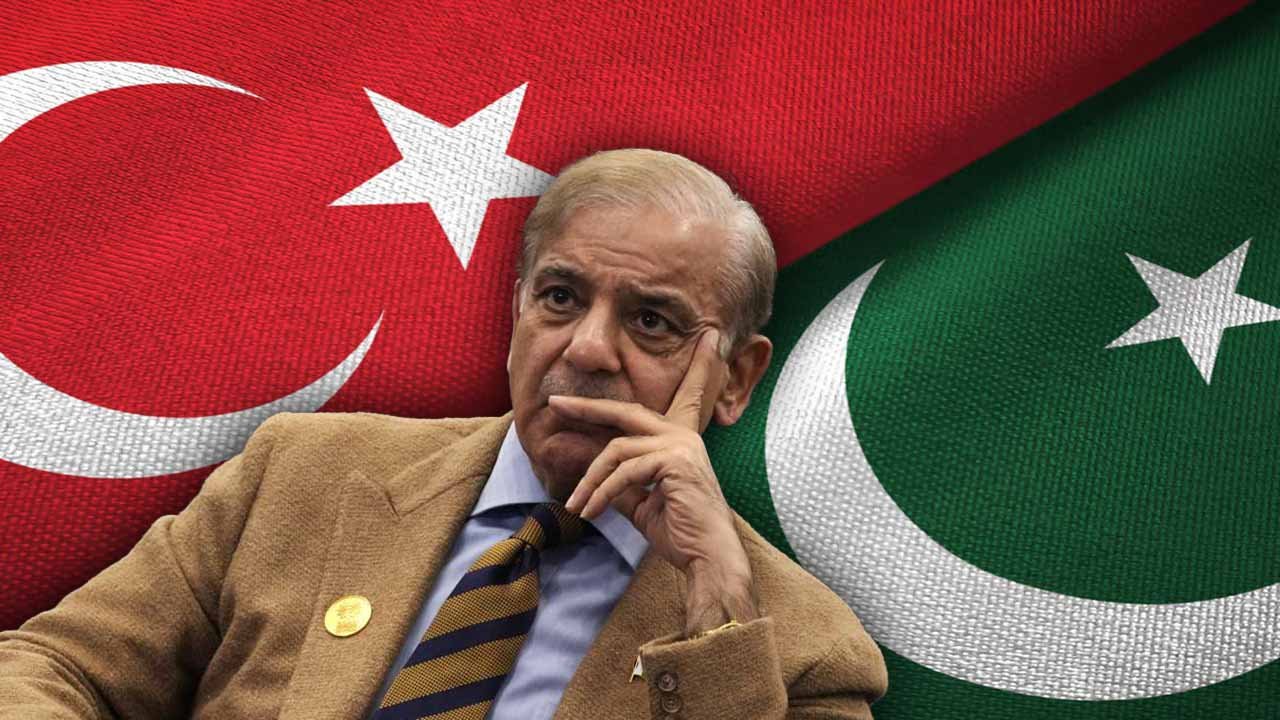
    Prime Minister (PM) Shehbaz Sharif, amid increasing debt burden and declining foreign exchange reserves, has invited Turkish investors and businessmen to expand their investments in different sectors of Pakistan. The premier is currently in Ankara on a two-day official visit to attend the inauguration ceremony of President Recep Tayyip Erdogan.

    During a meeting with a delegation from the Anadolu Group, which included Coca Cola CCI CEO Karim Yahi, Chief Strategy Officer Atilla Yerlikaya, and Head of Public Policy Taylan Coban, the PM expressed his encouragement for the Anadolu Group to invest in Pakistan and provide job opportunities to the people.

    Minister for Information and Broadcasting Marriyum Aurangzeb, Special Assistant to the Prime Minister Tariq Fatimi, and Pakistan’s Ambassador in Turkey Dr Yousuf Junaid were also present at the meeting.

    Prime Minister Shehbaz Sharif’s visit to Turkey is a result of an invitation from Turkish President Erdogan, who emerged victorious in the second round of elections held on 28 May. Upon his arrival at Ankara airport last night, the Prime Minister was received by senior officers of the Turkish Foreign Ministry and Pakistan’s ambassador in Turkey, emphasising the significance of the visit.

    Pakistan, facing economic challenges, is actively seeking foreign investments to alleviate its debt burden and stabilize its foreign exchange reserves. The Prime Minister’s appeal to Turkish investors and businessmen reflects the government’s commitment to attracting international investment and fostering economic partnerships.

    By engaging with the Anadolu Group and inviting increased investment, Prime Minister Shehbaz Sharif aims to leverage Turkish expertise and capital to drive economic growth and create employment opportunities in Pakistan.

    During the ongoing visit, it is anticipated that discussions between Pakistani and Turkish officials will focus on exploring potential areas of collaboration, identifying investment opportunities, and strengthening bilateral ties. The outcome of these engagements may play a pivotal role in shaping Pakistan’s economic trajectory, leading to increased foreign investment and a revitalized economy.

    In a time of economic challenges, Prime Minister Shehbaz Sharif’s proactive approach and diplomatic outreach to Turkish investors send a clear message of Pakistan’s commitment to enhancing economic cooperation and attracting much-needed investment.

  • Khunjerab Pass reopens to boost bilateral trade between Pakistan and China

    Khunjerab Pass reopens to boost bilateral trade between Pakistan and China

    In a press release issued by the PM Office Media Wing, Prime Minister Muhammad Shehbaz Sharif expressed his pleasure over the reopening of the Khunjerab Pass on Sunday. He stated that this development would help to increase bilateral trade between Pakistan and China, and described it as a welcome occasion for boosting trade with “Iron brother China.”

    The prime minister emphasised that the reopening of the Pass had removed a hurdle that would further expedite the pace of work on the China Pakistan Economic Corridor (CPEC). He added that the restoration of the trade route between the two countries, after a span of three years, was a matter of great rejoicing.

    Furthermore, the prime minister noted that the journey towards CPEC had started way back in November 2019 and recommenced in the year 2023. He expressed his resolve to move ahead on CPEC with dual speed in comparison to 2018.

    He said that CPEC is a gift of progress and prosperity given by Muhammad Nawaz Sharif and the Chinese leadership for the region and the people. The prime minister also mentioned the affection and cooperation from the Chinese leadership for the people of Pakistan, which he described as unforgettable.

    The prime minister expressed his disappointment over a “foreign funded person” who had created controversy over CPEC. However, he appreciated the relevant authorities of the two countries and the team members over the restoration of trade and travel facilities.

  • Qatar to invest $3 billion in Pakistan following PM Shehbaz Sharif’s official visit

    Qatar to invest $3 billion in Pakistan following PM Shehbaz Sharif’s official visit

    The state-owned investment fund of Qatar plans to invest $3 billion in Pakistan, an official statement from the office of Qatari Emir Sheikh Tamim bin Hamad al-Thani said on Wednesday, August 24.

    The administrative office of Qatar’s emir released the statement as Prime Minister (PM) Shehbaz Sharif held official talks with Tamim bin Hamad al-Thani in Doha after a meeting with the sovereign fund official the day before.

    In the statement, the $450 billion Qatar Investment Authority announced its “aspiration to invest $3 billion in various commercial and investment sectors in the Islamic Republic of Pakistan”.

    The PM thanked the Qatari Emir for his hospitality and the $3 billion investment in Pakistan.

    Shehbaz Sharif is returning to Pakistan today, August 25, after his two-day official visit to Qatar.