Tag: Forex

  • Pakistan accepts IMF pre-condition to increase interest rate by 2%

    Pakistan accepts IMF pre-condition to increase interest rate by 2%

    Pakistan has agreed to increase its policy (interest) rate by two percent or 200 basis points, as a pre-condition for the release of $1.1 billion in critical funding from the International Monetary Fund (IMF). The funding is part of a $6.5 billion bailout package.

    The increase is based on rates set by the government in an auction to raise domestic debt and will push the interest rate to 19 per cent. This is just below the previous record of 19.5 per cent set in October 1996.

    Sources from the Ministry of Finance stated that there had been technical-level discussions between Islamabad and the IMF review mission and that it was expected that Islamabad would increase the interest rate by two percent. Most of the pre-conditions set by the IMF had been fulfilled, according to these sources.

    Sources also indicated that discussions on some issues related to the power sector were in the final stages, after which a staff-level agreement with the IMF would be reached. Additionally, Pakistan provided a detailed briefing to IMF officials on the sources of foreign exchange until June.

  • IMF likely to announce staff level agreement with Pakistan by this week

    IMF likely to announce staff level agreement with Pakistan by this week

    According to Syed Naveed Qamar, the Federal Minister for Commerce, Pakistan has taken all necessary measures to unfreeze a $6.5 billion credit line and is expected to reach a staff level agreement (SLA) on Extended Fund Facility (EFF) with the International Monetary Fund (IMF) this week.

    Dr Aisha Ghaus Pasha, the Minister of State for Finance, stated that Pakistan and the IMF are close to reaching an SLA, but that basic structural reforms are necessary regardless of whether they are part of the IMF program or not.

    After the formal announcement, Pakistan will receive a $1.2 billion tranche under the EFF. Qamar stated that the agreement would give investors and creditors confidence in Pakistan’s stabilising economy and that their money would remain protected.

    Qamar emphasized that the IMF program is the beginning of other funds flowing in and that increased imports would benefit exports.

    However, Pakistan is struggling to meet the tough conditions set by the IMF, such as increasing its low tax base, ending exemptions for the export sector, and raising artificially low energy prices. The country is in dire need of funds as the State Bank of Pakistan-held foreign exchange reserves only cover one month of imports.

    To meet IMF conditions, Pakistan has raised taxes, cut subsidies, and devalued its currency. Additionally, a supplementary finance bill was approved that increases sales tax from 17 per cent to 25 per cent on imports and raises general sales tax from 17 per cent to 18 per cent, increasing the burden on already inflation-stricken people.

  • Petrol price likely to rise by Rs20 per litre in upcoming review

    Petrol price likely to rise by Rs20 per litre in upcoming review

    Oil industry sources report that there may be a Rs20 per litre increase in petrol prices at the upcoming review on February 15, 2023. The increase is based on calculations of the international price of petrol, specifically on a free on board (FOB) basis.

    During the previous fortnightly review of fuel prices, the government implemented a substantial increase of Rs35 per litre. Currently, the government imposes a petroleum levy (PL) of Rs50 per litre, while the general sales tax (GST) has not yet been levied.

    Sources suggest that the price of petrol could increase further if the foreign exchange rate is adjusted at the next review. They noted that the exchange rate is currently unfavorable, negating any potential benefits or reductions for local consumers.

    Despite a decrease in international petrol prices, the sharp depreciation of the rupee against the dollar has offset gains, adversely affecting domestic consumers. Additionally, the sources warned that the government may implement a Rs20 per litre adjustment to account for the exchange rate, which could result in an overall increase of up to Rs40 per litre.

    The price of diesel, as reported by sources, has not seen any increase on FOB without exchange rate adjustments. However, they stated that diesel prices could potentially increase in the next review if the exchange rate is adjusted. The government previously adjusted Rs14 per litre on diesel due to the exchange rate, but the recent appreciation of the dollar has effectively negated this adjustment from the last review.

    While global diesel prices have reportedly decreased by five to six dollars per barrel, the depreciation of the rupee prevents the government from passing on the reduction to local consumers.

    The most recent price adjustment of petroleum products was made on January 29, 2021, by the federal government. Following the review, petrol was priced at Rs249.80 per litre, high-speed diesel at Rs262.80 per litre, kerosene oil at Rs189.83 per litre, and light-speed diesel at Rs187 per litre.

    The government implemented an increase in petrol and high-speed diesel prices by Rs35 per litre each, and raised the rates of kerosene oil and light diesel oil by Rs18 per litre each on January 29, 2023.

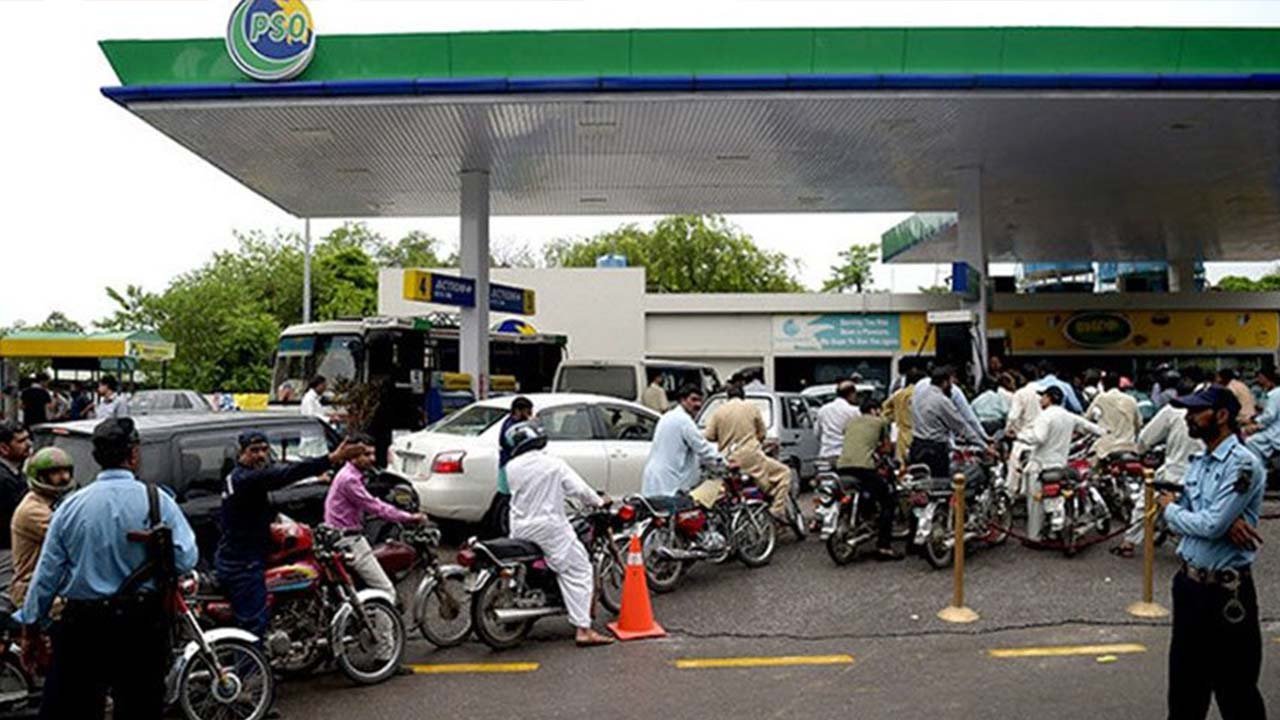
    Pakistan is currently experiencing a shortage of petrol, with its most populous province, Punjab, being hit the hardest. The crisis has affected major and minor cities, towns, and villages in Punjab, with the shortage being attributed to petroleum dealers.

    Sources previously reported that in addition to a low import of petrol by most Oil Marketing Companies (OMCs), petroleum dealers were also involved in hoarding petrol in anticipation of an expected price increase in mid-February.

  • SBP-held foreign exchange reserves drop to a highly critical level of $2.92 billion

    SBP-held foreign exchange reserves drop to a highly critical level of $2.92 billion

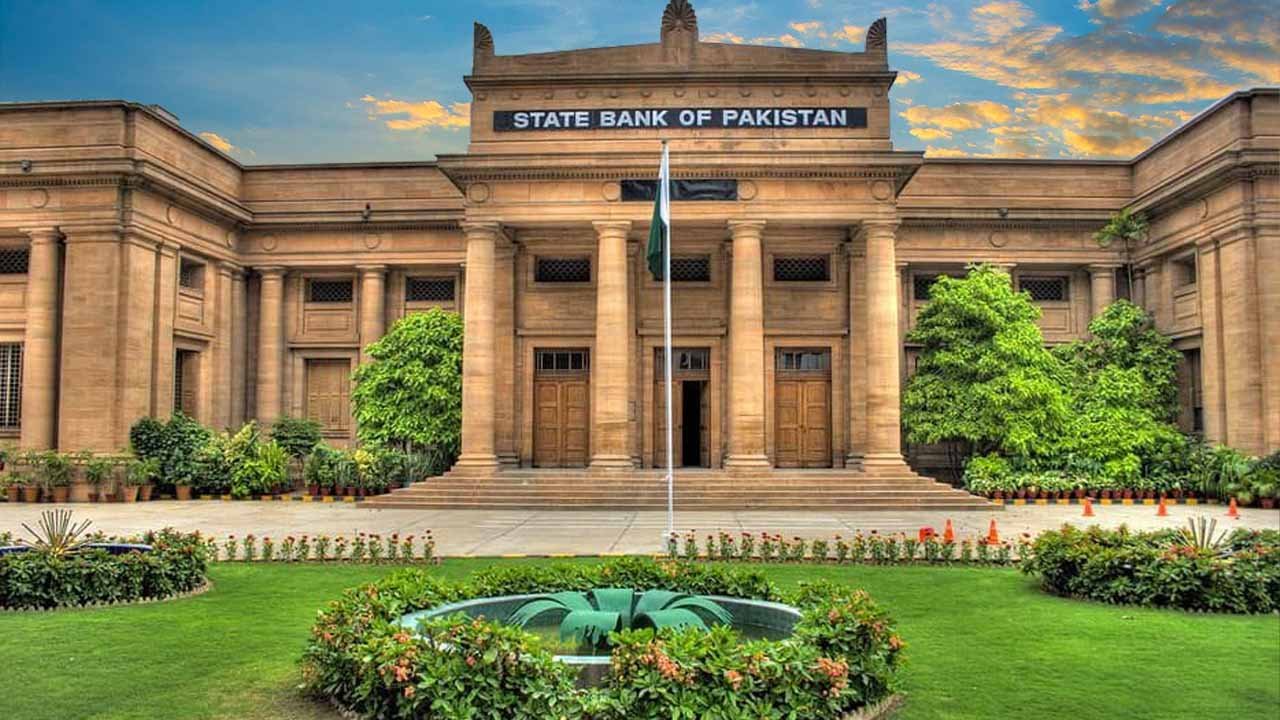
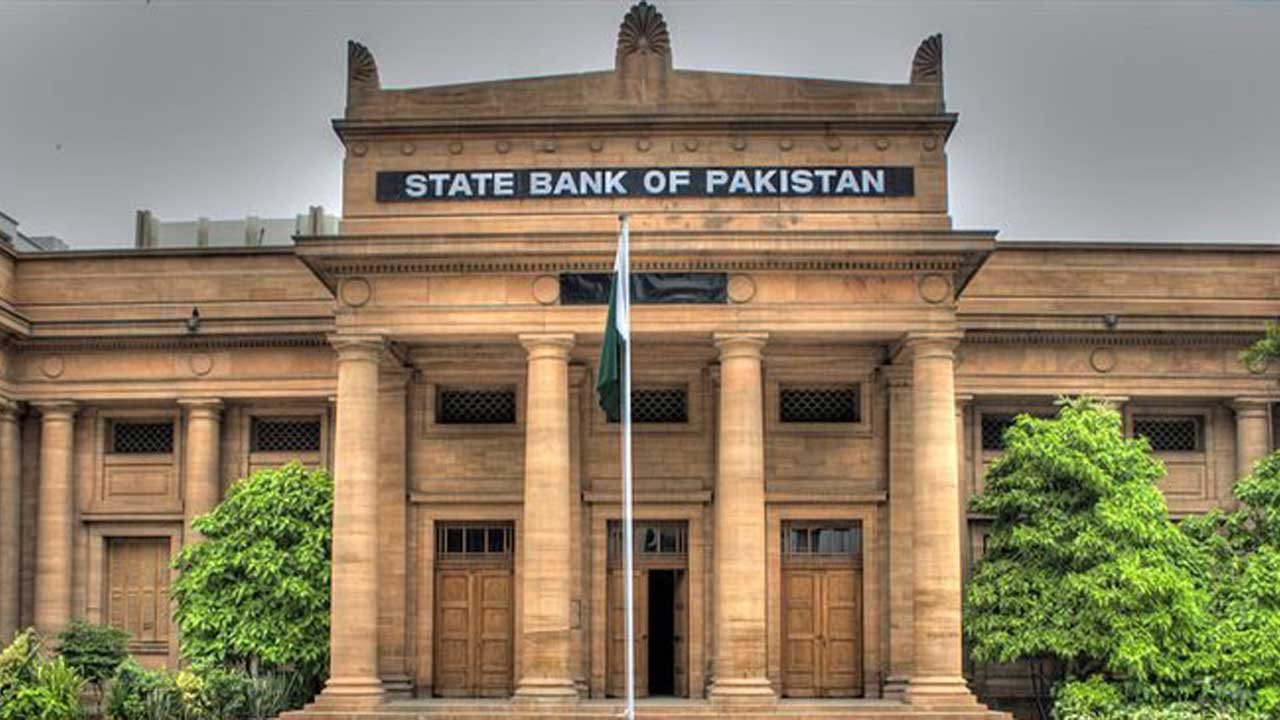
    The State Bank of Pakistan (SBP) has reported a decrease in its foreign exchange reserves, as reflected in data released on Thursday. The reserves fell to a total of $2.92 billion, marking a reduction of $170 million.

    According to the recent data, the current level of reserves held by the bank has reached its lowest point since February 2014.

    The country’s total liquid foreign reserves were reported to be at $8.54 billion, according to the latest data. Meanwhile, commercial banks in the country held net foreign reserves of $5.62 billion.

    “During the week ended on February 3, 2023, SBP’s reserves decreased by $170 million to $2,916.7 million due to external debt repayments,” the SBP said in a statement.

    The State Bank of Pakistan (SBP) experienced a substantial decrease in its foreign exchange reserves last week, declining to $3.09 billion, a drop of $592 million. This represents the lowest level of reserves for the central bank since February 2014. The current level of reserves falls below one month’s worth of import coverage.

    The depletion of the central bank’s reserves, which stood at nearly $18 billion at the beginning of 2022, highlights the pressing need for Pakistan to move forward with the next review of its International Monetary Fund (IMF) program.

    These declining reserves serve as a reminder of the economic challenges facing the country and the importance of addressing them in a timely and effective manner.

  • SBP-held foreign exchange reserves now stand at only $3.09 billion

    SBP-held foreign exchange reserves now stand at only $3.09 billion

    According to figures issued on Thursday, the State Bank of Pakistan’s (SBP) foreign reserves fell precipitously by $592 million to just $3.09 billion. This is the lowest level of central bank reserves since February 2014.

    The nation’s total holdings of liquid foreign exchange were $8.74 billion. There were $5.65 billion in net foreign reserves held by commercial banks.

    “During the week ended January 27, 2023, SBP’s reserves decreased by $592 million to $3,086.2 million due to external debt repayments,” the SBP said in a statement.

    The SBP’s foreign exchange reserves decreased sharply last week, falling by a whopping $923 million to only $3.7 billion.

    The central bank reserves, which were around $18 billion at the beginning of 2022 but have significantly decreased, highlight the pressing need for Pakistan to finish the next assessment of the International Monetary Fund (IMF) programme.

  • Pakistani rupee witnesses biggest single-day decline against dollar in more than two decades

    Pakistani rupee witnesses biggest single-day decline against dollar in more than two decades

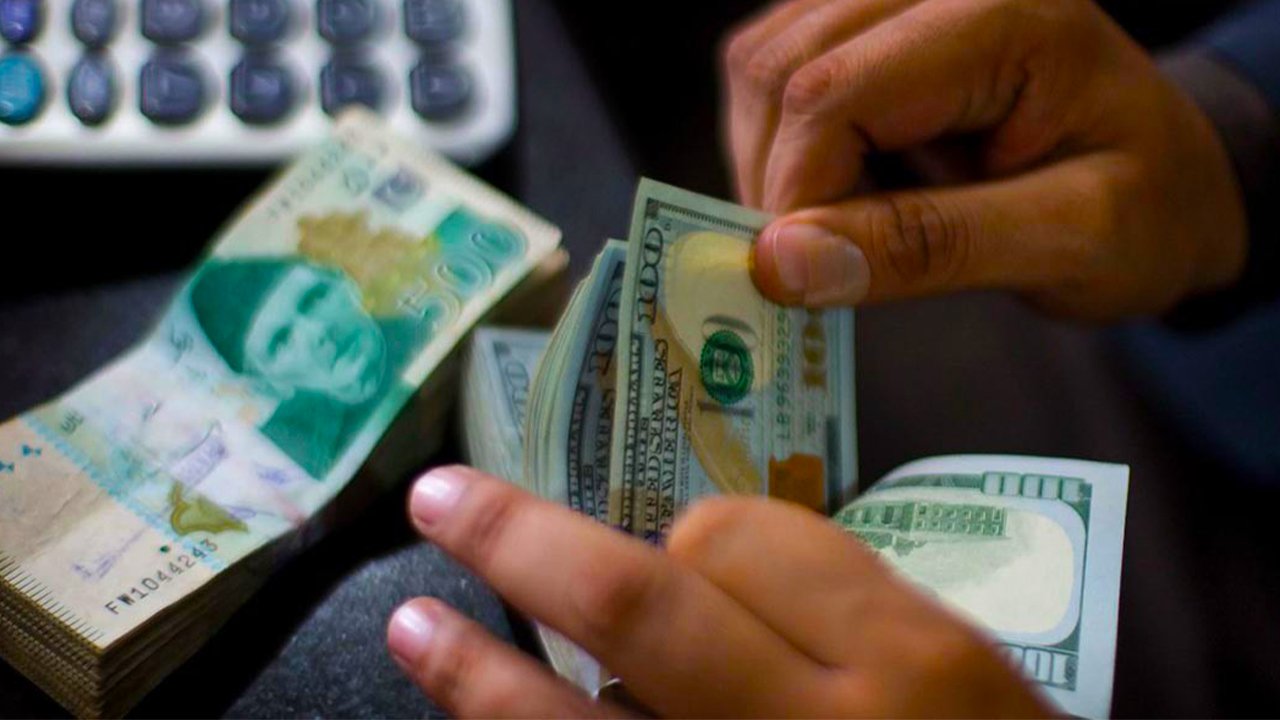
    Pakistani rupee dropped significantly against the US dollar in the interbank market on Thursday, as it fell more than 9 per cent during the intraday trade. Around 1:30 PM, the dollar’s intraday quote was Rs254.75, which represents a depreciation of Rs23.86.

    According to Ismail Iqbal Securities, “This is the largest single-day decline in both absolute and percentage terms, at least since 2000.”

    Earlier in the day the local unit was trading under Rs231.

    Experts predicted that as Pakistan attempted to meet the International Monetary Fund’s (IMF) requirements to renew its bailout programme, the local currency would depreciate significantly in the coming days.

    While speaking to Brecorder, the Head of Research at Ismail Iqbal Securities Limited, Fahad Rauf, said it seems like the rupee has been let go today.

    “This is a market-driven rate,” Rauf said. “This is a sign that we are moving closer to reviving the stalled IMF programme.”

    The market expert said the development was much-needed, as capping the interbank rate only led to the creation of the grey market. He said that the development will improve the greenback supply to a significant extent.

    On Wednesday, the rupee registered a loss for the 26th successive session against the dollar to settle at Rs230.89, a decrease of Re0.49 or 0.21 per cent.

    Pakistani rupee on Thursday fell 9.61 per cent or Rs24.54 to a shocking all-time low of Rs255.43, according to the State Bank of Pakistan (SBP).

  • Pakistan gets $2 billion from UAE, with $1 billion additional loan in pipeline

    Pakistan gets $2 billion from UAE, with $1 billion additional loan in pipeline

    Finance Minister Ishaq Dar announced on Wednesday that the Abu Dhabi Fund for Development (ADFD) has rolled over their deposit of $2 billion with the State Bank of Pakistan (SBP).

    In a tweet, the minister highlighted that Prime Minister Shehbaz Sharif had discussed the rollover with the United Arab Emirates (UAE) President Sheikh Mohammed bin Zayed al-Nahyan, during his recent visit to the country.

    The UAE agreed to give Pakistan $1 billion and roll over an existing $2 billion loan on January 12, according to the Pakistani information minister, as the nation’s central bank’s foreign reserves had shrunk to only three weeks’ worth of imports.

    The UAE’s financial assistance gave the nation, which is still recovering from devastating countrywide floods that have cost more than $30 billion in damage, some solace.

    Shehbaz Sharif, the prime minister of Pakistan, announced the loans as he began a two-day trip to the United Arab Emirates. In a statement, Sharif stated, “This support will help us weather economic hardships.

    He met with UAE President Sheikh Mohammed bin Zayed al-Nahyan and was scheduled to speak with other government representatives and business executives about commercial and economic potential, according to Information Minister Marriyum Aurangzeb.

    External finance is essential for Pakistan’s faltering economy because the IMF’s ninth review to approve the transfer of a fresh $1.1 billion tranche of money to Pakistan has been on hold since September.

    According to Geo, SBP’s foreign exchange holdings dropped to an alarming $4.3 billion level, barely enough for three weeks’ worth of imports, according to the bank. Net foreign exchange reserves held by commercial banks stood at $5.8 billion, and total liquid reserves at $10.1 billion.

  • Dollar inflows from next week will increase foreign exchange reserves: SBP governor

    Dollar inflows from next week will increase foreign exchange reserves: SBP governor

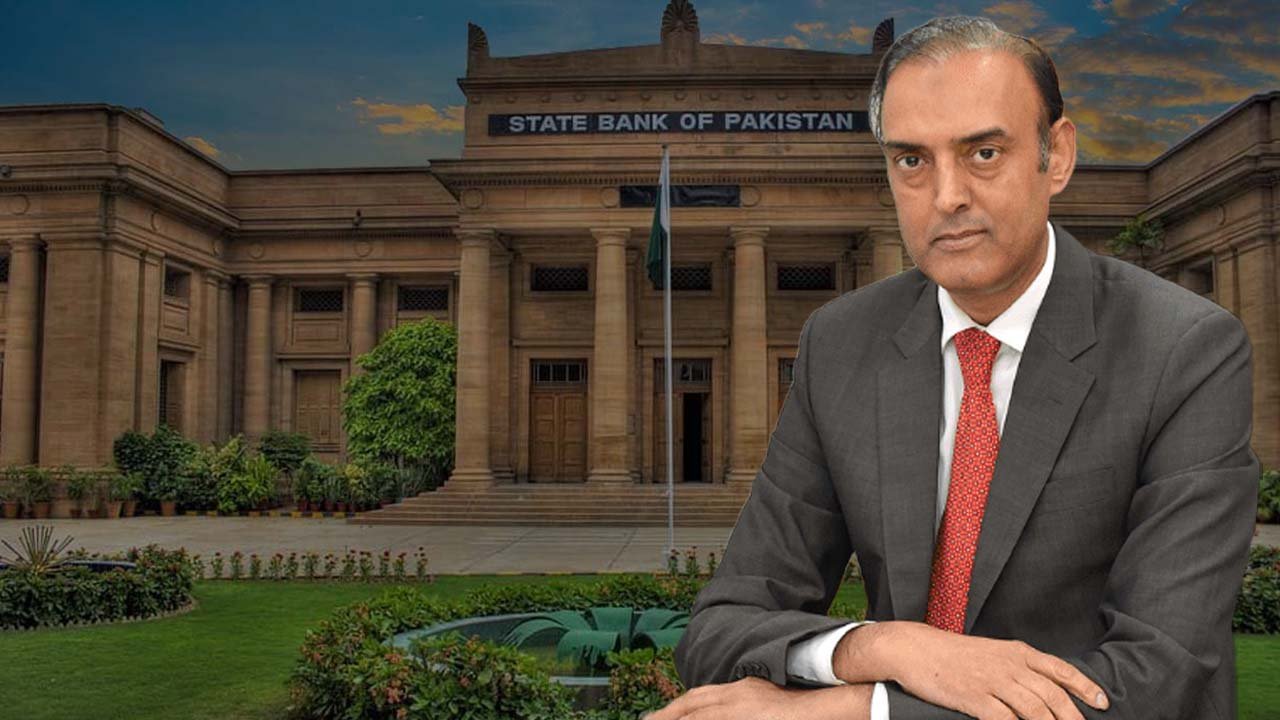
    Governor of the State Bank of Pakistan (SBP) Jameel Ahmad expressed hope on Wednesday that the situation of Pakistan’s foreign exchange reserves will improve as the country is anticipated to receive capital inflows in the coming days.

    “We are expecting inflows from next week onwards, which would reduce pressure on our foreign exchange reserves,” the SBP governor said.

    Ahmad reaffirmed his commitment to addressing the concerns of manufacturers and claimed that the nation’s foreign exchange reserves have reached very low levels. But as projects in the pipeline start to take shape, he predicted, “we will see a boom in reserves, which will increase our ability to support businesses.”

    According to the most recent SBP data, the central bank’s foreign exchange reserves dropped significantly by $1.23 billion, to a critically low level of $4.34 billion. SBP’s reserves are at their lowest point since February 2014.

    The country held $10.19 billion in liquid foreign reserves, and commercial banks kept $5.85 billion in net foreign reserves, according to Brecorder.

    To the dismay of many importers and firms in Pakistan, who claimed these limits as the cause for closing or curtailing operations, the SBP restricted imports earlier this year due to the low level of reserves.

    According to Ahmad, the SBP facilitated shipments under the headings of necessities, energy, industries focused on exports, agricultural inputs, deferred payment / self-funded imports, and imports for projects focused on exports that were almost finished.

    Prior to this, the central bank made the decision to remove import restrictions beginning on January 2, 2023.

    “Our capacity to export will build up only after we complete export-oriented projects, thus we have facilitated the timely completion of these projects,” he said.

    “We want to facilitate all the industries, however, we can only do so under our given capacity of inflows. We do not produce dollars locally, they come through exports, remittances, and inflows from lenders,” said Ahmed.

    “We are focusing on improving our capacity, and are also taking administrative intervention to bring our imports on a reasonable level,” he added.

    The SBP chief said evaluating the Letter of Credit (LC) is a time-consuming exercise. “We have cleared 33,000 LC cases,” he said.

    He added that steps had been done to control the current account deficit and that the central bank was aware of issues facing the business community.

    The governor stated that an action plan in this regard will soon be launched after the SBP carefully evaluates the business community’s ideas.

    He assured the business community that the central bank will ensure the approval of 365 days or over LCs from banks. “Similarly, if you have arranged a project loan, and yet the LCs are not being opened, the SBP will ensure it,” he said.

    The SBP had recommended banks to compel the retention of 35% of their export receipts in special foreign currency accounts in order to encourage IT companies and independent contractors to bring their foreign exchange earnings into the nation.

    “We are hopeful that the problems of the IT sector will be addressed, and as a consequence, our exports from the IT sector will increase,” said Ahmed in his address.
  • Pasha warns inflation may increase to 70% if Pakistan defaults

    Pasha warns inflation may increase to 70% if Pakistan defaults

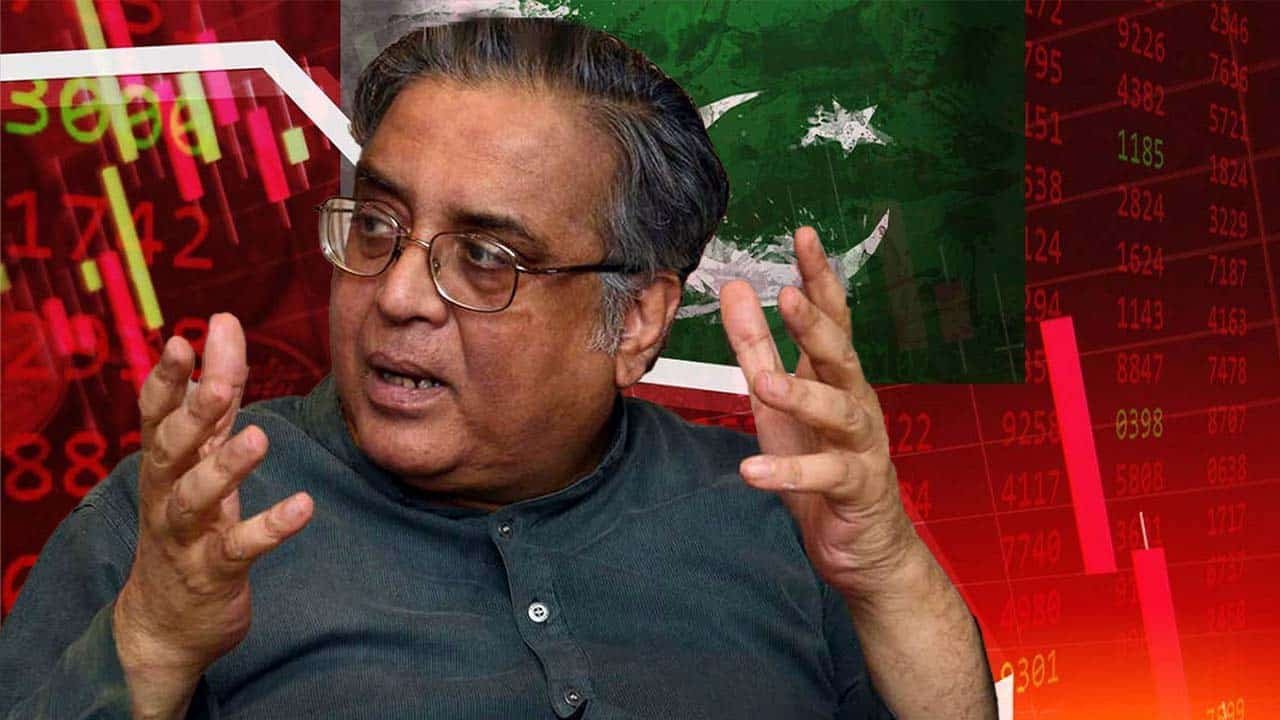
    Former finance minister Dr Hafiz Pasha on Tuesday warned that inflation in Pakistan may soar to 70 per cent in the event of a default.

    Pasha predicted that Pakistan’s general economy would likely continue to experience severe stagflation in 2023. He was speaking to members of the Pakistan Industrial and Traders Associations Front (PIAF).

    Due to the International Monetary Fund (IMF) stringent requirements, inflation will still increase to at least 35 per cent even if the loan from international lender is restored, according to Express Tribune.

     “If the government implements the key reforms agreed with the IMF, including a Rs50 levy per litre on POL, an electricity tariff hike of 40 per cent, doubling of the gas tariff, and shift to market-based exchange rate policy, the inflation rate could exceed 35 per cent,” Pasha cautioned.

    If the government does not implement the agreed reforms, he said, “It will lead to a termination of the IMF programme and will virtually dry-up the country’s capital.”

    According to Pasha, Pakistan’s reliance on pricey foreign loans has been disastrous. The nation’s debt in the first 65 years was $65 billion. In the following seven years, as we increased our reliance on costly loans with high interest rates, this amount increased to approximately $130 billion.

  • Exchange companies suggest higher US dollar rate to increase remittances

    Exchange companies suggest higher US dollar rate to increase remittances

    The government has been advised by the Exchange Companies Association of Pakistan (ECAP) to “set” the dollar rate to lessen currency market volatility as the country fights a severe economic crisis and declining foreign exchange reserves.

    The general secretary of ECAP Zafar Paracha said in a statement on Monday, “It is advised to fix the rupee/dollar exchange rate for export-import bills and remittances”. He further said these remittance proceeds could be received by banks and money changers at a fixed rate of Rs240 per dollar.

    Pakistani rupee closed at Rs228.34 per US dollar, compared with the previous close of Rs228.15 in the interbank market. In the open market, the local unit was trading at Rs238.75 against the greenback.

    Paracha suggested the government to set the rate of Rs240 per dollar for overseas Pakistanis and for inward remittance.

    He expects that by making the change, the official channel would be strengthened, remittances would increase, Hundi/Hawala would decline, and eventually, the grey market would vanish.

    According to Paracha, the exchange rate between the dollar and the local currency has hit Rs267 to Rs270. The offer could be made at Rs228 against/ the dollar in order to obtain exporters’ revenues. Additionally, the rate for importers would be determined by the weighted average of the exporter and home remittance rates. He said that it would help remittances and exporters.

    It will boost the nation’s foreign exchange reserve, encourage exporters to bring dollars, and strengthen the exchange companies’ remittances division.

    The country received $14.1 billion in remittances during the first six months (July-December) of the current fiscal year, a decline of 11.1 per cent from a year earlier.

    As of January 6, Pakistan’s foreign exchange reserves at the State Bank of Pakistan fell by $1.2 billion to $4.3 billion, just enough to fund three weeks’ worth of imports.

    Due to significant repayments of foreign debt and a lack of external funding, which have severely reduced Pakistan’s foreign reserves and resulted in ongoing dollar shortages, the country is currently facing a balance of payments crisis.