Tag: France

  • Ban on abayas in state-run schools in France

    The French education minister has imposed a ban on students, prohibiting them from wearing abayas in state-run schools. The ban will be imposed from the next academic year starting September 4.

    France has always prohibited religious manifestations in state schools and government spaces as they “violate secular laws”.

    Ban on abayas has been implemented after months of debate over the attire worn in schools.

    Education Minister Gabriel Attal, while talking to France’s TF1 TV, said: “When you walk into a classroom, you shouldn’t be able to identify the pupils’ religion just by looking at them,

    “I have decided that the abaya could no longer be worn in schools.”

    With an increasing number of students wearing abayas, the political divide has widened as the right-wing parties are pressing for a ban while the left-wing is advocating for the rights of Muslim women and girls.

    “Secularism means the freedom to emancipate oneself through school,” added Attal. He believes that abaya is “a religious gesture, aimed at testing the resistance of the republic toward the secular sanctuary that school must constitute.”

    France implemented a strict ban on religious signs in schools back in the 19th Century which included Christian symbols like large crosses. The purpose was to eliminate any Catholic influence on public education. Now that people from other religions have a significant presence in French society, the laws have been updated and are targeted at the Muslim headscarf and Jewish kippa.

    France first imposed a ban on headscarf in state-run schools in 2004 while full face veils were banned in public in 2010.
  • Is France considering an internet shutdown after riots, mayor’s house set on fire with family inside?

    Is France considering an internet shutdown after riots, mayor’s house set on fire with family inside?

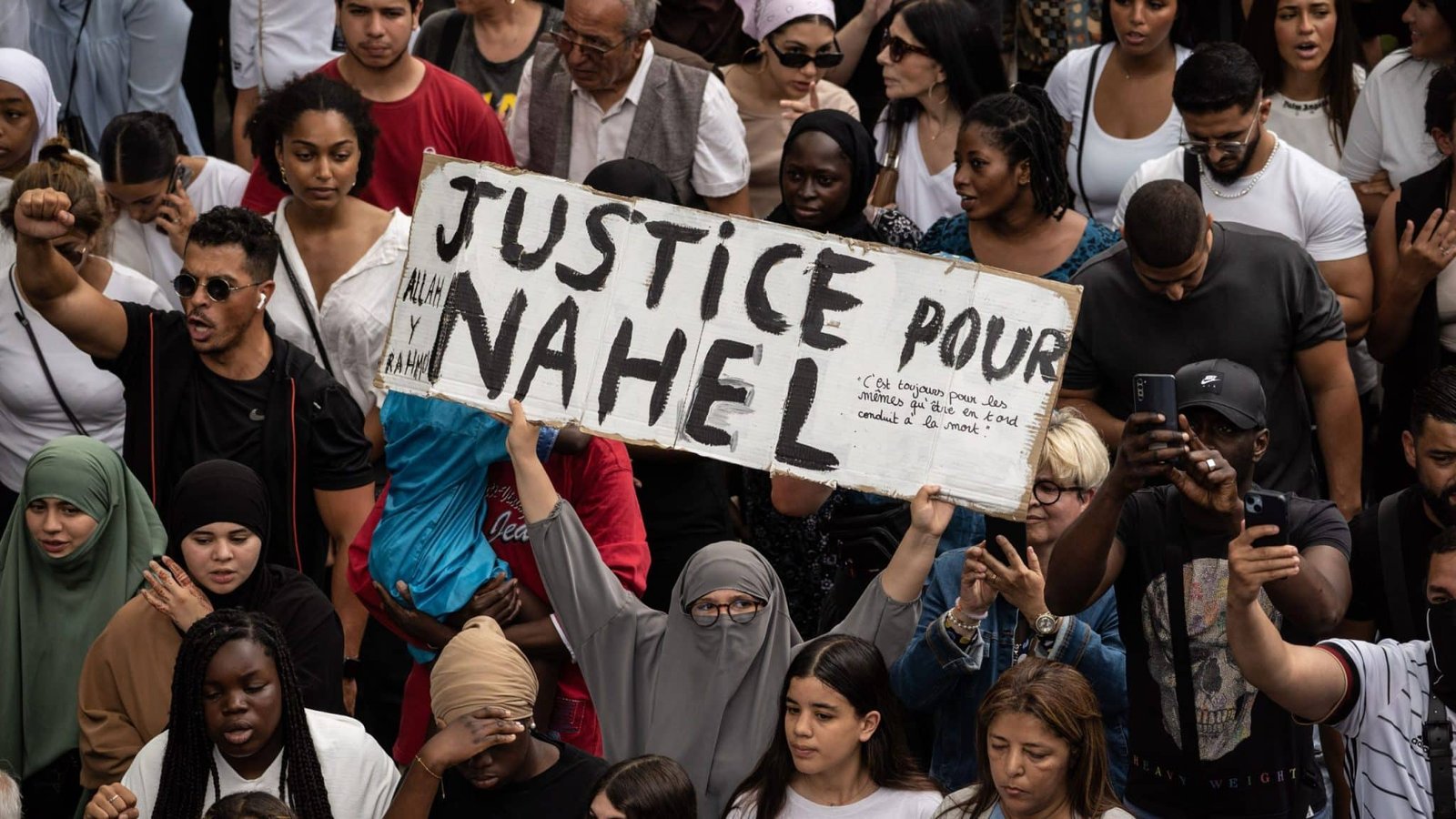
    Multiple media outlets have reported that after six straight nights of riots in France, the country’s interior minister has posted a statement announcing a partial ban on the internet after hundreds were arrested for protesting the brutal murder of 17-year-old Nahel, a French national of African descent.

    However, the reports remain unconfirmed, being carried only by Asian news outlets like Samaa and Indian publication Scroll.

    The protests in France continue to grow stronger, with Sunday witnessing Paris mayor Vincent Jeanbrun’s house being set on fire, injuring his wife and children, who were inside sleeping.

    Writing on Twitter, Jeanbrun revealed that rockets were thrown at his house as they fled, calling the attack an “assassination attempt” and “unspeakable cowardice”.

    “A line has been crossed,” he wrote. “If my priority today is to take care of my family, my determination to protect and serve the Republic is greater than before.”

    According to Jeanbrun, a car was used to ram through the gates of his family’s home, and then the vehicle was set on fire which then spread towards the house.

    The mayor also revealed that a murder investigation has been launched against the perpetrators behind the violent attack.

    The protests in France began last Sunday after the brutal death of Nahel, reigniting long standing accusations of racism and police brutality within the French police.

    According to Al-Jazeera, the French Interior Minister reportedly deployed 45,000 police officials along with helicopters and armed vehicles. Around 700 people have been arrested since the protests began.

  • What is happening in France?

    What is happening in France?

    Protests have erupted in France after police shot dead Nahel M, a 17-year-old boy of Algerian descent, on Tuesday for allegedly driving his car towards police.

    Police said that the teenager was driving his car towards them, but footage emerged on social media on Wednesday contradicting their narrative. A video clip showed a police officer pointing his weapon through the window and appearing to fire at point-blank range, with a voice saying “You are going to get a bullet in the head.”

    The protests started on Wednesday soon after the video of the incident started circulating on social media.

    French government’s stance:

    French President Emmanuel Macron said on Wednesday the shooting was “inexplicable” and “unforgivable”.

    “Nothing can justify the death of a young person,” said Macron, adding that the incident had “moved the entire nation”.

    However, the Macron government is rejecting accusations of racism among police.
    “Any accusation of racism or systemic discrimination in the police force in France is totally unfounded,” the foreign ministry said.

  • Proposed French bill will require influencers to disclose filters used on their pictures

    A new law proposed by the French Finance Minister Bruno Le Maire will soon ban social media influencers from uploading photos without mentioning re-touches or filters they have added to them.

    The new law seeks to curtail cosmetic surgery, keeping in mind its ill effect on the mental health of teenagers. The law states that any new picture or video uploaded will also include the filters added to it in the caption or description, while all promotions of cosmetic surgery will be banned.

    Penalty for revoking this law could include up to two years in prison and $32,525 in fines, while the influencer responsible for breaking the law would also be banned from using social media or profiting from being an influencer.

    Speaking to a French website, Le Maire said that the law was not an attempt to restrict influencers. It was to create a system that protects them as well as consumers.

    This is not the first time France has taken strict measures to tackle the rise of inaccessible beauty standards. In 2017, the country passed a law requiring any commercial photo that has been re-touched to change the model’s body to be labeled as ‘photographie retouchée’ (retouched photograph).

  • Charles Sobraj, the true story serial killer in the Netflix series ‘The Serpent’, walks free after 18 years

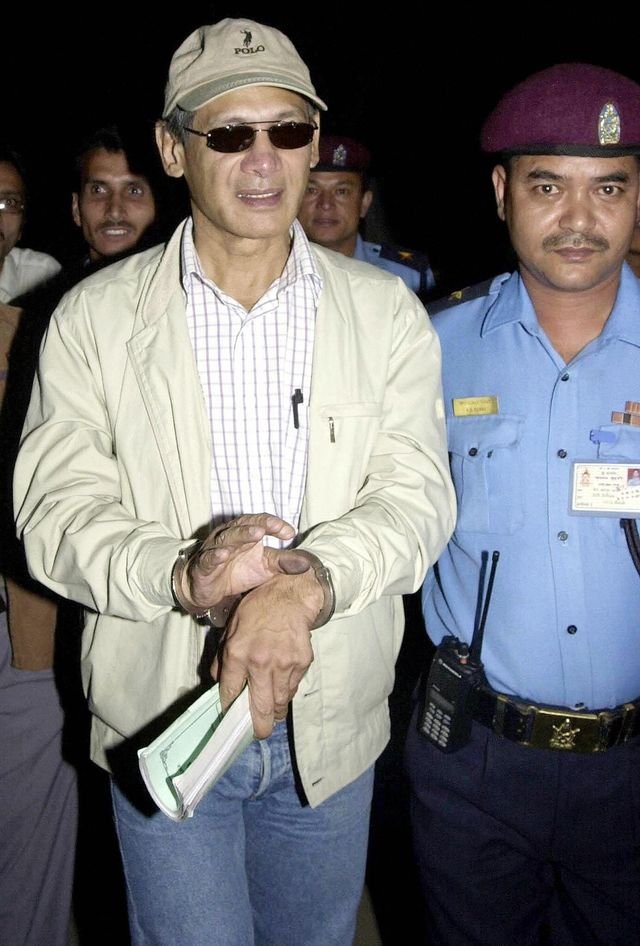
    Charles Sobraj, the true story serial killer in the Netflix series ‘The Serpent’, walks free after 18 years

    French serial killer Charles Sobraj has been granted freedom from a 20 year prison sentence in Nepal. The Frenchman is now flying back to his home country.

    The serial killer had been the inspiration behind the Netflix limited series “The Serpent” which narrated the string of murders Sobraj had committed in South Asia during the 1970’s.

    Sobraj was nicknamed “The Serpent” because of his reputation as an escape artist and ability to hide with the help of disguises.

    Sobraj confessed in 2004 to the murder of Canadian and American backpackers. Nepal’s Supreme Court had ruled that the serial killer could be released on account of his ailing health due to heart failure, good behavior and having completed his life sentence. In Nepal, life sentences are only 20 years.

    Sobraj had previously been held in a high-security prison in New Delhi for two decades on suspicion of robbery, but he had been deported without charges to France in 1997. However, the Frenchman had later re-emerged in Kathmandu in September 2003. The serial killer has also been believed to be responsible for at least 20 murders in countries like India, Afghanistan, Thailand, Turkey, Iran and Hong Kong during the 1970’s.

  • The significance behind the black cape Lionel Messi wore at the FIFA world cup ceremony

    The significance behind the black cape Lionel Messi wore at the FIFA world cup ceremony

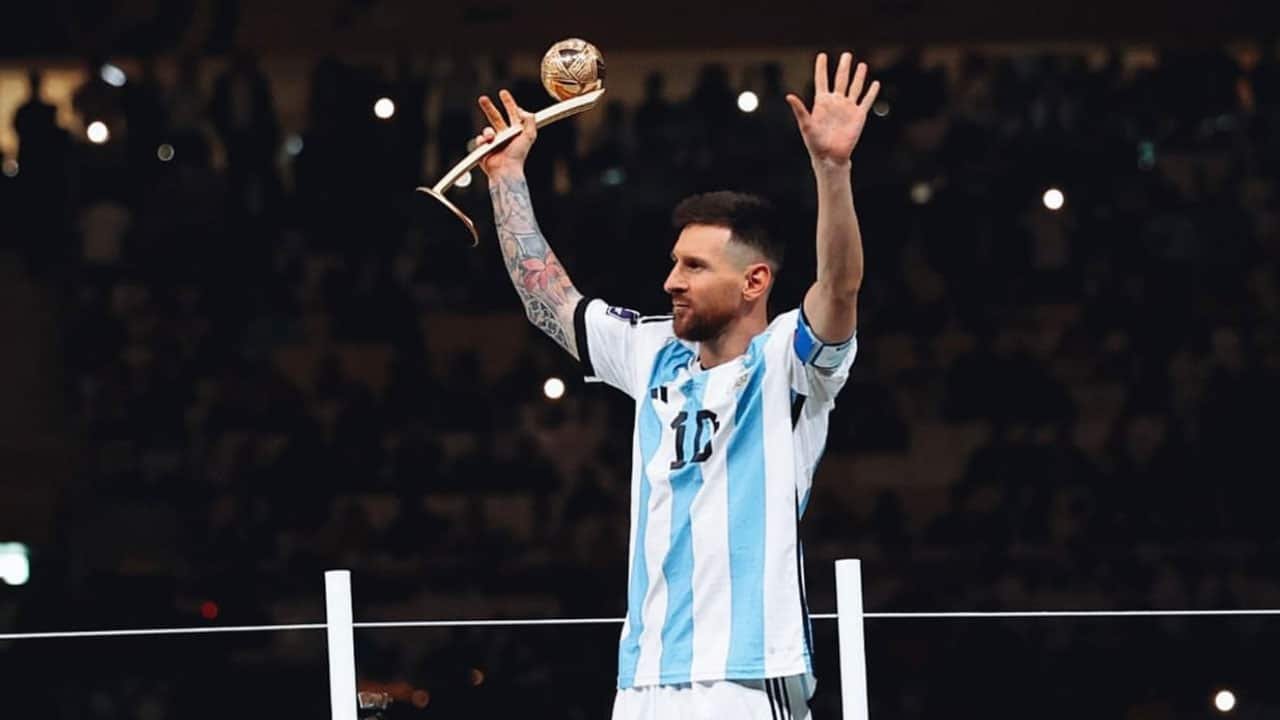
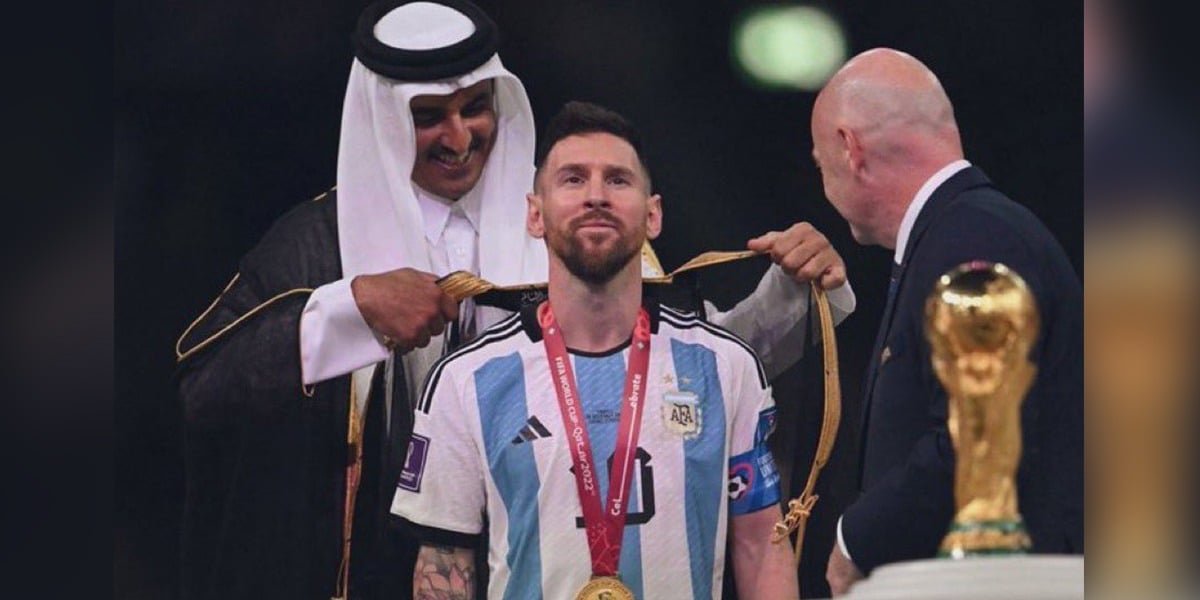
    The most significant part of the FIFA world cup ceremony was when Messi had been invited to the stage to receive the trophy, the King of Qatar had given him a black cape to wear before he lifted up the world cup to celebrate with his team members.

    Since yesterday social media users, mostly people in the West, were mostly expressing disappointment about Messi’s pictures being ruined by a black cape and even saying that it had ruined a significant moment for the football player. Many Arab critics and journalists were quick to highlight the racism in the media coverage of the West, and its overt disregard for Eastern culture and tradition.

    As Eastern journalists and critics had shared, every time the FIFA world cup would take place in different countries, the winner would be crowned according to the traditions of the host. For instance in 2004 when the Olympics were hosted in Athens, the winners were crowned with an olive wreathe. But the negative coverage over Messi wearing the bisht is proof of how racism in the Western media will remain an unresolved issue

    The black cape that Messi had worn on the final ceremony is called the bisht and historically, it holds a lot of significance within Arabic culture. The bisht is worn by Arabian warriors after a victory. At the ceremony, when the King of Qatar had given Messi the cloak, it was giving someone the highest form of respect and signified him as the King of Football.

  • Lionel Messi’s World Cup win Instagram post crosses 45 million likes

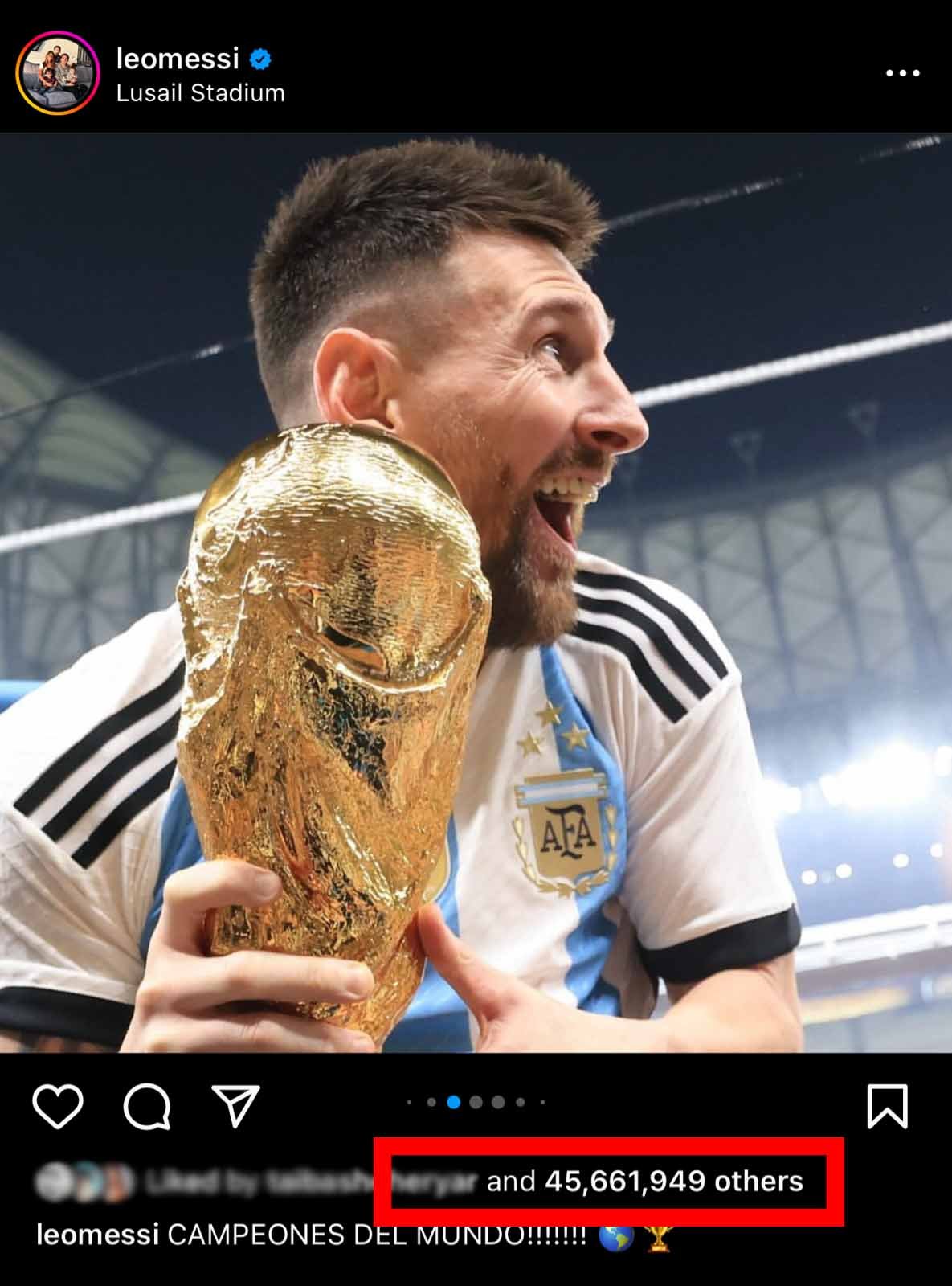
    Lionel Messi’s World Cup win Instagram post crosses 45 million likes

    Lionel Messi finally received the World Cup trophy in what he declared to be his final game, regardless of the win.

    While the match appeared to be a straightforward victory for Argentina over a fatigued France team for much of the final, Kylian Mbappé’s extraordinary brace at the start of the final 10 minutes of regulation time transformed the game into a nail-biting thriller that has been hailed as one of the greatest World Cup finals of all time.

    Messi himself scored twice, including a goal late in extra time that appeared to finally give Argentina the victory. But Mbappé scored from a penalty spot seconds later to seal his hat-trick and trigger a penalty shoot after the game finished 3-3. Argentina ultimately won the penalty shootout 4-2 thanks to goals from Messi and Mbappé, who are also Paris St. Germain colleagues on the club level.

    He next shared pictures of himself rejoicing with the trophy along with a heartfelt Instagram post in which he congratulated his teammates, family, and Argentina’s supporters.

    Although it could be his last World Cup game, he still plans to play for Argentina. “WORLD CHAMPIONS!!!!!!! I dreamed it so many times, I wanted it so much that I still haven’t fallen, I can’t believe it,” Messi said in Spanish.

    “Thank you very much to my family, to all who support me and also to all who believed in us. We demonstrate once again that Argentines when we fight together and united we are capable of achieving what we set out to do. The merit belongs to this group, which is above individualities, it is the strength of all fighting for the same dream that was also the dream of all Argentines… We did it!!! GO ARGENTINA!!!!! we are seeing each other very soon,” Messi wrote in his latest Instagram post.

    The latest post currently has more than 45 million likes, making it the most popular Instagram post from a sportsperson.

    A post featuring Messi also held the previous record, but it was posted by his great rival Cristiano Ronaldo. The picture appeared to show Ronaldo and Messi engaged in a game of chess.

  • Argentina vs France: Pakistani Twitter wins the memes trophy

    Argentina vs France: Pakistani Twitter wins the memes trophy

    Celebrations erupted all over social media last night when after a tough final, Argentina lifted the 2022 FIFA world cup. For Pakistani Twitter Argentina’s win felt personal with Lionel Messi being one of the most popular players here. The maestro won the Golden Ball trophy for best player on Sunday night .

    Pakistani social media users responded with hilarious memes regarding last night’s epic match. Have a look at the reactions:

    Other Pakistani users responded with some hilarious memes regarding last night’s epic match. Have a look at the reactions:

    https://twitter.com/Lanaalkadyy/status/1604520629620948993?s=20&t=ycnFAtc6D-2xeAcQzpE1KA

  • Loadshedding in Paris? Symbol of love Eiffel tower will go dark early every night

    Loadshedding in Paris? Symbol of love Eiffel tower will go dark early every night

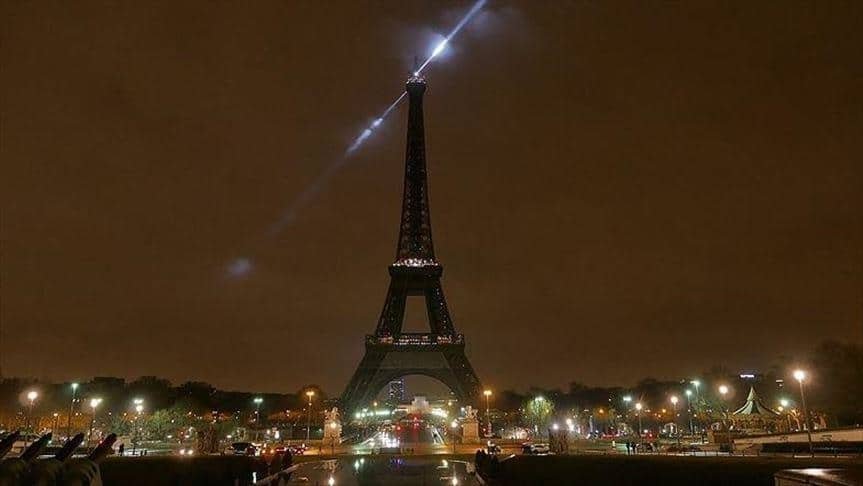
    One of the best-known and most imitated monuments in the world— the Eiffel Tower— will shut down its lights earlier than usual due to the ongoing energy crisis in Europe.

    The decision was announced by Paris Mayor Anne Hidalgo. The government’s plan includes aiming to save 10 per cent of Paris’ energy consumption during winters. Not just the famed tower but all of the city’s municipal buildings will turn off their lights starting at 10pm. However, public lighting will remain switched on in the city for the safety of its citizens.

    The earlier shutting off of the Eiffel Tower lights will begin on September 21. All lights will be switched off at 11:45pm when visiting time has ended.

    It is pertinent to mention that the tower makes up about 4 per cent of the monument’s annual energy expenses.

    Earlier, it was usually illuminated in golden hues within less than 10 minutes of nightfall and has an hourly 5-minute show of dazzling sparkles until 1am.

    Other actions in the mayor’s plan include lowering temperatures in public buildings, reducing water temperature in swimming pools, and axing hot water in administrative buildings and some public buildings.

    Europe’s energy crisis is one of the many setbacks of Russia’s ongoing invasion of Ukraine. When the war broke out in Ukraine, European nations overwhelmingly supported the young country in its defense against Russian forces. But, historical reliance on Russian energy exports has left the continent reeling under rising energy costs.

  • France to provide Rs4.6 billion for the renovation of Lahore Fort

    France to provide Rs4.6 billion for the renovation of Lahore Fort

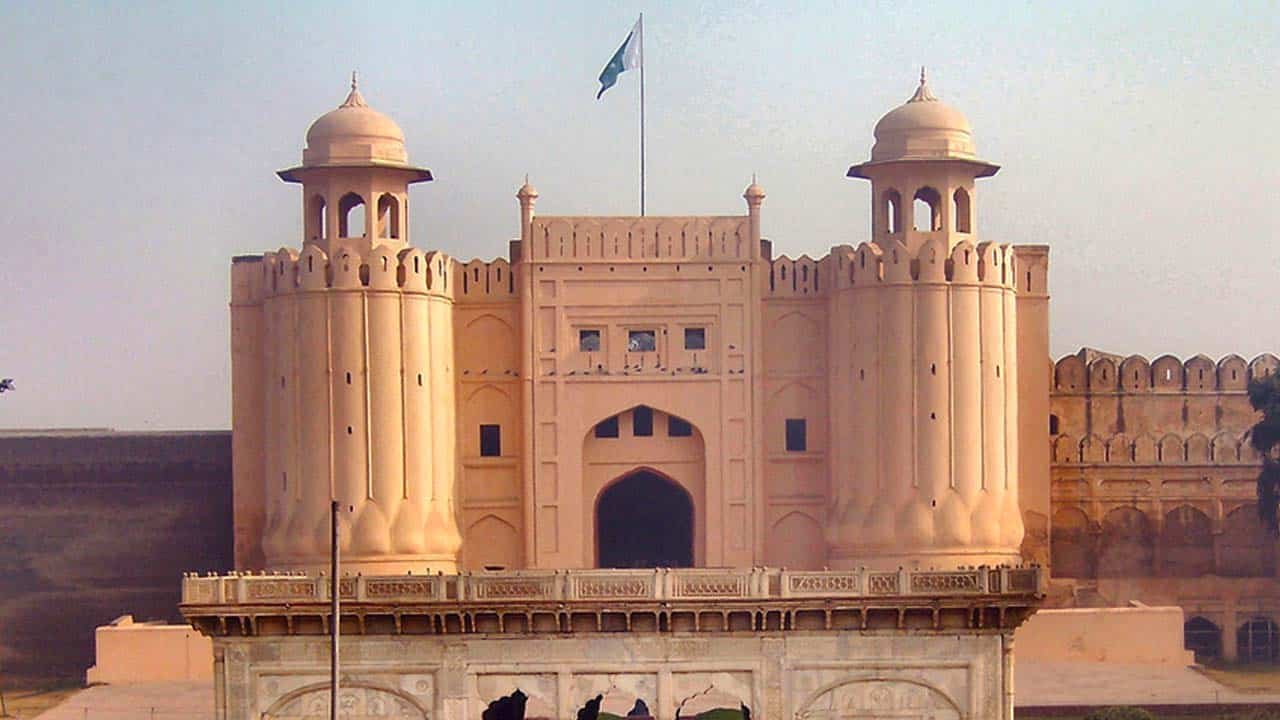
    A financing agreement worth more than Rs4.6 billion (€22 million) has been signed by the government of Pakistan and the government of France, through the French Development Agency (FDA), to provide technical and financial support for the restoration of the Lahore Fort.

    A special heritage site in Pakistan is to be protected and restored as part of the HURL (Heritage & Urban Regeneration in Lahore) project. The areas of focus will be increasing economic activity, promoting tourism, and preparing local communities for climate change.

    The walled city and fort of Lahore, which is in the middle of an 11 million-person metropolis, is made up of numerous unique structures with exceptional historical and cultural value as well as numerous compact ancient neighbourhoods.

    The fort faced numerous threats to its integrity, which led to UNESCO listing it as a World Heritage Site in Danger in 1981. The Walled City of Lahore Authority (WCLA), the Aga Khan Trust for Culture (AKTC), and the Punjab government launched a ten-year conservation initiative to develop and restore the site in 2012.

    The French government is delighted to be supporting this attempt through AFD: “France is proud to be part of the ambitious plan of the Punjab government to develop and promote the unique cultural heritage of Lahore,” said Nicolas Galey, the French ambassador to Pakistan.

    By enhancing the tourist attraction of the locations and enhancing the living conditions of the riparian populations, the restoration and development of the Lahore Fort surroundings will be a potent engine of sustainable economic development of the City.

    The HURL project will be financed over a five-year period. It is anticipated that this will strengthen the Lahore Fort’s resilience, generate more income and employment opportunities, particularly for women and the transgender community, and contribute to the restoration and improvement of the fort.

    By including the neighbourhoods surrounding the fort as a growth interface, it will also increase tourism development and strengthen the capacity of WCLA and its associates.

    The AFD is reaffirming its dedication to Lahore’s urban development by funding this project. This significant undertaking is just the beginning of the French government’s efforts to support the restoration of South Asian heritage.