Tag: freelancers

  • Here’s when PayPal and Stripe payment services will be available in Pakistan

    Here’s when PayPal and Stripe payment services will be available in Pakistan

    Dr Umar Saif, Pakistan’s interim Federal Minister for IT and Telecommunications, shared noteworthy developments on Wednesday regarding the imminent availability of PayPal and Stripe payment gateways within the country. Addressing the flourishing freelancing community, he drew attention to the current scarcity of financial tools to facilitate payments within this sector. 

    During these discussions with major industry players, including PayPal, Stripe, and Wise, a compelling case for Pakistan was presented, despite reservations, including those arising from the Financial Action Task Force (FATF). 

    Dr Saif expressed optimism, foreseeing promising updates on PayPal and Stripe services in the coming four to six weeks, heralding positive implications for the freelancer community. 

    Highlighting the substantial size and potential of Pakistan’s IT freelancing workforce, the country ranks as the world’s second-largest online workforce, boasting approximately 1.5 million active IT freelancers. Nonetheless, the sector’s growth has been stymied by infrastructure limitations. 

    To address these challenges, the E-Rozgar programme is set to offer interest-free loans to the private sector, with plans for establishing co-working spaces capable of accommodating 500,000 individuals. Dr Saif also revealed a collaborative initiative with the Higher Education Commission (HEC) to introduce standardised testing for IT graduates. 

    The significance of Pakistan’s IT sector cannot be understated, with around 19,000 companies contributing substantially to both employment and the national economy, boasting official exports worth $2.5 billion. 

    Another pertinent issue discussed by Dr Saif is the reluctance of some IT companies to maintain foreign exchange reserves and revenues abroad due to constraints on repatriating US dollars. Despite conservative estimates placing Pakistan’s IT exports at $4–4.5 billion, the reality is obscured by restrictions on US-dollar spending. 

    Fueled by cooperative efforts between the IT ministry and P@SHA, a positive development has emerged. IT companies can now retain 50 per cent of their revenue in US dollar accounts and receive corporate debit cards from banks, facilitating international payments without hindrance. 

    In addition, the State Bank of Pakistan (SBP) has played a crucial role in assisting IT exporters. The SBP recently increased the permissible retention limit for IT exporters, allowing them to hold 50 per cent of their export proceeds in Exporters’ Specialised Foreign Currency Accounts (ESFCAs) with the aim of bolstering IT and IT-enabled services exports. 
  • Pakistan plans to establish 5,000 e-working centres to empower freelancers 

    Pakistan plans to establish 5,000 e-working centres to empower freelancers 

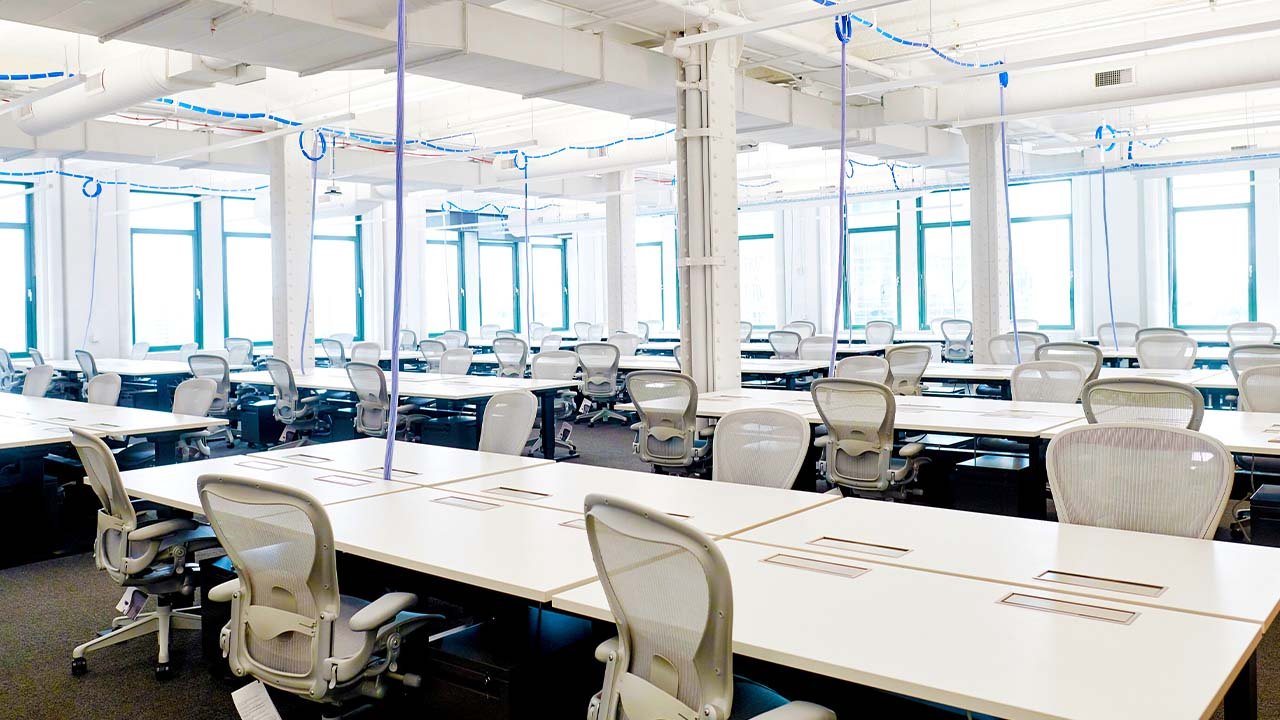
    Dr Umar Saif, the Caretaker Federal Minister for Information Technology and Telecommunications, has announced a significant government initiative to establish 5,000 collaborative e-working centres designed specifically for freelancers.  

    In a recent statement, Minister Saif unveiled plans to provide interest-free loans for the creation of these joint E-Working Centres, with the primary goal of facilitating freelancers and, in turn, generating millions of job opportunities throughout the country.  

    A press release from the Ministry, issued on Thursday, also highlighted Minister Saif’s commitment to attracting global investors to support startup ventures. Additionally, he mentioned an upcoming visit to Saudi Arabia to further these discussions.  

    Furthermore, Minister Saif emphasised a positive dialogue with Caretaker Finance Minister Shamshad Akhtar, focusing on a comprehensive 5-point agenda centred on the IT sector. One key topic of discussion was the issue of retaining dollars within the IT industry.   

    According to Geo News, the Ministry believes that addressing this matter will not only repatriate overseas IT accounts to Pakistan and restore investor confidence but also enhance the inflow of foreign currency into the country, consequently boosting the volume of IT exports.  

    Separately, Minister Saif stressed the need for the Pakistan Software Export Board (PSEB) to redefine its role. He proposed that the PSEB should actively assist IT companies in securing international clients and expanding their businesses on the global stage, ultimately promoting the image of Pakistan in the international market.  

    During the 58th meeting of the PSEB, Minister Saif underlined Pakistan’s unique strengths in terms of IT professionals and its favourable time zone. He emphasised the importance of presenting Pakistan’s IT/ITeS products to the world effectively. He suggested that the PSEB should collaborate with Pakistan’s trade and commerce missions in embassies worldwide to support the growth of exports by Pakistani IT companies.  

    In a directive to the PSEB, Minister Saif urged the expedited implementation of all necessary measures to train 200,000 IT professionals, with the goal of contributing $5 billion to the country’s IT exports. The meeting also delved into discussions concerning the IT industry and strategies for increasing investment within Pakistan. 

  • Budget 2023-24: Finance Minister announces tax relief measures for IT sector and freelancers

    Budget 2023-24: Finance Minister announces tax relief measures for IT sector and freelancers

    In a recent announcement, the federal government has unveiled a series of measures aimed at fostering growth and investment in the freelancing and information technology (IT) sectors. The government has decided to implement a reduction in tax rates for investments in the IT sector, provide tax breaks to freelancers, and establish a favorable environment for investment by normalizing duty-free equipment provisions.

    During the budget presentation for the fiscal year 2023-24, Finance Minister Ishaq Dar highlighted the importance of the IT sector and its immense talent pool within the country. To support the growth of IT exports, the government plans to extend the current 0.25 per cent discounted income tax rate for the next three years.

    Recognizing the significance of banks in facilitating investment in the IT sector, the finance minister proposed a reduced tax rate of 20 per cent for banks involved in lending to this sector. This reduction aims to alleviate the burden on banks, as the existing tax rate for investments stands at 39 per cent.

    Additionally, the government has recommended providing Duty-Free Equipment privileges to incentivize investment in the IT sector. Moreover, the minister has suggested granting the industry the status of Small and Medium Enterprises (SMEs), enabling individuals to avail themselves of special and exclusive discounted income tax rates applicable to this sector.

    In a move to streamline processes for IT and IT-related services exporters, Minister Dar proposed the issuance of Automated Exemption Certificates to non-residents within 30 days. Furthermore, the government plans to reduce the Goods and Services Tax (GST) from 15 per cent to 5 per cent specifically for IT and ITeS services in the Islamabad Capital Territory (ICT).

    To support the freelancing community, Minister Dar recommended exempting individuals from the obligation of filing a sales tax return in order to benefit from the concessional rate of 0.25 per cent. Emphasizing the vital contribution of freelancers to the country’s foreign exchange earnings, the minister suggested that those whose IT and IT-enabled services exports were less than $24,000 in the previous fiscal year should be exempted from sales tax registration and allowed to file a simplified single-page income tax return.

    These measures underscore the government’s commitment to fostering a conducive business environment and encouraging investment in the freelancing and IT sectors, thereby facilitating economic growth and job creation.

  • PM Imran Khan announces ‘no tax’ policy for freelance workers

    PM Imran Khan announces ‘no tax’ policy for freelance workers

    Prime Minister(PM) Imran Khan has announced that registered freelancers will be exempted from all types of taxes.

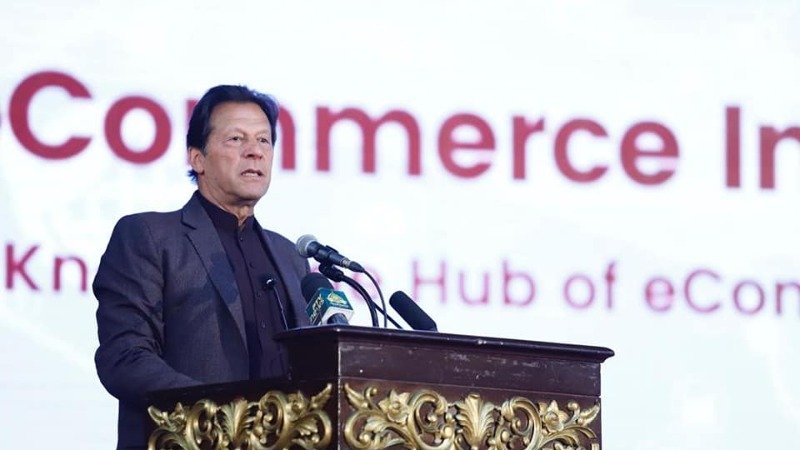
    While addressing the launching ceremony of the E-commerce Portal, PM said that freelancers will not be liable to any sort of tax on their income now.

    He said, “IT [sector] is youth-driven. All of these tech company owners became billionaires by the age of 20.”

    He also shared that the government’s aim is to take Information technology (IT) exports upto $50 billion in the upcoming years. The exports of IT have reached $4 billion during the past two years.

    He also added that women at home will be able to empower themselves by freelancing at home.

    He also opened up about his future plans to work with Microsoft co-founder, Bill Gates, for the IT industry. He was invited to Pakistan to honour him as he made efforts to eliminate polio disease from the country.

    PM said, “But my interest was to involve him in Pakistan’s IT [industry] even if in an advisory capacity.”

    In September 2021, the Information Technology Ministry of Pakistan launched a portal to register freelancers.

    World Bank released a report last year in September in which it revealed that the number of freelancers is much higher than Bangladesh, Nepal, and Sri Lanka.