Tag: fruits

  • Vegetable, fruit prices soar by 150 per cent amid strikes, sit-ins

    Vegetable, fruit prices soar by 150 per cent amid strikes, sit-ins

    The prices of vegetables and fruits have increased by 150 per cent as strikes by trade organisations and sit-ins by political parties in the country take hold.

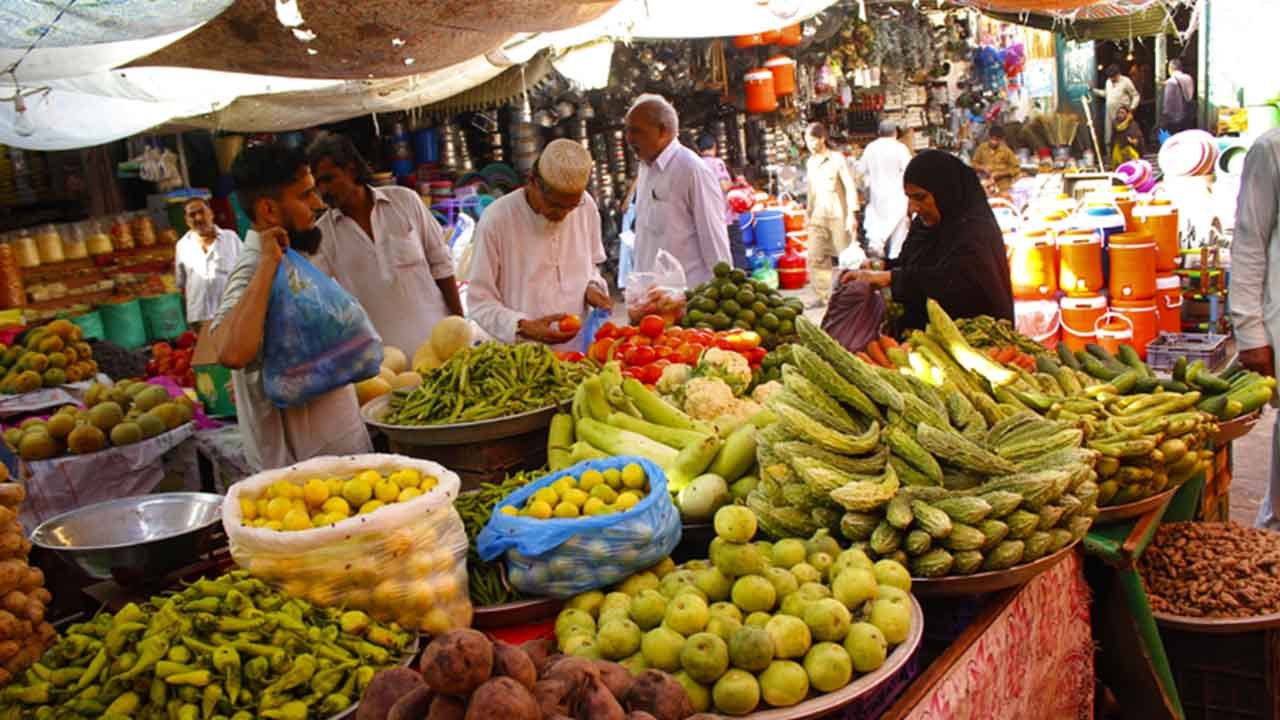
    Roads in Balochistan have been closed since the past four days to impede the Baloch Yakjehti Council from holding a large gathering in Gwadar, hindering goods-carrying vehicles. Consequentially, the prices of vegetables and fruits in Quetta has risen by 100 to 150 rupees per kilogram.

    Okra, previously retailing for Rs 150 per kilogram, has risen to Rs 400, tomatoes have increased from Rs 80 per kilogram to Rs 140, pumpkin has risen from Rs 120 to Rs 200 per kilogram, while peaches have increased from Rs 100 to Rs 250 per kilogram, and apples have also seen a price increase of Rs 100 per kilogram.

    On the other hand, despite the end of the transporters’ strike across Punjab, traders have been exploiting the situation, driving up food prices even further. Shopkeepers, however, are now reportedly selling spices at more reasonable rates.

    According to citizens, rice and pulse prices have increased by 20 per cent in the market due to the strike. They are calling on the government to reduce food prices.

  • Heavy taxes imposed on makeup and toiletries

    Heavy taxes imposed on makeup and toiletries

    Imported products used in make-up, skin and hair care have come under regulatory duty, after which these products have become more expensive by upto 55 percent, reports Geo.

    Budget for the year 2024-25 has imposed heavy taxes on imported milk, fruits, honey, apples, cherries, figs, mangoes making them 20 to 45 percent more expensive while the government increased regulatory duty from 5 to 55 percent on several other products.

    Apples and lychees 45 percent, imported cherries and frozen fish 35 percent, corn and natural honey 30 percent, imported milk, milk cream, dates, figs, pineapples, guavas and pomegranates are also subject to 25 percent regulatory duty. Curd, butter and fruits also became expensive after the implementation of 20 percent regulatory duty.

    50 percent regulatory duty has been imposed on imported shaving cream and soap, 45 percent on imported jewelry, 10 percent on imported overcoats, caps, jackets, trousers, skirts and shorts for men and women.

    Regulatory duties on waterproof leather shoes, wash basins, bathtubs and imported commodes have also been increased.

  • Watermelon growers send notice of damages to Dr. Affan

    Watermelon growers send notice of damages to Dr. Affan

    Businessmen from Faisalabad have sent a notice of 10 billion rupees to Dr. Affan Qaiser against his statement about injecting watermelons.

    A request has also been made by Faisalabad engine traders to register a case against Dr. Affan in Ghulam Muhammad police station.

    According to the petition, Dr. Affan’s statement spread fear and panic and caused billions of rupees loss to businessmen and landlords.

    The YouTuber doctor was also sent a legal notice for damages of ten billion rupees.

    Background:

    In one of his latest videos, he raised the issue of “adulterated watermelons” i.e. injecting watermelons with chemicals in order to give them the red colour that consumers accept as a sign of the fruit being sweet.

    A couple days later, Dr. Qaiser released another video, justifying his claims with online articles while also pointing that he never put the blame on farmers.

  • Influencer who ate only fruits died of malnutrition, friends say

    Influencer who ate only fruits died of malnutrition, friends say

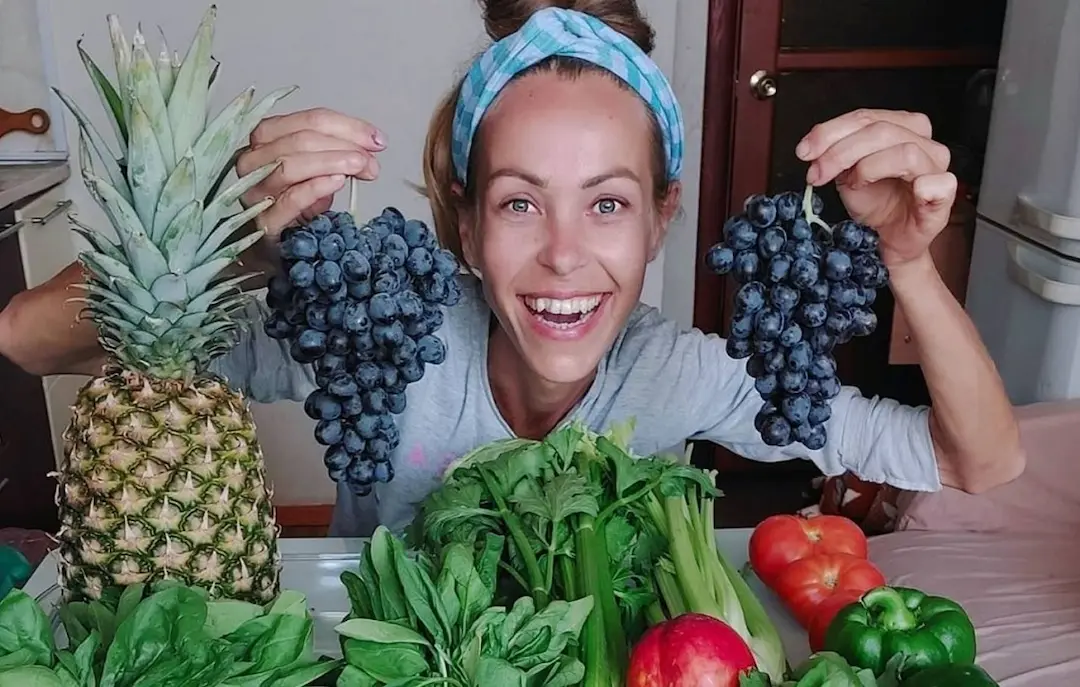
    Zhanna Samsonova, a vegan social media influencer who touted her diet of just “fruits, sunflower seed sprouts, fruit smoothies and juice,” has passed away, her mother has confirmed.

    The 39-years-old, who used the same surname D’Art on social media, was based in Phuket, Thailand, however media reports have said that she was touring South East Asia at the time of her death. She passed away on July 21 in Malaysia after seeking medical help for an unknown condition.

    Her friends have alleged that she died of malnutrition as a result of her only-fruit diet. “You don’t need to be a doctor to understand where this will lead,” a friend was quoted by Newsflash.

    Another of her friends also recalled seeing her “exhausted, with swollen legs,” a few months before her death. “They sent her home to seek treatment. However, she ran away again. When I saw her in Phuket, I was horrified,” they said.

    On her social media pages, Zhanna would promote a raw consisting mainly of fruit and seeds. Her mother has said that the family is waiting for the death certificate for an official cause of death, however, she suspects Zhanna died of a “cholera-like infection”.

  • ‘Abh Shakira nahi chalay gi’: Attock fruit vendor singing Waka Waka goes viral

    ‘Abh Shakira nahi chalay gi’: Attock fruit vendor singing Waka Waka goes viral

    Mangoverse of Madness?

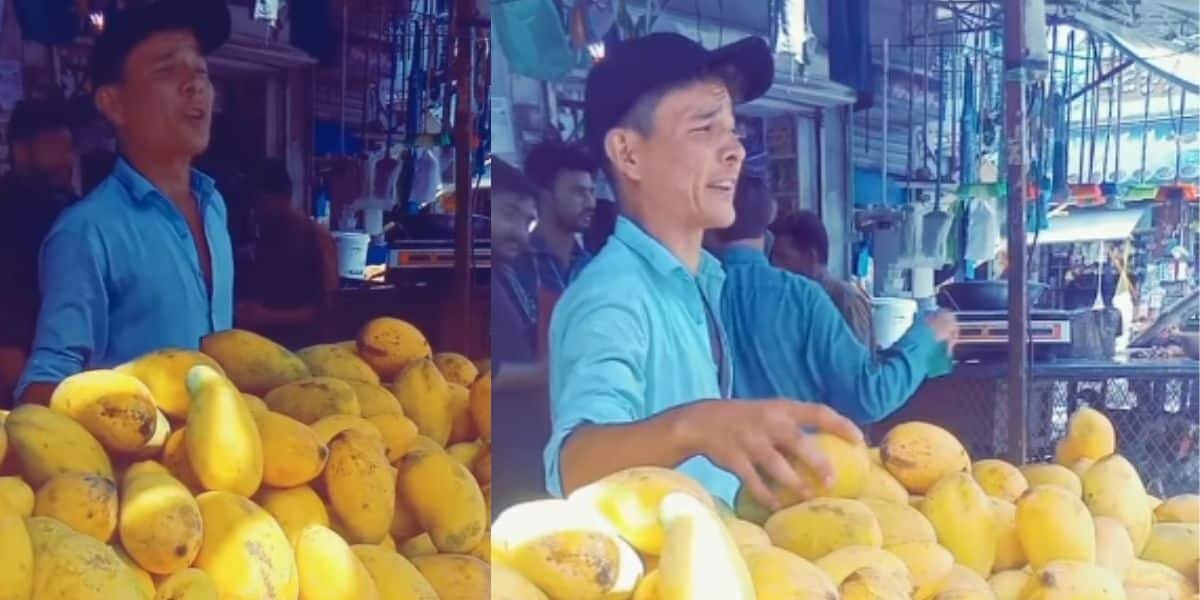
    A fruit vendor from Attock, Pakistan has become the new darling of Indian publications for his extraordinary singing skills and his knack for bringing a hilarious twist to Shakira’s popular song ‘Waka Waka’.

    A video of the man was posted by a meme account with the name Hamza Choudhary, amassing more than 400,000 likes, with fans writing down all sorts of hilarious captions.

    “Shakira crying in the corner”, one user wrote.

    It’s lovely to witness

  • Weekly inflation jumps by over 29% due to rising food prices

    Weekly inflation jumps by over 29% due to rising food prices

    The Sensitive Price Indicator (SPI) based inflation for the week ended December 29, recorded a decline of 0.09 per cent due to a reduction in the prices of food and non-food items, according to the Pakistan Bureau of Statistics (PBS).

    The year-on-year trend shows an increase of 29.30 per cent owing to an increase in the prices of onions (498.08 per cent), tea lipton (65.41 per cent), diesel (65.05 per cent), chicken (64.20 per cent), petrol (52.19 per cent), salt powdered (51.99 per cent), eggs (49.11 per cent), pulse moong (46.94 per cent), bananas (45.06 per cent), pulse gram (44.42 per cent) and mustard oil (41.64 per cent), while decrease is observed in the prices of chillies powdered (34.18 per cent), electricity for q1 (13.96 per cent) and gur (1.38 per cent).

    During the week, out of 51 items, prices of 23 (45.10 per cent) items increased, 07 (13.72 per cent) items decreased and 21 (41.18 per cent) items remained stable.

    The SPI for the consumption group up to Rs17,732, Rs17,732-22,888, Rs22,889-29,517 and above Rs44,175 decreased by 0.07 per cent, 0.12 per cent, 0.03 per cent and 0.12 per cent respectively while it increased by 0.02 per cent for the consumption group Rs29,518-44,175.

    The items, which recorded an increase in their average prices during the week over previous include eggs (2.86 per cent), rice basmati broken (2.81 per cent), wheat flour bag 20 kg (2.81 per cent), bread plain (2.76 per cent), firewood whole 40 kg (2.49 per cent), LPG (1.61 per cent), energy saver (1.27 per cent), bananas (1.18 per cent), gur (0.99 per cent), garlic (0.90 per cent), pulse masoor (0.80 per cent), mustard oil (0.72 per cent), rice irri-6/9 (0.60 per cent), pulse mash (0.54 per cent), tea prepared (0.45 per cent), sufi washing soap (0.28 per cent), pulse gram (0.26 per cent), onions (0.25 per cent), curd (0.23 per cent), chicken (0.20 per cent), milk fresh (0.15 per cent), pulse moong (0.12 per cent) and beef with bone (0.02 per cent).

    The items, which saw a reduction in their average prices included potatoes (8.85 per cent), tomatoes (6.02 per cent), electricity charges (2.44 per cent), vegetable ghee dalda/habib (1.47 per cent), sugar (1.22 per cent), vegetable ghee dalda/habib or other superior quality 1 kg pouch each (0.45 per cent) and cooking oil dalda or other similar brand (sn), 5 litre tin each (0.04 per cent).

  • Weekly inflation decreases only 0.58 per cent from record high

    Weekly inflation decreases only 0.58 per cent from record high

    According to Pakistan Bureau of Statistics (PBS), the Sensitive Price Index (SPI) for the week ending September 8, 2022, decreased by 0.58 per cent as a result of falling food prices.

    In comparison to the previous week’s record high of 45.50 per cent, the yearly trend shows an increase of 42.70 per cent.

    The year-on-year increase was driven by an increase in prices of tomatoes (144.25 per cent), diesel (114.08 per cent), petrol (98.73 per cent), pulse masoor (76.34 per cent), cooking oil-5 liter (67.99 per cent), mustard oil (66.53 per cent), LPG (64.98 per cent), washing soap (64.50 per cent), electricity for Q1 (63.03 per cent), vegetable ghee-2.5 kg (62.53 per cent), pulse gram (61.02 per cent), onions (59.97 per cent) and vegetable ghee-1 kg (58.19 per cent), while a decrease was observed in the prices of chilies powder (43.42 per cent), sugar (18.07 per cent) and gur (2.08 per cent).

    As per the latest data, the SPI went down from 222.85 per cent during the week ended September 1st 2022 to 221.55 per cent during this week.

    During the week, out of 51 items, prices of 26 items (50.98 per cent) increased, nine items (17.65 per cent) decreased and 16 (31.37 per cent) items remained stable.

    The items which got more expensive include LPG (10.66 per cent), wheat flour (4.15 per cent), eggs (3.96 per cent), bread (3.27 per cent), pulse moong (2.74 per cent), curd (2.72 per cent), tea-lipton (2.50 per cent), pulse gram (1.65 per cent), chicken (1.58 per cent), milk fresh (1.57 per cent), fire wood (1.54 per cent), potatoes (1.02 per cent), and others

    A reduction was observed in the prices of onions (41.99 per cent), tomatoes (8.11 per cent), bananas (2.51 per cent), pulse masoor (1.37 per cent), vegetable ghee-1 kg (0.55 per cent), cooking oil-5 liter (0.33 per cent), mustard oil (0.16 per cent) and vegetable ghee-2.5 kg and sugar (0.11 per cent) each.

    Highest week-on-week decrease

    Onions: 41.99 per cent

    Tomatoes: 8.11 per cent

    Bananas: 2.51 per cent

    Pulse Masoor: 1.37 per cent

    Vegetable ghee (1kg): 0.55 per cent

    Highest week-on-week increase

    LPG: 10.66 per cent

    Flour: 4.15 per cent

    Eggs: 3.96 per cent

    Bread: 3.27 per cent

    Pulse Moong: 2.74 per cent

    Highest year-on-year increase

    Tomatoes: 144.25 per cent

    Diesel: 114.08 per cent

    Petrol: 98.73 per cent

    Pulse Masoor: 76.34 per cent

    Cooking oil (5 litre): 67.99 per cent
  • Retailers in Lahore continue to overcharge for food items

    Retailers in Lahore continue to overcharge for food items

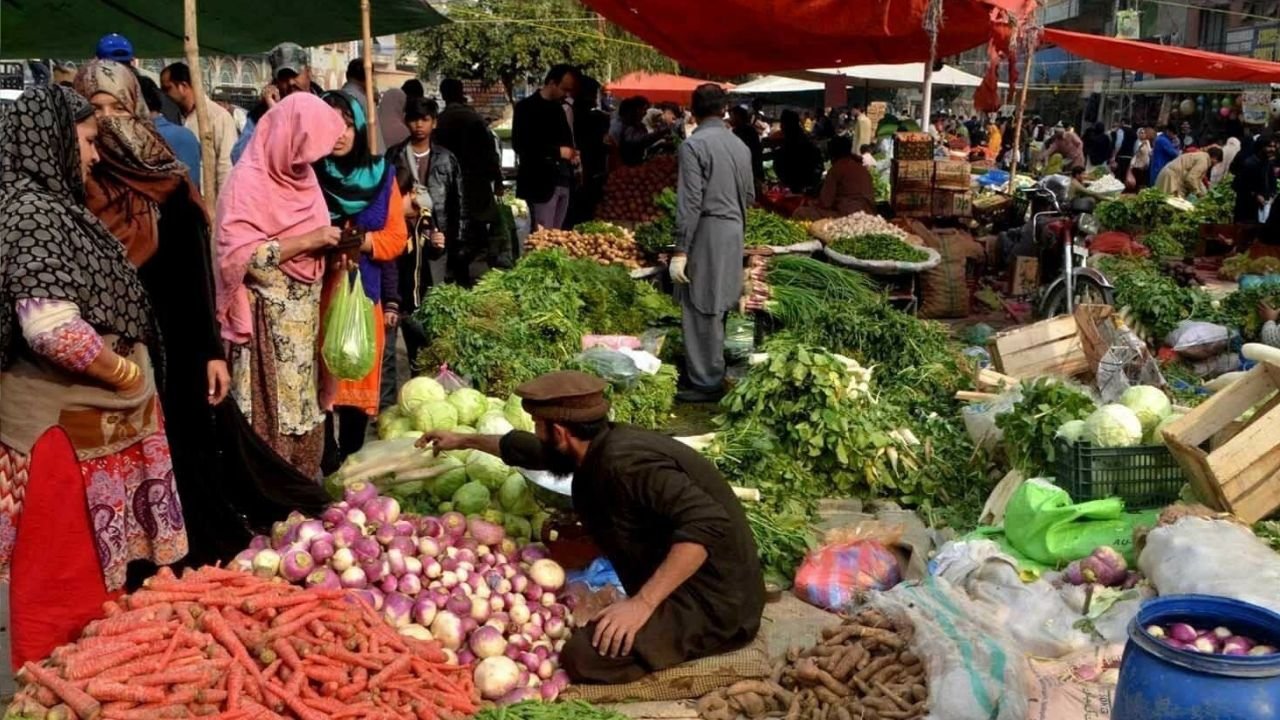
    Lahore residents are forced to pay high prices for basic food items since a number of store owners refuse to sell basic items at the government-recommended price list.

    Those who complain about price violations are asked to shop elsewhere where the items are offered at legal prices.

    The price of chicken was recently cut by Rs5 per kg to Rs226 per kg, which is being sold at Rs250–Rs280 per kg. The price of chicken meat was decreased by Rs8 per kg, to Rs339 per kg, while it is being sold at Rs360–Rs600 per kg.

    Although cucumber farm prices were reduced by Rs35 and maintained at between Rs35 and Rs37 per kg, they are now being sold for over double that amount. Cucumber is currently available for Rs70-Rs80 in different areas of Lahore.

    Local lemon prices increased by Rs10 per kg and were set at Rs180–Rs185 per kg. The price per kg is between Rs220 and Rs240. The price of pumpkin was reduced by Rs85 per kg and set at Rs65–Rs68 per kg. Still, it is priced between Rs80 and Rs100 per kg.

    Originally priced at Rs75–Rs80 per kg, tomato A-grade is selling for Rs120–Rs140 per kg.

  • Annual inflation in Pakistan jumps to 38.63% after weekly increase of 0.82%

    Annual inflation in Pakistan jumps to 38.63% after weekly increase of 0.82%

    The sensitive price indicator (SPI) hit an annualised high of 38.63 per cent due to a lack of perishable goods brought on by severe rains, and weekly inflation increased by 0.82 per cent for the seven days ending August 4, 2022.

    The base for most cooked meals in the country is an onion and tomato. Onions increased in price from Rs75.41/kg to Rs94.2/kg while tomatoes increased from Rs74.07/kg to Rs82.91/kg.

    Data from the Pakistan Bureau of Statistics (PBS) indicates that the increase is attributable to the increased price of diesel (109.15 per cent), onions (107.95 per cent), pulse masoor (106.71 per cent), petrol (88.94 per cent), cooking oil 5 litre (74.44 per cent), mustard oil (73.89 per cent), chicken (73.42 per cent), vegetable ghee 1 kg and 2 kg (72.26 and 70.48 per cent), washing soap (62.62 per cent), pulse gramme (59.07 per cent), electricity for Q1 (52.61 per cent), gents sponge slippers (52.21 per cent), pulse maash (46.01 per cent) and garlic (41.16 per cent).

    According to The News, consumers are struggling with soaring food and fuel prices. Hi-speed diesel was being sold last August 5 for Rs117.58 per litre, but it is now Rs245.92 per litre.

    Various items in the SPI basket are given varying weightages. The goods with the heaviest weights in the bottom quintile are milk (17.5449 per cent), electricity (8.3627 per cent), wheat flour (6.1372 per cent), sugar (5.1148 per cent), firewood (5.0183 per cent), long cloth (4.2221 per cent), and vegetable ghee (3.2833 per cent).

    While the cost of firewood and electricity remained consistent, the cost of milk, wheat flour, sugar, long fabric, and vegetable ghee 2.5kg increased. Vegetable ghee 1kg saw a decrease in price.

    SPI is made up of 51 necessities that were gathered from 50 markets spread over 17 cities across the nation.

    Out of 51 goods, 33 (64.71 per cent) of the prices rose during the week, 4 (7.84 per cent) of the prices fell, and only 14 (27.45 per cent) of the prices kept the same.

    The price of onions increased by 24.92 per cent, tomatoes by 11.93 per cent, pulse moong by 5.72 per cent, pulse mash by 5.28 per cent, potatoes by 5.03 per cent, pulse masoor by 4.43 per cent, diesel by 3.78 per cent, pulse gramme by 2.69 per cent, eggs by 2.44 per cent, powdered milk by 1.61 per cent, gur by 1.53 per cent, LPG by 1.49 per cent, salt by 1.46 per cent, and garlic by 1.30 per cent on a WoW basis.

  • Govt bans import of ‘luxury items’ to fight economic crisis

    Govt bans import of ‘luxury items’ to fight economic crisis

    For the first time in Pakistan, luxury or non-essential commodities have been completely banned in the country to help the nation emerge from its financial crisis. Minister of Information Marriyum Aurangzeb confirmed the economic strategy established by the federal government on Thursday.

    The Information Minister stated that this is an emergency situation and Pakistanis will have to make sacrifices under the economic plan. This will have a quick impact on foreign reserves. The ban will have an impact of $6 billion.

    Aurangzeb went on to say that the government’s priority was to cut imports, thus it was going to implement an export-oriented policy that would help local industry and producers.

    Prime Minister (PM) Shehbaz Sharif is working “day and night” to stabilise the economy, according to the information minister, and has decided to ban the import of all commodities that are not in common use.

    Food, decorating, and luxury automobiles were among the imports, according to Aurangzeb, who emphasised that the country was in a “difficult economic condition” as a result of the previous government’s policies.

    Here’s a detailed list of banned goods:

    1. Cars
    2. Mobile phones
    3. Home appliances
    4. Private weapons and ammunition
    5. Fruits and dry fruits (except Afghanistan)
    6. Crockery
    7. Shoes
    8. Chandeliers and lighting (except energy savers)
    9. Headphones and loudspeakers
    10. Sauces, ketchup etc.
    11. Doors and window frames
    12. Travelling bags and suitcases
    13. Sanitary ware
    14. Fish and frozen fish
    15. Carpets (except Afghanistan)
    16. Preserved fruits
    17. Tissue paper
    18. Furniture
    19. Shampoos
    20. Confectionary
    21. Luxury mattresses and sleeping bags
    22. Jams and jelly
    23. Cornflakes
    24. Bathroom ware/toiletries
    25. Heaters/blowers
    26. Sunglasses
    27. Kitchenware
    28. Aerated water
    29. Frozen meat
    30. Juices
    31. Pasta etc
    32. Ice cream
    33. Cigarettes
    34. Shaving goods
    35. Luxury leather apparel
    36. Musical instruments
    37. Saloon items like hairdryers etc.
    38. Chocolates

    The declaration, according to the information minister, is part of the present government’s fiscal plan to combat the PTI’s incompetent policies.

    Aurangzeb chastised the PTI for criticising the incumbent administration over the country’s economic woes, claiming that the Imran Khan-led government had raised inflation, taken historic debts, committed “economic terrorism,” and manipulated the economy by subsidising gasoline prices.

    By subsidising the price of petroleum goods, the PTI administration broke its agreement with the International Monetary Fund (IMF), according to the Information Minister.

    Via: Geo