Tag: fuel

  • Chinese factory shreds wedding photos for fuel

    Chinese factory shreds wedding photos for fuel

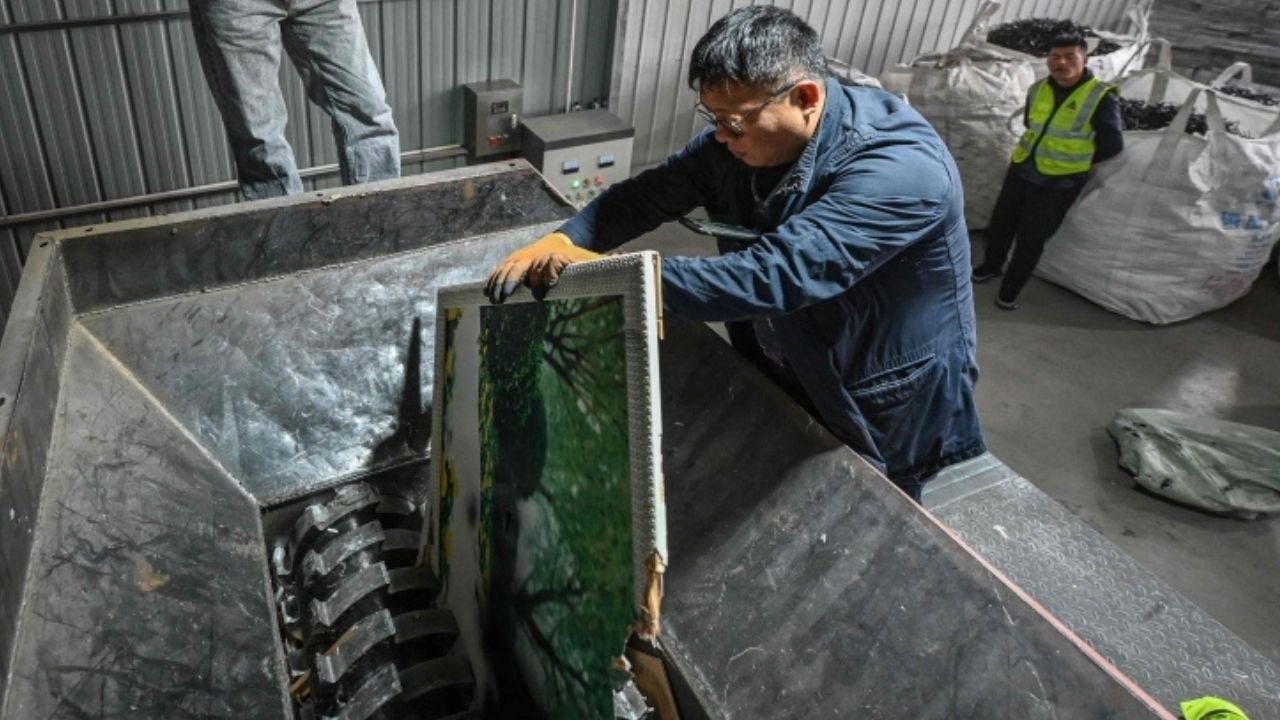
    At a dusty warehouse in northern China, Liu Wei feeds photos of beaming bridal couples into an industrial shredder — turning stories of heartbreak into a source of electricity.

    Wedding photos are big business in China, where parks, temples and historic sites often teem with newlyweds posing for elaborate shots capturing their supposedly unbreakable bond.

    But in a country where millions of divorces take place each year, many marital snaps end up shoved into the attic or tossed into the trash.

    Liu’s company offers an alternative: bereft ex-lovers can have their memories destroyed and recycled into fuel.

    “From our daily business exchanges, we found the destruction of personal belongings is a blank space nationwide,” the 42-year-old told AFP at his factory, 120 kilometres (75 miles) from Beijing.

    “People with less experience in the market probably wouldn’t have spotted this opportunity,” he added.

    Despite cultural taboos around destroying images of living people, Liu’s facility receives an average of five to 10 orders per day from across China.

    They include large wall photos and smaller decorative shots and albums, mostly cast from plastic, acrylic and glass.

    Workers heave the images onto a forklift truck and scatter them onto the warehouse floor for sorting.

    They then obscure every face with dark spray paint to protect client privacy and smash unshreddable glasswork with a sledgehammer.

    “These people are all trying to find closure,” said Liu. “They mainly want to unpick the knots in their hearts.”

    Complex motivations

    Sullied and broken, the pictures give glimpses of broken families in happier times.

    In one, a woman in a white bridal dress reclines on a bed of flowers, while another shows a lovestruck couple gazing into each other’s eyes.

    A sporty pair in matching kits pose with a football, while nearby, a smitten man presses his face tenderly to his pregnant wife’s belly.

    Brandishing his phone, Liu films the defaced photos and sends clips to customers for final confirmation.

    He estimates he has served about 1,100 clients — mostly under the age of 45, and around two-thirds women — since launching the service a year ago.

    They typically speak little about their separations, and several declined interview requests from AFP.

    Liu says the motivations for destroying wedding photos are often complex.

    “Few of them do this out of malice,” he told AFP.

    “It might be that this item brings on certain thoughts or feelings… or be a hurdle hard to overcome.”

    Some clients attend the destructions in person to give a sense of ceremony to a closing chapter in their lives, said Liu.

    Others keep their photos for years and only dispose of them when they remarry or finally come to terms with a former spouse’s death.

    Given the irreversible nature of the process, Liu says he gives clients a final chance to salvage their items in case they live to regret their decision.

    After getting the green light, he films his staff gently pushing the photos into the shredder’s gnashing teeth.

    The debris is taken to a nearby biofuel plant where it is processed with other household waste to generate electricity.

    ‘Respect others’ choices’

    Divorce rates soared in socially conservative China after marriage laws were relaxed in 2003.

    They have fallen dramatically since the government enacted a law in 2021 mandating a month-long “cooling-off” period before couples untie the knot.

    China registered 2.9 million divorces in 2022, down from over 4.3 million two years earlier.

    The number of marriages rose last year for the first time in nearly a decade, giving Beijing some relief as it seeks to reverse a steep fall in births.

    After annihilating the visual evidence of hundreds of unions, Liu says he has become numb to the emotions they stir up.

    “The deepest feeling I have in my heart towards my clients… is that you must respect others’ choices,” he said.

    “You must never persuade people one way or another,” he added. “It does no good.”

  • PSO reportedly planning to buy Telenor to expand its business beyond oil

    PSO reportedly planning to buy Telenor to expand its business beyond oil

    Pakistan State Oil (PSO) is reportedly conducting due diligence on the Pakistani operations of a Norwegian telecommunications operator, in response to Telenor’s plans to sell its Pakistani operations valued at around $1 billion. Pending regulatory approval, PSO has expressed interest in acquiring Telenor Pakistan and Easypaisa, following the completion of bidding documentation and due diligence.

    Easypaisa, a leading mobile wallet, mobile payments, and branchless banking services provider, boasts a significant customer base of nine million monthly active users. Launched in 2009 as a money transfer service through Unstructured Supplementary Service Data (USSD) channels, Easypaisa introduced a mobile app in 2016, offering a broad range of financial transactions. Telenor Microfinance Bank owns Easypaisa, and jointly, Telenor Group most recently launched a debit card on January 17, 2023.

    According to Mettis Global, Telenor Pakistan’s decision to exit the market stems from heavy taxation on the telecommunications industry and the policies of the Pakistani Telecommunication Authority (PTA), which have significantly reduced its revenues. Although Telenor Pakistan has faced operational losses for the past three years, there is no certainty that discussions regarding the sale of its Pakistani operations will result in a transaction.

    For PSO, the potential acquisition of Telenor’s operations in Pakistan aligns with its efforts to expand its business beyond traditional oil and gas. If successful, the acquisition could enable PSO to diversify its revenue streams and leverage Pakistan’s growing digital payments market.

  • Punjab police seizes 1.3 million litres of illegally hoarded petrol in a crackdown

    Punjab police seizes 1.3 million litres of illegally hoarded petrol in a crackdown

    Pursuant to the warning issued by Petroleum Minister Dr Musadik Malik, the Punjab police initiated a crackdown against individuals engaged in the illicit stockpiling of petrol and diesel in several areas of the province, including Sheikhupura, Patoki, and Daska.

    The Inspector General of Punjab issued directives for strict enforcement against such practices and instructed that decisive action be taken against those found to be responsible.

    In accordance with the directives, police teams conducted raids on multiple fuel stations in Sheikhupura and Patoki, resulting in the recovery of over 1.3 million litres of petrol that had been illegally stockpiled by mafias. The contraband was found stored in underground tanks in warehouses, and over a dozen containers filled with gasoline were also seized.

    The District Police Officer, Zahid Marwat, reported that the value of the recovered gasoline exceeds 300 million rupees. He further stated that appropriate legal action, including the filing of charges, will be taken against those found to be responsible for the hoarding of fuel.

    On Wednesday, Minister of State for Petroleum, Musadik Malik, dispelled all rumors of a shortage of petroleum products in the country.

    According to ARY News, during a press conference held in Islamabad, the state minister stated that Pakistan has an ample supply of both diesel and gasoline. He issued a warning to those engaged in hoarding, stating that the government will revoke licenses for those found to be artificially creating a shortage of these products.

    The minister also sought to dispel any notion that the government is responsible for increasing the prices of petroleum products.

  • OGRA jacks up LPG price by Rs60 per kg

    OGRA jacks up LPG price by Rs60 per kg

    The Oil and Gas Regulatory Authority (OGRA) raised the cost of liquefied petroleum gas (LPG) by Rs60 per kilogramme after a hike of Rs35 in petrol prices.

    The price of liquefied petroleum gas (LPG) has increased by Rs60 per kg to Rs264 per kg, according to a statement from the OGRA.

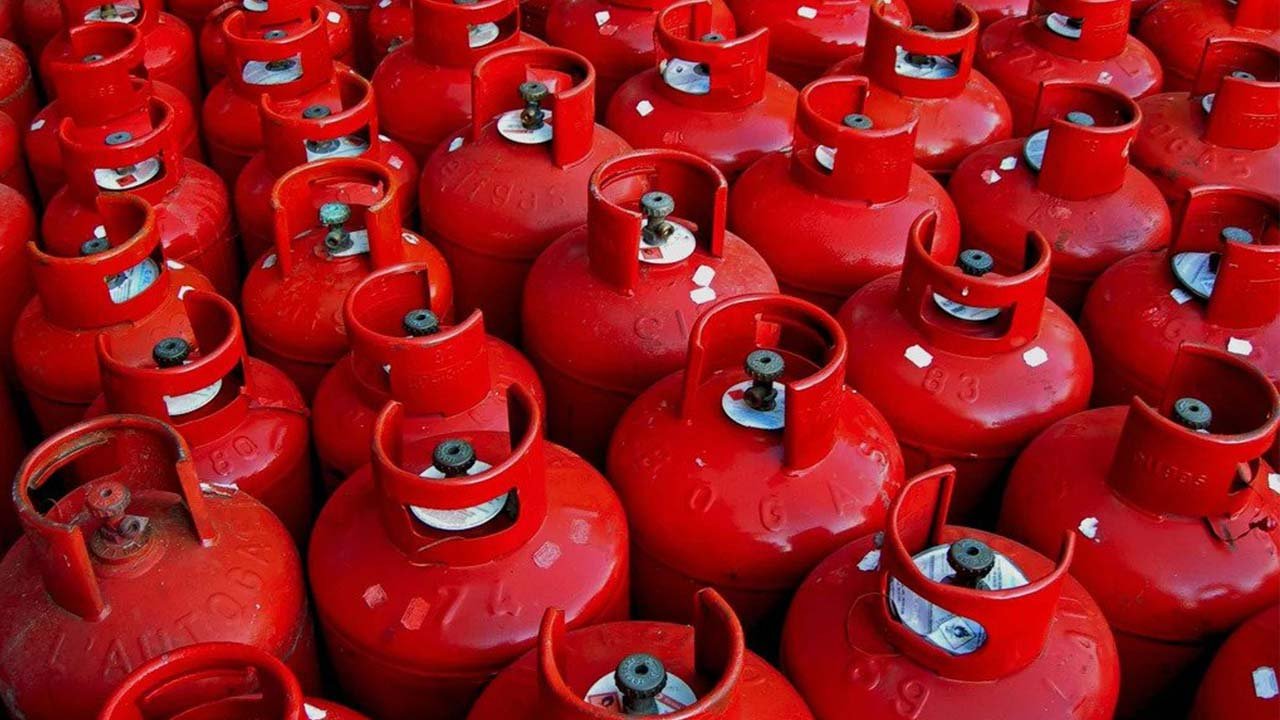
    The price of a domestic LPG cylinder has gone up by Rs703 and a commercial cylinder by Rs2,706 following the latest price revision. Domestic cylinders will now be sold at Rs3,115 and commercial cylinders at Rs11,984.

    In a statement, LPG Industries Association of Pakistan Chairman Irfan Khokhar lambasted the regulatory authority and called it “mafia.” “Liquefied petroleum gas was now out of reach of consumers after the historic increase in prices,” he said.

    It is pertinent to mention here that the federal government on January 29 announced raising the prices of gasoline and diesel by Rs35 per litre.

    In a televised address, Ishaq Dar said that an 11 per cent increase was witnessed in the prices of petroleum products in the international market. Dar further announced that the prices of kerosene oil and light diesel oil have been increased by Rs18 per litre.

    After the latest round of hikes, petrol is currently priced at Rs249.80, diesel at Rs262.80, kerosene oil at Rs189.83, and light diesel at Rs187.

  • Khan lashes out at govt on fuel hike

    Khan lashes out at govt on fuel hike

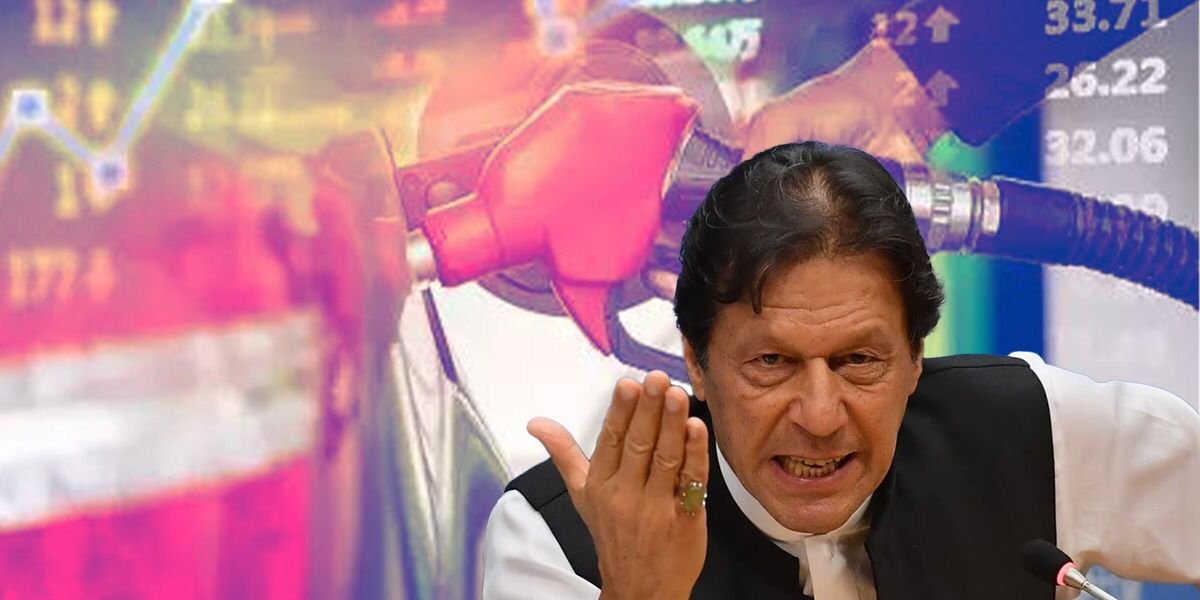
    Pakistan Tehreek-e-Insaf (PTI) Chairman and former Prime Minister (PM) Imran Khan lashed out at the incumbent government for Sunday’s surprise hike in petroleum prices.

    In a tweet, he said, “Total mismanagement of our economy by a corrupt and incompetent imported govt has crushed masses and salaried class with the latest hike in petrol and diesel prices”.

    Moreover, he claimed that 35 per cent “unprecedented inflation” is expected with Rs 200 billion mini-budget.

    Earlier in the day, Finance Minister Ishaq Dar announced that the federal government has decided to hike the prices of petrol and diesel by Rs 35 per litre.

    The decision came days before International Monetary Fund’s (IMF) officials are scheduled to visit Pakistan to discuss the stalled ninth review of the country’s current funding programme.

  • ‘Misleading and incorrect’: OGRA rejects speculations about massive petrol price hike

    ‘Misleading and incorrect’: OGRA rejects speculations about massive petrol price hike

    The Oil and Gas Regulatory Authority (OGRA) on Saturday rubbished rumours about a whooping increase of Rs80 per litre in petrol price.

    “It has been observed that speculative prices of gasoline and diesel are being reported in the print and electronic media since last evening, which is misleading and incorrect,” an OGRA spokesman said in a press statement.

    He advised the elements to avoid disseminating speculative prices of petroleum products in the “public interest” by spreading misleading and incorrect information.

    Earlier, OGRA also denied reports of a shortage of diesel and gasoline in the country, saying that sufficient stocks were available. However, in line with the government’s aim to convince the International Monetary Fund (IMF), the Ministry of Finance is expected to increase the price of petroleum in the upcoming fortnightly review.

    The massive depreciation of the local currency against the US dollar in the last two days would not reflect greatly in the review due on January 31 (Tuesday) as the average exchange rate would clock in at Rs240, information gathered from the country’s oil sector showed.

    However, the fortnightly review due on February 15 may reflect a significant increase in domestic petroleum prices on account of rupee depreciation.

    Free on board (FOB) pricing will result in a significant increase in the price of fuel and gasoline in the subsequent weekly review the following week, according to The News.

    According to sources with knowledge of the situation, using FOB would likely result in an increase of Rs25 in the price of fuel. “The exchange rate would create some hike, but not so much”, they said, attributing the hike to FOB as diesel price in the international market went up to $117 per barrel compared to $114 per barrel.

  • Fire breaks out on stage during wedding ceremony in Gujranwala

    Fire breaks out on stage during wedding ceremony in Gujranwala

    A short circuit in electric wiring caused a fire to break out on stage during a wedding ceremony in Gujranwala.

    According to media reports, plastic flowers used for decorating the stage added fuel to the fire.

    A video of the blaze, in which people are putting out the fire themselves, went viral on social media.

    Fortunately, all the guests remained safe and the fire was finally put out.

  • Pakistan has sufficient petrol and diesel to meet domestic demand: Petroleum Division

    Pakistan has sufficient petrol and diesel to meet domestic demand: Petroleum Division

    The Petroleum Division said on Tuesday that the country has sufficient petrol and High-Speed Diesel (HSD) in stock to meet domestic demand after allowing Oil Marketing Companies (OMCs) to recover Rs10 per litre on HSD for the next two months (November-December 2022) by raising the premium limit to $15 per barrel.

    The OCAC had cautioned the federal government about a likely shortage of petrol and HSD in the coming days due to limited imports and limited local availability.

    According to the OCAC’s letter to the Oil and Gas Regulatory Authority (Ogra), the gap is due to limited supply and excessive premiums on fuel stocks on the international market.

    The Economic Coordination Committee (ECC), led by Finance Minister Ishaq Dar, approved the summary proposed by the Ministry of Energy on Friday (Petroleum Division).

    The ministry aimed to secure sustainable HSD imports for November-December 2022 by loading the country’s risk factors of $6 bbl, with an upper limit premium of $15 to the OMCs for pricing computation.

  • Petroleum prices to remain unchanged for next fortnight

    Petroleum prices to remain unchanged for next fortnight

    For the upcoming two weeks, the government has decided to keep petroleum product prices unchanged.

    Ishaq Dar, the finance minister, made the announcement during a press conference.

    This means that the price of petrol will remain unchanged at Rs224.80 per liter, high-speed diesel (HSD) at Rs235.30, light diesel oil (LDO) Rs186.50, while kerosene will be sold at Rs191.83.

    It is important to note that the administration did not change the prices during the most recent fortnightly review. The government refused to lower the price of gasoline for the general population by raising the petroleum development levy (PDL) by Rs14.84.

    Dar also stated that the government will clear the outstanding letters of credit (LCs) after speaking with the State Bank of Pakistan (SBP), with the cap increasing to $100,000 from the existing $50,000 as of November 1.

    Despite the relief, locals are forced to buy petrol for their daily commute at outrageously high costs. Contrarily, it is anticipated that CNG stations in Punjab and Sindh may be closed for longer than four months, which has made the issues of the populace much worse.

  • Top driving techniques for reducing fuel consumption

    Top driving techniques for reducing fuel consumption

    The price of petrol in Pakistan is unforgivably high and motorists have no recourse since fuel is the basic and continuous expense for gasoline-powered vehicles. Still, the vast majority of auto owners want to lower their monthly fuel costs.

    Fuel economy may not be a huge concern if an individual rarely drives a car for short trips, but regular commuting and lengthy excursions make it challenging to save fuel.

    Here are a few tried-and-true tips that are well-known to increase mileage:

    Go easy on the accelerator

    This entails just accelerating the car when necessary. Frequent braking and engine revving increase fuel consumption whereas keeping the speed of the vehicle steady reduces fuel consumption. This is why you get greater mileage on long routes or motorways.

    It is strongly advised to maintain a low RPM (preferably less than 2,500), and if your automobile has an eco-mode, it would be helpful to frequently use it. Depending on the vehicle, this mode is especially made to improve fuel efficiency and can reduce fuel consumption by up to 15%.

    Watch your speed

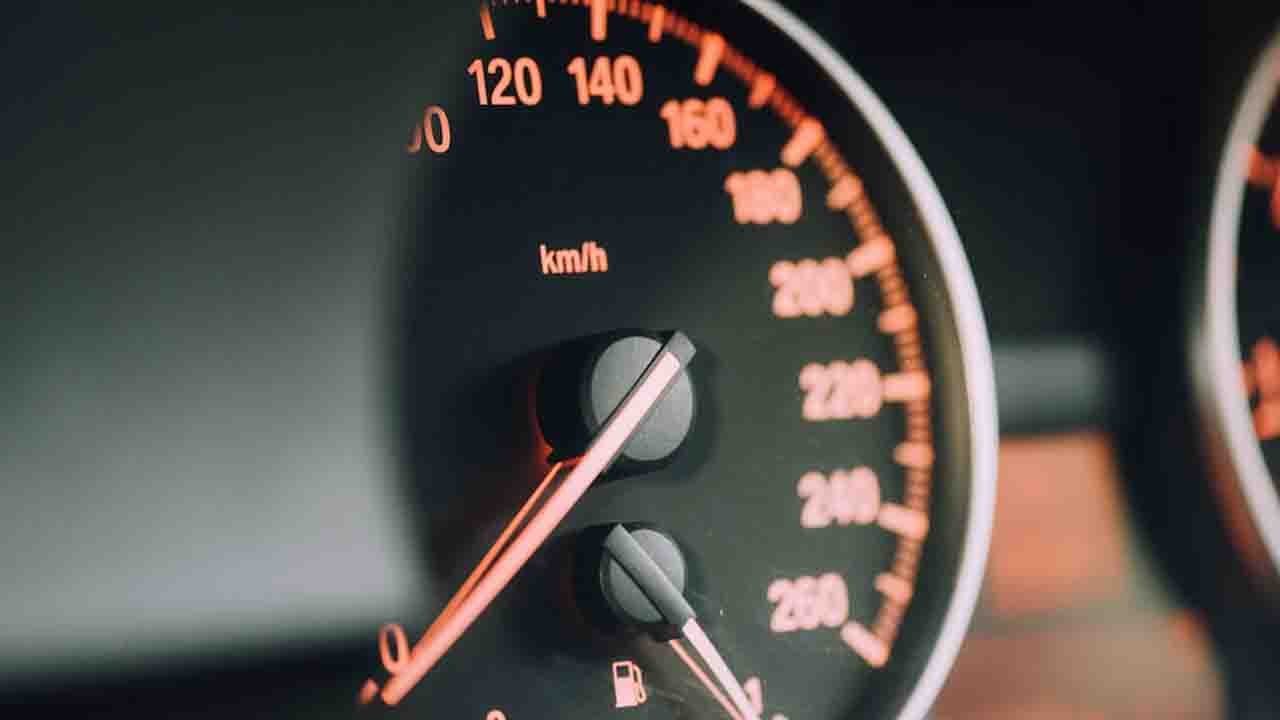
    If your car has a small engine (under 1300cc), it will use more gasoline when travelling at speeds of 100 km/h or greater. To provide higher output, the engine must push harder, which raises the RPM and petrol usage.

    Bigger engines may generate greater power at lower RPMs, hence they are often unaffected by higher speeds as they require less power and repeated flooring.

    Be aware that hybrid engines are less affected by this as they may employ electric motors to maintain a high power output while consuming little fuel.

    Drive smartly

    A motorist may handle traffic more effectively by keeping an eye on the surroundings, maintaining safe distances, and analysing the driving habits of other drivers. By doing this, the motorist may prepare for obstacles including roadblocks, red lights, road closures, and bumps.

    Additionally, it aids in intelligent acceleration and deceleration. Ultimately, smart driving is one of the best ways to increase safety and reduce fuel consumption.

    Avoid idling

    This is the most basic fuel-saving advice offered by automotive specialists. It is clear that idling for an extended period of time wastes fuel. In addition, warming up a car shouldn’t take more than 60 seconds.

    Use AC when needed

    When the air conditioner (AC) is on, cars use more petrol. More fuel is saved by just using the AC when necessary.

    Still, driving with your windows down in the summer only to save on fuel is not advised, especially on highways. The automobile experiences higher drag when the windows are rolled down, especially at high speeds. As a result, the automobile encounters higher air resistance and requires more engine power to maintain the same speed.

    This is why while driving at faster speeds, such as on a highway, the driver would be wise to put on the AC rather than rolling down the windows.

    Remove excess weight

    Many automobile owners ignore this underrated advice. If your trunk is empty, it might not make much of a difference, but if you have heavy items within your car, this could be the cause of your excessive fuel usage.

    The engine is put under more stress as the automobile gets heavier because it requires more power to move ahead, which increases fuel consumption.

    Perform regular maintenance

    Every automobile owner’s primary priority should be maintenance. Regularly having your automobile serviced is crucial since there may be many underlying problems and components under the hood that you are unable to inspect or maintain.