Tag: fuel costs

  • OGRA announces ‘reduction’ of Rs0.81 per kg in LPG price

    OGRA announces ‘reduction’ of Rs0.81 per kg in LPG price

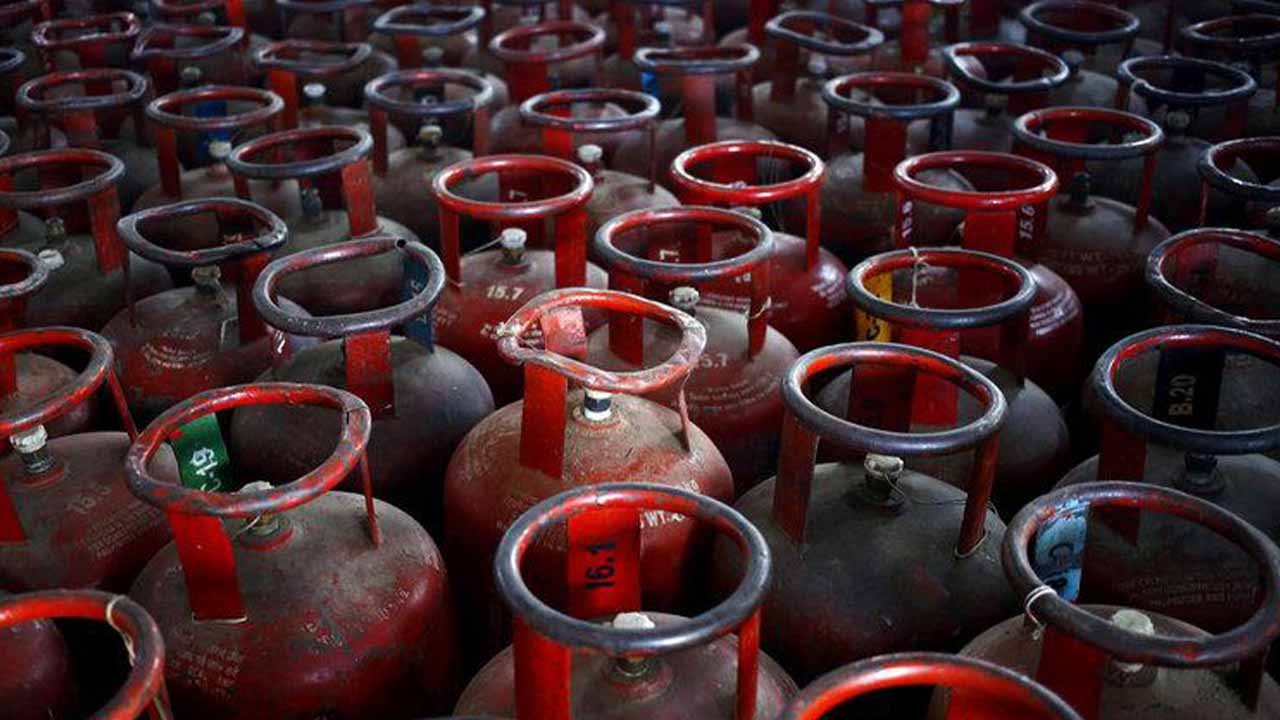
    The Oil and Gas Regulatory Authority (OGRA) has implemented a modest reduction in the price of Liquefied Petroleum Gas (LPG) by Rs0.81 per kg, effective from March 01, 2024.

    The previous consumer price for LPG stood at approximately Rs257.59 per kg. With the latest adjustment, consumers can now avail themselves of LPG at the revised rate of Rs216.79 per kg, indicating a notable decrease.

    For consumers relying on an 11.8 kg LPG cylinder, the cost has been adjusted to Rs3,030.12. This represents a decrease of Rs9.51 per cylinder from the previous price of Rs3,039.63, providing some relief to households and businesses alike.

    The move by OGRA to reduce LPG prices aims to alleviate the financial burden on consumers amid fluctuating economic conditions.

    This adjustment reflects the Authority’s commitment to ensuring fair pricing and accessibility of essential commodities for the public.

    Consumers are encouraged to verify and adopt the new rates, as OGRA continues its efforts to maintain transparency and affordability in the energy sector.

  • Petrol price may drop by Rs41 per litre: AHL

    Petrol price may drop by Rs41 per litre: AHL

    Petroleum prices may decrease in the upcoming announcement due to a significant drop in global oil prices and the strengthening of the Pakistani rupee against the US dollar, according to Arif Habib Limited (AHL), a brokerage house.

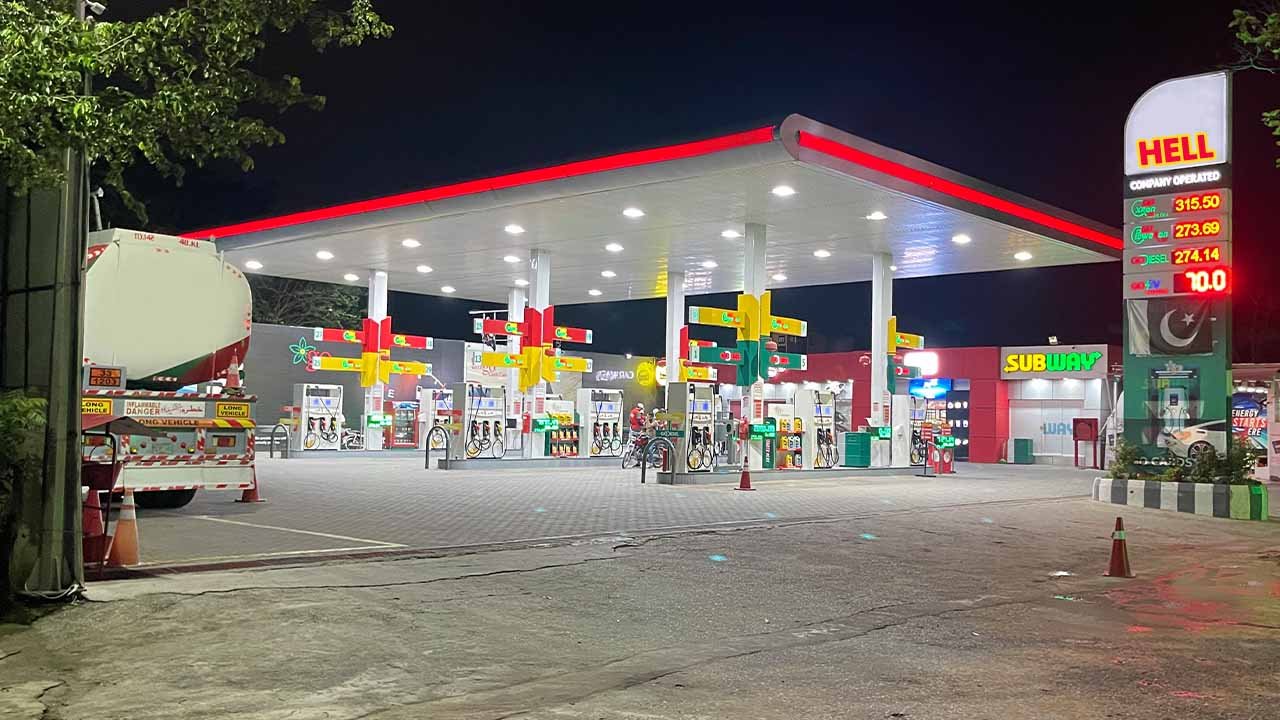
    In the next fortnightly pricing cycle starting on October 16, 2023, AHL predicts a reduction of Rs41 per litre for petrol and Rs19 per litre for diesel in local prices.

    AHL’s projection is based on several factors. International oil prices have fallen considerably in the past week due to concerns about demand, a stronger US dollar, inflationary pressures, and increased oil supplies. 

    The prices of WTI, Brent, and Arab Light have dropped by approximately 9 per cent to 11 per cent compared to the previous fortnightly averages. International gasoline (MS) prices have plummeted by 15 per cent to $84.3 per barrel, while high-speed diesel (HSD) prices have dipped by 10 per cent to $110.6 per barrel compared to the previous fortnightly averages.

    Additionally, the Pakistani rupee has appreciated by 2.7 per cent against the US dollar, standing at 283.87 compared to the previous fortnightly average of 291.65. 

    AHL’s calculations, factoring in these price changes and the assumption of stable international prices and currency rates over the next 10 days, suggest that local petrol and diesel prices are expected to decrease by Rs41 per litre and Rs19 per litre starting on October 16, 2023.

    AHL also mentioned that in the previous fortnightly pricing, there was an exchange rate adjustment of Rs11.9 per litre for MS and a negative adjustment of Rs2.8 per litre for HSD. 

    Even assuming similar currency adjustments for MS and no adjustment for HSD in the upcoming fortnightly prices, AHL anticipates that MS and HSD prices will decrease by Rs28.6 per litre and Rs19.3 per litre, respectively.

    In terms of inflation, AHL revised its October CPI inflation estimate to 27.5 per cent. Last week, the interim government announced a reduction of Rs8 per litre for MS and Rs11 per litre for HSD, resulting in new prices of 323.38 and 318.18 per litre for petrol and diesel, respectively, effective from October 1.

  • One rupee relief: Petroleum Division reveals ‘benefit’ of importing Russian crude

    The Petroleum Division has presented a comprehensive briefing to the caretaker Prime Minister, Anwaar ul Haq Kakar, regarding the potential impact of Russian crude oil on petroleum prices in Pakistan.

    According to The News, the Petroleum Division highlighted that the projected benefit to consumers resulting from the import of Russian crude oil remains relatively modest, at approximately Re1 per litre for both petrol and diesel. This assessment takes into account various operational intricacies and market dynamics.

    Importing Russian crude oil carries two notable risks, the division stated. The first pertains to the duration of transportation, which spans between 30 and 36 days, and the second revolves around the production of furnace oil.

    Approximately 60 per cent of furnace oil generated from Russian crude must be exported, incurring a 25 per cent loss in the process.

    It is significant to note that, currently, only the Pakistan Refinery Limited (PRL) has expressed readiness to refine Russian oil. However, if PRL assumes the responsibility of refining Russian oil exclusively, only a nominal Re1 relief can be passed on to consumers for each litre of gasoline and diesel.

    In a potential collaborative effort, the prime minister was informed that if PARCO (Pak-Arab Refinery Company) and NRL (National Refinery Limited) jointly undertake the refining of Russian oil, the benefit to consumers could potentially increase to Rs3 per litre. The magnitude of this relief would be contingent on the volume of Russian crude involved in the process.

    PARCO, as a comparatively modern refinery with superior facilities, is expected to contribute to enhanced yields from Russian crude and, consequently, a reduction in the production of furnace oil. However, it was also revealed that both PARCO and NRL have declined the proposition to refine Russian oil.

    The caretaker Prime Minister, Anwaar ul Haq Kakar, has expressed the need for a thorough evaluation of the situation, considering the potential benefits, risks, and the willingness of refineries to participate in the process. The decision regarding the import and refining of Russian crude oil remains a pivotal concern as Pakistan navigates its energy landscape in the coming days.

    This development emphasises the intricate balance between economic considerations and strategic decisions in the energy sector that Pakistan faces as it grapples with global oil market dynamics.
  • Goods transporters implement 20% fare hike in response to soaring diesel prices

    Goods transporters implement 20% fare hike in response to soaring diesel prices

    Goods transporters raised their fares by 20 per cent in response to a recent surge in diesel prices on Thursday. The announcement came as the goods transporters association revealed their decision to implement a fare increase of 20 per cent, citing a substantial rise in diesel prices of up to Rs40 per litre over the span of 15 days.

    Rana Shoaib, the General Secretary of the Goods Transporters Association, conveyed in an official statement that their operational expenses had been significantly impacted by the substantial surge in diesel prices.

    He further elaborated that the provision of goods transportation services between major cities such as Karachi, Multan, Lahore, Faisalabad, Islamabad, and Peshawar has been sustained. However, the transporters are finding it increasingly challenging to bear the escalating financial burdens associated with fuel costs and spare parts.

    According to ARY News, Shoaib said that the decision to raise fares was a necessary step due to the considerable escalation in government-imposed fuel prices. Notably, earlier in the same month, local transporters independently elevated fares by as much as 20 per cent in response to a previous hike in fuel prices without any intervention or oversight from relevant authorities.

    Details indicate that local transporters unilaterally implemented fare increases ranging from Rs15 to Rs20 for stop-to-stop journeys, despite the absence of formal notifications regarding fare adjustments by the district administration.

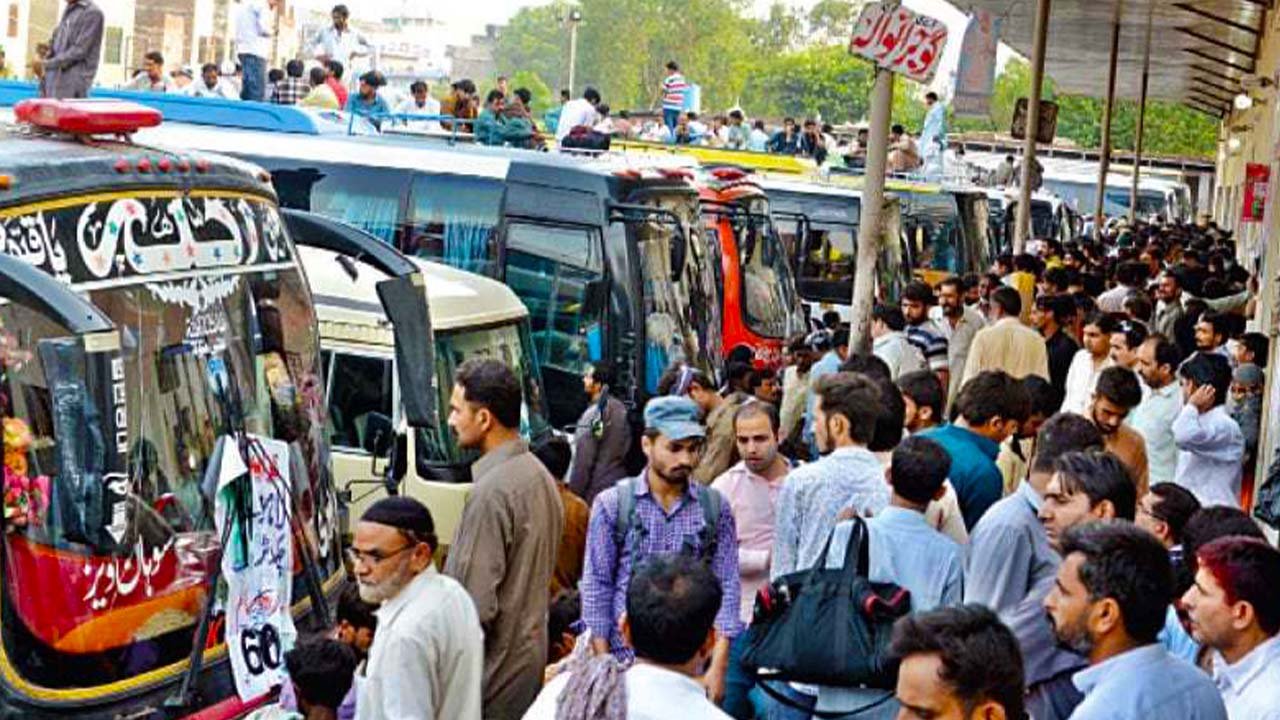
    Furthermore, the fare hikes extended to transportation services between Karachi and other destinations like Hyderabad, Larkana, and Sukkur. This trend of fare increases also extended to buses and coaches operating within the city limits.