Tag: fuel crisis

  • PIA receives assurances of govt support during privatisation 

    PIA receives assurances of govt support during privatisation 

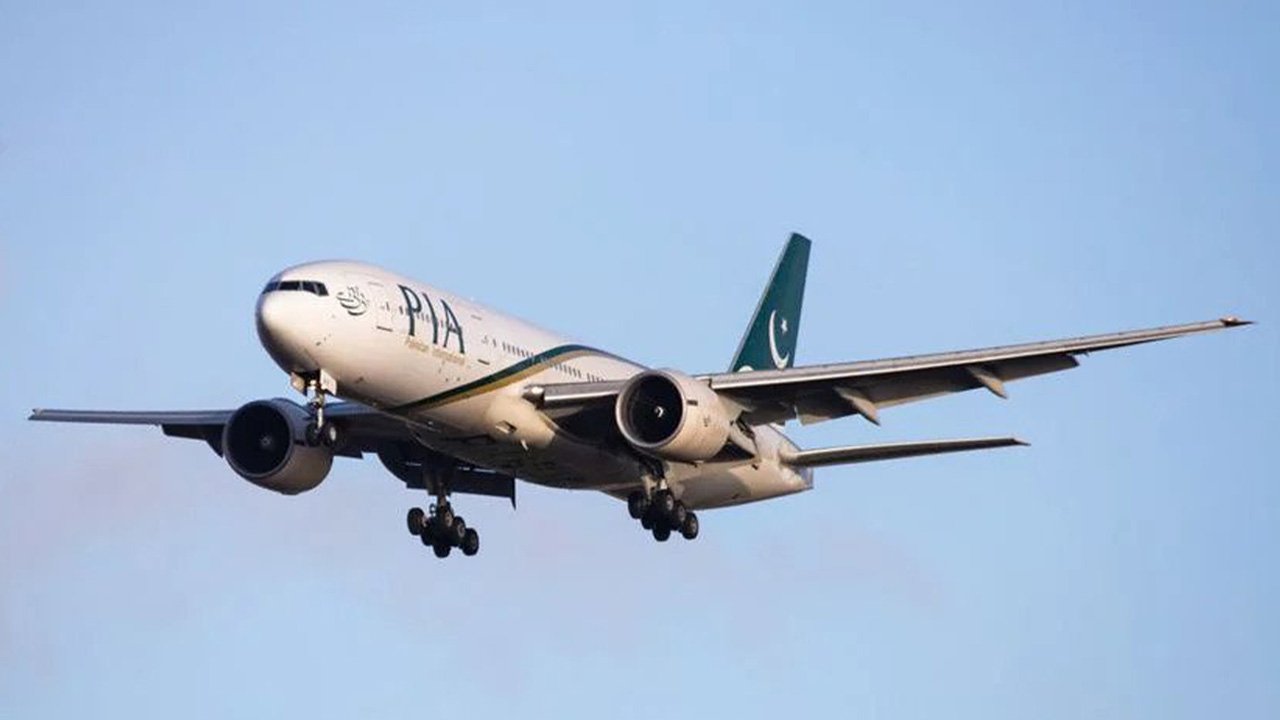
    Following a dire fuel crisis that significantly impacted Pakistan International Airlines (PIA) flight operations, the interim Prime Minister, Anwaar-ul-Haq Kakar, took decisive action on Monday.  

    He instructed the relevant authorities to expedite the privatisation process of the nation’s flag carrier. 

    Over recent weeks, PIA’s flight schedule has faced severe disruption, with numerous cancellations attributed to fuel shortages, exacerbated by the airline’s precarious financial situation.  

    Notably, on the preceding day, Pakistan State Oil (PSO) curtailed its fuel supply to PIA, resulting in the cancellation of 26 flights originating from various cities, including Karachi, Lahore, Islamabad, Quetta, Bahawalpur, Multan, Gwadar, and others. 

    Chairing a comprehensive review meeting concerning PIA’s financial challenges, Prime Minister Kakar highlighted the urgency of finalising the privatisation process within the stipulated timeframe. He further insisted on the submission of regular compliance reports on this matter. 

    The Prime Minister assured that the government remains committed to supporting PIA until the privatisation process is successfully completed. He said that state-owned enterprises (SOEs) facing financial losses will be privatised to safeguard the national treasury. 

    During this meeting, the Prime Minister received a detailed briefing on PIA’s current financial status. 

    In August 2023, the Cabinet Committee on Privatisation (CCoP) approved the inclusion of PIA in the active list of entities slated for privatisation following parliamentary amendments.  

    Additionally, the CCoP consented to engage a financial advisor for the transaction concerning PIA’s Roosevelt Hotel in New York. 

    According to credible sources, a significant transformation occurred when PIA transitioned from a corporation to a public limited company registered under the Companies Ordinance, 1984.  

    This transition commenced in 2016 through a joint parliamentary session that resulted in the enactment of the PIAC (Conversion) Act, 2016.  

    This legislation gave rise to Pakistan International Airlines Corporation Limited (PIACL), a public limited company.  

    Notably, a substantial amendment was introduced, known as the ‘Explanation’ in Sub-section 4 of Section 4, which restricted the federal government from relinquishing management control in the airline business of PIACL while maintaining a minimum ownership stake of 51% in the entity. 
  • Pakistan puts brakes on diesel imports: Economic slowdown and smuggling impact

    Pakistan puts brakes on diesel imports: Economic slowdown and smuggling impact

    In response to a drop in demand within Pakistan due to an economic slowdown and smuggling from Iran, the country opted not to import high-speed diesel (HSD) in July.

    Around 70 per cent of Pakistan’s diesel is consumed by its transport and agriculture sectors. However, these sectors have been severely affected by the economic crisis and the fact that Pakistani diesel is more expensive compared to the cheaper Iranian fuel.

    In the same period the previous year, Pakistan imported 162,000 metric tonnes of HSD. An industry expert stated, “The economic slowdown has greatly affected the transport sector’s operations, and even the agricultural sector’s diesel consumption has been low.” He also noted that daily diesel consumption through legal channels had dropped from 22,000 metric tonnes to 15,000 metric tonnes.

    Pakistan State Oil (PSO), the largest oil importer, postponed its planned HSD imports for July because local refineries had enough stock to meet the reduced demand. Another source explained, “If HSD had been imported, refineries would have had to stop operations as the local transport sector wouldn’t have been able to absorb their diesel output.”

    According to Geo, it is expected that PSO will not import HSD in August or September either, given the dim demand outlook and the growing price difference compared to Iranian diesel. Notably, Iranian diesel, which costs around Rs200 per litre in border areas, has become a viable alternative, meeting much of the demand in Pakistan.

    In response to an increase in diesel prices by 7 per cent to Rs293.40 per litre on August 15, the consumption of diesel through legal channels has decreased by approximately a third, according to an industry official.

    Given the ongoing circumstances, officials do not anticipate an improvement in diesel consumption patterns. The expected rise in diesel prices will likely further drive the preference for Iranian diesel in the country.

  • Petroleum dealers’ strike averted: Govt approves Rs1.64 per litre profit margin increase

    Petroleum dealers’ strike averted: Govt approves Rs1.64 per litre profit margin increase

    The government has successfully reached an agreement with the Pakistan Petroleum Dealers Association (PPDA) to avert the strike they had threatened last week. After extensive negotiations, the government agreed to increase the profit margin on petroleum products for dealers by Rs1.64 per litre.

    Chairman of the PPDA, Abdul Sami Khan, made the announcement regarding the deal. Initially, the government had proposed a lower increase of Rs1.64 per litre, but the dealers, who had originally sought a higher increase of Rs5 per litre, resisted, deeming it insufficient to cover their rising business costs. Eventually, they accepted the government’s offer.

    The new profit margin for dealers will be implemented in four phases. Every fortnight, it will be raised by Rs0.41 per litre, culminating in a full raise of Rs1.6 per litre within two months. This will bring the dealers’ margin to Rs7.6 per litre, up from the current Rs6 per litre.

    The decision to strike was initially announced by the PPDA in response to the ongoing inflation crisis. The association stated that increasing interest rates and inflation had severely impacted their businesses and demanded a raise in the dealership margin to cope with the challenges they were facing. They also pointed out a decline in sales by 30%, partly due to the smuggling of Iranian fuel into the country.

    Read more: Petroleum dealers and Minister set to meet today to resolve profit margin dispute

    However, the strike was deferred for two days after the PPDA members engaged in discussions with the State Minister for Petroleum, Musadik Malik. The minister’s visit to Karachi was aimed at convincing the PPDA to call off the nationwide strike.

    In summary, following negotiations with the government, the Pakistan Petroleum Dealers Association has agreed to suspend their planned strike, and the government will increase their profit margin on petroleum products in a phased manner over the next two months.

  • Petroleum dealers demand commission hike, threaten countrywide petrol pump shutdown

    Petroleum dealers demand commission hike, threaten countrywide petrol pump shutdown

    The petroleum dealers have issued a formal threat to initiate a nationwide strike in their pursuit of an increase in commission rates from the government.

    The petroleum dealers have expressed their intention to cease operations at petrol pumps throughout the entire country, while simultaneously demanding that the government reinstate a 5 per cent profit margin.

    Abdul Sami Khan, Chairman of the Pakistan Petroleum Dealers Association (PPDA), emphasised that they are unable to sustain the sale of petroleum products at the current commission rates for dealers.

    Khan further announced the urgent convening of a meeting in Lahore on July 12th, with the purpose of addressing these concerns. He asserted that the sale of petroleum products has experienced a significant decline of 40 per cent due to the prevalence of smuggled petrol and diesel in the nation.

    In the previous year, the dealers had demanded that the dealer’s margin be fixed at 6 per cent and had issued a similar nationwide strike threat.

    Earlier, the oil marketing companies (OMCs) had written a formal letter to the Oil Companies Advisory Committee (OCAC), requesting the federal government to establish OMC’s margin for petrol and high-speed diesel (HSD) at Rs12 per litre.

    It has come to light that the dealers’ commission had experienced a notable increase of over 25 per cent to Rs7 per litre in 2022. According to ARY News, this increase coincided with the adjustment of OMC’s margins from Rs3 and Rs3.68 per litre on petrol and HSD, respectively, to Rs6 per litre in November 2022.

  • Energy crisis: Sindh govt announces market closures by 9pm

    Energy crisis: Sindh govt announces market closures by 9pm

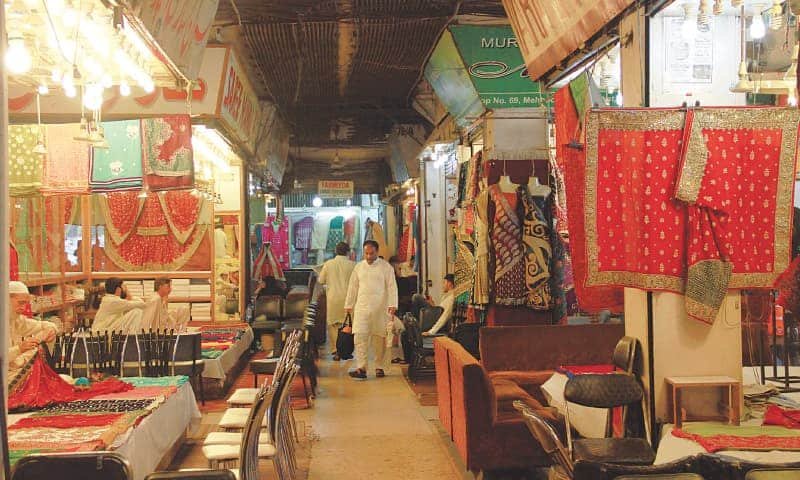
    The Sindh government announced that all markets, restaurants, marriage halls and hotels will be closed early in order to save electricity. The decision will remain in force from June 17 (today) to July 16.

    According to an official notification by the provincial Home Department, all markets, bazars, shops and malls will close by 9pm. Marriage and banquet halls will close by 10:30pm, while hotels, restaurants, coffee shops and cafes must shut by 11pm. However, the decision is not applicable to medical stores, pharmacies, hospitals, petrol pumps, CNG stations, bakeries and milk shops.

    The notification reads: “The urgent need to take the effective measures for the conservation of energy in Sindh through a two-pronged approach, i.e. to utilise the daylight hours for business activities and minimise the possible adverse impact of the business activities.”

    However, the All Pakistan Trade Union Association has rejected this decision of the provincial government, reports ARY News.

    Pakistan is facing a serious power crisis due to which the government has resorted to load-shedding all over the country.

    Last week, as part of the government’s ongoing measures to manage the energy crisis, the National Economic Council (NEC) agreed on the closure of markets by 8:30pm in all provinces.

    No power in commercial areas in the evening from 7-10pm

    The Power Division has decided to cut supply to commercial feeders from 7pm to 10pm daily across Pakistan, reports Geo News.

    In this regard, the Ministry of Energy has prepared a summary for the cabinet’s approval. According to the media outlet’s sources, the commercial feeders will not face load-shedding during the daytime, which would save approximately 5,000 MegaWatt (MW).

    Earlier, Defence Minister Khawaja Asif said that a huge amount of electricity can be saved if people start their businesses early in the morning and close by Maghrib prayers. He said that saving electricity means saving oil.