Tag: fuel prices

  • Fuel prices expected to rise: Pump owners rejoice as millions tighten their belts

    Fuel prices expected to rise: Pump owners rejoice as millions tighten their belts

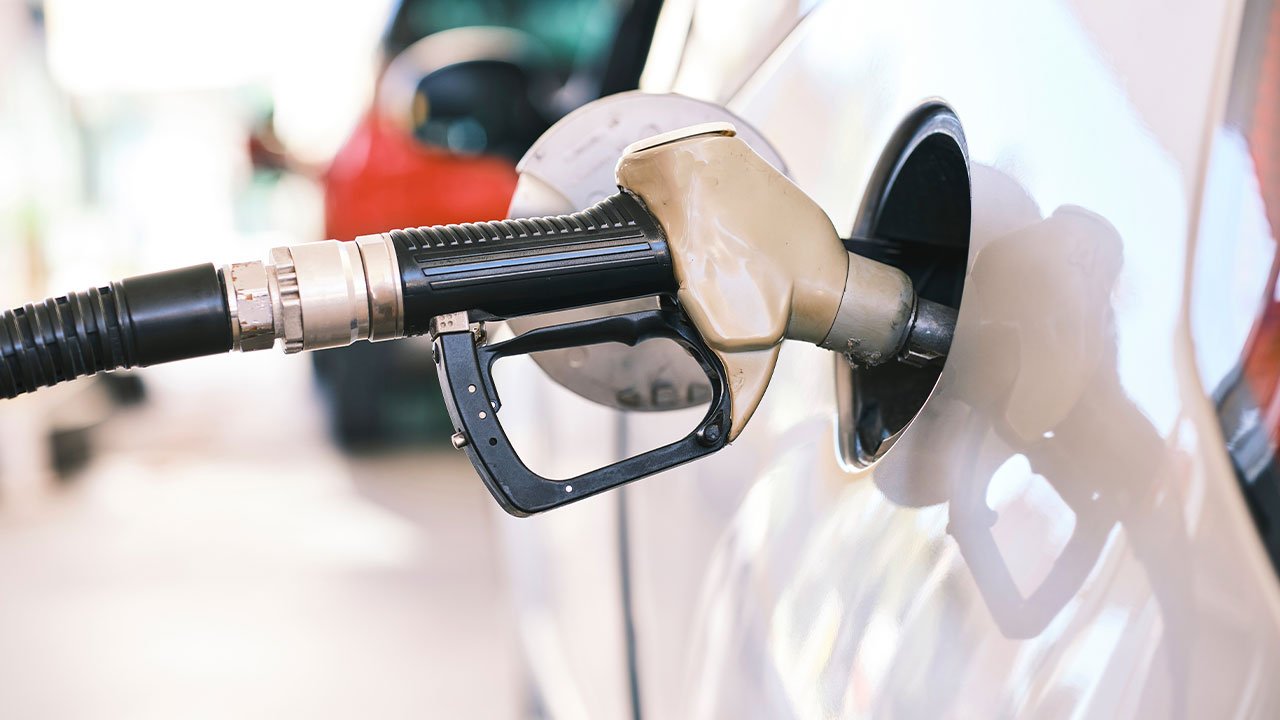
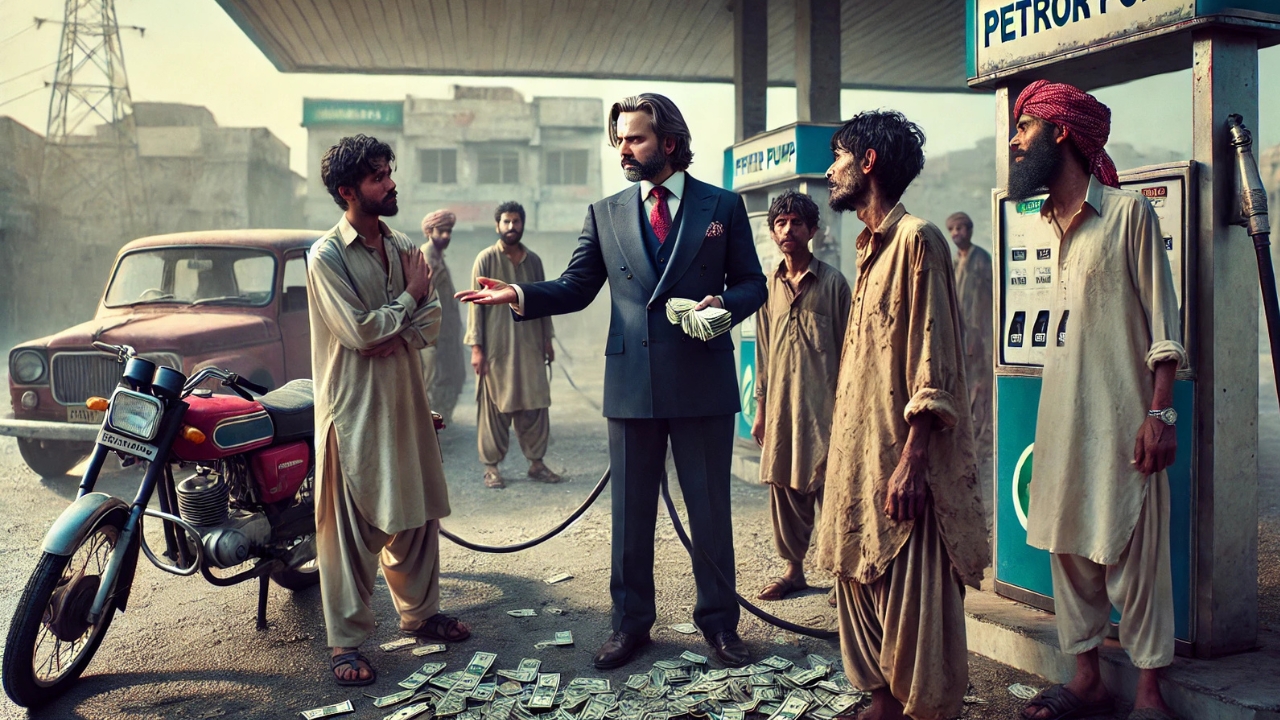
    Pump owners are preparing to celebrate, as oil companies have allegedly submitted a proposal to the Oil & Gas Regulatory Authority (OGRA) to revise fuel prices. However, this spells bad news for travel buses and apps like Yango, which might see a hike in their fare.

    Reportedly, petrol prices are expected to be revised by 2.5 rupees per litre, kerosene oil by 5.54 rupees per litre, and light diesel oil (LDO) by 5.9 rupees per litre and the most significant of all, High-speed diesel (HSD) by 5.91 rupees.

    Experts are claiming that the reason behind the projected rise in price is an increase in petroleum prices in the international market. Since imports cover 80 per cent of the domestic demand for oil, Pakistan is highly vulnerable to the ever-changing oil prices.

    However, if that were true, prices should have dropped instead because, in the last month, the price of oil has dropped by a quarter in the international market. It is, therefore, unlikely that the primary motivation behind the expected rise in local prices is linked to global prices.

    An alternate explanation could be Islamabad’s crackdown against the illegal smuggling of diesel across the Pakistan-Iran border. This could increase demand at local fuel stations as Iranian diesel ceases to be sold in the black market. The crackdown against smuggling will undoubtedly greatly increase the profit margins of local fuel stations as they will see more traffic flowing through them now.

    It is to be noted that fuel is a good that is inelastic in demand. Simply put, any hikes in fuel prices are not likely to cause a reduction in consumption as it is considered a necessity. Moreover, it is unlikely that vehicles are utilizing multiple fuel sources (barring the age-old combination of Petrol-CNG), which makes it impossible to switch to a cheaper alternative.

    It is this very principle that will allow business owners involved in the trade of fuel to benefit from the expected rise in prices – as prices of each barrel of crude oil have actually fallen by 25 per cent in the last month.

    However, these profits will come at the cost of the rest of the economy. People will still have to consume petrol and other such products regularly. The higher prices will result in a decline in the purchasing power of customers. This would spell bad news for non-fuel businesses, as a higher proportion of the consumer budget would be allocated towards the purchase of fuel, which would mean fewer revenues for non-fuel businesses.

    This is likely to cause businesses to suffer as their customers will have less money to spend on their products.

    Moreover, businesses are expected to suffer as transport costs of goods from warehouses to stores will rise. Businesses will either have to absorb these extra costs, resulting in a drop in profits, or this additional cost will have to be passed onto consumers in the form of higher prices, resulting in a rise in inflation.

    While it’s not a win either for businesses or customers, it’s great news for businesses trading fuel. It will also be interesting to note whether the tax levied on fuel by the government sees a change or not as IMF conditions continue to remain unmet. The answer will be unfurled by the winds of time.
  • Petroleum minister confirms gas prices will remain unchanged, highlights falling inflation

    Petroleum minister confirms gas prices will remain unchanged, highlights falling inflation

    In a recent press conference, Minister for Petroleum Musadik Malik announced that the federal government has decided to keep gas tariffs unchanged. He confirmed that consumers will not experience any increase in gas prices.

    Malik highlighted that the government’s economic policies are beginning to yield positive results. He reported a substantial reduction in food inflation, which has decreased from 48 per cent to just 2 per cent.

    Overall inflation has also dropped significantly, falling from 38 per cent to 12 per cent, with a continued downward trend anticipated. Malik stated that all economic indicators suggest the country is moving towards greater stability.

    The minister emphasised that the government’s primary objectives are to alleviate poverty, control inflation, and create job opportunities for the youth. He revealed that Prime Minister allocated Rs600 billion in the current federal budget to support the underprivileged.

    Development projects are being prioritised, particularly in underserved areas, to generate local employment. Additionally, Rs50 billion has been earmarked to protect 86 per cent of electricity consumers for the upcoming three months.

    Malik reiterated the government’s commitment to providing further relief to the public by enhancing healthcare facilities, digitising the Federal Board of Revenue (FBR), and pursuing the privatisation of state-owned enterprises.

    Criticising the previous Pakistan Tehreek-e-Insaf (PTI) administration, Malik accused them of distributing $4 billion to the wealthiest individuals during their tenure. He also addressed the issue of terrorism, asserting that while the government is working to combat it, opposition parties are criticising these efforts.

    The minister expressed disappointment with the opposition’s approach, which he described as destructive and confrontational. He specifically criticised the Sunni Ittehad Council (SIC) for its negative campaign against state institutions and its focus on sit-ins without offering viable solutions.

    Furthermore, Malik accused PTI leaders of inconsistency, recalling that they previously claimed their government was overthrown by the US, yet they are now seeking assistance from the same country.

  • Weekly inflation rises 1.28% as essential food items, fuel costs surge

    Weekly inflation rises 1.28% as essential food items, fuel costs surge

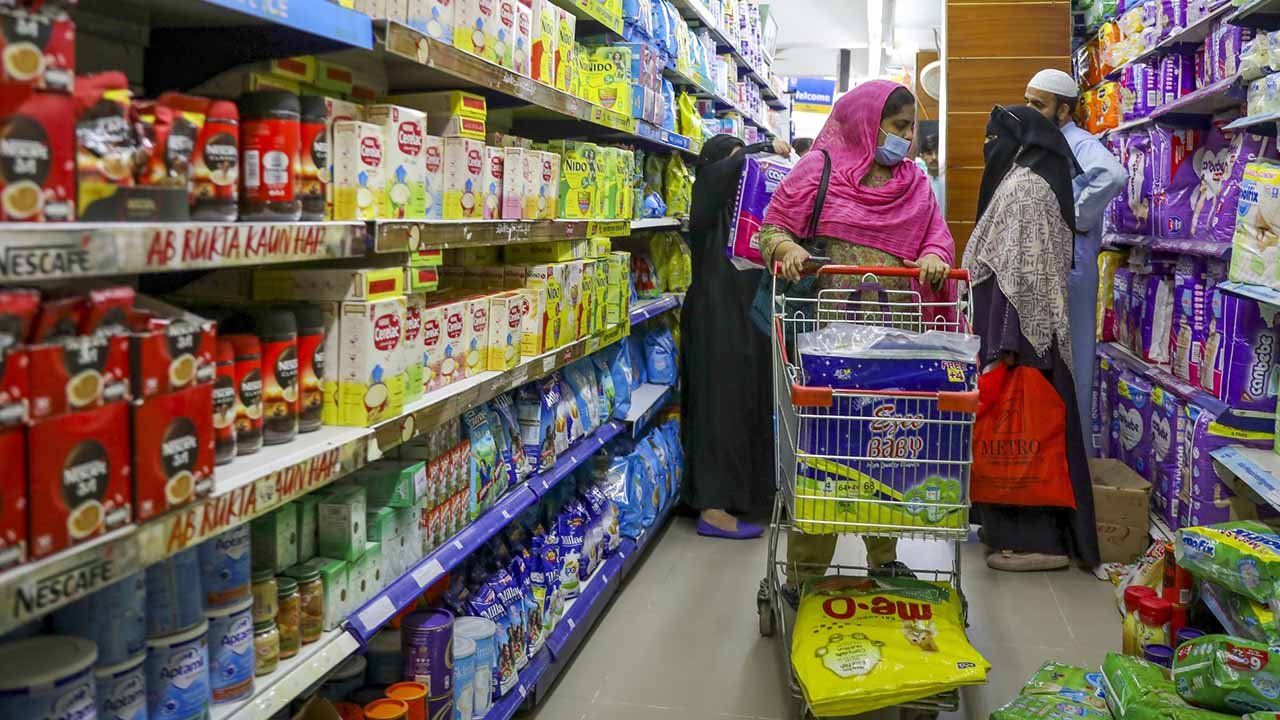
    In a challenging economic climate, food prices in Pakistan have surged, forcing consumers to purchase essential items at elevated costs.

    According to the Weekly Sensitive Price Indicator (SPI) released by the Pakistan Bureau of Statistics (PBS), the SPI for the Combined Group increased by 1.28 per cent week-on-week (WoW) for the week ending July 4, 2024.

     Additionally, the SPI saw a substantial year-on-year (YoY) rise of 23.59 per cent compared to the same period last year.

    The PBS data revealed that the Combined Index stood at 318.61, up from 314.57 a week earlier, and significantly higher than the 257.79 recorded a year ago. Out of 51 monitored items, prices of 29 (56.86 per cent) increased, 5 (9.80 per cent) decreased, and 17 (33.34 per cent) remained stable during the week.

    Significant weekly price increases were observed in tomatoes (70.77 per cent), wheat flour (10.57 per cent), powdered milk (8.90 per cent), diesel (3.58 per cent), and petrol (2.88 per cent). Conversely, notable price hikes on a yearly basis were recorded for onions (9.05 per cent), wheat (1.79 per cent), potatoes (1.04 per cent), eggs (0.79 per cent), and bananas (0.60 per cent).

    The SPI percentage change by income groups showed that the SPI rose across all income quantiles, ranging from 1.23 per cent to 1.44 per cent weekly. The lowest income group experienced a weekly rise of 1.43 per cent, while the highest income group saw a 1.23 per cent increase.

    Yearly SPI analysis across different income segments indicated increases ranging between 16.97 per cent and 26.49 per cent. The SPI for the lowest income group rose by 16.97 per cent, while the highest income group recorded a 21.39 per cent increase.

    Additionally, the average price of Sona urea was reported at Rs4,746 per 50 kg bag, which is 0.13 per cent higher than the previous week and 51.52 per cent higher compared to last year.

    Meanwhile, the average cement price reached Rs1,409 per 50 kg bag, marking a significant 10.48 per cent increase from the previous week and a 23.16 per cent rise from last year’s prices.

    The persistent rise in food and essential item prices continues to burden Pakistani consumers, exacerbating the financial strain on households across the country.

  • Petrol price reduced by Rs10.2, diesel by Rs2.33 per litre

    Petrol price reduced by Rs10.2, diesel by Rs2.33 per litre

    The government has announced a reduction in the prices of petrol and high-speed diesel (HSD) by Rs10.2 and Rs2.33 per litre, respectively, for the upcoming fortnight. 

    In a notification, the Ministry of Finance stated that the prices of petroleum products have exhibited a mixed trend in the international market over the past two weeks. The Oil and Gas Regulatory Authority (Ogra) calculated the new consumer prices based on these international market fluctuations.

    The revised prices set petrol at Rs258.16 per litre and HSD at Rs267.89 per litre. 

    The Prime Minister’s Office described the reduction as a gift from the premier in anticipation of the upcoming Eidul Azha. 

    Sources previously indicated that the government intended to pass the benefits of lower international prices on to consumers. 

    Over the past two weeks, the prices of petrol and HSD in the international market decreased by approximately $3.75 and $2.7 per barrel, respectively. This follows a significant drop of about $12 per barrel for petrol and $8 per barrel for HSD over the prior month.

    The international price of petrol has decreased to just over $90 per barrel from about $94 per barrel, while the price of HSD has fallen to $95 per barrel from $98 per barrel.

  • OGRA reduces LPG price to Rs234 per kg amidst cost-cutting measures by OGDCL

    OGRA reduces LPG price to Rs234 per kg amidst cost-cutting measures by OGDCL

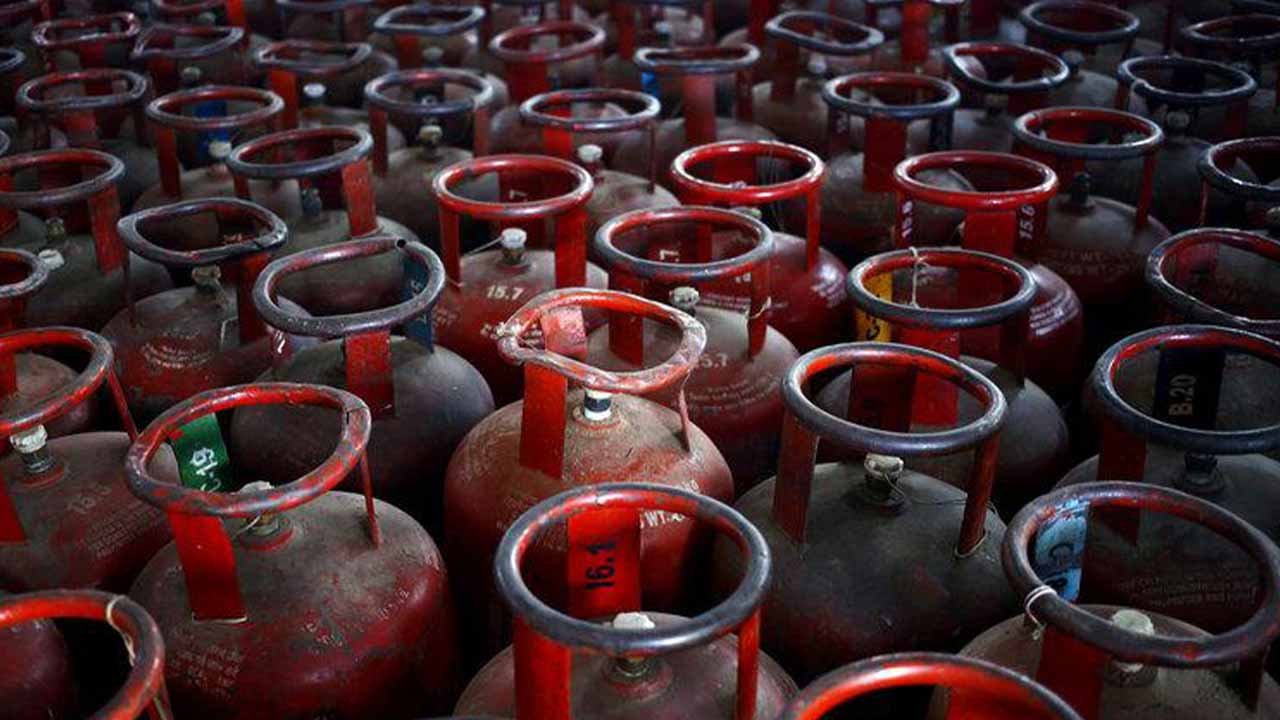
    The Oil and Gas Regulatory Authority (OGRA) has announced a reduction in the price of Liquefied Petroleum Gas (LPG), providing relief to consumers who depend on LPG.

    According to a recent notification, LPG prices have been cut by Rs3.87, bringing the cost down to Rs234 per kilogramme. This new rate is effective immediately.

    This development follows a significant cost reduction in production by the Oil and Gas Development Company (OGDCL), attributed to the arrival of three ships carrying imported LPG.

    The increased supply has enabled OGDCL to lower production costs, subsequently leading to the reduced consumer prices.

    In a related development, the prices of petrol and diesel in Pakistan are also anticipated to drop from June 1. According to sources, petrol prices are expected to decrease by Rs5 per litre, while diesel prices may see a reduction of Rs4 per litre.

    The Ministry of Finance will announce the new rates after consulting with the Prime Minister.

    The OGRA summary proposing the price reductions will be submitted to the Petroleum Division by May 31st, sources added.

    This move is part of a broader strategy to alleviate the financial burden on the public by ensuring affordable fuel prices amidst fluctuating global oil markets.

  • Petrol prices expected to see notable increase next week

    Petrol prices expected to see notable increase next week

    Consumers already grappling with the burdens of inflation may soon face another blow as reports indicate an imminent hike in petroleum prices within the country.

    Recent assessments suggest a potential increase in petrol prices by over Rs9 per liter commencing April 1. This surge could propel the new price range for petrol from Rs279.75 to Rs289.25.

    Furthermore, there are indications that the government is contemplating raising the petroleum levy from Rs60 to Rs100.

    The petroleum development levy has undergone various adjustments in recent fiscal years, witnessing a notable escalation during FY-2023.

    Sources reveal that the federal government is deliberating a proposal to either subject petroleum to General Sales Tax (GST) or elevate the existing levy rate to fulfill IMF requisites for reinstating an 18 per cent GST on petrol.

    The proposed budget for the upcoming financial year outlines plans to increase the petroleum levy from Rs60 to Rs100 per liter.

    Presently, a levy of Rs60 per liter is imposed on both petrol and diesel, yielding an estimated annual revenue of Rs950 billion. Since March 2022, GST on petroleum products has been maintained at zero levels.

    In the initial budget drafts, GST was slated to be set at 18 per cent, in alignment with International Monetary Fund stipulations calling for the restoration of the standard GST rate.

    On March 15, the government opted to maintain the price of petrol while reducing the cost of high-speed diesel by Rs1.77 per litre.

    Petrol prices, fuel prices, government policy, petroleum levy, inflation, consumer concerns,

  • Pakistanis catch a break as weekly inflation hits 18-week low

    Pakistanis catch a break as weekly inflation hits 18-week low

    Short-term inflation in Pakistan dipped to 29.06 per cent year-on-year by the week ending March 21, stepping down from its prolonged stint above 30 per cent for the past 18 weeks, as per recent official data.

    The pullback in weekly inflation, tracked by the Sensitive Price Index (SPI), was primarily attributed to a drop in the prices of key staples like tomatoes, onions, and potatoes. The SPI noted a 1.13 per cent week-on-week decrease as of March 21, down from 32.89 per cent recorded in the previous week.

    This follows an unbroken 11-week stretch of inflation topping 40 per cent, starting from 29 per cent noted on November 8, 2023. The surge was largely fueled by upticks in gas prices, electricity tariffs, and essential kitchen item costs.

    Weekly inflation peaked at a record 48.35 per cent year-on-year in early May 2023, before cooling off to as low as 24.4 per cent in late August 2023, only to surge past 40 per cent again by the week ending November 16, 2023.

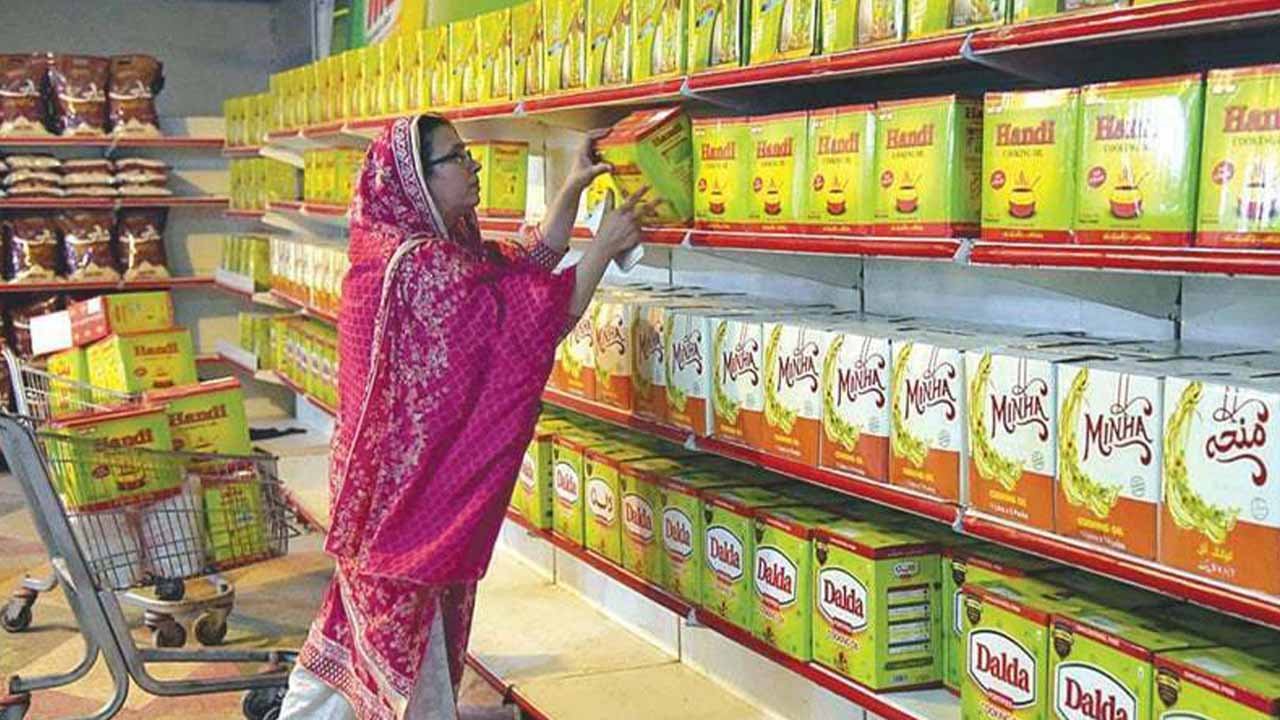
    Among the notable declines in prices on a week-on-week basis were tomatoes (36.73 per cent), onions (19.58 per cent), potatoes (4.02 per cent), garlic (2.87 per cent), pulse mash (1.25 per cent), wheat flour (1.02 per cent), sugar (0.95 per cent), pulse masoor (0.86 per cent), and diesel (0.60 per cent).

    Conversely, significant increases were seen in the prices of LPG (1.49 per cent), shirting (0.74 per cent), beef (0.53 per cent), rice basmati broken (0.48 per cent), mutton (0.42 per cent), mustard oil (0.40 per cent), rice irri 6/9 (0.25 per cent), powdered milk (0.14 per cent), and georgette (0.03 per cent) compared to the previous week.

    On an annual basis, notable price hikes were observed in gas charges for Q1 (570 per cent), chilli powder (86.05 per cent), gents sponge chappal (58.05 per cent), garlic (57.41 per cent), onions (54.65 per cent), gents sandal (53.37 per cent), gur (39.86 per cent), sugar (35.01 per cent), salt powder (33.29 per cent), energy saver (29.83 per cent), and pulse mash (27.31 per cent).

    In contrast, certain items witnessed declines, with cooking oil 5-litre dropping by 21.35 per cent, followed by vegetable ghee 2.5 kg (18.48 per cent), vegetable ghee 1 kg (18.44 per cent), mustard oil (13.90 per cent), bananas (13.52 per cent), diesel (2.47 per cent), and cigarettes (0.06 per cent).

    The short-term inflation, gauged through the SPI, stood at 323.50, compared to 327.21 in the preceding week and 250.66 a year ago. Comprising 51 items collected from 50 markets in 17 cities, the SPI is calculated weekly to monitor the prices of essential commodities and services at shorter intervals. Data indicates that prices of nine items increased, 17 items decreased, and 25 items remained stable compared to the previous week.

  • Inflation edges higher as weekly SPI indicates increase in prices

    Inflation edges higher as weekly SPI indicates increase in prices

    According to the Weekly Sensitive Price Indicator (SPI) released by the Pakistan Bureau of Statistics (PBS), the Combined Group’s SPI increased by 0.04 per cent during the week ending February 22, 2024.

    Additionally, the SPI surged by 30.68 per cent YoY compared to the same period last year.

    As of February 22, 2024, the Combined Index stood at 315.31, a slight uptick from 315.18 on February 15, 2024. A year ago, on February 23, 2023, the index was significantly lower at 241.29.

    Analysing the data for 51 items, it was found that the average prices of 23 items increased, 8 items decreased, and 20 items remained stable.

    Notable increases during the week were observed in the prices of tomatoes (22.71 per cent), bananas (7.40 per cent), diesel (3.02 per cent), chicken (1.22 per cent), and petrol (1.00 per cent).

    Conversely, onions (14.42 per cent), eggs (11.19 per cent), LPG (1.82 per cent), cooking oil (5 litres) (0.75 per cent), and wheat flour (0.36 per cent) experienced significant decreases.

    Breaking down the SPI percentage change by income groups, it was noted that SPI decreased across all 3 quantiles while increasing across 2 quantiles. The lowest-income group saw a weekly decline of -0.08 per cent, while the highest-income group recorded a rise of 0.09 per cent.

    On a yearly basis, the SPI change across different income segments revealed an increase ranging between 25.53 per cent and 35.39 per cent. The lowest-income group witnessed a 25.53 per cent increase, while the highest-income group recorded a 28.22 per cent rise.

    Specifically, the average price of Sona urea reached Rs4,928 per 50 kg bag, reflecting a 9.19 per cent increase from the previous week and a substantial 69.14 per cent surge compared to the same period last year.

    The surge in prices, especially for essential items, poses a challenge for the general populace, particularly those in lower-income groups.

    Authorities and policymakers are likely to face increasing pressure to address and mitigate the impact of inflation on the economy and the daily lives of people.

  • Pakistan grapples with 23% surge in power generation costs amidst economic woes

    Pakistan grapples with 23% surge in power generation costs amidst economic woes

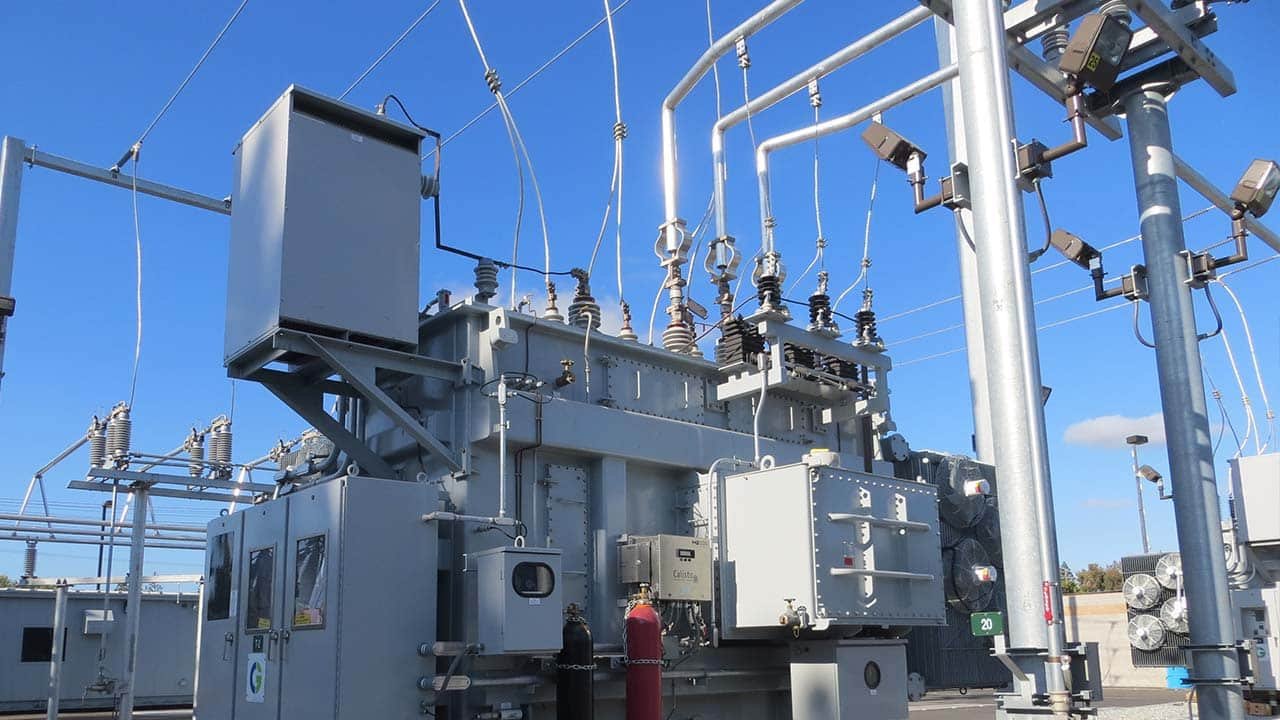
    In a startling development, the cost of power generation in Pakistan has surged by a staggering 23 per cent in January 2024, compared to the same period last year, reports the brokerage house Topline Securities.

    The average cost per kilowatt-hour (KWh) soared to Rs13.8, marking a significant increase from Rs11.20/KWh recorded in January 2023.

    The substantial hike in costs is attributed primarily to elevated expenses in power generation from gas and nuclear sources, which witnessed a spike of 43 per cent and 24 per cent, respectively, on a yearly basis. Moreover, the fuel cost for furnace oil (FO) also surged by 22 per cent year-on-year, according to data from Topline Securities.

    This surge comes as a severe blow to the populace, which is already grappling with high inflation and sluggish economic activity. Rising electricity bills have compounded the financial burden on citizens.

    In terms of power generation, Pakistan witnessed a marginal decline of over 2 per cent in January 2024 compared to the same period last year, with total generation amounting to 8,313 GWh (11,175 MW).

    The decline in power generation was predominantly due to a decrease in coal-based generation, which plummeted by 20 per cent year-on-year. Gas and wind power generation also witnessed declines of 10 per cent and 55 per cent, respectively.

    However, there was a 9 per cent increase in power generation on a monthly basis, indicating some fluctuation in the generation patterns.

    Coal emerged as the primary source of power generation in January 2024, constituting 23.4 per cent of the total generation mix, surpassing nuclear and RLNG (re-gasified liquid natural gas). Nuclear energy accounted for 20.8 per cent of the overall generation, while RLNG contributed 18.2 per cent.

    Renewable sources like wind, bagasse, and solar collectively made up a modest portion of the generation mix, indicating a potential for further development and investment in sustainable energy solutions.

    Overall, the surge in power generation costs coupled with a slight decline in generation highlights the challenges facing Pakistan’s energy sector and underscores the need for strategic measures to ensure an affordable and sustainable power supply in the country.

  • Economic challenges await next govt as Pakistan votes

    Economic challenges await next govt as Pakistan votes

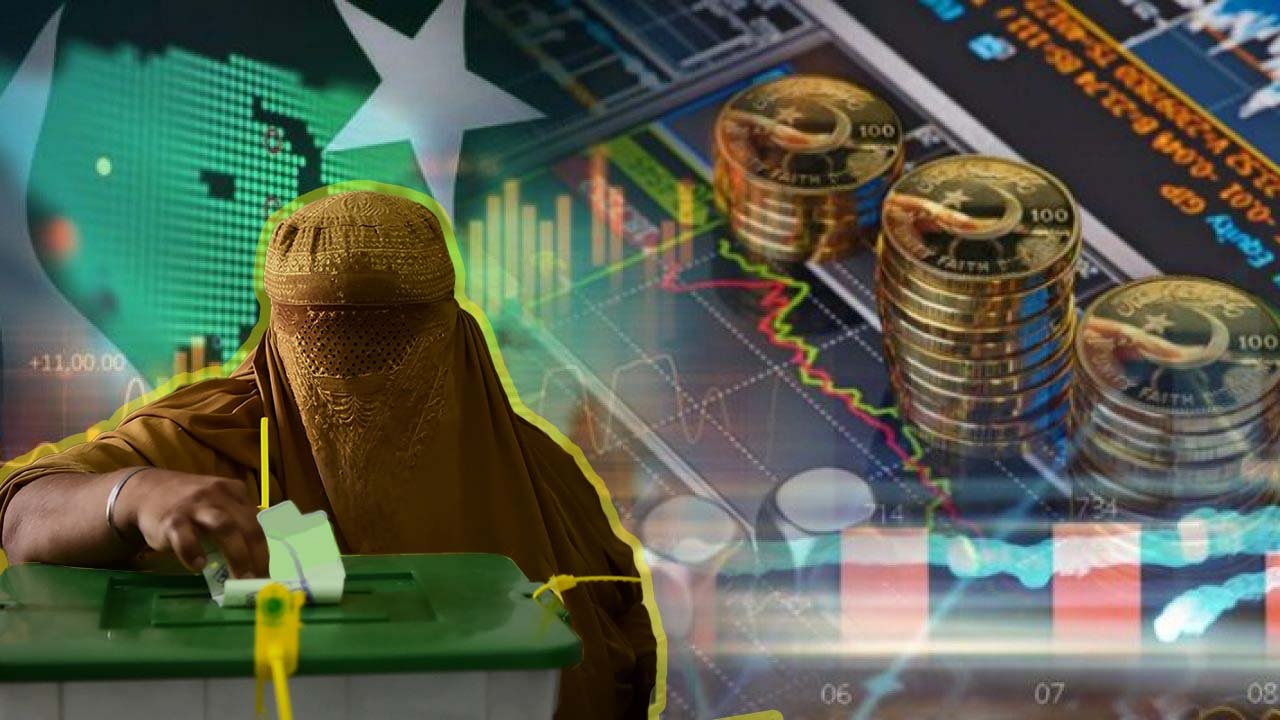
    Pakistan is set to hold its national elections on Thursday, a crucial event for the country grappling with multiple crises.

    As the new government prepares to take charge, it faces daunting challenges in stabilising the economy.

    Last summer, Pakistan narrowly avoided a sovereign default through a last-minute $3 billion bailout from the International Monetary Fund (IMF).

    However, this lifeline is set to end in March, and officials anticipate the need for a new, extended programme.

    Negotiating this program swiftly is imperative for the incoming government, as the economy is burdened by record-high inflation and slow growth resulting from stringent reforms.

    The country’s headline inflation stood at 28.3 per cent year-on-year in January, slightly lower than December’s 29.7 per cent. Despite government expectations, citizens are anxious for the new administration to address the soaring inflation that has significantly impacted their daily lives.

    Moreover, recent increases in gas prices, with a 35.13 per cent hike for Sui Northern Gas Pipelines Limited (SNGPL) and 8.57 per cent for Sui Southern Gas Company Limited (SSGC), add to the economic challenges. The move, effective from January 1, 2024, is the second increase in gas prices this fiscal year.

    In addition to rising gas prices, the cost of petrol and diesel has surged, with a notable increase of Rs13.55 per litre announced on February 1, 2024. This hike is attributed to the ongoing tensions in the Middle East, including Israel’s conflict with Gaza and Houthi attacks in the Red Sea.

    Amid these economic hardships, the National Electric Power Regulatory Authority (NEPRA) has approved an increase in electricity tariffs for distribution companies (Discos) by Rs4.57 per unit for December 2023. This adjustment addresses the escalating fuel costs impacting the power sector.

    The new government is also expected to address the exchange rate concerns as the Pakistani rupee struggles against the US dollar, currently standing at around Rs279.

    The disparity has led to increased prices for essential commodities, further straining the population.

    Adding to the complexity of the upcoming elections is the high political tension, with former prime minister Imran Khan describing a crackdown on him and his party.

    Khan, who has been in jail since August, faces pending cases, including accusations of ordering violent attacks on military installations.

    Despite his imprisonment, Khan maintains substantial popular support, and continued political unrest could jeopardise the stability needed for economic recovery and foreign investment.

    As Pakistan stands at a critical juncture, the incoming government’s ability to navigate these challenges will determine the nation’s economic trajectory in the coming years.