Tag: Funding

  • Pakistani e-motorbike startup raises $1.2 million to manufacture budget-friendly e-bikes

    Pakistani e-motorbike startup raises $1.2 million to manufacture budget-friendly e-bikes

    Pakistani e-motorbike startup Zyp Technologies has raised $1.2 million in seed funding led by venture capital fund Indus Valley Capital.

    With this key investment, Zyp is driving mass-market adoption of electric mobility in Pakistan by addressing key hurdles to adoption including High upfront cost, Range anxiety, Long charging times.

    According to the official statement, the company aims to use this investment at its assembly line which is capable of manufacturing up to 8,000 e-motorbikes per year to meet demand. Depending on each variant in production, these bikes may cost in the region of Rs150,000-450,000.

    The startup also intends to build 4,000 charging stations across the country.

    Aatif Awan, founding partner at Indus Valley Capital, said, with its vision to electrify the 25 million motorbikes in Pakistan, Zyp is building one of the most important products Pakistan needs to help solve the trade imbalance and high inflation. 

    Zyp team has meticulously designed their electric motorbikes and battery swapping to perform well in the local environment, creating a remarkable indigenous solution we’re proud to back.

    Zyp founders joined forces with a mission to create Pakistan’s own homegrown automotive brand in the clean energy sector. 

    This dream team brings experience from Silicon Valley tech companies like Microsoft and Intel, as well as auto companies like Volvo and Land Rover, and startups like Retailo.

  • PM Shehbaz allocates Rs14 billion for Pakistan Endowment Fund for Education, adds coding to national curriculum

    PM Shehbaz allocates Rs14 billion for Pakistan Endowment Fund for Education, adds coding to national curriculum

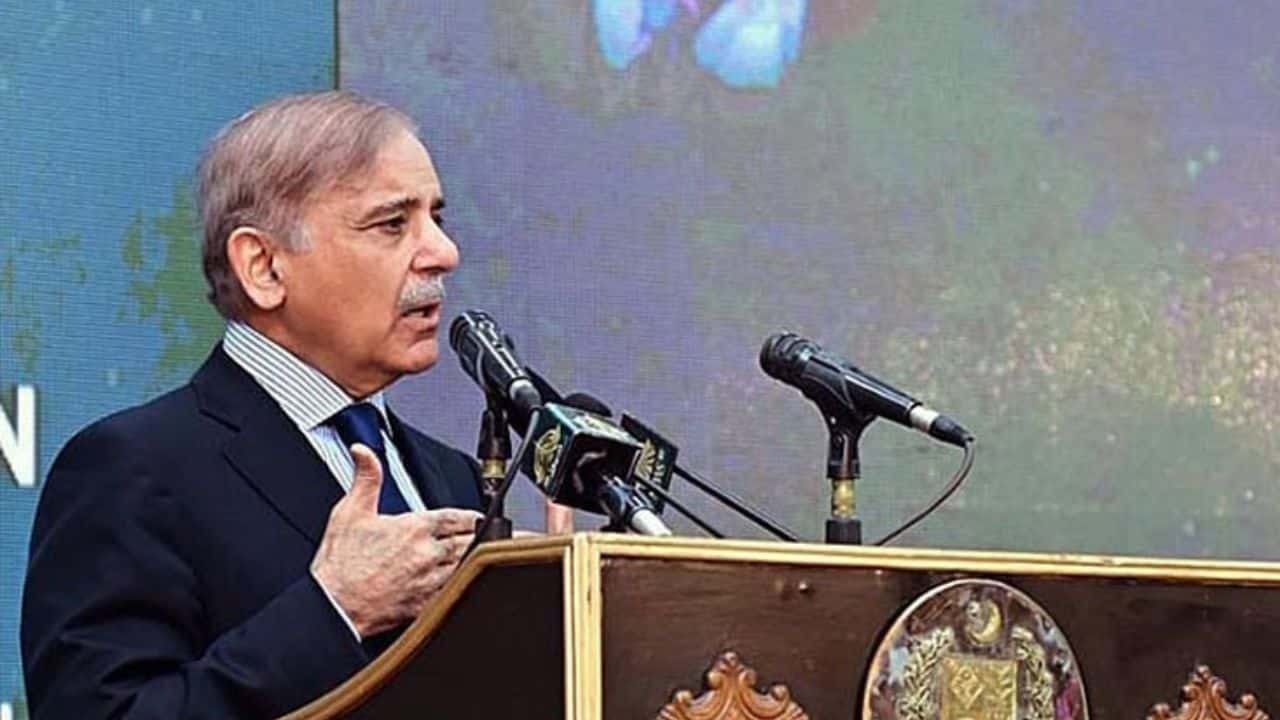
    On Wednesday, Prime Minister (PM) Shehbaz Sharif officially launched the Pakistan Endowment Fund for Education, which includes the incorporation of computer coding and constitutional studies into the National Curriculum. During the launching ceremony, he announced a budget of Rs14 billion for the program over the next four years, with Rs3 billion allocated for the current fiscal year.

    PM Shehbaz Sharif expressed his desire to sustain this project indefinitely, with increased funding, in order to provide maximum opportunities for higher education to deserving students. He emphasised the importance of prioritising the education sector in the future and recommended that the next elected government allocate up to Rs140 billion for the program over the next 10 years.

    The prime minister reflected on his past achievements as the Chief Minister of Punjab, where he initiated the Punjab Education Endowment Fund (PEEF) in 2008 with an annual allocation of Rs2 billion. He proudly mentioned that more than 400,000 students have benefited from this fund and are now serving the country in various professions.

    PM Shehbaz Sharif emphasised that the promotion of education should not be influenced by political motivations, but rather be considered a form of worship. He pledged to focus on underdeveloped areas of the country, where many young people are unable to complete their studies due to limited resources.

    Regarding the financial situation of the country, the prime minister noted that the International Monetary Fund (IMF) board meeting was scheduled for that day, with hopes of approving a $3 billion stand-by agreement with Pakistan. He acknowledged the need for self-reliance and expressed his determination to make serious efforts for the development and prosperity of the country, highlighting China as an example of regaining lost glory through a focus on education and various sectors.

    PM Shehbaz Sharif also mentioned the support received from friendly countries, including China, which had provided $5 billion in the past three months. He further mentioned that Saudi Arabia had sent $2 billion, and another $1 billion was expected from the UAE in the near future.

    During the ceremony, PM Shehbaz Sharif distributed scholarship checks to talented and deserving students as part of the newly launched project. Minister for Education and Professional Training, Rana Tanvir Hussain, explained that the program was designed based on the Punjab Education Endowment Fund (PEEF) and aimed to provide merit-based scholarships to talented students in fields such as engineering, nursing, agriculture, social sciences, and allied health sciences.

    Minister Hussain also mentioned the government’s decision to introduce computer coding and constitutional studies into the national curriculum, considering the current situation. He emphasised that the amended curriculum, agreed upon by all provinces under the leadership of Prime Minister Shehbaz Sharif, was necessary to provide students with quality education and enable them to contribute to the socio-economic development of the country.

    Federal Secretary of Education, Waseem Ajmal, informed that scholarships under the Pakistan Endowment Fund for Education would be provided to students through the Higher Education Commission (HEC) and National Endowment Scholarships for Talent (NEST).

  • Pakistan’s foreign exchange reserves boosted by $2 billion deposit from Saudi Arabia

    Pakistan’s foreign exchange reserves boosted by $2 billion deposit from Saudi Arabia

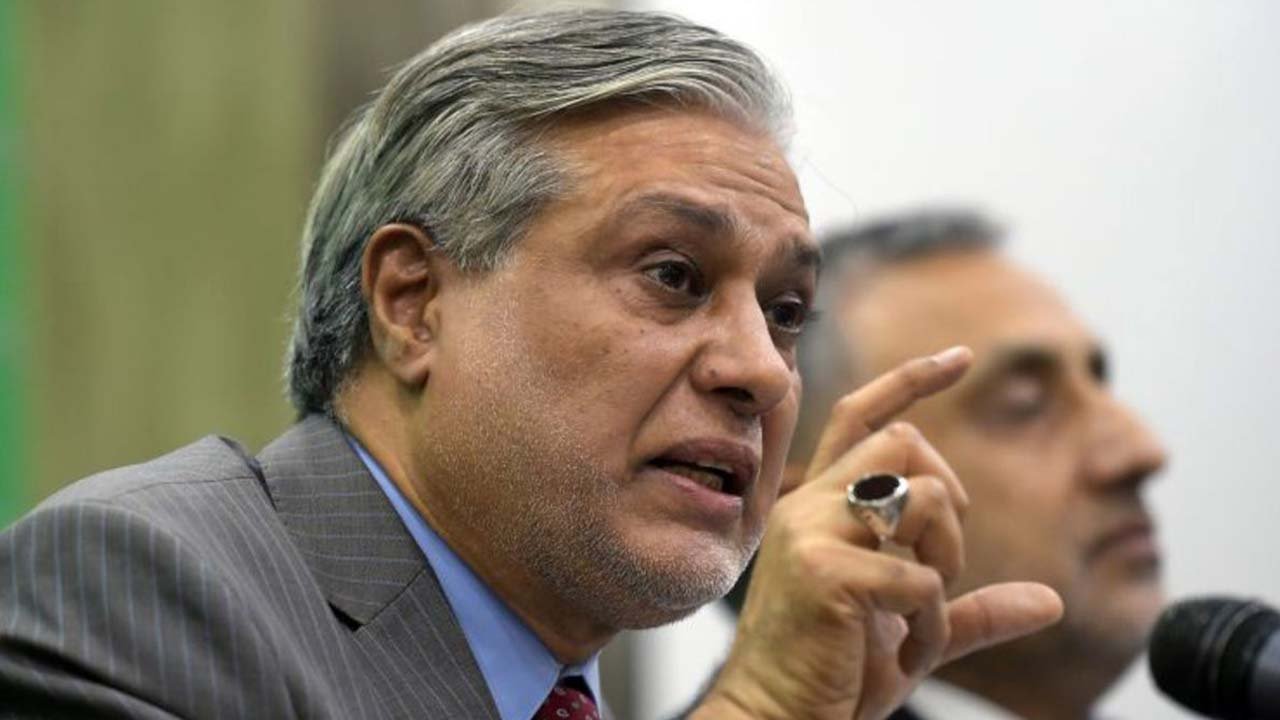
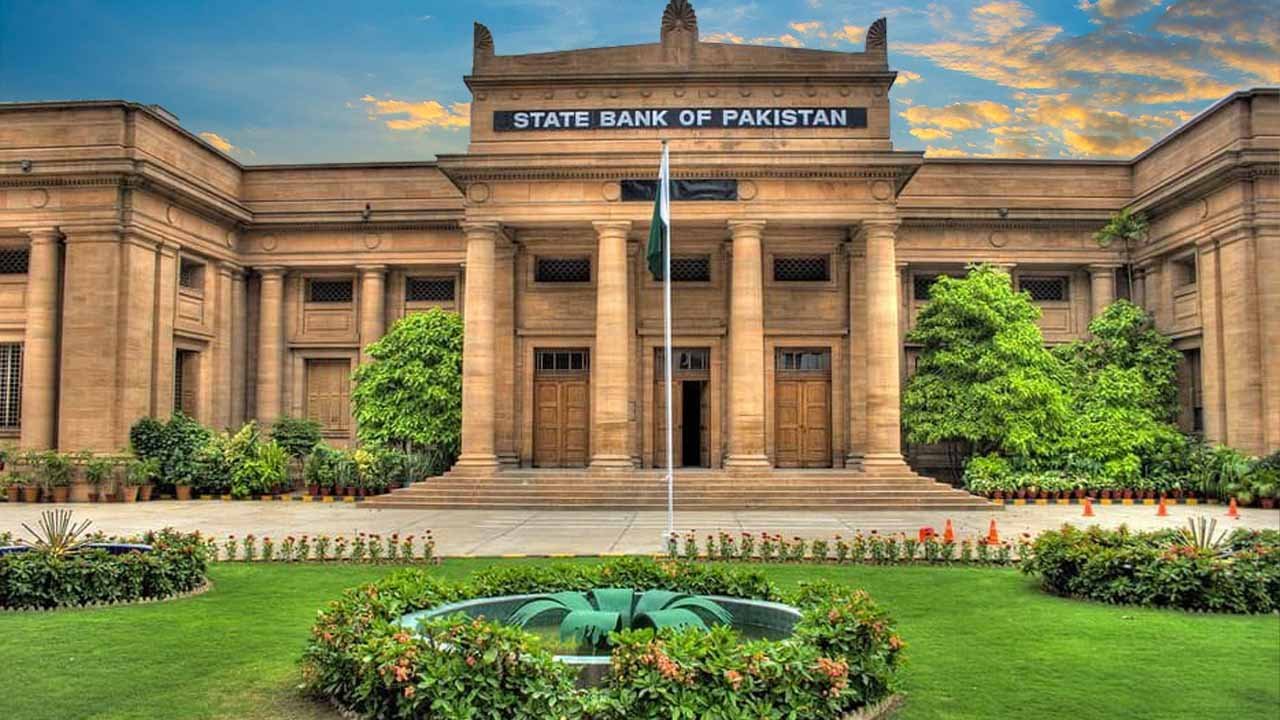
    Pakistan’s central bank has received a significant financial boost of $2 billion from Saudi Arabia, as announced by Federal Minister Ishaq Dar. This infusion of funds will greatly bolster the country’s low foreign exchange reserves.

    During a media briefing on Tuesday, Dar expressed gratitude, stating, “Our brother nation, Saudi Arabia, has deposited $2 billion into the account of the State Bank of Pakistan (SBP).” He further emphasised that this contribution will directly enhance Pakistan’s foreign exchange reserves.

    At the close of last week, the SBP’s forex reserves grew by $393 million to reach $4.463 billion, primarily due to official government inflows. Over the past two weeks, the SBP’s reserves have surged by $937 million. However, it is important to note that these reserves still only cover approximately a month’s worth of imports.

    Dar stated, “These $2 billion will be reflected in the SBP’s reserves by the week ending 14th July.” The finance minister also commended the Saudi government, specifically King Salman and Crown Prince Mohammad bin Salman, for their instrumental role in this gesture of support. Dar extended heartfelt appreciation to the leadership of the Kingdom of Saudi Arabia for depositing $2 billion with the SBP and expressed optimism about future positive economic developments. He declared that Pakistan’s economic situation has nearly stabilised and is poised for growth.

    This development follows the recent announcement by the International Monetary Fund (IMF) that its staff and Pakistani authorities have reached an agreement on policies backed by a $3 billion, nine-month Stand-By Arrangement (SBA). The staff-level agreement is pending approval by the IMF Executive Board, with a decision expected on 12th July.

    Read more: Pakistan commits to 4% annual profit on $2 billion deposit from Saudi Arabia

    Nathan Porter, IMF Mission Chief to Pakistan, stated, “The new SBA builds upon the authorities’ efforts under Pakistan’s 2019 EFF-supported program, which expires at the end of June.” The new IMF arrangement, viewed as highly favorable for the government and economy amidst the ongoing crisis, extends Pakistan’s commitment to the lender well into the second half of fiscal year 2023-24. Moreover, it represents an upgrade from earlier expectations of receiving $1.1 billion following the ninth review.

    Experts have consistently emphasised the critical nature of resuming the IMF bailout package for Pakistan, a cash-strapped South Asian economy grappling with a balance of payments crisis. In addition to mitigating risks of potential default, the funding from the international lender is expected to pave the way for additional inflows from Pakistan’s multilateral and bilateral partners.

  • Pakistan set to share budget details with IMF, aiming to unlock stalled programme

    Pakistan set to share budget details with IMF, aiming to unlock stalled programme

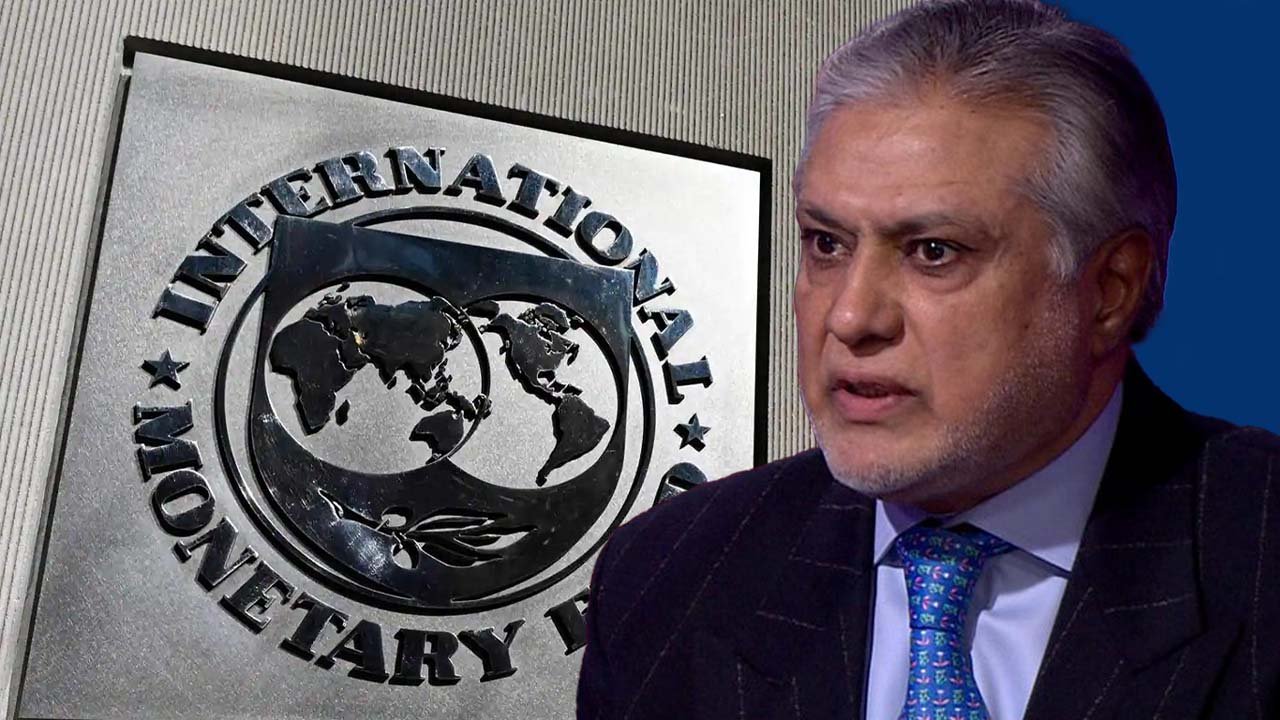
    Finance Minister Ishaq Dar announced on Sunday that Pakistan intends to provide the International Monetary Fund (IMF) with comprehensive details of its upcoming budget, with the aim of facilitating the release of delayed funds. During an interview, Dar confirmed that the IMF has requested further information regarding the budget, and Pakistan is prepared to comply with this requirement.

    Pakistan’s receipt of $1.1 billion in funding from the IMF, as part of a $6.5 billion rescue package established in 2019, has encountered delays since November. In February, both the IMF and Pakistan engaged in two weeks of discussions in Islamabad, aiming to conclude the 9th review. However, the funds have not yet been disbursed by the IMF, which is crucial for Pakistan to access additional bilateral and multilateral financing.

    Expressing his concerns, Dar emphasised his desire for the IMF to release the funds prior to the budget’s scheduled presentation in early June. He asserted that combining the 9th and 10th reviews would be unjust, and therefore advocated for a separate assessment of the current situation.

    In summary, Pakistan’s Finance Minister Ishaq Dar has underscored the country’s commitment to fulfilling the IMF’s request for detailed budget information. This step is intended to overcome the impasse in the release of funds, which are vital for Pakistan to access other forms of financial assistance. Minister Dar has further urged the IMF to release the funds prior to the budget presentation, highlighting the unfairness of merging two distinct reviews.

  • Pakistani rupee maintains upward trend for fourth consecutive day, closes at Rs285.15 against dollar

    Pakistani rupee maintains upward trend for fourth consecutive day, closes at Rs285.15 against dollar

    According to the State Bank of Pakistan (SBP), the Pakistani currency has maintained its upward trend against the US dollar for the fourth consecutive working day in the interbank market.

    The local unit (PKR) has recovered Rs0.59 against the USD, closing at Rs285.15, while the US dollar closed at Rs285.74 on the previous day.

    In contrast, the open market has seen the dollar being sold at over Rs300. Last week, the rupee reached a record low of Rs298.93 against the US dollar.

     Experts attribute the fluctuation in the dollar rate to the deadlock over the IMF deal and ongoing political unrest in the country.

    Due to the delay in the revival of the $6.5 billion International Monetary Fund (IMF) bailout programme, Pakistan is now seeking additional funding from friendly nations.

    The staff-level agreement between the International Monetary Fund and Pakistan, initially scheduled for February 9, has been postponed.

  • Pakistan’s IMF bailout programme revival delayed: blame game between Pakistani authorities and IMF

    Pakistan’s IMF bailout programme revival delayed: blame game between Pakistani authorities and IMF

    Pakistani authorities and the International Monetary Fund (IMF) are blaming each other for the delay in reviving the IMF bailout programme. The IMF approved a $6.5 billion bailout package for Pakistan in 2019, of which $1.1 billion is still outstanding.

    However, issues related to fiscal policy adjustments have delayed the release of the funds since November. The delay has raised concerns as Pakistan has less than a month’s worth of foreign exchange reserves and needs the IMF package to avert defaulting on external payment obligations.

    With the expiry of the existing IMF programme on June 30, 2023, Pakistan’s options for reviving the IMF programme are shrinking with every passing day.

    While Pakistani authorities argue that the IMF is playing politics, IMF sources say they are still waiting for confirmation on the remaining $2 billion from the World Bank and Asian Infrastructure Investment Bank, as well as seeking commercial loans from banks.

    According to Geo, Dr Khaqan Najeeb, former adviser Ministry of Finance, has called for short-term measures, such as funding from friendly countries, the revival of the IMF programme, clarity on programme completion dates, and work on the budget for 2023-24 to be undertaken to avoid Pakistan being near the brink of default.

  • Dar says assurance of funding from friendly countries is the final hurdle in securing IMF deal

    Dar says assurance of funding from friendly countries is the final hurdle in securing IMF deal

    On Thursday, Finance Minister Ishaq Dar announced that the assurance of funding from “friendly countries” was the final obstacle to securing an IMF deal that would provide critical support to Pakistan’s struggling economy and prevent an economic crisis.

    During a session of the country’s upper house of parliament, Dar revealed that several countries had previously made commitments to support Pakistan during IMF reviews, and the IMF was now requesting that these commitments be fulfilled.

    The delay in securing the deal, which involves a $1.1 billion bailout package from the IMF, has been ongoing since November due to issues surrounding fiscal policy adjustments. The package is part of a larger $6.5 billion bailout approved by the IMF in 2019, which is crucial for Pakistan to avoid defaulting on external payment obligations.

    The deal would also allow Pakistan to access other financing avenues to bolster its foreign exchange reserves, which currently only cover four weeks’ worth of imports.

    The IMF has asked Pakistan to secure assurance of up to $7 billion to cover this year’s balance of payments gap, while Dar believes that $5 billion would suffice.

    An IMF mission has been present in Islamabad since February to negotiate a set of policy measures for Pakistan’s struggling economy, ahead of the annual budget due in June.

    Prime Minister Shehbaz Sharif stated that all of the IMF’s conditions had been met, and expressed hope that a staff level agreement would be reached soon.

  • State Bank of Pakistan’s foreign exchange reserves rise to $4.3 billion after Chinese loan

    State Bank of Pakistan’s foreign exchange reserves rise to $4.3 billion after Chinese loan

    Pakistan’s foreign exchange reserves held by the State Bank of Pakistan (SBP) have exceeded $4 billion after the country received a $500 million loan from the Industrial and Commercial Bank of China (ICBC).

    In a weekly bulletin, the SBP reported a rise in foreign exchange reserves by $487 million, boosting the total to $4,301 million as of 3 March, providing an import cover of around a month. This was part of the ICBC’s $1.3 billion facility, which followed another loan of $700 million from the China Development Bank.

    These loans were essential as Pakistan has not received funds from any other country, except China, while the $350 billion economy struggles to revive its stalled International Monetary Fund (IMF) program.

    There are $7 billion of repayments due in the coming months, including a Chinese loan of $2 billion due in March. According to Geo, experts believe that the Pakistan rupee, which has fallen to a historic low of Rs282.30 against the dollar in the interbank market, can only recover to Rs265 if the situation improves.

    Meanwhile, the government has imposed restrictions on imports due to a shortage of dollars, which has resulted in the partial closure of textile and automobile manufacturers, raising fears of unemployment.

  • SBP jacks up policy rate by 300 bps to 20%

    SBP jacks up policy rate by 300 bps to 20%

    In a meeting held today, the State Bank of Pakistan’s (SBP) Monetary Policy Committee (MPC) increased the policy rate by 300 basis points (bps) to 20 per cent as a measure to curb inflationary pressure.

    The meeting’s result matched the market’s predictions, with analysts expecting the State Bank of Pakistan’s Monetary Policy Committee to implement a significant hike of 200-300 basis points.

    During today’s meeting, the MPC acknowledged that recent fiscal adjustments and depreciation of the exchange rate have resulted in a significant deterioration of the near-term inflation outlook. This has also led to an increase in inflation expectations, as indicated by the latest survey results.

    The committee anticipates that inflation will continue to rise in the coming months due to the impact of these adjustments, before gradually decreasing. The projected average inflation rate for this year is now estimated to be between 27 per cent to 29 per cent, compared to the November 2022 projection of 21 per cent to 23 per cent. Given this context, the MPC stressed the importance of stabilizing inflation expectations and implementing strong policy measures.

    On the external front, the MPC acknowledged that while there has been a substantial reduction in the current account deficit (CAD), there are still some vulnerabilities present. In January 2023, the CAD decreased to $242 million, the lowest level since March 2021.

  • Pakistan accepts IMF pre-condition to increase interest rate by 2%

    Pakistan accepts IMF pre-condition to increase interest rate by 2%

    Pakistan has agreed to increase its policy (interest) rate by two percent or 200 basis points, as a pre-condition for the release of $1.1 billion in critical funding from the International Monetary Fund (IMF). The funding is part of a $6.5 billion bailout package.

    The increase is based on rates set by the government in an auction to raise domestic debt and will push the interest rate to 19 per cent. This is just below the previous record of 19.5 per cent set in October 1996.

    Sources from the Ministry of Finance stated that there had been technical-level discussions between Islamabad and the IMF review mission and that it was expected that Islamabad would increase the interest rate by two percent. Most of the pre-conditions set by the IMF had been fulfilled, according to these sources.

    Sources also indicated that discussions on some issues related to the power sector were in the final stages, after which a staff-level agreement with the IMF would be reached. Additionally, Pakistan provided a detailed briefing to IMF officials on the sources of foreign exchange until June.