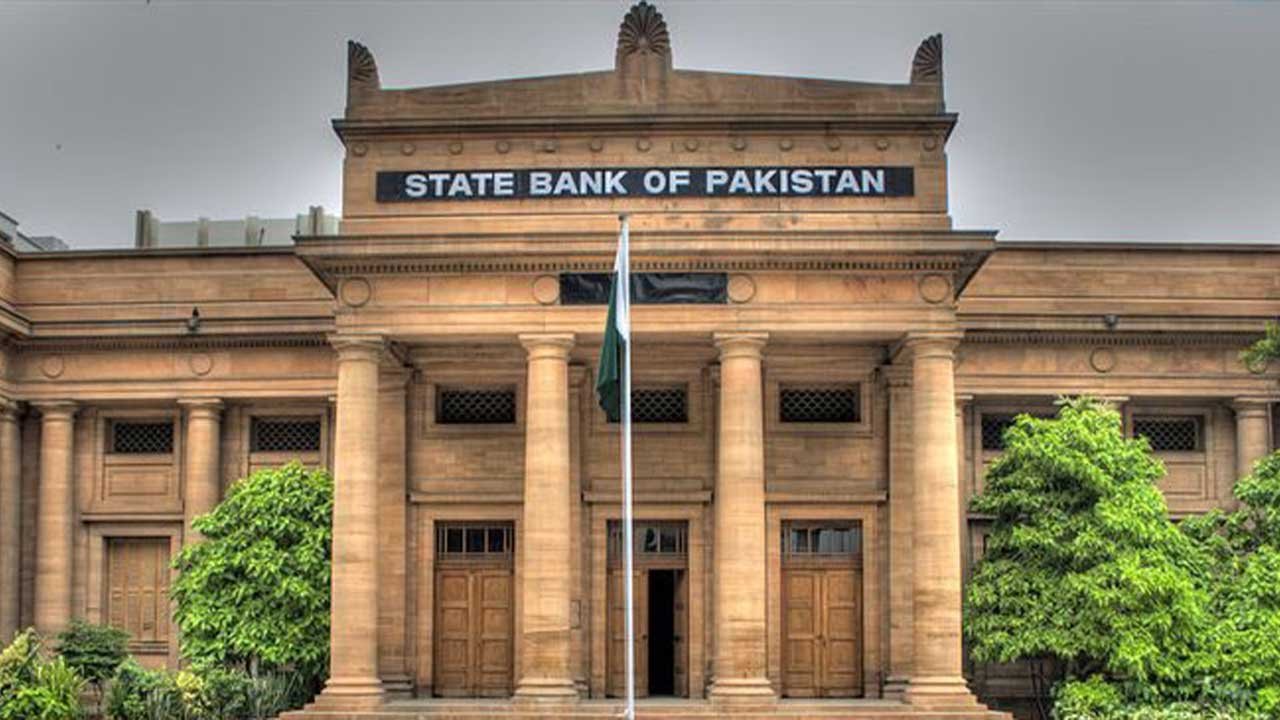
In an attempt to calm the economy, control inflation, and support the beleaguered rupee, the State Bank of Pakistan’s Monetary Policy Committee (MPC) decided to raise the policy rate by 125 basis points (bps) to 15 per cent on Thursday.
The previous policy rate at the same level was in 2008, so the current policy rate is at a level that is 14 years higher. The committee also disclosed that, in order to improve the transmission of monetary policy, interest rates on EFS and LTFF loans are now tied to the policy rate.
Following the MPC meeting on Thursday, SBP Acting Governor Dr Murtaza Syed gave a virtual press conference where he announced the monetary policy decision. He told the media that the rate of inflation has been rising at its highest rate since 1970.
“Globally, inflation is at multi-decade highs in most countries, and central banks are acting aggressively, putting pressure on most emerging market currencies to depreciate,” he continued.
He praised recent government decisions, such as ending petroleum subsidies, and claimed that these actions had made it possible to finish the IMF loan programme. Pakistan’s external financing requirements for FY23 will be met thanks to significant additional funding from external sources, which will be stimulated by the anticipated conclusion of the ongoing IMF review.
Then, during the course of FY23, rupee pressures should ease and the SBP’s FX reserves should gradually resume their prior upward trajectory.
According to him, monetary tightening and fiscal consolidation will cause GDP growth to moderate to 3–4 per cent in FY23, helping to close the positive output gap and lessen demand-side pressures on inflation.
The acting governor SBP stated that, according to the MPC’s baseline outlook, headline inflation is likely to remain high in FY23, hovering around 19–20 per cent, before dropping sharply to the target range of 5–7 per cent by the end of FY24, driven by stringent policies, a normalisation of global commodity prices, and advantageous base effects.