Tag: gas

  • Petroleum dealers strike as OGRA directs oil companies to keep pumps open

    Petroleum dealers strike as OGRA directs oil companies to keep pumps open

    The Oil and Gas Regulatory Authority (OGRA) and the Petroleum Division have issued a joint statement following the strike announced by the Petroleum Dealers Association, stating that petroleum products will be available nationwide.

    The statement directed oil marketing companies to keep pumps open and ensure continuous supply.

    According to the joint statement, the country has abundant petroleum products, and they will remain available throughout the nation.

    Earlier, the Petroleum Dealers Association had declared a nationwide strike starting on July 5.

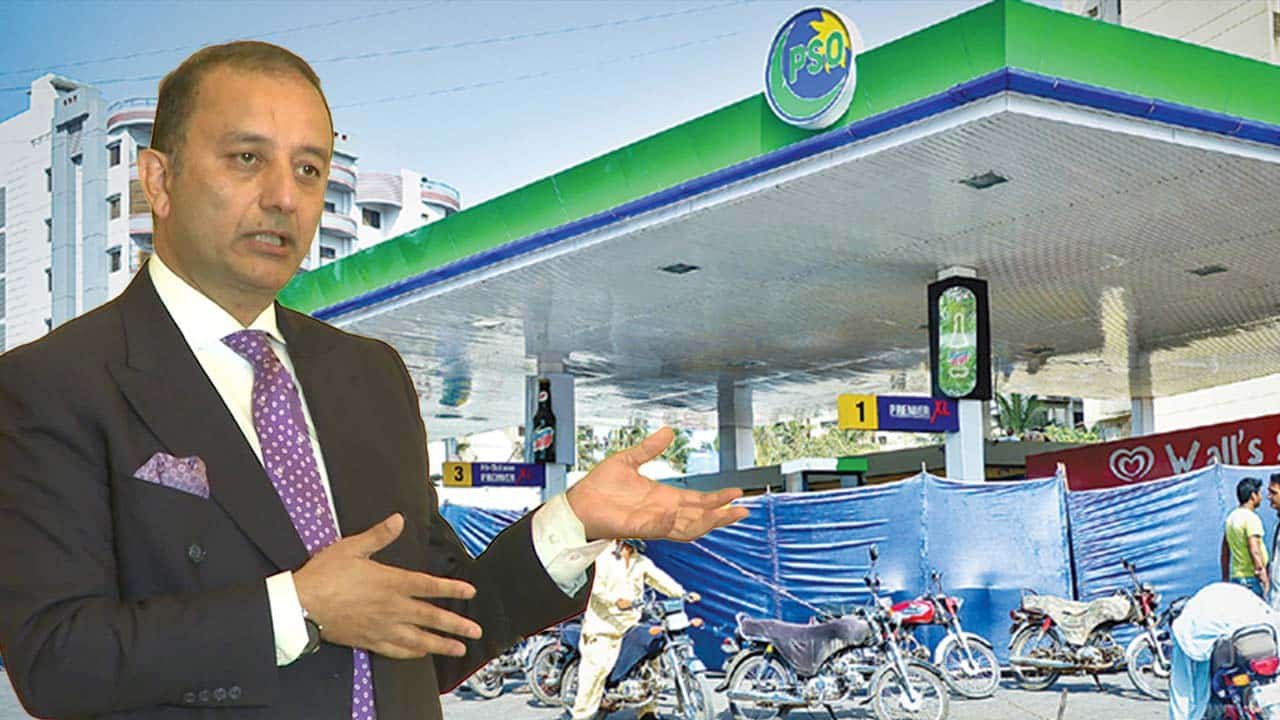
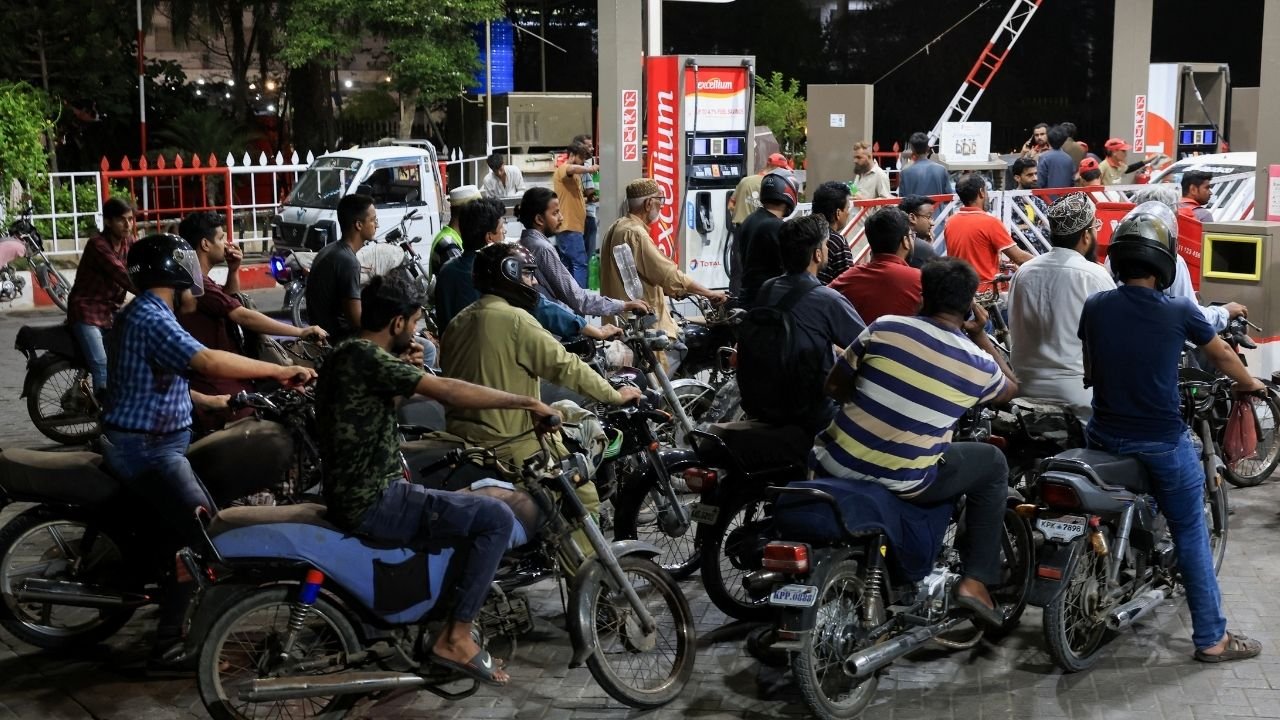
    Abdul Sami Khan, Chairman of the Petroleum Dealers Association, announced the strike, emphasising that businesses cannot sustain operations with such high taxes. He warned that pumps across the country will begin to run dry tonight and stated that negotiations will not resume until the government accepts their demands.

  • Oil jumps, equities fall as Israeli attacks fan MidEast fears

    Oil jumps, equities fall as Israeli attacks fan MidEast fears

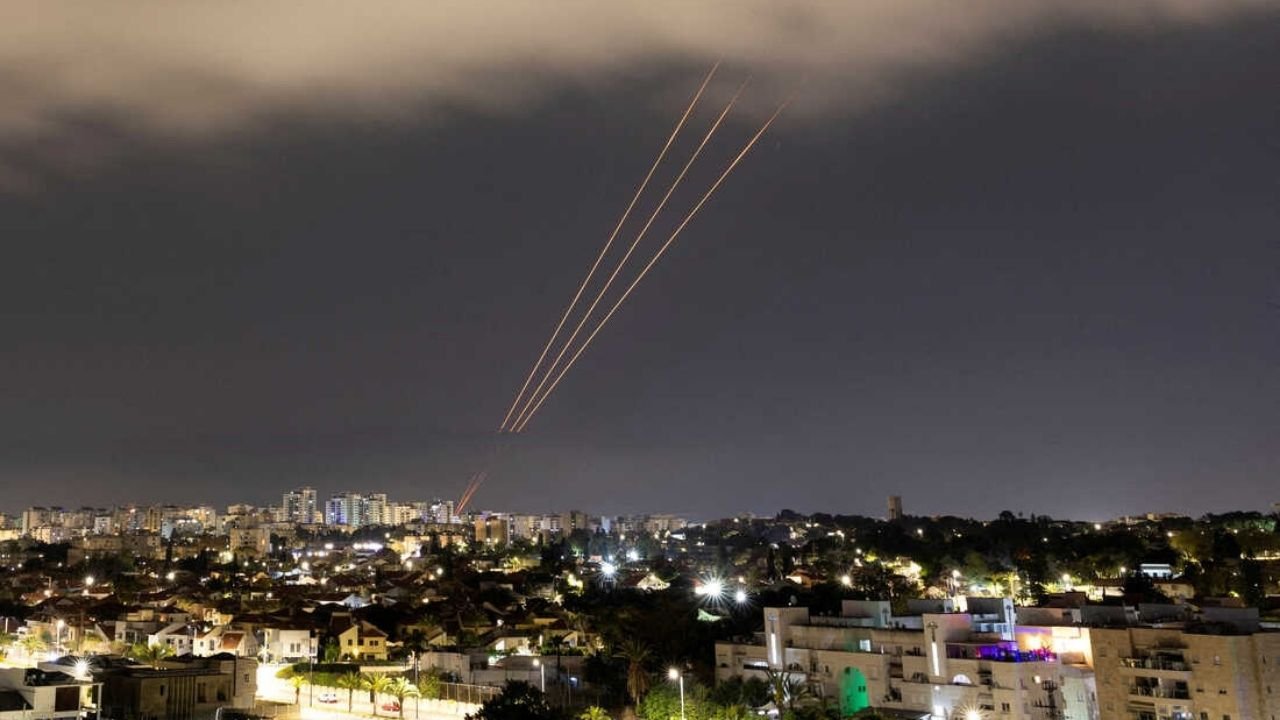
    Hong Kong, China – Oil prices rallied and equities fell Friday as reports said explosions had been heard in Iran and Syria, fuelling fears of an escalation of the Middle East crisis after last weekend’s retaliatory missile attack on Israel by Tehran.

    The reports followed another batch of data indicating the US economy remained in rude health and compounded concerns that the Federal Reserve will hold off cutting interest rates this year or even hike them again.

    Traders have been on edge since Saturday’s barrage by Iran, which Israel’s army chief General Herzi Halevi warned would be met with a response.

    Leaders in Tehran said the strike was a legitimate response to a deadly attack on an Iranian embassy building in Damascus that it blames on Israel.

    Iran’s Fars news agency reported “three explosions” were heard near Qahjavarestan, near Isfahan airport and the 8th Shekari army airbase, while space agency spokesman Hossein Dalirian said “several” drones had been “successfully shot down”.

    Dalirian said on social media platform X there were “no reports of a missile attack”.

    Nuclear facilities in Isfahan were reported to be “completely secure”, the Tasnim news agency said.

    ABC and CBS News reported the strikes had been carried out by Israel, quoting US officials.

    There was no immediate comment from the White House or Pentagon, and the Israeli military told AFP: “We don’t have a comment at this time.”

    The news sent shivers through markets, with crude briefly surging as much as four percent on worries about supplies from the oil-rich region, while fears of a regional conflict saw equities tumble.

    However, the gains were pared as Iran appeared to play down the matter. Tasnim denied the reports and said the Isfahan nuclear facility was safe, while the International Atomic Energy Agency added that it had not been damaged.

    Asia equities fell but were well off their early lows.

    Tokyo plunged more than two percent and Taipei shed more than three percent, while there were also losses in Hong Kong, Sydney, Shanghai, Singapore, Seoul, Wellington, Manila, Mumbai, Bangkok and Jakarta.

    London, Paris and Frankfurt were also in the red.

    The rush for safety also saw the yen rally against the dollar and gold jump back past $2,400, while US Treasuries climbed.

    “It is now clear that the escalating shadow warfare between Israel and Iran… has finally ignited the powder keg in the Middle East, and we have moved decisively out of the shadows and into the glaring light of open conflict,” said Stephen Innes of SPI Asset Management.

    “It should be noted that this is not a staged response to an Iranian drone attack but rather an indication that we have entered a new phase of this conflict, one that is likely to have significant and far-reaching consequences for Middle East peace and least of all risk markets.”

    The mood among traders was already downbeat as they contemplated the prospect of the Fed staying pat on interest rates this year following data showing jobless claims came in below expectations while a gauge of business activity hit a two-year high.

    Meanwhile, Atlanta Fed boss Raphael Bostic said inflation is “too high” and he felt there was no need to cut borrowing costs until later in the year.

    “I’m comfortable being patient,” he added.

    New York Fed chief John Williams and governor Michelle Bowman also said they saw fewer reductions than expected, if at all, this year.

    Michael Landsberg, of Landsberg Bennett Private Wealth Management, said: “We are firmly in the camp of no rate cuts in 2024.

    “We believe investors should prepare for a higher-for-longer regime when it comes to both inflation and interest rates.”

    Key figures around 0810 GMT

    West Texas Intermediate: UP 1.4 percent at $83.85 per barrel

    Brent North Sea Crude: UP 1.1 percent at $88.10 per barrel

    Tokyo – Nikkei 225: DOWN 2.7 percent at 37,068.35 (close)

    Hong Kong – Hang Seng Index: DOWN 1.0 percent at 16,224.14 (close)

    Shanghai – Composite: DOWN 0.3 percent at 3,065.26 (close)

    London – FTSE 100: DOWN 0.7 percent at 7,825.73

    Dollar/yen: DOWN at 154.40 yen from 154.67 yen on Thursday

    Euro/dollar: DOWN at $1.0643 from $1.0645

    Pound/dollar: DOWN at $1.2429 from $1.2438

    Euro/pound: UP at 85.64 pence from 85.57 pence

    New York – Dow: UP 0.1 percent at 37,775.38 (close)

    – Bloomberg News contributed to this story –

    dan/sco

    © Agence France-Presse
  • Shayad abh gas aajaye gi? Sindh to draft policy to produce gas from Thar coal

    The Energy Department of the Sindh government is planning to draft a policy for the production of liquid gas from coal, stated the Deputy Director Sindh Coal Authority (SCA) Asif Mangi in an interview with WealkthPK.

    SCA consultant Dr Farid A Malik has also said that Thar coal was declared a subject for gasification in the international laboratory of South Africa and could save up to 500 million dollars in foreign exchange annually.

    As of now, Pakistan is highly dependent on imported energy resources. In terms of gas import, an energy system from Thar’s 175 billion tons of coal reserves could reduce the energy import bill by 50 percent.

    Coal gasification is a process that converts solid coal into a combustible gas, composed primarily of carbon monoxide and hydrogen, by adding an oxidizing agent (air, oxygen, water vapor).

    The SCA conducted a study to evaluate the probability of Thar coal for conversion to liquid and gas by sending samples of the indigenous coal to the South African Laboratory.

    The study revealed that Thar coal has high tar yields of 20 percent (air dried basis) and high CO2 reactivity, which were typical of lignite coal and suitable for gasification.

  • Iran Ambassador fears US may hinder Pak-Iran gas pipeline project

    Iran Ambassador fears US may hinder Pak-Iran gas pipeline project

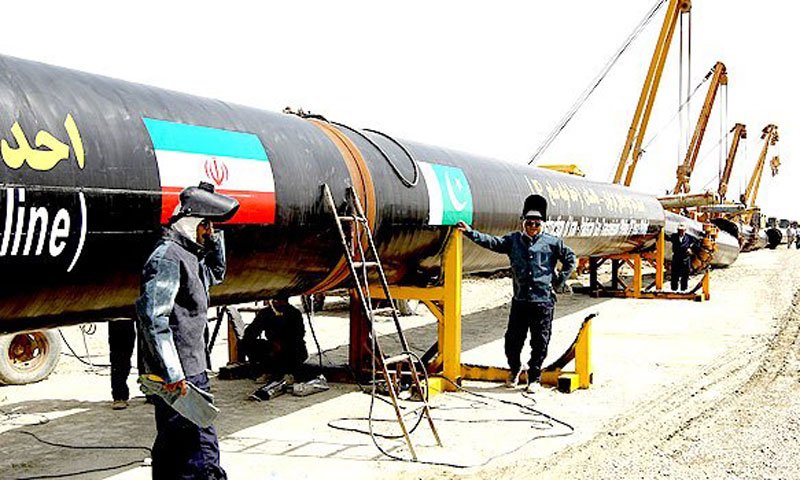
    Iran’s Ambassador to Pakistan Dr Reza Amiri Moqaddam has said that the United States may create obstructions in the payment procedure of Pak-Iran gas project, however, both countries could find a solution to this.

    The Ambassador’s statement came after US Assistant Secretary of State Donald Lu, in a congressional hearing, gave caustic remarks regarding the gas pipeline project and emphasized that the US would try to halt the mega project.

    “I fully support the efforts by the US government to prevent this pipeline from happening,” he said during a congressional hearing on 19 March. “We are working toward that goal.”
    “We are tracking this planned pipeline between Iran and Pakistan … Honestly, I don’t know where the financing for such a project would come from. I don’t think that many international donors would be interested in funding such an endeavor,” the US official added, highlighting that the White House “will uphold both in letter and spirit all sanction laws related to Iran.”

    The Iranian envoy pointed out that Iran had already completed its side of the agreement by constructing a 1,000 kilometers gas pipeline on its side and Pakistan had yet to start it. “The Iranian gas pipeline is in the wider interest of people of both countries,” he added.

  • Shebaz Sharif wants uninterrupted gas, power supply during Ramazan

    Shebaz Sharif wants uninterrupted gas, power supply during Ramazan

    Prime Minister Shehbaz Sharif directed authorities on Monday to ensure uninterrupted gas and power supply, aiming to help people during the holy month of Ramazan.

    In a high level meeting on the petroleum sector, the premier instructed officials to give all possible support to private sector, local, and foreign investors in exploring and refining gas and oil, as well as distributing these natural resources.

    Addressing the participants, Shehbaz said that the government is not meant to do businesses, rather its responsibility is to extend all kinds of facilities to the private sector and ensure protection of the rights of consumers, especially the vulnerable segments of society.

    The chief executive asked for steps to promote global investment in exploration of tight gas and undersea oil and gas reserves, regretting that Pakistan’s maritime area was huge in size when compared with Balochistan province, but no steps were taken to explore its hidden natural resources.

  • Pakistan grapples with 23% surge in power generation costs amidst economic woes

    Pakistan grapples with 23% surge in power generation costs amidst economic woes

    In a startling development, the cost of power generation in Pakistan has surged by a staggering 23 per cent in January 2024, compared to the same period last year, reports the brokerage house Topline Securities.

    The average cost per kilowatt-hour (KWh) soared to Rs13.8, marking a significant increase from Rs11.20/KWh recorded in January 2023.

    The substantial hike in costs is attributed primarily to elevated expenses in power generation from gas and nuclear sources, which witnessed a spike of 43 per cent and 24 per cent, respectively, on a yearly basis. Moreover, the fuel cost for furnace oil (FO) also surged by 22 per cent year-on-year, according to data from Topline Securities.

    This surge comes as a severe blow to the populace, which is already grappling with high inflation and sluggish economic activity. Rising electricity bills have compounded the financial burden on citizens.

    In terms of power generation, Pakistan witnessed a marginal decline of over 2 per cent in January 2024 compared to the same period last year, with total generation amounting to 8,313 GWh (11,175 MW).

    The decline in power generation was predominantly due to a decrease in coal-based generation, which plummeted by 20 per cent year-on-year. Gas and wind power generation also witnessed declines of 10 per cent and 55 per cent, respectively.

    However, there was a 9 per cent increase in power generation on a monthly basis, indicating some fluctuation in the generation patterns.

    Coal emerged as the primary source of power generation in January 2024, constituting 23.4 per cent of the total generation mix, surpassing nuclear and RLNG (re-gasified liquid natural gas). Nuclear energy accounted for 20.8 per cent of the overall generation, while RLNG contributed 18.2 per cent.

    Renewable sources like wind, bagasse, and solar collectively made up a modest portion of the generation mix, indicating a potential for further development and investment in sustainable energy solutions.

    Overall, the surge in power generation costs coupled with a slight decline in generation highlights the challenges facing Pakistan’s energy sector and underscores the need for strategic measures to ensure an affordable and sustainable power supply in the country.

  • Four employees die in Kandhkot election commission office after gas leak

    Four employees die in Kandhkot election commission office after gas leak

    Four people have died after gas leaked in the rooms of Election Commission office in Tehsil Kundhkot, Geo has reported on Wednesday.

    The election commission office says that the four were employees of the Commission. They were sleeping in the room when they suffocated from the leaking gas.

    According to the election commission, three of employees who died belong to Larkana, while one belongs to Kandhkot.

    The deceased employees include election officer Mushtaq Magsi, data entry operator Farid Ahmed, data entry operator Majid Ali and Abdul Rauf.

  • Saudi Arabia says ‘absolutely not’ to oil phaseout at COP28

    Saudi Arabia says ‘absolutely not’ to oil phaseout at COP28

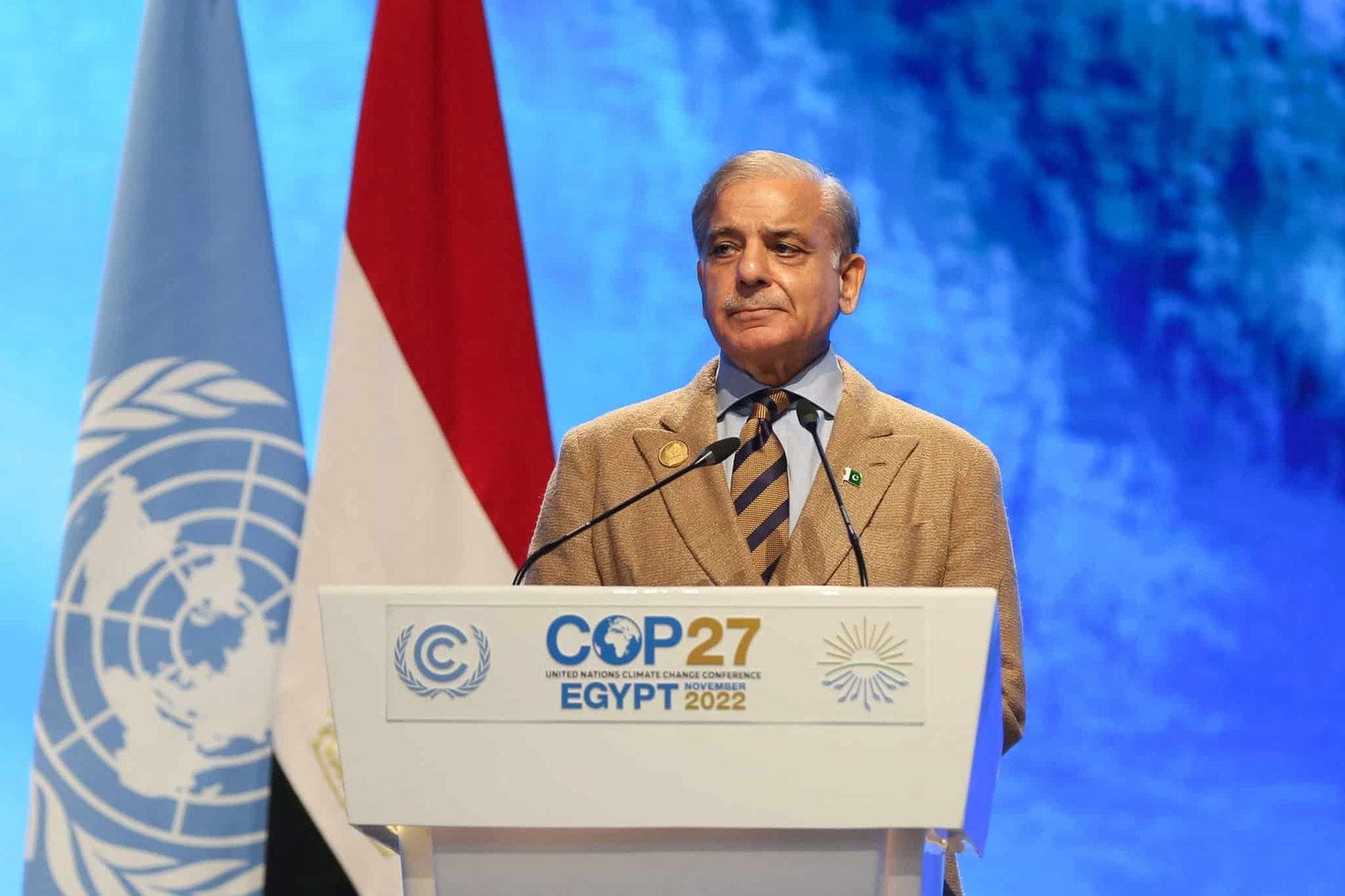
    AFP – DUBAI: Saudi Arabia’s energy minister has slammed the door shut on agreeing to phase out fossil fuels at the UN’s COP28 climate talks, setting the stage for difficult negotiations in Dubai.

    A tentative “phasedown/out” was included in a first draft of an agreement on climate action that delegates are haggling over during talks that are scheduled to finish on Dec 12.

    But Energy Minister Prince Abdulaziz bin Salman, a half-brother of de facto ruler Crown Prince Mohammed bin Salman, told Bloomberg that Saudi Arabia, the world’s biggest oil exporter, would not agree.

    “Absolutely not,” he said in an interview in Riyadh.

    “And I assure you not a single person – I’m talking about governments – believes in that.”

    About 200 countries must come to a consensus decision at the meeting in Dubai, held at the end of the hottest year on record.

    In an interview with AFP last week, United Nations Secretary-General Antonio Guterres called for a total phaseout of fossil fuels, warning “complete disaster” awaits mankind on its current trajectory.

    But Prince Abdulaziz said: “I would like to put that challenge for all of those who… comes out publicly saying we have to (phase out), I’ll give you their name and number, call them and ask them how they are gonna do that.

    “If they believe that this is the highest moral ground issue, fantastic. Let them do that themselves. And we will see how much they can deliver.”

    ‘Small change’

    Separately, the Saudi royal also derided Western donations to a new climate loss and damage fund as “small change” and trumpeted Riyadh’s pledges to developing countries.

    The fund for vulnerable nations – a major win at the start of COP28 – has attracted about US$655 million (S$876.22 million) so far from donors including the European Union and the United States, a sum criticised as insufficient by campaigners.

    “Unlike the small change offered for loss and damage from our partners in developed countries, the Kingdom through its South-South cooperation announced in the Saudi Africa Summit in Riyadh last month the allocation of up to US$50 billion,” he said in a video message to Monday’s Saudi Green Initiative forum, held on the sidelines of COP28.

    “This will help build resilient infrastructure and strengthen climate resilience and adaptation in the African continent directly through Saudi stakeholders,” added the prince, without giving further details.

    Such private funds have been criticised by campaigners for lacking transparency and because the pledges are non-binding and include loans and investments.

    Saudi Arabia has revamped its energy sources, invested in renewables and improved energy-efficiency as it tries to decarbonise its economy by 2030, Prince Abdulaziz added.

    But that target does not include emissions from the 8.9 million barrels of oil a day exported by Saudi Arabia.

    Africa and its energy mix is an area of focus for both Saudi and the UAE, which in September pledged US$4.5 billion for clean-energy investments in the continent.

    “You cannot go to undeveloped countries or developing countries and ask them to do the same measures of the transition,” Yasir Al-Rumayyan, chairman of Saudi state oil giant Aramco, told the forum.

    “Especially people who don’t have access to the energy.”

    He said he heard an African minister say “in order for us to have growth, we have to carbonise first then to decarbonise.”

  • Eight hours of gas supply this season too: Caretaker Federal Minister of Energy

    Eight hours of gas supply this season too: Caretaker Federal Minister of Energy

    The Caretaker Federal Minister of Energy, Muhammad Ali, has said that gas load-shedding will continue this year, similar to last year when gas was supplied for eight hours a day.

    This year, natural gas has reduced by 30 per cent whereas the demand is high and supply is low.

    In a statement, he highlighted that two LNG cargoes have been purchased to meet the shortage of gas in winter.

    Additionally, he pointed out that Rs16 billion have been recovered from power thieves so far.

  • Govt to cut per litre petrol price for low-income people by Rs100: Musadik Malik

    Govt to cut per litre petrol price for low-income people by Rs100: Musadik Malik

    The State Minister for Petroleum, Musadik Malik, announced on Monday a significant reduction of Rs100 in the price of petrol for low-income people.

    The minister stated during a news conference held in Islamabad that the wealthy will pay Rs100 more for petroleum products while the underprivileged will receive the same amount in relief.

    The specifics of this execution strategy will probably be made public by the administration within the upcoming week.

    In addition, the government would provide low-income groups with gas subsidies.

    Prior to this, Prime Minister (PM) Shehbaz Sharif stated that low-income individuals would pay Rs50 less for petrol. However, Musadik Malik declared on Monday that the Prime Minister had now ordered to provide a Rs100 discount on petrol to low-income citizens instead of a Rs50 discount.

    While chairing a review meeting on Sunday, PM Shehbaz said that the petroleum relief would be given to low-income consumers who have motorcycles, rickshaws, and other small vehicles (less than 800cc).

    He said the program of petroleum subsidies would be started soon, and a comprehensive strategy would be formed with the cooperation of relevant departments for effective implementation of the subsidy program.

    He said motorcycles, rickshaws, and small cars were used by low-income people, and the petroleum subsidy would give relief to the poor.

    The government was making efforts to provide all possible help to the poor people despite its economic difficulties, he added.