Tag: gas shortage

  • How is gas shortage worsening health crises in Karachi?

    How is gas shortage worsening health crises in Karachi?

    The number of gastroenteritis cases in Karachi has been steadily increasing, a statistic that doctors claim is ticking upwards because of the consumption of contaminated water for drinking purposes owing to the shortage of gas and its soaring prices which has forced many people to use water without boiling it.

    Water supplies to the city had been found to be highly contaminated on multiple occasions. The general practice is to properly boil or filter to make it safe for drinking.

    Faiza Ilyas from Dawn talked to the doctors at the Dr Ruth Pfau Civil Hospital Karachi (CHK), where around 1,500 patients daily report to the emergency department, shared that the cases of gastroenteritis had seen a rise in recent days.“Currently, gastroenteritis constitutes 70 to 80 percent of our cases being reported at the hospital’s emergency department on a daily basis. There are a few cases of cholera as well,” shared CHK additional medical superintendent Dr Liaquat Ali Halo.

    Patients have been complaining of acute watery diarrhea and are administered intravenous fluids for rehydration.

    Most patients are discharged within a few hours while some require admission.

    Dr. Halo said the reasons behind the increase in gastroenteritis cases as lack of chlorination and filtration been a major factor that contributed to frequent episodes of outbreaks of gastroenteritis in the city, besides consumption of contaminated foods from roadsides and poor hand hygiene.“Many patients tell us that they are forced to use unboiled water for drinking as gas supplies are highly inadequate in their localities and the filtered water has become costlier,” Dr. Halo said, adding that inadequate cooking and eating contaminated raw food and vegetables could also cause illnesses.

    Commenting on the city’s public health situation, Dr. Altaf Hussain Khatri, a senior general physician based in the old city area, said gas shortage amid a drastic increase in prices of food and utilities had made the survival of poor families extremely challenging.

    “The gas shortage has further compounded miseries of the masses and compromised public health,” he said, adding that along with gastroenteritis, patients with respiratory infections were still reporting in high numbers to general physicians.

    “They are very effective as they filter sediments and kill pathogens,” he said.
  • Supply-demand gap worsens: Lahore grapples with gas scarcity during key hours

    Supply-demand gap worsens: Lahore grapples with gas scarcity during key hours

    The metropolitan areas of Punjab, including Lahore, are grappling with a shortage of gas following a decline in temperatures, as confirmed by sources within the Sui Northern Gas Company.

    Residents across the majority of Punjab, notably in Lahore, are experiencing gas shortages during essential daily periods—breakfast, lunch, and dinner—due to an escalating disparity between demand and supply exacerbated by colder weather.

    With a demand for gas at 2100 million cubic feet and a supply of approximately 1200 million cubic feet, the gap has intensified the challenges faced by consumers in the region. 

    Notably, earlier this week, the SNGC imposed additional fixed charges on consumers’ November bills with the caretaker government’s approval.

    According to SNGC officials, protected consumers utilising 0.9 hectometers of gas will incur a monthly fixed charge of Rs400. 

    Non-protected users with consumption up to 1.5 hectometers will face an extra charge of Rs1,000 in their bills.

    Surprisingly, even consumers with zero gas usage are obligated to pay a fixed monthly charge of Rs400, as outlined by the recent adjustments in billing practices.

  • Sindh industries to face two-day gas supply suspension due to shortage

    Sindh industries to face two-day gas supply suspension due to shortage

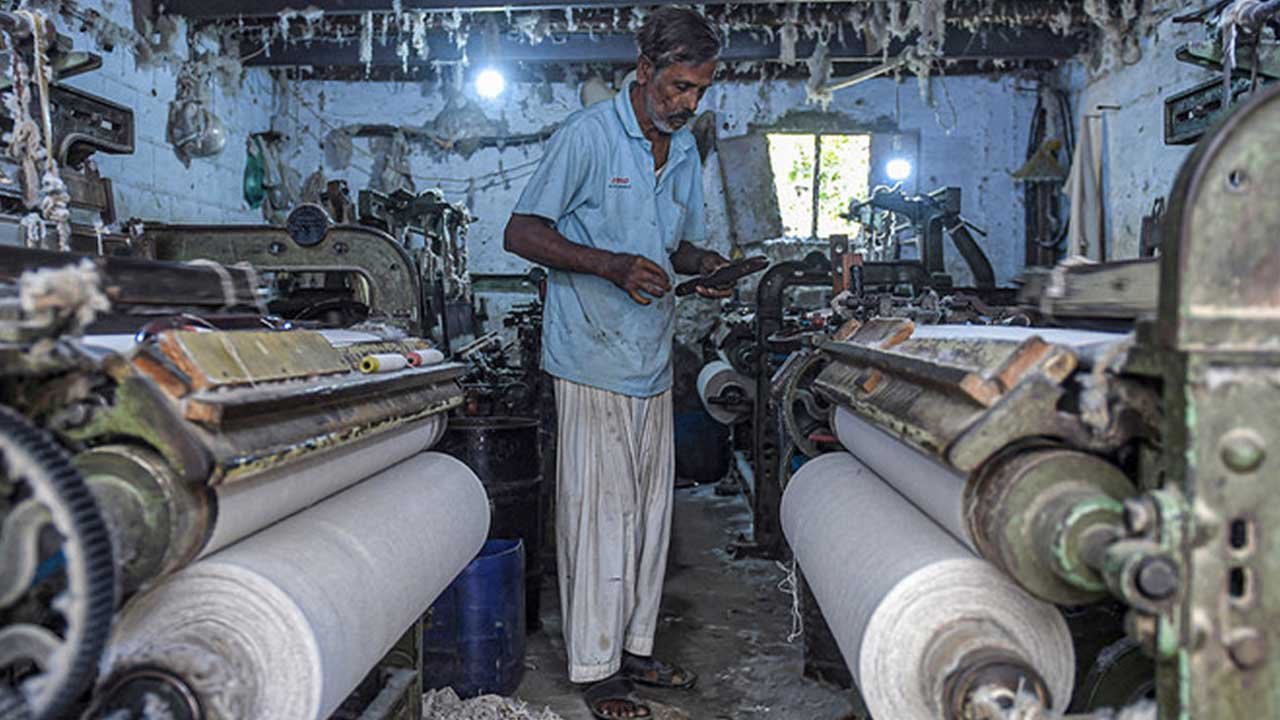
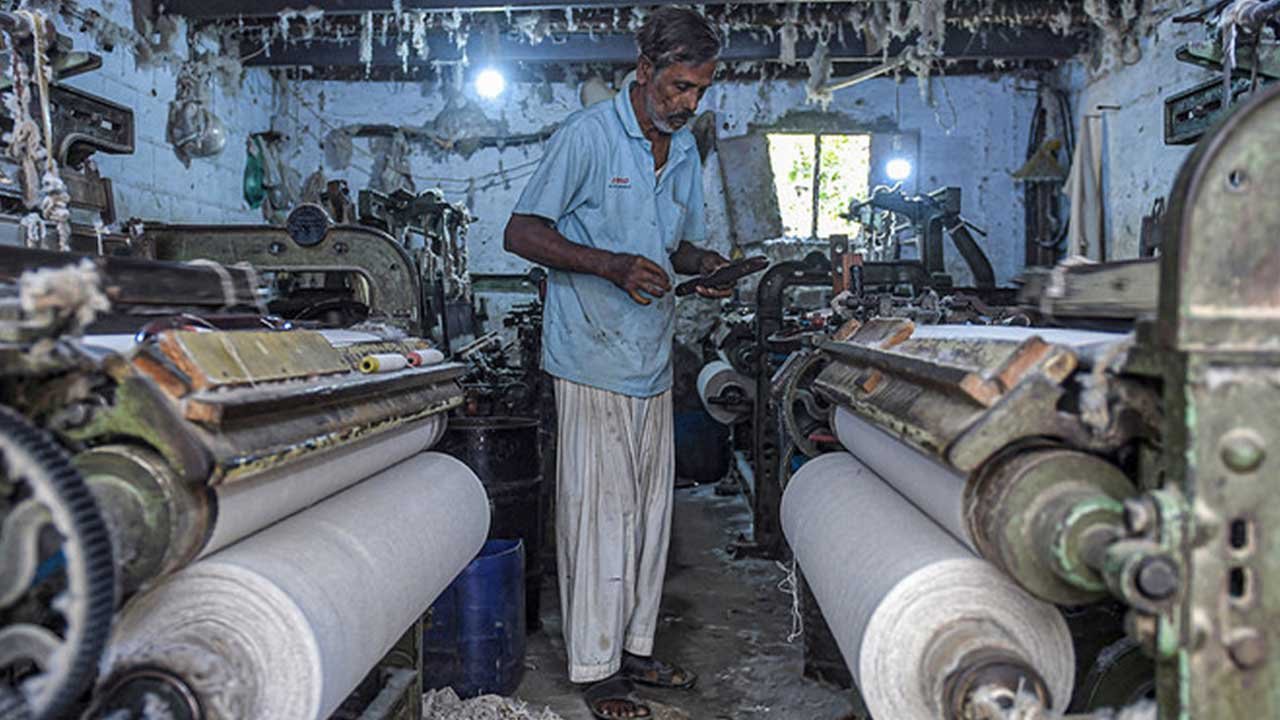
    Gas supply to industries and power plants in Sindh will be stopped for 48 hours starting Saturday, as informed by the Sui Southern Gas Company (SSGC).

    The reason for this interruption is the low gas pressure in the system. There’s been a drop in pressure in the gas lines, leading to reduced supply.

    According to The News, the SSGC stated that due to insufficient gas supply, the available gas has decreased, causing low pressure in the system.

    As per the Gas Supply Agreement (GSA) guidelines for industrial customers approved by the Oil and Gas Regulatory Authority (OGRA) and authorised by the Economic Coordination Committee (ECC) of the cabinet, all industries, including power generation units, will remain closed during this time:

    Starting from 8 AM on Saturday, August 26, 2023, to 8 AM on Monday, August 28, 2023.

    The gas will be supplied according to the established priority order. The company issued a stern warning that strict action would be taken if anyone was found violating these rules during the gas supply suspension.

    The statement also mentioned that if any violations are noted during this gas holiday period, the company will take significant measures, which might even involve the suspension of gas supplies for a minimum of 7 days.

    The company’s strict stance against any breaches during this gas supply suspension underscores the importance of adherence to these measures, with the possibility of severe consequences, including a minimum seven-day disconnection of gas supplies.

  • Major maintenance work to cause severe gas supply disruption in Karachi from tomorrow

    Major maintenance work to cause severe gas supply disruption in Karachi from tomorrow

    In a concerning development, the residents of Karachi are set to endure an extensive period of gas load shedding from August 12 to 27, as a critical gas supply of 107 million cubic feet per day (mmcfd) faces disruption due to essential annual maintenance work at the Kunnar-Pasakhi Deep (KPD) gas field.

    The Sui Southern Gas Company Limited (SSGC) has released a notification detailing the maintenance schedule for the KPD gas field, which is slated to be carried out in three phases over the course of 16 days. This maintenance work will necessitate a complete shutdown for eight days, coupled with a partial shutdown lasting four days.

    According to ARY News, the upcoming complete shutdown of gas operations is expected to result in a significant reduction of 107 mmcfd, while the partial shutdown will further trim the gas supply by 50 mmcfd. This unfortunate reduction in gas availability will inevitably impact various sectors, including domestic households, commercial establishments, industrial operations, and even the crucial Kapco power plants that rely on natural gas to generate electricity.

    This unfortunate situation follows closely on the heels of a recent setback faced by the Sui Southern Gas Company (SSGC) when a supply line was damaged during excavation work for the Bus Rapid Transport (BRT) project within Karachi. The 8-inch-diameter gas supply line suffered damage in the vicinity of Safoora Chowrangi, leading to an abrupt suspension of gas supply to neighbouring areas.

    The affected localities encompass a wide range, including vital institutions like the Memon Foundation Hospital and the sprawling Karachi University, as well as residential communities such as Sadi Town, Rimjhim, Rizvia Society, and Down University. Moreover, industrial sites and research facilities like Suparco, Sachal Goth, and surrounding villages have also been grappling with the repercussions of this supply disruption.

    While the inconvenience caused by this unexpected gas supply interruption is deeply felt, the SSGC remains committed to ensuring the completion of essential maintenance work at the KPD gas field. Despite the challenges posed by these circumstances, the SSGC aims to minimise the impact on citizens’ lives and livelihoods to the greatest extent possible.

    As Karachi prepares itself for this period of gas load shedding, residents are urged to exercise prudence in their gas consumption, explore energy-efficient alternatives where feasible, and cooperate with the SSGC’s efforts to manage the situation effectively.

  • SSGC, SNGPL customers face load shedding and low gas pressure

    SSGC, SNGPL customers face load shedding and low gas pressure

    Many households in Pakistan served by the Sui Southern Gas Company (SSGC) and Sui Northern Gas Pipelines (SNGPL) are experiencing low gas pressure or no gas supply in the month of May. SSGC customers are facing seven to eight hours of load shedding, from 10 pm to 5-6 am, while SNGPL residential consumers are encountering a similar situation.

    The SSGC is facing a gas shortfall of 265 mmcfd as its demand is 1,165 mmcfd, but its supply is only 900 mmcfd, including 90 mmcfd of RLNG. The Sui Northern system has also lost 85 mmcfd gas for 12 days due to annual maintenance.

    A spokesperson from SSGC stated that the gas load shedding is being done for seven to eight hours to maintain the gas line pack so that the gas supply can be provided for 16-17 hours. Balochistan is receiving only 109 mmcfd of gas. The Sui Northern system’s situation is also vulnerable due to the suspension of supply from the Nashpa plant for 12 days.

    An official from Sui Northern stated that the gas companies are only providing gas for cooking times as per their agreement with residential consumers and not for 24 hours. However, the gas companies used to supply gas for 24 hours, which was not agreed upon by the domestic consumers.

    According to The News, the Punjab power sector is receiving 605 mmcfd RLNG, while the fertiliser sector is receiving 88 mmcfd. The power sector’s RLNG consumption has reduced to 605 mmcfd due to low temperatures. The government is receiving 900 mmcfd gas, but it has a purchasing capacity of 1,200 mmcfd. Pakistan is receiving RLNG of nine cargoes on long-term agreements, eight from Qatar and one from ENI.

    Despite the decline in RLNG prices to $12-13 per barrel in the international market, Pakistan LNG Limited (PLL) is reportedly unable to purchase spot cargoes due to a dollar liquidity crisis.

  • Gas shortage worsens in Pakistan amid rising demand and low reserves

    Gas shortage worsens in Pakistan amid rising demand and low reserves

    Minister of State for Petroleum, Musadik Malik, stated on Wednesday that the general public cannot receive gas 24/7 due to a decline in the commodity’s reserves, which is a significant reason. Pakistan relies heavily on natural gas for energy, and with increasing demand and insufficient supply, load shedding has become a daily occurrence in many areas of the country. This situation worsens during Ramadan when Pakistanis consume more gas for cooking and other purposes, particularly during sehri and iftar timings.

    During a conversation with journalists in Karachi, the minister mentioned that gas load shedding would end during sehar and iftar but did not specify when. “We cannot provide gas for 24 hours as our reserves have decreased,” he stated. Recently, the issue of gas scarcity in Karachi has caught the attention of Prime Minister Shehbaz Sharif, who has directed relevant officials to ensure an uninterrupted supply of the commodity. He has instructed that the supply of gas must be monitored, and no negligence should be tolerated.

    Due to the widening gap between gas supply and demand, the Sui Southern Gas Company (SSGC) has announced its decision to suspend supplies to captive power plants and industries. The gas utility has stated that this decision has been made due to low gas supply, and the volume of gas in pipelines has decreased. In response, the Karachi Chamber of Commerce and Industry (KCCI) has called for immediate government action to address the shortage of gas supply to Karachi’s industries, stating that the industries cannot operate without gas and would be forced to halt production.

    KCCI President Muhammad Tariq Yousuf said, “It is highly unfair to have such an attitude towards Karachi’s business community, which, despite facing so many challenges, contributes around 54 per cent in terms of exports and more than 68 per cent in terms of revenue.”

    While talking to journalists, Malik said that his visit to Karachi was aimed at resolving the gas supply issues faced by the people and urged them to pay their utility bills. “The gas bill of the rich and poor has been separated; rich people will have to pay more now,” he said, adding that the separation of gas bills for the rich and the poor was now in effect.

  • Gas crisis to worsen in Pakistan as Italy-based supplier refuses to deliver LNG cargo in February

    Gas crisis to worsen in Pakistan as Italy-based supplier refuses to deliver LNG cargo in February

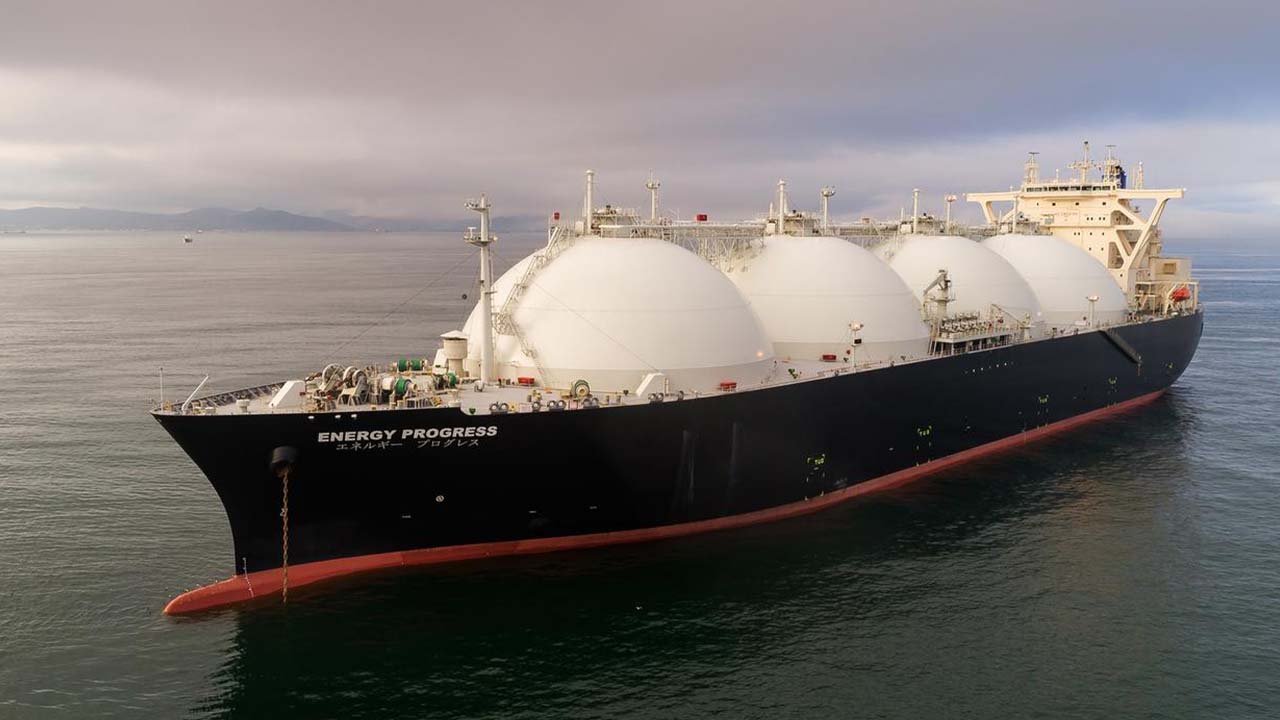
    The Italian LNG trading company ENI has intimated that it won’t be able to deliver its LNG cargo scheduled on February 6, which might cause the gas situation in Pakistan to worsen in the coming days.

    The report has troubled the senior officials in the Petroleum Division since the country is already suffering from a severe gas shortage, with some major cities getting little to no gas pressure.

    In accordance with its petrol load management strategy, the government assured home users a supply of gas for cooking during the winter months for three hours from 6 am to 9 am, two hours from 12 pm to 2 pm for lunch, and three hours from 6 pm to 9 pm for dinner.

    According to authorities, the effect of ENI’s disengagement will be seen as a reduction in supplies to the power sector and the non-availability of the anticipated 325mmcfd supply for the sector next month.

    End users will receive expensive electricity as boiler oil-based electricity’s reliance grows. The captive power plants will be delivered gas at 50 per cent and supply to fertiliser plants, compressed natural gas (CNG) and local industry shall remain discontinued.

    The Petroleum Division had earlier asserted that the ENI will not default starting in January 2023, however, this is untrue.

    The February supply setback is due to an occurrence of Force Majeure, according to an ENI representative, who also confirmed the news, saying that ENI is not in any way benefited from the circumstance.

    According to The News, ENI defaulted five times last year, failing to deliver LNG cargoes in the months of March, May, July, September, and November.

  • Gas supply to industrial sites suspended for two days

    Gas supply to industrial sites suspended for two days

    The gas crisis has grown worse in the economic hub of Pakistan as the duration of gas load-shedding in Karachi industries was extended for up to two days.

    The industrial sites in Karachi will be facing two-day gas load-shedding instead of one.

    According to the information obtained, all industrial facilities and captive power plants in Karachi will not be supplied gas for two days.

    From December 17 to December 19, seven industrial zones and captive power plants were instructed to refrain from using Sui Southern Gas Company’s (SSGC) gas supplies on Saturday and Sunday.

    In addition to conducting unannounced raids on all industrial sites, the SSGC surveillance teams will also take legal action against those who violate the rules.

    Imtiaz Shaikh, the energy minister for Sindh, criticised the gas load-shedding on December 13 and claimed that although the province is generating more natural gas than it needs, it is still being denied its legitimate right.

    Imtiaz Shaikh, the energy minister, demanded that Sindh be given preference over other parts of the country in the provision of natural gas.

    “We will take the matter to court if required,” Sindh’s energy minister said. “We are also considering raising the issue in the Council on Common Interest (CCI),” he said.

    He said that the chief minister had discussed Sindh’s case regarding the gas issue during discussions between the state and federal governments. He expressed hope that the prime minister will pay attention to the situation.

    The provincial minister stated that when additional petrol is provided to the province, Karachi’s industry will resume operation.

    The most natural gas-producing province in Pakistan, Sindh, is now experiencing a severe natural gas shortage for home, industrial, and commercial customers.

  • Pakistanis to face gas shortage in winter once again

    Pakistanis to face gas shortage in winter once again

    The government has warned of an impending gas crisis in the nation due to a dramatic reduction in gas supplies and a gradually growing imbalance between demand and supply.

    With each passing year, Pakistan’s gas reserves are declining by roughly 10 per cent annually in past years, according to DAWN.

    Officials from the Public Accounts Committee (PAC) gathered to discuss the Petroleum Division’s annual report for 2019–20.

    We cannot purchase the gas, according to Petroleum Secretary Ali Raza Bhatti, who spoke to PAC about the state of the market. Since the start of the war in Ukraine, gas prices have risen everywhere. Gas prices had increased by about 4% at the time.

    According to Bhatti, Pakistan is considering purchasing gas from other nations as the prime minister just visited Qatar and held a private meeting where a request for extra cargoes was on the agenda.

    Nevertheless, the government is currently thinking about importing gas from friendly nations. Previously, the nation got its gas from Qatar, but now it wants to get supplies from other friendly countries to make up for the deficit.

    According to him, domestic consumers use the majority of the gas in Pakistan’s system, which is extensively subsidised by the government.

    Qatar is the most dependable provider, it should be noted. According to the petroleum secretary, Qatar has continued to provide Pakistan with LNG at a rate of $15 per million British thermal units (mmBtu), down from the $60 per mmBtu it was previously charging from other nations, despite the market’s rising demand.

    Sui Northern was also asked to provide information on defaulters in the Gas Infrastructure Development System by the PAC, which was led by Noor Alam Khan.

    The committee instructed gas firms to take payment from late payers within seven days, and the government to cut off the defaulters’ connections right away.

  • Severe gas shortage affect residents of Rawalpindi

    Severe gas shortage affect residents of Rawalpindi

    Since most of Rawalpindi has been without gas for more than a week, the Sui Northern Gas Pipelines Limited (SNGPL) has failed to supply natural gas for domestic users, even during the busiest summer months, and nothing has been done to remedy the situation.

    On Friday, there were long queues of customers waiting to purchase ‘naan’ at exorbitant prices at all ‘tandoors’ and hotels.

    According to Mukhtar Shah, General Manager of Sui Northern Gas Pipelines Limited (SNGPL) for the Rawalpindi region, there is a gas shortage for consumers as a result of the wet weather. In cloudy weather, there is a significant difference between supply and demand, he claimed. He claimed that we are working to make natural gas available everywhere.

    On the other hand, under the condition of anonymity, a few key post officers from SNGPL told The News that the relevant department had cut off natural gas to domestic users in order to benefit nearby businesses and CNG stations. According to the sources, the officers claimed that corrupt officers were profiting greatly from it.

    The LPG vendors were also making money by offering gas in black for an exorbitant Rs300 per kilogramme. The price of LPG gas has also increased by the government and been set at Rs260 per kilogramme, but dealers have been taking full advantage of the current circumstance and selling the commodity in black.

    Gas has not been available for more than a week in the following areas:

    Sher Zaman Colony, Shah Faisal, Shah Khalid, Adiala Road, Qasim Market, Misriyal, Chakra, Satellite Town, Jhanda, Mareer Hasan, Saleha Street, Munawar Colony, Mubarak Lane, Dhoke Juma, New Lalazar, Tahli Mohri, Defence Road, Dhoke Kala Khan, Gulistan Colony, Naik Alam, Dhoke Manga Khan, Kashmir Colony, Gulshanabad, Dhamyal, Quaid-e-Azam Colony, Scheme-III, Dhok Ratta, Arya Mohalla, Tipu Road, Lalkurti, Tench Bhatta, Jan Colony, Dhoke Ratta, Dhok Munshi, Rehmatabad, Dhoke Banaras, Sadiqabad, Muslim Town, Tipu Road, Raheemabad and several other localities.