Tag: gas tariffs

  • Petroleum minister confirms gas prices will remain unchanged, highlights falling inflation

    Petroleum minister confirms gas prices will remain unchanged, highlights falling inflation

    In a recent press conference, Minister for Petroleum Musadik Malik announced that the federal government has decided to keep gas tariffs unchanged. He confirmed that consumers will not experience any increase in gas prices.

    Malik highlighted that the government’s economic policies are beginning to yield positive results. He reported a substantial reduction in food inflation, which has decreased from 48 per cent to just 2 per cent.

    Overall inflation has also dropped significantly, falling from 38 per cent to 12 per cent, with a continued downward trend anticipated. Malik stated that all economic indicators suggest the country is moving towards greater stability.

    The minister emphasised that the government’s primary objectives are to alleviate poverty, control inflation, and create job opportunities for the youth. He revealed that Prime Minister allocated Rs600 billion in the current federal budget to support the underprivileged.

    Development projects are being prioritised, particularly in underserved areas, to generate local employment. Additionally, Rs50 billion has been earmarked to protect 86 per cent of electricity consumers for the upcoming three months.

    Malik reiterated the government’s commitment to providing further relief to the public by enhancing healthcare facilities, digitising the Federal Board of Revenue (FBR), and pursuing the privatisation of state-owned enterprises.

    Criticising the previous Pakistan Tehreek-e-Insaf (PTI) administration, Malik accused them of distributing $4 billion to the wealthiest individuals during their tenure. He also addressed the issue of terrorism, asserting that while the government is working to combat it, opposition parties are criticising these efforts.

    The minister expressed disappointment with the opposition’s approach, which he described as destructive and confrontational. He specifically criticised the Sunni Ittehad Council (SIC) for its negative campaign against state institutions and its focus on sit-ins without offering viable solutions.

    Furthermore, Malik accused PTI leaders of inconsistency, recalling that they previously claimed their government was overthrown by the US, yet they are now seeking assistance from the same country.
  • IMF urges gas sector reforms to curb circular debt

    IMF urges gas sector reforms to curb circular debt

    The International Monetary Fund (IMF) highlighted the significance of prompt gas tariff determinations and notifications, crucial in curbing the escalating gas circular debt, while safeguarding vulnerable households.

    Stressing the necessity of adhering to the mandated 40-day window, the IMF underscored the urgency to initiate these measures commencing with the June 2024 semiannual adjustment.

    In its latest report, the IMF conducted its second and final review within the stand-by arrangement framework, released on Friday.

    It noted a slight decrease in natural gas circular debt to Rs2,083 billion (equivalent to 2.0 per cent of GDP) as of January 2024, attributing this decline to the resumption of gas tariff adjustments, albeit with some delay, aligned with cost recovery objectives.

    The Fund recommended a continued trajectory towards eliminating captive power usage, advocating for the prioritization of cheaper natural gas for the most efficient power plants.

    Additionally, it proposed efforts to standardize gas prices for all fertilizer companies, aligning with plans to implement a weighted average cost of gas (WACOG) across Pakistan, ensuring uniformity while facilitating cost recovery.

    Acknowledging Pakistan’s recent 24 per cent gas tariff increase on February 15, the report highlighted its progressive rate structure protecting residential consumers, while enhancing and equalizing prices for fertilizer companies.

    Furthermore, it recognized Pakistan’s adherence to the Structural Benchmarks (SBs) concerning the notification of the semiannual gas tariff adjustment.

    The report also shed light on the increasing prominence of Regasified Liquefied Natural Gas (RLNG) within Pakistan’s gas mix, driven by dwindling natural gas supplies exacerbated by years of under-pricing.

    Consequently, RLNG has been diverted to domestic users at subsidized rates, underscoring the complexity of the gas sector dynamics.

  • Pakistan’s inflation soars to 29.2% in November, exceeding October figures

    Pakistan’s inflation soars to 29.2% in November, exceeding October figures

    In November, Pakistan’s headline inflation surged to 29.2 per cent year-on-year, as reported by the Pakistan Bureau of Statistics, surpassing the October figure of 26.9 per cent. 

    On a monthly basis, there was a 2.7 per cent increase. The average inflation for July-November reached 28.62 per cent, up from 25.14 per cent in the same period the previous year.

    CPI inflation in urban areas rose to 30.44 per cent in November 2023, compared to 25.5 per cent in the previous month and 21.6 per cent in November 2022. On a monthly basis, it increased to 4.34 per cent, reflecting a substantial jump from the previous month and November 2022.

    Conversely, rural CPI inflation stood at 27.53 per cent year-on-year in November 2023, showing a slight decrease from the previous month but an increase from November 2022.

    Anticipated by several brokerage houses, the November inflation spike, driven partly by a rise in gas tariffs, aligns with predictions. 

    JS Global and Arif Habib Limited had forecasted CPI-based inflation to be around 28.26 per cent and 28.2 per cent, respectively.

    Beyond inflation, Pakistan faces economic challenges. A recent staff-level agreement with the IMF, subject to board approval in December, will provide access to SDR 528 million. The International Monetary Fund (IMF) expects inflation to decrease in the coming months due to improved supply conditions.

    Despite maintaining a key policy rate of 22 per cent, the State Bank of Pakistan projects a downward trajectory for inflation, citing fiscal consolidation, commodity availability, and exchange rate alignment as offsetting factors against risks like global oil price volatility and increased gas tariffs.

    Caretaker Finance Minister Dr Shamshad Akhtar expressed optimism about gradual inflation reduction, attributing it to improved financial management. The government believes effective policies will contribute to an overall improvement in economic conditions.

  • State Bank of Pakistan maintains 22% policy rate in line with market consensus

    State Bank of Pakistan maintains 22% policy rate in line with market consensus

    Following the consensus in the broader market, the Monetary Policy Committee (MPC) of the State Bank of Pakistan (SBP) announced on Monday that it would maintain the key policy rate at 22 per cent, as stated in their press release.

    The Committee recognised that headline inflation, as expected, increased in September 2023 but anticipates a decline in October, followed by a sustained decrease, particularly in the latter half of the fiscal year.

    While the MPC acknowledged potential risks to the FY24 inflation outlook and the current account due to recent global oil price volatility and forthcoming gas tariff increases in November 2023, they also identified mitigating factors.

    These factors include targeted fiscal consolidation in the first quarter, enhanced availability of crucial commodities in the market, and the alignment of interbank and open market exchange rates.

    The MPC emphasised that the real policy rate, looking forward over a 12-month horizon, remains significantly positive.

    This is deemed appropriate to achieve the medium-term inflation target of 5-7 per cent by the end of FY25, contingent upon the sustained fiscal consolidation and timely realisation of planned external inflows, as articulated in the MPC statement.

  • Rs5.1 trillion debt threatens energy sector, govt thinking about privatisation of power companies

    Rs5.1 trillion debt threatens energy sector, govt thinking about privatisation of power companies

    The caretaker government is contemplating significant changes in response to mounting circular debt and losses in the power and gas sectors in Pakistan.

    Two key strategies are under consideration: privatising both power generation (Gencos) and distribution companies (Discos) or transferring management control to private entities for a duration of 20 to 25 years.

    This policy shift is driven by the alarming circular debt crisis in the power sector, totaling Rs2.3 trillion, and a staggering Rs2.8 trillion in the gas sector. Combined, this amounts to over $17 billion, endangering sector sustainability.

    Energy Minister Muhammad Ali disclosed that the government is considering transferring management responsibilities for four power generation plants and 10 state-run Discos to private entities under long-term concession agreements. Discussions with the World Bank’s International Finance Corporation (IFC) for such agreements are ongoing.

    The power generation plants under consideration include the Haveli Bahadur Shah and Balloki power plants, the Guddu power plant, and the Nandipur power plant. The government is exploring options such as transferring Discos to provincial governments, complete privatisation, or management delegation to private investors.

    After privatisation or management transfer, uniform tariffs may no longer be mandatory, allowing for varying tariff structures. This move is aimed at reducing government subsidies and losses.

    The government is also considering public listings, but only for profitable entities. This shift towards privatisation is seen as a means to spur economic growth, job creation, and increased tax revenues.

    Regarding gas availability, the situation is expected to be similar to the previous year, with gas load-shedding planned. Gas tariffs are set to increase, particularly for low-income consumers.

    Government-independent power producer (IPP) agreements will be honoured as international investments prevent alterations. Short-term strategies to reduce circular debt include cost reduction measures, extending loan terms, boosting local power generation, and upgrading transmission lines.

    The gas sector’s annual losses of Rs350 billion are a significant concern, primarily due to the reliance on imported liquefied natural gas (LNG) procured at a higher cost than what is sold domestically.

    In summary, the Pakistani government is considering a major overhaul of the power and gas sectors, with privatisation and management transfers as primary options to address circular debt and losses. These reforms aim to reduce financial burdens, encourage efficiency, and stimulate economic growth, all while ensuring essential services remain accessible to consumers.

  • Govt to implement Rs7 per unit power tariff hike, expecting over Rs3.2 trillion in revenue

    Govt to implement Rs7 per unit power tariff hike, expecting over Rs3.2 trillion in revenue

    The government is planning to raise the power base tariff by approximately Rs7 per unit. This move is expected to generate over Rs3.2 trillion in additional revenue from power consumers. The International Monetary Fund (IMF) Executive Board is set to discuss a stand-by arrangement, which is the final step in solidifying the IMF Staff Level Agreement. The government will then need to fulfill the program’s requirements.

    The increase in power tariff is a crucial condition set by the IMF for providing financial assistance to Pakistan. The Fund has been urging the government to raise the tariff and eliminate power subsidies to reduce the country’s fiscal deficit. The proposed increase, along with an 18 per cent GST on bills, could lead to a significant financial burden on power consumers.

    Nepra, the regulatory authority, has conducted hearings with distribution companies (Discos) on this matter. While the privatised company, K-Electric, will be insulated from the increase in base tariff, the price of electricity it draws from the national grid will become costlier.

    The increase in base tariff, estimated at nearly Rs7 per unit, is awaiting submission to the federal government for notification. If finalised, it would raise the base tariff to Rs31.80 per unit from the current Rs24.80. The increase is aimed at reducing the power sector’s circular debt accumulation, which currently stands at approximately Rs2.64 trillion due to inefficiencies in power generation, transmission, and distribution.

    The rise in power tariffs will impact consumers across residential, commercial, and industrial sectors, leading to inflation. Businesses will pass on the increased costs to consumers, while households will need to allocate more funds for power, straining their budgets. However, the government asserts that this step is necessary to revive the power sector and the economy. It has also promised targeted subsidies to alleviate the burden on the poor and vulnerable.

    In a positive development, the government has made a payment of Rs142 billion to Independent Power Producers (IPPs), reducing their outstanding dues and improving their cash flows. However, the power sector still faces a circular debt of Rs2.64 trillion. Additionally, the IMF has called for a 45-50 per cent increase in gas tariffs, affecting consumers of Sui Northern Gas Pipelines Limited (SNGPL) and Sui Southern Gas Company Limited (SSGCL).

    The government is likely to continue its policy of having high-end consumers subsidise low-end consumers. The circular debt in the energy sector amounts to over Rs4.30 trillion, including debts from the oil and gas sector.

    Finance ministry and Nepra officials have experienced confusion regarding the finalisation of the increase in base tariff, as the IMF board meeting approaches. The regulator is awaiting projections from the finance ministry to determine the final base tariff. The government aims to achieve a value of Rs240 for the US dollar, despite setting it at Rs290 billion in the federal budget.

    Overall, the government’s objective is to address the financial challenges in the power sector while providing support to those affected by the tariff increase. The proposed measures are crucial to stabilise the power sector and stimulate the economy.

  • Pakistan to receive first-ever shipment of low-cost oil from Russia in May

    Pakistan to receive first-ever shipment of low-cost oil from Russia in May

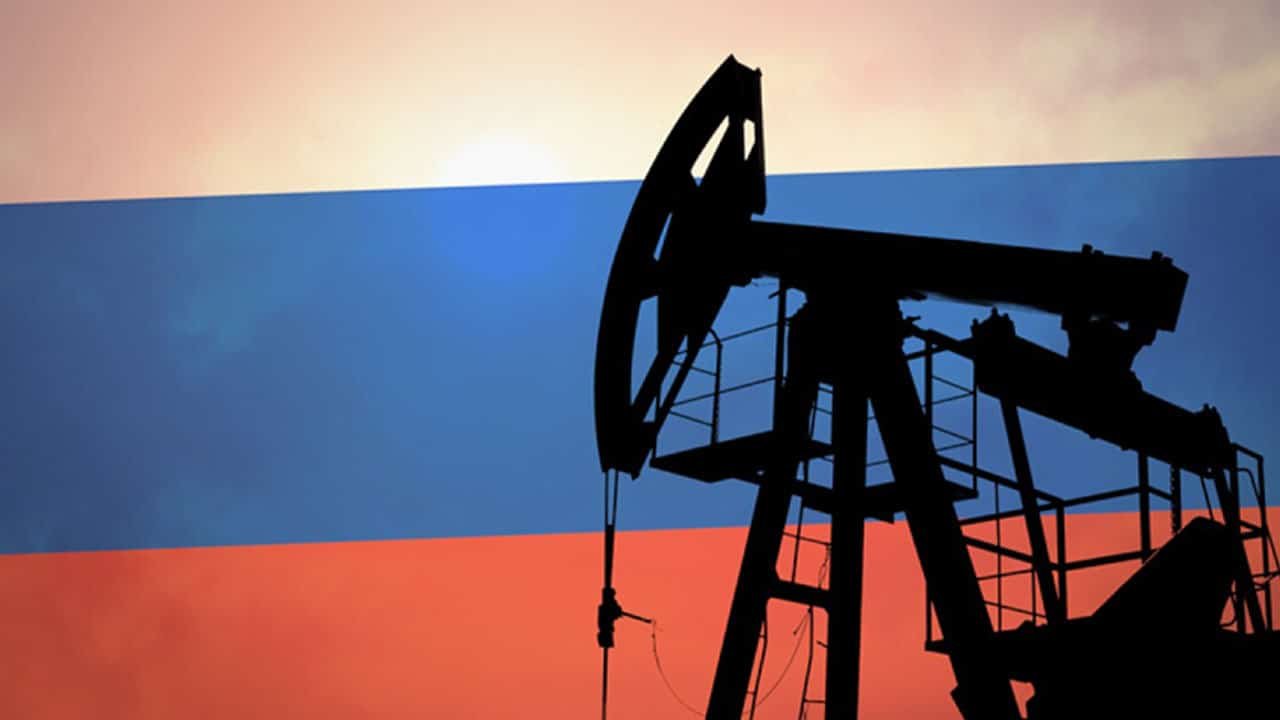
    Minister of State for Petroleum, Musadik Malik, announced on Sunday that Pakistan will receive its first-ever shipment of low-cost oil from Russia next month, which is expected to benefit the general public.

    In an interview with a private news channel, the minister confirmed that the government had finalised a deal with Russian authorities following successful dialogues. The shipment is expected to arrive in May via cargo. The minister also ensured that the government will pass on the cost savings to consumers.

    Regarding power and gas tariffs, Malik stated that the government is planning to introduce different tariffs for the poor and elite classes. He stated that the government has already made progress in this regard and hopes to issue separate billing for the underprivileged and elite class. The new tariff structure is expected to provide relief to the poor segment of society.

    Last month, officials from the Petroleum Division had disclosed that Pakistan was in talks with Russia to procure crude oil at around $50 per barrel, which is $10 per barrel lower than the price cap imposed by the G7 countries on oil imports from Russia due to its conflict with Ukraine.

    The officials had shared that Moscow was keen on completing all the prerequisites, such as the mode of payment, shipping cost with premium, and insurance cost, before signing the agreement with Pakistan.

  • Pakistan to implement separate gas tariffs for rich and poor

    Pakistan to implement separate gas tariffs for rich and poor

    Dr Musadik Masood Malik, the State Minister for Petroleum, has announced that the government of Pakistan will implement a new system of gas tariffs that will differentiate between the rich and the poor. The purpose of this measure is to provide relief to low-income citizens who struggle to pay their gas bills.

    According to Dr Malik, the government will apply “various slabs” for the poor that will be “three times less than those of rich using the same or more gas under the same slabs.” He made this announcement during a press conference at the Lahore Press Club on Sunday.

    In addition to this, the government will supply locally explored gas or the reserves to be explored in the future to gas-fired power plants for cheap energy generation. The goal of this measure is to bring down the electricity tariff for the public at large. According to Dr Malik, the cost of generating electricity through LNG is Rs26 per unit, while it is only Rs7 when plants are operated on indigenous gas.

    Dr Malik also pointed out that only 1,000 super-rich people have captured the country of 220 million people. He deplored the fact that Pakistan provides gas at a much lower cost of “just 70 cents” per MMBTU, compared to rich countries like Saudi Arabia, Qatar, and Bahrain, where the cost is $2, $3, and $4 per MMBTU, respectively.

    He also criticised the government’s policies for creating a divide between the rich and the poor. He blamed Prime Minister Imran Khan for turning Pakistan into two countries, one for the rich and the other for the poor. He stated that “one Pakistan is that where a poor man is sent to jail for stealing bread for his children while the other one is that where a man involved in stealing watches and diamonds worth billions of rupees is sitting in his home.” He also stated that “one Pakistan is for the poor seeking money for medicines, while in the other, the people have been importing billions of dollars’ worth of precious vehicles.”

    As a result, Dr Malik announced that the government has decided to tax the rich and the powerful, not the poor or the weaker ones. He stated that the government stands with the poor, which represents around 60 per cent of the population, and that they have either reduced or maintained the gas tariff for them. He maintained that “we are the poor, as we were with them in old Pakistan.”