Tag: gas

  • PSO reportedly planning to buy Telenor to expand its business beyond oil

    PSO reportedly planning to buy Telenor to expand its business beyond oil

    Pakistan State Oil (PSO) is reportedly conducting due diligence on the Pakistani operations of a Norwegian telecommunications operator, in response to Telenor’s plans to sell its Pakistani operations valued at around $1 billion. Pending regulatory approval, PSO has expressed interest in acquiring Telenor Pakistan and Easypaisa, following the completion of bidding documentation and due diligence.

    Easypaisa, a leading mobile wallet, mobile payments, and branchless banking services provider, boasts a significant customer base of nine million monthly active users. Launched in 2009 as a money transfer service through Unstructured Supplementary Service Data (USSD) channels, Easypaisa introduced a mobile app in 2016, offering a broad range of financial transactions. Telenor Microfinance Bank owns Easypaisa, and jointly, Telenor Group most recently launched a debit card on January 17, 2023.

    According to Mettis Global, Telenor Pakistan’s decision to exit the market stems from heavy taxation on the telecommunications industry and the policies of the Pakistani Telecommunication Authority (PTA), which have significantly reduced its revenues. Although Telenor Pakistan has faced operational losses for the past three years, there is no certainty that discussions regarding the sale of its Pakistani operations will result in a transaction.

    For PSO, the potential acquisition of Telenor’s operations in Pakistan aligns with its efforts to expand its business beyond traditional oil and gas. If successful, the acquisition could enable PSO to diversify its revenue streams and leverage Pakistan’s growing digital payments market.

  • Latest gas price hike will hit the rich, not the poor: Petroleum Minister

    Latest gas price hike will hit the rich, not the poor: Petroleum Minister

    Minister of State for Petroleum Dr Musadik Malik stated that the latest hike in gas tariff was implemented without imposing a burden on the low-income segment. In a media briefing, he added that the government separated the poor and rich segments to protect low-income individuals from its impact.

    However, Malik admitted that the low-income segment in Pakistan is facing tough times. He also shared that 60 per cent of the Pakistani public will remain unaffected by the gas price hike, and the low-income segment might even see a decrease in their bills.

    Malik agreed with former finance minister Miftah Ismail that Pakistan is experiencing elite capture. He emphasized that Pakistan is different for the high-income and low-income segments, and the gas tariff has mostly increased for the high-income segment.

    During the speech, Malik criticised the developed countries for fancying development and progress, which he believed have put most of the world’s population – nearly 5 billion – at peripheries.

    According to Dawn, the minister said that the development has not been inclusive and countries like Pakistan were paying the price despite having “zero” contribution in carbon emissions and lately, it became the third most affected country from global warming.

    He made these comments after the government raised gas prices in line with the International Monetary Fund’s recommendation. As a result, the weighted average cost of gas has increased by 43 per cent from Rs620 to Rs885 per million British thermal units.

  • Gas crisis to worsen in Pakistan as Italy-based supplier refuses to deliver LNG cargo in February

    Gas crisis to worsen in Pakistan as Italy-based supplier refuses to deliver LNG cargo in February

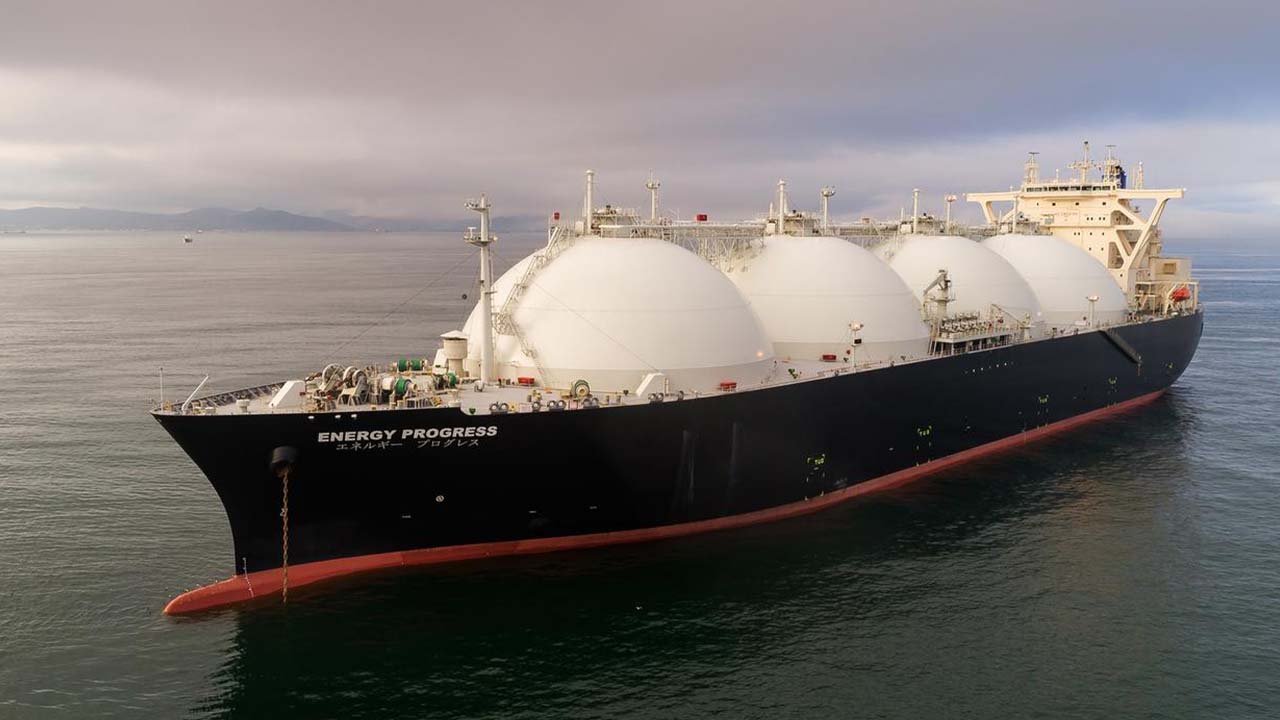
    The Italian LNG trading company ENI has intimated that it won’t be able to deliver its LNG cargo scheduled on February 6, which might cause the gas situation in Pakistan to worsen in the coming days.

    The report has troubled the senior officials in the Petroleum Division since the country is already suffering from a severe gas shortage, with some major cities getting little to no gas pressure.

    In accordance with its petrol load management strategy, the government assured home users a supply of gas for cooking during the winter months for three hours from 6 am to 9 am, two hours from 12 pm to 2 pm for lunch, and three hours from 6 pm to 9 pm for dinner.

    According to authorities, the effect of ENI’s disengagement will be seen as a reduction in supplies to the power sector and the non-availability of the anticipated 325mmcfd supply for the sector next month.

    End users will receive expensive electricity as boiler oil-based electricity’s reliance grows. The captive power plants will be delivered gas at 50 per cent and supply to fertiliser plants, compressed natural gas (CNG) and local industry shall remain discontinued.

    The Petroleum Division had earlier asserted that the ENI will not default starting in January 2023, however, this is untrue.

    The February supply setback is due to an occurrence of Force Majeure, according to an ENI representative, who also confirmed the news, saying that ENI is not in any way benefited from the circumstance.

    According to The News, ENI defaulted five times last year, failing to deliver LNG cargoes in the months of March, May, July, September, and November.

  • OGRA approves 74% hike in sui gas prices amid economic crisis

    OGRA approves 74% hike in sui gas prices amid economic crisis

    The Oil and Gas Regulatory Authority (Ogra) has approved an increase in the price of natural gas of up to 74 per cent at a time when the country’s people are struggling to make ends meet owing to rising inflation.

    According to specifics, the Sui Southern Gas Company (SSGC) and the Sui Northern Gas Pipelines Ltd. (SNGPL) would each be permitted to raise gas rates by up to 74.42 per cent and 67.75 per cent, respectively.

    Ogra’s decision will be implemented after the approval of the federal government. If the federal government does not approve it within 40 days, the decision will be implemented automatically.

    The oil and gas regulator has okayed increases of Rs406.28 and Rs469.28 per million British thermal units (mmBtu) for SNGPL and SSGC, respectively.

    OGRA further said that the average gas price for SNGPL would reach Rs952.17 per unit from the current price of Rs545.89 per mmBtu, while that of SSGCL would reach Rs1,161 per unit from the current Rs692.63 per mmBtu.

    LPG price hike

    Earlier, the prices of liquefied petroleum gas (LPG) were increased by Rs5 per kg without a notification from OGRA.

    The LPG price has now jumped to Rs260 per kg from Rs255 after an increase of Rs5. Meanwhile, the prices of domestic and commercial cylinders increased by Rs60 and Rs230, respectively.

    The gas is available for Rs270 per kilogramme in Murree, while its price exceeds Rs300 per kilogramme in Gilgit-Baltistan and Skardu.

  • Russia agrees to supply blended crude oil to Pakistan, rates to be finalised next month

    Russia agrees to supply blended crude oil to Pakistan, rates to be finalised next month

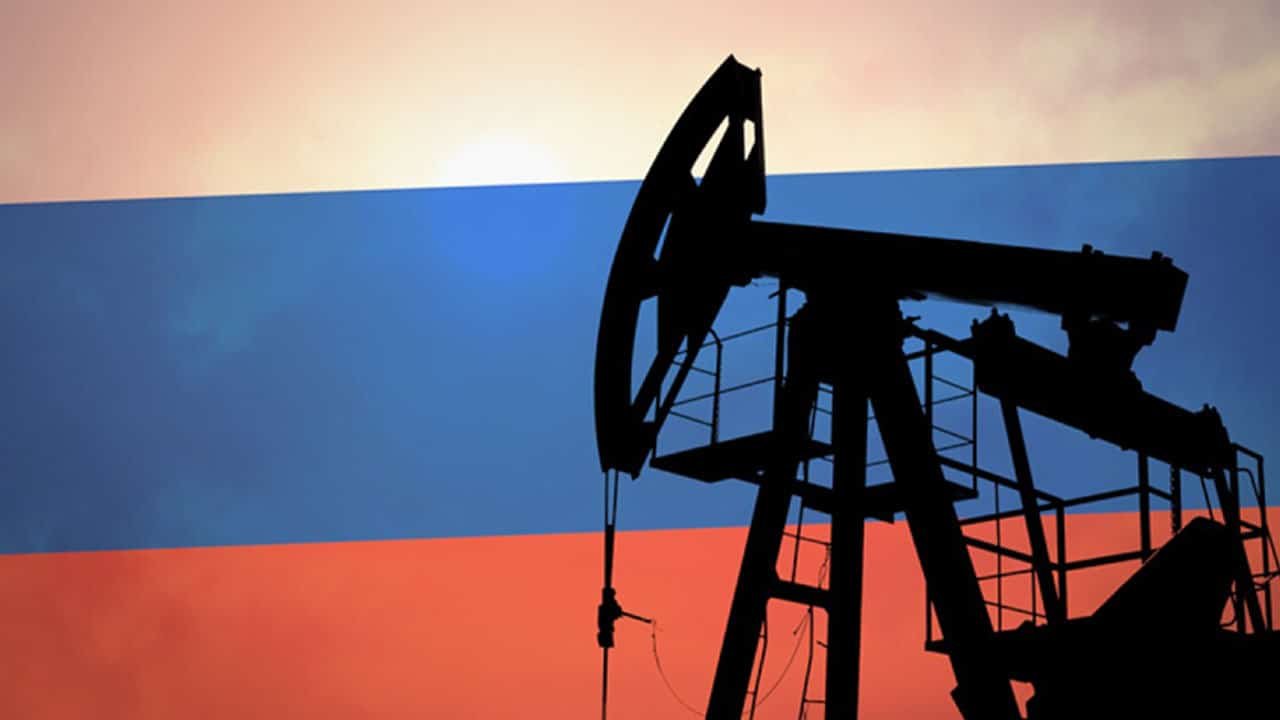
    A delegation from Moscow will visit Islamabad in January 2023 to talk about the potential sale of Russian oil.

    Officials from Russia and Pakistan met via video link to discuss purchasing crude oil and petroleum products from Moscow, according to government sources.

    Musadik Malik, Pakistan’s State Minister for Petroleum, and the Secretary for Petroleum took part in the online meeting.

    Due to Pakistan’s inability to refine crude oil of a single specification, Russia has offered to supply Pakistan with blended crude oil. The offer represents a portion of the daily supply of 100,000 barrels of crude oil.

    Senior officials from the Petroleum Division and representatives from the oil industry made up the Pakistani side, which was chaired by State Minister for Petroleum Dr Musadik Malik, while senior officials from the Russian energy ministry and relevant departments constituted the Russian side.

    The Pakistani government informed its Russian counterparts that their nation needs crude oil, petroleum products, gas, and infrastructure investment, according to sources with knowledge of the meeting’s activities.

    According to The News, when a delegation from Russia visits Pakistan, the Russian side stated that they will further consider their intentions to collaborate with the Pakistani authorities.

  • Russia may send natural gas supplies to Pakistani markets in long term: Russian Deputy PM

    Russia may send natural gas supplies to Pakistani markets in long term: Russian Deputy PM

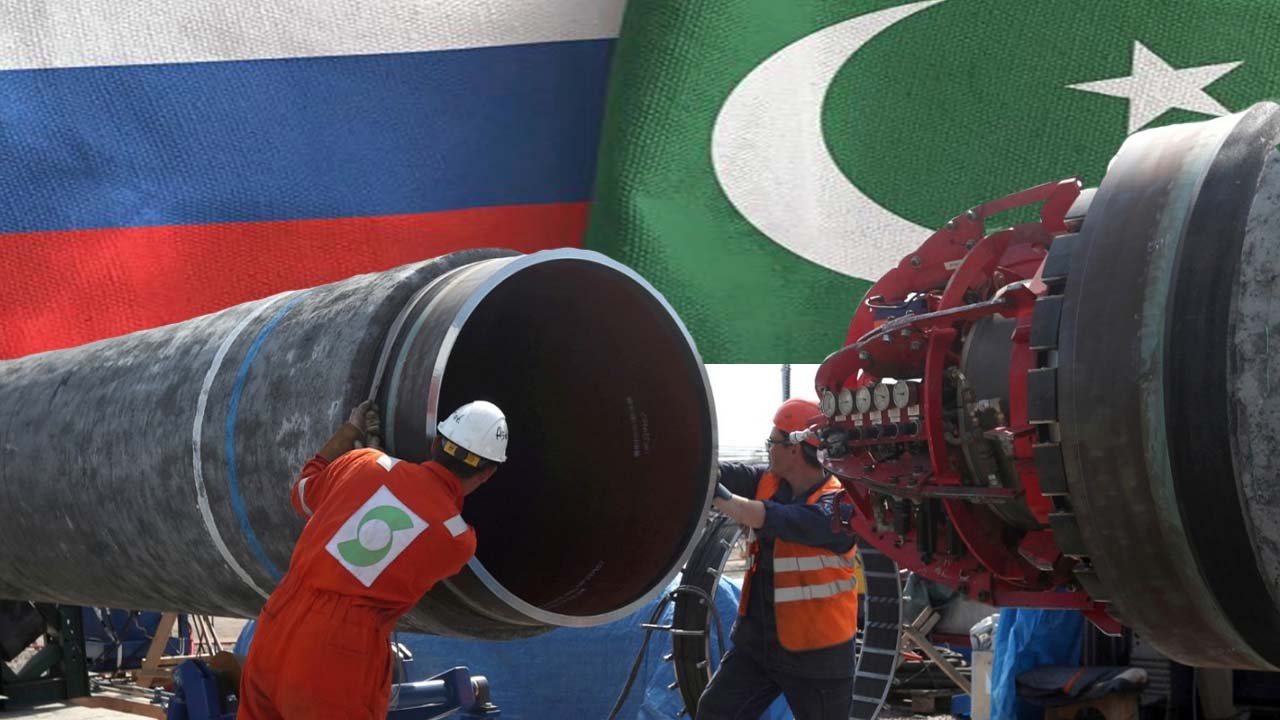
    According to Russian Deputy Prime Minister Alexander Novak, Moscow is ready to resume gas supplies to Europe via the Yamal-Europe Pipeline and can also send supplies to Pakistan and Afghanistan in the long term.

    “The European market remains relevant, as the gas shortage persists, and we have every opportunity to resume supplies,” TASS cited Novak as saying in remarks published by the agency on Sunday.

    “For example, the Yamal-Europe Pipeline, which was stopped for political reasons, remains unused.”

    The Yamal-Europe Pipeline normally flows westward, but it has been mostly reversed since December 2021, when Poland chose to draw on stored gas in Germany rather than buy from Russia.

    Warsaw canceled its arrangement with Russia in May, after previously rejecting Moscow’s demand that it pay in roubles.

    Gazprom, Russia’s largest supplier, responded by cutting off supply and announcing that it would no longer be allowed to export gas through Poland after Moscow slapped sanctions on the company that operates the Polish section of the Yamal-Europe pipeline.

    Novak also stated that Moscow is exploring increased gas deliveries via Turkey following the establishment of a hub there.

    He also stated that by 2022, Moscow intends to have exported 21 billion cubic meters (bcm) of liquefied natural gas (LNG) to Europe.

    “This year we were able to significantly increase LNG supplies to Europe,” Novak said. “In the 11 months of 2022, they increased to 19.4 bcm, by the end of the year 21 bcm are expected.”

    Novak also stated, in a wide-ranging interview with the TASS news agency, that in the long run, Russia can provide natural gas to the markets of Afghanistan and Pakistan, either through Central Asian infrastructure or through an exchange from Iranian territory.

    He also stated that Russia and Azerbaijan have agreed to enhance gas supplies for domestic usage.

    “In the future, when they increase gas production, we will be able to discuss swaps,” he said.

    Moscow is also discussing higher supplies of its gas to Kazakhstan and Uzbekistan, he said.

  • Pakistan to get 20,000 tonnes of additional gas from Azerbaijan

    Pakistan to get 20,000 tonnes of additional gas from Azerbaijan

    In order to meet domestic demand, Pakistan will import an additional 20,000 tonnes of gas from Azerbaijan in the next two months, according to Minister of State for Petroleum Musadik Malik.

    The Russian Petroleum Minister will visit Pakistan next month to strike a deal for the purchase of Russian crude oil, the minister said in a statement. The state minister was confident that Russia will deliver discounted crude oil to Pakistan.

    According to him, the government is working on the Turkmenistan-Afghanistan-Pakistan-India (TAPI) gas pipeline project to import 1,300 billion MF of gas from Azerbaijan per year to address the country’s gas shortfall.

    Malik had before claimed that Russia will give Pakistan a discount on the purchase of its crude oil.

    Musadiq Malik stated during a news briefing in Islamabad on Friday that Russian authorities had made it clear they will offer Pakistan cheap crude oil.

    The State for Petroleum Musadik Malik stated, “We are taking talks [with Russia on crude oil] forward,” noting that two of Russia’s eight sorts of crude oil might be utilised in Pakistani refineries.

    He continued by saying that Pakistan was also developing a framework for an LNG cargo arrangement with Azerbaijan.

  • Gas supply to industrial sites suspended for two days

    Gas supply to industrial sites suspended for two days

    The gas crisis has grown worse in the economic hub of Pakistan as the duration of gas load-shedding in Karachi industries was extended for up to two days.

    The industrial sites in Karachi will be facing two-day gas load-shedding instead of one.

    According to the information obtained, all industrial facilities and captive power plants in Karachi will not be supplied gas for two days.

    From December 17 to December 19, seven industrial zones and captive power plants were instructed to refrain from using Sui Southern Gas Company’s (SSGC) gas supplies on Saturday and Sunday.

    In addition to conducting unannounced raids on all industrial sites, the SSGC surveillance teams will also take legal action against those who violate the rules.

    Imtiaz Shaikh, the energy minister for Sindh, criticised the gas load-shedding on December 13 and claimed that although the province is generating more natural gas than it needs, it is still being denied its legitimate right.

    Imtiaz Shaikh, the energy minister, demanded that Sindh be given preference over other parts of the country in the provision of natural gas.

    “We will take the matter to court if required,” Sindh’s energy minister said. “We are also considering raising the issue in the Council on Common Interest (CCI),” he said.

    He said that the chief minister had discussed Sindh’s case regarding the gas issue during discussions between the state and federal governments. He expressed hope that the prime minister will pay attention to the situation.

    The provincial minister stated that when additional petrol is provided to the province, Karachi’s industry will resume operation.

    The most natural gas-producing province in Pakistan, Sindh, is now experiencing a severe natural gas shortage for home, industrial, and commercial customers.

  • SSGC cuts gas supply to industries in Karachi to facilitate domestic customers

    SSGC cuts gas supply to industries in Karachi to facilitate domestic customers

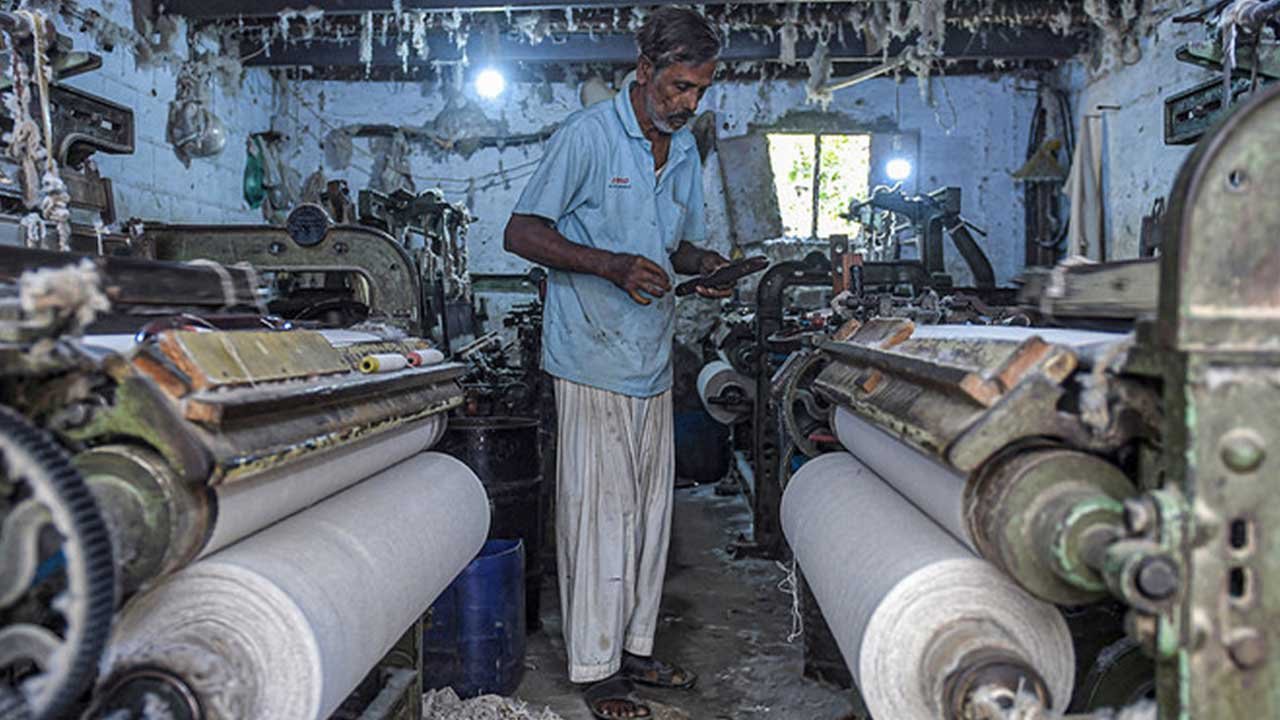
    Owing to the Sui Southern Gas Company Limited’s (SSGC) decision to stop supplying gas to several industries throughout the city, the gas crisis in Karachi appears to have gotten worse.

    “In adherence to the Ministry of Energy (Petroleum Division) gas load management plan, that places domestic and commercial customers on top of the priority list, it has been decided to suspend gas supply to all general industries from November 15 to February 28, 2023,” a statement issued by the gas company read.

    The decision, according to the statement, is intended to accommodate the rising demand from domestic customers in Sindh and Balochistan.

    It should be remembered that due to a gas shortage, all CNG stations in Sindh have already been closed for two and a half months.

    According to Geo, the SSGC delivered notices last week that gas will be shut off for more than three months over the winter to the city’s industries, but they rejected the notices, claiming that gas interruptions would result in large layoffs and the closing of firms.

    “The industries are in a state of shock to receive SSGCL’s notices of gas closure starting from November 15, 2022, to February 28, 2023,” according to Karachi Chamber of Commerce and Industry (KCCI).

    “The gas closures can not be proved good for the economy, especially this year, as no special arrangements have been made by the government to purchase RLNG to inject in the system.”

    The committee, established by KCCI, stated that it expected the government to take the proper steps to ensure gas supply to the city’s industries rather than completely cutting off gas, which would cause a significant drop in exports and revenue, the closure of industries, and job losses.

    The committee had suggested to the government that the gas supply be shut off every 12 hours for two days each week during the winter.

  • CPI inflation in Pakistan increases to 26.6% in October

    CPI inflation in Pakistan increases to 26.6% in October

    In Pakistan, Consumer Price Index (CPI)-based inflation rose sharply in October, surging by 26.6 per cent year over year (YoY). On the other hand, it climbed 4.7 per cent month over month (MoM), indicating a decline of 1.2 per cent from September.

    “CPI inflation General, increased to 26.6 per cent on YoY basis in Oct 2022 as compared to an increase of 23.2 per cent in the previous month and 9.2 per cent in Oct 2021,” said the PBS.

    According to APP, inflation reached a YoY high of 27.3 per cent in August 2022, which was over a 47-year high in the inflation measurement in June 2022 after it had crossed the 20 per cent threshold.

    The inflation reading matches what the market had predicted.

    According to the PBS, year-over-year CPI inflation in urban areas reached 24.6 per cent in October 2022 as opposed to an increase of 21.2 per cent in the previous month and 9.6 per cent in October 2021.

    In October 2022, it grew to 4.5 per cent month over month, up from 1.7 per cent in October 2021 and a decline of 2.1 per cent the month before.

    In addition, year-over-year CPI inflation in rural regions reached 29.5 per cent in October 2022 as opposed to increases of 26.1 per cent in the previous month and 8.7 per cent in October 2021.

    When compared to the previous month’s gain of 0.2 per cent and the increase of 2.2 per cent in October 2021, it increased by 5.0 per cent in October 2022 on a monthly basis.

    Rising inflation has become a major worry for Pakistan’s economy, which is already experiencing a loss of foreign exchange reserves.

    The State Bank of Pakistan (SBP) maintained the policy rate at 15 per cent in October at the recommendation of its Monetary Policy Committee (MPC), believing that the current monetary policy stance achieves the right mix between controlling inflation and sustaining growth in the wake of the floods.

    “On the one hand, inflation could be higher and more persistent due to the supply shock to food prices, and it is important to ensure that this additional impetus does not spill over into broader prices in the economy. On the other, growth prospects have weakened, which should reduce demand-side pressures and suppress underlying inflation,” MPC said then.

    However, the government on Monday night announced that the price of petroleum products will remain the same for the ensuing 15 days.

    According to PBS data, the inflation rates that were highest in October were in the transportation, food, housing, and restaurant and hotel groupings.

    Items that witnessed an increase in prices

    Food

    The food commodities that witnessed increase in prices on a YoY basis included tomatoes (219.34 per cent), onions (165.66 per cent), gram whole (69.80 per cent), pulse gram (65.08 per cent), besan (62.25 per cent), mustard oil (61.14 per cent), pulse masoor (61.07 per cent), fresh vegetables (58.87 per cent), cooking oil (58.06 per cent), pulse mash (55.33 per cent), vegetable ghee (52.5 per cent), pulse moong (49.84 per cent), wheat (45.77 per cent), tea (41.89 per cent), rice (40.76 per cent), wheat flour (37.38 per cent), milk fresh (29.61 per cent), meat (25.34 per cent), potatoes (20.65 per cent), fish (15.4 per cent), chicken (12.22 per cent) and gur (0.39 per cent).

    Non-food items

    The non-food commodities that witnessed increase on a YoY basis included motor fuel (64.81 per cent), stationery (44.5 per cent), washing soap/detergents/match box (41.49 per cent), transport services (41.27 per cent), motor vehicles (34.29 per cent), construction input items (32.03 per cent), motor vehicle accessories (31.31 per cent), electricity charges (24.95 per cent), cotton cloth (24.16 per cent), household equipment (21.4 per cent), solid fuel (20.88 per cent) and construction wage rates (12.72 per cent).