Tag: gas

  • OGRA announces 13% reduction in RLNG price

    OGRA announces 13% reduction in RLNG price

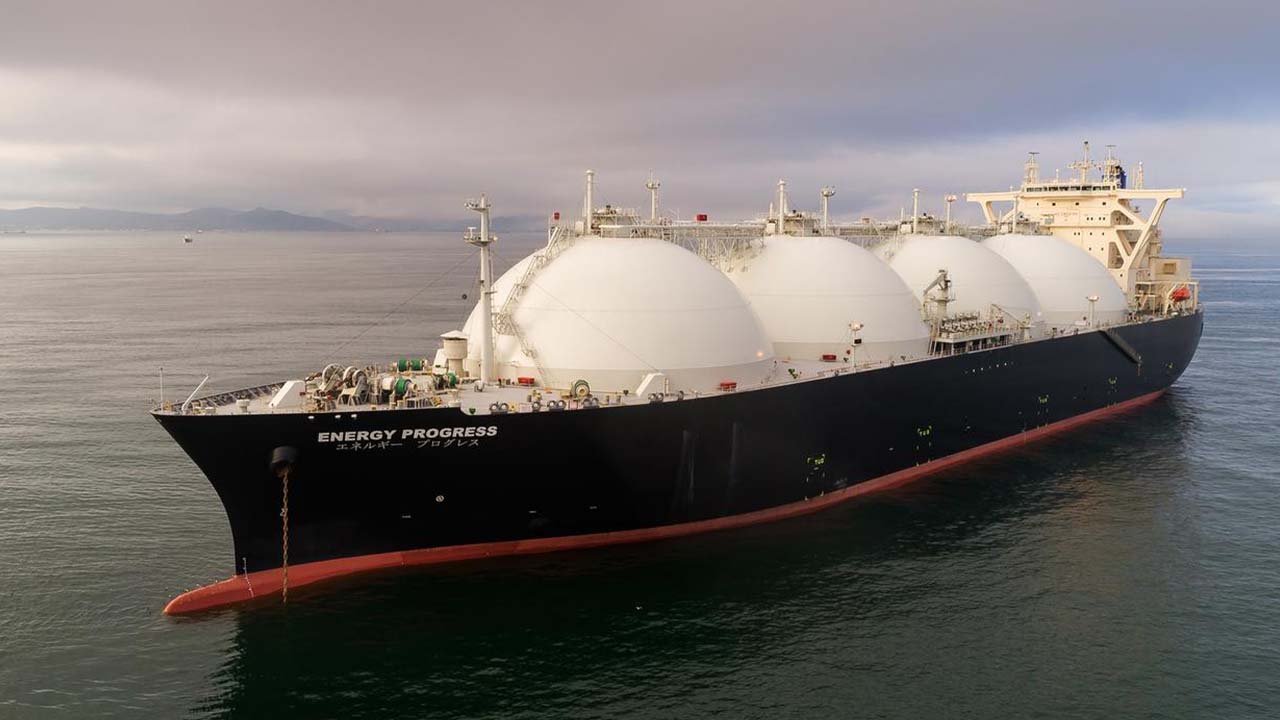
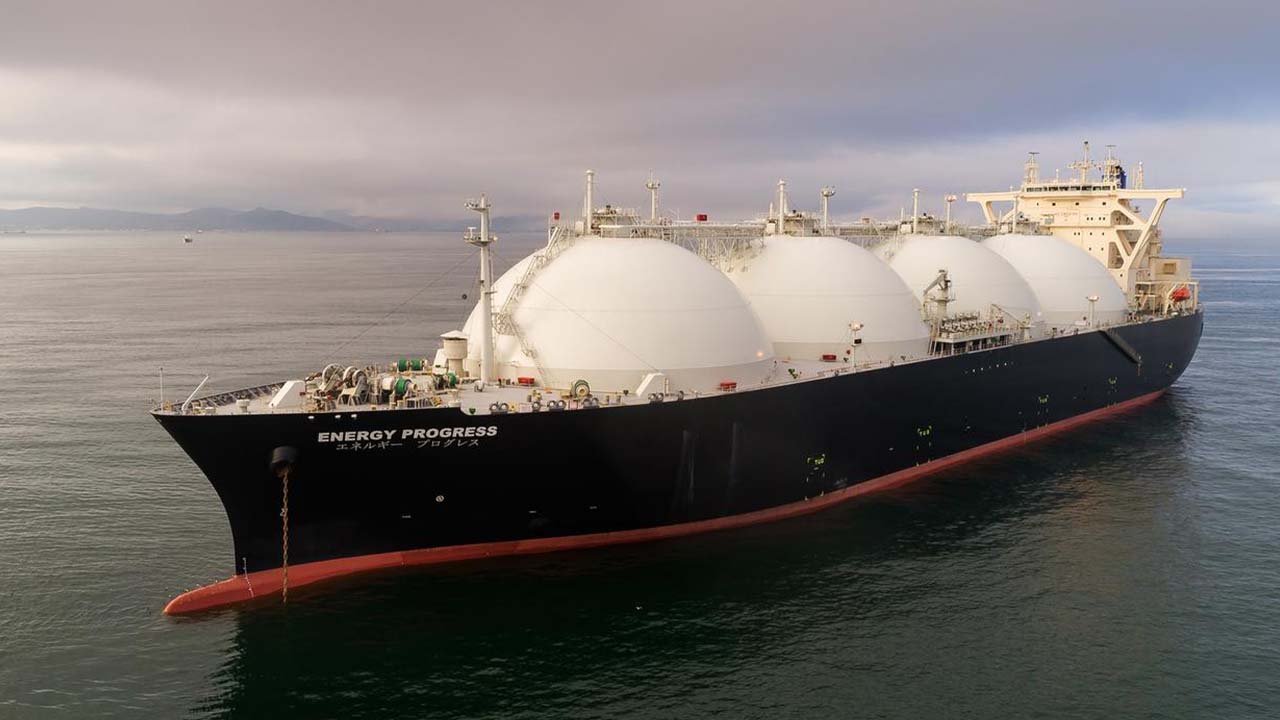
    The Oil and Gas Regulatory Authority (Ogra) has announced a 13 per cent decrease in the cost of re-gasified liquefied natural gas (RLNG) for this month, as the international spot market remained out of reach for Pakistan and the average cost of cargos under a long-term contract fell slightly as oil prices fell.

    According to Brecorder, the basket RLNG price was also lower owing to the second LNG contract with Qatar, which is available to Pakistan at 10.2 per cent of Brent, included four cargos instead of the usual two. The number of LNG cargos from Qatar under the first contract was four for the period, rather than the usual six, at a rate of 13.37 per cent of Brent.

    The average basket price for LNG supply at the import stage (delivered ex-ship), according to a notification from Ogra on Monday, was calculated to be $11.56 per million British thermal unit (mmBtu) for Pakistan State Oil (PSO) for eight cargos (all from Qatar) and $11.856 per mmBtu for Pakistan LNG Limited (PLL) for one cargo under another long-term contract with an LNG trader at 12.14 per cent of Brent.

    As a result, the price of imported RLNG for two gas firms, SSGCL and SNGPL, decreased by roughly $2.2 to $2.3 per mmBtu, or about 13 per cent. SNGPL’s sale price was announced as $14.78 per mmBtu and SSGCL’s as $15.19 per mmBtu. In addition, the price per mmBtu at transmission stage fell by 15–16 per cent in July, from $19.07 to $18.8 per unit in June, to $16.

  • OGDCL discovers gas reserves in Khyber Pakhtunkhwa

    OGDCL discovers gas reserves in Khyber Pakhtunkhwa

    Oil & Gas Development Company Limited (OGDCL) informed the Pakistan Stock Exchange (PSX) on Monday that gas reserves had been found in Tolanj West-02, a development well in the Tal block situated in Kohat Plateau, Khyber Pakhtunkhwa.

    According to Brecorder, gas condensate from the Lockhart formation was found in Tolanj West-2 by the Tal joint venture, which included MOL Pakistan (operator), OGDCL, Pakistan Petroleum Limited (PPL), Pakistan Oilfields Limited (POL), and Government Holdings Private Limited (GHPL).

    According to the notice, the well was spudded in on April 10, 2022, to extract hydrocarbon from the Tolanj West D&PL’s Lumshiwal Formation, which has already been found, and to investigate the hydrocarbon potential of the Lockhart, Shinawari, and Samanasuk Formations (as exploratory targets). The well was successfully drilled to a depth of 4119.34 metres, according to OGDCL.

    The Lockhart Formation (exploratory target) was tested successfully at a rate of about 8.3 million standard cubic feet per day (MMSCFD) of gas and 34 barrels per day (bpd) of condensate at choke size 32/64” at wellhead flowing pressure (WHFP) of 1285 pounds per square inch, according to interpretation results of wireline logs data (Psi). According to OGDCL, the recent discovery has reduced the risk of an exploratory play in the Tal block, opening up new potential for growth.

    Read more: How to apply for government jobs in Pakistan

    The aforementioned development, which follows a comparable hydrocarbon discovery in the Tal block in August, will also add to the hydrocarbon reserves base of the company, its joint venture partners, and the nation. It will also help improve the energy security of the country by utilising indigenous resources. OGDCL first reported the discovery of oil and gas reserves from its exploration wells in Sindh and Punjab back in June.

  • OGRA lowers RLNG cost by $4.6 per MMBTU

    OGRA lowers RLNG cost by $4.6 per MMBTU

    Re-gasified liquefied natural gas (RLNG) will cost consumers of public gas utilities 20.57 per cent less in July 2022 than it did in June, according to a notification from the Oil and Gas Regulatory Authority (Ogra).

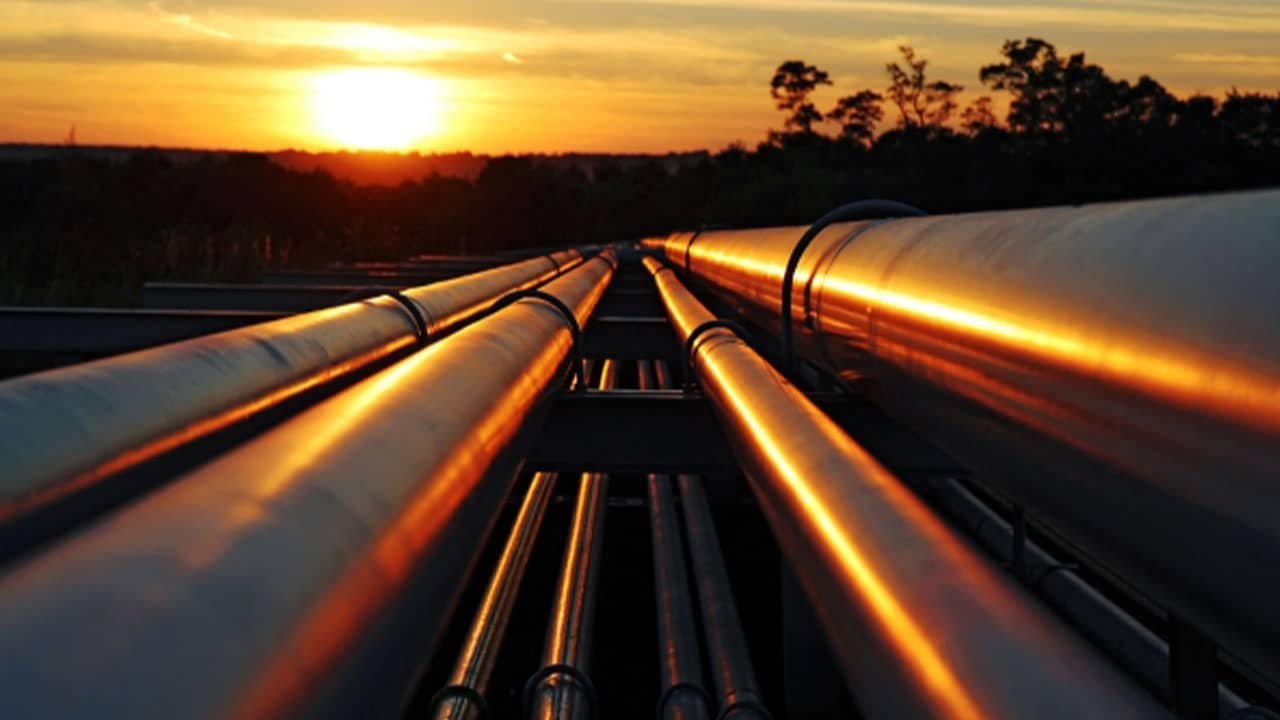
    The government has set the RLNG price for Sui Northern Gas Pipelines Limited’s (SNGPL) customers at $17.4603 per metric million British thermal units (MMBTU), according to a notification released on Friday.

    Compared to the rate of $20.7691 per MMBTU for June 2022, the new price is $3.3088 less. The general sales tax (GST) is not included in the weighted average sale price.

    The RLNG price will be $17.9575 per MMBTU for Sui Southern Gas Company (SSGC) customers as opposed to the SNGPL consumer price, which represents a $4.6501 per MMBTU decrease for July over $22.6076 per MMBTU.

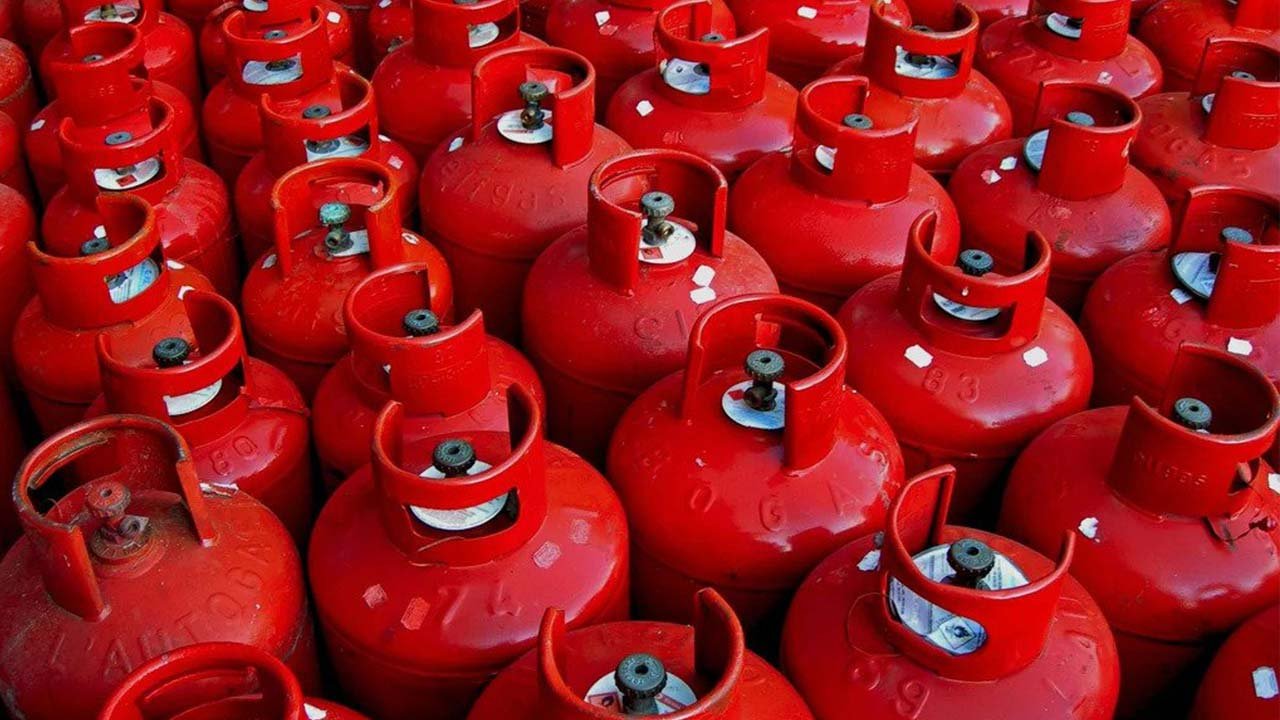
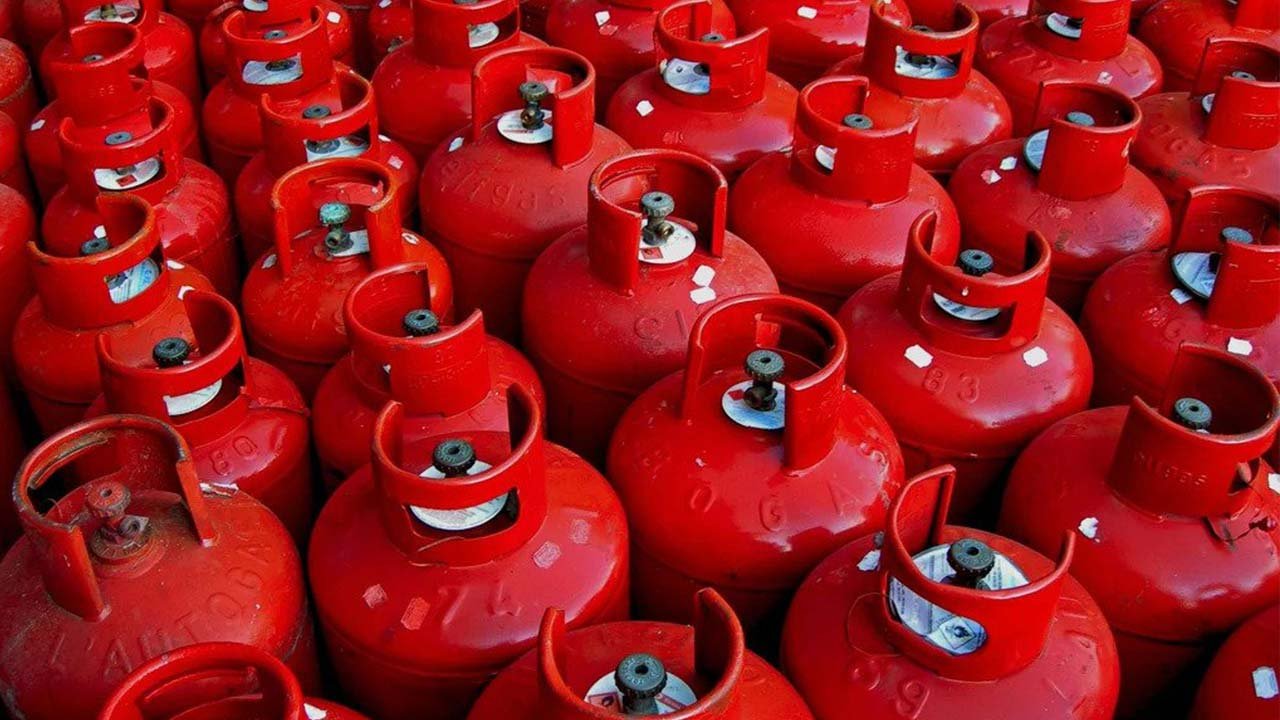
  • Domestic LPG cylinder now costs Rs2,475 after an increase of Rs120

    Domestic LPG cylinder now costs Rs2,475 after an increase of Rs120

    The burden on the general public, who were already suffering from inflation, rising oil and food costs, has increased as a result of another hike in the price of liquefied petroleum gas (LPG).

    Following the increase of Rs10 per kilogramme, LPG is now priced at Rs210 per kilogramme nationwide.

    Moreover, commercial LPG cylinders will now be sold at Rs9,532, up Rs455 while domestic (11.8 kg) LPG cylinders are now priced at Rs2,475, up Rs120.

    According to the chairman of the LPG Association, the commodity’s price is declining on the international market but rising in Pakistan. He requested that the administration take note of the current gas shortage.

    People who now use LPG cylinders residing in new or developing housing communities without Sui gas connections will be impacted by this price increase.

    The frequent announcements of hikes have made life difficult for those with modest incomes. Along with rising LPG prices, many people are having trouble utilising their own vehicles because gasoline prices have skyrocketed.

  • OGDCL confirms gas discovery near Ghotki, Sindh

    OGDCL confirms gas discovery near Ghotki, Sindh

    On Wednesday, the Oil and Gas Development Company Limited (OGDCL) announced the finding of gas from an exploration well near Ghotki, Sindh.

    “The joint venture (JV) of Guddu Block comprising Oil & Gas Development Company Limited as an operator (70 per cent), SPUD Energy PTY Limited (SEPL) (13.5 per cent), IPR Transoil Corporation (IPRTOC) (11.5 per cent), and Government Holdings (Private) Limited (GHPL) (5 percent) has discovered Gas from an exploratory well namely Umair South East # 01, which is located in District Ghotki, Sindh,” the company stated in a notice.

    The Umair South East # 01 well, according to OGDCL, was spudded on May 9, 2022, as an exploration well to investigate the hydrocarbon potential of the Pirkoh Formation and Habib Rahi Limestone (HRL) to a projected depth of 785m.

    “Based on the interpretation of wireline logs, successful Drill Stem Test-1 in HRL tested 1.063 million standard cubic feet per day (mmscfd) gas through choke size 32/64” at 210 pounds per square inch (PSi) Well Head Flowing Pressure (WHFP)”.

    The finding of Umair South East-1 is the outcome of Guddu Joint Venture Partners’ aggressive exploration approach, according to the Pakistani oil and gas business.

    “It has opened a new route and will favourably contribute to alleviating energy demand and supply gaps from indigenous resources, while also adding to OGDCL’s and the country’s hydrocarbon reserves base,” it said.

    The discovery comes at a fortunate time for Pakistan, which has recently experienced huge power outages and a gas scarcity.

    Mari Petroleum Company Limited (MPCL) discovered gas/condensate earlier this month in the Bannu West-1 ST-1 Exploration Well, which was drilled in the Bannu West Block in North Waziristan, Khyber Pakhtunkhwa.

  • Pakistan pushed into darkness due to Europe’s decision to cut off Russian fuel

    Pakistan pushed into darkness due to Europe’s decision to cut off Russian fuel

    The European attempt to abandon Russian oil is intended to punish Moscow for its invasion of Ukraine. It’s also wreaking havoc thousands of miles away, throwing Pakistan into darkness, destabilising one regime, and jeopardising the country’s new leadership’s stability.

    According to Bloomberg, Pakistan invested heavily in liquefied natural gas and inked long-term contracts with Italian and Qatari suppliers. Some of those suppliers have now defaulted, although continuing to sell into the more lucrative European market, putting Pakistan in the very situation it hoped to avoid.

    The country took particular precautions a decade ago to protect itself from the sorts of price increases that are currently shaking the market.

    Last month, the government spent about $100 million on a single LNG shipment from the spot market to avert outages during the Eid holiday, a record for the cash-strapped country.

    The country’s LNG costs could reach $5 billion in the fiscal year ending in July, more than double what they were a year ago. Even still, the government is powerless to protect its citizens: the IMF is in talks to bail out the country on the condition that it reduces fuel and energy subsidies.

    Outages lasting more than 12 hours

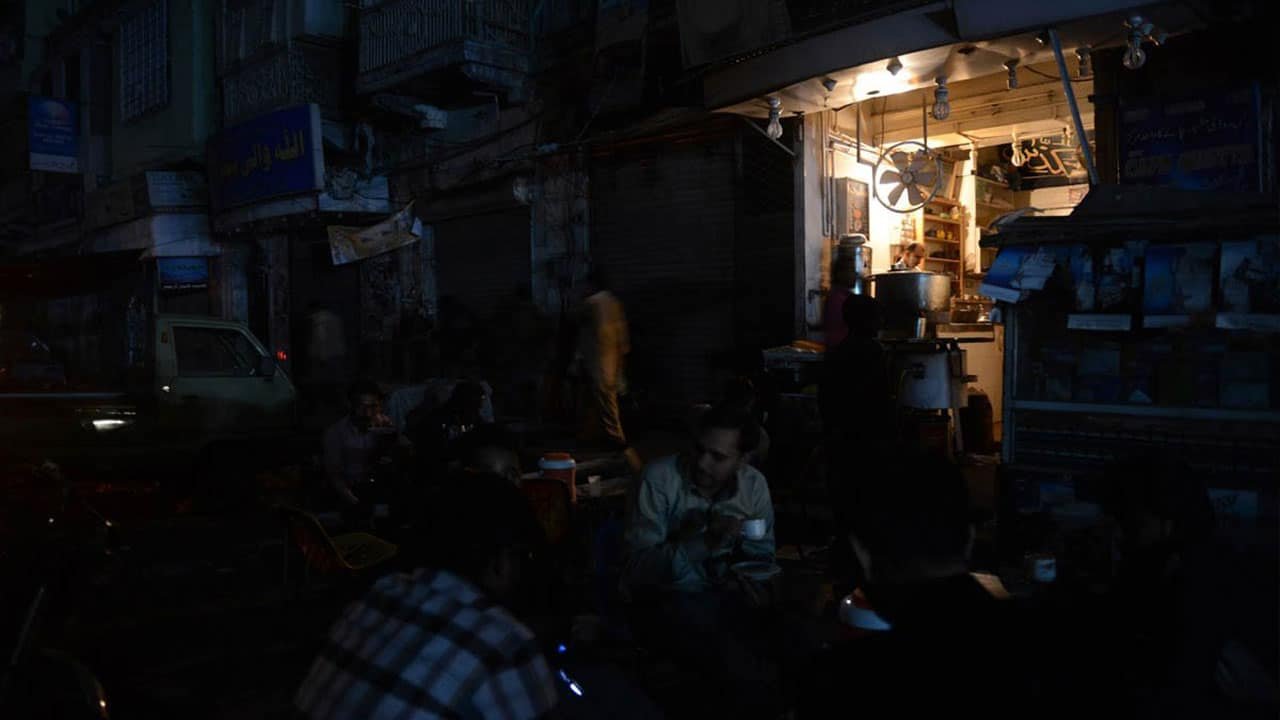
    Parts of Pakistan are currently suffering scheduled blackouts lasting more than 12 hours, reducing the ability of air conditioning to provide respite during the current heat wave. The former prime minister continues to gather enormous audiences to demonstrations and marches, exacerbating voters’ discontent with 13.8 per cent inflation. The hosts of prime-time talk shows frequently discuss how Pakistan will obtain the petroleum it requires and how much it would have to spend.

    The administration introduced a fresh set of energy-saving measures last week. Civil servants were relieved of their normal Saturday shifts, and the security budget was slashed by half.

    Prime Minister (PM) Shehbaz Sharif remarked in an April tweet before of the Eid holiday, “I am acutely aware of the sufferings people are facing”. That same week, he ordered his government to resume purchasing costly overseas natural gas shipments.

    He also warned earlier this month that they don’t have the money to keep importing gas from other countries.

    Rerouted supply to power plants

    There will be more than just outages as a result of the supply shortage. The government has rerouted existing natural gas supply to power plants, causing fertiliser manufacturers to be shortchanged. This approach could jeopardise the next harvest, resulting in even higher food prices the following year. Backup generators are being used by cellphone towers to keep service going during the blackouts, but they, too, are running out of fuel.

    There’s not much hope in the future. LNG prices have risen by over 1,000 per cent in the previous two years, first due to post-pandemic demand and subsequently due to Russia’s invasion of Ukraine. Russia is Europe’s largest natural gas supplier, and the possibility of supply disruptions pushed spot rates to an all-time high in March.

    Increasing LNG demand in Europe

    Meanwhile, Europe is increasing its need for LNG. Europe’s LNG imports have increased by 50 per cent so far this year compared to the same period last year, and show no signs of slowing down. As they cut ties with President Vladimir Putin’s regime over the crisis in Ukraine, European Union policymakers created a plan to considerably increase LNG deliveries as an alternative to Russian gas.

    Floating import terminals are being built at a breakneck pace in countries like Germany and the Netherlands, with the first ones set to open in the next six months.

    “Europe is draining LNG from the rest of the globe,” according to Steve Hill, executive vice president of Shell Plc, the world’s largest LNG trader. “However, this means that less LNG will be sent to developing markets”.

    Pakistan was formerly thought to be the LNG industry’s bright future. Demand for the fuel had peaked in developed markets by the mid-2010s. However, technological developments had reduced the costs and time it took to build import terminals, and new gas sources had reduced the cost of the fuel itself.

    Poor nations could finally contemplate the gasoline at the new, lower prices. Suppliers flocked to these new markets, and when Pakistan published a request for long-term LNG supply, over a dozen businesses competed for the contract.

    Pakistan chose Italy’s Gunvor Group Ltd to sell LNG to the country for the next decade in 2017. The terms were favourable at the time, and the prices were lower than those of a comparable arrangement struck with Qatar the previous year.

    Delay in supplies

    However, due to the rise in European gas prices, the two suppliers have postponed more than a dozen shipments slated for delivery between October 2021 and June 2022.

    According to Bruce Robertson, an expert at the Institute for Energy Economics and Financial Analysis, such defaults are nearly unheard of in the LNG market. Bloomberg spoke with traders and industry insiders who couldn’t recall the last time so many cargoes were rejected without being linked to a big outage at an export terminal.

    Eni and Gunvor stated they had to cancel because they were experiencing their own supply problems and didn’t have enough LNG to export to Pakistan. When exporters confront such difficulties, they typically replace deliveries by purchasing a consignment on the spot market, but Eni and Gunvor have not done so.

    Vendors are generally averse to cancelling orders. It harms the company connection and is often extremely costly. In established markets, fines for “failure to deliver” might be as high as 100 per cent.

    “It’s quite rare for LNG suppliers to renege on long-term contracts beyond force majeure occurrences,” says Valery Chow, an analyst at Wood Mackenzie Ltd.

    Pakistan’s contracts stipulated a lower cancellation penalty of 30 per cent, most probably in exchange for cheaper overall costs. The European spot market prices are currently high enough to more than compensate for the penalties.

    Pakistan’s $12 million LNG supply contract

    As per sources, an LNG supply to Pakistan for delivery in May under a long-term contract would cost $12 per million British thermal units. In comparison, spot cargoes to Europe for May delivery were trading for more than $30. Eni and Gunvor have kept their promises to customers in the region.

    As a result, Pakistan is back to square one, in a weaker negotiation position than before. After a dispute with Pakistan’s army over a variety of problems, including his management of energy supply and the greater economy, Prime Minister Imran Khan was deposed in April.

    Shehbaz Sharif, the new prime minister, has directed the state-owned importer to obtain the petroleum at any cost in order to end the debilitating blackouts. It’s also attempting to reach new long-term LNG purchase agreements, albeit the conditions will almost probably be harsher than six years ago.

    High risk of default

    The cost is having its own cascading repercussions. The government is now “at high risk of default,” according to a paper published last month by the Institute for Energy Economics and Financial Analysis. Moody’s Investors Service reduced Pakistan’s outlook from stable to negative, citing financial worries including a potential IMF bailout delay.

    Pakistan’s dependency on LNG, as well as its suppliers’ tendency to default, has exacerbated the country’s energy dilemma. Pakistan isn’t alone in this regard. Emerging economies all around the world are trying to meet their residents’ requirements while staying within their budget restrictions.

    It has also prompted them to purchase electricity from Russia, reducing the impact of Europe’s attempts to isolate them.

    Pakistan seeks LNG supply contract with Russian companies

    According to reports, Pakistan is also looking at long-term LNG supply agreements with Russian companies. India has already increased its purchases from Russia, and this trend is likely to continue. The government has directed power plants to purchase fuel from overseas in response to the scorching summer heat.

    Other cash-strapped importers, such as Bangladesh and Myanmar, are likely to suffer as a result of Pakistan’s problems. Bangladesh’s state-owned utility recently purchased the country’s most expensive LNG shipments on the spot market to keep the grids functioning and industry stocked, while Myanmar has stopped importing LNG for the past year owing to price increases.

    Other nations, such as India and Ghana, may be prompted to reconsider long-held plans to increase their reliance on super-chilled fuel as a result of Europe’s major change. Instead, governments would increase their reliance on polluting coal or oil, thwarting efforts to meet ambitious emission reduction objectives this decade.
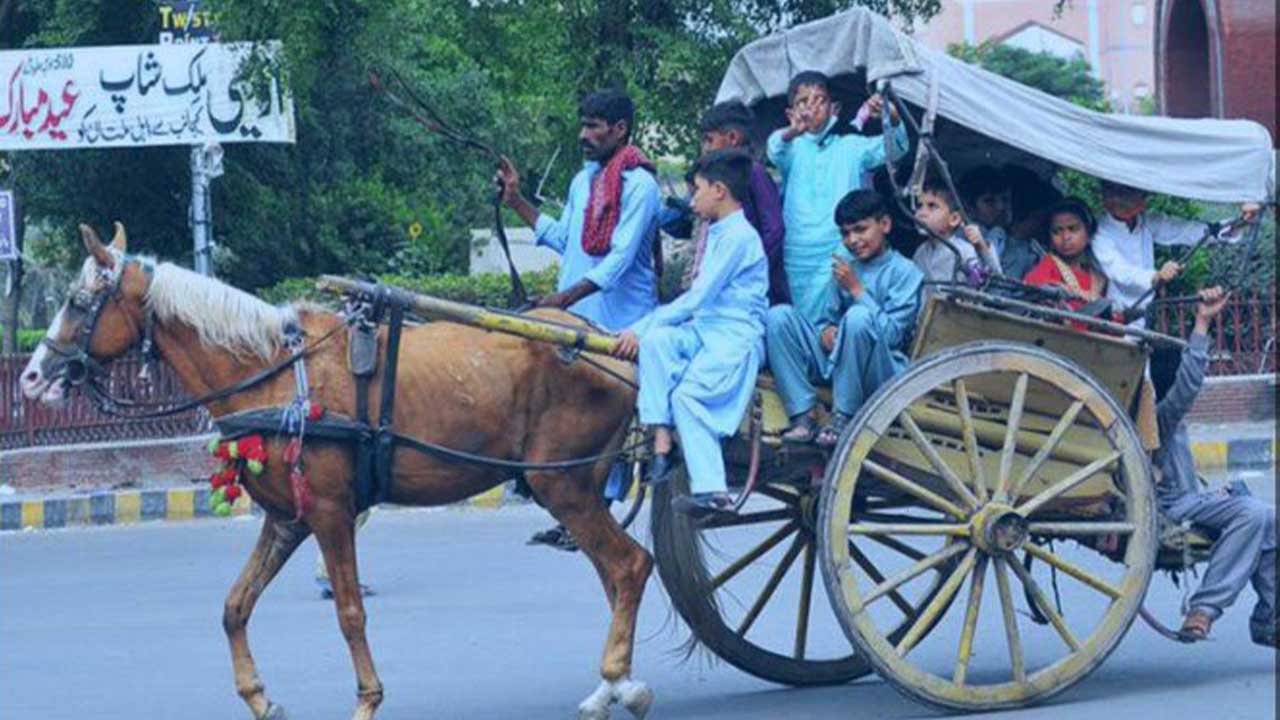
  • Netizens want ‘tangas’ back on roads as petrol hits Rs209.86

    Netizens want ‘tangas’ back on roads as petrol hits Rs209.86

    To meet the International Monetary Fund’s (IMF) conditions, the government has unleashed another big gasoline bomb on the country after another hike of Rs30. In less than a month, the price of petrol has risen by Rs60 to Rs209.86.

    The latest petrol price hike came just hours after the National Electric Power Regulatory Authority (NEPRA) approved a power tariff hike of Rs7.91 per unit.

    In an attempt to save money, a large number of people rushed to nearby petrol pumps to fill up their tanks before midnight. Numerous two-wheelers, as well as sedans and full-fledged SUVs, formed long lines outside gas stations.

    Several traffic bottlenecks were observed in key areas of Lahore, Karachi and Islamabad due to long queues of automobiles.

    Netizens expressed their displeasure on social media platforms, alleging that petrol had become out of reach for the general public.

    Despite hefty price increases that would unleash a strong wave of inflation, Pakistan is still far from reaching an agreement with the IMF which requires a budget agreement for fiscal year 2022-23.

    Petrol now costs Rs209.86 per litre, high-speed diesel (HSD) costs Rs204.15, kerosene oil costs Rs181.94 and light diesel oil costs Rs178.31, thanks to the rise.

    The Finance Minister, Miftah Ismail went on to say that the government is holding talk with the IMF on a daily basis. “We cannot accede to all of their requests, but we must agree on certain aspects”.

    He insisted that the petroleum subsidy announced by former Prime Minister Imran Khan had to be rescinded to avoid financial losses.

    Journalist Kazmi Wajahat described the chaotic scene outside gas stations just before the higher rates went into effect at 12 am.

    The decision to remove the gasoline subsidy should have been made sooner, according to economists, who also warned that the worst is still to come.

    One-unit price of electricity has increased from Rs16.91 to Rs24.82 as a result of the new raise. The hike has been reported to the federal government by Nepra. According to a statement, the increased tariffs will take effect after the government issues its final notification. Recent hike in tariffs has been attributed to the rupee’s depreciation and increased oil prices on the foreign market.

  • OGRA slashes LPG prices by Rs13 per kilogram

    OGRA slashes LPG prices by Rs13 per kilogram

    The Oil and Gas Regulatory Authority (OGRA) has announced a Rs13 per kilog price cut for liquefied petroleum gas (LPG).

    The cost of an LPG household cylinder has been decreased by Rs155, according to a notification released today. Under the revised tariffs, it will be offered for Rs2,581.35, which includes the sale of a commercial cylinder for Rs9,931.65.

    Chairman of the LPG Distributors Association Pakistan, Irfan Khokhar, commented on the matter, claiming that LPG is 45 per cent cheaper than petrol and diesel at present pricing.

    If the government focuses on the sector, he claims that LPG prices can be decreased by another 60 to 65 per cent.

    This is somewhat good news, as many house owners in developing housing societies lack access to Sui Gas connections and rely on LPG cylinders, which are offered at exorbitant costs. The recent price reductions may help consumers cope with the effects of inflation.

    It is important to note that LPG is an alternative and fuel that is mostly utilised for cooking, heating, and lighting especially in rural and hilly sections of the country where natural gas pipelines are not available.

  • 40-50 per cent hike expected in gas tariff

    40-50 per cent hike expected in gas tariff

    The government plans to hike the system gas tariff by up to 50 per cent as part of its efforts to gain access to the International Monetary Fund (IMF) bailout.

    The Ministry of Energy anticipates the Oil and Gas Regulatory Authority (OGRA) determining the revenue requirement for the coming fiscal year in June. As per The News, which cited sources, the tariff increase will take effect on July 1, 2022.

    Sui Southern Gas Company Limited (SSGC) and Sui Northern Gas Pipelines Limited (SNGPL), according to an Energy Ministry official, have suffered massive combined losses of Rs550 billion in recent years.

    Both are losing money since the system gas rate has not been raised in a long time. SNGPL is expected to lose Rs350 billion, while SSGC is expected to lose roughly Rs200 billion.

    OGRA will now calculate the system gas tariff under the modified OGRA statute. The IMF has encouraged the government to ensure that gas firms do not lose money as a result of the gas tariff’s stagnation, as well as to follow the modified OGRA law in its entirety.

    It’s worth noting that the government raised the price of petroleum goods by Rs30 per liter last week after the IMF stated that the bailout package would not be resumed unless the country ended petroleum product subsidies.

  • IMF programme will only revive if Govt hikes fuel, electricity prices

    IMF programme will only revive if Govt hikes fuel, electricity prices

    The International Monetary Fund (IMF) has stated unequivocally that the loan programme under the Extended Fund Facility (EFF) will not be revived unless oil and electricity prices are increased. The Pakistani delegation, on the other hand, has asked for more time to withdraw the subsidy.

    The delegation would meet with Prime Minister (PM) Shehbaz Sharif to discuss it. Both parties have agreed to continue discussions. Apart from the withdrawal of the subsidy, officials claim that all other issues have been resolved.

    Pakistan was unable to persuade the IMF despite a week of discussions in Doha, Qatar, from May 18 to May 25.

    IMF postponed the rollback of Pakistan’s stalled $6 billion External Financing Facility (EFF) programme late Wednesday as the government hoped that the revival would bring stability to the financial markets, the rapid weakening of the local currency with depleting foreign exchange reserves.

    In a statement, the Fund underlined the elimination of petroleum and energy subsidies, among other conditions, as a prerequisite for the program’s restoration. Following the conclusion of the talks, Nathan Porter, the IMF Mission Chief for Pakistan, stated that the Fund held meaningful talks with Pakistani representatives.

    “The Mission has engaged in highly constructive discussions with Pakistani authorities in order to reach an agreement on policies and reforms that will lead to the completion of the awaiting seventh evaluation of the authorities’ reform programme, which is backed by an IMF Extended Fund Facility arrangement”.

    As per Porter, significant progress was made during the mission, including the need to continue addressing massive inflation and rising fiscal and current account shortfalls, whereas ensuring sufficient protection for the weakest.

    The Fund also lauded the State Bank of Pakistan’s (SBP) decision to raise the policy rate from 12.25 per cent to 13.75 per cent in order to combat rising inflation. However, the mission chief noted that there were fiscal deviations from the policies agreed upon in the previous review, reflecting in part the fuel and power subsidies announced by the authorities in February.

    The PTI-led government initially concurred to increasing the prices of energy and petroleum products, but Imran Khan announced a subsidy on both commodities later in March, and the present government is proceeding with the same arrangement.

    As per Porter, the IMF team highlighted the importance of tangible policy actions, including the removal of fuel and energy subsidies and the FY2023 budget, to achieve programme objectives. He went on to say that the IMF team is looking forward to proceeding with its discussion and close engagement with the Pakistani government on policies to ensure price stability for the benefit of all Pakistanis.