Tag: gas

  • Gas supply only three times a day?

    A few days ago, the news was doing rounds on social media that gas will be supplied to consumers only at certain times in winter.

    According to news shared on the Internet, Sui Northern Gas and the Ministry of Petroleum have planned to provide gas to consumers in Punjab and Khyber Pakhtunkhwa three times a day, during breakfast, lunch and dinner time.

    Ministry of energy took to Twitter to clarify that the news circulating is not true.

    “Misleading news is being shared on different TV channels that gas will be provided to domestic consumers only three times a day. No such decision has been taken by the Ministry of Energy. However, the ministry has directed Sui Northern officials to ensure supply of gas to domestic consumers during the meal timings,” the ministry tweeted.

    Community Verified icon

  • Safe to fill up fuel tanks to the max in this heat?

    Safe to fill up fuel tanks to the max in this heat?

    Considering Pakistan’s scorching summer and rising petroleum prices, a claim has been made regarding how much fuel should be topped inside a vehicle.

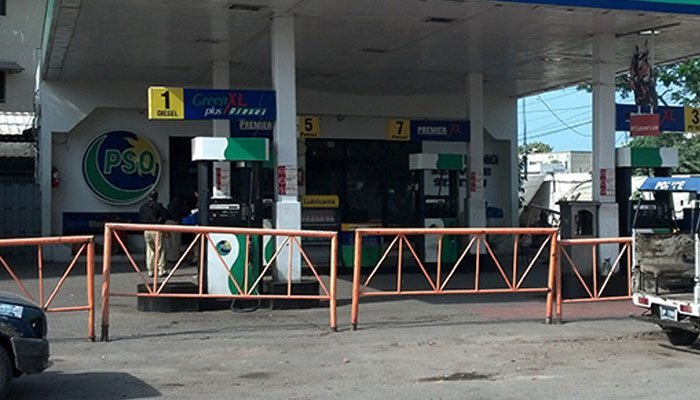
    According to a viral image being attributed to Pakistan State Oil (PSO), motorists should not fill gasoline to the full capacity of the tank owing to rising temperatures since it may trigger an explosion in the tank. Drivers can fill half of their tank and leave the rest for air.

    Conversely, there has been no official word from the oil company in this regard; however, a similar image went viral years ago when PSO clarified that filling fuel tanks to their full capacity poses no harm to automobiles or passengers.

    The announcement came after a Whatsapp message went viral on the internet in 2018. In view of rising temperatures, the message falsely claimed that PSO had warned the public against filling gasoline tanks to full capacity.

    According to the statement from PSO, the auto-igniting temperature of gasoline is far higher than the peak summer temperatures in Pakistan. Filling a petrol tank to the maximum capacity poses no danger to the automobile or its occupants, and is considered fully safe and advantageous to the vehicle’s operation.

    Read more: CNG prices pushed to Rs140 per kg for sales tax collection

    Also, the idea that filling the vehicle’s gasoline tank to the full capacity will cause an explosion defies scientific logic.

    This is because the auto-ignition temperature for petrol is 495°F (257°C), which is the lowest temperature required to ignite a gas or vapour in air without the presence of a spark or flame. The highest recorded temperature on earth was 56.7°C (134°F), observed on July 10, 1913, at Greenland Ranch, Death Valley, California, USA.

  • NEPRA hikes power tariff by Rs2.86 per unit

    NEPRA hikes power tariff by Rs2.86 per unit

    The National Electric Electricity Regulatory Authority (NEPRA) has increased the power price by Rs2.86 per unit for the month of March 2022 due to Fuel Charges Adjustment (FCA) and also issued a notification in this regard.

    As per NEPRA’s notice, power consumers of Ex Wapda Distribution Companies (DISCOS) will be charged an increase of Rs2.86 per unit on account of FCA for March 2022 in their electricity bills for May 2022, resulting in an added strain of Rs29 billion on consumers, along with General Sales Tax (GST).

    The Central Power Purchasing Agency (CPPA) had urged the administration to raise the electricity tariff by Rs3.16 per unit. Except for lifeline and K-Electric (KE) customers, the hike will apply to all consumer categories.

    Read more: Pakistan starts oil and gas production from Dhok Sultan DS X-1

    Moreover, the authority also announced Rs1.38 per unit increase for K-Electric customers. For the month of February 2022, Karachi Electric (KE) requested an increase of Rs3.45 per unit. The hike will be billed to electricity customers in May 2022, according to the announcement. Except for lifeline customers who use less than 100 units per month, the tariff increase would affect all KE customers.

  • Pakistan starts oil and gas production from Dhok Sultan DS X-1

    Pakistan starts oil and gas production from Dhok Sultan DS X-1

    Pakistan’s state-owned natural gas and petroleum products supplier Pakistan Petroleum Limited (PPL) has started production from the recently installed Oil Handling Facilities (OHF) in the Dhok Sultan Block in Punjab province.

    The business claimed in a filing on May 6 that it is the operator of the Dhok Sultan Block and owns 75 per cent of the working interest, while Government Holdings (Private) Limited (GHPL) owns 25 per cent.

    As per the filing, The present production figures from DS X-1 are 5 MMscfd gas, 3000 bbls/day oil, and 25 M.Ton/day LPG. The Dhok Sultan OHF is in charge of oil production, while the Meyal Gas Processing Facilities (MGPF) of Pakistan Oilfields Limited (POL) in District Attock is in charge of gas processing.

    The gas production from this facility will go to Sui Northern Gas Pipelines Limited, while the oil will go to Attock Refinery Limited, according to the business.

    This finding is currently in the Extended Well Testing (EWT) production phase, and the data obtained during this phase will aid in its continued development. Through indigenous hydrocarbon production, the start of production from DS X-1 will contribute to increasing energy security and saving significant foreign cash for the country, according to the company.

    Considering the high demand, Pakistan’s economy is significantly reliant on fossil fuels, with petroleum products and other fuels accounting for a large portion of the country’s import bill.

    Read more: Pakistan’s foreign currency reserves down by $328 million

    Due to its surge in the global market, Pakistan’s oil imports have increased dramatically in recent months. The overall petroleum group’s imports were $14.812 billion in the first nine months of the current fiscal year (2021-22), up from $7.553 billion in the same time in 2021.

  • CNG stations in Sindh to open on April 11

    CNG stations in Sindh to open on April 11

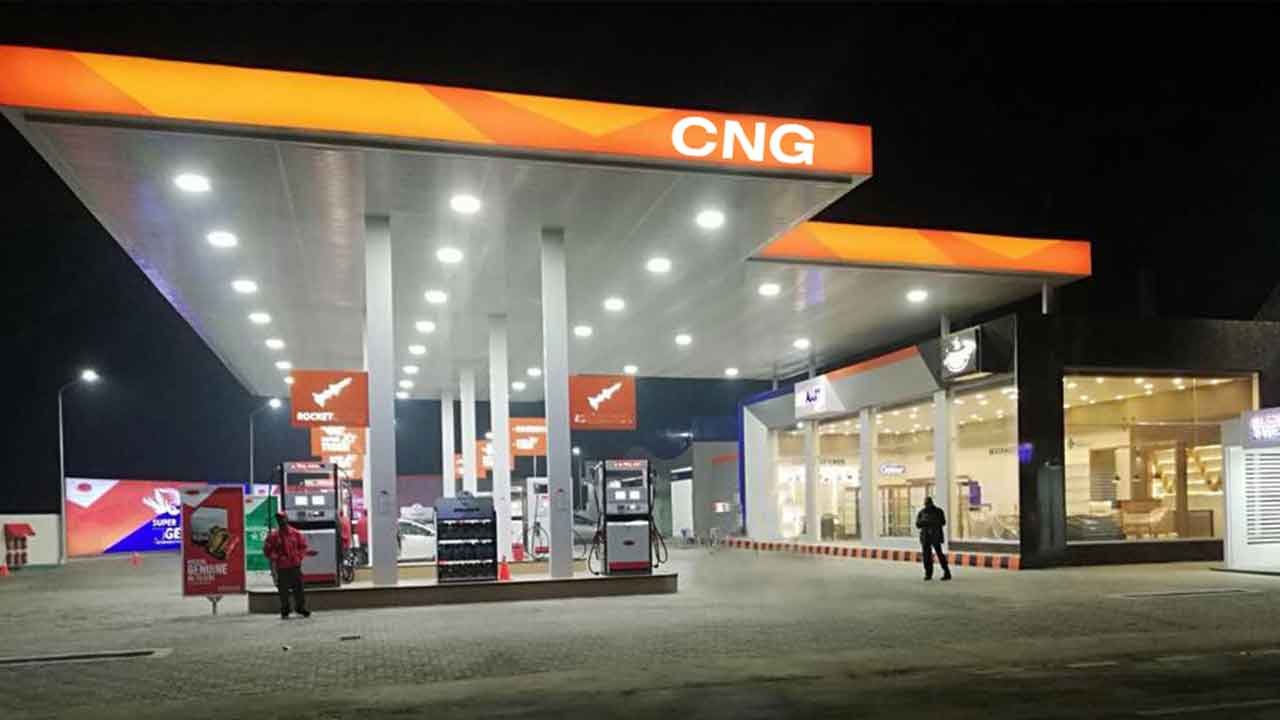
    On April 6, the Sui Southern Gas Company Limited (SSGC) ordered the three-day closure of all compressed natural gas (CNG) stations in Sindh.

    According to a statement from the gas company, all CNG stations will remain closed for 72 hours, starting at 8 AM on Friday and ending at 8 AM on Monday.

    The CNG stations were closed in the province to address the gas shortage in the country and as a part of the gas load management plan.

    “Due to the short supply of gas in the SSGCL system, the availability of gas has diminished, resulting in line pack depletion and low pressure in the system,” according to the statement.

    “All CNG stations in Sindh (including those using RLNG) would stay closed in accordance with the current sectoral priority order for gas load management”.

    It is worth noting that CNG dealers had reopened their business on February 14 after a two-and-a-half-month hiatus. Following the gas load management plan, gas supplies to the CNG sector were suspended from December 1, 2021, to February 15, 2022.

    The unavailability of CNG multiplied the problems of the common man as the masses were forced to top their automobiles up with Petrol, which nearly touched Rs160 during that period.

  • Oil companies warn govt of fuel shortage in Pakistan

    Oil companies warn govt of fuel shortage in Pakistan

    Oil marketing companies and refineries have reportedly expressed serious concerns and warned of a fuel crisis in the country after the government’s announcement of a relief package, according to Geo News.

    In a meeting between Oil and Gas Regulatory Authority (OGRA) and the petroleum division, several questions have been raised regarding petroleum prices. They argued that how can they sell petroleum products at cheaper prices when they are buying them at an expensive rate from the international market. They asked, “who will pay the price difference?”

    According to the secretary of petroleum, the government is preparing a price adjustment mechanism and the government will pay later. Till then, oil marketing companies and refineries should bear the price difference.

    In response to this, oil marketing companies and refineries said that the situation doesn’t seem to be sustainable as the country can face an interruption in the supply of petroleum products.

    Prime Minister (PM) Imran Khan, in an announcement on Monday, said that the government has slashed petrol, diesel prices by Rs10 per litre and electricity prices by Rs5 per unit as part of a series of measures to bring some relief to the public. He also promised that the government will not increase the prices of these commodities till the next budget, which will be announced in June.

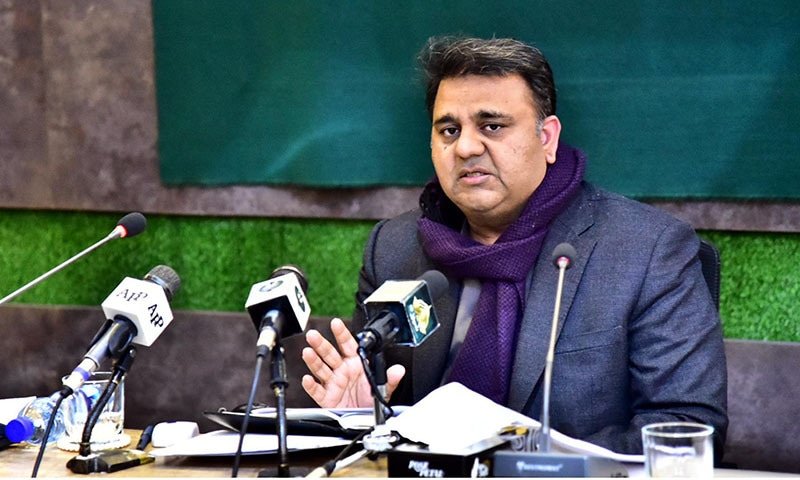
  • ‘Pakistan will have no gas in years to come’: Fawad Chaudhry

    ‘Pakistan will have no gas in years to come’: Fawad Chaudhry

    Information Minister Fawad Chaudhry on Tuesday said that Pakistan will not have gas in the years to come.

    Fawad’s comments come after the cabinet meeting when he was talking to the media. He said that the gas reserves were depleting by nine per cent each year, therefore, there will be no gas available for people.

    He said people getting gas at cheaper rates in big cities should now change their habits. “This trend will not continue for long,” he added.

    Fawad highlighted that price of oil in the international market has declined. However, they haven’t been reduced much and an impact can be seen here. He, therefore, urged people to pray that the price of oil comes down globally.