Tag: Gasoline

  • Petrol price expected to decrease by Rs10 per litre for the next fortnight

    Petrol price expected to decrease by Rs10 per litre for the next fortnight

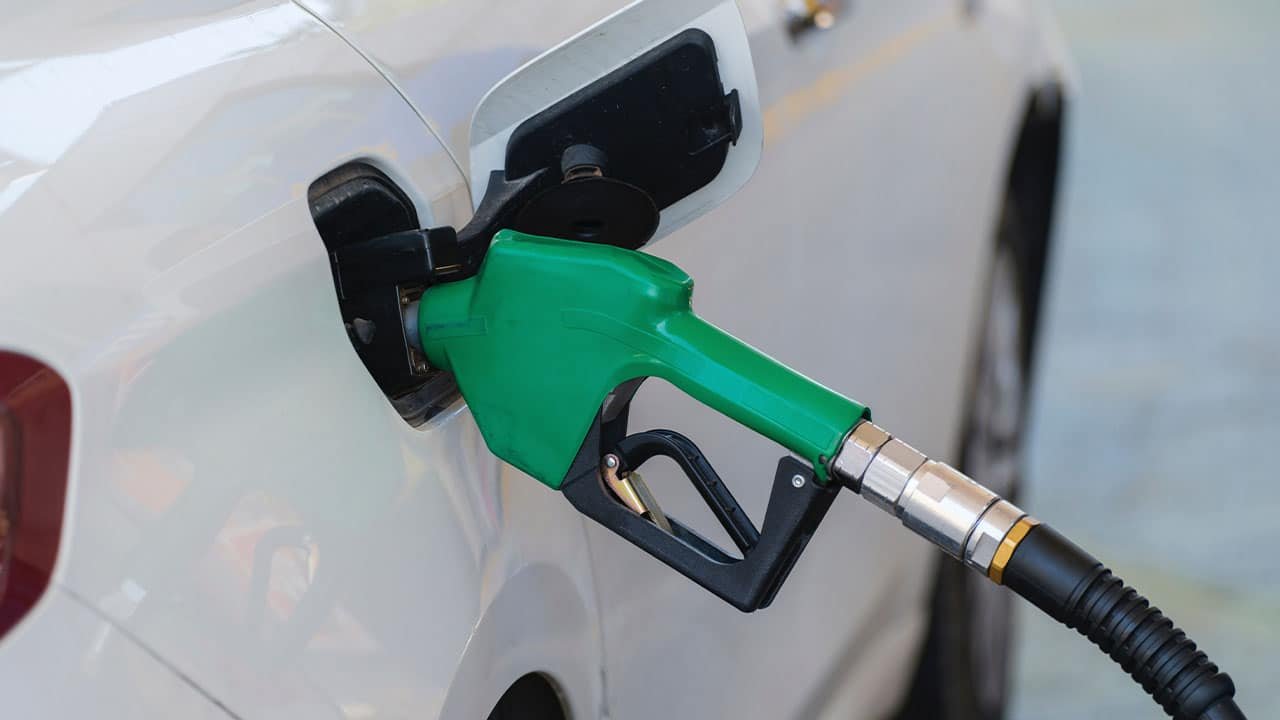
    The prices of petroleum products are expected to decrease starting from May 16, as the coalition government intends to provide some relief to the distressed public amidst the severe economic crisis and record inflation.

    According to reports in local media, petrol price will see a reduction of Rs10 per litre for the rest of May.

    It has been reported that the Oil and Gas Regulatory Authority (OGRA) has recommended a decrease in the prices of petroleum products. Based on these reports, the price of petrol may be reduced by Rs10 per litre, while the price of diesel is anticipated to decrease by Rs8 per litre.

    OGRA has submitted a summary to the government, and Finance Minister Ishaq Dar and other officials will seek the input of Prime Minister Shehbaz Sharif on the recommendations. The final decision will be announced today.

    The revised prices of petroleum products for the upcoming two weeks will be implemented after midnight on May 15.

    Earlier this month, the federal government announced a reduction of Rs5 per litre in the price of diesel, while the price of petrol remained unchanged. Presently, petrol is being sold at Rs282, HSD at Rs288, kerosene oil at Rs176.07, and light diesel oil at Rs164.68 per litre.
  • Pakistan seeks to import 1.5 million tonnes of petrol from UAE at a negotiated price

    Pakistan seeks to import 1.5 million tonnes of petrol from UAE at a negotiated price

    In an attempt to begin the process of signing an intergovernmental agreement (IGA), Pakistan will write to the United Arab Emirates this week. The country is looking for a government-to-government contract to import 1.5 million tonnes of gasoline annually.

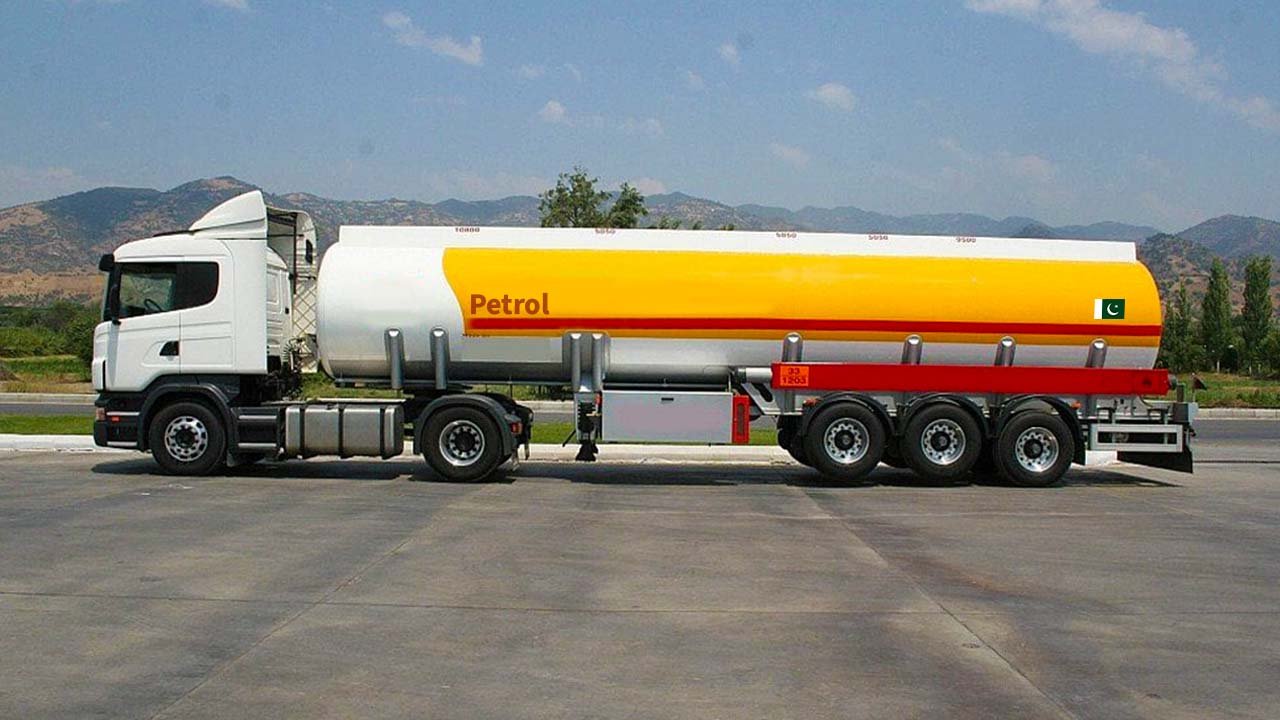
    According to The News, Pakistan would import 1.5 million tonnes of motor spirit (Mogas) over a five to eight-year period, or 30 cargoes. The nation would receive two to three shipments from the gulf nation each month.

    The IGA with Oman, Qatar, Saudi Arabia, and some other nations has already been signed by the energy ministry. UAE will receive the same contract. Both nations will begin negotiating the GtG deal for the import of petrol, crude oil, and jet fuel once the agreement is finalised.

    Leading representatives from both sides agreed to sign a GtG agreement for the import of petrol, crude oil, and jet fuel at the Abu Dhabi negotiations held in the first week of the current month.

    This will enable Pakistan to have a sufficient supply of petroleum products.

    ADNOC (Abu Dhabi National Oil Company), on behalf of the UAE, and Pakistan State Oil (PSO), on behalf of Pakistan, will begin negotiations for a commercial deal on a going-to-market basis after the IGA has been finalised and signed.

    Before December 31, 2022, Pakistan wants both IGAs and business agreements signed so that beginning in January 2023, oil imports from the UAE could begin on a GtG basis.

    Under the terms of the GtG agreement, PSO obtains diesel from KPC (Kuwait Petroleum Company) and pays significant premiums for gasoline purchased on the open market, which is determined by the costs of goods on the global market.

    Now, as part of the GtG agreement, PSO would purchase gasoline from ADNOC at a negotiated rate. Additionally, because the nation’s refineries typically meet jet fuel needs, PSO would also import it as needed.

  • Pakistan has sufficient petrol and diesel to meet domestic demand: Petroleum Division

    Pakistan has sufficient petrol and diesel to meet domestic demand: Petroleum Division

    The Petroleum Division said on Tuesday that the country has sufficient petrol and High-Speed Diesel (HSD) in stock to meet domestic demand after allowing Oil Marketing Companies (OMCs) to recover Rs10 per litre on HSD for the next two months (November-December 2022) by raising the premium limit to $15 per barrel.

    The OCAC had cautioned the federal government about a likely shortage of petrol and HSD in the coming days due to limited imports and limited local availability.

    According to the OCAC’s letter to the Oil and Gas Regulatory Authority (Ogra), the gap is due to limited supply and excessive premiums on fuel stocks on the international market.

    The Economic Coordination Committee (ECC), led by Finance Minister Ishaq Dar, approved the summary proposed by the Ministry of Energy on Friday (Petroleum Division).

    The ministry aimed to secure sustainable HSD imports for November-December 2022 by loading the country’s risk factors of $6 bbl, with an upper limit premium of $15 to the OMCs for pricing computation.

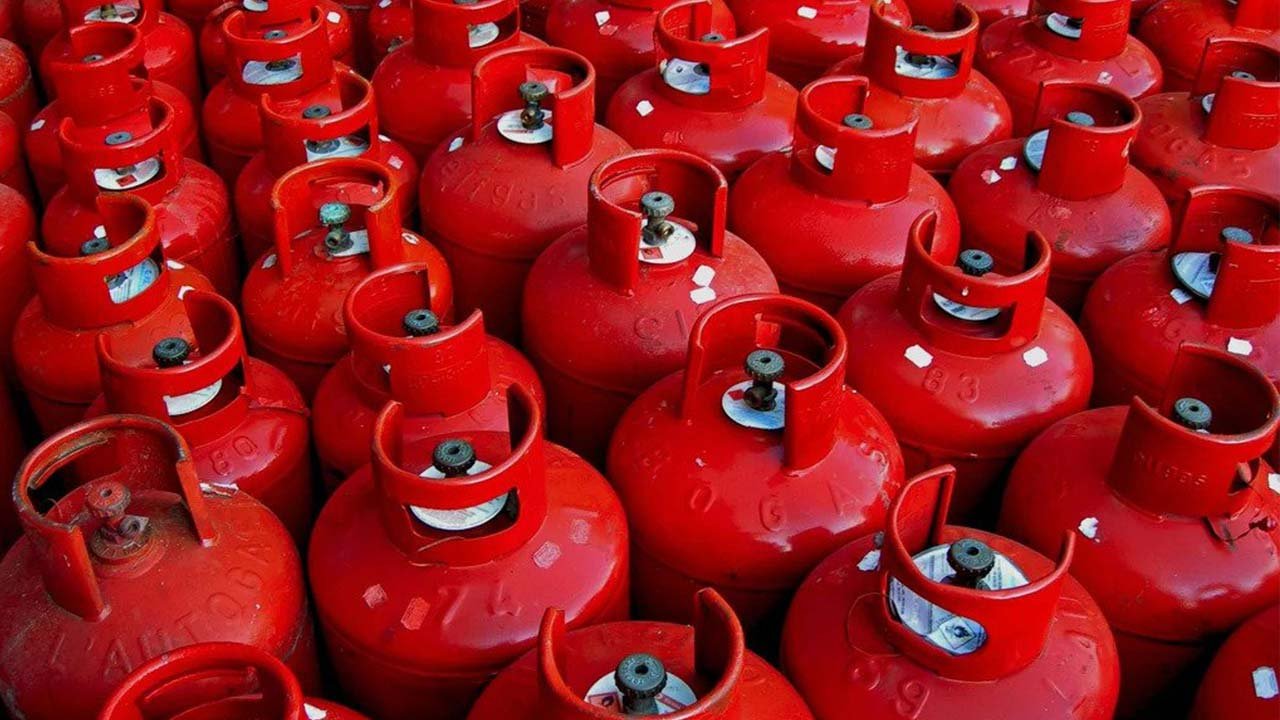
  • Domestic LPG cylinder now costs Rs2,475 after an increase of Rs120

    Domestic LPG cylinder now costs Rs2,475 after an increase of Rs120

    The burden on the general public, who were already suffering from inflation, rising oil and food costs, has increased as a result of another hike in the price of liquefied petroleum gas (LPG).

    Following the increase of Rs10 per kilogramme, LPG is now priced at Rs210 per kilogramme nationwide.

    Moreover, commercial LPG cylinders will now be sold at Rs9,532, up Rs455 while domestic (11.8 kg) LPG cylinders are now priced at Rs2,475, up Rs120.

    According to the chairman of the LPG Association, the commodity’s price is declining on the international market but rising in Pakistan. He requested that the administration take note of the current gas shortage.

    People who now use LPG cylinders residing in new or developing housing communities without Sui gas connections will be impacted by this price increase.

    The frequent announcements of hikes have made life difficult for those with modest incomes. Along with rising LPG prices, many people are having trouble utilising their own vehicles because gasoline prices have skyrocketed.

  • OGDCL confirms gas discovery near Ghotki, Sindh

    OGDCL confirms gas discovery near Ghotki, Sindh

    On Wednesday, the Oil and Gas Development Company Limited (OGDCL) announced the finding of gas from an exploration well near Ghotki, Sindh.

    “The joint venture (JV) of Guddu Block comprising Oil & Gas Development Company Limited as an operator (70 per cent), SPUD Energy PTY Limited (SEPL) (13.5 per cent), IPR Transoil Corporation (IPRTOC) (11.5 per cent), and Government Holdings (Private) Limited (GHPL) (5 percent) has discovered Gas from an exploratory well namely Umair South East # 01, which is located in District Ghotki, Sindh,” the company stated in a notice.

    The Umair South East # 01 well, according to OGDCL, was spudded on May 9, 2022, as an exploration well to investigate the hydrocarbon potential of the Pirkoh Formation and Habib Rahi Limestone (HRL) to a projected depth of 785m.

    “Based on the interpretation of wireline logs, successful Drill Stem Test-1 in HRL tested 1.063 million standard cubic feet per day (mmscfd) gas through choke size 32/64” at 210 pounds per square inch (PSi) Well Head Flowing Pressure (WHFP)”.

    The finding of Umair South East-1 is the outcome of Guddu Joint Venture Partners’ aggressive exploration approach, according to the Pakistani oil and gas business.

    “It has opened a new route and will favourably contribute to alleviating energy demand and supply gaps from indigenous resources, while also adding to OGDCL’s and the country’s hydrocarbon reserves base,” it said.

    The discovery comes at a fortunate time for Pakistan, which has recently experienced huge power outages and a gas scarcity.

    Mari Petroleum Company Limited (MPCL) discovered gas/condensate earlier this month in the Bannu West-1 ST-1 Exploration Well, which was drilled in the Bannu West Block in North Waziristan, Khyber Pakhtunkhwa.

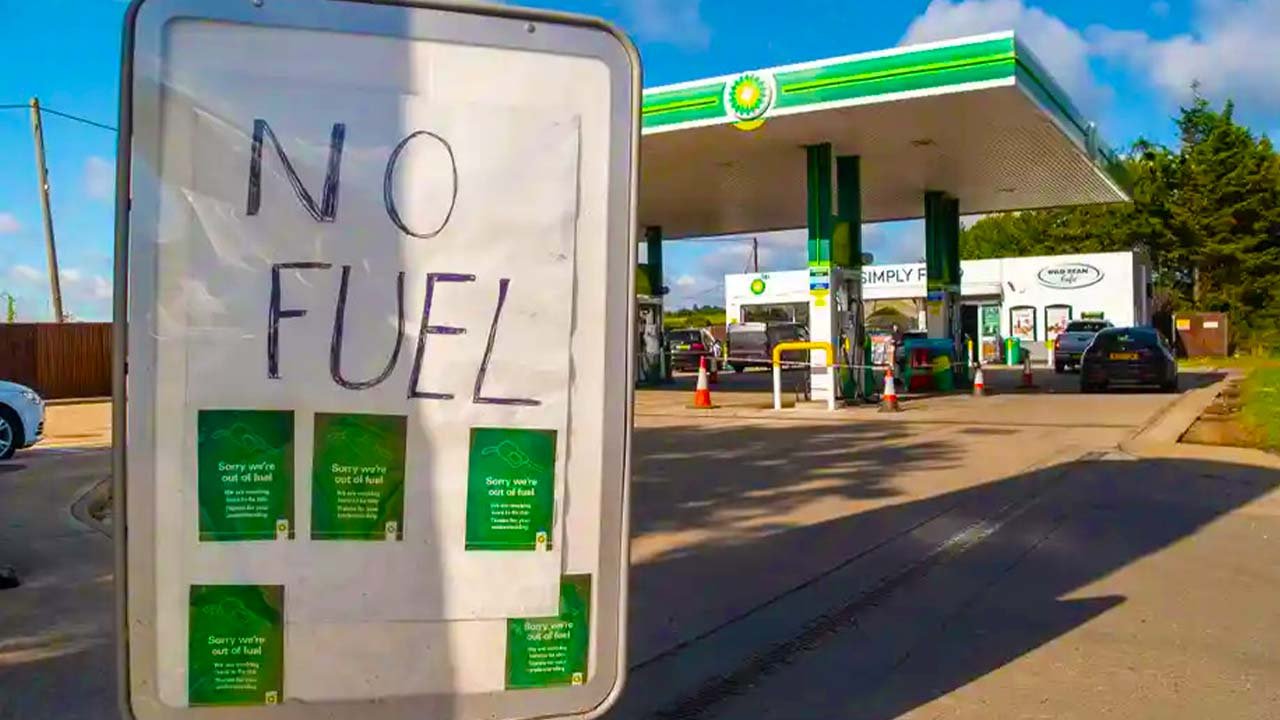
  • Crisis-hit Sri Lanka has enough petrol left for one day, PM warns

    Crisis-hit Sri Lanka has enough petrol left for one day, PM warns

    As the country suffers its greatest economic crisis in more than 70 years, Sri Lanka’s new Prime Minister (PM) declared that the country is headed to its last day of petrol stock.

    PM Ranil Wickremesinghe said the country urgently needed $75 million in foreign currency to pay for crucial imports in a televised address. In order to pay government salaries, he claims the central bank will have to print money.

    Sri Lankan Airlines, which is owned by the government, may be privatised, according to PM Wickremesinghe.

    The pandemic, soaring energy prices, and populist tax cuts have all wreaked havoc on the island nation’s economy. Medicines, fuel, and other essentials were in low supply due to a chronic shortage of foreign cash and rising inflation.

    Auto rickshaws, the city’s most popular mode of transportation, and other vehicles have been queuing at gas stations in Colombo.

    The country has enough petrol for one day at the time. Mr Wickremesinghe, who was appointed Prime Minister last week, cautioned that the next few months will be the hardest of our lives.

    He noted that shipments of petrol and diesel using an Indian credit line could provide fuel supplies in the coming days.

    Mr Wickremesinghe stated that the nation’s central bank will have to print money to assist the government in meeting its salary bill and other obligations.

    The PM stated that he is forced to allow the printing of money against his will in order to pay state employees and purchase vital products and services. However, the nation must keep in mind that printing money causes the local currency to depreciate.

    Read more: CNG prices pushed to Rs140 per kg for sales tax collection

    As part of his efforts to stabilise the country’s finances, he advocated selling out Sri Lankan Airlines. In the fiscal year ended March 2021, the airline lost 45 billion rupees ($129.5 million; £105 million).

  • Safe to fill up fuel tanks to the max in this heat?

    Safe to fill up fuel tanks to the max in this heat?

    Considering Pakistan’s scorching summer and rising petroleum prices, a claim has been made regarding how much fuel should be topped inside a vehicle.

    According to a viral image being attributed to Pakistan State Oil (PSO), motorists should not fill gasoline to the full capacity of the tank owing to rising temperatures since it may trigger an explosion in the tank. Drivers can fill half of their tank and leave the rest for air.

    Conversely, there has been no official word from the oil company in this regard; however, a similar image went viral years ago when PSO clarified that filling fuel tanks to their full capacity poses no harm to automobiles or passengers.

    The announcement came after a Whatsapp message went viral on the internet in 2018. In view of rising temperatures, the message falsely claimed that PSO had warned the public against filling gasoline tanks to full capacity.

    According to the statement from PSO, the auto-igniting temperature of gasoline is far higher than the peak summer temperatures in Pakistan. Filling a petrol tank to the maximum capacity poses no danger to the automobile or its occupants, and is considered fully safe and advantageous to the vehicle’s operation.

    Read more: CNG prices pushed to Rs140 per kg for sales tax collection

    Also, the idea that filling the vehicle’s gasoline tank to the full capacity will cause an explosion defies scientific logic.

    This is because the auto-ignition temperature for petrol is 495°F (257°C), which is the lowest temperature required to ignite a gas or vapour in air without the presence of a spark or flame. The highest recorded temperature on earth was 56.7°C (134°F), observed on July 10, 1913, at Greenland Ranch, Death Valley, California, USA.

  • Global oil prices climb to highest in three weeks

    Oil prices increased on Monday as fears of limited global supply intensified, with the developing crisis in Ukraine raising the risk of more penalties from the West against Russia, the world’s leading exporter.

    Brent futures were up $1.50, or 1.3 per cent, at $113.20 a barrel, while US West Texas Intermediate futures were up 98 cents, or 0.9 per cent, at $107.93 per barrel. Both contracts surged more than 2.5 per cent on April 14, ahead of the Easter weekend holidays, on news that the European Union would phase in a ban on Russian oil imports.

    Last week, EU governments said that the bloc’s executive was working on ideas to ban Russian oil, but officials said Germany was not actively backing an immediate ban.

    Those remarks came before the Ukraine situation escalated over the weekend, with the Ukrainian military defying a Russian demand to lay down arms in the pulverised port of Mariupol on Sunday. Moscow, which refers to its efforts in Ukraine as a “special operation,” said its soldiers had nearly entirely captured the city, with no sign of a truce in sight.

    Read more: Oil prices jump following Russia’s biggest production decline

    Due to sanctions or importers voluntarily rejecting Russian shipments, the International Energy Agency has warned that around 3 million barrels per day (BPD) of Russian oil might be shut in from May onwards.