Tag: gdp growth

  • IMF predicts modest 3.5% growth for Pakistan amid global economic uncertainty

    IMF predicts modest 3.5% growth for Pakistan amid global economic uncertainty

    The International Monetary Fund (IMF) has forecasted a 3.5 per cent growth rate for Pakistan’s economy in the fiscal year 2024-25 (FY25), slightly below the government’s target of 3.6 per cent.

    This comes after Pakistan’s economy grew by 2.4 per cent in the fiscal year 2023-24, missing the government’s target of 3.5 per cent.

    Pakistan’s economic challenges are compounded by chronic mismanagement, the aftermath of the COVID-19 pandemic, the war in Ukraine, inflationary pressures from supply chain disruptions, and severe flooding in 2022.

    The IMF’s World Economic Outlook (WEO) update warns of modest global growth over the next two years, influenced by cooling activity in the US, stabilization in Europe, and stronger consumption and exports from China, but significant risks remain.

    Globally, the IMF has maintained its 2024 growth forecast at 3.2 per cent and slightly increased its 2025 forecast to 3.3 per cent. IMF Managing Director Kristalina Georgieva has expressed concern over these tepid growth rates. The US growth forecast for 2024 has been revised down to 2.6 per cent, reflecting slower consumption, while the 2025 forecast remains at 1.9 per cent due to a cooling labor market and moderated spending.

    The IMF has raised China’s 2024 growth forecast to 5.0 per cent, reflecting a rebound in private consumption and strong exports, but recent data showing lower-than-expected GDP growth poses a downside risk.

    The IMF also highlighted persistent risks to inflation due to high services prices and wage growth in labor-intensive sectors, alongside potential trade and geopolitical tensions that could exacerbate price pressures. Additionally, the IMF warned of the impact of economic policy shifts from upcoming elections, which could lead to increased protectionism and fiscal irresponsibility.

    The IMF advised policymakers to restore price stability, gradually ease monetary policy, rebuild fiscal buffers, and implement policies to promote trade and productivity growth.
  • UN survey forecasts modest growth for Pakistan’s GDP amid inflation projections

    UN survey forecasts modest growth for Pakistan’s GDP amid inflation projections

    Pakistan is projected to experience a real GDP growth rate of 2 per cent in 2024, with a slight increase to 2.3 per cent expected in 2025, according to a United Nations economic survey.

    The survey, titled ‘Economic and Social Survey of Asia and the Pacific 2024: Boosting Affordable and Longer-term Financing for Governments,’ released on Thursday, also forecasts a decrease in the inflation rate from 26 per cent to 12.2 per cent in the same period.

    The report highlights the challenges faced by Pakistan’s economy in 2023, citing political unrest and a significant flood that disrupted agricultural production.

    To address fiscal pressures, Pakistan, along with Sri Lanka, sought external assistance from the International Monetary Fund (IMF), with additional support from bilateral partners such as China, Saudi Arabia, and the United Arab Emirates.

    Both countries are implementing fiscal adjustments, including debt restructuring in Sri Lanka and subsidy removal in Pakistan’s power sector.

    Despite moderate tax gaps in Bangladesh, Pakistan, and Sri Lanka, the report suggests that improving tax policies and administration alone may not suffice to bridge development financing gaps, emphasising the need for broader improvements in socioeconomic development and public governance.

    The macroeconomic conditions in the developing Asia-Pacific region remain challenging, with a disparity in economic growth among different economies.

    While some larger economies experienced a rebound in economic growth, others saw only moderate growth in 2023. Pakistan’s GDP growth rate for the second quarter of fiscal year 2023–24 stood at a modest 1 per cent, below earlier projections ranging from 2–3 per cent.

  • State Bank of Pakistan maintains policy rate at 22% despite inflation concerns 

    State Bank of Pakistan maintains policy rate at 22% despite inflation concerns 

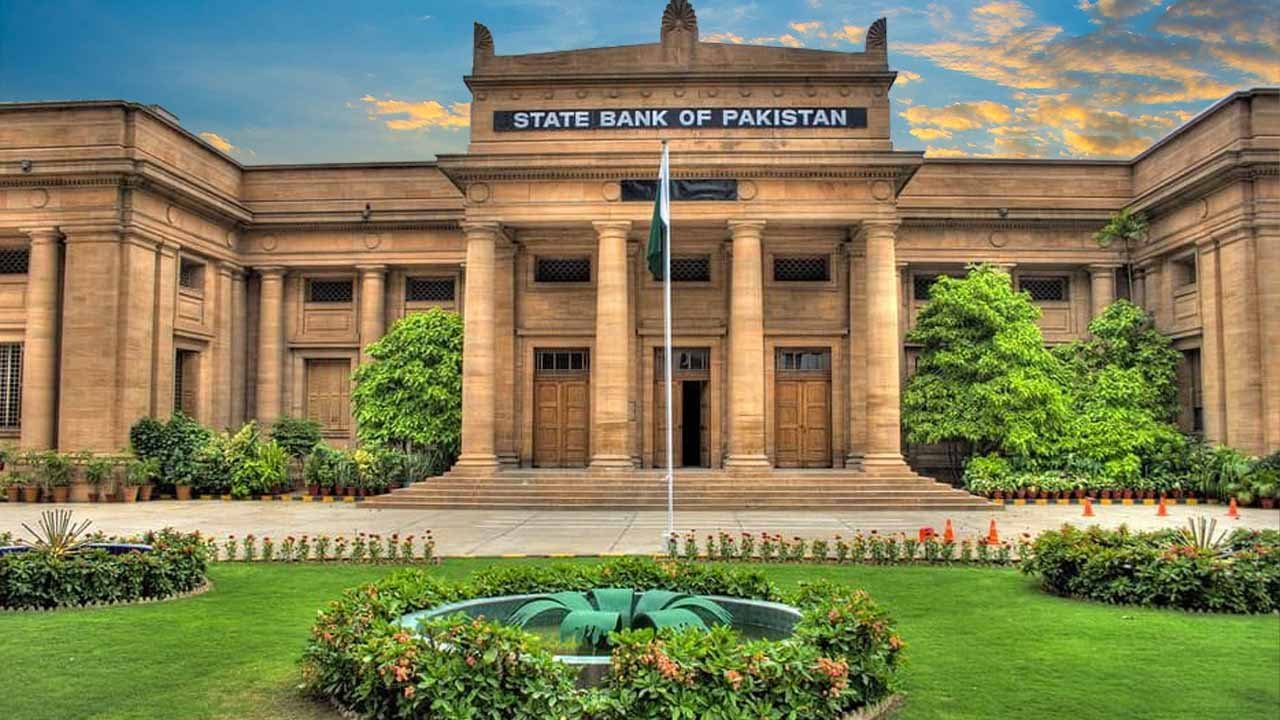
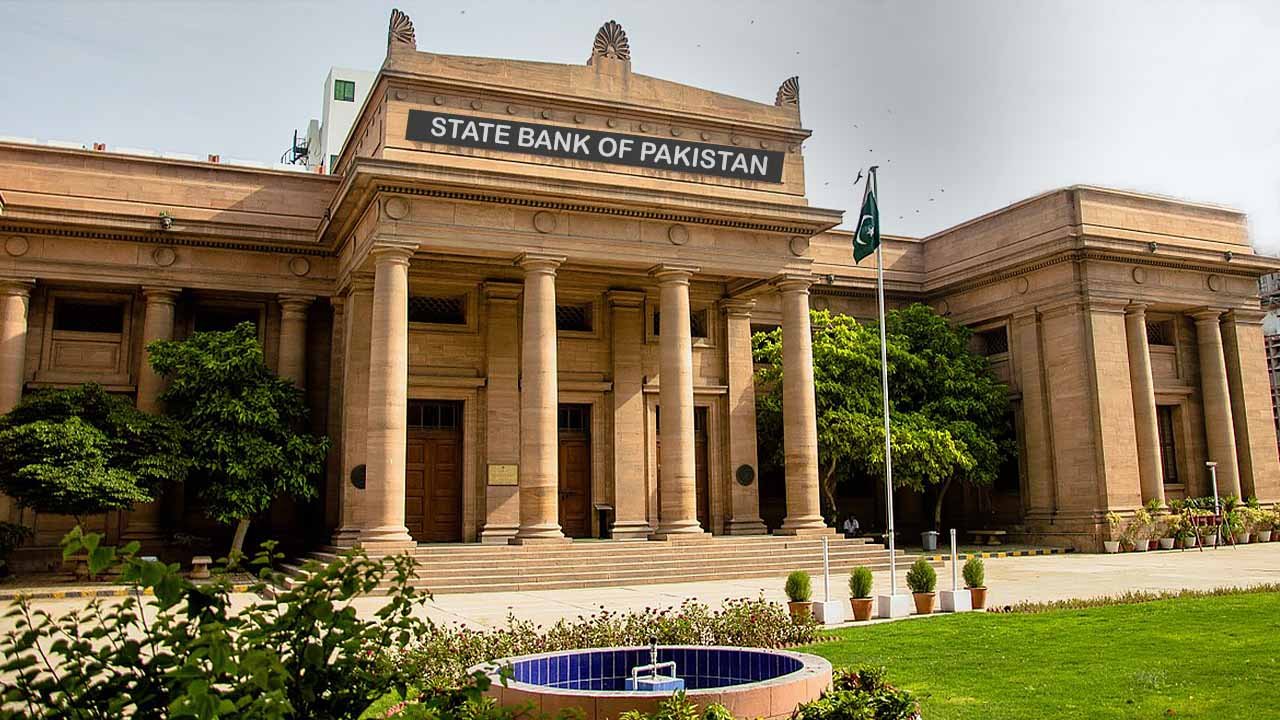
    The Monetary Policy Committee (MPC) of the State Bank of Pakistan (SBP) convened today to deliberate on the prevailing economic conditions and has resolved to maintain the policy rate at 22 per cent for the fourth consecutive meeting. 

    This decision aligns with market expectations, as a majority of market participants were in agreement regarding the rate remaining unchanged. 

    The Monetary Policy Statement issued by the central bank indicates that the decision takes into consideration the impact of the recent increase in gas prices on November’s inflation, which exceeded the MPC’s earlier projections.  

    The Committee acknowledged the potential implications of this on the inflation outlook while also noting offsetting factors such as the recent decline in international oil prices and the improved availability of agricultural produce. 

    Additionally, the Committee conducted an assessment indicating that the real interest rate remains positive over a 12-month forward-looking horizon and anticipates a downward trajectory for inflation. 

    Key developments since the October meeting were considered by the MPC. Firstly, the successful completion of the staff-level agreement for the first review under the IMF SBA programme, which is expected to unlock financial inflows and enhance the SBP’s foreign exchange serves, 

    Secondly, the quarterly GDP growth for Q1–FY24 met the MPC’s expectations for a moderate economic recovery. 

    Lastly, consumer and business confidence surveys reflected positive sentiment improvements. Lastly, core inflation persists at elevated levels, showing a gradual reduction. 

    Considering these developments, the Committee determined that the existing monetary policy stance is conducive to achieving the inflation target of 5-7 per cent by the end of FY25. 

    The Committee emphasised that this assessment is contingent on the sustained implementation of targeted fiscal consolidation and the timely realisation of planned external inflows. 

  • Pakistan’s economy picks up pace: GDP growth hits 2.13%

    Pakistan’s economy picks up pace: GDP growth hits 2.13%

    In the first quarter of the fiscal year 2023-24, Pakistan’s economy exhibited signs of recovery with a Gross Domestic Product (GDP) growth rate of 2.13 per cent, marking a significant improvement from the 0.96 per cent recorded in the same period of the previous fiscal year, according to estimates released by the Pakistan Bureau of Statistics (PBS) on Tuesday. 

    These estimates gained approval during the 107th National Accounts Committee (NAC) meeting convened on the same day.  

    To align with the structural benchmarks outlined in the IMF-SBA program, PBS engaged in consultations with stakeholders and data providers. They presented revised GDP figures for both the fiscal year 2022-23 and the first quarter of 2023-24 to the NAC. 

    In a noteworthy development, the NAC also sanctioned the incorporation of quarterly national accounts into the country’s statistical system. 

    Revisiting the GDP figures for the fiscal year 2022-23, the growth rate has been revised to -0.17 per cent, a departure from the provisional report of 0.29 per cent. 

    Breaking down the growth by industry, the 107th NAC greenlit a sector-specific methodology for compiling quarterly GDP. This includes a series of quarterly growth rates for various industries spanning from the first quarter of 2016-17 to the first quarter of 2023, with 2015-16 serving as the base year. 

    For the first quarter of 2023-24, the agricultural sector exhibited growth of 5.06 per cent, the industrial sector 2.48 per cent, and services 0.82 per cent. 

    In agriculture, crops recorded a robust growth of 6.13 per cent, with a notable 11.16 per cent increase in important crops.  

    The expansion is attributed to a rise in the sowing area, particularly for rice, cotton, and maize, with increases of 21 per cent, 11 per cent, and 5 per cent, respectively. Sugarcane saw an 11 per cent decline, but this was offset by growth in other major crops. 

    The industrial sector, which experienced a continuous decline in the preceding fiscal year except for a modest growth in the second quarter, reversed its trend in the first quarter of 2023-24, registering a growth of 2.48 per cent. Mining and quarrying posted a positive growth of 2.15 per cent, based on quarterly production in the mining sector.  

    Large-Scale Manufacturing (LSM) demonstrated growth of 0.93 per cent according to the Quantum Index of Manufacturing (QIM). Construction industry growth was estimated at 1.73 per cent, with a notable 15.38 per cent increase in cement production. 

    In services, the overall growth was 0.82 per cent. Wholesale and retail trade, reliant on the output of agriculture, manufacturing, and imports, was estimated at 3.05 per cent due to positive growth in agriculture and industry.  

    Transport grew by 1.7 per cent, based on quarterly data. Information & Communication, previously negative, showed a growth of 2.4 per cent, primarily due to a low base and quarterly information received from sources. 

    The finance and insurance industry reported a growth of -12.79 per cent, driven by a decline in the output of insurance companies and brokers, along with high growth in the deflator.  

    Public administration reported -16.65 per cent growth in the quarter, with high deflators contributing to a decline in constant prices.  

    Negative growth in education and human health and social work activities was largely influenced by a decrease in government budget data along with a high deflator. 

  • World Bank proposes tax reforms with 3% GDP growth projection for Pakistan

    World Bank proposes tax reforms with 3% GDP growth projection for Pakistan

    The World Bank has advised Pakistan to implement taxes on the agricultural and real estate sectors and merge the income thresholds for salaried and non-salaried individuals to create a progressive Personal Income Tax (PIT) system.

    If agriculture income and property taxes are effectively enforced, they could contribute 3 per cent of the GDP annually, totaling over Rs3 trillion. The World Bank is awaiting approval for a $350 million allocation for Pakistan under RISE-II, with the meeting date yet to be confirmed.

    Currently, the annual income threshold for salaried individuals is Rs600,000, and for non-salaried income, it stands at Rs400,000, both exempt from taxes.

    The World Bank emphasises the urgency of Pakistan’s fiscal situation and the need to generate revenue and reduce expenditures, recommending taxing the wealthy while protecting the poor.

    The World Bank proposes simplifying the income tax structure by aligning it for both salaried and non-salaried individuals, ensuring progressivity without suggesting a reduction in the current nominal threshold.

    They acknowledge the importance of considering inflation and labour market changes in recent data when reforming the income tax structure.

    The focus of the recommended tax reforms should fall on higher income brackets and include a comprehensive tax package and expenditure reforms to address unsustainable fiscal deficits.

    These reforms involve cutting down on subsidy expenditures, eliminating regressive tax exemptions, and increasing the taxation of high-income earners, particularly in agriculture, property, and retail sectors, to enhance the progressivity of the tax system.

    Regarding a question about lowering the current exemption threshold for salaried workers earning below Rs50,000 monthly, the World Bank’s lead economist clarified that the bank does not recommend a reduction in the current nominal threshold.

    Instead, the emphasis is on streamlining the income tax structure for both salaried and non-salaried individuals to ensure progressivity while protecting the poor during the reform process.

  • Pakistan’s economy to recover, but challenges remain: World Bank

    Pakistan’s economy to recover, but challenges remain: World Bank

    Pakistan’s economic outlook, as per the World Bank’s ‘Pakistan Development Update,’ is challenging. The report projects a gradual recovery in real GDP growth, expecting it to reach 1.7 per cent in FY24 and 2.4 per cent in FY25. However, it warns that this recovery is contingent on implementing IMF measures, securing external financing, and maintaining fiscal discipline.

    The report highlights the dire poverty situation in Pakistan, with an estimated 39.4 per cent of the population living below the Lower-Middle Income Country poverty threshold in FY23, compared to 34.2 per cent in FY22. Factors contributing to this include economic slowdown, floods in 2022, import restrictions, political uncertainty, rising global commodity prices, and reduced investor confidence.

    The fiscal deficit remains a concern. While some easing of import restrictions may widen the current account deficit, a weaker currency and higher domestic energy prices could sustain inflation. The report emphasizes the importance of comprehensive fiscal reforms, including reducing tax exemptions, broadening the tax base, improving public expenditure quality, reforming the energy sector, and managing public debt more effectively.

    The World Bank stresses that addressing these challenges is crucial for long-term recovery and recommends strengthening institutions and systems to achieve fiscal and debt sustainability. The report echoes concerns about external shocks, political instability, and debt servicing challenges, underlining the need for prudent economic management and reforms.

    The Asian Development Bank (ADB) predicts a modest GDP growth recovery to 1.9 per cent in FY24, following a contraction of 0.3 per cent in FY23, with persistent price pressures. Overall, Pakistan faces a complex economic landscape that demands immediate attention to fiscal reform, poverty alleviation, and resilience to external shocks.

  • World Bank cuts Pakistan’s GDP growth forecast from 4% to 2%

    World Bank cuts Pakistan’s GDP growth forecast from 4% to 2%

    Due to the unstable economy and floods, the World Bank predicted that Pakistan’s economic growth would drop by half, falling by 4 per cent to 2 per cent, during the current fiscal year.

    According to the Bank’s latest report, “Global Economic Prospects,” Pakistan is experiencing growing economic woes, especially those caused by the recent flooding as well as ongoing policy and political uncertainties.

    “Pakistan faces mounting economic difficulties and Sri Lanka remains in crisis. In all regions, improvements in living standards over the half-decade to 2024 are expected to be slower than from 2010-19,” the World Bank stated in Global Economic Prospects released on Tuesday.

    Pakistan’s currency declined by 14 per cent between June and December, and its national risk premium climbed by 15 per cent over this same time frame due to the nation’s low foreign exchange reserves and rising sovereign risk.

    It went on to say that growth is anticipated to pick up to 3.2 per cent in the fiscal year 2023–24 (FY24), still under previous forecasts, as the country implements policy measures to stabilise macroeconomic conditions, inflationary pressures subside, and reconstruction after the floods gets underway.

    According to the analysis, Pakistan’s recent floods are thought to have cost the country damage equal to 4.8 per cent of GDP.