Tag: gender gap

  • Where are women in the Pakistani news media industry?

    Where are women in the Pakistani news media industry?

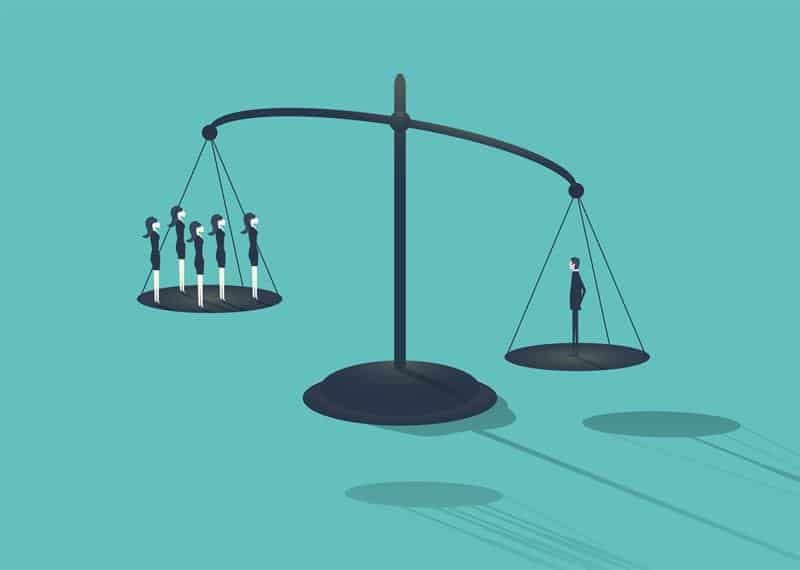
    In a groundbreaking study conducted by the Women Journalists Association of Pakistan (WJAP) and Freedom Network, the Pakistani media industry has been thrust into a state of gender emergency due to the stark under-representation of women journalists in newsrooms and the absence of gender-sensitive policies.

    Titled “Unequal Newsrooms: A Gender Audit of Pakistani Media Organizations,” the study was unveiled ahead of International Women’s Day on March 8th.

    The comprehensive gender audit surveyed 15 news organizations in Islamabad, focusing on workforce representation, organizational policies, anti-harassment measures, working conditions, and wages. Among the audited organizations were six TV channels, four newspapers, three news agencies, and two news websites.

    The audit findings reveal that the average share of women journalists at the news outlets is only 11 percent. Majority of news organisations have no woman journalists in a leadership position.

    Only two out of the 15 media houses have an anti-harassment inquiry committee despite a federal law making it mandatory for employers. Most media organizations do not offer paid maternity or paternity leave even though it is now legally required.

    The gender sensitivity assessment of the audit report found that overall around 75 percent of the 15 news outlets were gender blind, meaning their organisational policies and practices do not identify or address specific gender-based issues that can affect men, women, and other gender minorities differently at the workplace.

    The findings also revealed that the majority of the news organisations do not have documented policies regarding employee conduct, salaries, and promotions. At nearly half of the organisations, salaries are paid late, and the wages of female journalists are lower than their male counterparts at a quarter of the organisations.

    As per the study, almost 75 percent of news outlets did not have even one woman journalist in an influential or leadership role at their Islamabad offices. The remaining
    four outlets had at most two women journalists involved in news decision-making.

    In response, the study offers a set of recommendations directed at news organizations, media managers, civil society, journalist unions, and policymakers. These include implementing gender equality strategies in hiring, promotions, and workplace conduct, conducting capacity-building training and awareness on gender for journalists and newsrooms, demanding transparency in contracts and wage structures, and seeking legal recourse against violations of gender protection laws.
  • Iceland’s Prime Minister strikes over gender pay gap

    Iceland’s Prime Minister strikes over gender pay gap

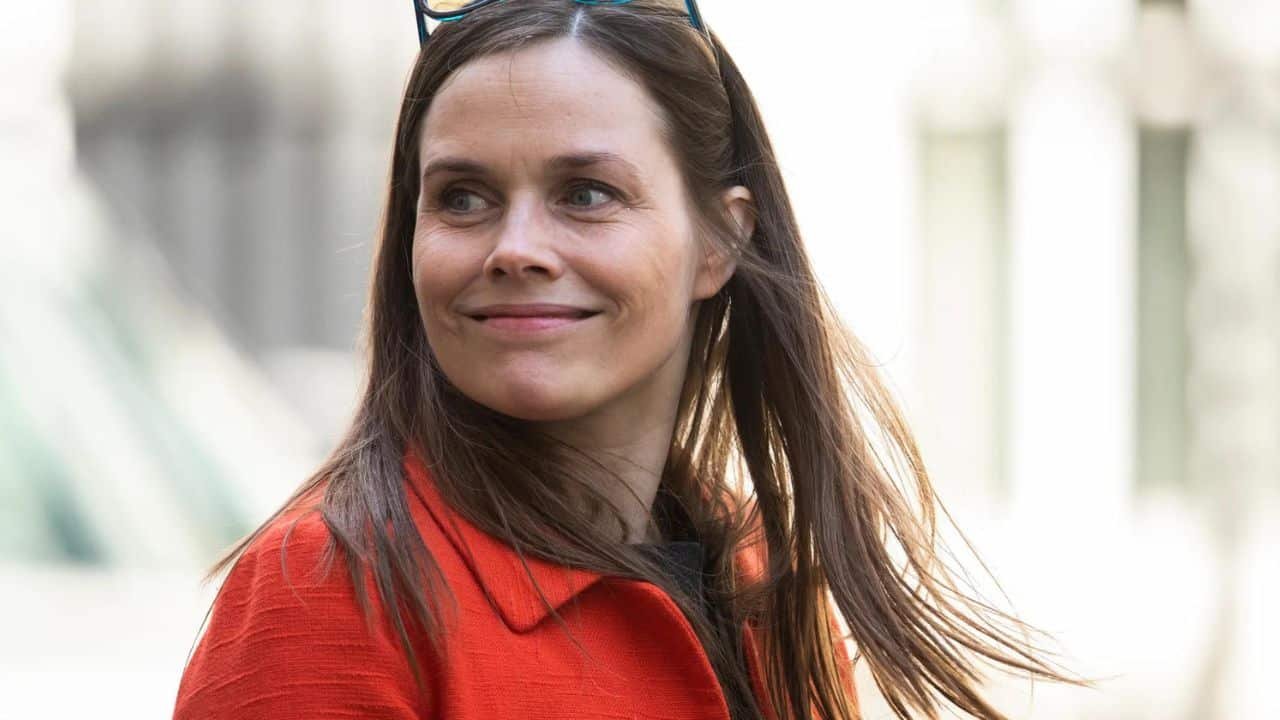
    Tens of thousands of women in Iceland, including the prime minister, walked off the job on Tuesday to demand equal pay and protest violence against women, organisers said.

    Iceland already tops a World Economic Forum (WEF) ranking for gender equality, but organisers said the country needed to make even more progress and lead by example.

    “We are keenly aware that we have not reached gender equality, and even though the situation may be better than other places, there is no reason to just call it a day,” Steinunn Rognvaldsdottir, one of the organisers of “Kvennafri” (Women’s Day Off), told AFP.

    The protest day has been called six times since 1975, this was only the second time that organisers made it a full-day strike, she added.

    The other times, women walked off the job at a symbolic hour after which they were technically no longer earning a salary compared to male colleagues.

    The average wage gap between men and women was 10.2 percent in 2021, according to Statistics Iceland.

    Around 90 percent of Iceland’s women took part in the first protest in 1975, “which was momentous”, Rognvaldsdottir said.

    Prime Minister Katrin Jakobsdottir was among those striking, her office told AFP.

    “She will not attend to official duties and in that regard today’s scheduled cabinet meeting has been moved to tomorrow,” a spokesman said.

    – ‘A present for mother-in-law’ –

    Tens of thousands of women gathered for a large demonstration in the afternoon at the main square of the capital Reykjavik, and protests were also planned in other towns around the country of 400,000 people.

    In Reykjavik, where 75 percent of city employees are women, 59 daycare centres and preschools were closed and all city services were affected by the strike.

    City employees taking part in the strike will not lose pay, the city said.

    Organisers of the movement said they expected men to take charge of the unpaid work that often falls to women.

    “For this one day, we expect husbands, fathers, brothers and uncles to take on the responsibilities related to family and home, for example: preparing breakfast and lunch boxes, remembering birthdays of relatives, buying a present for your mother-in-law, making a dentist appointment for your child.”

    “We always have to be on guard when it comes to our rights,” Lina Petra Thorarinsdottir, 45, told AFP.

    “In Iceland we are proud of what we have accomplished and I am thankful for the women that came before us,” said Thorarinsdottir, head of tourism at marketing group Business Iceland.

    But she said would continue to protest until women enjoyed “equal rights in full”.

    The strikers also wanted their protest to raise awareness of gender-based violence.

    “We still see that up to 40 percent of women have experienced some form of violence or will experience some form of violence in their lifetime,” Thorarinsdottir said.

    “The strike is for both equality when it comes to paid and unpaid work, it also has to do with violence against women and non-binary people,” she said.

    Fjola Helgadottir, a 41-year-old nurse, was unable to take part in Tuesday’s strike action.

    “I would have liked to participate in today’s protest but because we work in the children’s emergency room, we have to provide that service,” she told AFP.

    “The cause is extremely important.”

  • Claudia Goldin wins Nobel economics prize for work on women’s pay

    Claudia Goldin wins Nobel economics prize for work on women’s pay

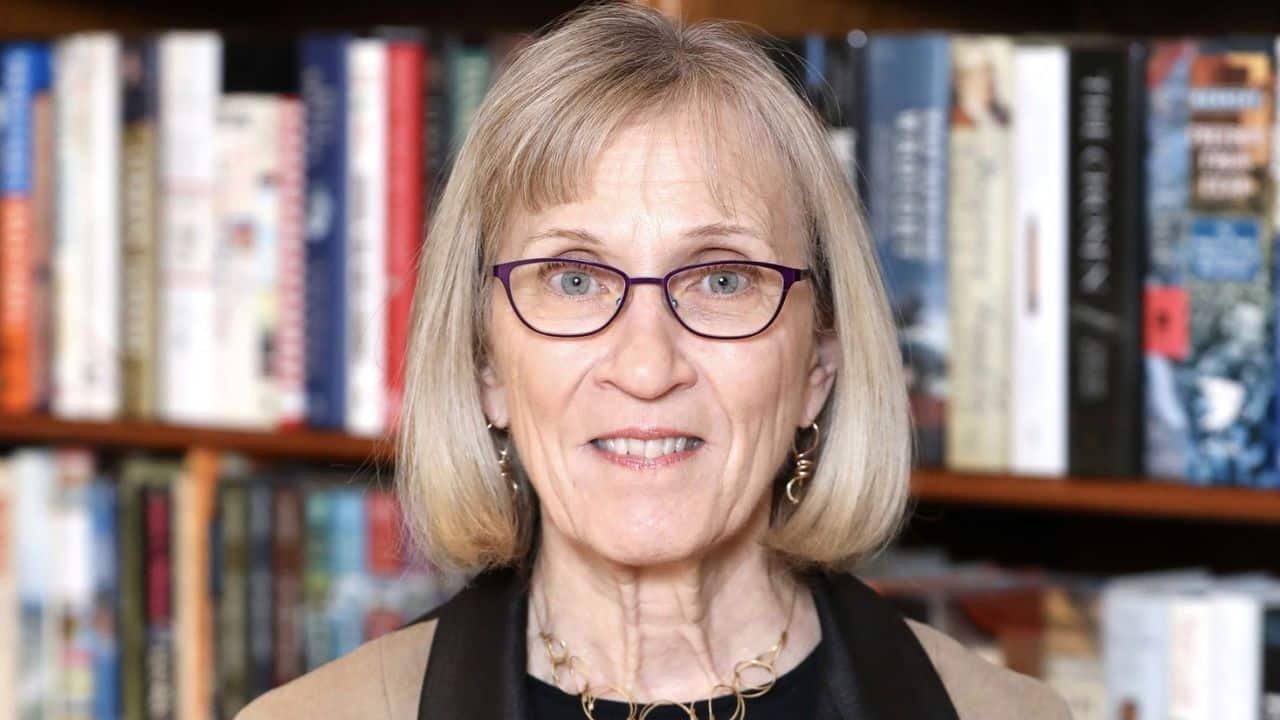
    An economic historian and Harvard professor, Claudia Goldin, has been awarded with the Nobel Prize in economics for her work examining the gender pay gap.

    Goldin’s unprecedented research highlights the fact that women, despite their higher academic qualifications, are paid less than men; and that mostly this difference arises after childbirth.

    “This year’s Laureate in the Economic Sciences, Claudia Goldin, provided the first comprehensive account of women’s earnings and labour market participation through the centuries,” the Royal Swedish Academy of Sciences said on Monday.

    “Her research reveals the causes of change, as well as the main sources of the remaining gender gap.”

    After Elinor Ostrom in 2009 and Esther Duflo in 2019, Goldin is the third woman to be awarded the Nobel Prize in economics — a category with the lowest number of female laureates.

    Goldin’s research examines data tracing 200 years of women’s participation in the workforce in the United States.

    As per her research, a woman’s role in the job market and her pay are, in part, decided by individual decisions, including educational choices, as well as broad social and economic changes.

    The prize committee highlights that while much of the earnings gap historically could be explained by differences in education and occupational choices, Goldin “has shown that the bulk of this earnings difference is now between men and women in the same occupation, and that it largely arises with the birth of the first child”.

  • Gender Gap Report: Pakistan ranked second-worst in the world

    Gender Gap Report: Pakistan ranked second-worst in the world

    Pakistan is the second-worst country in the world in terms of gender parity as per the Global Gender Gap Report 2022. In a report released by the World Economic Forum (WEF) on Wednesday, Pakistan is ranked 145 out of 146 countries in the Global Gender Gap Index.

    The report examined gender differences in 146 nations in a variety of fields, including politics, health, economic opportunities, and education.

    The report says that Pakistan is a nation where women have the least proportion of senior executive and legislative jobs.

    “Pakistan is the country where women have the smallest share of senior, managerial and legislative roles (4.5%), compared to Jamaica, where women represent 56.6% of workers in that category, or Togo, which has the highest share of women in senior roles,” revealed the WEF report.

    Labour-force participation of women has also seen a reduction of 1.9 percentage points in 2022.

    Pakistan was one of the five nations with a gender gap of more than 5 per cent — the others being Qatar, Azerbaijan, China, and India.