Tag: General elections

  • ‘Made false allegations for the money, offer from PTI leader’, Rawalpindi commissioner says he lied about election rigging

    ‘Made false allegations for the money, offer from PTI leader’, Rawalpindi commissioner says he lied about election rigging

    Liaqat Ali Chatha, the ex-Rawalpindi commissioner, who made explosive allegations about the alleged manipulation of the February 8 polls in favour of Pakistan Muslim League-Nawaz (PML-N) candidates but later withdrew them, has now claimed that PTI’s top leadership planned the entire rigging propaganda.

    He said in his official statement on Thursday that “After the incident of May 9, 2023, as with other leadership of Pakistan Tehreek Insaaf (PTI), the said prominent leader of Pakistan Tehreek Insaaf (PTI) also absconded from courts, was declared as a Proclaim Offender (PO) and has been hiding. Throughout this time, I had direct contact with him, and I kept on discreetly helping him on various issues. Consequently, my relationship with the prominent Pakistan Tehreek Insaaf (PTI) leader evolved into a very close friendship based on a high level of trust.”

    Further adding that he also stated, “After the General Elections (“GEs”) of 2024, on 11February 2024 I secretly and discreetly travelled to Lahore and held a meeting with him. It was in this meeting, that he made an offer to me that if I played a role in supporting the Pakistan Tehreek Insaaf’s (PTI) ongoing narrative of rigging in general elections (“GEs”) and maligning state institutions, he would ensure a lucrative position for me in future. He informed me that this entire plan had been formulated after consultation and approval of the senior leadership of Pakistan Tehreek Insaaf (PTI).”

    He goes on to elaborate that the two had a detailed discussion on the proposed press conference. “He conveyed to me the general direction which was needed to be adopted. Initially it was proposed by me that I would write the entire narrative and submit the same as part of my resignation. However, this proposal was dropped by the said prominent Pakistan Tehreek Insaaf (PTI) leader as such written resignation would not create any sensations for their narrative building. After detailed discussions, it was agreed that a press conference would be conducted by me at a time and date to be conveyed after consultation and approval of the senior leadership of Pakistan Tehreek Insaaf (PTI).

    He further mentioned that “The primary aim of this proposed press conference was to create sensations and drama augmenting false narratives being built by the Pakistan Tehreek Insaaf (PTI).”

    “The name of the Chief Justice of Pakistan was taken with the aim of creating mistrust in general public against him. The Chief Justice of Pakistan did not have any role in the entire election process. However, I was specifically asked by said prominent leader of Pakistan Tehreek Insaaf (PTI) to name the Chief Justice of Pakistan (CJP). He told me that he had been specifically asked by his top leadership to do so. The aims behind naming the Chief Justice of Pakistan (CJP) were manifold. I was told that it would help in creating the momentum of this entire narrative as Pakistan Tehreek Insaaf (PTI) had already been sowing seeds of doubts and distrust in the public minds against the Chief Justice of Pakistan  (CJP),” the ex-Rawalpindi commissioner added.
  • 27 women candidates won in general elections

    27 women candidates won in general elections

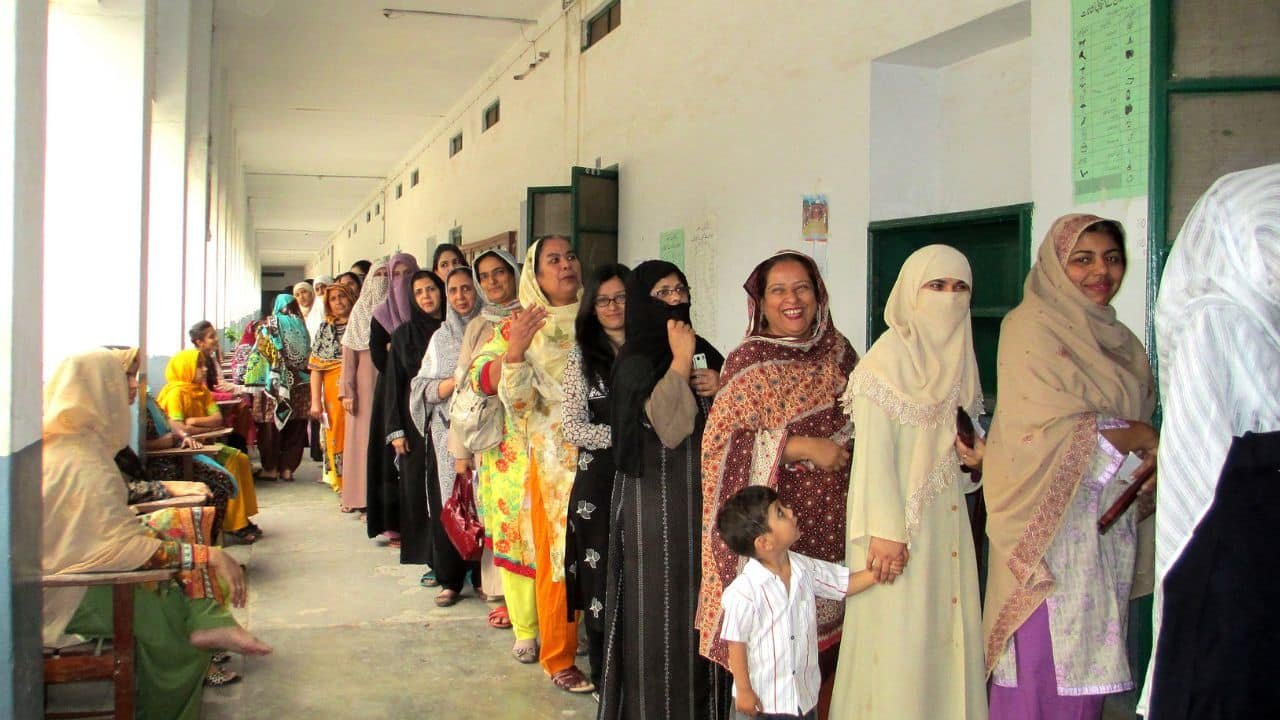
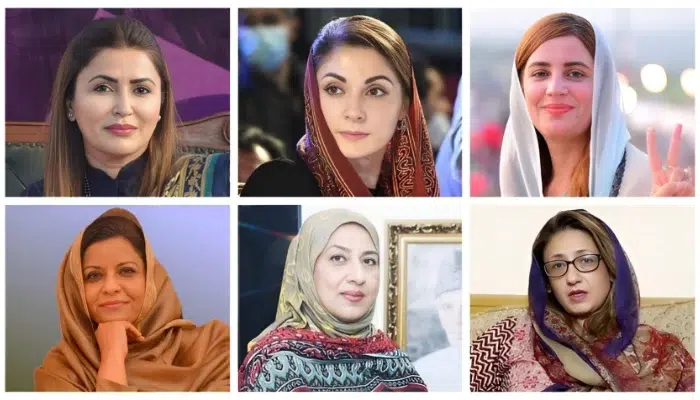
    As the general elections are over and results tabulated, 27 women candidates have emerged victorious in the February 8 polls, 11 more than in the 2018 elections.

    This time, 882 women candidates contested for national and provincial assembly seats. Among them, 312 women contested for the NA, and 570 for provincial assemblies. This shows a notable rise in the number of women participating as candidates in the 2024 elections.

    111 political parties had nominated 275 women candidates to contest the elections for general seats, making up 4.6 percent of the total of 6,037 candidates they have fielded.

    In 2018, 183 women ran for seats in the National Assembly (NA), but only eight of them managed to win. Among the winning women, four secured seats in Sindh, three in Punjab, and one in Balochistan. None of the women candidates won a general seat in Khyber Pakhtunkhwa.

    This time a record 27 women have been elected from all five assemblies — 12 from NA, 11 Punjab Assembly, two from the Sindh Assembly, and one from the Khyber Pakhtunkhwa Assembly.

  • What has Imran Khan’s son said about the general elections?

    What has Imran Khan’s son said about the general elections?

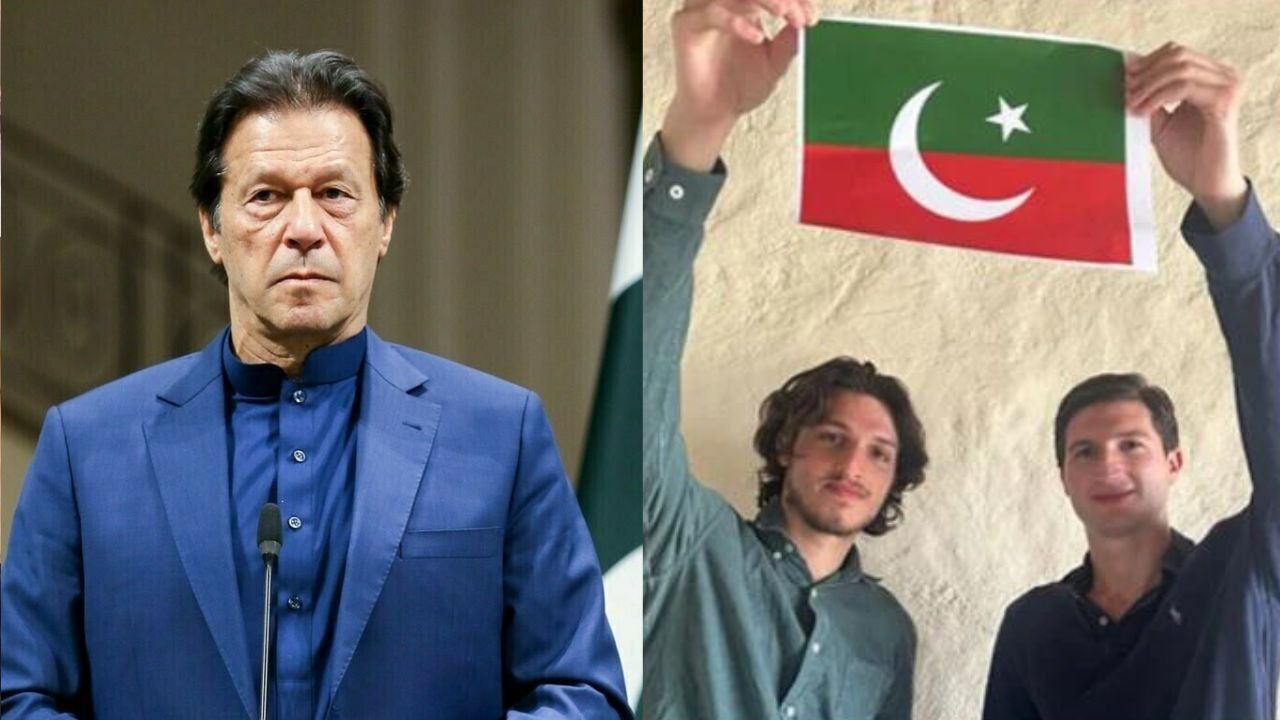
    Imran Khan’s sons, Kasim and Suleiman Khan, had urged people to vote in the 2024 general elections in Pakistan, held on February 8. They shared their message on Twitter, asking everyone to vote and get their friends and family to do the same.
    The two posted a picture holding the PTI flag and said, “Tomorrow is a big day for Pakistan. Your vote is important because it is your future.” They asked people to make a video saying they voted for PTI and share it on social media with #votePTI.
    Their tweet quickly became popular online, showing how their message resonated with many. By encouraging people to support PTI, they hope to make a difference in the upcoming elections and remind everyone of the importance of voting in democracy.

    And after polling he took to X (formerly twitter) and said, “Thank You all for voting PTI”

  • ECP releases postal ballots for February 8 elections

    ECP releases postal ballots for February 8 elections

    The Election Commission of Pakistan (ECP) has started providing postal ballot papers as general elections are set to take place on February 8, draw nearer.

    The development was announced by the electoral body today.

    ECP confirmed that all eligible individuals can cast their votes by January 22 through the postal ballot paper.
    An application form for the postal ballot is also available on the ECP’s website.

    Through the postal ballot, the voter can send his vote to the District Returning Officer (RO).
    Pakistan’s upcoming general elections, scheduled for February 8, are witnessing extensive preparations by the ECP. The electoral body is actively working to guarantee comprehensive arrangements nationwide, aiming for a foolproof electoral process.

    To ensure strict security measures in place ahead of the polls, the ECP issued it’s “Code of Conduct for Security Personnel”, warning them against bias while being on election duty.

  • Chahat Fateh Ali Khan harassed in Sheikhupura

    Chahat Fateh Ali Khan harassed in Sheikhupura

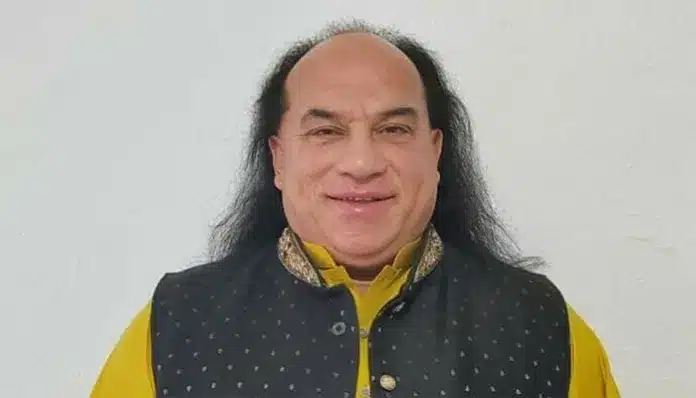
    Singer Chahat Fateh Ali Khan had a harrowing experience in Sheikhupura while meeting his fans after announcing a foray into politics by running in the 2024 national elections.

    In a video that went viral, Chahat is seen walking down the street while people in the crowd appear to be laughing at him.

    Despite him trying to make them stop, the teasing didn’t end, and Chahat ended up shouting at the crowd. Lots of people online slammed the crowd’s rudeness.
    To add to his troubles, his nomination papers for the general elections were rejected because of his dual nationality. However, Chahat remains determined in his political ambitions and plans to continue seeking approval for his nomination papers.

    The incident has sparked discussions on social media about how public figures entering politics are treated.

  • No surveys; PEMRA to take action against media channels violating ECP’s Code of Conduct

    No surveys; PEMRA to take action against media channels violating ECP’s Code of Conduct

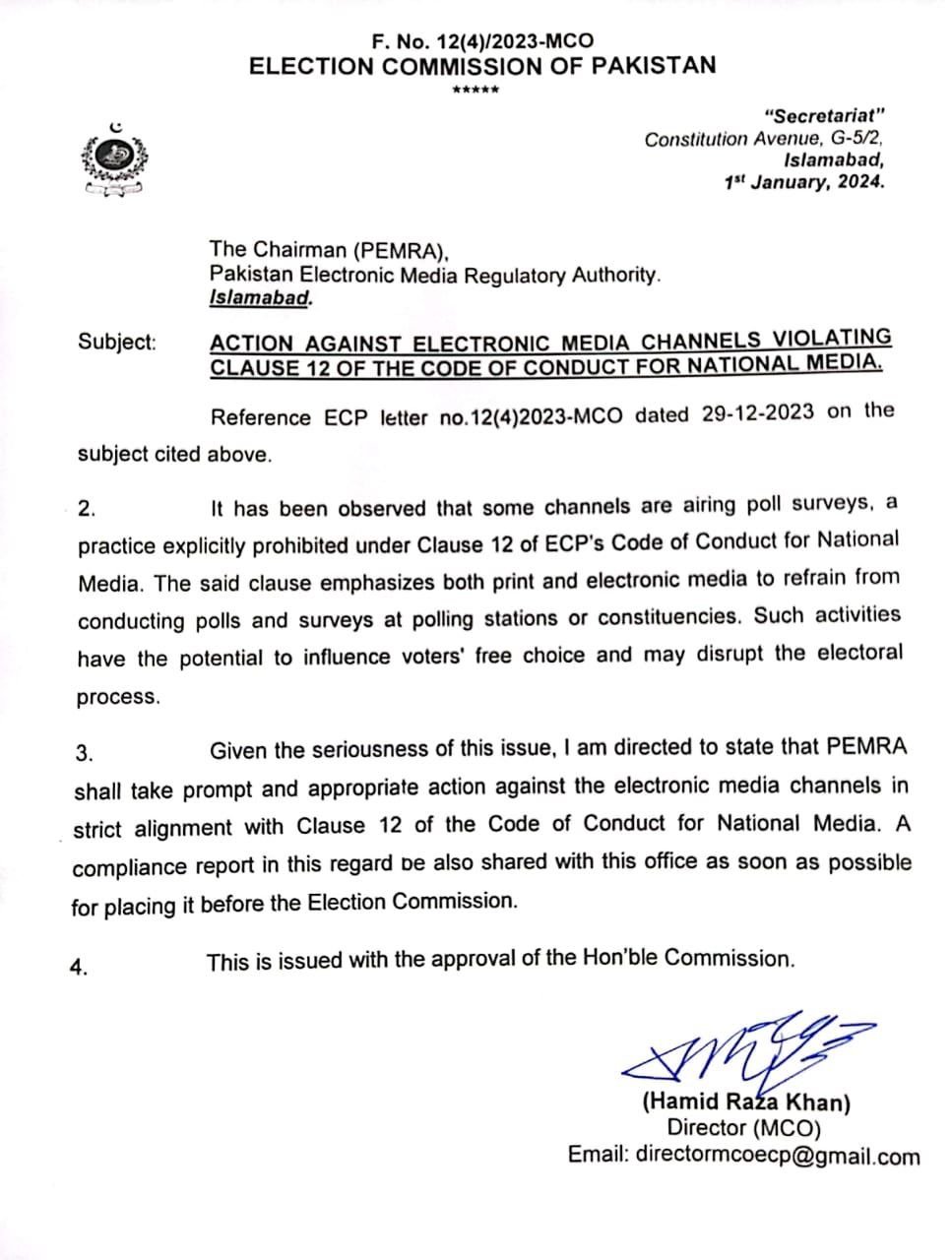
    The Election Commission of Pakistan (ECP) has officially communicated with the Pakistan Electronic Media Regulatory Authority (PEMRA), seeking strict action against media channels found violating the established code of conduct for the upcoming February 8 polls.

    The letter explicitly points out the airing of voting surveys by certain media channels. This practice, as per the ECP’s Code of Conduct for National Media, is prohibited under Clause 12.

    According to Clause 12, individuals working in print, electronic, and social media are prohibited from obstructing the election process and are required to display accreditation cards provided by the Election Commission.

    The ECP emphasized that both print and social media should refrain from conducting polls and surveys at polling stations or constituencies. The electoral watchdog stated that such activities have the potential to influence voters’ free choice and may disrupt the electoral process.

    The letter stated, “Given the seriousness of this issue, I am directed to state that PEMRA shall take prompt and appropriate action against the electronic media channels in strict alignment with Clause 12 of the Code of Conduct for National Media. A compliance report in this regard be also shared with this office as soon as possible for placing it before the Election Commission.”

    The ECP’s comprehensive 18-point code of conduct for media during elections includes provisions preventing the dissemination of content that reflects opinions prejudicial to the sovereignty, uprightness, or security of Pakistan. It also prohibits statements that could harm national solidarity or create a law and order situation.

    The regulatory framework extends to personal attacks on candidates or political parties in media content, mandating that any allegations should include comments from both sides. Monitoring responsibilities are delegated to Pemra, Pakistan Telecommunication Authority, Press Information Department, and the Cyber Wing and Digital Media Wing of the Ministry of Information and Broadcasting.

    The ECP further emphasized that these authorities are accountable for monitoring political parties’ and candidates’ coverage during election campaigns through electronic channels, print, and social media. Details of payments made by political parties and candidates must be submitted within 10 days after the poll day.

    The Election Commission of Pakistan warns that, in case of any violation of this Code of Conduct, it reserves the right to withdraw accreditation from individual journalists or media organizations. The authority to determine violations also rests with the electoral body. The media is also prohibited from airing unofficial results of a polling station until one hour after the close of the poll during the polling process coverage.

  • PML-N candidate courts controversy with oath on Holy Quran ahead of elections

    PML-N candidate courts controversy with oath on Holy Quran ahead of elections

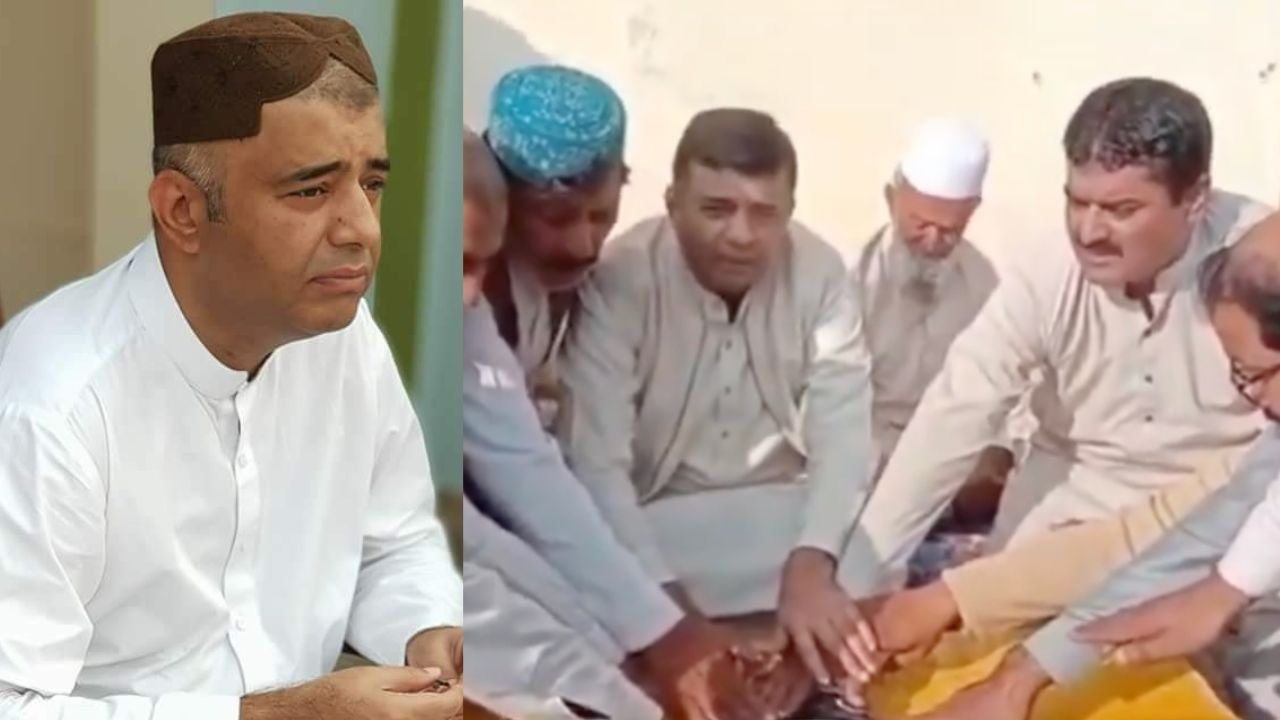
    A video featuring Syed Basit Sultan, a Pakistan Muslim League Nawaz (PML-N) candidate from NA-177 and other constituencies, has sparked controversy on social media.

    The politician took oath from his supporters on the Holy Quran to swear allegiance to him ahead of the general elections scheduled for February 8.

    In a video that has now gone viral, Bukhari can be seen sitting with supporters who swore allegiance to him.

    The political journey of Sultan took a turn last year when he switched allegiances, leaving the Pakistan Tehreek-i-Insaf (PTI) to join the ruling coalition under the leadership of PML-N President Shehbaz Sharif.

    Recently, Sultan, accompanied by his wife and daughter, submitted nomination papers for NA-176, NA-177, PP-272, and PP-273.

    Responding to critics who questioned the unconventional oath-taking approach, Sultan defended his actions, stating that supporters, including former union council chairmen, voluntarily participated in the oath.

    He argued that the purpose was to dispel opposition propaganda suggesting a lack of support from constituents. Sultan explained that he initially resisted the idea of the oath but eventually yielded to the request of friends.

  • PEMRA nay laga dee TV channels pay aik aur pabandi

    PEMRA nay laga dee TV channels pay aik aur pabandi

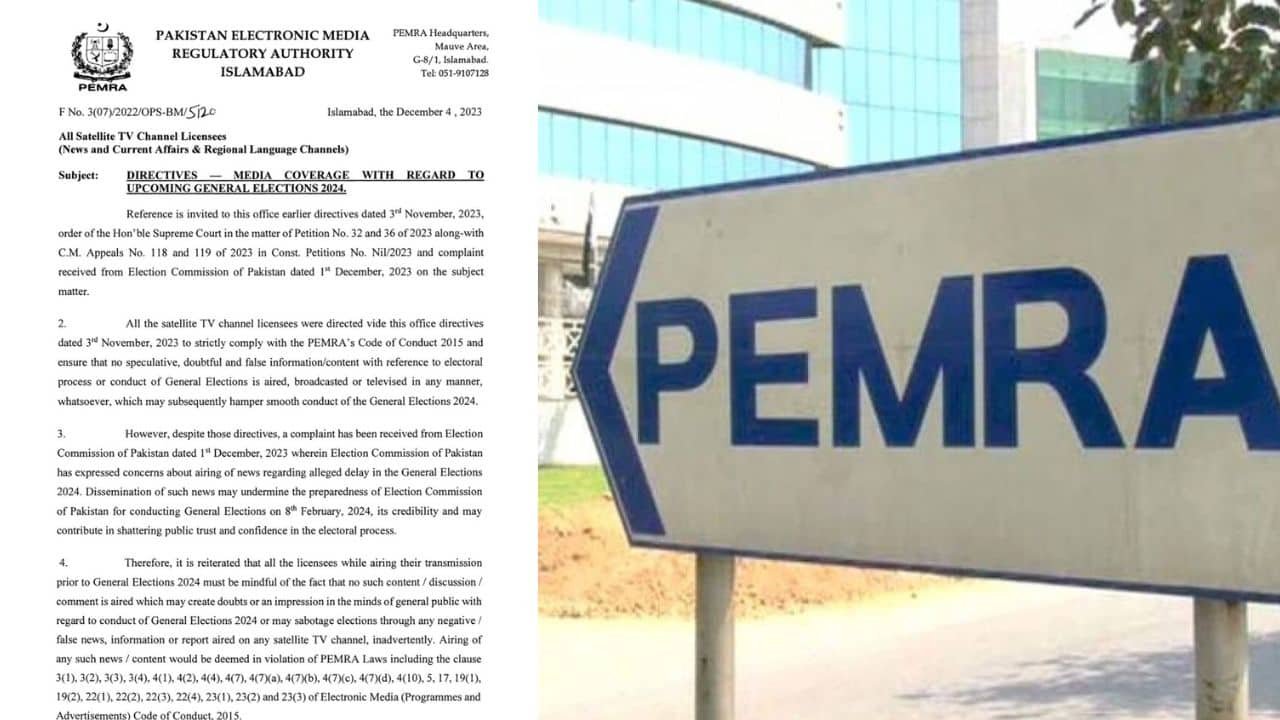
    Pakistan Electronic Media Regulatory Authority (PEMRA) has barred television channels from airing anything that casts doubt on the electoral process.

    The notification, issued on November 3, states, “All the satellite TV channel licensees were directed vide this office directives dated 3* November, 2023 to strictly comply with the PEMRA’s Code of Conduct 2015 and ensure that no speculative, doubtful and false information/content with reference to electoral process or conduct of General Elections is aired, broadcasted or televised in any manner, whatsoever, which may subsequently hamper smooth conduct of the General Elections 2024.”

    It further says that all the licensees, while airing their transmission before General Elections 2024, must be mindful of the fact that no such content/discussion / comment is aired which may create doubts or an impression in the minds of the public about the polls or may sabotage elections through any negative/false news, information or report aired on any satellite TV channel, inadvertently.

    Anchor Person Mohammad Malick took to X (former Twitter) and wrote, “Has Pemra gone absolutely bonkers? media barred from even discussing the possibility of flawed election process by EC. All media outlets & journo orgs must outrightly reject this ridiculous ‘unholy commandment’. this is brazen censorship and must be resisted.”

    Secretary General South Asian Free Media Association (SAFMA) Imtiaz Alam said, “Indeed, Election Commission of Pakistan should be respected, but it must earn respect by ensuring even-playing field fo all and transparently conducting electoral process. However, PEMRA order must be rejected. Media must critically evaluate the conduct of elections and ECP.”

  • When will ECP issue schedule of general elections in Pakistan?

    When will ECP issue schedule of general elections in Pakistan?

    The Election Commission of Pakistan (ECP) revealed on Friday that the eagerly awaited schedule for the general polls will be issued 54 days before the February 8 elections, as per Geo News.

    The Chief Election Commissioner (CEC), Sikandar Sultan Raja, said during an informal discussion with journalists that the election body is diligently working on completing all prerequisites for the upcoming polls.

    In June, the Pakistan Democratic Movement (PDM) government amended Section 57 of the Elections Act, empowering the ECP to set the general election date while defining a timeline of procedures from the announcement of the schedule to the polling day.

    CEC Sikandar Sultan Raja assured that the election schedule, appointment of returning officers (ROs), and district returning officers (DROs) will be announced promptly. He mentioned that updated constituency lists had already been released, and the ECP was proactively handling election-related responsibilities ahead of schedule.

    Despite concerns and speculations in political circles about potential delays in the already postponed polls, the ECP recently issued the final list of delimitation of constituencies for national and provincial assemblies, dismissing reports of possible delays.

    According to the notification issued by the ECP, the National Assembly (NA) has a total of 266 seats; 60 seats are reserved for women and 10 for religious minorities.

    Balochistan has a total of 20 NA seats, including 16 general and four reserved seats for women; Khyber Pakhtunkhwa has 45 general NA seats and 10 reserved seats for women; Sindh has a total of 75 NA seats, of which 61 are general and the remaining 14 are reserved for women.

    On the other hand, considering population, Punjab is a big province, and it has 141 NA seats, of which 32 are reserved for women. The federal capital has three general NA seats, with no reserved seat for women.

    Article 106 pertains to the constituencies of the four provincial legislatures. According to this article, Balochistan comprises 51 general seats, with 11 reserved for women and three for non-Muslims, making a total of 65 seats.

    In the case of Khyber Pakhtunkhwa, there are 115 general seats, along with 26 reserved for women and four for non-Muslims, bringing the total number of seats in the legislature to 145.

  • How many seats will be in the National Assembly in upcoming elections?

    How many seats will be in the National Assembly in upcoming elections?

    Amid rumours of delay in the elections, the Election Commission of Pakistan (ECP) has released the final list of delimitation of constituencies in the national and four provincial assemblies.

    This progress paves the roads for the election schedule, which is more likely to be announced in the first week of December, as per the electoral body.

    Previously, the ECP had said that the final list of delimitations for constituencies would be published on December 15, but it was later revised to November 30.

    According to the notification issued by the ECP, the National Assembly (NA) has a total of 266 seats; 60 seats are reserved for women and 10 for religious minorities.

    Balochistan has a total of 20 NA seats, including 16 general and four reserved seats for women; Khyber Pakhtunkhwa has 45 general NA seats and 10 reserved seats for women; Sindh has a total of 75 NA seats, of which 61 are general and the remaining 14 are reserved for women.

    On the other hand, considering population, Punjab is a big province, and it has 141 NA seats, of which 32 are reserved for women. The federal capital has three general NA seats, with no reserved seat for women.

    Article 106 pertains to the constituencies of the four provincial legislatures. According to this article, Balochistan comprises 51 general seats, with 11 reserved for women and three for non-Muslims, making a total of 65 seats.

    In the case of Khyber Pakhtunkhwa, there are 115 general seats, along with 26 reserved for women and four for non-Muslims, bringing the total number of seats in the legislature to 145.