Tag: Global Oil Prices

  • Global oil prices drop more than 3% as fears of supply disruptions ease

    Global oil prices drop more than 3% as fears of supply disruptions ease

    Global oil prices dropped more than 3 per cent as the surge driven by increasing geopolitical tensions paused, with the market anticipating a response from Israel against Iran.

    Tamas Varga, an analyst at oil broker PVM, remarked in a Tuesday report, “Oil can only continue to rise for so long based on perceptions rather than actual disruptions in supply.”

    Following Iran’s launch of approximately 180 ballistic missiles at Israel last week, oil prices had climbed nearly 13 per cent by Monday’s close, sparking concerns that Israel could retaliate by targeting Iran’s oil sector.

    President Joe Biden has openly advised Israel against targeting Iran’s oil infrastructure. According to officials speaking to The New York Times, Israel is anticipated to prioritise strikes on military and intelligence sites in Iran.

    Similarly, The Jerusalem Post has reported that Israel’s efforts will likely concentrate on these military and intelligence facilities.

    Israeli Defense Minister Yoav Gallant is set to meet with US Secretary of Defense Lloyd Austin at the Pentagon on Wednesday to discuss ongoing security developments in the Middle East, as stated by press secretary Maj. Gen. Pat Ryder during a briefing on Monday.

  • State Bank cuts policy rate by 200 bps to 17.5%

    State Bank cuts policy rate by 200 bps to 17.5%

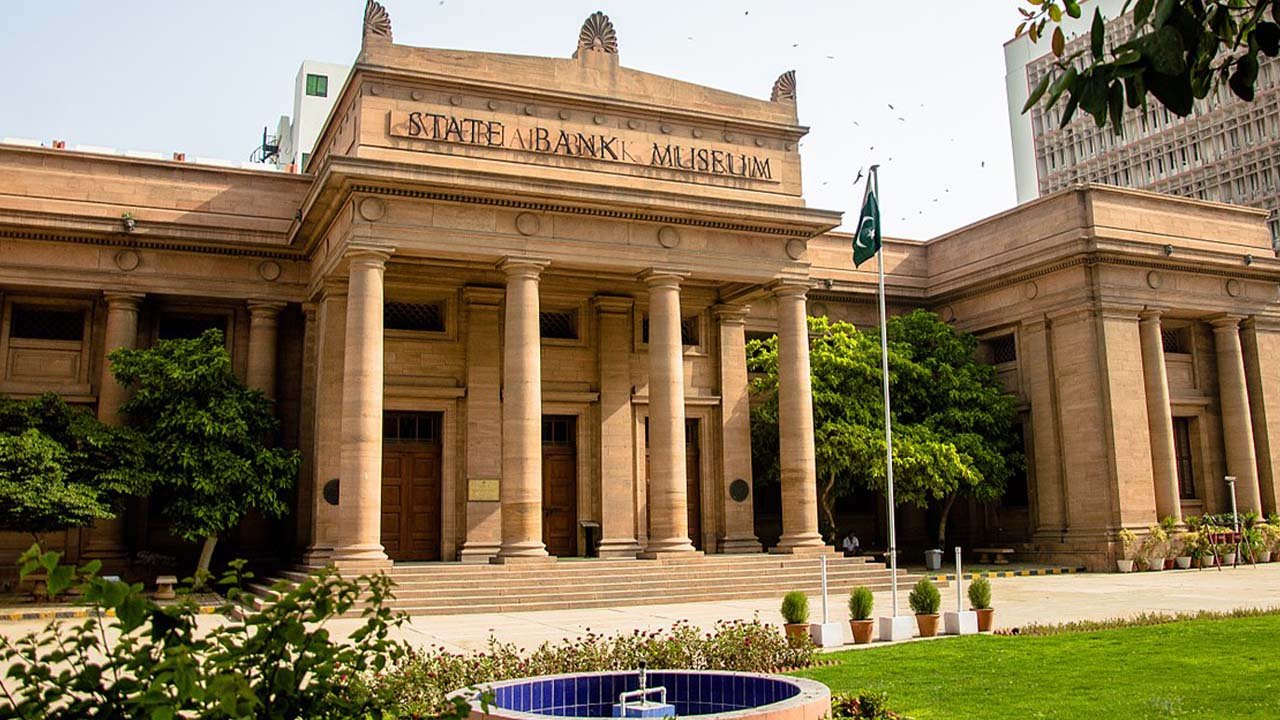
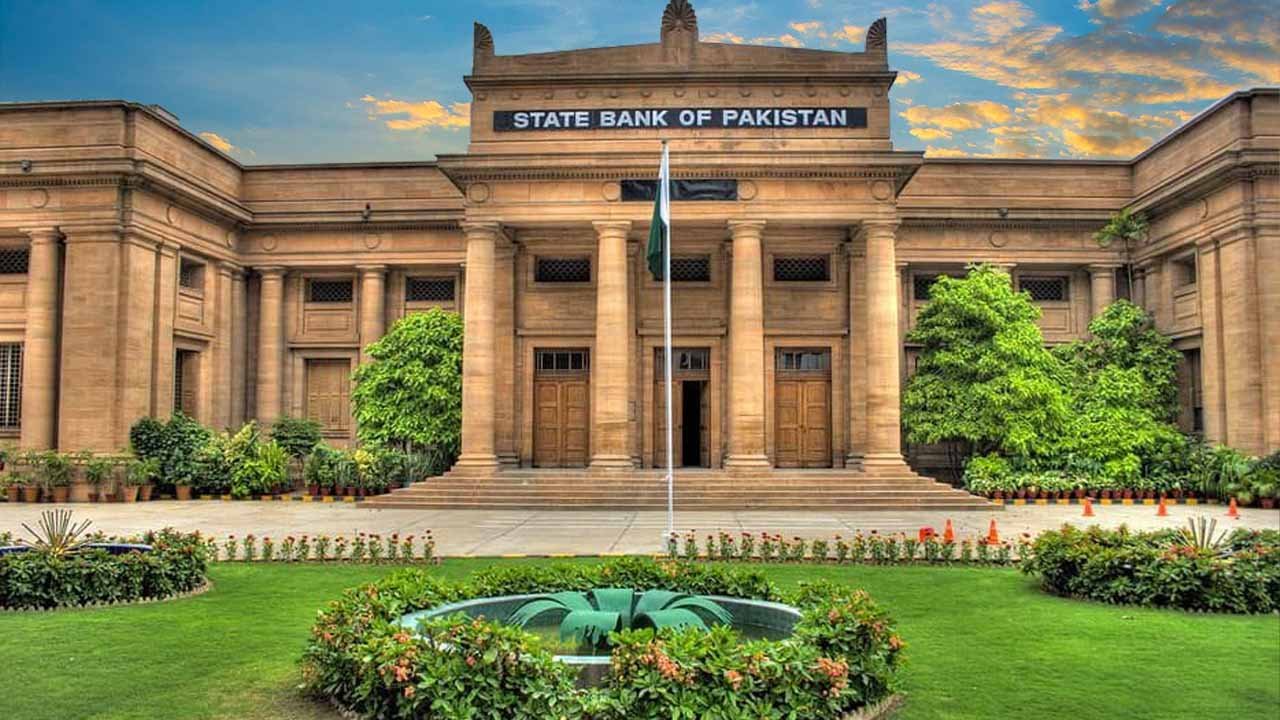
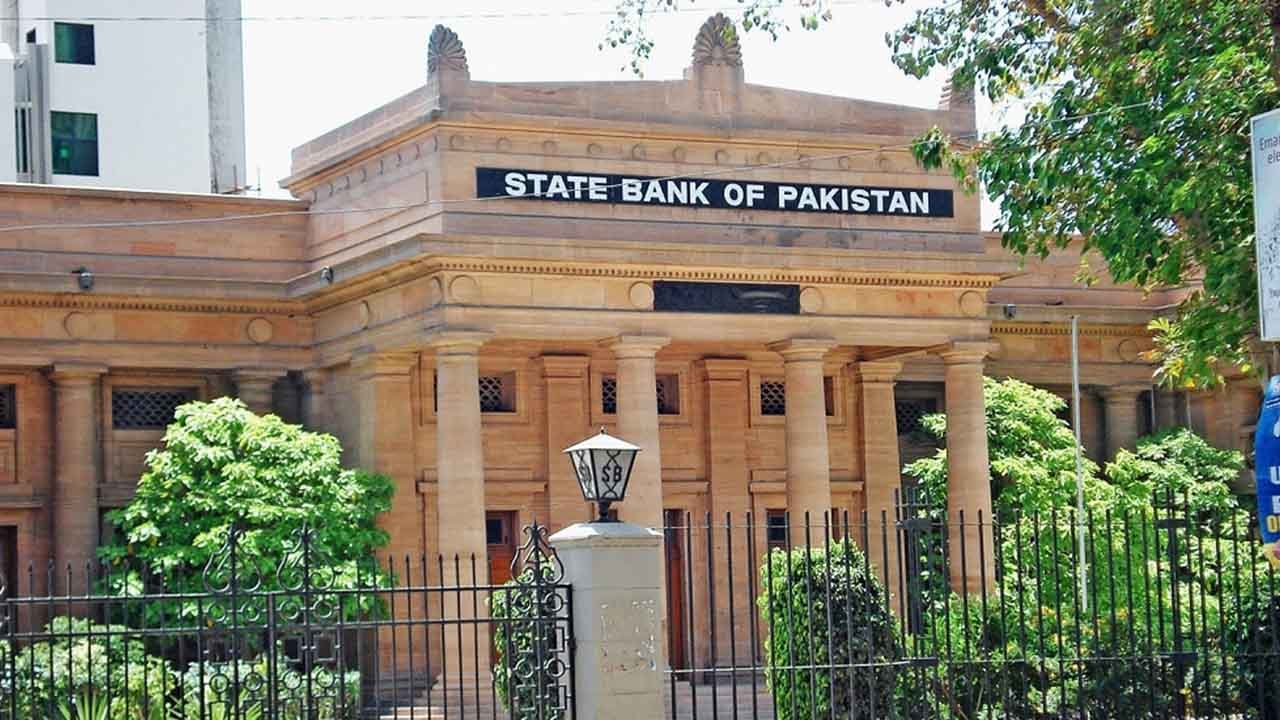
    The State Bank of Pakistan (SBP) has reduced the interest rate by 200 basis points, bringing it down to 17.5 per cent.

    The decision regarding reduction in policy rate was made after the inflation rate slowed in the country.

    The Monetary Policy Committee (MPC) observed that the continued ease in inflationary pressures and the policy rate cuts will support the growth in Pakistan’s key sectors.

    Interestingly, this marks the third consecutive reduction in key policy rate, followed by a 150 bps cut in June and another 100 bps reduction in July.

    “At its meeting today, the MPC decided to cut the policy rate by 200bps to 17.5 per cent, effective from September 13, 2024,” the central bank said in a statement.

    “Both headline and core inflation fell sharply over the past two months. The pace of this disinflation has somewhat exceeded the MPC’s earlier expectations, mainly due to the delay in the implementation of planned increases in administered energy prices and favourable movement in global oil and food prices.”

    The MPC was of the view that the global macroeconomic environment has turned favourable amid the substantial softening of crude oil prices.

  • PKR records eighth consecutive gain, closes at Rs282.79 vs dollar

    PKR records eighth consecutive gain, closes at Rs282.79 vs dollar

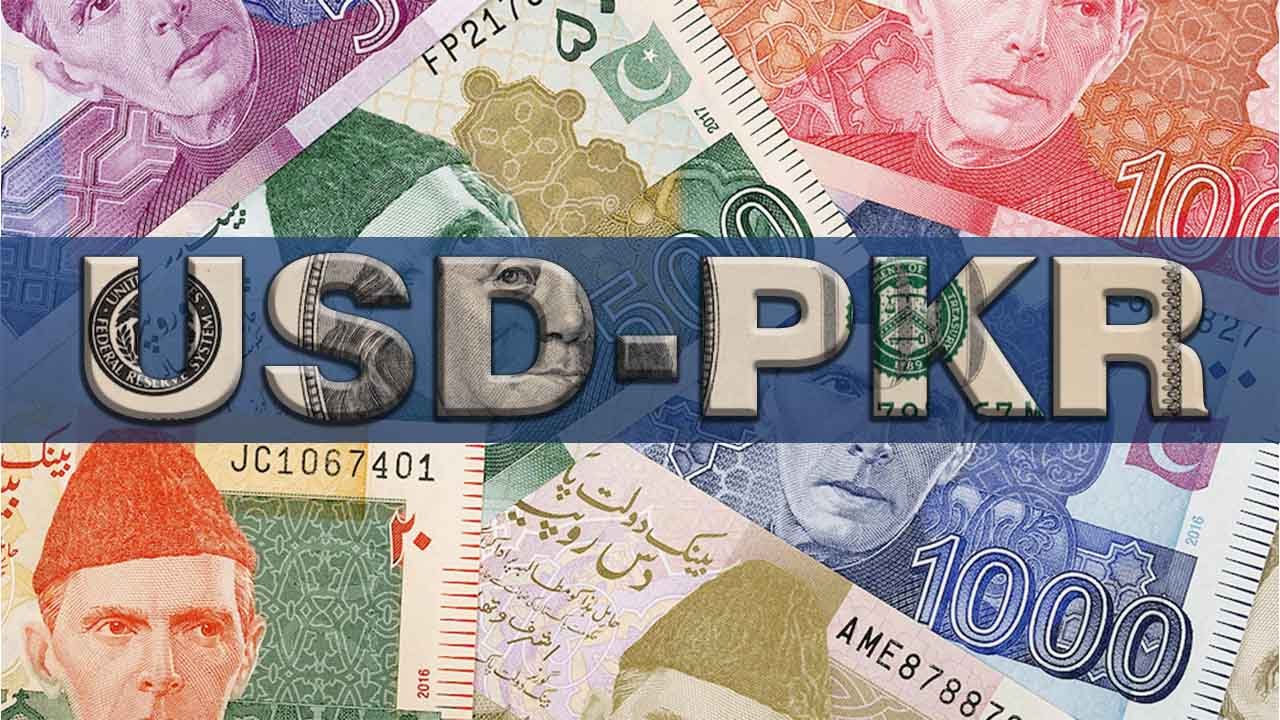
    In a notable financial trend, the Pakistani rupee (PKR) sustained its positive trajectory against the US dollar (USD) for the eighth consecutive session, witnessing a 0.04 per cent appreciation in the interbank market on Thursday.

    According to the State Bank of Pakistan (SBP), the rupee concluded at Rs282.79 after experiencing a rise of Re0.11.

    The preceding day saw a slight uptick in the PKR’s value, settling at Rs282.9 against the US dollar. 

    A significant development unfolded as the government successfully secured a historic amount of Rs397 billion ($1.4 billion) in Wednesday’s local currency bond auction. 

    This achievement surpassed expectations, marking the highest borrowing in years within a single auction, showcasing sustained market interest even as December draws to a close.

    The substantial participation of investors underscores their confidence in long-term bonds, fueled by the anticipation of an early 2024 rate cut. 

    The government strategically opted for long-term borrowing in response, effectively mitigating rollover risks and minimisingreliance on short-term funding in the future.

    On the global front, the US dollar regained strength on Thursday, prompted by a sudden end to a robust rally for US stocks, compelling investors to seek safety. 

    In the final hour of equities trade on Wall Street, heavy selling induced a ripple of risk aversion through markets, lifting the previously under-pressure greenback from lows.

    As of early Asia trade on Thursday, the dollar index, which is down 1 per cent for the year so far, remained steady at 102.37. 

    In a comparison with major currencies, the Pakistani currency strengthened by 69.15 paisa against the Euro, concluding at Rs309.57 as opposed to the previous rate of Rs310.26. 

    The British Pound saw a reduction in value of 79.58 paisa, settling at Rs357.41 in comparison to the previous day’s Rs358.21.

    However, PKR experienced a slight decline of 0.38 paisa against the Japanese yen, closing at Rs1.974 as compared to the previous day’s rate of Rs1.97. 

    The Saudi Riyal concluded at Rs75.38, registering a decrease of 1.15 paisa from its value of Rs75.39 a day ago. 

    Similarly, the UAE Dirham witnessed a decrease in value of 2.81 paisa, shifting from Rs77.027 the previous day to Rs76.999.

    Meanwhile, oil prices, a crucial indicator of currency parity, experienced a decline on Thursday due to concerns over low demand following an unexpected US crude inventory build, outweighing apprehensions about global trade disruptions linked to tensions in the Middle East. 

    Brent crude futures dropped by 3 cents to $79.67 a barrel, while US West Texas Intermediate crude stood at $74.16 a barrel, reflecting a 6-cent decrease.
  • Petrol price slashed by Rs14 per litre, providing relief amidst inflation

    Petrol price slashed by Rs14 per litre, providing relief amidst inflation

    As announced in an official notification by the Finance Division, the revised prices for petroleum products, applicable from December 16 to December 31, have been endorsed by the Oil and Gas Regulatory Authority (OGRA).

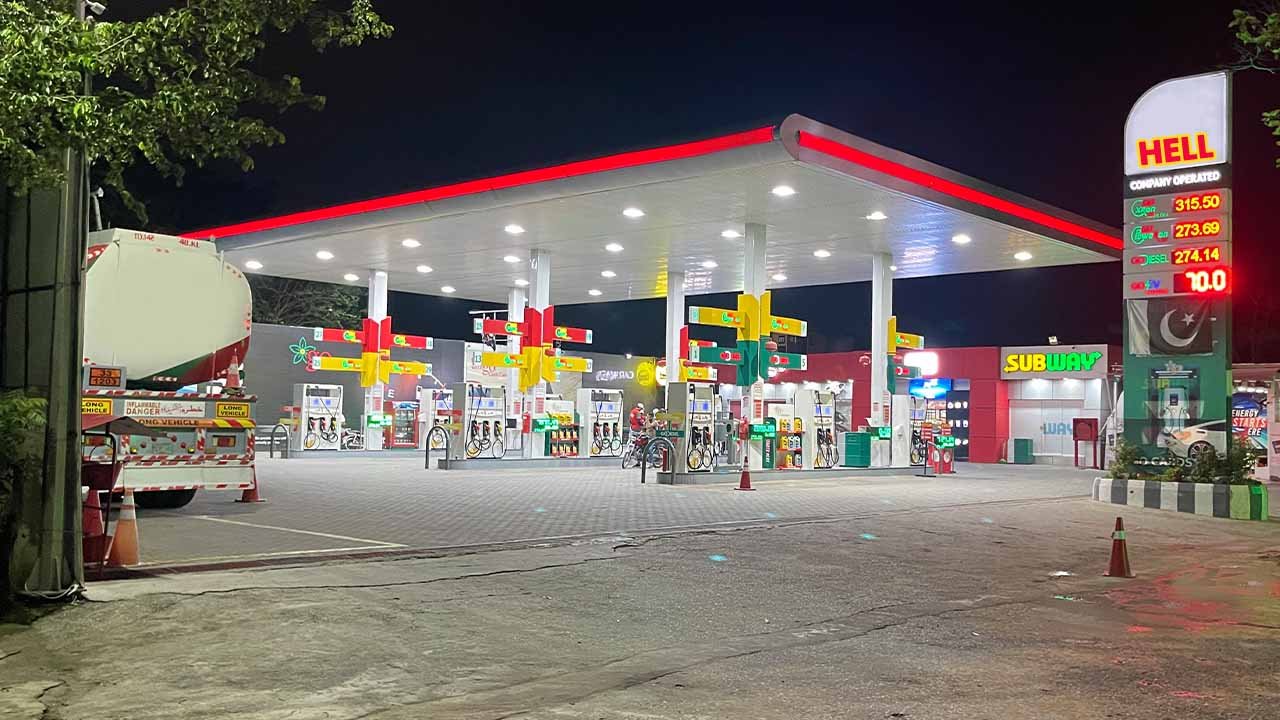
    The recalibrated rates indicate a decline in petrol prices to Rs267.34 per litre, while the diesel rate has seen a reduction of Rs13.50 per litre, now standing at Rs276.21 per litre, according to the Finance Division’s official statement.

    Furthermore, the cost of kerosene oil has been curtailed by Rs10.14 per litre, settling at Rs191.02, and light diesel oil is now priced at Rs164.64 per litre following a reduction of Rs11.29.

    This adjustment comes in response to the notable decrease in global oil prices over the past two weeks, a factor contributing to the anticipation of a downward trend in fuel prices during the fortnightly review.

    It’s imperative to note that the government undertakes a bi-weekly reassessment of petroleum product prices, aligning them with international market dynamics and the exchange rate of the rupee. This latest revision reflects a proactive approach by the authorities to mitigate the economic impact on the general populace.

  • Govt may cut petrol price by more than Rs10 per litre

    Govt may cut petrol price by more than Rs10 per litre

    The government is poised to provide significant relief by potentially reducing petrol and diesel prices by Rs13 and Rs15 per litre, respectively, in the upcoming fortnightly pricing update.

    This anticipated reduction is attributed to a noteworthy downturn in international petroleum and diesel prices over the past fortnight.

    The stability of the local currency at a weighted average of approximately PKR 284.33 per USD further contributes to this potential relief. 

    Current estimates as of December 2008 reveal a global decline in petrol and diesel prices by 5.44 per cent and 5.6 per cent, reaching $94.95 and $100.05 per barrel, respectively.

    As the next pricing update is still a week away, the future trajectory of these prices hinges on global market movements and exchange rate fluctuations. 

    Notably, in the preceding fortnight, the government maintained the petrol price at Rs281.34 while reducing the HSD price by Rs7 to Rs289.71 per litre.

  • Govt maintains petrol price at Rs281.34, cuts diesel price by Rs7 per litre 

    Govt maintains petrol price at Rs281.34, cuts diesel price by Rs7 per litre 

    On Thursday, the caretaker government announced its decision to maintain the current petrol price at Rs281.34 per litre while implementing a reduction of Rs7 per litre for high-speed diesel (HSD) for the upcoming two weeks. 

    As per the official notification from the finance ministry, the revised price for high-speed diesel will be Rs289.71 per litre starting on December 1. 

    Additionally, the prices for kerosene and light diesel oil have decreased by Rs3.82 and Rs4.52, respectively. 

    Following these adjustments, kerosene will now be priced at Rs201.16 per litre, and light diesel oil will be available at Rs175.93 per litre. 

    This decision comes in response to factors such as an IMF review and the recent global decline in oil prices. 

    Notably, the postponement of a ministerial meeting by Opec+ (the Organisation of the Petroleum Exporting Countries and allies, including Russia) to November 30 contributed to a midweek tumble in global oil prices. 

    Brent crude futures experienced a 0.4 per cent decline, down 37 cents to $80.21 per barrel, while US West Texas Intermediate (WTI) crude futures lost 0.4 per cent, down 29 cents to $75.25. 

  • State Bank of Pakistan maintains 22% policy rate in line with market consensus

    State Bank of Pakistan maintains 22% policy rate in line with market consensus

    Following the consensus in the broader market, the Monetary Policy Committee (MPC) of the State Bank of Pakistan (SBP) announced on Monday that it would maintain the key policy rate at 22 per cent, as stated in their press release.

    The Committee recognised that headline inflation, as expected, increased in September 2023 but anticipates a decline in October, followed by a sustained decrease, particularly in the latter half of the fiscal year.

    While the MPC acknowledged potential risks to the FY24 inflation outlook and the current account due to recent global oil price volatility and forthcoming gas tariff increases in November 2023, they also identified mitigating factors.

    These factors include targeted fiscal consolidation in the first quarter, enhanced availability of crucial commodities in the market, and the alignment of interbank and open market exchange rates.

    The MPC emphasised that the real policy rate, looking forward over a 12-month horizon, remains significantly positive.

    This is deemed appropriate to achieve the medium-term inflation target of 5-7 per cent by the end of FY25, contingent upon the sustained fiscal consolidation and timely realisation of planned external inflows, as articulated in the MPC statement.

  • Petrol price reduced by Rs8 to Rs323.38 per litre for two weeks

    Petrol price reduced by Rs8 to Rs323.38 per litre for two weeks

    In a noteworthy development aimed at alleviating concerns over inflation, the interim government has decided to implement a reduction in the prices of petroleum products for the upcoming two weeks.  

    As of October 1, 2023, the price of petrol will see a substantial decrease of Rs8 per litre, resulting in a new rate of Rs323.38. Additionally, a price reduction of Rs11 per litre has been announced for diesel, bringing the revised rate to Rs318.18 per litre. 

    This decision has been prompted by the strengthening of the Pakistani rupee and a global decrease in petroleum prices, as indicated by the Ministry of Finance in an official statement.  

    The Ministry stated, “In the wake of variations in international prices of petroleum products and the improvement in the exchange rate, the Government of Pakistan has decided to revise the consumer prices of petroleum products.” 

    Furthermore, the government has taken steps to lower the cost of kerosene oil by Rs7.53 per litre, establishing a new rate of 237.28, while light diesel oil will witness a reduction of Rs7.77 per litre, resulting in a price of 212.45 per litre. 

  • Petrol price increased to historic high of Rs305.36 per litre

    Petrol price increased to historic high of Rs305.36 per litre

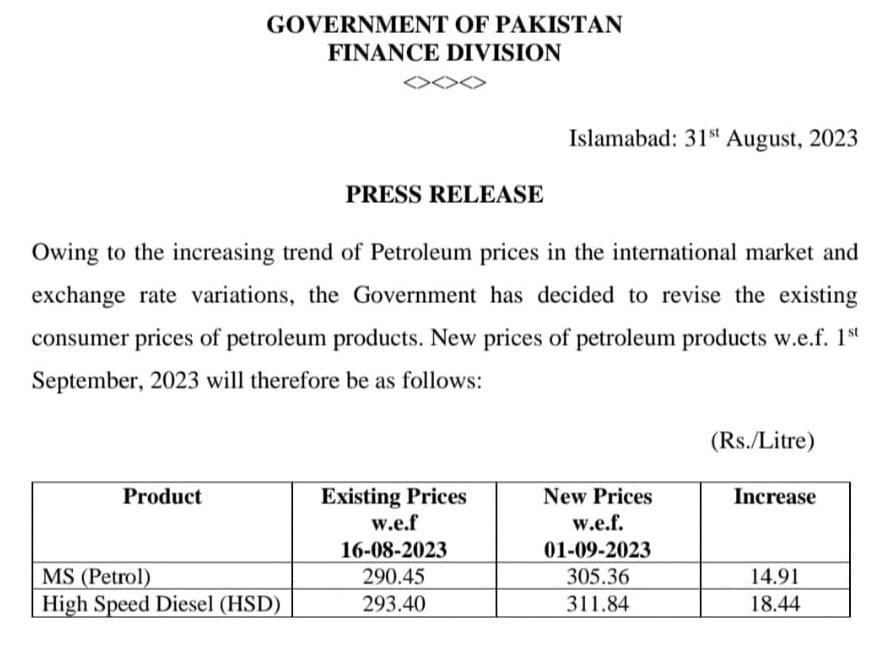
    For the first time in Pakistan’s history, the price of petrol has crossed the Rs300 mark due to a recent hike of Rs14.91. This brings the new petrol price to Rs305.36 per litre. The diesel price has also increased by Rs18.44, now at Rs311.84 per litre.

    The government has attributed these revisions to the upward trajectory of global petroleum prices and the consequential fluctuations in exchange rates.

    A statement issued by the finance ministry highlights that due to the escalating trend of petroleum prices in the international market and the subsequent shifts in exchange rates, the Government has opted to recalibrate the prevailing consumer prices of petroleum products.

    In the days ahead, the effects of these significantly heightened petrol and diesel prices will become evident. These price fluctuations are poised to have a substantial impact on individuals who rely on personal vehicles, such as bikes and cars, as well as those who depend on public transportation services.