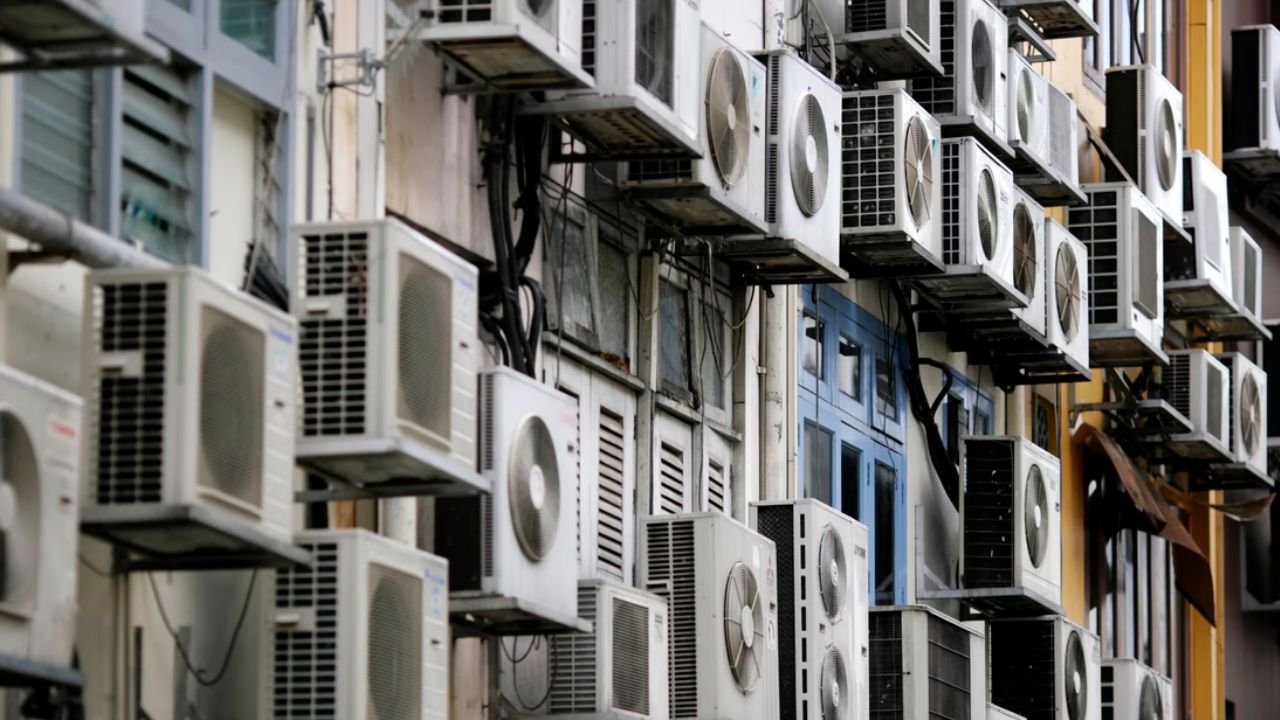
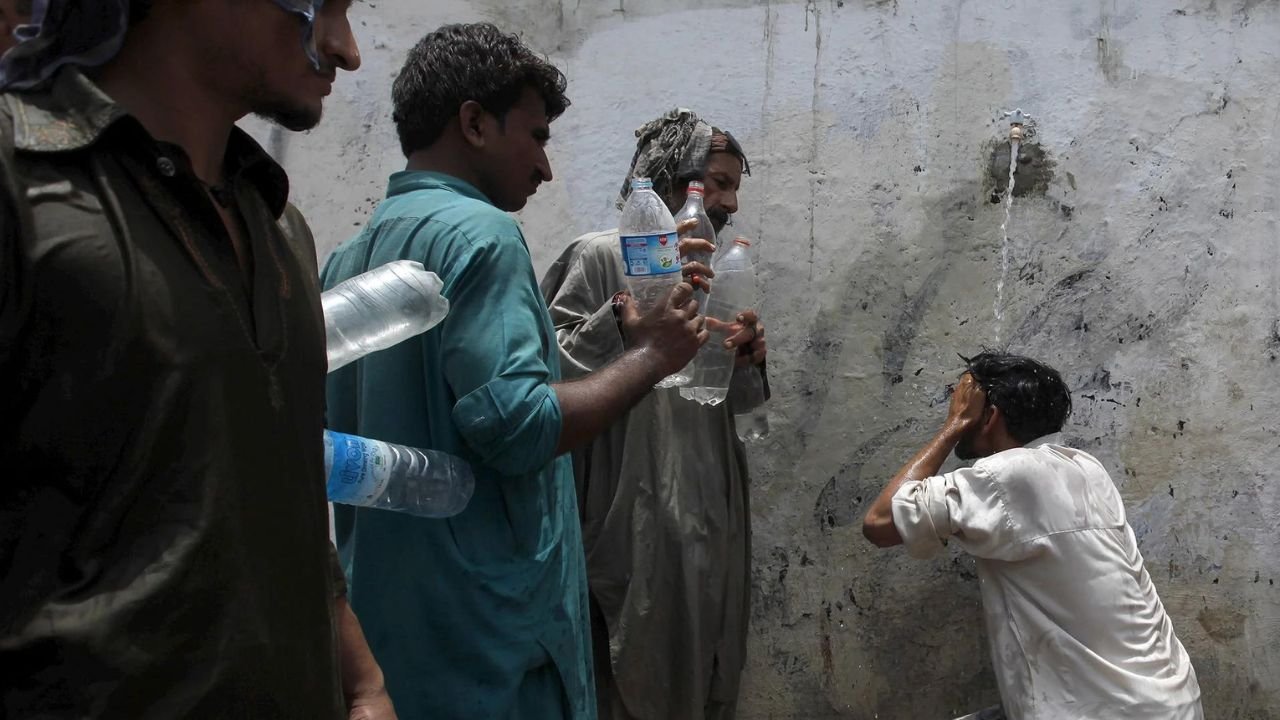
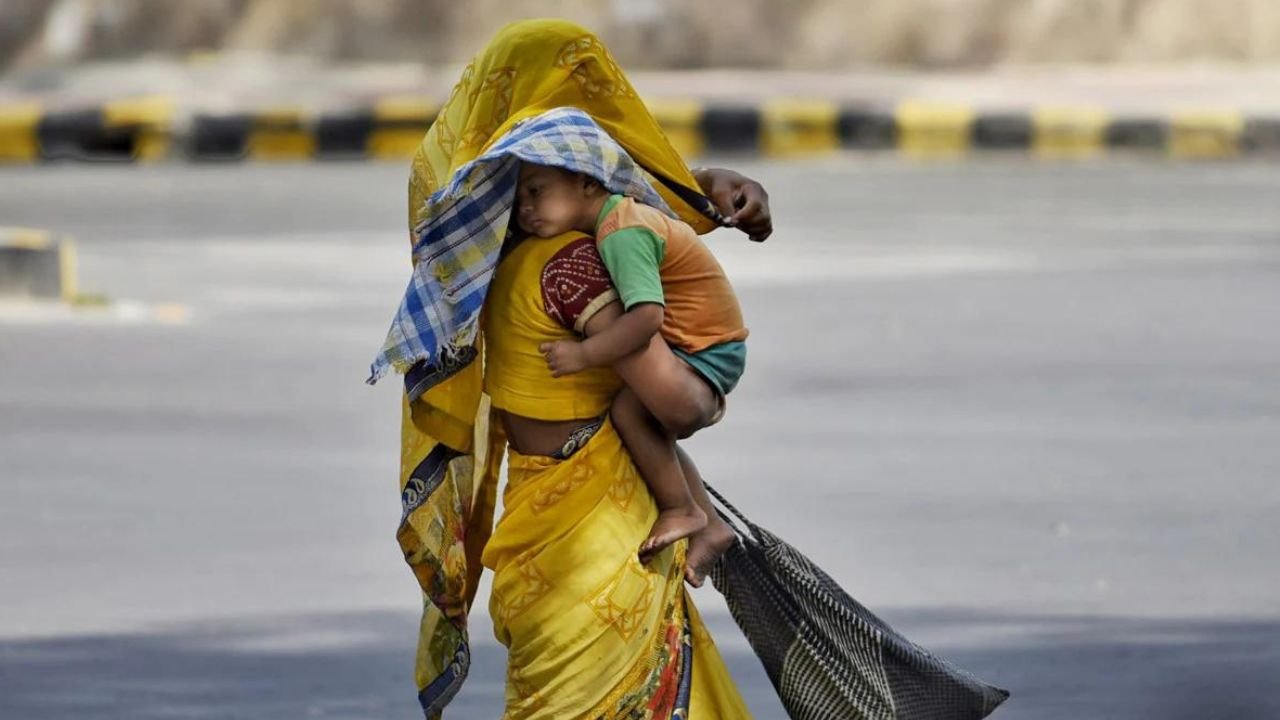
Experts warn that air conditioners, primarily used to beat the heat and cool rooms, are contributing to global warming by heating up the environment and increasing temperatures.
In cities where tree cover is decreasing, the number of air conditioners is rising.
Ecologists from the University of Agriculture explain that while ACs cool indoor spaces, they simultaneously heat the outdoor environment, leading to higher temperatures.
ACs can raise outdoor temperatures by as much as 60 to 80 degrees Celsius in extreme conditions and has reportedly caused temperatures to rise by half a degree Celsius over the past century.
Experts further warn that continued proliferation of air conditioners to cool environments could irreversibly damage natural ecosystems.
Instead of disregarding environmental warnings, experts urge increasing urban tree cover as a sustainable alternative to cooling the environment without exacerbating global warming.
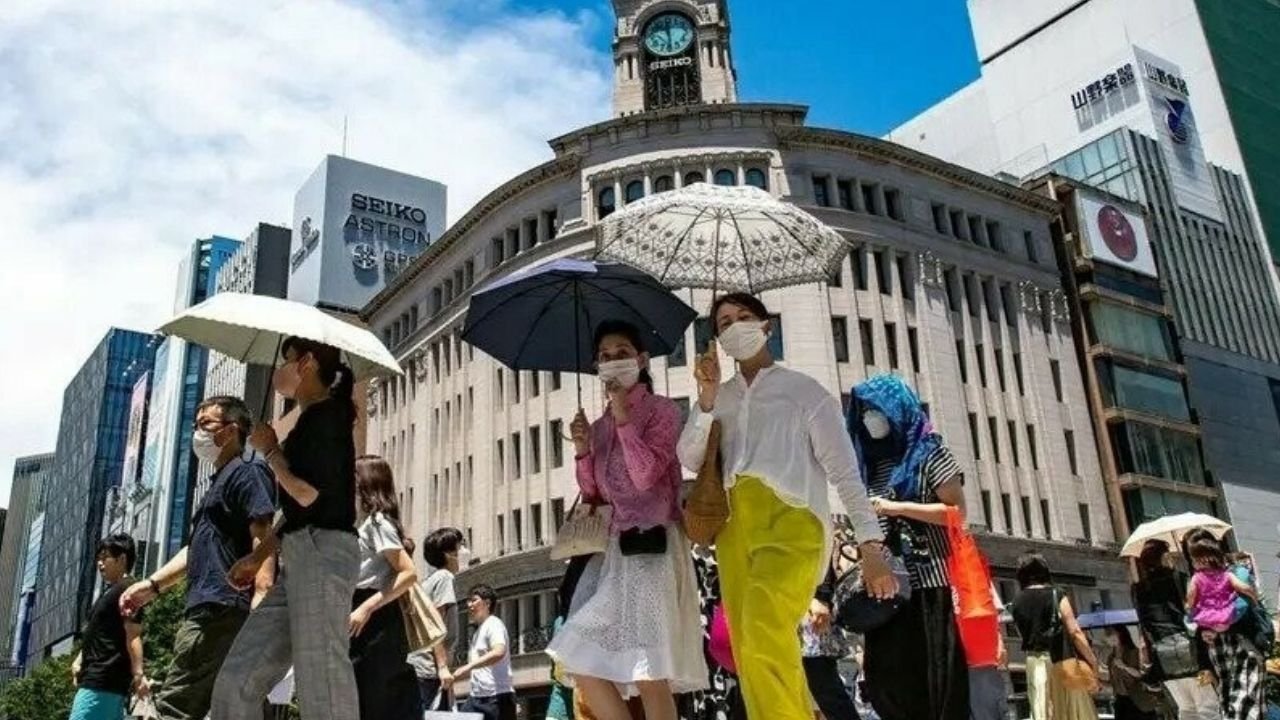
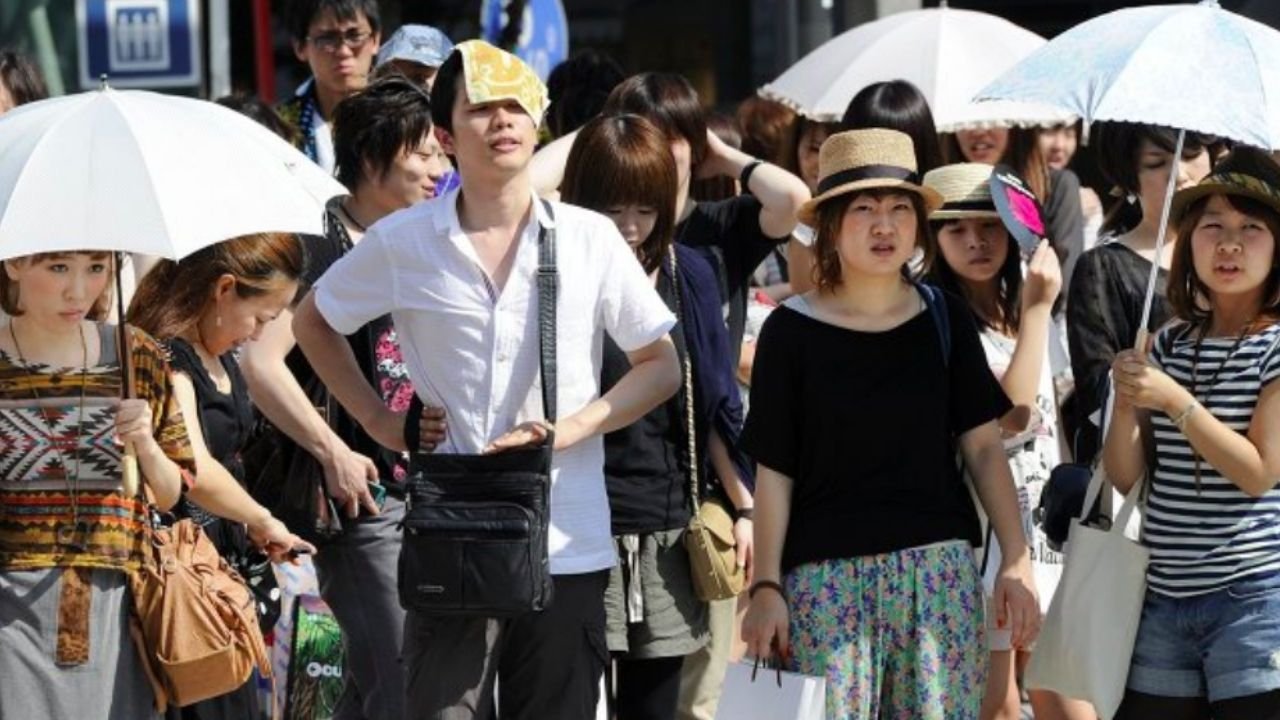
Six people have died of heatstroke in Tokyo as Japan swelters under a rare rainy season heatwave, prompting authorities to issue a flurry of health warnings.
Over the weekend, the central Shizuoka region became the first in Japan to see the mercury reach 40 degrees Celsius (104 Fahrenheit) this year, far surpassing the 35-degree threshold classified by weather officials as “extremely hot”.
Such severe heat in the middle of Japan’s rainy season is “rather rare”, caused in part by a strong South Pacific high-pressure system, a weather agency official told AFP.
Temperatures also hit record highs near 40 degrees Celsius on Monday at observation posts in Tokyo and in the southern Wakayama region, according to local media.
The past few days, authorities have issued heatstroke alerts in much of the country, urging residents to avoid exercising outside and to use air conditioning.
The capital logged three deaths linked to heatstroke on Saturday and three more on Monday, when the mercury hovered around 35 degrees Celsius at midday, according to the city’s medical examination office.
“Without the AC on, I find it difficult to survive,” Tokyo resident Sumiko Yamamoto, 75, told AFP, adding she feels “it’s gotten drastically hotter” since last year.
“Through the advice given on TV, I try to stay hydrated as much as possible. Because I’m old, I’m being careful not to collapse,” she said.
Heatstroke is particularly deadly in Japan, which has the second-oldest population in the world after Monaco.
Yamamoto’s age puts her in the demographic flagged by health experts as particularly vulnerable to heatstroke, along with infants and those living alone or who are too poor to afford air conditioning.
The Japanese Association for Acute Medicine on Monday warned of the rising death toll from heat exhaustion nationwide, which grew from just a few hundred per year two decades ago to around 1,500 in 2022.
The sheer number of fatalities suggests that heatstroke now poses a danger on par with that of “a major natural disaster”, the group said, warning against non-essential outings.
Tokyo business executive Mikio Nakahara, 67, says the difference between Tokyo 50 years ago and now is stark.
“Tokyo wasn’t as hot as it is now,” he told AFP.
But these days, “I try to work remotely as much as possible so I don’t have to go outside.”
With ever-hotter summers becoming the norm around the world, tourists like Ainhoa Sanchez, 29, aren’t too surprised by Tokyo’s temperatures.
“So the plan is going sightseeing a little bit. Drinking a lot of liquids. Maybe when we get too hot, we can get into a shop, look around, chill a bit and then go back to the street,” she told AFP.
Karachi Cattle Farms Association spokesperson Shabir Dar has reported that 150 animals have died in a span of three days as temperatures increase in the coastal city, Samaa news has reports.
Cattle farmers are facing financial losses as timely treatment remains elusive.
Shabir Dar emphasised that despite the challenges, including the absence of veterinary doctors from the livestock department, it is crucial for the department to ensure the supply of care and medicines.
Yesterday, following the mercury hitting 41 degrees Celsius in Karachi, concerns among residents escalated. Over the past four days, more than 70 people affected by extreme heat sought treatment at Civil and Jinnah Hospitals.
Dr. Nizam, AMS Civil Hospital, reported that 67 heat-affected individuals were admitted to the emergency room, predominantly elderly or those suffering from various illnesses.
Chief Meteorologist Sardar Sarfraz has forecast a partial heatwave in Karachi for the next two days, attributing the intensified heat to changing winds. Temperatures are expected to decrease after two days, with monsoon rains likely starting in the first week of July.
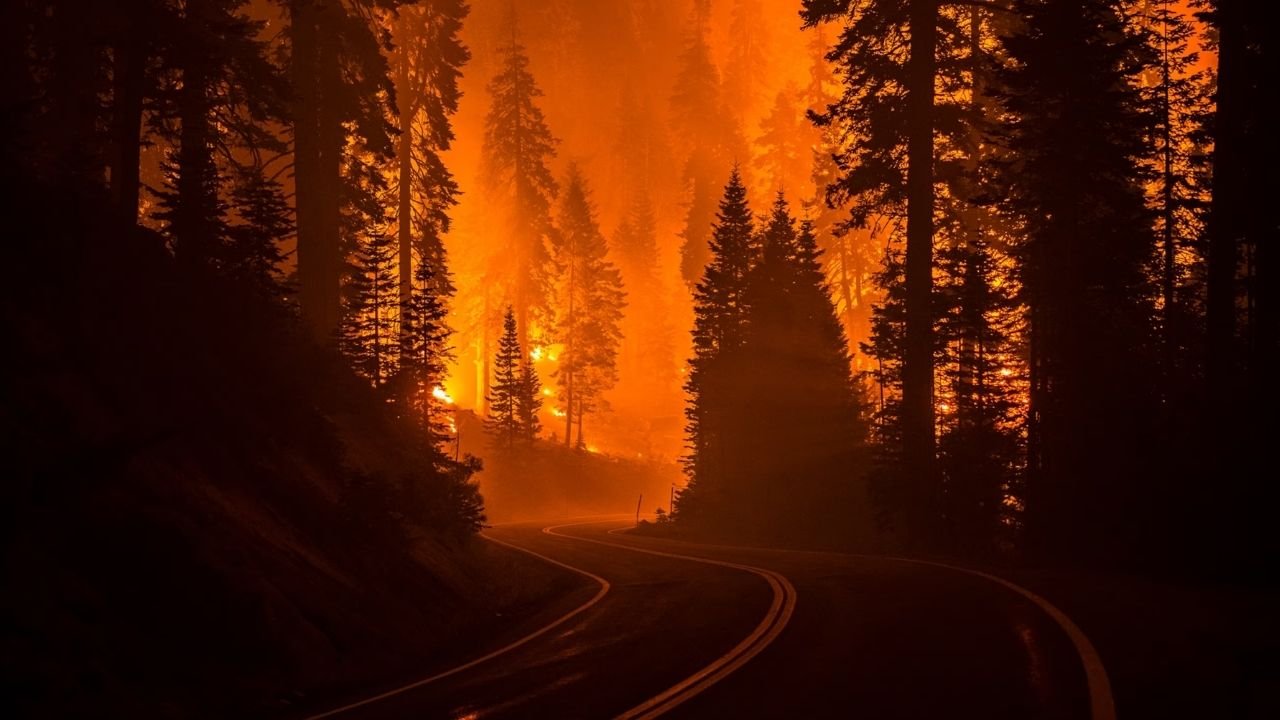
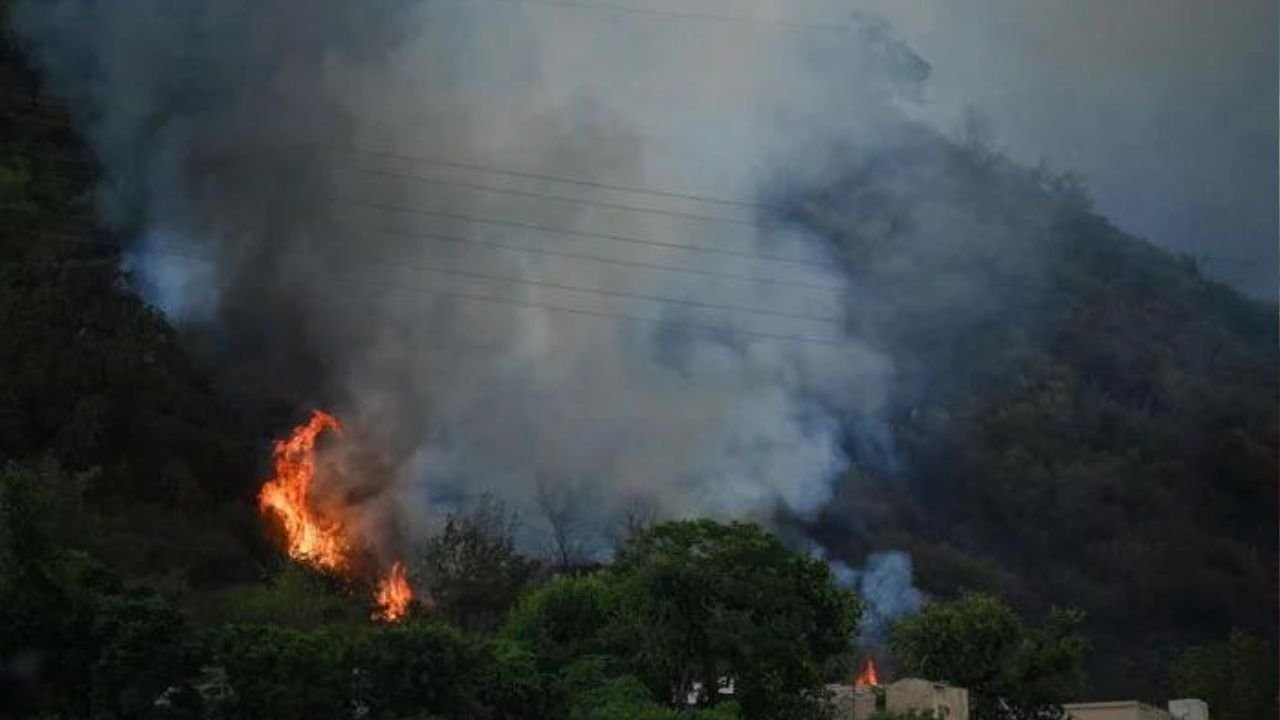
The world is unprepared for the increasing ferocity of wildfires turbocharged by climate change, scientists say, as blazes from North America to Europe greet the northern hemisphere summer in the hottest year on record.
Wildfires have already burned swathes through Turkey, Canada, Greece and the United States early this season as extreme heatwaves push temperatures to scorching highs.
While extra resources have been poured into improving firefighting in recent years, experts said the same was not true for planning and preparing for such disasters.
“We are still actually catching up with the situation,” said Stefan Doerr, director of the Centre for Wildfire Research at the UK’s Swansea University.
Predicting how bad any one blaze will be — or where and when it will strike — can be challenging, with many factors including local weather conditions playing into calculations.
But overall, wildfires are getting larger and burning more severely, said Doerr, who co-authored a recent paper examining the frequency and intensity of such extreme events.
A separate study published in June found the frequency and magnitude of extreme wildfires appeared to have doubled over the past 20 years.
By the end of the century, the number of extreme wildfires around the globe is tipped to rise 50 percent, according to a 2022 report by the UN Environment Programme.
Doerr said humanity had not yet faced up to this reality.
“We’re clearly not well enough prepared for the situation that we’re facing now,” he said.
Climate change is a major driver, though other factors such as land use and the location of housing developments play a big part.
Fires do not respect borders so responses have evolved between governments to jointly confront these disasters, said Jesus San-Miguel, an expert for the European Commission Joint Research Centre.
The EU has a strong model of resource sharing, and even countries outside the bloc along the Mediterranean have benefited from firefighting equipment or financial help in times of need, San-Miguel said.
But as wildfires become increasingly extreme, firefighting simply won’t be a fix.
“We get feedback from our colleagues in civil protection who say, ‘We cannot fight the fires. The water evaporates before it reaches the ground,’” San-Miguel said.
Wildfires have already burned swathes through Turkey as extreme heatwaves push temperatures to scorching highsMahmut BOZARSLAN
“Prevention is something we need to work on more,” he added.
Controlled burns, grazing livestock, or mechanised vegetation removal are all effective ways to limit the amount of burnable fuel covering the forest floor, said Rory Hadden from the University of Edinburgh.
Campfire bans and establishing roads as firebreaks can all be effective in reducing starts and minimising spread, said Hadden, an expert on fire safety and engineering.
But such efforts require funding and planning from governments that may have other priorities and cash-strapped budgets, and the return is not always immediately evident.
“Whatever method or technique you’re using to manage a landscape… the result of that investment is nothing happens, so it’s a very weird psychological thing. The success is: well, nothing happened,” said Hadden.
Local organisations and residents often take the lead in removing vegetation in the area immediately around their homes and communities.
But not everyone is prepared to accept their neighbourhood might be at risk.
‘People don’t think that it will happen to them, but it eventually will,’ fire expert Jesus San-Miguel saidETIENNE TORBEY
“People don’t think that it will happen to them, but it eventually will,” San-Miguel said, pointing to historically cold or wet climates like the US Pacific Northwest that have witnessed major fires in recent years.
Canada has adapted to a new normal of high latitude wildfires, while some countries in Scandinavia are preparing for ever-greater fire risk.
But how best to address the threat remains an open question, said Guillermo Rein from Imperial College London, even in places where fire has long been part of the landscape.
Even in locations freshly scarred by fire, the clearest lessons are sometimes not carried forward.
“People have very short memories for wildfires,” said Rein, a fire science expert.
In July 2022, London witnessed its worst single day of wildfires since the bombings of World War II, yet by year’s end only academics were still talking about how to best prepare for the future.
“While the wildfires are happening, everybody’s asking questions… When they disappear, within a year, people forget about it,” he said.
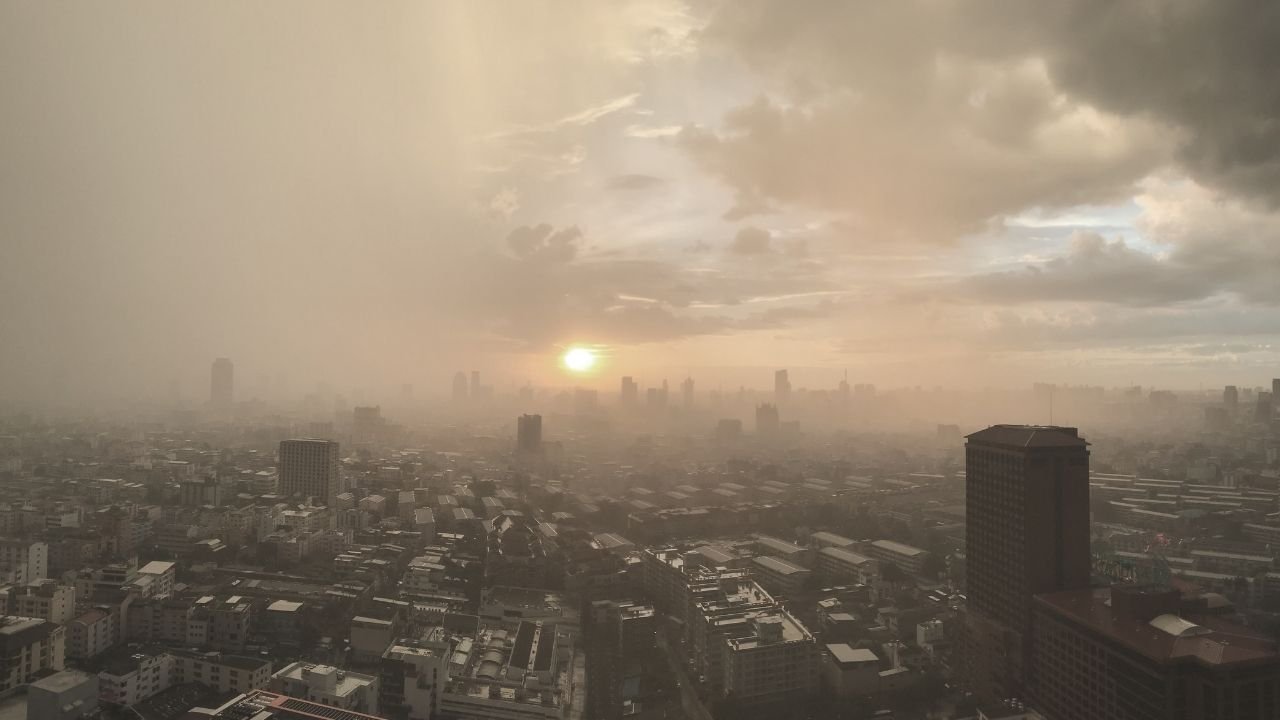
Pollution from man-made emissions and other sources like wildfires have been linked to around 135 million premature deaths worldwide between 1980 and 2020, a Singapore university said Monday.
Weather phenomena like El Nino and the Indian Ocean Dipole worsened the effects of these pollutants by intensifying their concentration in the air, Singapore’s Nanyang Technological University (NTU) said, unveiling the results of a study led by its researchers.
The tiny particles called particulate matter 2.5, or “PM 2.5”, are harmful to human health when inhaled because they are small enough to enter the bloodstream. They come from vehicle and industrial emissions as well as natural sources like fires and dust storms.
The fine particulate matter “was associated with approximately 135 million premature deaths globally” from 1980 to 2020, the university said in a statement on the study, published in the journal Environment International.
It found that people were dying younger than the average life expectancy from diseases or conditions that could have been treated or prevented, including stroke, heart and lung disease, and cancer.
Weather patterns increased the deaths by 14 percent, the study found.
Asia had the “highest number of premature deaths attributable to PM 2.5 pollution” at more than 98 million people, mostly in China and India, the university said.
Pakistan, Bangladesh, Indonesia and Japan also had significant numbers of premature deaths, ranging from 2 to 5 million people, it added.
The study is one of the most expansive to date on air quality and climate, using 40 years of data to give a big-picture view of the effects of particulate matter on health.
“Our findings show that changes in climate patterns can make air pollution worse,” said Steve Yim, an associate professor at NTU’s Asian School of the Environment, who led the study.
“When certain climate events happen, like El Nino, pollution levels can go up, which means more people might die prematurely because of PM 2.5 pollution,” Yim added.
“This highlights the need to understand and account for these climate patterns when tackling air pollution to protect the health of the global population.”
The Singapore researchers studied satellite data from the US National Aeronautics and Space Administration (NASA) on the levels of particulate matter in the Earth’s atmosphere.
They analysed statistics on deaths from diseases linked to pollution from the US-based Institute for Health Metrics and Evaluation, an independent research centre.
Information on weather patterns during the period was taken from the National Oceanic and Atmospheric Administration in the United States.
The study focused only on the effects of ordinary weather patterns on air pollution, Yim said, adding that the impact of climate change will be the subject of future studies.
Researchers from universities in Hong Kong, Britain and China were also involved in the study.
The World Health Organization has said the “combined effects of ambient air pollution and household air pollution” are associated with 6.7 million premature deaths worldwide every year.
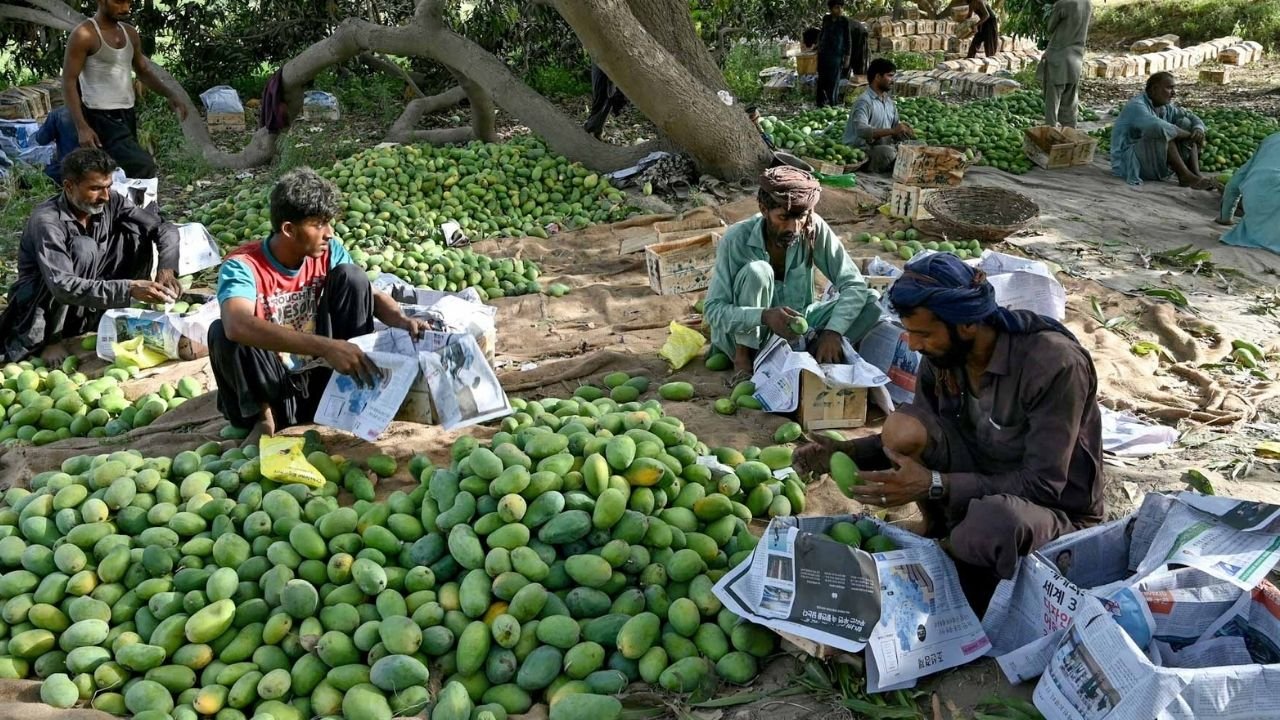
Pakistan’s mangoes are normally a source of national pride and much-needed income, but farmers are blaming climate change for the parasites and extreme weather ruining much of this season’s crop.
A white and orange scarf wrapped around his head in the scorching heat, farmer Muhammad Yusuf lamented the erratic weather.
An abnormally long winter was followed by the wettest April in decades, while the country is now experiencing a heatwave with temperatures hitting up to 52 degrees Celsius (126 degrees Fahrenheit).
“Buds didn’t flower on time, many buds just died. Those that started growing were infected with (parasite) black hopper,” said Yusuf, who has worked half his life growing mangoes.
Now over 60 years old, Yusuf said “climate change has wreaked havoc” in his village of Tando Allahyar, around 200 kilometres (124 miles) northeast of economic hub Karachi.
Pakistan is the world’s fourth-largest mango producer and agriculture accounts for almost a quarter of its GDP.
Further south in Tando Ghulam Ali, Arsalan, who manages a 900-acre mango orchard, noticed the damage as soon as the harvest started this week.
“We have production losses of 15 to 20 percent, and the picking has only just started so this figure will surely increase,” said the 32-year-old.
Exports will be slashed as a result warned Arsalan, who goes by one name.
“The mangoes turn yellow from the outside but remain underripe or overripe inside,” he explained.
Ziaul Haq, a mango grower and exporter from Tando Ghulam Ali, said the “many attacks on fruit” by pests were unprecedented.
“This, in our history, has never happened before,” he told AFP.
‘Feed our families’
The proliferation of parasites has led to an explosion in spending on pesticides.
This uptick was confirmed by several farmers in Sindh province, where Tando Allahyar and Tando Ghulam Ali are located, as well as those in the leading agricultural province of Punjab further north.
They told AFP that chemicals are now used six to seven times per year, compared to just twice three years ago.
Farmers in Sindh said they have been struggling since 2022 when a series of severe heatwaves were followed by unprecedented flooding, while those in Punjab said the declining crops yields date back several years more.
“The losses in Punjab reached 35 to 50 percent and in Sindh, 15 to 20 percent” compared to last year, said Waheed Ahmed, head of the Pakistan Federation of Fruit and Vegetable Exporters Association (PFVA).
Speaking to local media, he said that last year Pakistan had only managed to export 100,000 of the 125,000 tonnes of mangoes it planned to sell abroad.
Pakistan’s 20 varieties of mangoes come second only to oranges as the most-produced fruit in the country.
The income loss from a poor harvest could have a significant impact on the country, which is in talks to secure a loan from the International Monetary Fund (IMF).
Mashooq Ali, a 30-year-old labourer in Tando Ghulam Ali, wants the government to help farmers cope.
“Landowners will earn less this year,” said Ali, whose wife has started trading clothes to earn extra cash.
“And even if they paid us as much as last year, with inflation, we won’t be able to feed our families.”
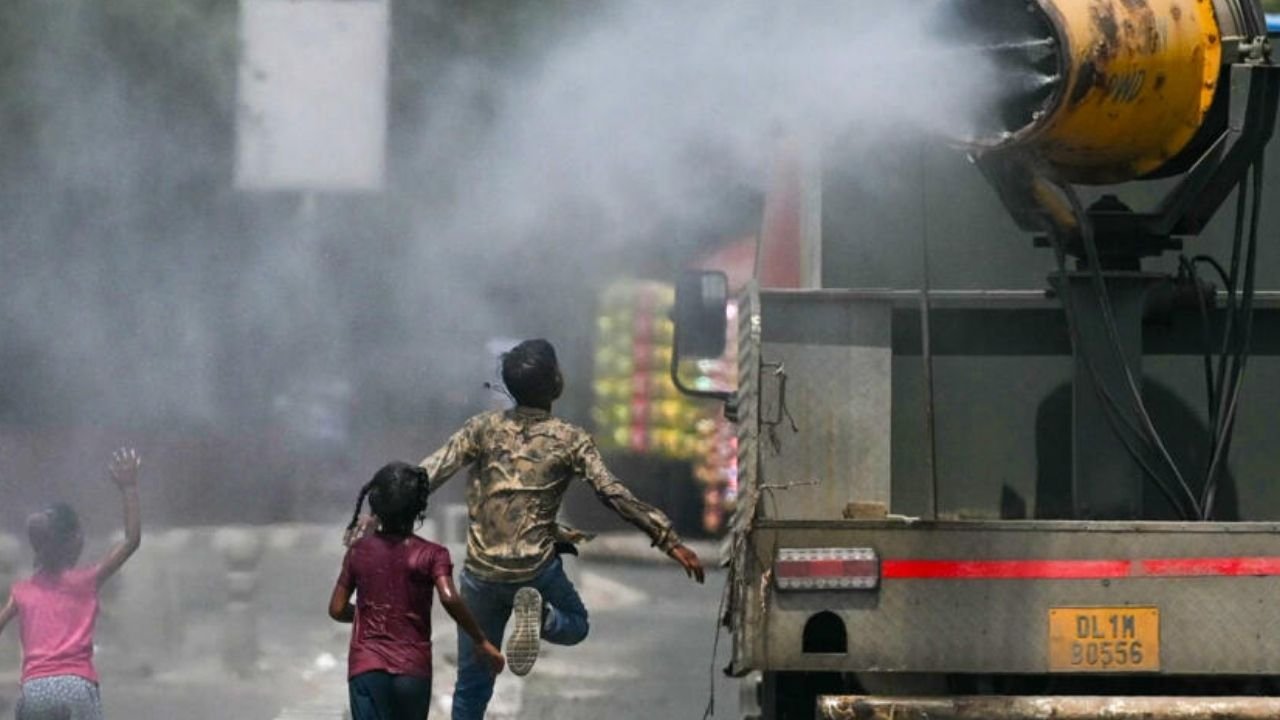
New Delhi (AFP) – Temperatures in India’s capital have soared to a record-high 49.9 degrees Celsius (121.8 Fahrenheit) as authorities warn of water shortages in the sprawling mega-city.
The India Meteorological Department (IMD), which reported “severe heat-wave conditions”, recorded the temperatures on Tuesday at two Delhi suburbs stations at Narela and Mungeshpur.
The weather bureau said the temperatures were nine degrees higher than expected.
Forecasters predict similar temperatures Wednesday for the city of more than 30 million people, issuing a red alert warning notice for people to take care.
In May 2022, parts of Delhi hit 49.2 degrees Celsius (120.5 Fahrenheit), Indian media reported at the time.
India is no stranger to searing summer temperatures.
But years of scientific research have found climate change is causing heatwaves to become longer, more frequent and more intense.
‘Water scarcity’
New Delhi authorities have also warned of the risk of water shortages as the capital swelters in headache-inducing heat — cutting supplies to some areas.
Water Minister Atishi Marlena has called for “collective responsibility” in stopping wasteful water use, the Times of India newspaper reported Wednesday.
“To address the problem of water scarcity, we have taken a slew of measures such as reducing water supply from twice a day to once a day in many areas,” Atishi said, the Indian Express reported.
“The water thus saved will be rationed and supplied to the water-deficient areas where supply lasts only 15 to 20 minutes a day,” she added.
The IMD warned of the heat’s impact on health, especially for infants, the elderly and those with chronic diseases.
Many blame the soaring temperatures on scorching winds from Rajasthan state, where temperatures on Tuesday were the hottest in the country, at 50.5 degrees Celsius.
Rajasthan’s desert region of Phalodi holds the country’s all-time heat record, hitting 51 degrees Celsius in 2016.
At the same time, West Bengal state and the northeastern state of Mizoram have been struck by gales and lashing rains from Cyclone Remal, which hit India and Bangladesh on Sunday, killing more than 38 people.
Bangladesh’s Meteorological Department said the cyclone was “one of longest in the country’s history”, blaming climate change for the shift.
The Meteorological Department has explained the reason behind the ongoing heatwave in Pakistan.
Most of the plain areas of the country will continue to be affected by extreme heat in the coming days, while this week in Karachi, temperature is likely to reach 42 degrees Celsius.
But why is heatwave so severe in Pakistan?
According to the Department of Meteorology, the phenomenon has stemmed from the combination of meteorological and environmental factors.
To sum it up, high air pressure in the upper atmosphere and the presence of limited clouds lead to heatwaves.
This year, scorching heat across the country broke yet another record, with Mohenjo-Daro being the hottest city in the country at 53 degrees on Sunday.
Indian authorities in the capital have ordered schools shut early for the summer holiday, after temperatures hit 47.4 degrees Celsius (117 degrees Fahrenheit) with Delhi gripped by a “severe heatwave”.
Delhi city officials asked schools to shut with “immediate effect” due to the blistering heat, according to a government order quoted by the Hindustan Times Tuesday, cutting short the term by a few days.
India’s weather bureau has warned of “severe heatwave conditions” this week, with the mercury reaching the sizzling peak of 47.4 degrees Celsius in Delhi’s Najafgarh suburb on Monday, the hottest temperature countrywide.
Authorities in other states — including Haryana, Madhya Pradesh, Punjab and Rajasthan — have also ordered schools close, Indian Today reported.
India is no stranger to searing summer temperatures.
But years of scientific research have found climate change is causing heatwaves to become longer, more frequent and more intense.
The Indian Meteorological Department warned of the impact of the heat on the health especially for infants, the elderly and those with chronic diseases.
In May 2022, parts of Delhi hit 49.2 degrees Celsius (120.5 Fahrenheit), Indian media reported at the time.
The next round of voting in India’s six-week-long election takes place on Saturday, including in Delhi.
Turnout in voting has dipped, with analysts suggesting the hotter-than-average weather is a factor — as well as the widespread expectation that Prime Minister Narendra Modi will easily win a third term.
India’s election commission has formed a task force to review the impact of heatwaves and humidity before each round of voting.
At the same time, India’s southern states including Tamil Nadu and Kerala have been lashed by heavy rains over the past few days.
Severe storms also hit parts of the country last week, including in the financial capital Mumbai, where strong winds flattened a giant billboard that killed 16 people and left dozens more trapped.