Tag: global warming

  • Flash floods kill 50 in western Afghanistan

    Flash floods kill 50 in western Afghanistan

    Flash flooding has killed at least 50 people in western Afghanistan, provincial police said Saturday, a week after hundreds were washed away in the north of the country.

    The floods on Friday also destroyed about 2,000 houses, and damaged thousands more homes and businesses, Ghor police spokesman Abdul Rahman Badri said in a statement.

    The fresh flooding in the country — which is highly vulnerable to climate change — comes as survivors of the May 10 flash floods in northern Baghlan province continue to search for missing relatives.

    “Fifty residents of Ghor province were killed by the floods on Friday and a number of others are missing,” Badri said.

    “These terrible floods have also killed thousands of cattle… They have destroyed hundreds of hectares of agricultural land, hundreds of bridges and culverts, and destroyed thousands of trees,” he added.

    Major roads into and within the province were blocked.

    Abu Obaidullah, the head of the province’s disaster management department, said it was an “emergency situation”.

    The floods hit several districts in the province, including the capital Chaghcharan, where the streets “are full of mud”, Obaidullah said.

    “The situation is really concerning,” he told AFP, adding that victims were in need of shelter, food and water.

    ‘Exceptionally vulnerable’

    The UN’s World Food Programme (WFP) and Taliban officials said more than 300 people died as a result of the flood disaster earlier this month that left homes and roads coated in thick mud.

    The destruction of roads and bridges hampered rescue efforts, with United Nations agencies and Taliban authorities warning the death tolls would rise.

    Afghanistan, which is “exceptionally vulnerable to flooding” has seen above-average rainfall this spring, Mohammad Assem Mayar, a water resource management expert, said in a recent Afghanistan Analysts Network report.

    From mid-April to early May, flash flooding and other floods had left about 100 people dead in 10 of Afghanistan’s provinces, authorities said.

    Farmland has been swamped in a country where 80 percent of the more than 40 million people depend on agriculture to survive.

    The rains come after prolonged drought in Afghanistan, which is one of the least prepared nations to tackle climate change impacts, according to experts.

    The country, ravaged by four decades of war, is also one of the world’s poorest.

    The WFP warned that the recent floods have compounded an already dire humanitarian situation.

    str-sw/ecl/sco

    © Agence France-Presse
  • Brace yourselves for another heatwave, more heavy rains

    Brace yourselves for another heatwave, more heavy rains

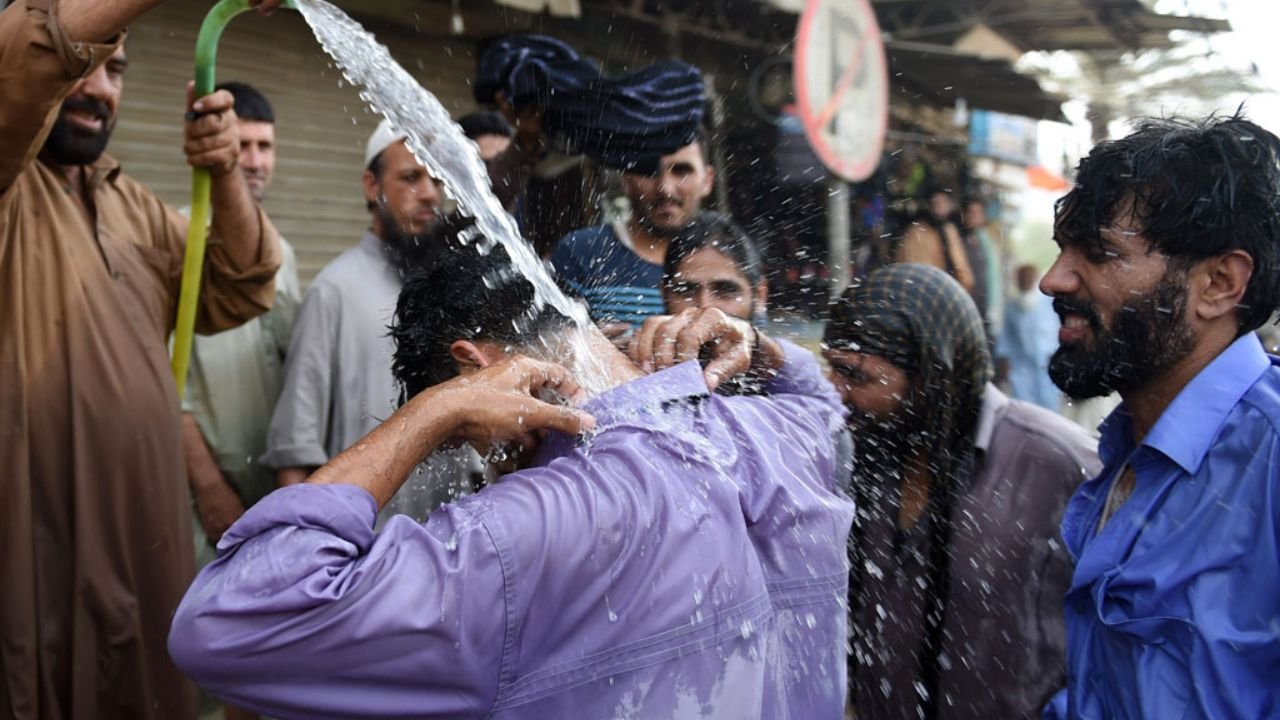
    The Meteorological Department has warned that with a heatwave taking over, temperatures are likely to increase across Pakistan.

    The weather will be hot and dry in most parts of the country this week, while it will be even hotter in the southern regions.

    The heat intensity has not yet peaked due to rains in April and May in Islamabad, but the coming days are going to be very hot.

    Geo reports that the Director General of the Department of Meteorology Mehr Sahibzad Khan stated that more-than-normal rains will be recorded in Pakistan this year, which is likely to affect Sindh and Balochistan the most.

    Meteorologists have also advised citizens to cover their heads and drink plenty of water to avoid heat waves.

  • Hotter, drier, sicker? How a changing planet drives disease

    Hotter, drier, sicker? How a changing planet drives disease

    Bangkok (AFP) – Humans have made our planet warmer, more polluted and ever less hospitable to many species, and these changes are driving the spread of infectious disease.

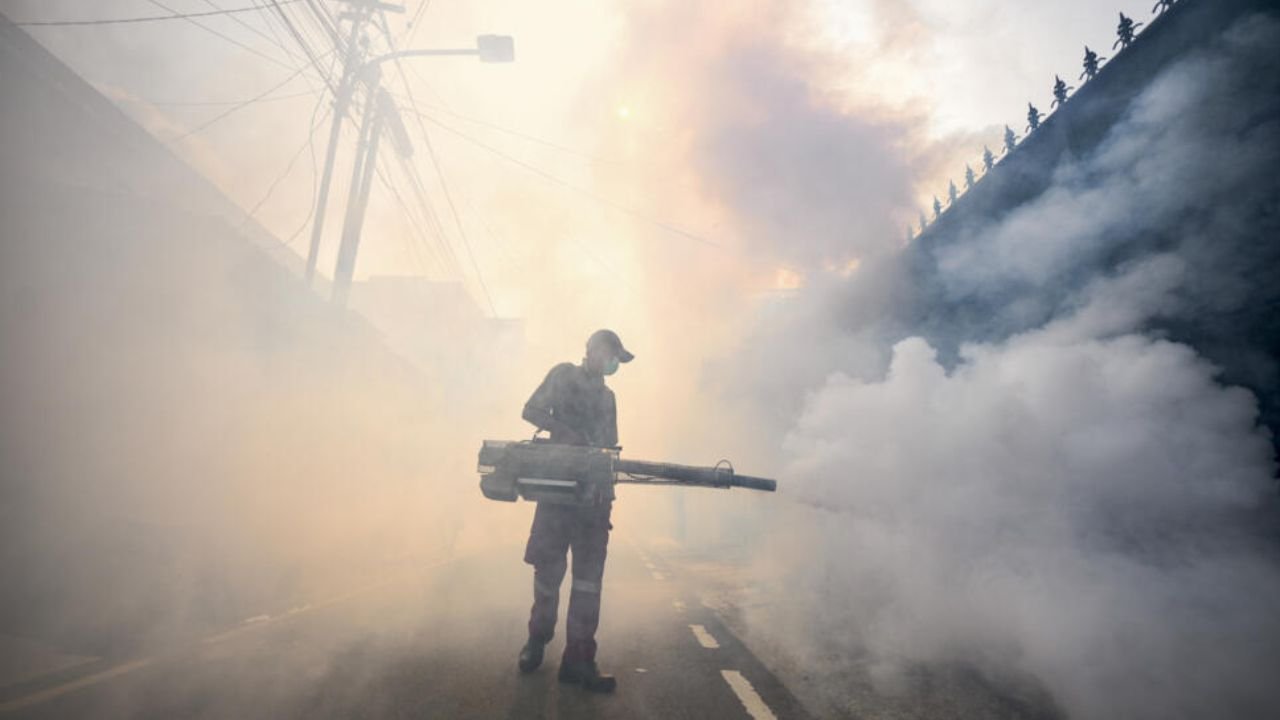
    Warmer, wetter climates can expand the range of vector species like mosquitos, while habitat loss can push disease-carrying animals into closer contact with humans.

    New research reveals how complex the effects are, with our impact on the climate and planet turbocharging some diseases and changing transmission patterns for others.

    Biodiversity loss appears to play an outsize role in increasing infectious disease, according to work published in the journal Nature this week.

    It analysed nearly 3,000 datasets from existing studies to see how biodiversity loss, climate change, chemical pollution, habitat loss or change, and species introduction affect infectious disease in humans, animals and plants.

    It found biodiversity loss was by far the biggest driver, followed by climate change and the introduction of novel species.

    Parasites target species that are more abundant and offer more potential hosts, explained senior author Jason Rohr, a professor of biological sciences at the University of Notre Dame.

    And species with large populations are more likely to “be investing in growth, reproduction and dispersal, at the expense of defences against parasites”, he told AFP.

    But rarer species with more resistance are vulnerable to biodiversity loss, leaving us with “more abundant, parasite-competent hosts”.

    The warmer weather produced by climate change offers new habitats for disease vectors, as well as longer reproductive seasons.

    “If there are more generations of parasites or vectors, then there can be more disease,” Rohr said.

    Shifting transmission

    Not all human adaptation of the planet increases infectious disease, however.

    Habitat loss or change was associated with a drop in infectious disease, largely because of the sanitary improvements that come with urbanisation, like running water and sewage systems.

    Climate change’s effects on disease are also not uniform across the globe.

    In tropical climates, warmer, wetter weather is driving an explosion in dengue fever.

    But drier conditions in Africa may shrink the areas where malaria is transmitted in coming decades.

    Research published in the journal Science this week modelled the interaction between climate change, rainfall and hydrological processes like evaporation and how quickly water sinks into the ground.

    It predicts a larger decline in areas suitable for disease transmission than forecasts based on rainfall alone, with the decline starting from 2025.

    It also finds the malaria season in parts of Africa could be four months shorter than previously estimated.

    The findings are not necessarily all good news, cautioned lead author Mark Smith, an associate professor of water research at the University of Leeds.

    “The location of areas suitable for malaria will shift,” he told AFP, with Ethiopia’s highlands among the regions likely to be newly affected.

    People in those regions may be more vulnerable because they have not been exposed.

    And populations are forecast to grow rapidly in areas where malaria will remain or become transmissible, so the overall incidence of the disease could increase.

    Predicting and preparing

    Smith warned that conditions too harsh for malaria may also be too harsh for us.

    “The change in water availability for drinking or agriculture could be very serious indeed.”

    The links between climate and infectious disease mean climate modelling can help predict outbreaks.

    Local temperature and rainfall forecasts are already used to predict dengue upticks, but they offer a short lead-time and can be unreliable.

    One alternative might be the Indian Ocean basin-wide index (IOBW), which measures the regional average of sea-surface temperature anomalies in the Indian Ocean.

    Research also published in Science this week looked at dengue data from 46 countries over three decades and found a close correlation between the IOBW’s fluctuations and outbreaks in the northern and southern hemispheres.

    The study was retrospective, so the IOBW’s predictive power has not yet been tested.

    But monitoring it could help officials better prepare for outbreaks of a disease that is a major public health concern.

    Ultimately, however, addressing increasing infectious disease means addressing climate change, said Rohr.

    Research suggests “that disease increases in response to climate change will be consistent and widespread, further stressing the need for reductions in greenhouse gas emissions”, he said.

  • Floods misery reminder of changing climate’s role in supercharging rain

    Floods misery reminder of changing climate’s role in supercharging rain

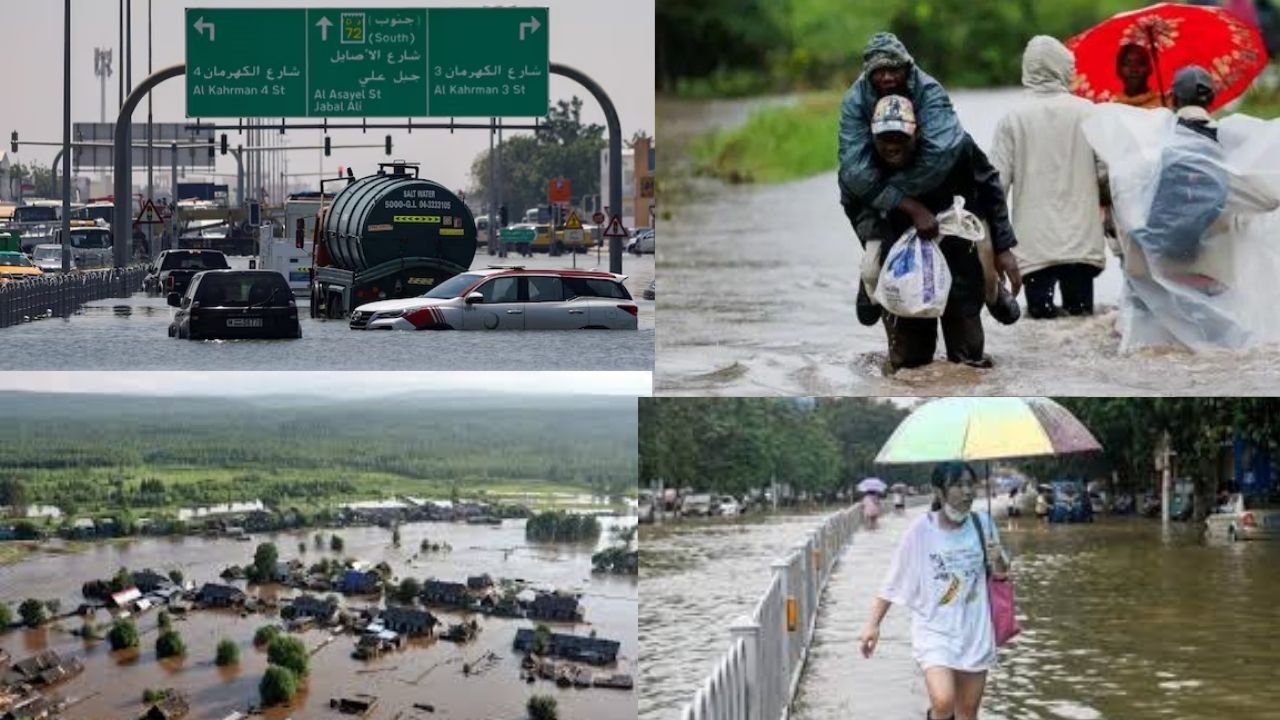
    Floods have been tearing a path of destruction across the globe, hammering Kenya, submerging Dubai, and forcing hundreds of thousands of people from Russia to China, Brazil and Somalia from their homes.

    Though not all directly attributed to global warming, they are occurring in a year of record-breaking temperatures and underscore what scientists have long warned – that climate change drives more extreme weather.

    Climate change isn’t just about rising temperatures but the knock-on effect of all that extra heat being trapped in the atmosphere and seas.

    April was the 11th consecutive month to break its own heat record, the EU climate monitor Copernicus said on Wednesday, while ocean temperatures have been off the charts for even longer.

    “The recent extreme precipitation events are consistent with what is expected in an increasingly warmer climate,” Sonia Seneviratne, an expert on the UN-mandated IPCC scientific panel, told AFP.

    Warmer oceans mean greater evaporation, and warmer air can hold more water vapour.

    Scientists even have a calculation for this: for every one degree Celsius in temperature rise, the atmosphere can hold seven percent more moisture.

    “This results in more intense rainfall events,” Davide Faranda, an expert on extreme weather at the French National Center for Scientific Research (CNRS), told AFP.

    In April, Pakistan recorded double the amount of normal monthly rainfall — one province saw 437 percent
    more than average — while the UAE received about two years worth of rain in a single day.

    This, however, doesn’t mean everywhere on Earth is getting wetter.

    Richard Allan from the University of Reading said “a warmer, thirstier atmosphere is more effective at sapping moisture from one region and feeding this excess water into storms elsewhere”.

    This translates into extreme rain and floods in some areas but worse heatwaves and droughts in others, the climate scientist told AFP.

    Natural climate variability also influence weather and global rainfall patterns.

    This includes cyclical phenomenon like El Nino, which tends to bring heat and rain extremes, and helped fuel the high temperatures seen over land and sea this past year.

    While natural variability plays a role “the observed long-term global increase in heavy precipitation has been driven by human-induced climate change”, said Seneviratne.

    Carlo Buontempo, a director at Copernicus, said cycles like El Nino ebb and flow but the extra heat trapped by rising greenhouse gas emissions would “keep pushing the global temperature towards new records”.

    Considering the overlapping forces at play, attributing any one flood to climate change alone can be fraught, and each event must be taken on a case-by-case basis.

    But scientists have developed peer-reviewed methods that allow for the quick comparison of an event today against simulations that consider a world in which global warming had not occurred.

    For example, World Weather Attribution, the scientists who pioneered this approach, said the drenching of the UAE and Oman last month was “most likely” exacerbated by global warming caused by burning fossil fuels.

    ClimaMeter, another rapid assessment network who use a different methodology, said major floods in China in April were “likely influenced” by global warming and El Nino.

    “It can be difficult to disentangle global warming and natural variability” and some weather events are more clear-cut than others, said Flavio Pons, a climatologist who worked on the China assessment.

    In the case of devastating floods in Brazil, however, ClimaMeter were able to exclude El Nino as a significant factor and name human-driven climate change as the primary culprit.

    Many of the countries swamped by heavy floods at the moment — such as Burundi, Afghanistan and Somalia — rank among the poorest and least able to mobilise a response to such disasters.

    But the experience in Dubai showed even wealthy states were not prepared, said Seneviratne.

    “We know that a warmer climate is conducive to more severe weather extremes but we cannot predict exactly when and where these extremes will occur,” Joel Hirschi from the UK’s National Oceanography Centre told AFP.

    “Current levels of preparedness for weather extremes are inadequate… Preparing and investing now is cheaper than delaying action.”

  • World sweltered as April smashed global heat records

    World sweltered as April smashed global heat records

    April marked another “remarkable” month of record-breaking global air and sea surface temperature averages, according to a new report by the EU’s climate monitor published on Wednesday.

    The abnormally warm conditions came despite the continued weakening of the El Nino weather phenomenon that contributes to increased heat, said the EU’s Copernicus Climate Change Service, pointing to human-caused climate change for exacerbating the extremes.

    Record heat

    Since June last year, every month has been the warmest such period on record, according to Copernicus.

    April 2024 was no exception, clocking in at 1.58 degrees Celsius above the 1850-1900 pre-industrial average.

    “While unusual, a similar streak of monthly global temperature records happened previously in 2015/16,” Copernicus said.

    The average temperature over the last 12 months was also recorded at 1.6C above pre-industrial levels, surpassing the 1.5C target set by the 2015 Paris Agreement to limit global warming.

    The anomaly does not mean the Paris target has been missed, which is calculated over a period of decades.

    But it does signal “how remarkable the global temperature conditions we are currently experience are”, Copernicus climatologist Julien Nicolas told AFP.

    Last month was the second warmest April ever recorded in Europe, as was March and the entire winter period.

    Diverging extremes

    Swathes of Asia from India to Vietnam have been struck by scorching heat waves in recent weeks, while southern Brazil has suffered deadly flooding.

    “Each additional degree of global warming is accompanied by extreme weather events, which are both more intense and more likely,” Nicolas said.

    Diverging extremes in the form of floods and droughts peppered the planet in April.

    Much of Europe saw a wetter April than usual, although southern Spain, Italy and the western Balkans were drier than average, Copernicus reported.

    Heavy rain resulted in flooding over parts of North America, Central Asia and the Persian Gulf.

    While eastern Australia was hit with heavy rains, the bulk of the country experienced drier than normal conditions, as did northern Mexico and around the Caspian Sea.

    Warmer oceans

    The natural El Nino pattern, which warms the Pacific Ocean and leads to a rise in global temperatures, peaked earlier this year and was headed towards “neutral condition” in April, Copernicus said.

    Still, the average sea surface temperatures broke records in April for the 13th consecutive month.

    Warming oceans threaten marine life, contribute to more humidity in the atmosphere and puts at risk its crucial role in absorbing planet-heating greenhouse gas emissions.

    Climate forecasts suggest the second half of the year could even see a transition to La Nina, which lowers global temperatures, Nicolas said, “but conditions are still rather uncertain”.

    The end of El Nino does not mean an end to high temperatures.

    More records

    “The extra energy trapped into the ocean and the atmosphere by increasing concentrations of greenhouse gases will keep pushing the global temperature towards new records,” Copernicus director Carlo Buontempo said in a statement.

    The UN already in March warned that there was a “high probability” that 2024 would see record temperatures, while 2023 capped off a decade of record heat, pushing the planet “to the brink”.

    It was “still a little early” to predict whether new records would continue to be broken, Nicolas said, given that 2023 was exceptional.

  • Rains, mudslides kill 29 in southern Brazil’s ‘worst disaster’

    Rains, mudslides kill 29 in southern Brazil’s ‘worst disaster’

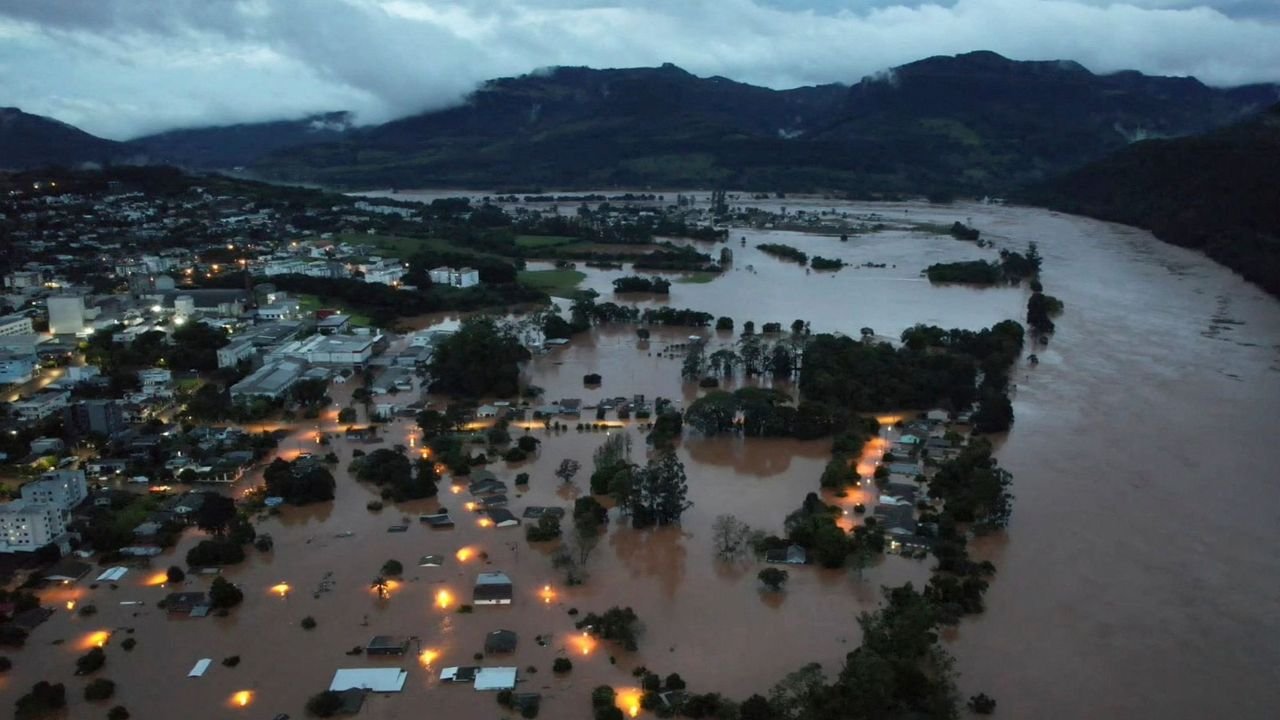
    Brazilian President Luiz Inacio Lula da Silva on Thursday visited the country’s south where floods and mudslides caused by torrential rains have killed 29 people, with the toll expected to rise.

    Authorities in Rio Grande do Sul have declared a state of emergency as rescuers continue to search for dozens of people reported missing among the ruins of collapsed homes, bridges and roads.

    Storm damage has affected nearly 150 municipalities in the state, also injuring 36 people and displacing more than 10,000.

    Governor Eduardo Leite said Rio Grande do Sul was dealing with “the worst disaster in (its) history.”

    “With the deepest pain in my heart, I know it will be even more,” the governor said of the death toll.

    Lula, who has blamed the torrent on climate change, arrived in the town of Santa Maria in the morning with a delegation of ministers and held a working meeting with Leite and other officials to coordinate rescue efforts, the government said.

    The president promised “there will be no lack of human or material resources” to “minimize the suffering this extreme event… is causing in the state.”

    The federal government, he added, “will be 100 percent at the disposition” of state officials.

    Central authorities has already made available 12 aircraft, 45 vehicles and 12 boats as well as 626 soldiers to help clear roads, distribute food, water and mattresses, and set up shelters, a press statement said.

    As the rains continued, forecasts warned the state’s main Guaiba River, which has already overflowed its banks in some areas, would reach an extraordinary level of three meters (9.8 feet) by Thursday and four meters the next day.

    Entire communities in Rio Grande do Sul state have been completely cut off as persistent rains have destroyed bridges and blocked roads, and left towns without even telephone or internet services.

    Rescuers and soldiers have been scrambling to free families trapped in their homes, many stuck on rooftops to escape rising waters.

    “I’ve never seen anything like this… it’s all under water,” said Raul Metzel, a 52-year-old machine operator in the municipality of Capela de Santana.

    A dam collapsed in the town of Cotipora, raising the level of water in the Taquari river.

    “I came here to help people, to get them out of the flooding because it is very dangerous. The current is very strong,” said fisherman Guilverto Luiz, who was helping rescue efforts in Sao Sebastiaio do Cai, about 70 km from Porto Alegre, the state capital.

    Authorities have urged people to avoid areas along state highways due to a risk of mudslides, and those who live near rivers or on hillsides to evacuate.

    Hundreds of thousands of people have been left without access to electricity and drinking water, while classes have been suspended state-wide.

    On Wednesday, the state’s deputy governor, Gabriel Souza, said damages have been estimated at $20 million.

    Mayor Sandra Backes of Sinimbu said the situation in her town was “a nightmare.”

    “Sinimbu is like a war zone, completely destroyed… All the stores, businesses, supermarkets — everything is devastated,” she said in a video posted on Instagram.

    Elsewhere, in Santa Cruz do Sul, lifeguards used boats to transport residents, many of them children, to safety.

    The region’s rivers had already been swollen from previous storms.

    Last September at least 31 people died as a cyclone hit the state.

    South America’s largest country has suffered a string of recent extreme weather events, which experts say are made more likely by climate change.

    The floods came amid a cold front battering the south and southeast, following a wave of extreme heat.

  • Heatwave swells Asia’s appetite for air-conditioning

    Heatwave swells Asia’s appetite for air-conditioning

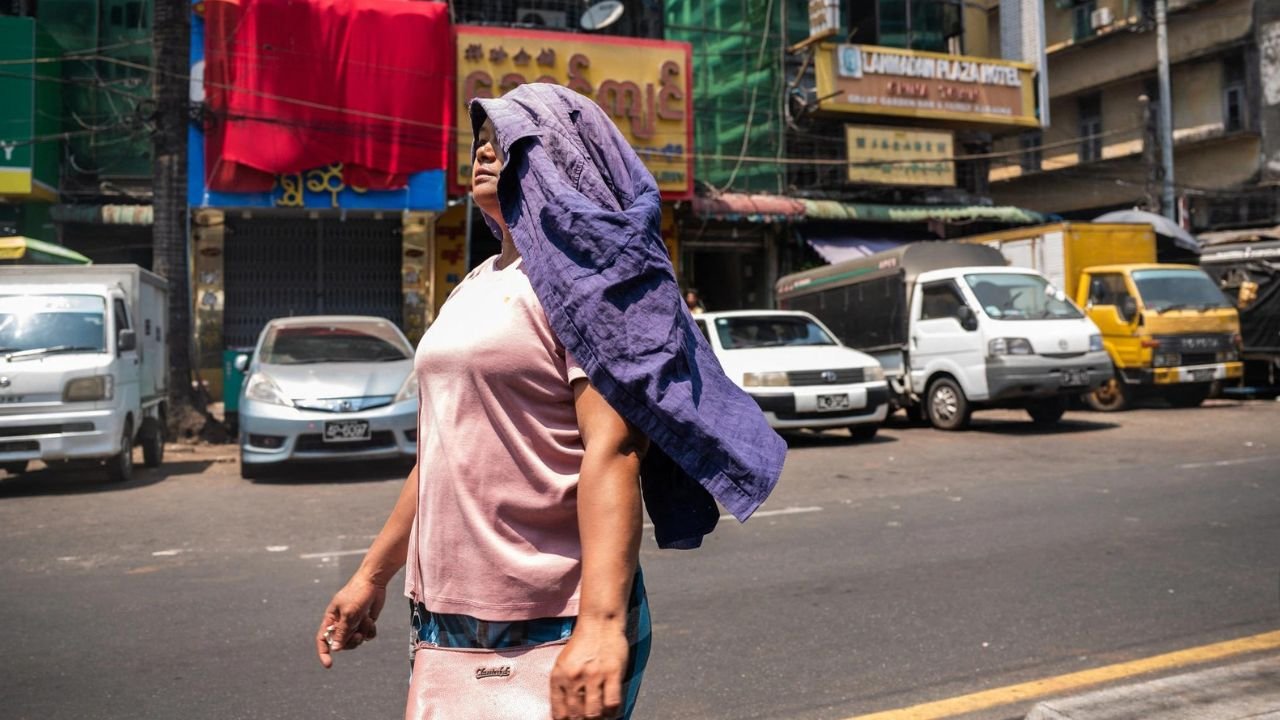
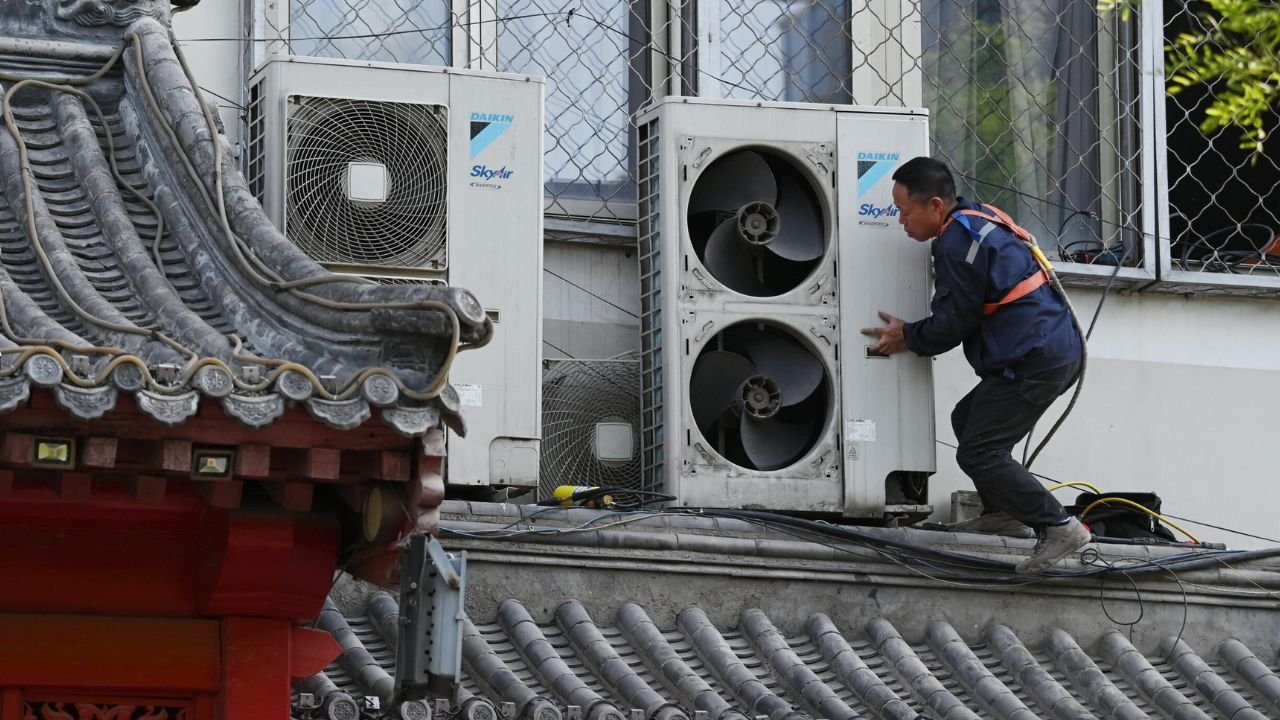
    Hong Kong (AFP) – A record-breaking heatwave is broiling parts of Asia, helping drive surging demand for cooling options, including air-conditioning.

    AC exhaust units are a common feature of urban landscapes in many parts of Asia, clinging like limpets to towering apartment blocks in Hong Kong or tucked in a cross formation between the windows of a building in Cambodia.

    They offer relief from temperatures that have toppled records in recent weeks, with many countries in the region hitting 40 degrees Celsius (104 Fahrenheit) or higher.

    Scientists have long warned that human-induced climate change will produce more frequent, longer and more intense heatwaves.

    Only 15 percent of homes in Southeast Asia have air-conditioning, according to a 2019 report by the International Energy Agency (IEA).

    But that figure obscures vast variations: ranging from around 80 percent installation in Singapore and Malaysia, to less than 10 percent in Indonesia and Vietnam, the IEA said.

    Forecasts suggest that higher temperatures and better wages could see the number of air-conditioning units in Southeast Asia jump from 40 million in 2017 to 300 million by 2040.

    That would stretch local electricity capacity, which is already struggling under current conditions.

    Myanmar is producing only about half the electricity it needs each day, with the junta blaming weak hydropower because of scant rains, low natural gas yields and attacks by its opponents on infrastructure.

    Thailand has seen record power demand in recent weeks, as people retreat indoors to cooled homes or businesses.

    Air-conditioning is already responsible for the emission of approximately one billion metric tons of carbon dioxide per year, according to the IEA, out of a total of 37 billion emitted worldwide.

    Still, cooling options like air-conditioning are a key way to protect human health, especially for those who are most vulnerable to the effects of extreme heat: children, the elderly and those with certain disabilities.

    With demand surging, dozens of countries last year signed up to the United Nations’ Global Cooling Pledge, a commitment to improve the efficiency of air conditioners and reduce emissions from all forms of cooling.

    Some countries have been trying to reduce the impact of cooling for years.

    Since 2005, Japan has encouraged office workers to ditch ties and jackets so air conditioners can be kept at 28 degrees Celsius.

    The annual “Cool Biz” programme took on new significance during power shortages in 2011 following the shutdown of nuclear plants after the Fukushima disaster.

  • April temperatures in Bangladesh hottest on record

    April temperatures in Bangladesh hottest on record

    Bangladesh last month saw the hottest average April temperatures since the country began keeping weather records in 1948, a senior forecaster told AFP on Wednesday.

    “2024 was the hottest April since 1948 in terms of hot days and area coverage in the country,” Bangladesh Meteorological Department senior forecaster Muhammad Abul Kalam Mallik said.

    Bangladesh remains in the grips of a suffocating heatwave that prompted authorities to close schools nationwide, with temperatures not expected to moderate until Thursday.

    “This year the heatwave covered around 80 percent of the country. We’ve not seen such unbroken and expansive heatwaves before,” Mallik said.

    Mallik said the 30-year average daily temperature for April between 1981 and 2010 was 33.2 degrees Celsius, but this year weather stations around the country recorded temperatures of between two and eight degrees higher.

    He added that Bangladesh had not seen the usual pre-monsoon April thunderstorms which normally cools the South Asian nation ahead of summer.

    “Bangladesh gets an average 130.2 millimetres of rain in April. But this April we got an average of one millimetre of rain,” he said.

    Mallik said the bureau was checking data to confirm whether this year marked record low rainfalls for April.

  • Indian election resumes as heatwave hits voters

    Indian election resumes as heatwave hits voters

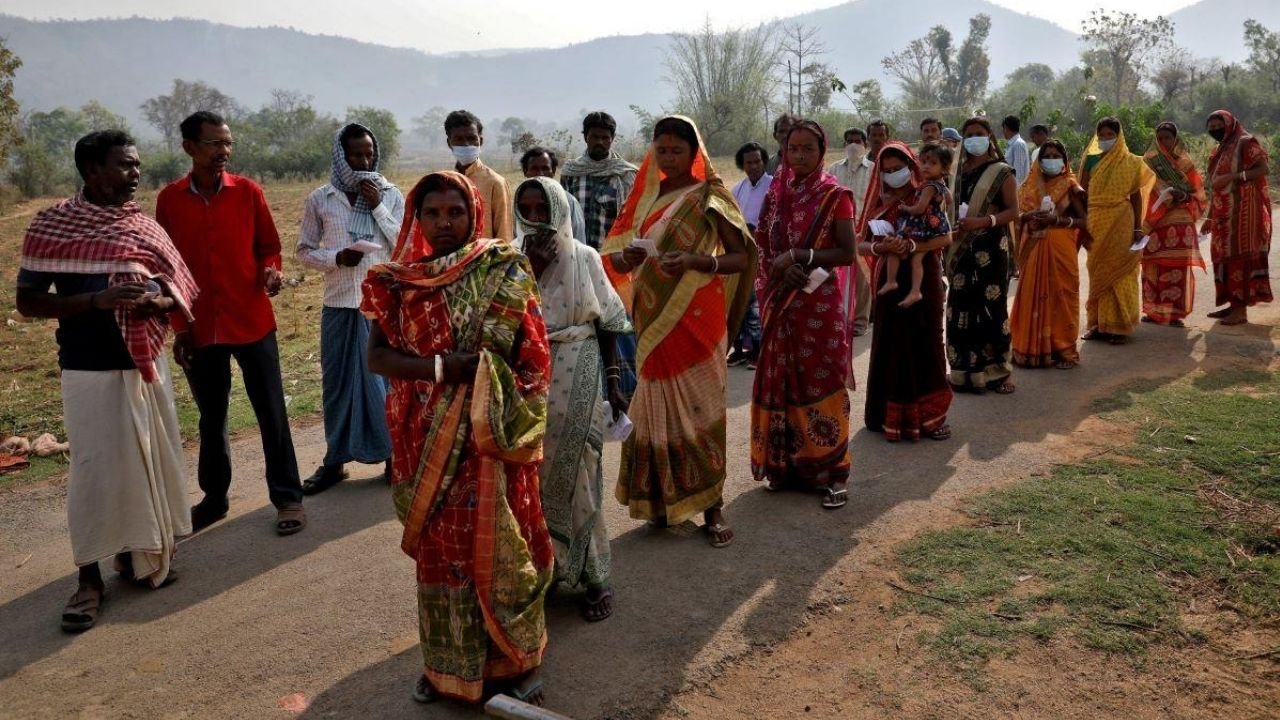
    India’s six-week election juggernaut resumed Friday with millions of people lining up outside polling stations in parts of the country hit by a scorching heatwave.

    Prime Minister Narendra Modi is widely expected to win a third term in the election, which concludes in early June.

    But turnout in the first round of voting last week dropped nearly four points to 66 percent from the last election in 2019, with speculation in Indian media outlets that higher-than-average temperatures were to blame.

    Modi took to social media shortly before polls re-opened to urge those voting to turn out in “record numbers” despite the heat.

    “A high voter turnout strengthens our democracy,” he wrote on social media platform X. “Your vote is your voice!”

    The second round of the poll — conducted in phases to ease the immense logistical burden of staging an election in the world’s most populous country — includes districts that have this week seen temperatures above 40 degrees Celsius (104 degrees Fahrenheit).

    AFP – MOHAMMED

    India’s weather bureau said Thursday that severe heatwave conditions would continue in several states through the weekend.

    That includes parts of the eastern state of Bihar, where five districts are voting Friday and where temperatures more than 5.1 degrees Celsius above the seasonal average were recorded this week.

    Karnataka state in the south and parts of Uttar Pradesh, India’s most populous state and heartland of the Hindu faith, are also scheduled to vote while facing heatwave conditions.

    Earlier this week, India’s election commission said it had formed a task force to review the impact of heatwaves and humidity before each round of voting.

    The Hindu newspaper suggested the decision could have been taken out of concerns that the intense heat “might have resulted in a dip in voter turnout”.

    In a Monday statement, the commission said it had “no major concern” about the impact of hot temperatures on Friday’s vote.

    AFP – SHARMA

    But it added that it had been closely monitoring weather reports and would ensure “the comfort and well-being of voters along with polling personnel”.

    A wave of exceptionally hot weather has blasted South and Southeast Asia, prompting thousands of schools across the Philippines and Bangladesh to suspend in-person classes.

    The heat disrupted campaigning in India on Wednesday when roads minister Nitin Gadkari fainted at a rally for Modi in Maharashtra state.

    Footage of the speech showed Gadkari falling unconscious and being carried off the stage by handlers. He later blamed the incident on discomfort “due to the heat”.

    Years of scientific research have found climate change is causing heatwaves to become longer, more frequent and more intense.

    AFP – SHARMA

    Friday will also see voting in the constituency of India’s most prominent opposition leader — Rahul Gandhi of the once-dominate Congress party.

    The 53-year-old is fighting to retain his seat in the southern state of Kerala, a stronghold for opponents of Modi’s Hindu-nationalist Bharatiya Janata Party (BJP).

    “It is the duty of every citizen to become a soldier of the constitution, step out of their homes today and vote to protect democracy,” he wrote on X.

    Gandhi is the son, grandson and great-grandson of former prime ministers, but his Congress party has suffered two landslide defeats against Modi in the last two general elections.

    Gandhi has been hamstrung by several criminal cases lodged against him by BJP members, including a conviction for criminal libel that saw him briefly disqualified from parliament last year.

    The opposition alliance has accused Modi’s government of using law enforcement agencies to selectively target its leaders and undermine its campaign.

    More than 968 million people are eligible to take part in India’s election, with the final round of voting on June 1 and results expected three days later.

  • Thousands in heatwave-hit Bangladesh pray for rain

    Thousands in heatwave-hit Bangladesh pray for rain

    Dhaka (AFP) – Thousands of Bangladeshis gathered to pray for rain on Wednesday in the middle of an extreme heatwave that prompted authorities to shut down schools around the country.

    Extensive scientific research has found climate change is causing heat waves to become longer, more frequent and more intense.

    Bangladesh’s weather bureau says that average maximum temperatures in the capital Dhaka over the past week have been 4-5 degrees Celsius (39-41 degrees Fahrenheit) higher than the 30-year average for the same period.

    Muslim worshippers gathered in city mosques and rural fields to pray for relief from the scorching heat, which forecasters expect to continue for at least another week.

    “Praying for rains is a tradition of our prophet. We repented for our sins and prayed for his blessings for rains,” Muhammad Abu Yusuf, an Islamic cleric who led a morning prayer service for 1,000 people in central Dhaka, told AFP.

    “Life has become unbearable due to lack of rains,” he said. “Poor people are suffering immensely.”

    Police said similarly sized prayer services were held in several other parts of Bangladesh.

    The country’s largest Islamist party, Jamaat-e-Islami, issued a statement calling its members to join the prayer services planned for Wednesday and Thursday.

    Authorities ordered all schools last week to cancel classes until the end of the month.

    Temperatures across Bangladesh have reached more than 42C (108F) in the past week.

    “April is usually the hottest month in Bangladesh. But this April has been one of the hottest since the country’s independence (in 1971),” government forecaster Tariful Newaz Kabir told AFP.

    Kabir said fewer rainstorms than average for the period had contributed to the heat.

    “We expect the high temperature will remain until the end of this month,” he said.

    Hospitals in the southern coastal district of Patuakhali had recorded local outbreaks of diarrhoea due to higher temperatures and the resulting increased salinity of local water sources, state medical officer Bhupen Chandra Mondal told AFP.

    “The number of diarrhoea patients is very high this year,” he said. “This is all linked to climate change.”