Tag: government decisions

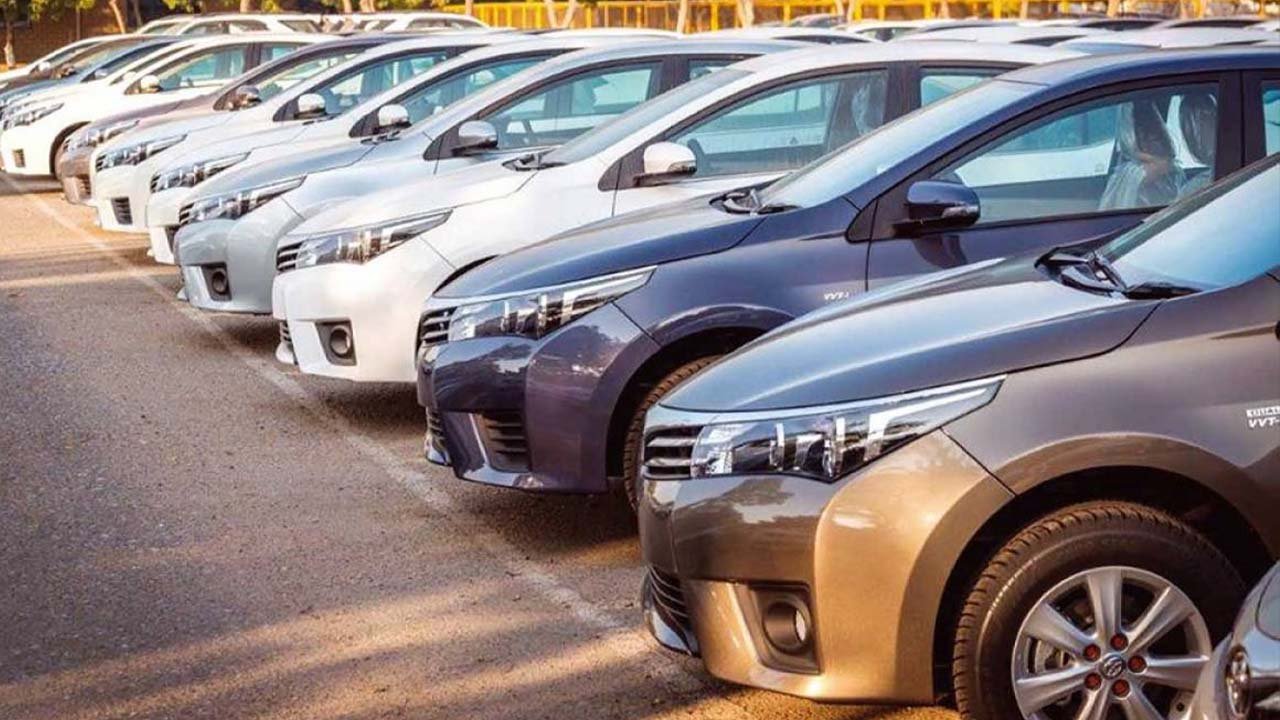
  • ECC greenlights 25% sales tax increase on domestic cars

    ECC greenlights 25% sales tax increase on domestic cars

    In a significant development, the Economic Coordination Committee (ECC) of the Cabinet has given its nod to a proposal for increasing the sales tax on vehicles manufactured and assembled within the borders of Pakistan.

    The decision was finalised during a pivotal ECC meeting held in the capital city on Wednesday.

    The proposal, presented by the Federal Board of Revenue (FBR), suggested an elevation in the sales tax applicable to the auto sector, particularly on vehicles produced and assembled domestically.

    Following a comprehensive deliberation, the ECC cabinet sanctioned the process for determining a 25 per cent sales tax rate on locally manufactured and assembled vehicles.

    As per the endorsed proposal, vehicles valued at Rs4 million or equipped with 1400 cc engines will be subject to a 25 per cent sales tax.

    This taxation structure is anticipated to persist in the upcoming budget, signalling potential implications for consumers as a result of the price hike.

    The imposition of a 25 per cent sales tax on 1400cc vehicles is expected to have a direct impact on the pricing structure, leading to a potential surge in vehicle costs. The ECC’s decision aligns with ongoing efforts to streamline fiscal policies in the country.

    In addition to this decision, the ECC also greenlit a substantial subsidy of Rs7,492.75 million under the Ramazan Relief Package 2024.

    Chaired by Caretaker Finance Minister Shamshad Akhtar, the meeting aimed to address the financial aspects of the relief package, particularly subsidising the targeted beneficiaries of the Benazir Income Support Programme (BISP).

    According to a press statement issued by the finance ministry, the subsidy allocation is part of the budget for 2023–24, with a primary focus on providing support to those identified under the BISP. This move underscores the government’s commitment to social welfare initiatives.

    Furthermore, the ECC approved a proposal related to the “Permission to Import Wheat and Export of Wheat Flour under the Export Facilitation Scheme 2021.” This decision, brought forth by the Ministry of Commerce, reflects the government’s strategic measures to balance wheat supply and demand dynamics in the country.

    The ECC meeting signifies a pivotal moment in shaping economic policies, with decisions that carry far-reaching implications for both the automotive sector and social welfare initiatives in Pakistan.

    The approved proposals are poised to contribute to the broader economic landscape and address pertinent challenges in the nation’s fiscal framework.
  • NEPRA greenlights Rs1.52 per unit hike in power tariff for Karachi residents

    The National Electric Power Regulatory Authority (NEPRA) has granted approval for an increase in the electricity tariff by Rs1.52 per unit for consumers of K-Electric.

    In accordance with the directive from the Economic Coordination Committee (ECC) in June 2023, NEPRA has issued a notification officially declaring a rise of Rs1.52 per unit in electricity charges, according to a press release.

    These adjustments will be reflected in the monthly electricity bills spanning from December 2023 to November 2024.

    A spokesperson for K-Electric clarified that NEPRA’s notification aligns with a previous ECC decision related to charges from the preceding tenure.

    In a statement, the spokesperson mentioned, “The prolonged duration in finalising KE’s tariff has contributed to the current circumstances, resulting in lower charges from Karachi compared to other regions in the country. Operating within the regulated framework of Pakistan’s power sector, KE, like other DISCOS, adheres to decisions made by the government of Pakistan and NEPRA concerning power tariffs.”

    It is noteworthy that lifeline consumers are exempted from the recent increase in charges, providing relief to this specific consumer group, the statement added.

    In a previous development this month, the Economic Coordination Committee (ECC) made a decision regarding the uniform quarterly tariff adjustments for K-Electric consumers, approving a hike of Rs1.72 per unit.

    The decision entails that the tariff rationalization guidelines previously issued to the National Electric Power Regulatory Authority (NEPRA) shall be applicable to the consumption of July, August, and September 2023, to be recovered from K-Electric consumers in December 2023, January 2024, and February 2024, respectively.

    Subsequent to this decision, the electricity tariff for K-Electric consumers will experience an increase of Rs1.72 per unit.

    Sources indicate that there will be a hike of Rs1.25 per unit in terms of quarterly adjustment from January to March 2023, while Rs0.47 per unit will be increased in terms of quarterly adjustment from October to December 2023.

    These measures are taken to ensure uniform electricity tariffs across the country, as per sources familiar with the matter.

  • Govt expected to hike petrol price on Thursday

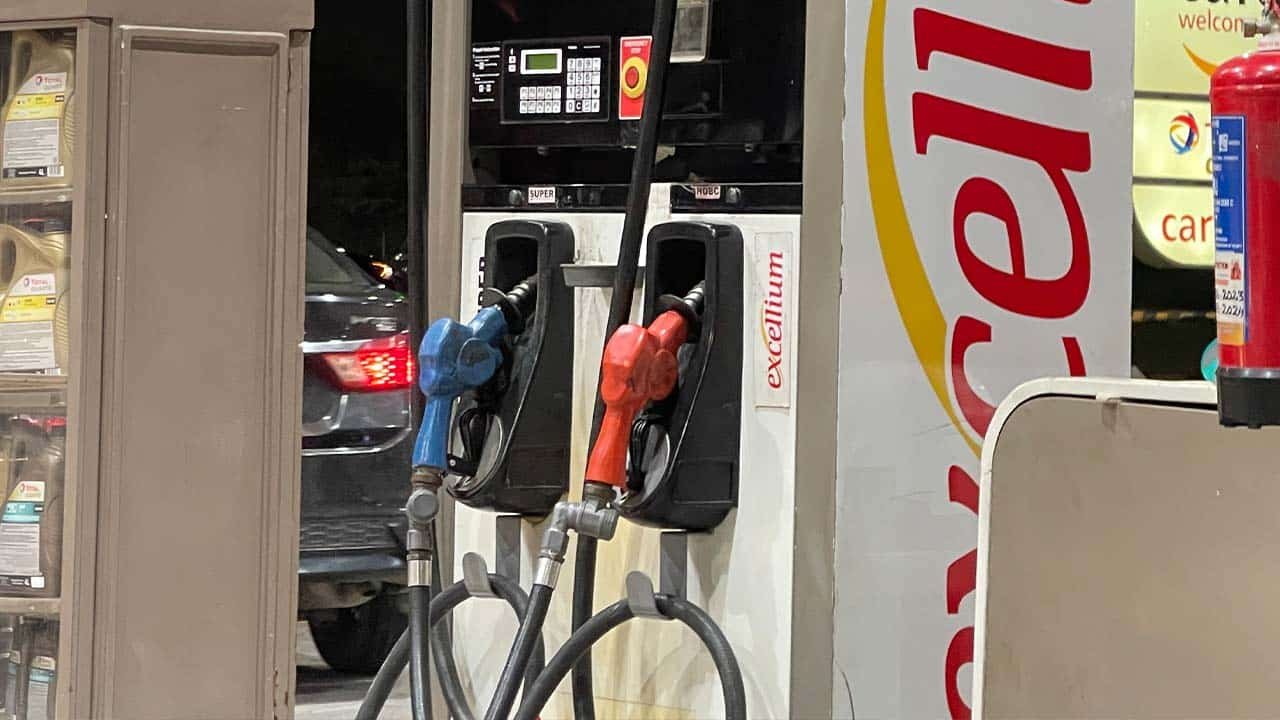
    Govt expected to hike petrol price on Thursday

    In the final fortnight of November 2023, the per litre price of petrol in Pakistan is projected to experience an increase of Rs3.18, while high-speed diesel (HSD) is anticipated to undergo a reduction of Rs8.30 per litre on Thursday, November 16.

    Sources have indicated that the pricing trajectory of petroleum products is poised for a mixed trend in the latter half of the current month of November 2023.

    The price of petrol is forecasted to rise from Rs283.38 per litre to Rs286.56 per litre, marking an uptick of Rs3.18 per litre.

    Correspondingly, the cost of HSD/diesel is expected to decrease by Rs8.30 per litre, moving from Rs303.18 per litre to Rs 294.88 per litre.

    Additionally, the price of kerosene oil is projected to witness a decline of Rs5.61 per litre, transitioning from Rs211.03 per litre to Rs205.42 per litre.

    Furthermore, the price of light diesel oil (LDO) is set to experience a reduction of Rs8.33 per litre, shifting from Rs189.46 per litre to Rs181.13 per litre.

    These price adjustments are calculated based on current government taxes and the prevailing US dollar exchange rate, as per informed sources.

    According to Profit, the government may uphold the price of petrol due to outstanding forex adjustments, while a reduction of Rs10 per litre is expected for diesel (HSD).

    Notably, starting from 1st November 2023, the government has imposed a petroleum levy (PL) of Rs60 per litre on petrol and diesel, alongside receiving an Inland Freight Equalization Margin (IFEM) of Rs7.71 per litre on petrol and Rs0.60 per litre on diesel.

    Additionally, the Dealers’ Margin (inclusive of extra margin) on petrol and diesel presently stands at Rs8.64 per litre.

    Similarly, the margin for Oil Marketing Companies is fixed at Rs7.87 per litre.

    Furthermore, the Distributors’ Margin (inclusive of extra margin) on diesel is currently set at Rs8.12 per litre, and on petrol, it is Rs7.87 per litre, effective from 1st November 2023.

    On 1st November, the government maintained the prices of petrol and diesel at Rs283.38 per litre and Rs303.18 per litre, respectively.

    Simultaneously, the price of kerosene oil witnessed a reduction of Rs3.82 per litre, establishing the new price at Rs211.03 per litre.

    The price of LDO was also decreased by Rs3.40 per litre, fixing the new price of LDO at Rs189.46 per litre for the first half of November 2023.