
Tag: government funding

  • CDWP gives go-ahead to 10 development projects valued at Rs115 billion

    CDWP gives go-ahead to 10 development projects valued at Rs115 billion

    In a key meeting held on Friday, the Central Development Working Party (CDWP) approved a total of 10 development projects, with an overall cost of Rs115.458 billion.

    Out of these, eight projects totaling Rs17.297 billion were given the green light by the CDWP forum, while two projects, valued at Rs98.161 billion, were recommended to the Executive Committee of the National Economic Council (ECNEC) for final approval.

    Deputy Chairman Planning Commission Mohammad Jehanzeb Khan chaired the meeting, attended by Secretary Planning Awais Manzur, Planning Commission members, Additional Secretary Planning, and representatives from federal ministries and provincial governments.

    The meeting’s agenda covered a range of sectors, including agriculture and food, energy, governance, health, higher education, physical planning and housing, science and technology, transport and communication, and water resources.

    A notable project from the agriculture and food sector, the “Sindh Livestock and Aquaculture Development Project,” valued at Rs38.36 billion, was recommended to ECNEC for final approval.

    This World Bank-assisted project aims to improve competitiveness, inclusivity, climate resilience, and sustainability in Sindh’s livestock and aquaculture sectors.

    Another significant project from the energy sector, the “765/500/220/132kV Islamabad West Substation,” worth Rs59.801 billion, was also referred to ECNEC for final approval.

    This World Bank-backed initiative is part of the National Transmission and Modernization Project Phase-I and aims to address increasing power demands in the Islamabad region through a new substation and related transmission lines.

    The governance sector saw approval for the “Modernization and Upgradation of Pakistan Mint Phase-II” project, costing Rs2.48 billion, as well as the “Federal Project Management Unit (FPMU) Post-Flood 2022 Reconstruction Program” project, valued at Rs2.38 billion.

    In the physical planning and housing sector, five projects were discussed, including the “Smart Environmental Sanitation System and Landfill Project” in Gwadar, worth Rs3.277 billion, and the “Construction of Audit House, Lahore,” valued at Rs1,528.931 million. Both projects received approval from the CDWP forum.

    A project related to science and technology, the “Establishment of Regional Nuclear Safety Inspectorate at Lahore,” costing Rs515 million, was also approved by the CDWP. This project aims to enhance nuclear safety and oversight in the region.

    The approval of these projects underscores the government’s commitment to advancing critical infrastructure, promoting sustainable development, and addressing energy needs, among other priorities. The recommendations to ECNEC signal the importance of these projects for the country’s growth and development.

  • From ‘great people to fly with’ to ‘great debt to deal with’: PIA expected to ground several aircraft

    From ‘great people to fly with’ to ‘great debt to deal with’: PIA expected to ground several aircraft

    Pakistan International Airlines (PIA) is facing a critical financial crisis, prompting the grounding of several aircraft due to difficulties in securing funds. This crisis has resulted in arrears with various stakeholders, including creditors, aircraft lessors, fuel suppliers, insurers, and airport operators. Boeing and Airbus are also on the verge of discontinuing spare parts supply by mid-September.

    The Ministry of Aviation has urgently requested a cash injection of Rs23 billion and the suspension of duties, taxes, and service charges, although no concrete business plan has been presented. The restructuring of PIA is expected to be a complex eight-month process, and the airline must remain operational during this period for divestment to yield a fair value.

    Regrettably, PIA serves only a small fraction of Pakistan’s population while consuming significant public funds. The government, holding a 92 per cent share in PIA, faces mounting losses attributed to competition, mismanagement, and inadequate funding for fleet expansion.

    As of December 31, 2022, PIA’s debt and liabilities stood at Rs743 billion, five times more than its assets’ total value. The airline’s annual losses reached Rs86.5 billion for the last financial year, with projections indicating debt and losses could further rise.

    According to Dawn, previous attempts to make PIA sustainable through cost-cutting and fleet expansion have failed. Alternately, efforts focused on financial, legal, and operational restructuring to attract private investment have been explored but not implemented.

    In June 2023, a decision was made to restructure PIA based on the Dubai Islamic Bank Consortium Report. This involves creating a new holding company to retain legacy loans and non-aviation assets while keeping PIACL subsidiaries intact. Recent legal restrictions hindering private investment have been lifted.

    However, the restructuring plan is pending government approval. The Aviation Division has requested Rs23 billion in funds and relief from various financial obligations. A separate panel has been formed to assess the restructuring plan, with support from the finance ministry and the State Bank of Pakistan expected once the plan is fully finalised.

  • Non-filers beware: Proposed increase in advance taxes on vehicles and utility bills

    Non-filers beware: Proposed increase in advance taxes on vehicles and utility bills

    In an attempt to boost tax revenue and increase non-tax income, the Pakistan Business Council (PBC) has proposed the Federal Board of Revenue (FBR) to impose higher advance taxes on various sectors. The council’s recommendations primarily target non-filers and aim to generate additional funds for the government’s development initiatives.

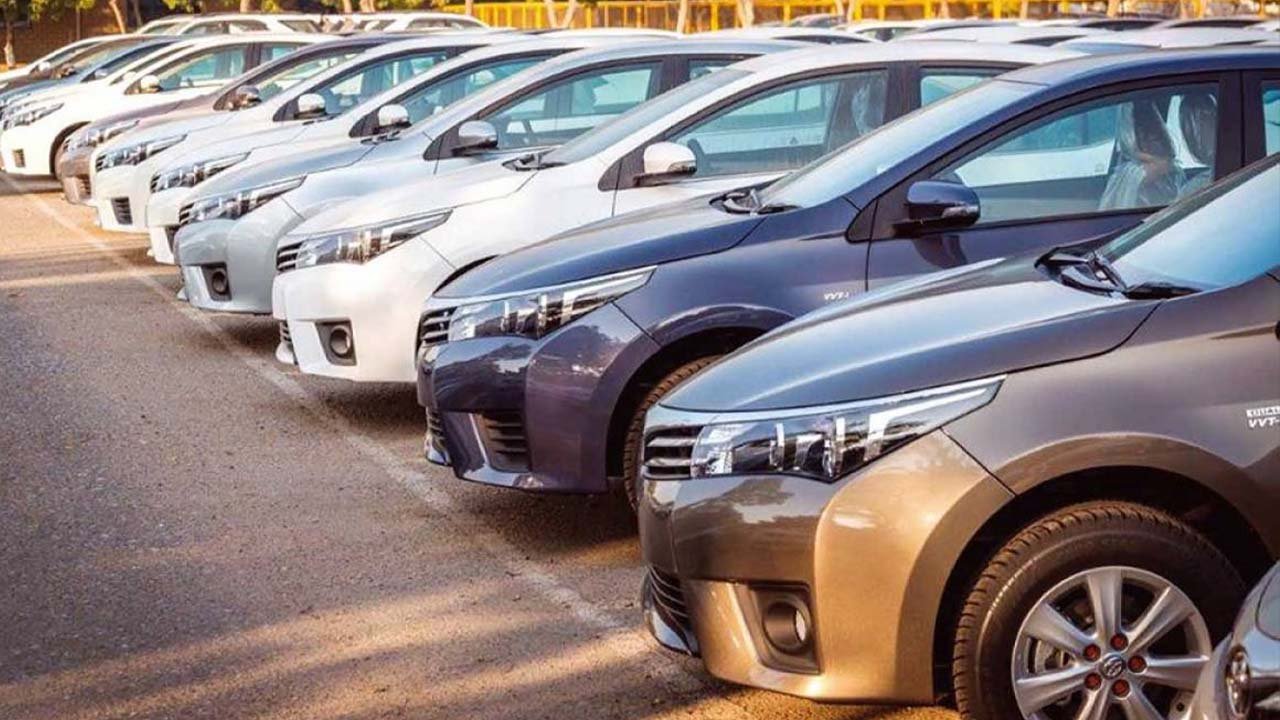
    One of the key proposals put forth by the PBC is to increase the annual advance income tax amount for owners of vehicles with an engine capacity of 2000cc and above who are non-filers. The council suggests raising the amount to Rs250,000 per year.

    Additionally, the PBC argues for an increase in advance income tax levied on non-filers for the purchase of cars, as outlined in section 231B.

    The proposed changes in advance income tax for different engine capacities are as follows:

    Engine capacity: 1800cc – 2000cc

    Existing tax: Rs600,000

    Proposed increased tax: Rs2,000,000

    Engine capacity: 2001cc – 2500cc

    Existing tax: Rs900,000

    Proposed increased tax: Rs2,500,000

    Engine capacity: 2501cc – 3000cc

    Existing tax: Rs1,200,000

    Proposed increased tax: Rs3,000,000

    Engine capacity: Above 3000cc

    Existing tax: Rs1,500,000

    Proposed increased tax: Rs4,000,000

    Furthermore, the PBC suggests raising the advance income tax from Rs1,200,000 to Rs2,400,000 on the sale of vehicles with an engine capacity of 2001cc and above by non-filers before registration.

    In addition to the proposed changes in vehicle-related taxes, the PBC recommends increasing the advance tax collected from domestic connections in the name of non-filers.

    Currently, non-filers with monthly utility bills of Rs25,000 or more are subject to a 7.5 per cent advance tax. The council suggests continuing this practice and exploring the possibility of imposing withholding tax on withdrawals exceeding Rs50,000 in a single day from non-filer bank accounts.

    According to sources within the FBR, the board has decided to increase the petroleum development levy from Rs50 to Rs60 per unit, which is expected to generate revenue of Rs870 billion. The government aims to increase non-tax income to Rs2.9 trillion through such measures.

    It is worth mentioning that the proposed measures are intended to create additional funds for various government initiatives. One such initiative involves increasing pensions by up to 30 per cent, which would require Rs780 billion in funding.

    The PBC’s recommendations, if implemented, would significantly impact non-filers and luxury expenditures. These proposed changes seek to address the revenue deficit and support the government’s efforts to strengthen the economy and promote sustainable development in Pakistan.