Tag: government policies

  • Petrol price slashed by Rs14 per litre, providing relief amidst inflation

    Petrol price slashed by Rs14 per litre, providing relief amidst inflation

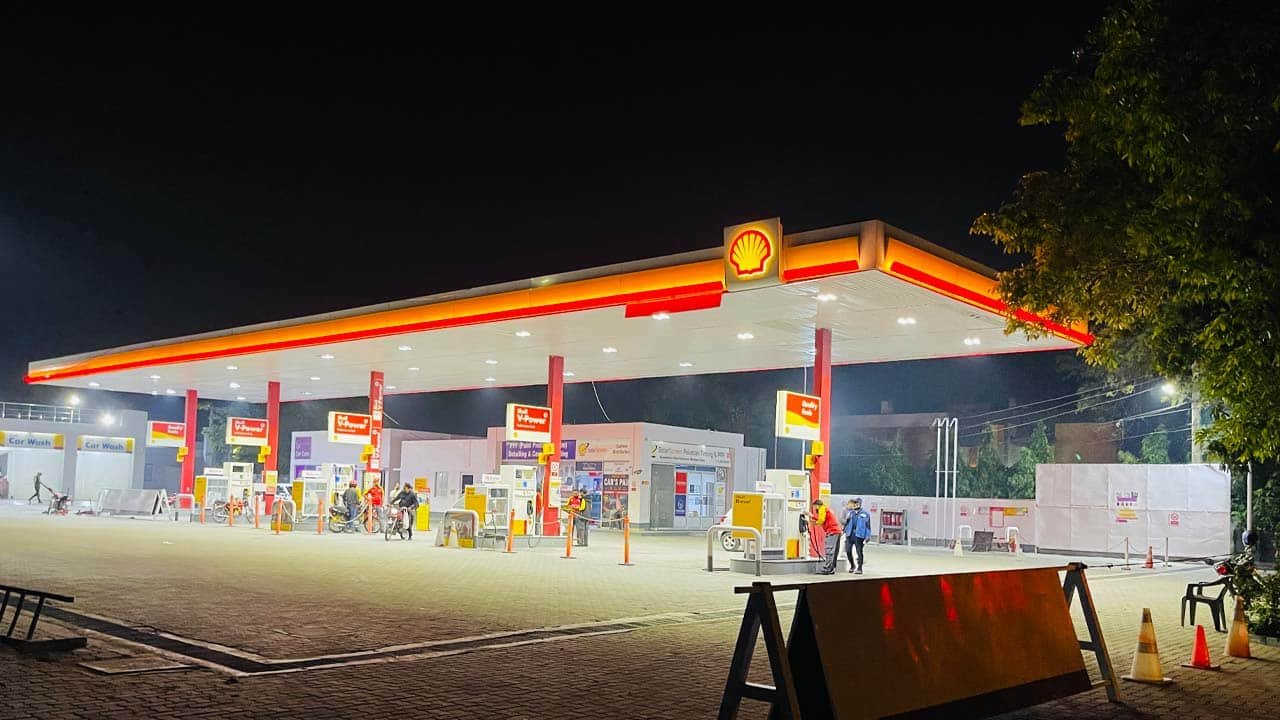
    As announced in an official notification by the Finance Division, the revised prices for petroleum products, applicable from December 16 to December 31, have been endorsed by the Oil and Gas Regulatory Authority (OGRA).

    The recalibrated rates indicate a decline in petrol prices to Rs267.34 per litre, while the diesel rate has seen a reduction of Rs13.50 per litre, now standing at Rs276.21 per litre, according to the Finance Division’s official statement.

    Furthermore, the cost of kerosene oil has been curtailed by Rs10.14 per litre, settling at Rs191.02, and light diesel oil is now priced at Rs164.64 per litre following a reduction of Rs11.29.

    This adjustment comes in response to the notable decrease in global oil prices over the past two weeks, a factor contributing to the anticipation of a downward trend in fuel prices during the fortnightly review.

    It’s imperative to note that the government undertakes a bi-weekly reassessment of petroleum product prices, aligning them with international market dynamics and the exchange rate of the rupee. This latest revision reflects a proactive approach by the authorities to mitigate the economic impact on the general populace.

  • IMF urges Pakistan to increase taxation on the rich and ‘protect the poor’

    IMF urges Pakistan to increase taxation on the rich and ‘protect the poor’

    International Monetary Fund (IMF) Managing Director (MD) Kristalina Georgieva has urged Pakistan to increase taxation for the rich and safeguard the well-being of the less privileged. She said that these actions align with the desires of the people in Pakistan. 

    According to Geo News, speaking on the sidelines of the 78th United Nations General Assembly (UNGA) session in New York, she stated, “What we are asking in our programme is that you please collect more taxes from the wealthy and please protect the poor people of Pakistan. I do believe this is in line with what people in Pakistan would like to see for the country.”

    In a separate social media post after a meeting with Pakistan’s caretaker prime minister, Anwaar ul Haq Kakar, Georgieva stated, “Very good meeting with Pakistan’s PM today on Pakistan’s economic prospects. We agreed on the vital need for strong policies to ensure stability, foster sustainable and inclusive growth, prioritise revenue collection, and provide protection for the most vulnerable in Pakistan.”

    Furthermore, the Prime Minister’s Office (PMO) released a statement expressing gratitude for the IMF’s approval of a $3 billion stand-by agreement (SBA) to support Pakistan’s economy. The arrangement, approved by the IMF’s Executive Board in July, is set for its second review in November.

    The statement mentioned that Kakar briefed the MD IMF on various measures taken by the Government of Pakistan to stabilise and revive the country’s economy, with a focus on creating a stable environment for sustainable economic growth and investment, particularly for vulnerable segments of society.

    Kristalina Georgieva commended Pakistan’s concerted efforts in implementing policies and reforms to revive the economy and assured continued engagement with Pakistan.

    Read more: UAE bans fresh meat imports from Pakistan 

    In July, Pakistan secured a last-minute SBA with the IMF, providing relief to its economy, which had long grappled with a boom-and-bust cycle due to the absence of meaningful structural reforms. High inflation and a balance-of-payments crisis have led to economic distress, prompting the Asian Development Bank (ADB) to revise its growth outlook for the country.

    Low foreign exchange reserves have resulted in import restrictions as debt payments remained high and avenues for dollar inflows were limited.

    Anwaar-ul-Haq Kakar also called upon the international community to find a lasting solution to the debt issues faced by 59 countries in debt distress, emphasising the need for global and regional cooperation to achieve sustainable development goals. 

    He highlighted the importance of resources for developing countries and reiterated Pakistan’s commitment to supporting the Global Development Initiative. Kakar also noted the significance of China’s Belt and Road Initiative (BRI) and China-Pakistan Economic Corridor (CPEC) in achieving sustainable development goals.

  • Free electricity extended to President, judges, and NAB chairman, contrary to PM’s claims

    Free electricity extended to President, judges, and NAB chairman, contrary to PM’s claims

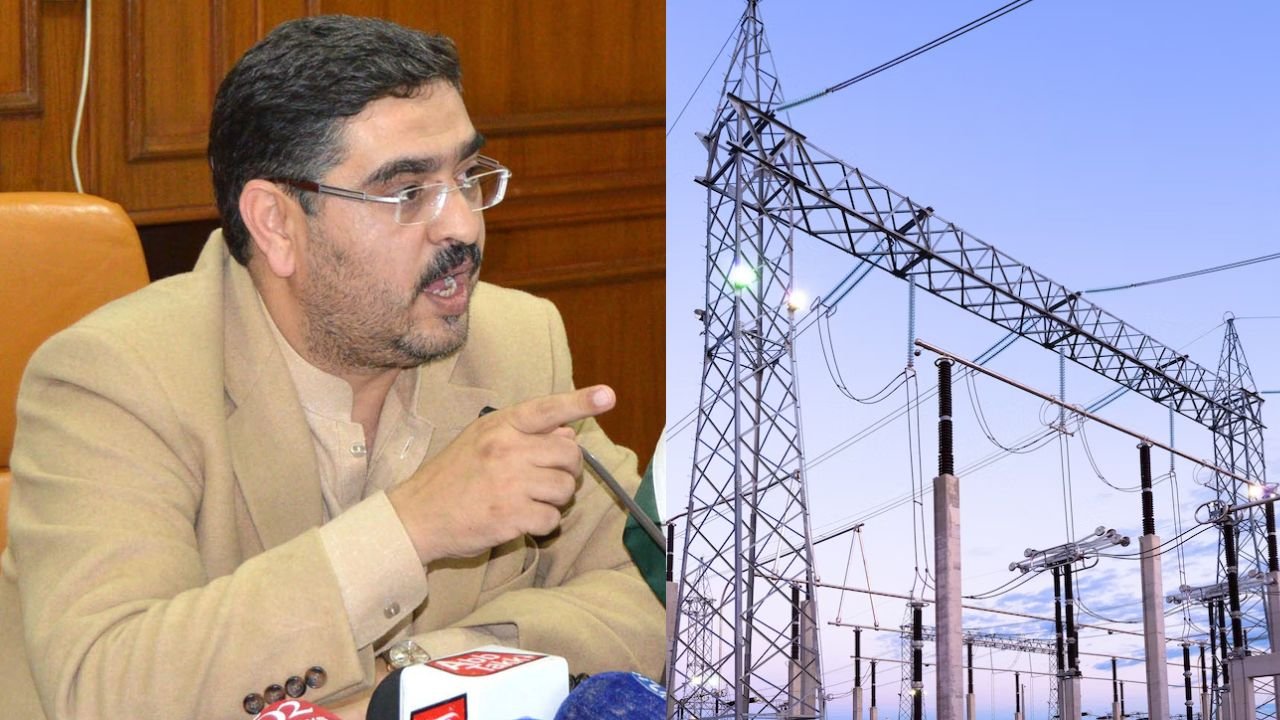
    Prime Minister Anwaar ul Haq Kakar’s recent statement regarding free electricity for judges in Pakistan has sparked controversy, as it appears to be at odds with existing policies and practices.

    In a recent address, the Prime Minister asserted that only Wapda’s employees, including retirees, are entitled to free electricity, and this privilege is not extended to judges or other officials. However, a closer examination of the facts suggests that the Prime Minister may have been misinformed., according to Geo.

    Contrary to the Prime Minister’s statement, serving judges of the Supreme Court and High Courts in Pakistan enjoy the benefit of having their utility bills, including electricity, covered by the government. This includes both current and retired judges.

    For retired Supreme Court judges, the provision of free electricity extends up to 2000 units per month, while retired High Court judges receive 800 units per month without incurring any charges. The President and Prime Minister, whether in office or after retirement, are also entitled to free utilities, including electricity, without any specified limits.

    It’s worth noting that even former President’s receive a monthly allowance of 2000 units of electricity, with the costs borne by taxpayers’ funds.

    Additionally, the National Accountability Bureau (NAB) chairman enjoys similar privileges to those of a Supreme Court judge, which includes the provision of free electricity. However, there is no official confirmation regarding the entitlements of services’ chiefs as claimed by the Prime Minister.

    The President’s Salary, Allowance and Privileges Act of 1975, amended in 2018, specifies in Section 7 that the actual charges for electricity and gas consumption shall be covered each year for the President. Similarly, the President’s Pension Act outlines provisions for electricity, gas, and water supplies.

    The transparency of these policies was underscored in October 2020 when Justice Faez Isa and his wife disclosed their income tax and asset details. These documents clearly indicated that post-retirement benefits for a Supreme Court judge include 2000 units of electricity, 25 HM3 of gas, water, and 300 litres of petrol per month.

    Furthermore, the High Court Judges (Leave, Pension, Privileges) Order of 1997 not only addresses the payment by the government for electricity, gas, and water but also states in Section 28 that retired judges and their spouses are entitled to certain benefits, including 800 units of electricity per month and 25 HM3 of gas per month.
  • IMF should help Pakistan uphold right to electricity, says HRW

    IMF should help Pakistan uphold right to electricity, says HRW

    For the past week, Pakistan has witnessed extensive protests against the recent surge in electricity prices. In several cities, these protests escalated into violence.

    The government-sanctioned price increase arrives at a critical juncture as Pakistan grapples with one of the most severe economic crises in its history. This crisis imperils the fundamental rights of millions, including access to healthcare, nutrition, and a satisfactory standard of living.

    According to Human Rights Watch, successive Pakistani governments have failed in reforming the country’s energy sector, contributing to the current crisis. The recent surge in prices is linked to a substantial US$3 billion agreement between the International Monetary Fund (IMF) and Pakistan.

    This pact, sanctioned in July 2022, stipulates the government’s obligation to eliminate energy and fuel subsidies, transition to a market-driven exchange rate, and implement tax increments.

    While Human Rights Watch fundamentally opposes fossil fuel subsidies due to their adverse climate impact, the removal of these subsidies without substantial investment in social security often results in disproportionate repercussions for individuals with low incomes.

    Elevated electricity prices can further elevate the costs of essential commodities like food, housing, and services.

    Recognising the right to an adequate standard of living, Human Rights Watch asserts that access to dependable, secure, clean, and affordable electricity without discrimination is imperative.

    Given the situation, it is imperative for the IMF to conduct a comprehensive assessment of the consequences of these adjustments. Rather than abrupt subsidy removal, the IMF should establish a comprehensive reform strategy aimed at mitigating price escalations and facilitating a seamless transition to sustainable energy sources.

    Such reforms could encompass the implementation of a universal social protection system designed to extend benefits to individuals at higher risk of income insecurity, including children, elderly citizens, and people with disabilities.

  • FBR freezes PIA’s bank accounts for not paying Rs2.8 billion in taxes

    FBR freezes PIA’s bank accounts for not paying Rs2.8 billion in taxes

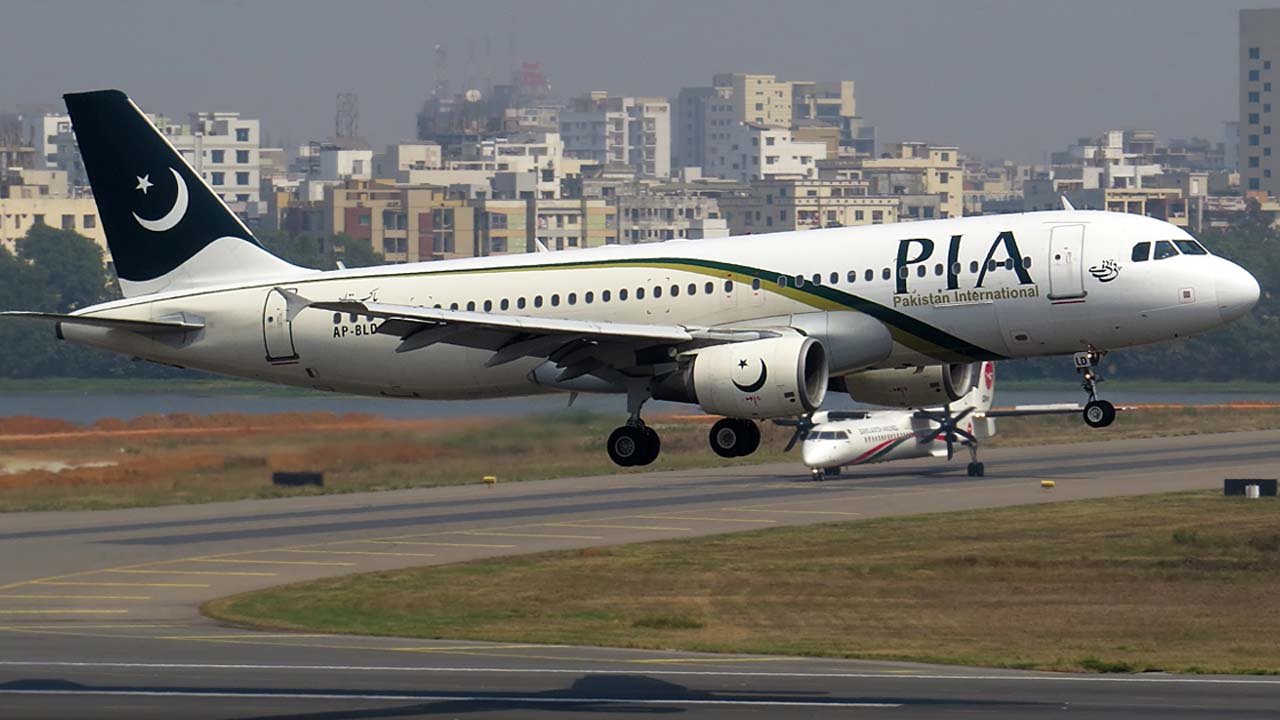
    Pakistan International Airlines (PIA), the national flag carrier, has found itself embroiled in a tax dispute as the Federal Board of Revenue (FBR) took the drastic step of freezing the airline’s bank accounts. This move comes at a critical time when the government has shifted the burden of revenue generation onto the general public, leading to growing concerns about the fairness of the taxation system.

    According to the FBR, PIA owes approximately Rs2.8 billion in taxes. However, the airline disputes this figure, claiming that the amount owed stands around Rs1.3 billion. A PIA spokesperson confirmed the ongoing communication between the airline’s management and the FBR, expressing hope that the bank accounts would be unblocked in the near future.

    Despite the harsh measure taken by the FBR, the PIA spokesperson reassured the public that the airline’s flight operations and other activities were continuing to function smoothly.

    The situation with PIA not paying taxes raises questions about the government’s tax collection policies. A recent report from the Finance Division revealed that government expenditure was on the rise in FY23, largely due to increased revenue collection through non-tax measures and indirect taxes. This indicates a failure to effectively broaden the tax base and implement direct taxation for various sectors.

    Critics argue that the government’s approach seems to focus on imposing indirect taxes on the masses, while offering some protection to the wealthier classes, even amid the current financial crunch. The freezing of PIA’s bank accounts further reinforces this perception, leaving the public questioning the fairness of the taxation system.

    Meanwhile, the report also highlighted that the government’s interest rate hikes policy is facing opposition, particularly from the business community. The State Bank of Pakistan has been unwilling to reverse the rate hikes, despite continuous protests and grave consequences faced by the public.

    As the PIA tax dispute continues, the government is under pressure to address the broader issues surrounding taxation and revenue generation to create a more equitable and sustainable financial framework.

  • Painful IMF compliance, but no new taxes on agriculture and real estate, clarifies Dar

    Painful IMF compliance, but no new taxes on agriculture and real estate, clarifies Dar

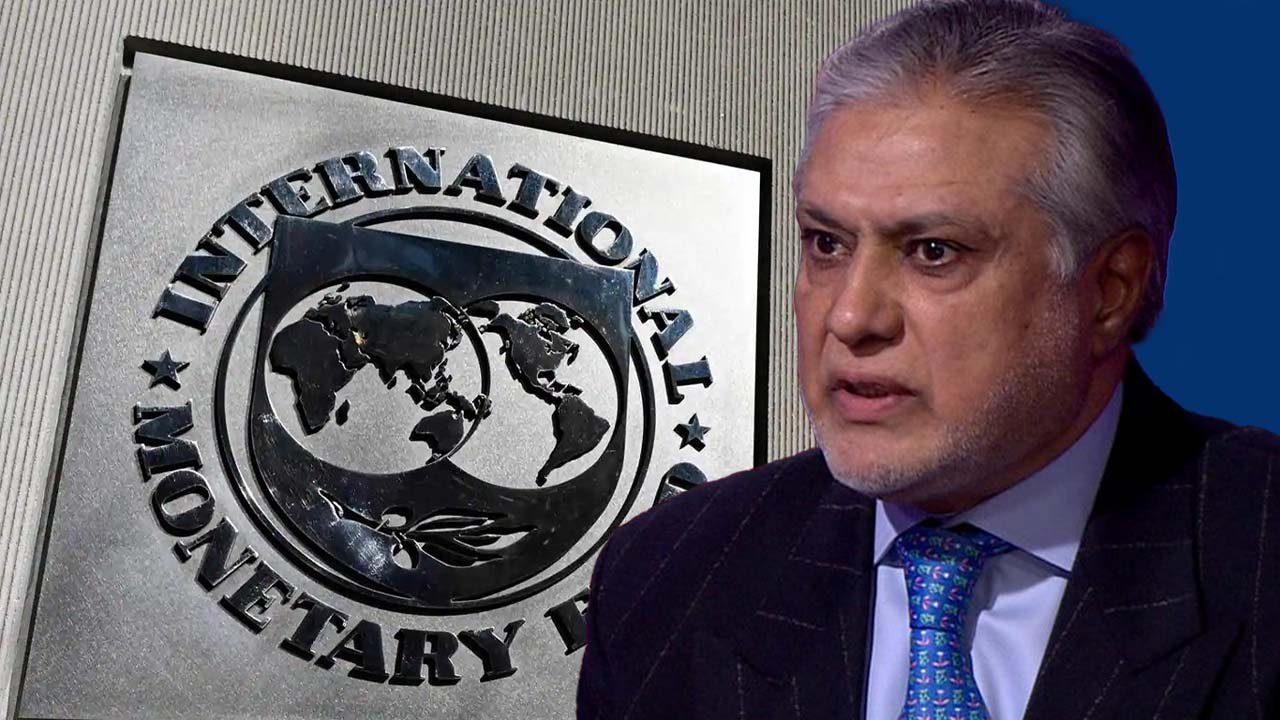
    Finance Minister Ishaq Dar made a resolute declaration on Thursday, assuring the public that the coalition government, despite having taken stern measures that burdened the masses, has no intentions of imposing additional taxes on the agriculture and real estate sectors.

    Speaking passionately on the floor of the National Assembly, Dar firmly stated, “I want to state categorically […] that no new tax will be imposed on agriculture or real estate. We have endured much pain in meeting the IMF’s conditions.”

    This assurance comes in the wake of the International Monetary Fund (IMF) approving a $3 billion bailout program for Pakistan, with $1.2 billion already disbursed to help stabilise the nation’s struggling economy.

    Media reports had indicated that the IMF requested a plan from the government to impose taxes on the real estate and agricultural sectors as a condition to release the remaining funds. The news caused concern among those associated with the agriculture sector, especially since the government had expanded the loan volume to support it in the budget.

    Dar emphasised that all prior actions demanded by the lender had been successfully completed, and the agreement with the IMF was carried out in a transparent manner. He reassured the public, “No further burden will be passed on to the people. All the commitments made with the IMF are available on the finance ministry’s website.”

    The positive effects of the deal are already evident, with investors in the country experiencing relief in the stocks, exchange rate, and bonds markets. Additionally, longstanding allies Saudi Arabia and the United Arab Emirates have recently deposited $3 billion in Pakistan’s central bank, while China rolled over $5 billion in loans over the past three months to prevent the country from defaulting.

    In light of the IMF’s observation that both agriculture and construction sectors are under-taxed in Pakistan, economist Khaqan Hassan Najeeb stressed their significance in broadening the tax base and promoting progressivism.

    Regarding the real estate sector, Najeeb advocated for a genuine capital gains tax, levied at the marginal income tax rate of the individual making the capital gains over the years, to encourage investment from unproductive real estate to more productive sectors like manufacturing.

    Read more: Pakistan’s petroleum dealers temporarily postpone nationwide petrol pump shutdown

    However, Najeeb acknowledged that such reforms would be better suited for implementation by a long-term new government after the upcoming elections. Moreover, he highlighted that provincial governments hold authority over agriculture income tax, which presently contributes only insignificantly. He urged provinces to contemplate a progressive income tax on agriculture, considering the size of farm holdings.

    With Minister Dar’s assurance and the IMF’s support, Pakistan’s economic prospects seem brighter, but the road ahead calls for careful consideration and judicious decision-making to ensure a sustainable and progressive financial future.

  • Transporters overcharge passengers after fresh increase in fuel prices

    Transporters overcharge passengers after fresh increase in fuel prices

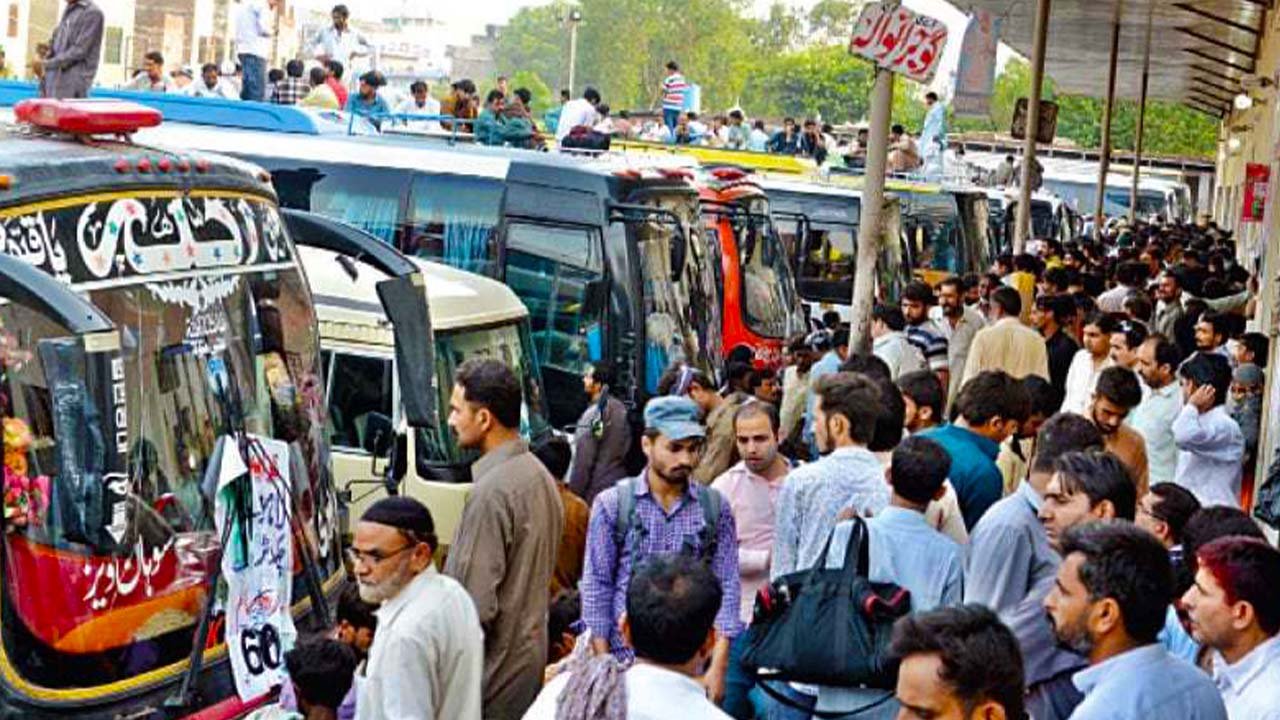
    The recent hike in petroleum prices has been met with public outcry, with many stating that the significant increase in petrol prices has severely impacted the common man, as transporters have raised fares just ahead of Eid-ul-Fitr. This rise in oil product prices is also expected to have repercussions on the cost of daily commodities, particularly kitchen items.

    The Statistical Department of Pakistan has reported that people were already facing 44.6 per cent inflation, and the weekly report showed that this figure was expected to increase further with the recent hike in petroleum prices. The price of petrol has been raised to Rs282 per litre, while high-speed diesel and light diesel oil rates will remain stable at Rs293 per litre and Rs174.68 per litre, respectively. However, kerosene oil has seen an increase of Rs5.78 per litre, with its price now standing at Rs186.07 per litre.

    Long route transporters have increased fares by 10 to 20 per cent per ticket, while freight services charges have risen by 30 per cent. Over 70 per cent of people have started to travel to their native towns to celebrate Eid-ul-Fitr with their families, and they have protested against the sitting government for the fresh increase in petroleum prices. The business community has also warned of a new wave of inflation, and the Pakistan Oil Tankers Association and All Pakistan Truck and Trailer Association have rejected the hike in petroleum product prices.

    Local transporters have also increased fares without permission, claiming that there is no government in the country. However, the District Regional Transport Authority (DRTA) Secretary has stated that they have started a crackdown against transporters who are overcharging passengers. The senior representatives of the trader’s community have also rejected the present hike in petroleum prices and have advised political parties to work together to boost the country’s economy.

    The All Pakistan Clerks Association (APCA) has stated that they are facing difficulties due to the government’s wrong policies and have decided to start a revolution after Eid-ul-Fitr against the wrong government policies. Wagon owners and drivers have protested at the termination points of their routes, while public transport operators in the Rawalpindi division will be meeting to discuss the situation. In summary, transporters, traders, and the general public have strongly reacted to the recent increase in fuel prices.

  • Govt expected to increase petrol price by up to Rs14 per litre for the next fortnight

    Govt expected to increase petrol price by up to Rs14 per litre for the next fortnight

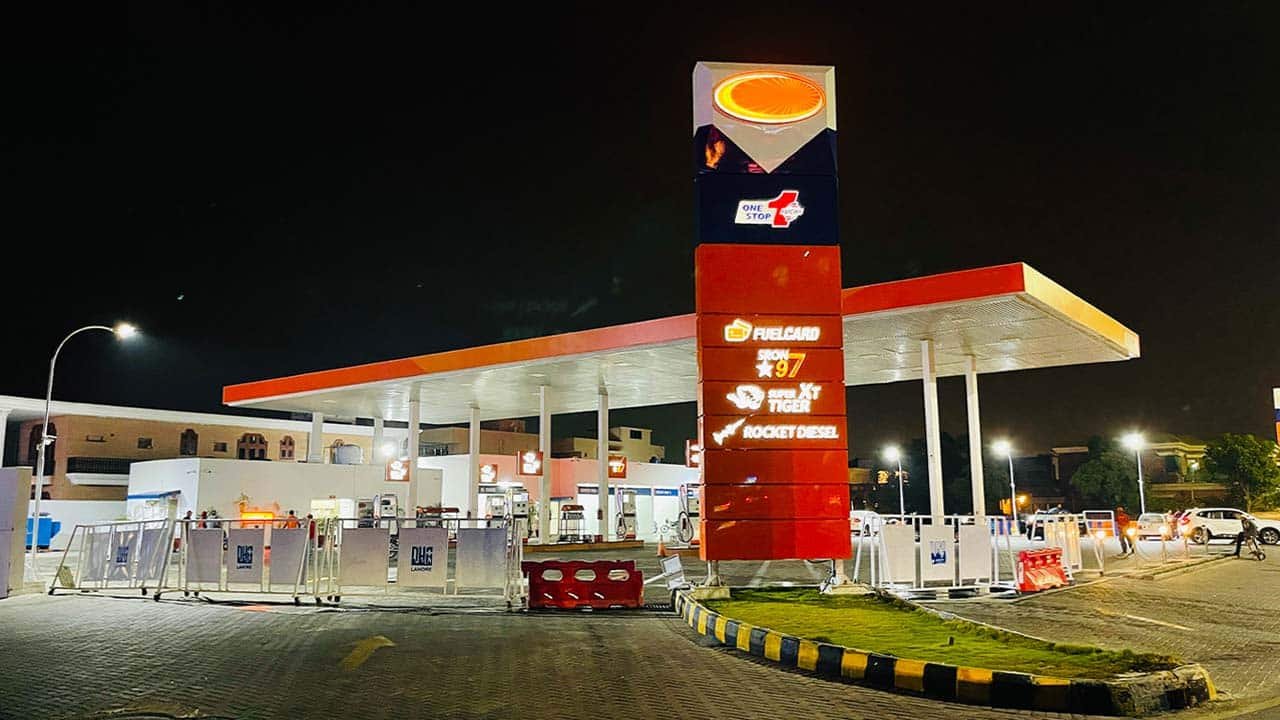
    Petroleum prices are expected to jump by approximately Rs10-14 per litre for the upcoming two weeks. Credible industry sources suggest that the government may contemplate increasing the prices of petroleum products in response to the increasing oil prices in the global markets.

    If the government considers compensating for exchange rate losses, as opposed to the previous review where the authorities did not transfer the impact of rupee devaluation to the public, the hike in prices could increase to as much as Rs14 per litre.

    The ex-depot price of petrol in the country is currently Rs272 per litre, and according to the workings of the oil sector, it is expected to reach Rs286.77 per litre in the next review if the government passes on the impact of global oil prices and exchange rate losses. However, even if the government does not adjust for exchange losses, petrol prices are still likely to increase due to higher global oil prices. The anticipated increase in the price of petrol is based on the current rate of taxes, with the government levying an Rs50 per litre charge on petrol and zero general sales tax.

    The expected rise in petrol prices is based on the Rs5 per litre exchange loss adjustment of Pakistan State Oil (PSO), which the government did not include in the past to keep petrol prices low. The prices of petroleum products would have been higher following the massive depreciation of the rupee against the dollar in the last two and a half months when, under International Monetary Fund (IMF) conditions, the market-based exchange rate was allowed.

    On the other hand, the price of high-speed diesel (HSD) is expected to remain unchanged in the next review of prices, as the current ex-depot price of HSD is the same as the expected price for the next fortnightly period. The anticipated unchanged price of HSD is based on the Rs17.50 exchange loss adjustment of PSO, which was pending when the dollar price increased massively in the last few weeks. Sources suggest that if the government does not adjust for exchange rate losses, the diesel price may decrease by Rs15 per litre.

    The government raised the petroleum levy on HSD to Rs50 per litre under IMF conditions in the last review of prices and charged no GST on it. According to sources, while the oil sector’s workings reflect a rise in petrol prices and no change in HSD, it is up to the government to decide. In the current scenario, the government has no option but to increase the price of petrol, as its financial space is already squeezed. Additionally, the government is making desperate efforts to revive the IMF program to shore up forex reserves.

  • Rupee devaluation, GST hike forces Honda to increase car prices up to Rs1 million

    Rupee devaluation, GST hike forces Honda to increase car prices up to Rs1 million

    Honda Atlas Cars Limited (HACL) has announced its fourth price hike in less than 90 days, citing the government’s implementation of a 25 per cent general sales tax (GST) on luxury items.

    This time, the automaker has raised car prices up to Rs1 million. According to a recent notification, HACL has attributed the most recent price hike to the devaluation of the Pakistani rupee against the US dollar, as well as the increase in sales tax from 18 per cent to 25 per cent.

    Below are the new ex-factory and provisional prices that are applicable from March 14, 2023:

    Model Old Price (Rs) New Price (Rs) Increase (Rs)
    Honda City M/T 1.2L 4,579,000 4,799,000 220,000
    Honda City CVT 1.2L 4,729,000 4,929,000 200,000
    Honda City CVT 1.5L 5,019,000 5,549,000 530,000
    Honda City Aspire M/T 1.5L 5,229,000 5,759,000 530,000
    Honda City Aspire CVT 1.5L 5,419,000 5,979,000 560,000
    Honda BR-V CVT S 5,949,000 6,529,000 580,000
    Honda HR-V VTi 7,199,000 7,899,000 700,000
    Honda HR-V VTi S 7,399,000 8,199,000 800,000
    Honda Civic 1.5L M-CVT 7,779,000 8,599,000 820,000
    Honda Civic 1.5L Oriel M-CVT 8,099,000 8,949,000 850,000
    Honda Civic RS 1.5L LL-CVT 9,199,000 10,199,000 1,000,000
    Latest Honda Car prices in Pakistan – effective from 14 March 2023