Tag: government support

  • PIA receives assurances of govt support during privatisation 

    PIA receives assurances of govt support during privatisation 

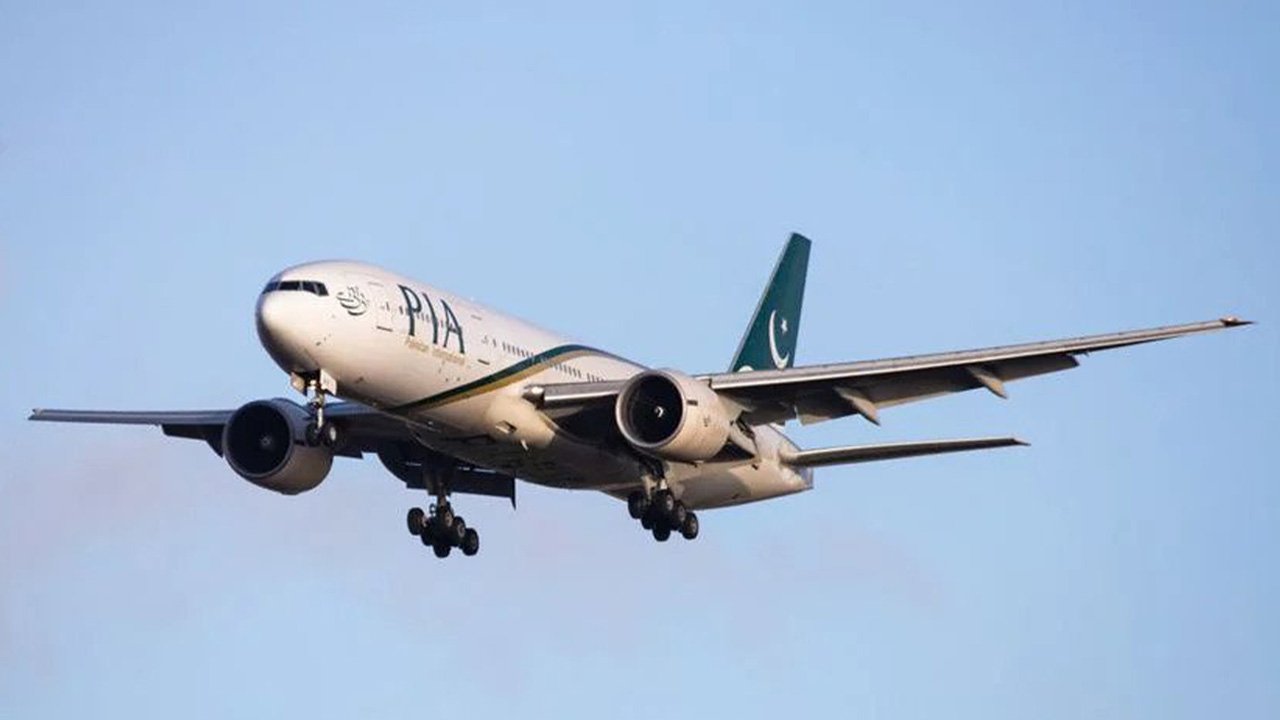
    Following a dire fuel crisis that significantly impacted Pakistan International Airlines (PIA) flight operations, the interim Prime Minister, Anwaar-ul-Haq Kakar, took decisive action on Monday.  

    He instructed the relevant authorities to expedite the privatisation process of the nation’s flag carrier. 

    Over recent weeks, PIA’s flight schedule has faced severe disruption, with numerous cancellations attributed to fuel shortages, exacerbated by the airline’s precarious financial situation.  

    Notably, on the preceding day, Pakistan State Oil (PSO) curtailed its fuel supply to PIA, resulting in the cancellation of 26 flights originating from various cities, including Karachi, Lahore, Islamabad, Quetta, Bahawalpur, Multan, Gwadar, and others. 

    Chairing a comprehensive review meeting concerning PIA’s financial challenges, Prime Minister Kakar highlighted the urgency of finalising the privatisation process within the stipulated timeframe. He further insisted on the submission of regular compliance reports on this matter. 

    The Prime Minister assured that the government remains committed to supporting PIA until the privatisation process is successfully completed. He said that state-owned enterprises (SOEs) facing financial losses will be privatised to safeguard the national treasury. 

    During this meeting, the Prime Minister received a detailed briefing on PIA’s current financial status. 

    In August 2023, the Cabinet Committee on Privatisation (CCoP) approved the inclusion of PIA in the active list of entities slated for privatisation following parliamentary amendments.  

    Additionally, the CCoP consented to engage a financial advisor for the transaction concerning PIA’s Roosevelt Hotel in New York. 

    According to credible sources, a significant transformation occurred when PIA transitioned from a corporation to a public limited company registered under the Companies Ordinance, 1984.  

    This transition commenced in 2016 through a joint parliamentary session that resulted in the enactment of the PIAC (Conversion) Act, 2016.  

    This legislation gave rise to Pakistan International Airlines Corporation Limited (PIACL), a public limited company.  

    Notably, a substantial amendment was introduced, known as the ‘Explanation’ in Sub-section 4 of Section 4, which restricted the federal government from relinquishing management control in the airline business of PIACL while maintaining a minimum ownership stake of 51% in the entity. 

  • Illegal cigarettes capture 50% of market share: Official tobacco sector calls for govt help

    Illegal cigarettes capture 50% of market share: Official tobacco sector calls for govt help

    The tobacco sector that’s officially documented is urgently seeking government support to address the growing issue of smuggled and illicit cigarettes, which now make up over 50 per cent of the local market.

    During a recent briefing on “Current Tobacco Dynamics,” representatives from the Pakistan Tobacco Company (PTC) expressed concern that the market share of these illicit tobacco products could surpass 53 per cent in the next quarter of the fiscal year 2023–24.

    While a 200 per cent increase in excise duty (FED) on cigarettes was implemented, its real impact is expected to become evident in the current fiscal year. Sami Zaman, spokesperson for PTC, highlighted a 44 per cent drop in legitimate cigarette production in June, along with a 28.4 per cent overall sales decrease for the 2022–23 period.

    The implementation of the track-and-trace system has been limited to just two international manufacturers, leaving the rest of the undocumented tobacco sector largely unmonitored. Zaman stressed the need for consistent application across all local manufacturers to prevent tax evasion units from buying untaxed tobacco directly from farmers.

    Zaman also expressed concern about the government’s inability to effectively control the sale of untaxed, health-warning-free smuggled cigarettes. Currently, only multinational companies with track-and-trace systems are under scrutiny.

    According to Brecorder, smuggled cigarettes, due to their tax evasion, remain cheaper, lack mandatory graphic health warnings, and often come in appealing flavours, sometimes even in loose packs. Despite a significant 200 per cent increase in excise duty, the market continues to be flooded with untaxed, affordable cigarettes.

    Due to a shortage of raw tobacco, prices have risen. The growing illicit market is expected to have a significant impact on both legitimate industry volumes and government revenues in the upcoming quarter.

    Despite contributing Rs175 billion during the 2022–23 period (compared to a Rs180 billion target), the tobacco sector’s excise duty collections increased while volumes decreased.

  • Pakistan Army commits full support to govt’s economic revival drive

    Pakistan Army commits full support to govt’s economic revival drive

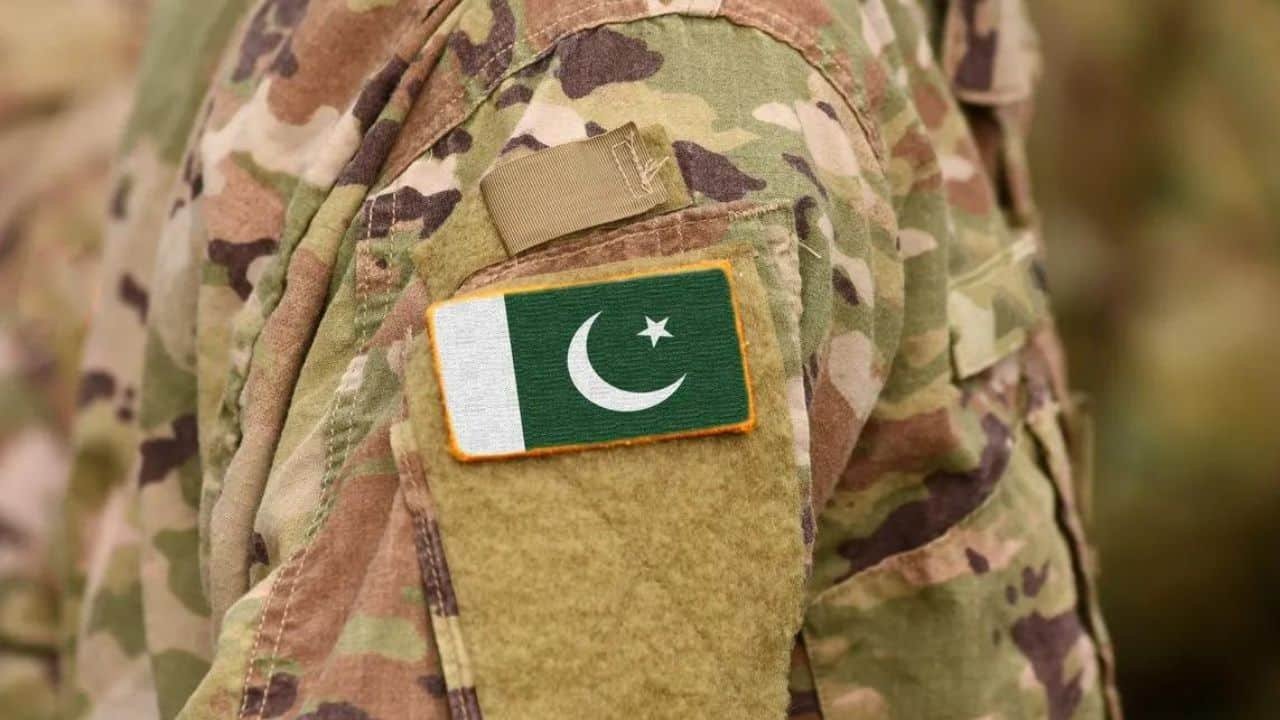
    In a strong show of solidarity, the Pakistan Army has pledged unwavering support to the government’s ambitious plans for the economic revival of the country. This commitment was reiterated by Chief of Army Staff (COAS) General Asim Munir during the 258th Corps Commanders’ Conference held at the General Headquarters (GHQ).

    The Inter-Services Public Relations (ISPR), the media wing of the Pakistan Army, reported that the conference paid tribute to the brave soldiers who have made supreme sacrifices in defending their homeland against the persistent threat of terrorism. The participants were extensively briefed on the prevailing internal security situation, with special emphasis on the sanctuaries and freedom of action enjoyed by terrorists affiliated with proscribed organisations such as the Tehrik-i-Taliban Pakistan (TTP) in a neighboring country. The availability of sophisticated weaponry to these terrorists was highlighted as a major factor impacting Pakistan’s security.

    Operational preparedness and training aspects of the army were also thoroughly discussed during the Corps Commanders’ Conference. COAS Asim Munir emphasised the significance of objective training as a cornerstone of professionalism, emphasising the need for remaining vigilant against any potential threats to national security.

    Moreover, the conference shed light on the government’s economic revival plan and the Pakistan Army’s role in uplifting various sectors, including agriculture, information technology, mining and minerals, and defense production. The plan falls under the jurisdiction of the recently established Special Investment Facilitation Council (SIFC), aimed at promoting economic growth and revitalisation.

    It is worth mentioning that the Special Investment Facilitation Council was formed following a high-level meeting chaired by Prime Minister Shehbaz Sharif. The meeting was attended by Chief of Army Staff (COAS) General Asim Munir, Chief Ministers, federal and provincial ministers, and other senior government officials. The economic revival plan was unveiled during this meeting, with the objective of bringing about socio-economic prosperity for the people of Pakistan and restoring the country’s rightful position among the international community.

    During the meeting, COAS General Asim Munir expressed the Pakistan Army’s full commitment to support the government’s Economic Revival Plan. The collaboration between the army and the government is seen as crucial in achieving sustainable economic growth and securing a prosperous future for all Pakistanis.

    With the Pakistan Army’s unwavering support and the collective efforts of the government, it is hoped that the Economic Revival Plan will pave the way for a brighter future, enabling Pakistan to reclaim its rightful stature among the comity of nations.

  • Pakistan’s pharma industry exports soar to record-breaking $713 million in FY2022-23

    Pakistan’s pharma industry exports soar to record-breaking $713 million in FY2022-23

    Pakistan’s pharmaceutical industry has experienced an impressive surge in exports, reaching an all-time high of $713 million during the fiscal year 2022-23. The remarkable boost in exports can be attributed to the increased demand for surgical and medical equipment, as well as pharmaceutical products.

    The data reveals that surgical and medical equipment exports accounted for $407 million, while drugs and pharmaceutical products contributed $306 million to the export value. Surgical equipment exports witnessed a notable increase of 6.03 per cent, while there was a substantial growth of 25.16 per cent in pharmaceutical product exports.

    Sources indicate that the volume of pharmaceutical exports witnessed a remarkable rise of 98.6 per cent during the fiscal year 2022-23. Approximately 51,964 metric tons of medicines and medical devices were exported, demonstrating the industry’s expanding reach.

    In terms of specific quantities, Pakistan exported 26,054 metric tons of medicines and medical equipment, contributing significantly to the impressive growth in the pharmaceutical sector’s export value. The notable growth of 25.3 per cent in pharma export value further highlights the industry’s success in the international market.

    Looking ahead, sources report that the pharma industry has set an ambitious export target of $1 billion for the fiscal year 2024-25, indicating the industry’s determination to continue its upward trajectory.

    According to ARY News, industry insiders attribute this substantial increase in exports to the incentives provided to the pharmaceutical sector. The government’s support and facilitation have played a crucial role in boosting the industry’s growth and enabling it to compete effectively on the global stage.

    Furthermore, sources highlight the noteworthy surge in exports of Pakistani medical equipment, particularly during the challenging times of the COVID-19 pandemic. The demand for locally produced ventilators witnessed a significant rise as Pakistan began manufacturing its own ventilators to address critical needs during the health crisis.

    The thriving pharmaceutical industry and its impressive export performance signify Pakistan’s growing influence in the global healthcare market. With continued support from the government and a commitment to innovation and quality, the country’s pharma sector is poised for further growth and success in the years to come.