Tag: government

  • Nawaz Sharif says he never revealed diplomatic document to save his government

    Nawaz Sharif says he never revealed diplomatic document to save his government

    Pakistan Muslim League-Nawaz (PML-N) head Nawaz Sharif criticised former Prime Minister Imran Khan, who was given a 10-year sentence in the cipher case, by saying that he had never revealed any diplomatic document to save his government.

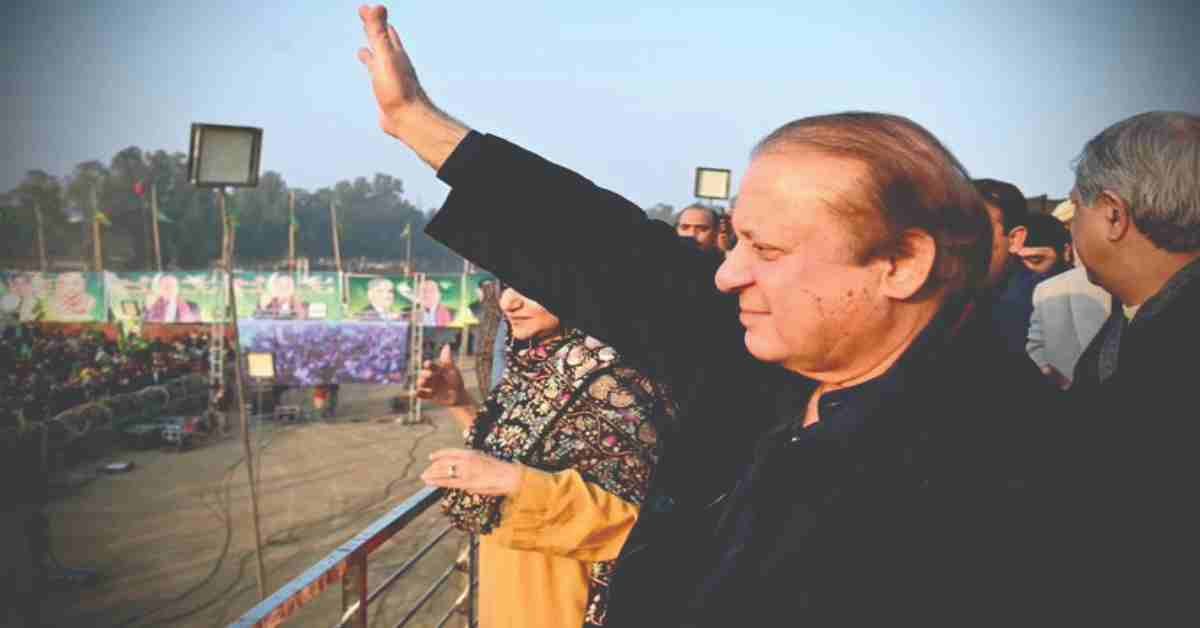
    Sharif used strong words to slam Khan in an election rally in Bahawalnagar district on Tuesday, accusing him of plotting a “conspiracy” that compromised national security.

    The PML-N supremo also praised the people of Haroonabad for coming out in large numbers to welcome him.

    “Despite being subjugated, I had never revealed any state secret nor compromised national security,” Nawaz said while pointing fingers at Khan, adding that he “attacked” the country’s integrity to save his rule.

    “I am still standing before the nation despite facing cruel oppression. I had been ousted from the premiership for not receiving a salary from my son. I was removed from the premiership thrice which also resulted in losses to the country.”

    Nawaz Sharif also said that inflation was under control as well as farmers and common people were happy in his previous tenures.

    The PML-N supremo blamed Khan for shaking the foundations of the country during his four-year rule.

  • Pakistan’s debt burden increases by Rs86.28 billion within seven days

    Pakistan’s debt burden increases by Rs86.28 billion within seven days

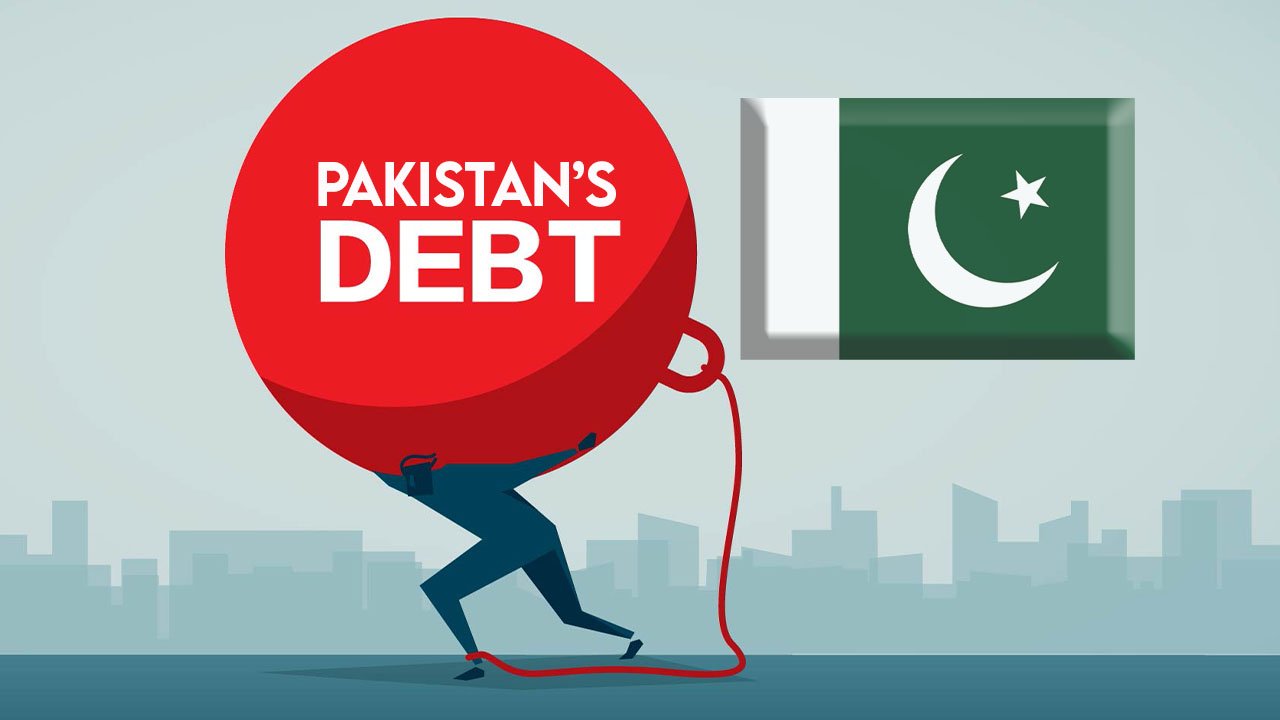
    In the week ending January 12, the government of Pakistan increased its debt burden by Rs86.28 billion, bringing the total net borrowing for the ongoing fiscal year 2024 to Rs2.57 trillion, as per the latest estimates from the State Bank of Pakistan (SBP).

    The government’s borrowings fall into three main categories: budgetary support, commodity operations, and others.

    The breakdown of the weekly net borrowing reveals that Rs87.7 billion was allocated for budgetary support, while Rs1.37 billion went towards retiring commodity operations.

    Additionally, Rs48.4 million was used for other purposes during the week.

    Cumulatively, this brings the borrowing figures for the fiscal year 2024 to Rs2.77 trillion for budgetary support, Rs193.72 billion for retiring commodity operations, and Rs1.1 billion for other purposes.

    The primary sources of financing for budgetary support are the State Bank of Pakistan and the Scheduled Banks. In the ongoing fiscal year, the government has repaid a net sum of Rs1.05 trillion to the central bank.

    The Federal Government accounted for Rs954.56 billion of this repayment, while the Provincial Government, AJK Government, and GB Government contributed Rs77.73 billion, Rs11.17 billion, and Rs2.05 billion, respectively.

    On the other hand, scheduled banks have extended a net total of Rs3.81 trillion in loans. The Federal Government borrowed Rs3.9 trillion, while the Provincial Government repaid Rs90.41 billion during this period.

  • Pakistan informs IMF of preparedness to address near-term challenges

    Pakistan informs IMF of preparedness to address near-term challenges

    In a recent communication to the International Monetary Fund (IMF), the government has underscored its preparedness to address potential near-term challenges, signalling a commitment to maintaining economic stability.

    The disclosure comes as part of the IMF’s first review under the stand-by arrangement.

    The government, as revealed in the report, stands ready to respond decisively should near-term price pressures reemerge. This includes addressing stronger-than-expected second-round effects on core inflation and potential pressures on the exchange rate amid the normalisation of the current account.

    Amid signs of weaker demand, positive supply developments, and decreasing pressures on the exchange rate, the government anticipates a notable decline in inflation in the coming months.

    As a result, the policy rate was maintained at 22 per cent during the latest Monetary Policy Committee (MPC) meeting held on October 30. However, the government reiterated its readiness to respond promptly if there is a resurgence of near-term price pressures.

    The primary objective is to ensure a clear downward trajectory for inflation and inflation expectations. The pace of future adjustments will be contingent on various factors, including inflation data, exchange rate developments, external position strength, and the fiscal-monetary policy mix.

    The government aims to keep the real policy rate in positive territory on a forward-looking basis, signalling a commitment to bringing inflation within the target band by fiscal year 2026.

    To enhance monetary policy transmission, the interest rate on major refinancing schemes, specifically the EFS and LTFF, will continue to be linked to the policy rate, with a spread of no more than 3 per centage points, as per the announcement by Pakistani authorities.

    The report emphasised the importance of vigilance, highlighting that despite the return of the forward-looking real policy rate to positive territory, caution is necessary due to near-term risks.

    With inflation expectations not yet firmly anchored, the Monetary Policy Committee is urged to respond robustly and promptly should inflationary pressures resurface.

    Maintaining a positive real policy rate during a period of easing inflation and promptly addressing signs of new demand pressures or rising inflation expectations is seen as crucial.

    This strategy aims to re-anchor inflation expectations and guide down core inflation from the second half of fiscal year 2024 onwards, contingent on the absence of a resumption in administrative import compression.

    The report projects a significant decline in headline inflation through fiscal years 2025–26, aligning within the targeted 5–7 per cent range by fiscal year 2026. This outlook is supported by fiscal consolidation efforts and the normalization of global commodity prices.

    While the IMF staff views the current stance as broadly appropriate given weak domestic demand, the report suggests that the MPC should remain prepared to respond resolutely if near-term price pressures reemerge, including second-round effects.
  • ‘Anybody but Dar’; Bilawal on next finance minister

    ‘Anybody but Dar’; Bilawal on next finance minister

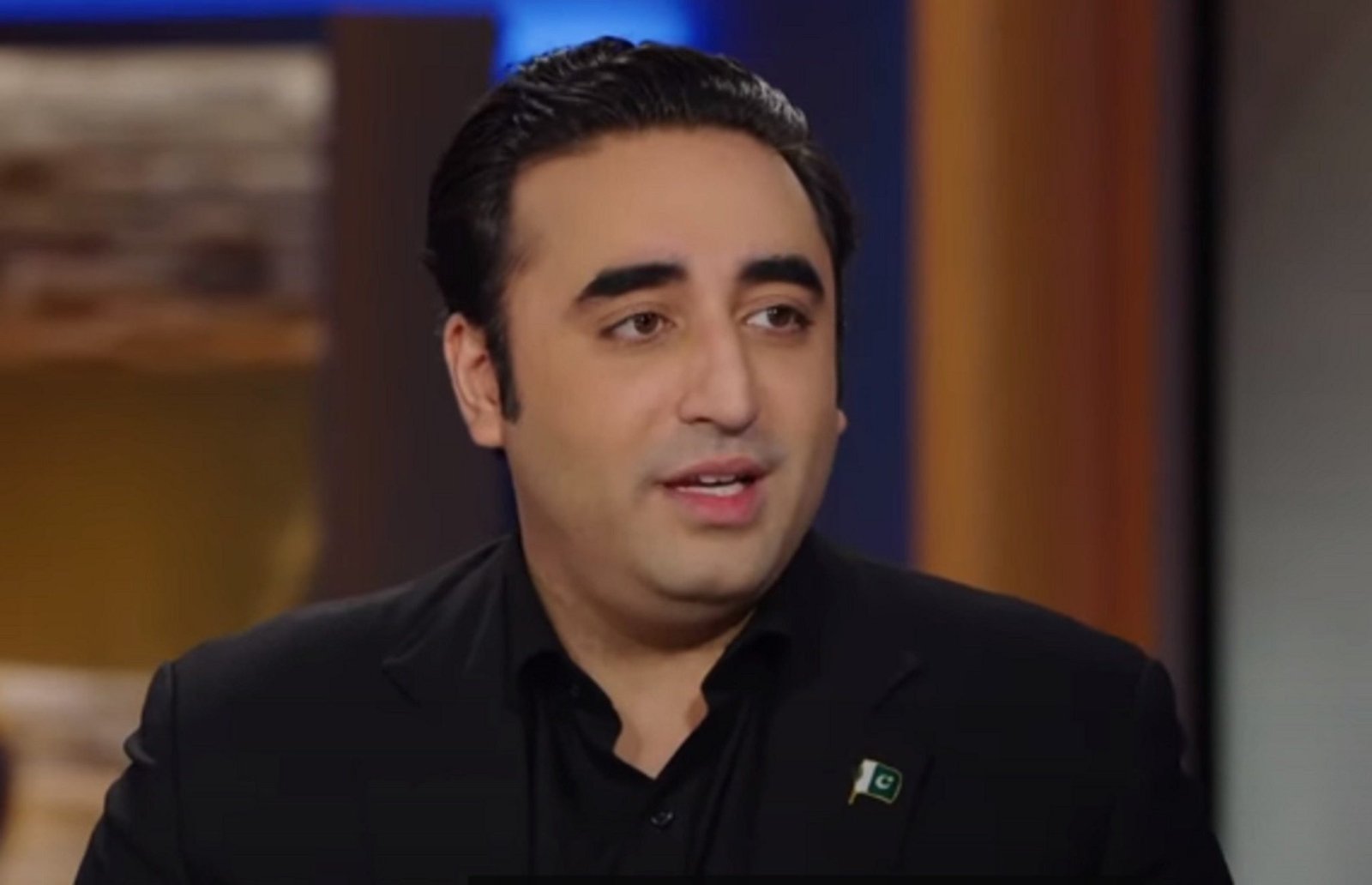
    Pakistan People’s Party (PPP) Chairman Bilawal Bhutto Zardari told in Absa Komal of Dawn News in an interview, “I think the whole nation has a unanimous consensus that anybody but (Ishaq) Dar (should be the finance minister).”

    The former Foreign Minister also criticised his political rivals and said that the Sharifs are vengeful and not capable of dealing with the economic crisis.

    “They [PML-N leaders] aren’t the one to forgive. They harbour animosity, seek revenge, and balance scores at the right time. They only know the politics of revenge. This is their history.” He singled out Pakistan Muslim League-Nawaz (PML-N) head Nawaz Sharif for changing the then finance minister Miftah Ismail during the Pakistan Democratic Movement (PDM) government.

    The PPP chairman predicted that independent candidates will play a vital role in the upcoming polls set to take place on February 8, 2024.

    “A huge number of independent candidates are contesting elections this year. Not only PTI leaders, but even those who are electable and have a political history, or those who failed to get tickets from PTI or PML-N, are contesting.”

  • Govt expected to slash petrol prices for second half of January

    Govt expected to slash petrol prices for second half of January

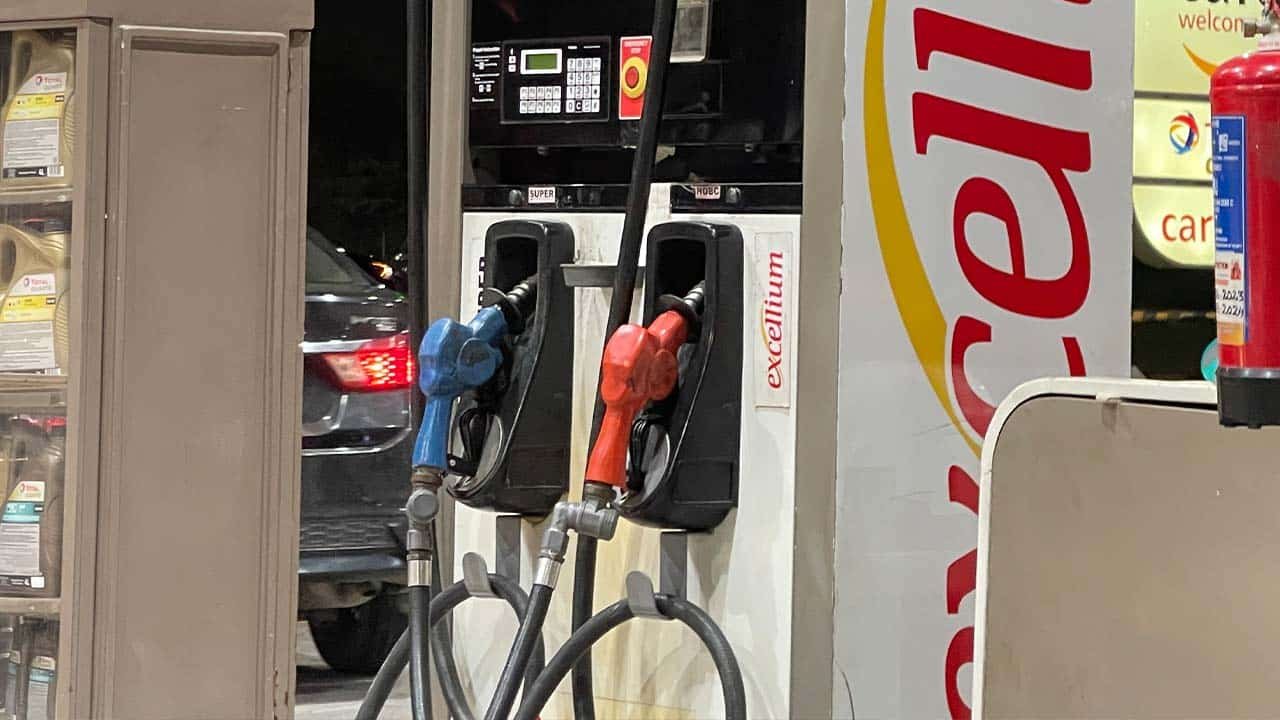
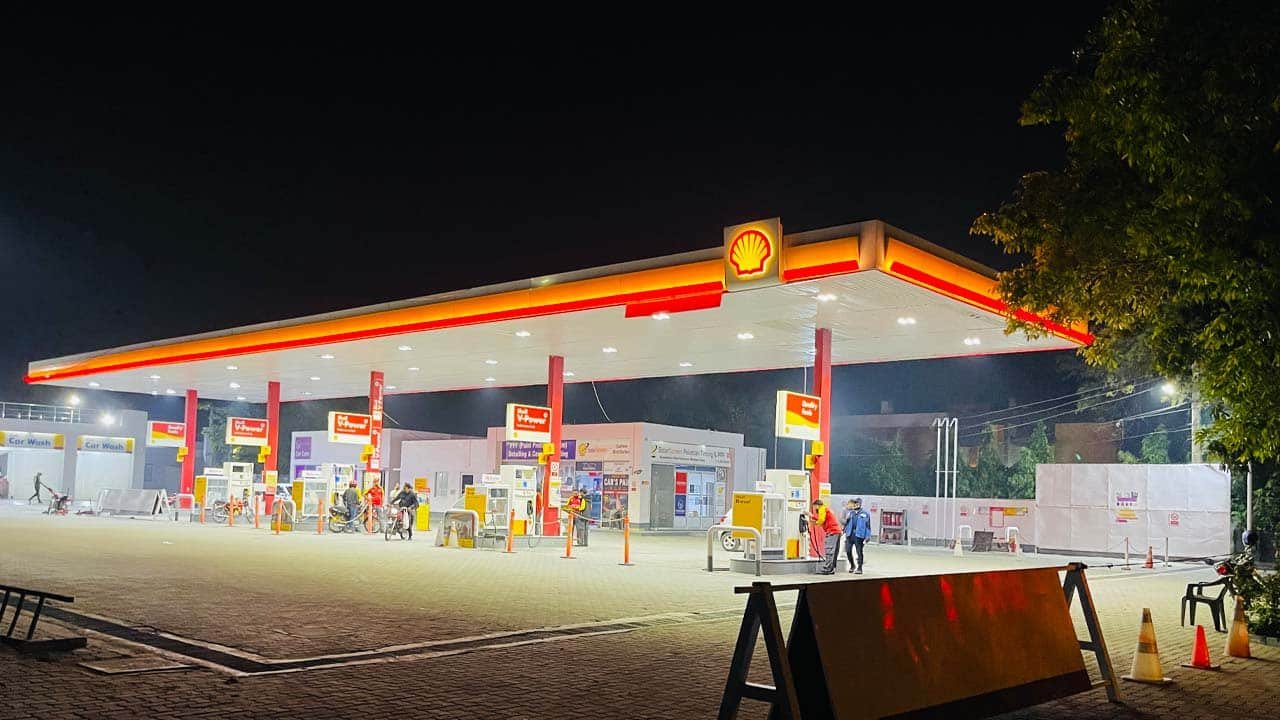
    In a move aimed at providing relief to consumers, the government is expected to reduce petrol prices by more than Rs5 per litre for the second half of January.

    This decision comes as a response to the recent dip in global oil prices, ensuring that the benefits are passed on to the end-users.

    According to the latest pricing estimates until January 12, international petroleum prices have experienced a decline of 1 per cent over the last fortnight. This decrease in global prices may serve as a key factor in the government’s decision to revise the domestic petrol rates.

    On a different note, the price of High-Speed Diesel (HSD) is anticipated to see a slight uptick, with an expected increase of Rs2 per litre. This adjustment is attributed to a modest rise in international diesel prices during the relevant period.

    It’s crucial to highlight that one more session remains before the next pricing update, and the future trajectory of these prices will be contingent on global market movements and exchange rate fluctuations.

    Recalling the decisions from the previous fortnight, the government maintained petrol and diesel prices at Rs267.34 and Rs276.21 per litre, respectively.

    Additionally, there has been a marginal appreciation of the local currency against the USD since the previous fortnight’s pricing decision. The weighted average exchange rate now stands at approximately PKR 281.31 per USD. This development is expected to contribute to the adjustment of petrol prices in the domestic market.

    The official announcement of the revised prices is scheduled for midnight on January 15. The new prices will come into effect immediately and will be applicable for the rest of the month.

  • Pakistan imposes minimum export price on onions to tackle soaring local prices

    Pakistan imposes minimum export price on onions to tackle soaring local prices

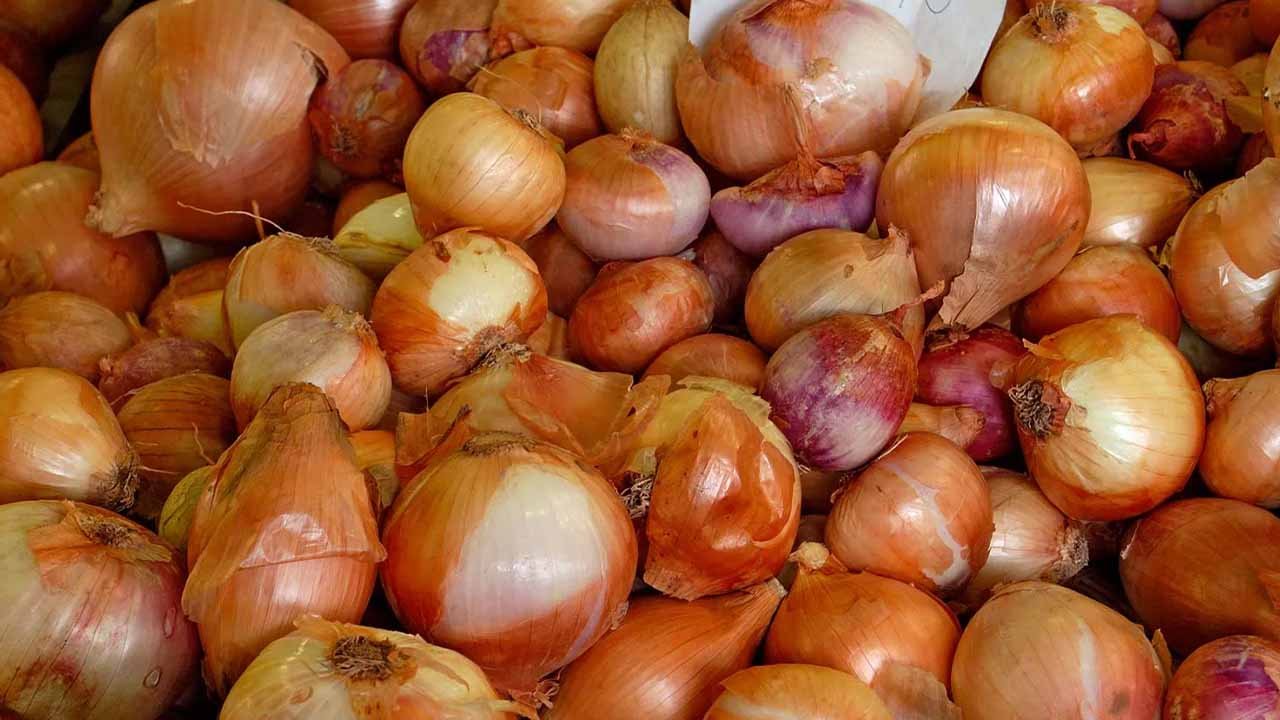
    In a move aimed at stabilising local prices, the government announced on Friday the establishment of a minimum export price for onions and shallots at $1,200 per metric ton.

    The notification detailing this decision was issued by the Ministry of Commerce.

    This decision comes in response to the escalating local prices of onions and shallots, driven by a surge in demand in international markets.

    Exporters operating in the domestic market have been capitalising on India’s ban on the export of these items, resulting in a shortage for local consumers.

    The latest weekly inflation figures, ending on January 11, 2024, revealed a 1.36 per cent week-over-week increase in the Sensitive Price Indicator (SPI) for the Combined Group. Notably, the second-highest surge among all 51 items was witnessed in onion prices, which rose by 8.94 per cent.

    This move by the government is strategically designed to curb the impact of export-related activities on local availability and pricing, with a focus on maintaining stability in the market.

    The Ministry of Commerce’s notification underscores its commitment to addressing the challenges posed by increased international demand and its repercussions on the domestic front.

    As authorities strive to strike a balance between facilitating exports and ensuring the availability of essential commodities for local consumers, the implementation of the minimum export price serves as a significant step in mitigating the adverse effects of market dynamics on the pricing of onions and shallots within the country.

  • Govt’s bank borrowings jump 3.15x in six months

    Govt’s bank borrowings jump 3.15x in six months

    The government’s reliance on bank borrowings has displayed a concerning upward trajectory, intensifying the nation’s debt burden and raising doubts about its optimistic economic outlook. 

    Recent data for the six months ending December 2023 reveals a substantial increase in borrowing through banks, soaring to Rs3.214 trillion compared to Rs1.019 trillion during the same period last year—an alarming surge of 3.15 times.

    Notably, this surge occurs amid a caretaker government’s administration, signalling that within six months, the government has amassed a level of debt equivalent to the entire fiscal year 2023. 

    While governments commonly borrow from banks to address financial gaps, refinance debts, and fund public projects, the scale of the borrowing indicates a matter of heightened concern.

    Despite the Federal Board of Revenue’s commendable performance in tax collections, with historic achievements of over Rs1 trillion in December and Rs4.468 trillion in 6MFY24, these impressive figures clash with the substantial reliance on bank borrowings.

     Economic apprehensions grow as these borrowing patterns contradict the government’s objective of optimising the allocation and expenditure of public funds.

    The caretaker government’s limited authorisation of Rs300.904 billion for development funds, out of a total allocation of Rs950 billion for ongoing and new social sector uplift projects, contrasts starkly with the escalating borrowing figures, hinting at the possibility of an expanding Public Sector Development Programme (PSDP).

    Furthermore, this escalating trend in government borrowings raises concerns among economists and financial experts who emphasise the importance of fiscal discipline. 

    The growing debt levels may not only impact the country’s creditworthiness but also strain future budgetary allocations, potentially limiting the government’s capacity to respond to unforeseen economic challenges. 

    As stakeholders closely monitor these developments, there is a pressing need for transparent fiscal policies and strategic measures to ensure a sustainable and resilient economic future for the nation.

  • Govt may cut petrol price by more than Rs10 per litre

    Govt may cut petrol price by more than Rs10 per litre

    The government is poised to provide significant relief by potentially reducing petrol and diesel prices by Rs13 and Rs15 per litre, respectively, in the upcoming fortnightly pricing update.

    This anticipated reduction is attributed to a noteworthy downturn in international petroleum and diesel prices over the past fortnight.

    The stability of the local currency at a weighted average of approximately PKR 284.33 per USD further contributes to this potential relief. 

    Current estimates as of December 2008 reveal a global decline in petrol and diesel prices by 5.44 per cent and 5.6 per cent, reaching $94.95 and $100.05 per barrel, respectively.

    As the next pricing update is still a week away, the future trajectory of these prices hinges on global market movements and exchange rate fluctuations. 

    Notably, in the preceding fortnight, the government maintained the petrol price at Rs281.34 while reducing the HSD price by Rs7 to Rs289.71 per litre.

  • No pictures of Mohsin Naqvi with promotion of flyovers, underpasses allowed: Lahore Court

    The Punjab government provided assurances to the Lahore High Court on Wednesday, that the image of the caretaker chief minister of Punjab, Mohsin Naqvi, would not be utilized in advertisement campaigns promoting development projects.

    Justice Sultan Tanvir Ahmad presided over the proceedings, which involved a petition challenging the promotion of the caretaker CM in ads related to the construction of flyovers and underpasses in Lahore.

    Additional advocate general represented the government and made a commitment to the court that the image of the caretaker CM would not be incorporated into any official campaign from now on.

    Read more: Awam ka kitna paisa laga hai Mohsin Naqvi ki publicity par?

    Acknowledging the government’s undertaking, Justice Ahmad resolved the petition while cautioning against a recurrence of such practices in the future.

    The judge emphasized the importance of responsible use of public funds, stating that individuals using public money for self-promotion would be held accountable.

    A citizen, Hafiz Israrul Haq, filed a writ petition on November 17, challenging the promotion of the caretaker chief minister on the construction of flyovers in the city.

    The judge declared that those who promoted themselves with public money would be held accountable.

    The petition stated, “The Govt. of Punjab designed a plan in order to construct a flyover at Shahdara Chowk to facilitate the public and started to construct the Fly over at Shahdara Chowk Lahore to make smooth flow of traffic as it is the duty of the Govt. to create easiness in the life of the inhabitants and to facilitate them but the Govt. of Punjab after completion of Construction of project of Fly Over started to advertise on electronic, Print Media and by displaying flexes/ sign board to make publicity with the name and style of “MUHSIN SPEED” which they are not authorized as if they have completed the work before time it is not permitted to advertise the same from the public exchequer rather they may advertise for publicity from their pockets not form the public money.”

  • Why aren’t you getting your passport?

    Why aren’t you getting your passport?

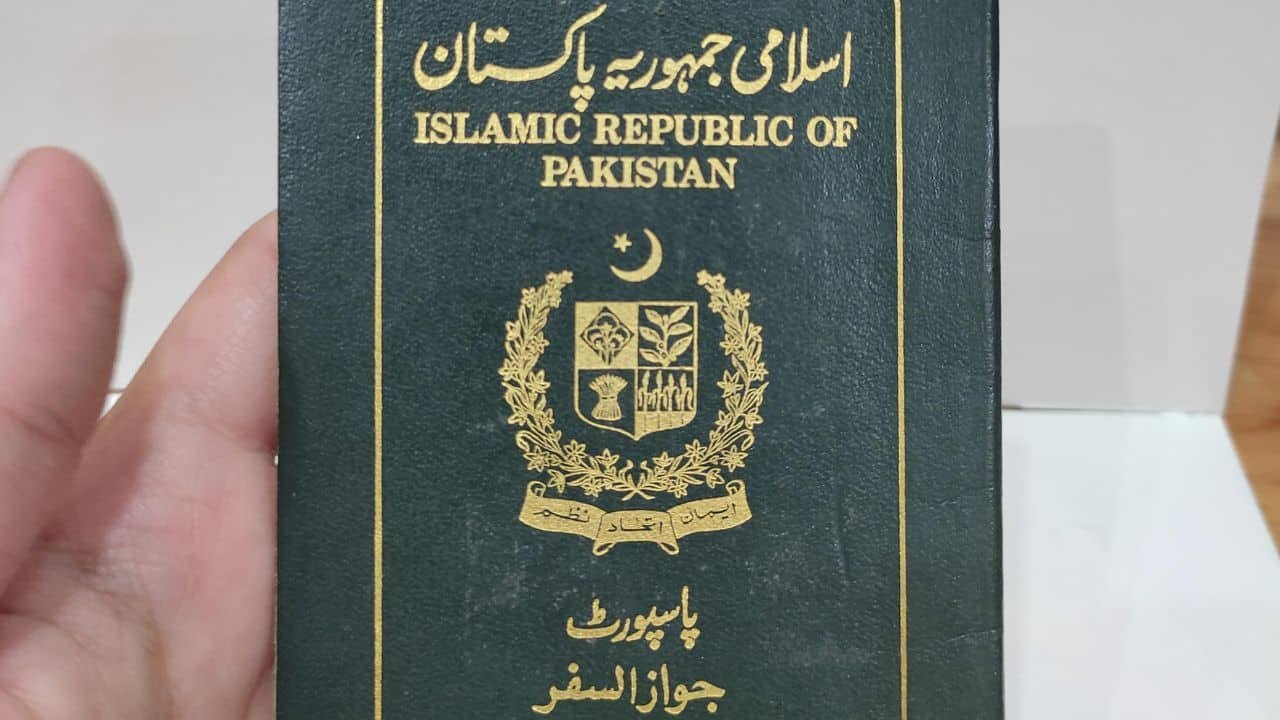
    Numerous complaints have been filed against the Directorate General of Immigration and Passports, citing prolonged waiting periods for passport issuance, leading frustrated applicants to seek intervention from the federal ombudsman.

    Responding to the increasing complaints, Federal Ombudsman Ejaz Ahmad Qureshi acted on Monday by dispatching an inspection team comprising senior officials to assess the situation at the passport office and identify the reasons for the delays.

    During the inspection, the administration of the Directorate General of Immigration and Passports explained to the visiting team that the delay in printing passports was due to the unavailability of lamination paper.

    They assured the team that the backlog would be swiftly cleared as they now had an adequate supply of lamination paper.

    The inspection team recommended that the administration ensure timely procurement of lamination paper in the future to prevent a recurrence of the issue.

    They also advised the administration to adhere to the prescribed timeframe for passport issuance and, in cases of late delivery, refund the fees charged for urgent passport processing.

    Simultaneously, the Federal Ombudsman directed the secretary interior to comprehensively assess the functioning of the Directorate General of Immigration and Passports to ensure more efficient service delivery in the future.

    The inspection team discussed in detail the entire process of issuing passports to ascertain the causes of inordinate delay and breakdown of efficient delivery of services in the Passport Office.

    The team also interviewed many people who had come to get their passports in the Passport Offices located in the G-8 and G-10 sectors in Islamabad.

    The team was informed by the applicants that they had been visiting the Passport Office to collect their documents for many months and their visas had expired in the meantime.

    The inspection team on arrival at G-10 Passport Office observed hundreds of applicants waiting to collect their travel documents. The lack of proper seating arrangements was causing further agony to the visitors.

    The inspection team will submit its report based on its recommendations for the consideration of the Federal Ombudsman within one week.