Tag: government

  • Awam ka kitna paisa laga hai Mohsin Naqvi ki publicity par?

    Awam ka kitna paisa laga hai Mohsin Naqvi ki publicity par?

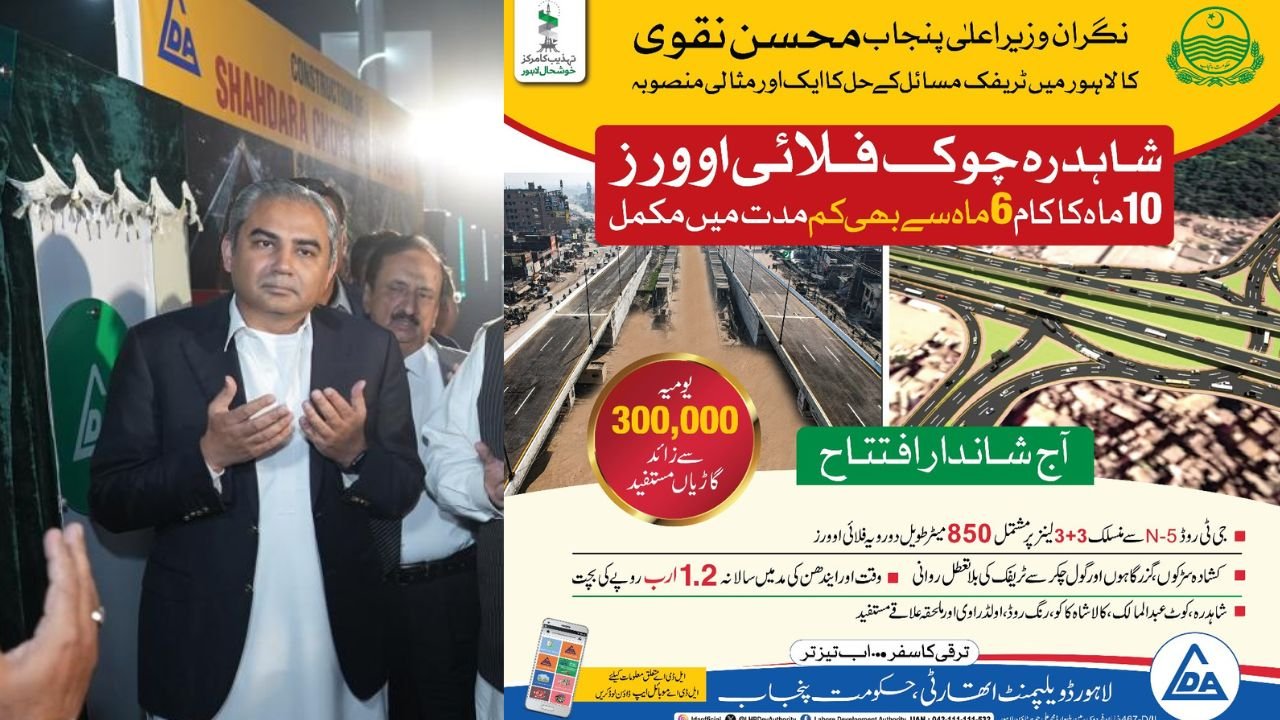
    The Lahore High Court on Monday expressed concerns about the utilization of public funds in advertisement campaigns showcasing caretaker Chief Minister Mohsin Naqvi for various development projects.

    Justice Sultan Tanvir Ahmad, while presiding over the case, voiced concerns that taxes collected from the public should be spent judiciously and not misused for self-promotion.

    A citizen, Hafiz Israrul Haq, filed a writ petition on November 17, challenging the actions taken to promote the caretaker chief minister on the construction of flyovers in the city.

    The judge declared that those who promoted themselves with public money would be held accountable.

    The petition stated, “The Govt. of Punjab designed a plan in order to construct a flyover at Shahdara Chowk to facilitate the public and started to construct the Fly over at Shahdara Chowk Lahore to make smooth flow of traffic as it is the duty of the Govt. to create easiness in the life of the inhabitants and to facilitate them but the Govt. of Punjab after completion of Construction of project of Fly Over started to advertise on electronic, Print Media and by displaying flexes/ sign board to make publicity with the name and style of “MUHSIN SPEED” which they are not authorized as if they have completed the work before time it is not permitted to advertise the same from the public exchequer rather they may advertise for publicity from their pockets not form the public money.”

    The judge summoned a complete record of the expenses incurred for an advertisement campaign for the construction of flyovers featuring the caretaker chief minister.

    Additionally, the Court directed the Lahore Development Authority (LDA) to present a thorough record of the construction of the flyovers at the upcoming hearing.

    The move underscores the court’s commitment to ensuring transparency and accountability in the expenditure of public funds.

    A similar issue arose in 2018 when then Chief Justice of Pakistan, Mian Saqib Nisar, took suo motu notice against media advertisements by the provincial government featuring images of then Chief Minister Shehbaz Sharif in the lead-up to the general elections.

    Subsequently, the Supreme Court ordered Punjab Chief Minister Shahbaz Sharif to reimburse the national exchequer Rs5.5 million on March 8, 2018.

    A Punjab government newspaper advertisement carrying his photograph was displayed in court during the hearing.
  • Another exam, more cases of cheating

    Another exam, more cases of cheating

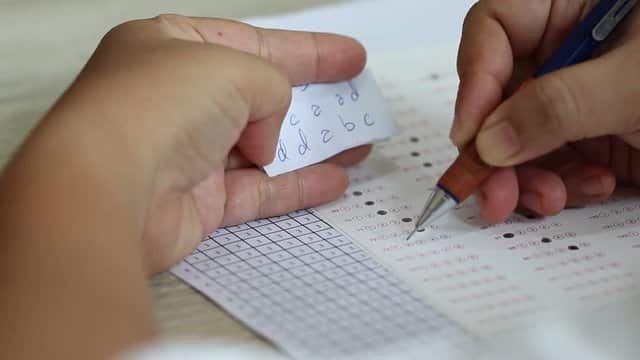
    After cases of cheating during MDCAT examination in Khyber Pakhtunkhwa in September, the Public Service Commission examination has also been infiltrated with cheating.

    According to the Khyber Pakhtunkhwa Public Service Commission, a test was held on June 24 for the recruitment of SDO in the Irrigation Department and CNW, during which 18 candidates were caught cheating.

    KP Public Service Commission officials also revealed that electronic devices, guides and other copy materials were recovered from the candidates during the examination.

    Examinations were cancelled and they have been banned from appearing for a period of one year to three years.

    The commission has issued a public notice for re-examination and the relevant test will be held again on December 23.

  • Anti-power theft measures lead to Rs46 billion in recoveries

    Anti-power theft measures lead to Rs46 billion in recoveries

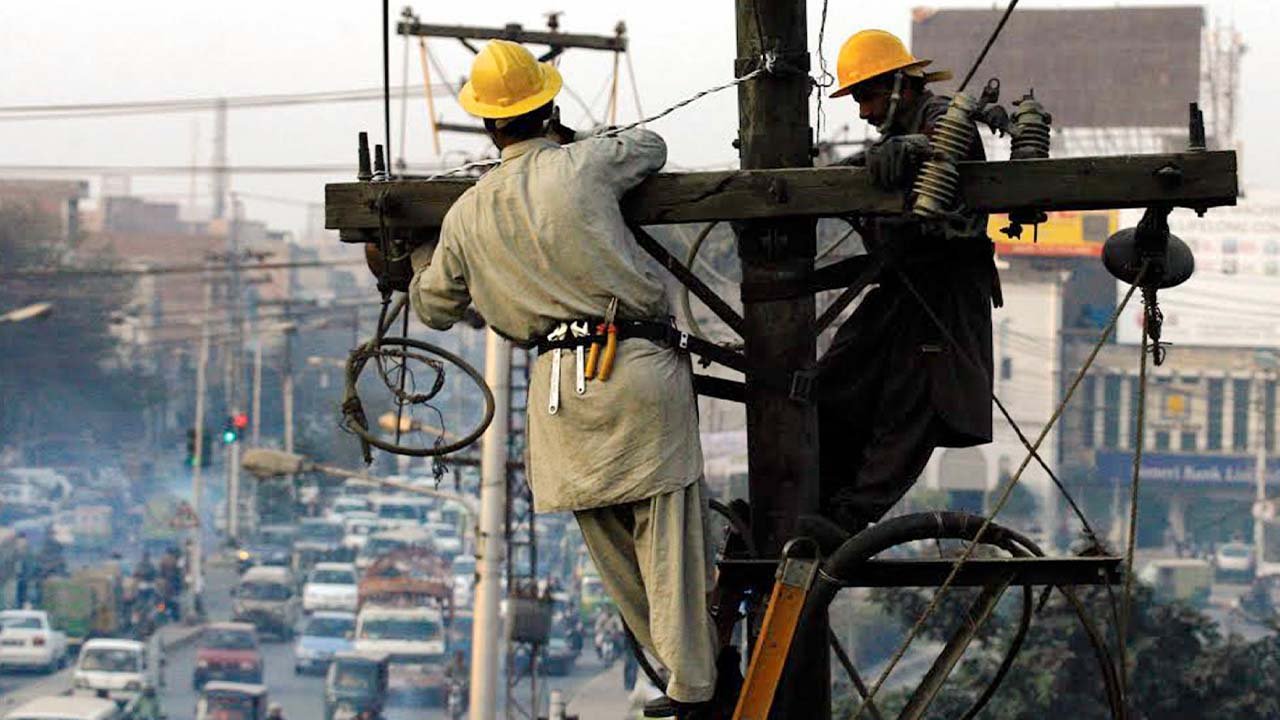
    The government’s unyielding efforts against power theft have produced significant results, surpassing Rs46 billion in recoveries, as announced by Rashid Langrial, Secretary Power Division, Government of Pakistan, in a statement on X (formerly Twitter).

    It’s noteworthy that the anti-power theft campaign commenced on September 7, and the reported outcomes cover the period up to October 31.

    Langrial highlighted the government’s commitment, stating that they have undertaken unprecedented measures, including reshuffling, suspending, prosecuting, and even arresting their own staff.

    Approximately 470 individuals per day have been detained, marking a substantial increase in the rate of apprehension.

    The Secretary highlighted the government’s determination to eliminate external influences, thanks to the unwavering support of the Prime Minister, the Minister-in-Charge, and other segments of state power.

    While revealing the results for the initial two months (53 days), Langrial underscored the importance of placing the figures in context.

    The estimated annual losses across the national grid for the current year stand at Rs589 billion. Notably, around Rs199 billion of these losses are attributed to ex-FATA, Baluchistan tube wells, and AJK.

    However, Langrial clarified that these specific areas are not the primary focus of the campaign due to their unique circumstances. AJK, for instance, handles its own bills but disputes payments on contractual grounds.

    Ex-FATA, exempted from metres due to a policy of appeasement post-integration, and Baluchistan tube wells face enforcement challenges, among other factors.

    Langrial disclosed that efforts are concentrated on the remaining problem space of Rs390 billion, of which Rs46 billion has been recovered in 53 days, averaging Rs867 million per day.
    He cautiously acknowledged that maintaining

    the same level of state support and field effort is crucial for resolving 80 per cent of the problem space, albeit with some uncertainty.

  • OGRA notifies major gas price hike for November

    OGRA notifies major gas price hike for November

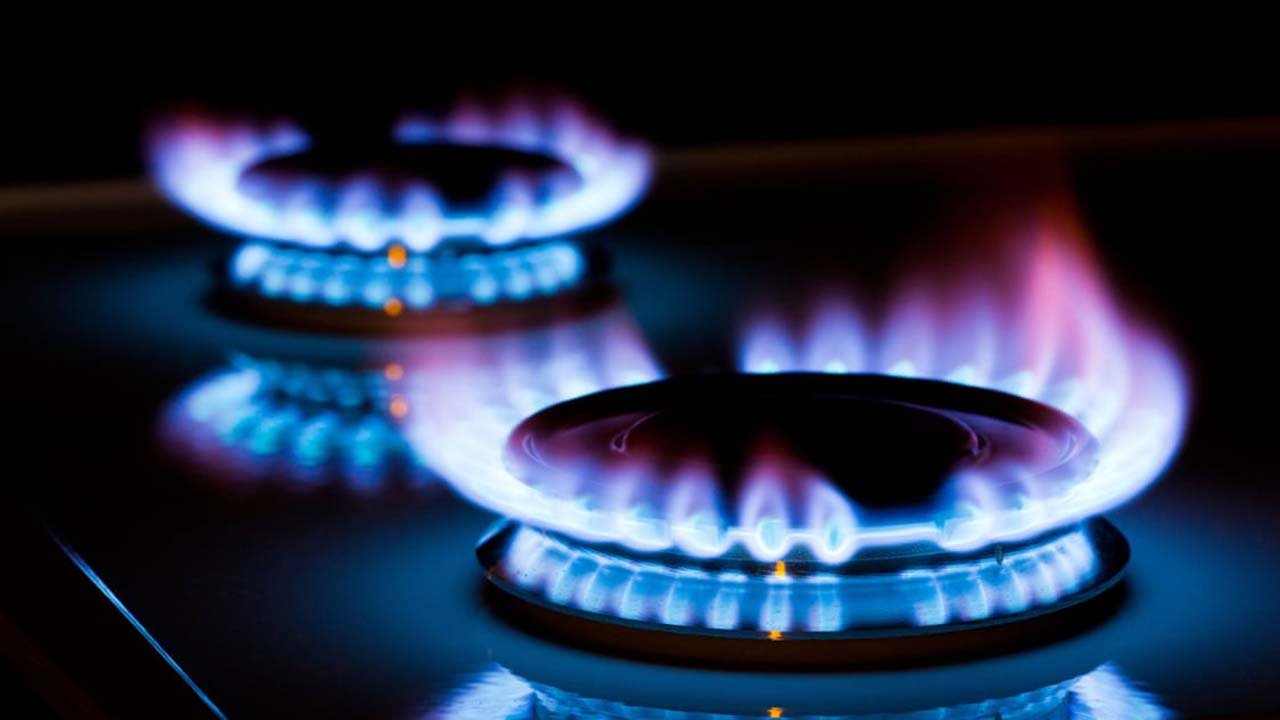
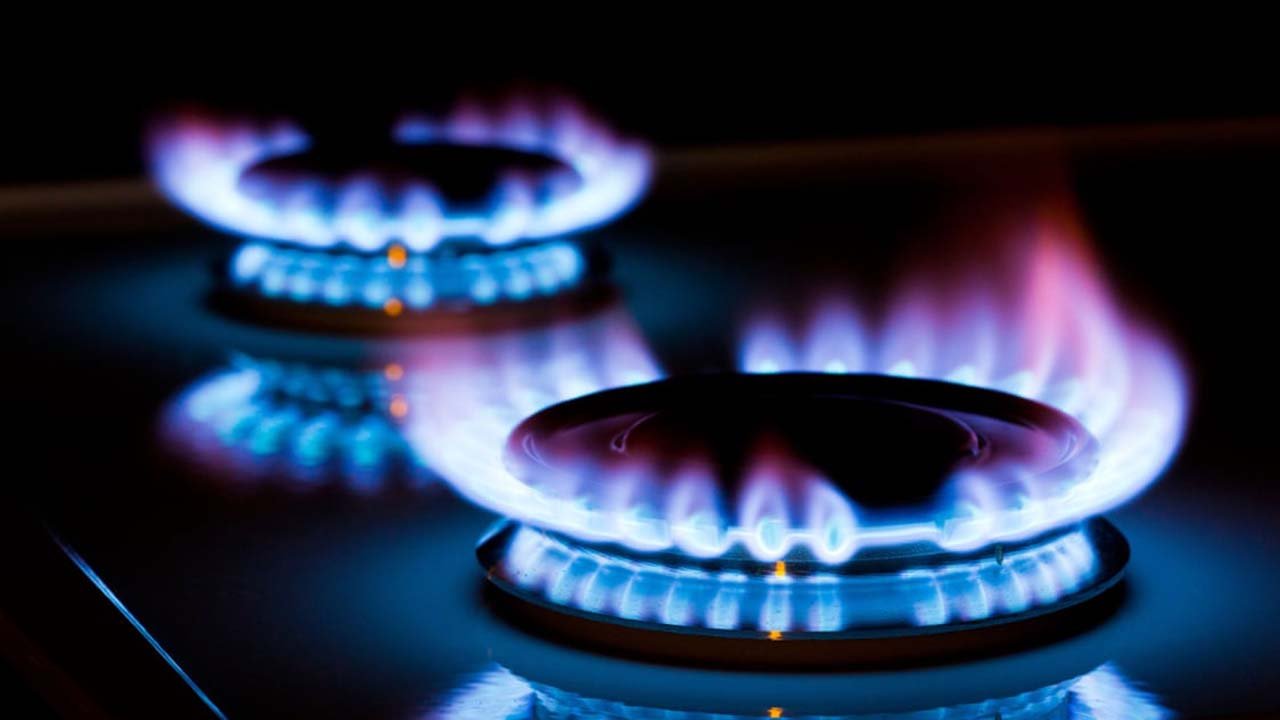
    The caretaker government’s decision to implement a gas price increase of over 172 per cent for non-protected domestic consumers has left many shocked and outraged.  

    Starting on November 1, the revised prices are set to impose a significant financial burden on households already grappling with financial difficulties. 

    According to the notification released by the Oil and Gas Regulatory Authority (OGRA), the new gas prices represent a substantial hike across various consumption levels.  

    For instance, customers consuming 100 cubic metres of gas per month will now be charged Rs1,000, up from the previous rate of Rs400. Those using 150 cubic metres will see their monthly costs rise from Rs600 to Rs1,200. 

    On the other hand, the price for a monthly consumption of 200 mmbtu has increased to Rs1,600 from the previous Rs800, and for users consuming 300 mmbtu monthly, the cost has risen to Rs3,000 from Rs1,100. 

    Moreover, the charge for consuming 400 mmbtu of gas per month has gone up from Rs2,000 to Rs3,500. For those using more than 400 mmbtu per month, the new rate is Rs4,000, up from the earlier Rs3,100. 

    This significant and unexpected price surge is anticipated to have a severe impact on household budgets, especially for low-income families who heavily depend on natural gas for cooking and heating. 

  • Govt decides not to reduce petrol, diesel prices

    Govt decides not to reduce petrol, diesel prices

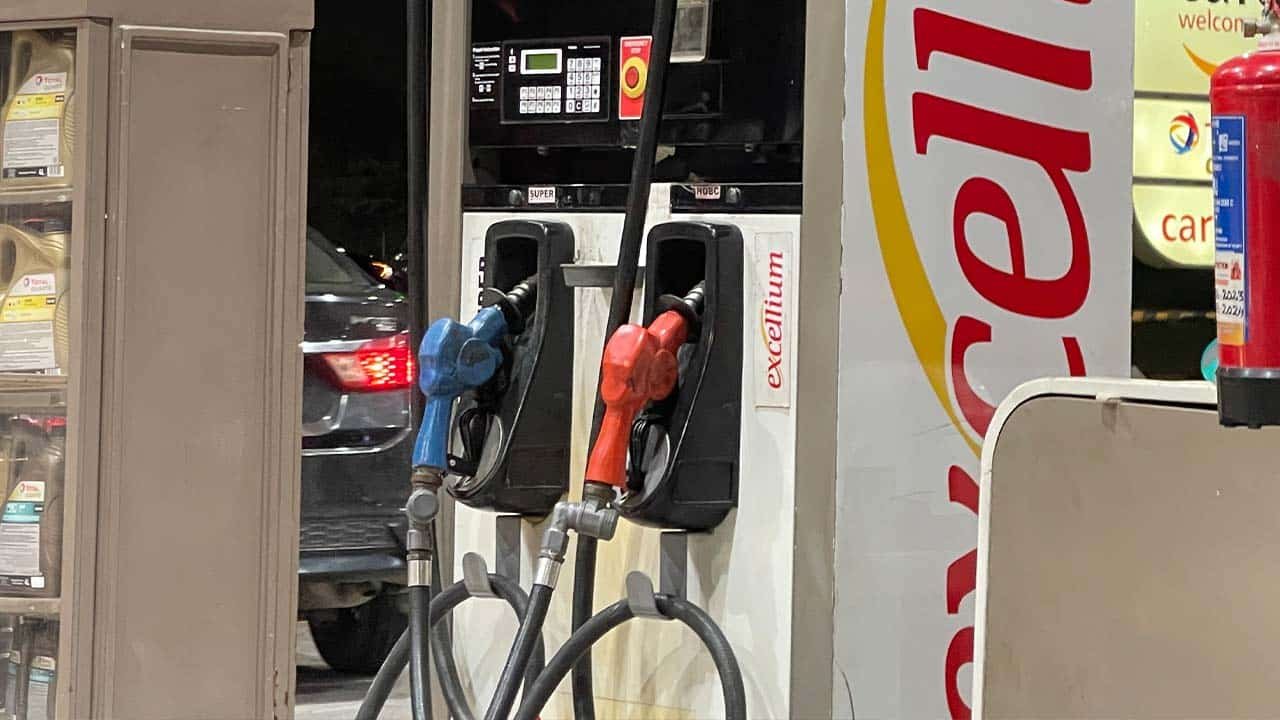
    The caretaker government announced on Tuesday that petrol and diesel prices would remain unchanged until November 15. 

    Furthermore, the government reduced the prices of kerosene and light-speed diesel by Rs 3.82 and Rs3.40 per litre. Kerosene and light-speed diesel will now be priced at Rs211.03 and Rs189.46 per litre, respectively.

    In the previous review on October 15, the caretaker government had announced a reduction of Rs 40 and Rs15 in petrol and diesel prices, bringing them to Rs283.38 and Rs303.18 per litre, respectively. 

    This adjustment was made in response to the continuous appreciation of the local currency against the greenback and fluctuations in international petroleum product prices.

  • Punjab govt approves Rs2.07 trillion budget for four months

    Punjab govt approves Rs2.07 trillion budget for four months

    In a significant development, the Caretaker Punjab Cabinet, under the leadership of Chief Minister Mohsin Naqvi, convened for its 31st session at the Chief Minister’s Secretariat on Monday.  

    During this session, the Cabinet approved a surplus budget of Rs2.07 trillion for the upcoming four months, with a substantial allocation of Rs351 billion dedicated to development projects. 

    It is worth noting that this budget represents a crucial step in the interim governance of the province, as the caretaker government lacks the authority to approve a full-year budget in the absence of an elected government.  

    This temporary budget is designed to ensure that essential ongoing expenses are accounted for, enabling the effective management of the province’s daily affairs. 

    Within this four-month budget, particular emphasis has been placed on directing resources towards critical sectors.  

    Notably, Rs208 billion has been earmarked for the healthcare sector, and Rs222 billion has been allocated for the education sector. An additional Rs10 billion has been allocated to promote the progress of the agricultural sector. 

    In addressing various challenges facing the province, the Cabinet has committed Rs1.80 billion to the National Health Support Programme and Rs5 billion to the Punjab Textbook Board. Moreover, an allocation of Rs7.30 billion has been designated to address climate change issues, reflecting the government’s commitment to environmental sustainability. 

    The Cabinet meeting also saw the finance secretary provide a comprehensive overview of the forthcoming four-month budget, highlighting the robust financial position and surplus resources of the Punjab government.  

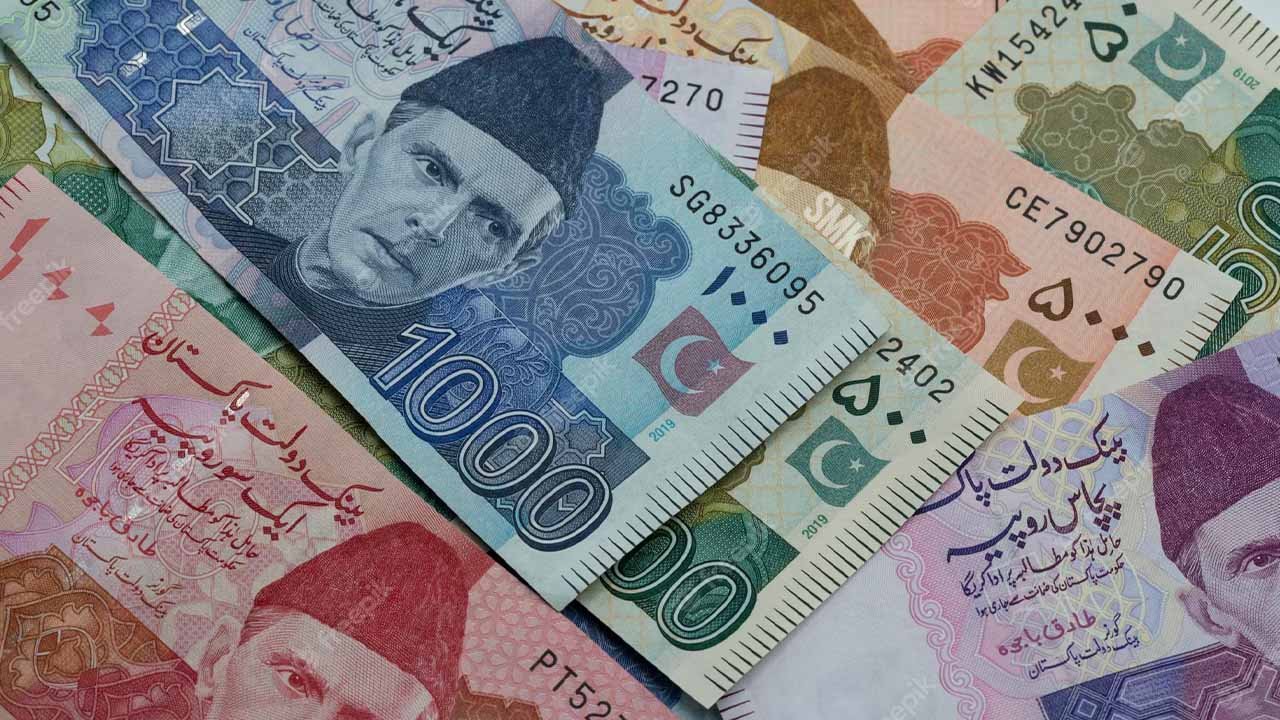
    In a significant move, the Cabinet approved a minimum wage of Rs32,000 for workers, effective July 1, 2023, further promoting workers’ rights and economic well-being. 

    Furthermore, the meeting underscored the importance of anti-smog measures in various regions, including Sheikhupura, Sahiwal, Gujranwala, Hafizabad, Lahore, and Kasur.  

    Chief Minister Naqvi urged strict enforcement of regulations on smoke-emitting vehicles and brick kilns by commissioners and deputy commissioners.  

    Stringent measures were also advised for ongoing construction projects, including the regular use of water sprinklers and a strict ban on crop residue burning, contributing to environmental preservation. 

    The Punjab Price Control for Essential Commodities Ordinance, 2023, received the Cabinet’s approval, reinforcing the government’s commitment to regulating essential commodity prices and ensuring consumer protection. 

  • Govt implements major gas price hike to tackle circular debt crisis 

    Govt implements major gas price hike to tackle circular debt crisis 

    On Monday night, the interim government made a significant announcement that will have a profound impact on the nation’s economy.  

    The decision involved a substantial increase in gas prices, set to take effect on November 1st, 2023. 

    Under this new pricing structure, non-protected domestic consumers will experience a substantial surge in their gas tariffs.  

    Specifically, rates will surge by a staggering 173 per cent for this category of consumers. Commercial users will see their gas prices climb by 136.4 per cent, while those in the export and non-export industries will face increases of 91 per cent and 83 per cent, respectively. 

    Further elaborating on the specifics of these changes, the revised monthly charges for protected consumers have been elevated from a mere Rs10 to a more substantial Rs400. For non-protected consumers, the monthly charges have surged from Rs460 to Rs1000, and for higher consumption slabs, the charges have escalated to a maximum of Rs2000. 

    In terms of actual consumption, the price per mmbtu will vary depending on usage. Users consuming up to 0.25 cubic metres will be charged Rs121 per mmbtu.  

    Those using up to 0.5 cubic metres will pay Rs150 per mmbtu; users with a monthly consumption of 0.60 cubic metres will incur charges of Rs200 per mmbtu; and those utilising 0.9 cubic metres will see rates set at Rs250 per mmbtu.  

    The steepest increase is witnessed by individuals using 1 cubic metre of gas per month, as their charges have surged from Rs400 per mmbtu to Rs1,000 per mmbtu. Users with gas consumption up to 1.5 cubic metres, previously paying Rs600 per mmbtu, will now be required to pay Rs1,200 per mmbtu starting from November 1st. 

    The changes in gas pricing also extend to small commercial users, such as local tandoors, who will be paying Rs697 per mmbtu from the aforementioned date.  

    The power sector will experience a range of charges, with rates fluctuating between Rs1,050 and Rs3,890 per mmbtu, while the cement industry will be subject to a consistent rate of Rs4,400 per mmbtu. 

    As for the export industry, gas pricing has been set at Rs2,100 to Rs2,400 per mmbtu, while non-export industries will be required to pay between Rs2,200 and Rs2,500 per mmbtu. These significant adjustments have been made to alleviate the burden on the nation’s economy. 

    The Power Division, in an official statement, justified the increase in gas prices by referencing the recommendations of the Oil and Gas Regulatory Authority, which sought to prevent an additional burden of Rs400 billion on the already burgeoning circular debt.  

  • Govt approves massive gas tariff hike, raising concerns of growing financial hardship

    Govt approves massive gas tariff hike, raising concerns of growing financial hardship

    The government’s recent decision to approve a substantial increase in gas tariffs, set to take effect from November 1, 2023, has significant implications for the public and the country’s economic situation. 

    This decision was made during a meeting of the Economic Coordination Committee (ECC) of the Cabinet, led by Finance Minister Dr Shamshad Akhtar. The gas tariff increase, reaching up to 193 per cent, will have a profound impact on the already inflation-weary masses.

    This decision comes in anticipation of an impending review by the International Monetary Fund (IMF), scheduled for later in the month, which had urged Pakistan to address the escalating circular debt in the energy sector.

    The approved plan involves various changes to gas tariffs. For protected consumers, the fixed monthly charges will increase from Rs10 to Rs400, while non-protected consumers will witness a rise from Rs460 to Rs1,000, with higher slabs potentially reaching up to Rs2,000. 

    Additionally, the government has raised local gas tariffs for different consumer groups, with non-protected domestic consumers facing a 173 per cent increase, commercial users a 136.4 per cent hike, exports an 86.4 per cent increase, and non-export industries a 117 per cent tariff rise. 

    Exporters will experience an 86 per cent tariff increase, effective November 1, 2023. It’s worth noting that the tariff hike was initially proposed to begin on October 1, 2023, but it has now been scheduled for implementation in November 2023.

    The meeting also addressed other significant issues. The Ministry of Industries and Production presented a proposal to meet urea requirements for the Rabi season 2023–24, which was approved by the ECC. The committee also emphasised the need for uninterrupted gas supply to the fertiliser industry and urged provinces to play a more proactive role in sharing the importation cost.

    Additionally, the ECC reviewed a summary from the Earthquake Reconstruction and Rehabilitation Authority (ERRA), which sought approval for a Technical supplementary grant of Rs484 million. 

    This grant aims to cover pay and allowances for 415 contract and project employees from July 2023 onwards. The ECC directed the Ministry of Planning, Development, and Special Initiatives to identify sources for financing ERRA employees’ salaries.

    Lastly, the ECC approved a summary from the Ministry of Finance regarding the establishment of the National Credit Guarantee Company Limited. 

    This company will play a crucial role in supporting credit enhancement for Small and Medium Enterprises (SMEs), contributing to the development of these businesses.

    In summary, the government’s decision to increase gas tariffs significantly will impact various consumer groups and is a response to economic challenges, especially the circular debt issue. 

    The ECC meeting covered multiple important topics, including measures to address urea requirements, financial support for earthquake reconstruction, and initiatives to boost SMEs through the National Credit Guarantee Company.

  • You can’t get 100-page passports now

    You can’t get 100-page passports now

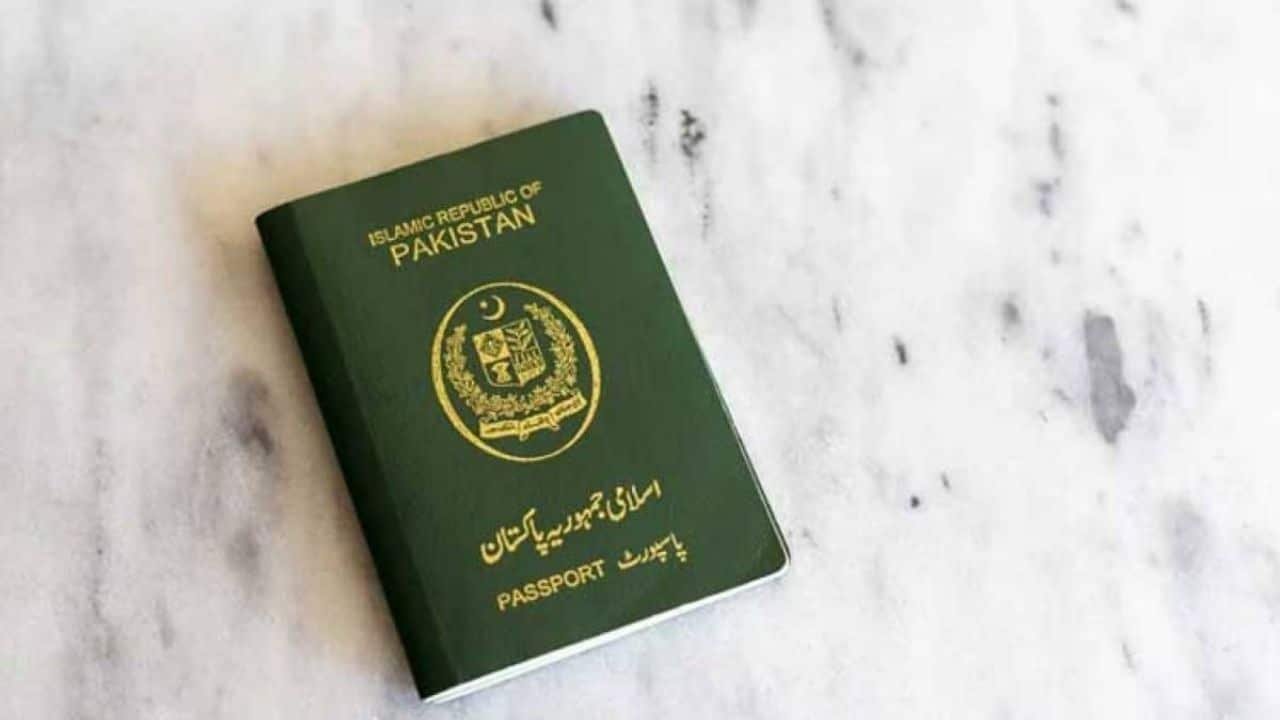
    The government has announced a temporary suspension on the issuance of passports with 100 pages. A statement issued by the Passport office expresses regret for the inconvenience and clarifies that this decision is part of the Directorate General (DG) of Immigration and Passports’ plan to introduce electronic passports (e-passports) nationwide.

    The transition initially began in Islamabad and has since been extended to all passport offices across the country following the federal government’s introduction of e-passports in June.

    As of August 16, 2023, new fee schedules have been implemented for e-passports, while fees for standard passports will remain unchanged.

    Here are the updated fee details for e-passports:

    1. For a standard 36-page passport valid for 5 years, the cost is set at Rs. 9,000.
    2. An urgent e-passport option is available for Rs. 15,000.
    3. A 72-page e-passport for regular processing will cost Rs. 16,500.
    4. Urgent service for the 72-page e-passport is priced at Rs. 27,000.
    5. If you opt for a 36-page passport with a 10-year validity, the normal fee is Rs. 13,500.
    6. The urgent service for this passport type costs Rs. 22,500.
    7. Additionally, a 72-page passport with a 10-year validity will incur a standard fee of Rs. 24,750, with an urgent processing fee of Rs. 40,500.

    The government’s decision to temporarily suspend the issuance of 100-page passports is in line with their efforts to streamline passport services and introduce more secure electronic passports to enhance the travel experience for Pakistani citizens.

  • Temporary pause on 100-page passports in Pakistan, e-passports introduced

    Temporary pause on 100-page passports in Pakistan, e-passports introduced

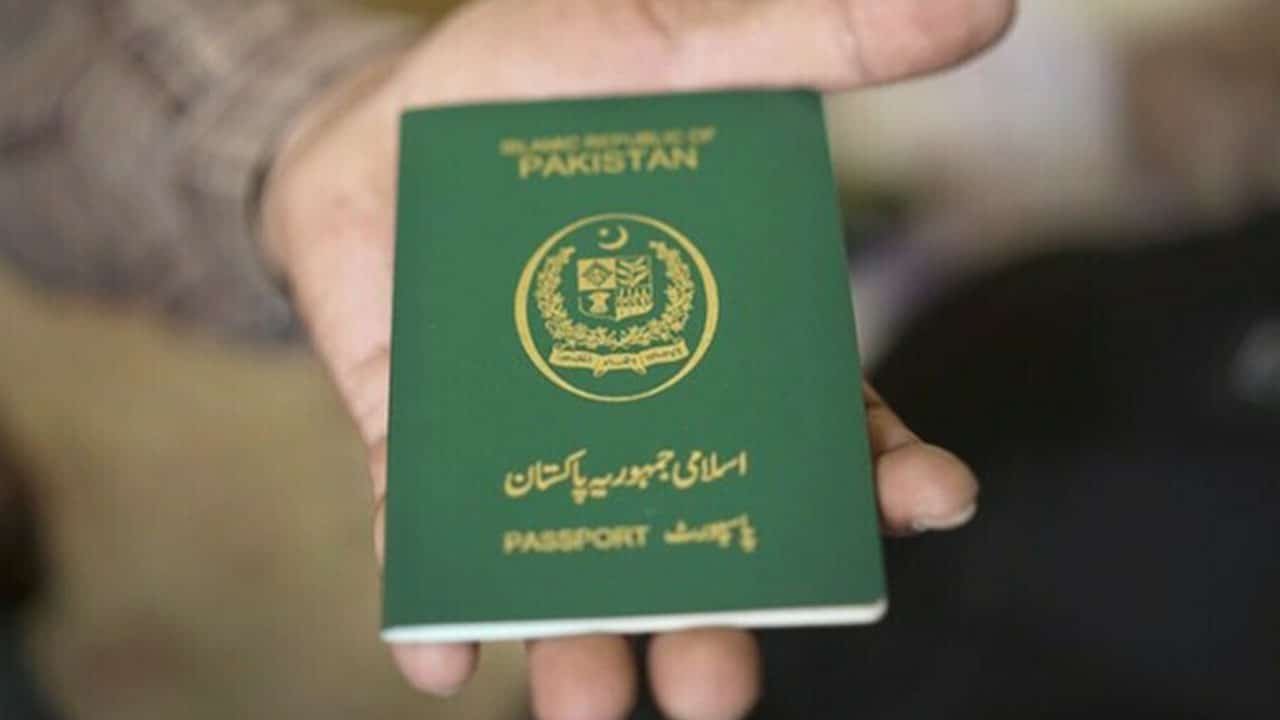
    The government of Pakistan has ceased the issuance of 100-page passports, a decision confirmed by the passport office. This change, while causing temporary inconvenience, was announced in a statement by the passport office, which expressed its regret for any disruption.

    Previously, the Directorate General of Immigration and Passports, operating under the Ministry of Interior, initiated the issuance of e-passports from passport offices nationwide, following Islamabad’s lead. In June, the federal government introduced these electronic passports.

    As outlined by the Directorate General of Immigration and Passports, the fee for a 36-page passport, valid for 5 years, is set at Rs9,000, with an urgent e-passport available for Rs15,000.

    For a 72-page e-passport, the standard fee is Rs16,500, and the urgent fee is Rs27,000. A 36-page passport, valid for 10 years, will cost Rs13,500 under normal processing, while the urgent fee is Rs22,500.

    For a 72-page passport valid for 10 years, the regular fee is Rs24,750, and the urgent fee is Rs40,500. These new fee structures went into effect on August 16, while the fees for standard passports remain unchanged.