Tag: government

  • Pakistan plans to establish 5,000 e-working centres to empower freelancers 

    Pakistan plans to establish 5,000 e-working centres to empower freelancers 

    Dr Umar Saif, the Caretaker Federal Minister for Information Technology and Telecommunications, has announced a significant government initiative to establish 5,000 collaborative e-working centres designed specifically for freelancers.  

    In a recent statement, Minister Saif unveiled plans to provide interest-free loans for the creation of these joint E-Working Centres, with the primary goal of facilitating freelancers and, in turn, generating millions of job opportunities throughout the country.  

    A press release from the Ministry, issued on Thursday, also highlighted Minister Saif’s commitment to attracting global investors to support startup ventures. Additionally, he mentioned an upcoming visit to Saudi Arabia to further these discussions.  

    Furthermore, Minister Saif emphasised a positive dialogue with Caretaker Finance Minister Shamshad Akhtar, focusing on a comprehensive 5-point agenda centred on the IT sector. One key topic of discussion was the issue of retaining dollars within the IT industry.   

    According to Geo News, the Ministry believes that addressing this matter will not only repatriate overseas IT accounts to Pakistan and restore investor confidence but also enhance the inflow of foreign currency into the country, consequently boosting the volume of IT exports.  

    Separately, Minister Saif stressed the need for the Pakistan Software Export Board (PSEB) to redefine its role. He proposed that the PSEB should actively assist IT companies in securing international clients and expanding their businesses on the global stage, ultimately promoting the image of Pakistan in the international market.  

    During the 58th meeting of the PSEB, Minister Saif underlined Pakistan’s unique strengths in terms of IT professionals and its favourable time zone. He emphasised the importance of presenting Pakistan’s IT/ITeS products to the world effectively. He suggested that the PSEB should collaborate with Pakistan’s trade and commerce missions in embassies worldwide to support the growth of exports by Pakistani IT companies.  

    In a directive to the PSEB, Minister Saif urged the expedited implementation of all necessary measures to train 200,000 IT professionals, with the goal of contributing $5 billion to the country’s IT exports. The meeting also delved into discussions concerning the IT industry and strategies for increasing investment within Pakistan. 
  • Govt issues warning to be cautious with Indian tech products 

    Govt issues warning to be cautious with Indian tech products 

    The government has warned information technology (IT) and financial institutions, including regulators, to avoid using artificial intelligence (AI) and information and communication technology (ICT) products from India. They say these products could pose a serious threat to Pakistan’s critical information systems. 

    According to Geo News, this warning came through a cybersecurity advisory shared with federal and provincial ministries and regulators. The advisory noted that AI and ICT products from India are used worldwide, especially in the financial industry, to help businesses grow. 

    However, it pointed out that some Pakistani fintech companies and banks are working with Indian firms that offer IT, cybersecurity, and AI solutions. The government is concerned for two main reasons: 

    Indian products could have hidden “backdoors” or malicious software that collects data, including personal information. 

    There might be direct access to Pakistan’s critical systems by Indian entities, allowing them to monitor and control these systems. 

    Read more:

    The government has asked all ministries and regulators to make sure their affiliated organisations and licensees understand the risks of using Indian products. Instead, they suggest consulting with the Pakistan Software House Association (P@SHA) to find affordable alternatives from local tech companies. 

    Two years ago, a US company called Exodus Intelligence claimed that India used its software vulnerabilities to spy on Pakistan and China. 

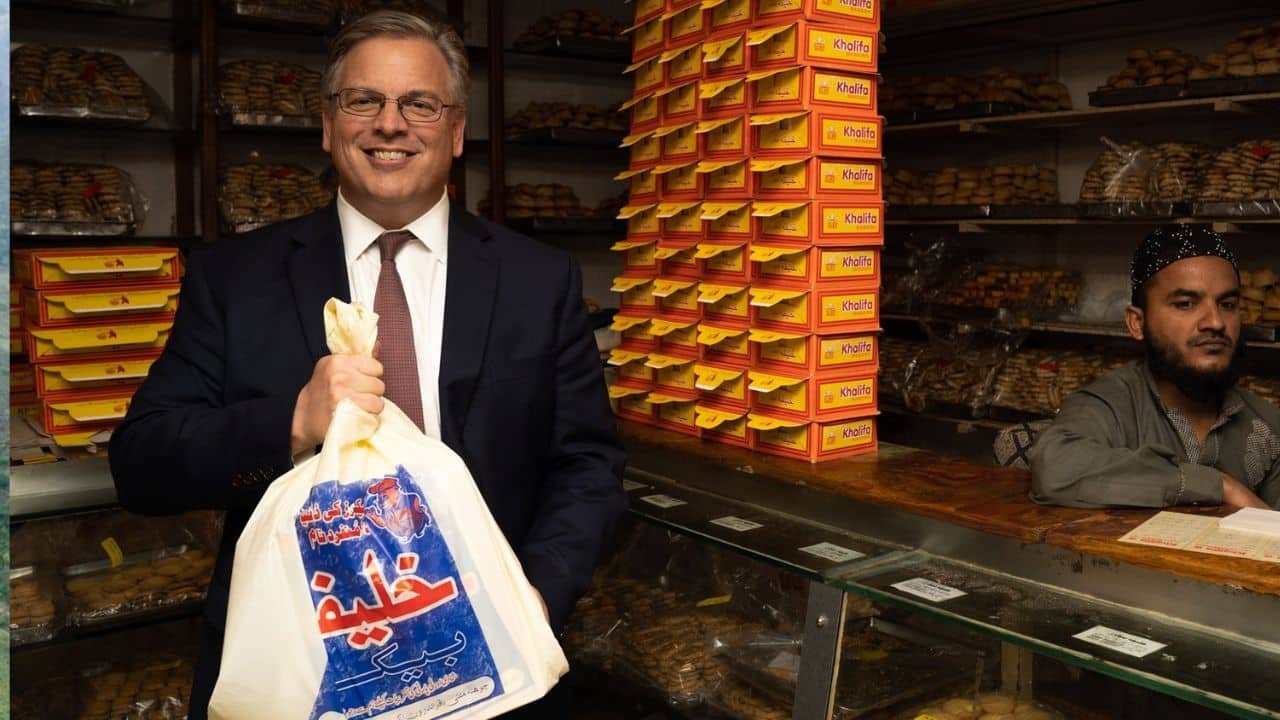
  • Khalifa nan-khatai lover, US Ambassador Donald Blome wants more women in the Pakistani workforce

    Khalifa nan-khatai lover, US Ambassador Donald Blome wants more women in the Pakistani workforce

    US Ambassador to Pakistan, Donald Blome, visited Lahore from September 4-6 and The Current got the opportunity to sit down with him and have a little chat.

    And yes, you read it correctly. The ambassador is a lover of Khalifa nan-khatai. He told us that he discovered the biscuits last year when he came to Lahore. Later, during his February trip, he even stopped by Khalifa Bakers in the Walled City.

    Visit to Lahore
    Over the course of his latest tour, Ambassador Blome visited PepsiCo’s FritoLay Snack plant and NetSol Technologies Ltd. While the focus of the ambassador’s trip was to foster the economic ties between the United States (US) and Pakistan, special emphasis was placed upon the importance of human rights and inclusive workspaces — particularly in regards to women.

    “It is not just a matter of simply hiring — there are things you have to change, and ensure a welcoming environment for women with different needs and different requirements to excel in the workforce,” he pointed out.

    Playing a leading role in corporate social responsibility, American-based companies have not only created employability in Pakistan, but they endeavour to cater to the local communities through initiatives that actively work towards women’s empowerment as well as education, health, disaster relief, and skills development.

    Ambassador Blome cited a USAID programme in partnership with PepsiCo that aims its attention on women farmers of Pakistan who are working in one of the more difficult areas, toiling under a strenuous work environment.

    Cultural Barriers
    Taking into consideration the socio-domestic constraints that often restrict women from growing in their careers, Ambassador Blome believes that practical initiatives can make workplaces more inviting for women in Pakistan.

    “It is the simple things; like having child care facilities, providing safe transportation — beyond that is developing a culture that ensures that equal chance is given to women to advance within their jobs and careers, and that they are valued in the same way every other employee is valued.”

    He further stated that he hopes American firms like PepsiCo, which has advanced gender parity in managerial roles globally, are exemplary models providing a leadership structure for the local businesses.

    “A lot of things work through to get there. But many Pakistani companies are also trying to head in that direction,” Ambassador Blome acknowledged.

    Success stories
    While a number of US businesses have actively countered gender inequality, Ambassador Blome particularly highlighted the digital sector as a success. He mentioned that not only more women are being employed by IT firms but certain institutes have been accommodating by providing opportunities for flexible work like allowing to work partly at home, partly in office.

    NetSol Technologies, an American software company, is known for being an “equal opportunity employer with the largest concentration of female employees in Lahore”.

    This year, they took an initiative to encourage women back into workspaces — women who are married or left the job after having a baby. This was carried out by creating women-exclusive jobs which catered them through on-office facilities.

    Ambassador Blome, however, also hailed a number of “impressive” Pakistani women-led organisations that are in the lead when it comes to facilitating women.

    “It is a whole constellation of different issues that come together,” he underlined.

    “If companies are able to make that work [i.e. create inclusive workspaces], it would be incredibly effective because it brings unique talents and energy, and it is something badly needed for Pakistan. The participation of women in force is too low here and it hurts the country in many ways — to forgo this incredible resource the country has.”

  • Govt aims to ‘reduce power theft of Rs589 billion at the earliest’

    Govt aims to ‘reduce power theft of Rs589 billion at the earliest’

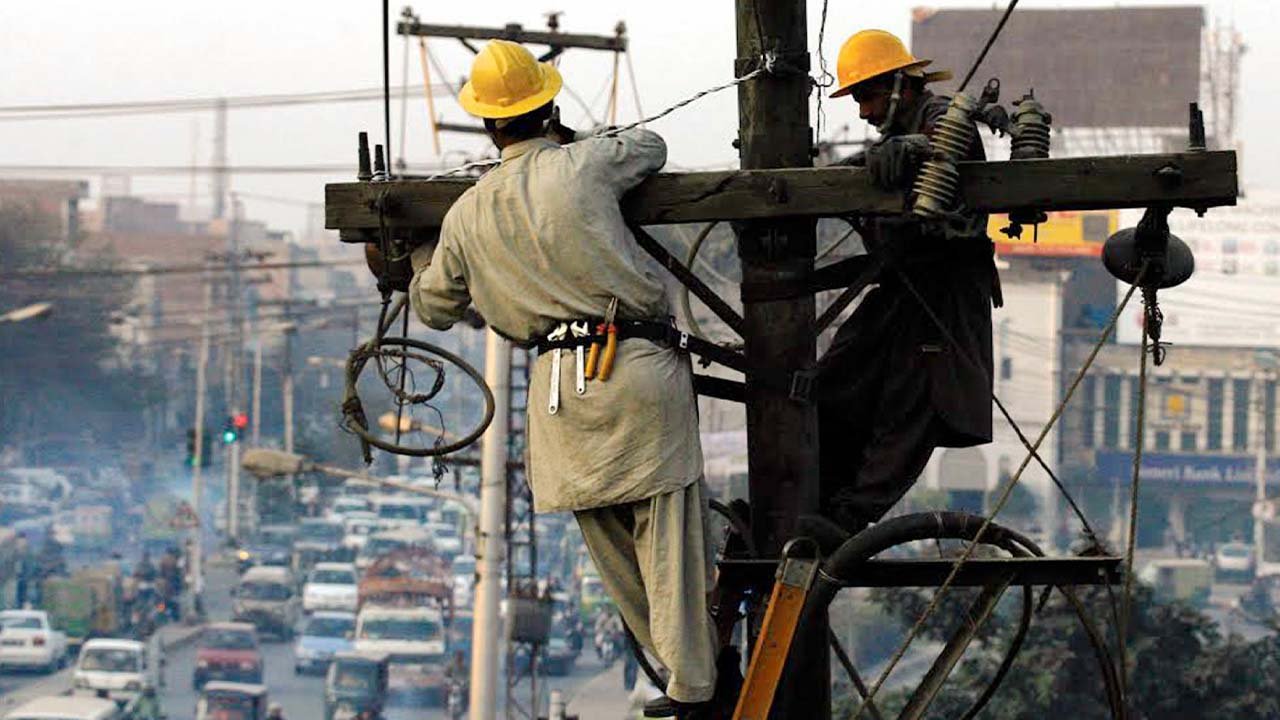
    The caretaker government unveiled a set of measures to tackle power theft nationwide, aiming to reduce the growing circular debt issue in the power sector, which is causing electricity prices to soar. 

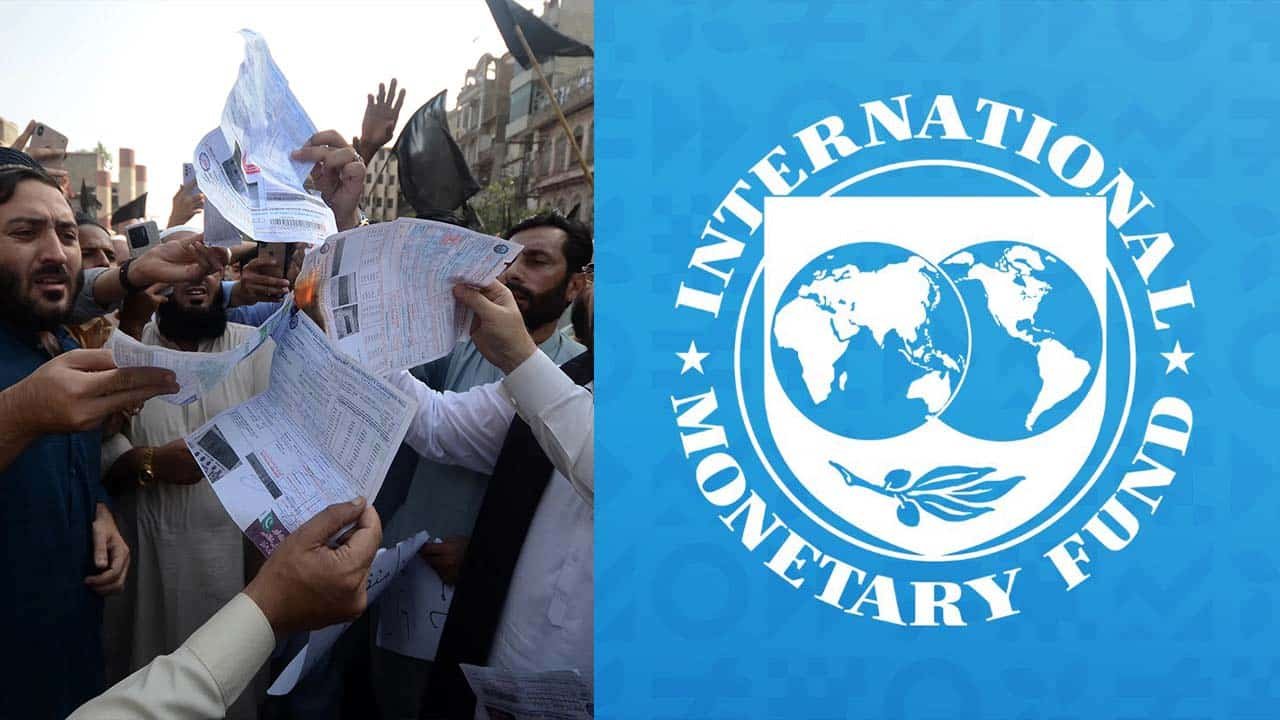
    This announcement comes amid widespread protests against high electricity bills, hindered by strict conditions from the International Monetary Fund.

    During a press conference, Caretaker Energy Minister Mohammad Ali, alongside Interim Information Minister Murtaza Solangi, outlined their plan. 

    According to Geo News, Ali said that the government is working on a new law, the electricity theft act, to create enforcement mechanisms and special courts for those involved in theft. This law will be introduced within the next two to three weeks.

    “We are aiming to stop or reduce power theft of Rs589 billion at the earliest,” the minister said.

    In line with Caretaker Prime Minister Anwaar ul Haq Kakar’s instructions, the Energy Minister announced a crackdown on power theft, emphasising that consumers shouldn’t pay for theft, and lower electricity prices depend on solving this issue. Ali assured that authorities would act based on available data.

    Additionally, the minister revealed a list of power distribution company officers involved in power theft and measures to take action against them. This list was sent to the Election Commission of Pakistan for possible removal.

    In another meeting, Caretaker PM Kakar stressed the urgency of dealing with power theft, urging regular progress reports. He emphasised zero leniency toward power thieves and defaulters.

    During the meeting, detailed briefings covered the energy sector’s challenges, including total installed capacity, actual generation, and overall energy supply across different seasons.

  • IMF declines request for tariff adjustment and subsidy on high electricity bills 

    IMF declines request for tariff adjustment and subsidy on high electricity bills 

    In light of the government’s comprehensive deliberation on strategies to alleviate the burden of electricity bills, the International Monetary Fund (IMF) has declined the proposal for tariff adjustments or additional subsidies. This decision was made despite the government’s assertion that its bill collections for August had nearly met expectations, as reported by The News on Tuesday. 

    The IMF has expressed strong reservations regarding the government’s initiative to provide relief to economically disadvantaged individuals facing high power bills. Pakistan has consequently approached the global lender, requesting permission to phase in upcoming quarterly tariff adjustments (QTAs) and Fuel Price Adjustments (FPAs) amounting to Rs7.50 per unit over the next four to six months. 

    An authoritative source confirmed this request, stating, “Pakistan has sought the IMF’s approval for a gradual implementation of QTAs and FPAs over a four to six-month period, potentially incurring additional costs that will require mutual agreement.” 

    According to sources, the power sector continues to grapple with challenges, given the necessity of increasing tariffs by approximately Rs5 per unit in the current month and incorporating FPAs amounting to Rs2.72 per unit. Consequently, a cumulative tariff increase exceeding Rs7 per unit is anticipated.  

    The computation of QTAs will be based on losses incurred during the April-June period, reflecting reduced unit usage, increased interest payments, and fluctuations in exchange rates. Meanwhile, the FPA is calculated to address the rising prices of imported fuel, resulting in a potential hike of Rs7.50 per unit in September bills, subject to regulatory approval.  

    Simultaneously, the Ministry of Power asserts that its bill collection performance for August 2023 has improved and is nearing expectations. They contend that to mitigate the impact of inflated bills, they must seek the IMF’s approval for the staggered implementation of QTAs and FPAs.  

    According to calculations by the Ministry of Power for various consumer categories, those utilising 400 units can anticipate a reduction in power charges from Rs21,000 in August 2023 to Rs16,963 in September and further to Rs11,356 in October, factoring in QTAs and FPAs. Similarly, charges for consumers using 300 units are projected to decrease from Rs13,000 in August to Rs10,000 in September and Rs8,000 in October 2023. 

    With the onset of winter in October, it is anticipated that the issue of escalated bills will gradually subside. Additionally, officials are planning to approach the National Electric Power Regulatory Authority (Nepra) to determine the next tariff adjustments, considering seasonal usage trends. Given the peak usage during the summer months followed by a decline in winter, tariff adjustments will be tailored to accommodate these seasonal fluctuations. 

    The Prime Minister has instructed the Ministry of Finance to develop a strategy for economic stability in Pakistan. During a meeting with Interim Finance Minister Shamshad Akhtar, the current economic situation was discussed. 

    The government aims to find innovative solutions to ease the burden on electricity consumers, addressing issues like circular debt, power theft, and taxes with short-term measures. 

    The caretaker government’s primary goal is to facilitate early general elections while upholding constitutional obligations such as constituency delimitation following the population census. The focus is on restructuring fiscal and monetary policies for economic revitalization. 

  • Inflation in Pakistan stays above 27% despite IMF reforms

    Inflation in Pakistan stays above 27% despite IMF reforms

    Pakistan continues to grapple with soaring inflation, with the rate holding steady at 27.4 per cent in August, according to data released on Friday. This persistent inflationary pressure is partially attributed to the reforms mandated as part of the IMF loan agreement, which have complicated efforts to stabilise prices and curb declines in the national currency, the rupee.

    The South Asian nation is treading cautiously on its path to economic recovery, with a caretaker government at the helm following the approval of a $3 billion loan programme by the International Monetary Fund (IMF) in July, averting a potential sovereign debt default.

    However, the conditions tied to this bailout, including the relaxation of import restrictions and the removal of subsidies, have contributed to a surge in annual inflation. In May, inflation reached a staggering 38.0 per cent, setting a new record. Concurrently, interest rates have risen, and the rupee has experienced historic lows, with a 6.2 per cent decline in the currency’s value last month.

    While the August data from Pakistan’s statistics bureau indicates a slight easing from July’s 28.3 per cent inflation rate, food inflation remains alarmingly high at 38.5 per cent. Authorities have further exacerbated the situation by raising gasoline and diesel prices to record highs on Friday.

    These worsening economic conditions, coupled with escalating political tensions ahead of a national election scheduled for November, have triggered sporadic protests. Jamaat-e-Islami has announced a nationwide strike in response to the increased power tariffs.

    Every day, Pakistanis are feeling the pinch and struggling to make ends meet. Waseem Ahmed, a bank employee in Islamabad, lamented the plight of the middle class, stating, “More than 60 to 70 per cent of my salary is spent on bills and petrol. Where will we get basic staples from? This is why people are contemplating suicide,” he told Reuters.

    According to ARY News, Mohammed Sohail, CEO of Topline Securities, a Karachi-based brokerage firm, acknowledged that August’s inflation reading aligns with expectations. However, he cautioned that the depreciating rupee and rising energy prices may prevent a significant year-on-year decline in inflation, contrary to earlier government projections that had anticipated a drop to 22 per cent by the end of the fiscal year running until June 31.

    Pakistan’s central bank, in its last monetary policy statement in July, held benchmark interest rates steady at 22 per cent and expressed optimism that inflation would follow a downward trajectory over the ensuing 12 months. However, the current economic challenges present formidable hurdles to achieving that goal.

  • Economic situation worse than expected, subsidies not feasible: Finance Minister

    Economic situation worse than expected, subsidies not feasible: Finance Minister

    In the midst of Pakistan’s ongoing battle with rising prices, the country’s interim Finance Minister, Shamshad Akhtar, issued a strong warning on Wednesday. She pointed out that Pakistan’s economic situation is even “worse” than expected, and the government can’t afford to provide subsidies to the public due to financial constraints.

    According to DAWN, Akhtar made these comments during a meeting of the Senate’s Standing Committee on Finance. She explained that the current government had inherited a programme from the International Monetary Fund (IMF) that couldn’t be changed.

    This announcement comes at a time when Pakistan is facing high living costs, especially expensive electricity bills that have led to protests across the country.

    The government has struggled to find ways to help while also maintaining good relations with the IMF. The caretaker government, which is temporarily in charge, hasn’t been able to come up with clear solutions to ease the situation.

    In a recent meeting chaired by Caretaker Prime Minister Anwaar ul Haq Kakar, the government expressed that it’s not sure how to solve the issue. They even discussed the possibility of letting people pay their electricity bills in smaller portions over time, but this would need permission from the IMF.

    Interim Information Minister Murtaza Solangi mentioned that discussions are ongoing with the IMF to find relief measures for people struggling with high electricity bills. An official announcement about this is expected soon.

    However, it’s important to note that even if the option of paying bills in smaller portions is pursued, it still needs approval from the IMF. This underscores the IMF’s influence on Pakistan’s economic decisions.

    Minister Akhtar, while speaking to the Senate’s Standing Committee on Finance, highlighted the substantial losses faced by government institutions. She stressed the need to sell off some government-owned assets to alleviate financial pressure. Currently, a large portion of Pakistan’s tax earnings goes toward repaying debt. Moreover, the Pakistani rupee is facing challenges due to a shortage of dollars coming in and a high amount going out of the country.

    Akhtar also expressed concern that if Pakistan doesn’t follow the IMF’s agreement, the country might stop receiving dollars, leading to an even worse economic situation. She admitted that the government has taken actions that weakened the economy. She mentioned that the Federal Board of Revenue is not collecting as much as it should while expenses remain high.

    The finance minister clarified that the caretaker government doesn’t have unlimited power. They are restricted in their actions and must work within those limits.

    She also pointed out that any changes to the existing IMF agreement, made by the previous government, are not possible for the current administration. She mentioned that the government is considering reducing benefits for the wealthy, and a detailed update on the economy will be provided to the committee within a week.

    Before the finance minister’s comprehensive briefing, several committee members expressed concerns about the rising value of the dollar and the high electricity bills. Senator Kamil Ali Agha insisted that taxes added to electricity bills should be removed immediately, arguing that the entire country shouldn’t suffer due to a few people’s actions.

  • Govt collects Rs75 billion from consumers in one month through petroleum levy

    The Pakistani government collected a significant sum of Rs75 billion in revenue from the petroleum levy (PL) in July 2023. This levy is a crucial income source because it’s not part of the divisible pool. The increase in the petrol levy to Rs55 per litre has driven this boost in revenue.

    If this pattern continues for the remaining 11 months of the fiscal year, the government could surpass its ambitious budget target for the petroleum levy. The target of Rs869 billion might be exceeded by a notable Rs31 billion.

    In July, the first month of the fiscal year, petroleum consumption decreased by 6 per cent compared to the same month in the previous fiscal year. However, when we look at the month-to-month basis, petroleum product consumption remained constant in July 2023 compared to the previous month.

    An anonymous source from the Petroleum Division, speaking to Brecorder, expressed the government’s concern about the potential decline in consumption. Such a decline could jeopardise meeting the budget goals. However, the government has a plan in place. If needed, the petroleum levy could be increased to Rs60 per litre, which is the maximum limit according to an agreement with the IMF under the Stand-By Arrangement (SBA) and the Finance Act 2023–24.

    Predictions for the current month point to a collection of Rs70 billion from the petroleum levy due to recent price increases of Rs17.50 per litre for petrol and Rs20 per litre for high-speed diesel (HSD).

    The government has committed, under the ongoing IMF SBA, to gradually raising the levy rate to an average of Rs55 per litre over the fiscal year. This strategic move is estimated to bring in an additional Rs79 billion. Currently, the government enforces a petroleum levy of Rs55 per litre on petrol and Rs50 per litre on HSD.

    Keep in mind that any rise in the petroleum levy on fuel products could lead to inflation, increasing transportation costs for goods and people as well as input expenses for various sectors.

    Oil industry experts speculate that gasoline prices might increase further by the end of the month. This projected increase is mainly due to the ongoing depreciation of the Pakistani rupee against the US dollar, which is likely to reduce gasoline consumption.

    In the last fiscal year, the government collected Rs580 billion from the petroleum levy, falling short of the Rs855 billion target by Rs275 billion.

    During the first quarter of the fiscal year 2022–23 (July–September 2022), the collection of the petroleum levy was Rs47.476 billion. This lower amount was due to the lower levy rates of Rs10 on petrol and Rs5 on HSD. Subsequently, collections increased significantly to Rs177.805 billion in the first two quarters (July–December) and further to Rs362.480 billion in the first three quarters (July–March 2023) of the previous fiscal year.

    It’s noteworthy that total consumption of petroleum products dropped by 27 per cent year-on-year in the fiscal year ending on June 30, 2023. Consumption decreased from 22.6 million metric tonnes in the fiscal year 2021–22 to 16.61 million metric tonnes in 2022–23 (July–June).

  • Govt aims to collect extra Rs721 billion from electricity consumers in current fiscal year

    Govt aims to collect extra Rs721 billion from electricity consumers in current fiscal year

    In a significant move to address the mounting circular debt crisis in the energy sector, the government has unveiled a plan to collect an additional Rs721 billion from electricity consumers during the current financial year. The decision comes as a response to the pressing need to reduce the burgeoning circular debt and stabilise the energy sector’s financial health.

    Sources within the Finance Ministry have revealed that the government has informed the International Monetary Fund (IMF) of its comprehensive strategy, which entails a multi-pronged approach to boost revenue and mitigate circular debt. The plan involves a series of phased electricity tariff hikes and adjustments over the coming months.

    According to the proposed timeline, the electricity price will initially be raised by Rs1.25 per unit until September. This adjustment is projected to generate approximately Rs39 billion in additional revenue through quarterly adjustments. This initial step aims to provide a quick injection of funds into the energy sector.

    Following this, from September to December, electricity tariffs are set to witness a further increase of Rs4.37 per unit under the banner of fuel adjustment charges. This particular measure is anticipated to contribute Rs122 billion to the overall revenue pool, providing a substantial boost to the government’s efforts to reduce circular debt.

    Moreover, an ambitious plan to raise the power tariff by Rs5.75 under annual rebasing is on the horizon, with projections suggesting that this move could generate an impressive Rs560 billion in revenue. The cumulative effect of these tariff hikes is expected to bring about a significant reduction in the circular debt that has plagued the energy sector for years.

    The government’s overarching objective is to curtail the circular debt of the power sector, which had skyrocketed to an alarming Rs2,700 billion by June 2023. With the implementation of the proposed tariff adjustments and revenue generation measures, officials are optimistic that the circular debt will be reined in substantially.

    By the end of the current financial year, the government aims to limit the circular debt to Rs2,130 billion, marking a significant milestone in the long-standing battle to stabilise the energy sector’s finances. These measures, though they might impose a temporary burden on electricity consumers, are viewed as critical steps towards achieving a more sustainable and reliable energy infrastructure for the country.

  • Dar credits govt’s prudent economic policies as Pakistan’s forex reserves rise to $14 billion

    Dar credits govt’s prudent economic policies as Pakistan’s forex reserves rise to $14 billion

    In a recent Senate session, Finance Minister Ishaq Dar announced that Pakistan’s foreign exchange reserves have witnessed a significant increase, rising from $8 billion to an impressive $14 billion. He attributed this remarkable growth to the government’s prudent economic policies and the unwavering support received from friendly nations, including Saudi Arabia, Qatar, and China.

    Dar said that China played a pivotal role in bolstering Pakistan’s financial position. Recognising Pakistan’s adherence to all technicalities regarding loan repayment, China graciously agreed to roll over the country’s loans. This move from China came as a testament to Pakistan’s commitment to fulfilling its financial obligations.

    Speaking about the nation’s economic future, Dar urged all political forces to unite and collaborate on a charter for the economy. The proposed charter aims to tackle the country’s financial challenges collectively, serving as a guiding framework to lead Pakistan out of the current financial crisis.

    Addressing a specific issue, the Finance Minister expressed concern over Pakistan International Airlines (PIA) annual loss of approximately Rs70 billion. He attributed this financial setback to an irresponsible statement made by a former minister during the previous regime. Dar highlighted the need for careful and responsible statements from leaders, as they can have far-reaching consequences for the national flag carrier.

    In a piece of encouraging news for the aviation sector, the minister also shared that the Pakistan Airports Authority Bill 2023 is on track to be implemented. Once enacted, this bill will pave the way for the resumption of PIA’s operations in Europe. The move is expected to bolster the airline’s revenue and contribute positively to the nation’s economic growth.